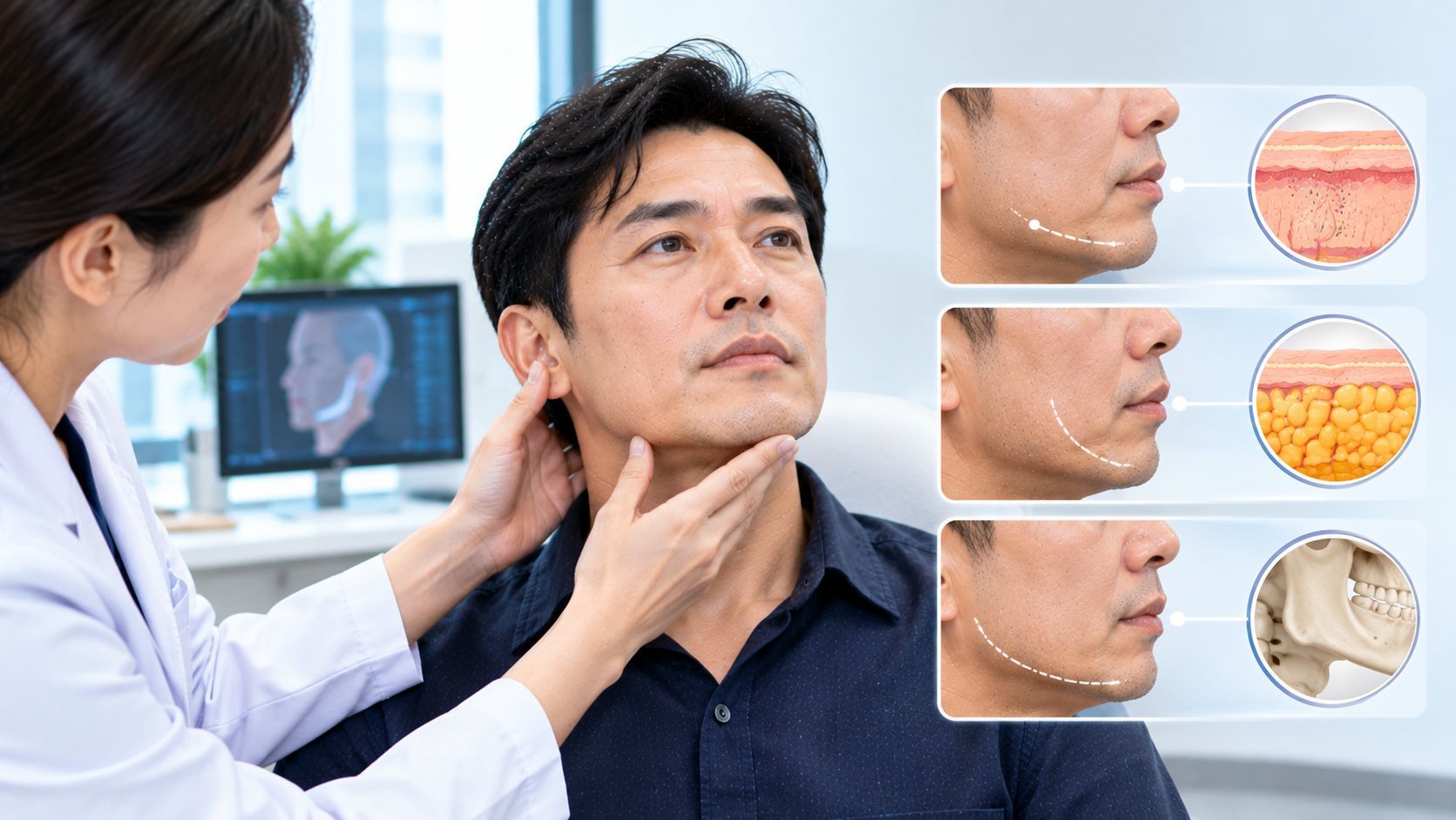
Why does my lower face seem to be getting heavier with age?
Introduction
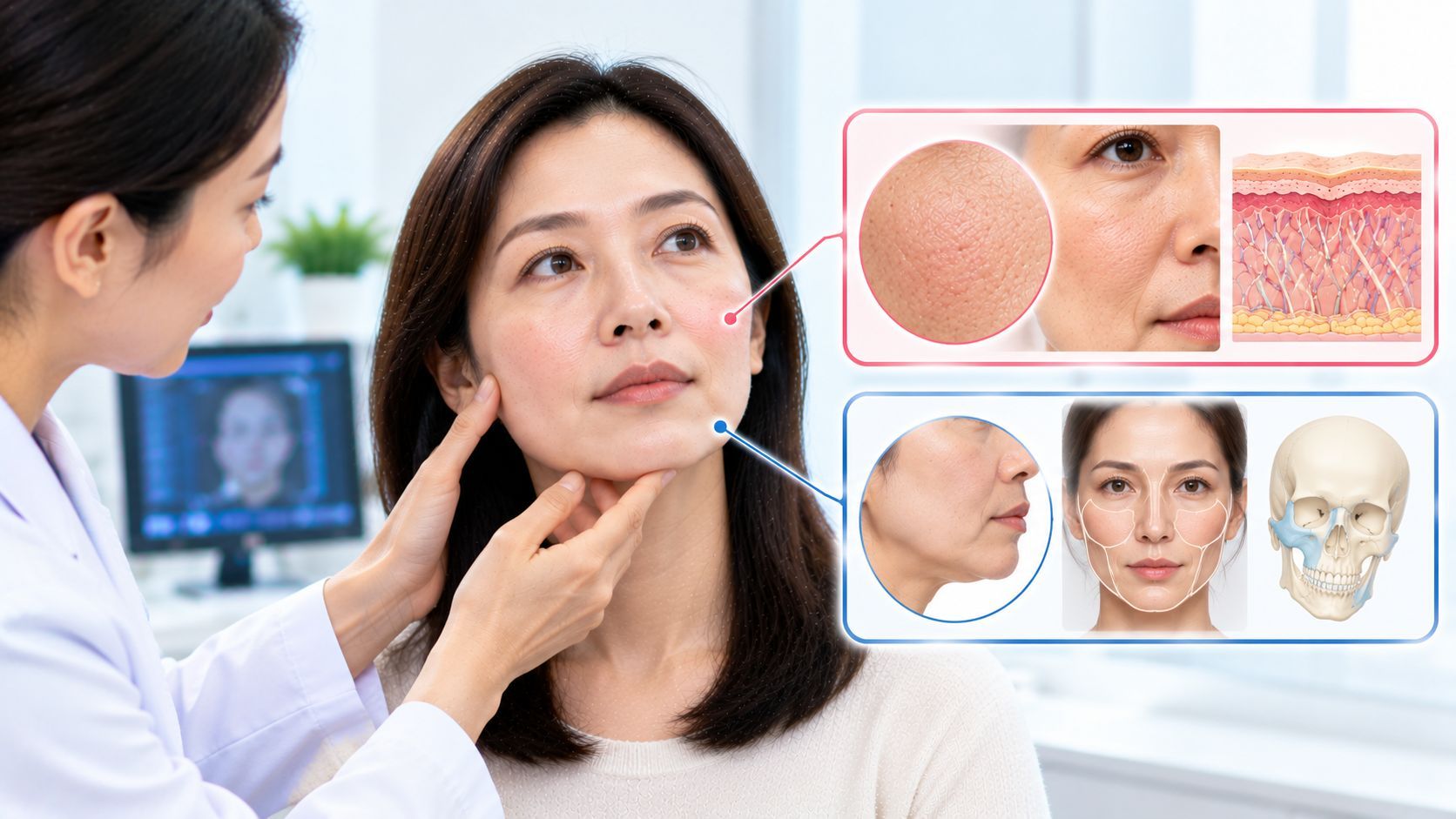
If your lower face looks heavier, wider, or less defined as you get older, you are not necessarily imagining it. Facial aging can change the relationship between the skin, fat, muscles, and underlying facial structure. As skin loses firmness, tissues can descend and the jawline can become less sharply defined.
A heavier-looking lower face can also be influenced by weight changes, facial volume redistribution, genetics, sun damage, and hormonal changes. The important point is that lower-face heaviness is not always caused by excess fat. Treating it effectively requires identifying what is actually creating the change.
Why Does the Lower Face Get Heavier With Age?
The short answer is that several aging processes can happen at the same time.
With age, skin naturally becomes thinner and loses some of its youthful firmness. The face can also lose youthful fullness, while changes in the supporting tissues alter facial contours. Sun exposure can accelerate skin aging and contribute to wrinkles and loose skin.
This can create the visual impression that more weight has accumulated around the:
- Jawline
- Jowls
- Corners of the mouth
- Lower cheeks
- Chin and upper neck
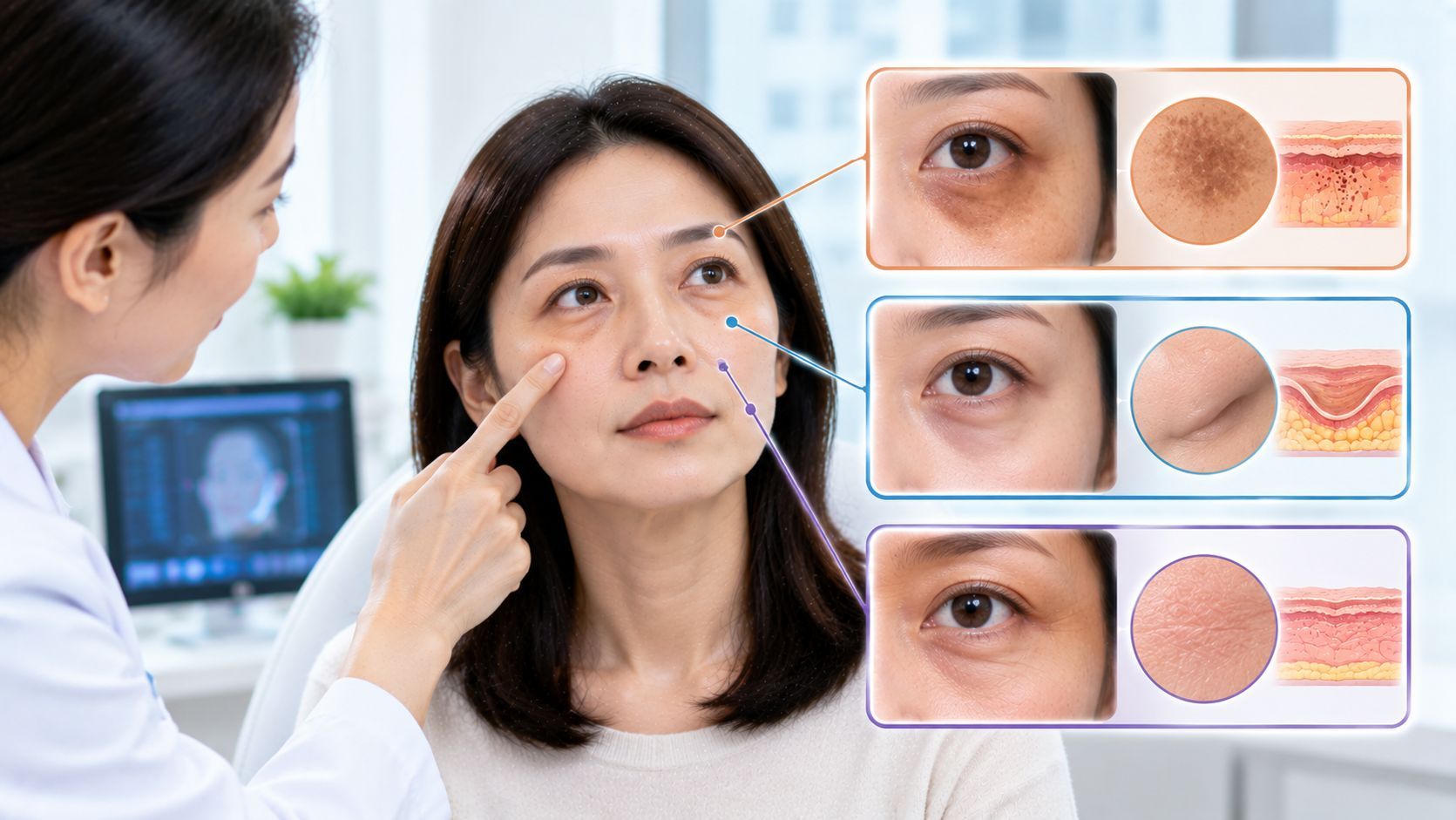
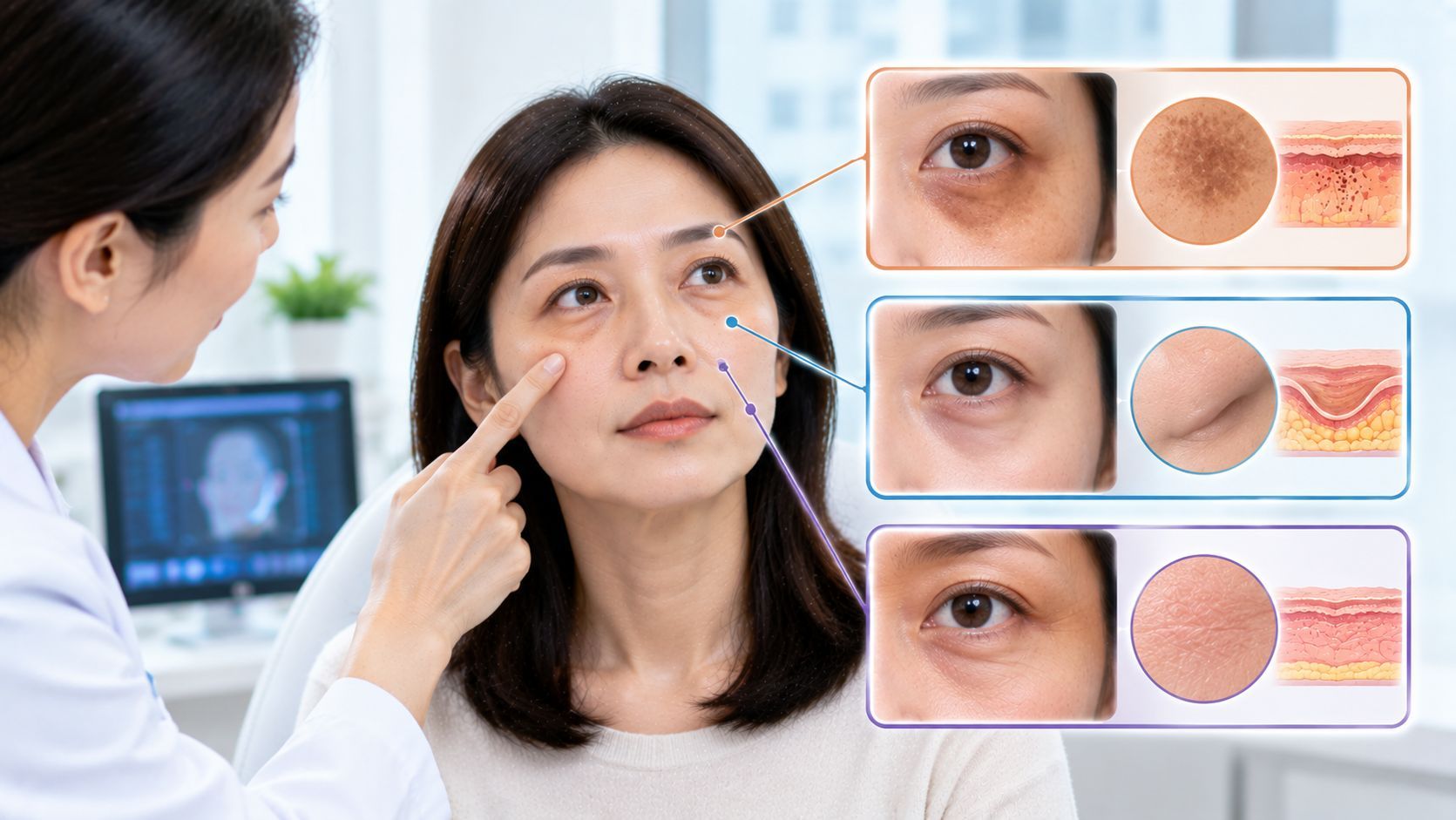
Loss of Skin Firmness
Collagen and elastin help provide structural support to the skin. As these components decline, skin can become less firm.
Hormonal changes can accelerate some aspects of this process. For example, the American Academy of Dermatology notes that collagen loss and skin slackness can contribute to jowls during menopause.
When the skin becomes less supportive, tissue that previously appeared higher on the face may gradually sit lower.
Changes in Facial Fat
Facial fat does not necessarily simply disappear with age.
Different fat compartments can change in volume and position, contributing to both areas of volume loss and areas that appear fuller or heavier.
This is why an aging face can simultaneously have:
- Hollow temples
- Less prominent cheeks
- Deeper under-eye hollows
- More fullness around the lower face
Rapid weight loss can also change facial fullness and skin appearance. The AAD notes that substantial or rapid weight loss can result in reduced facial fullness and sagging in some people.
Jowls Become More Visible
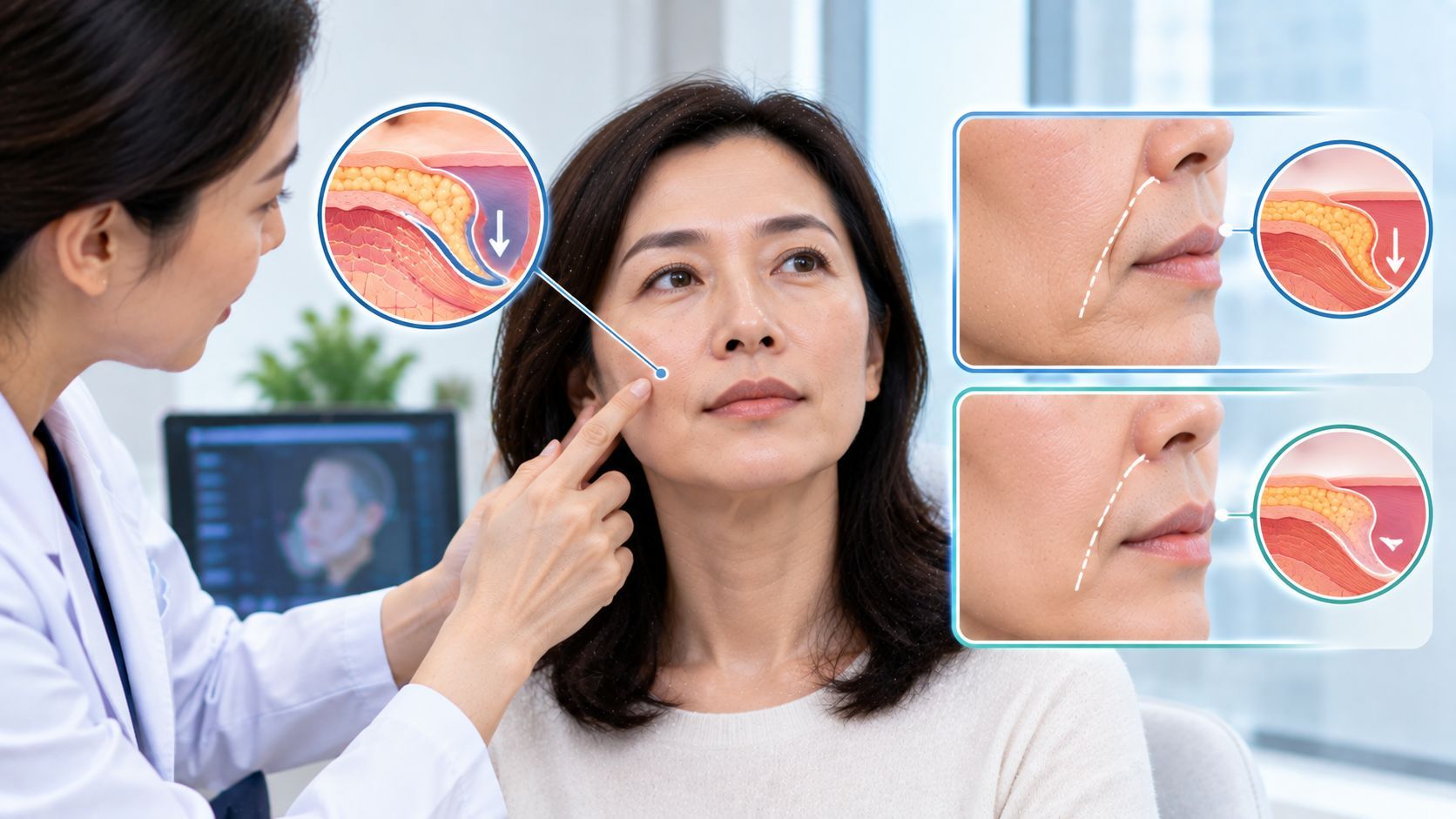
One of the most recognizable causes of a heavier-looking lower face is jowling.
As supporting tissues change and skin becomes less firm, small areas of tissue can become more prominent around the sides of the chin and jaw.
Instead of seeing a clean line from the ear toward the chin, you may notice:
- Small bulges along the jaw
- A softer jawline
- Less separation between the cheek and jaw
- More shadow around the lower face
This can make the entire face appear heavier even when your actual body weight has not changed.
Could It Simply Be Weight Gain?
Yes.
Changes in overall body weight can affect facial fullness, including around the cheeks, jawline and neck. If the lower-face change occurred alongside general weight gain, that possibility should be considered before assuming that facial aging is responsible.
However, weight is only one potential explanation.
If your body weight has remained relatively stable while your jawline has gradually become less defined, changes in skin firmness and facial structure may be more relevant.
Could Your Skin Be the Main Problem?
Sometimes what looks like extra volume is actually loose skin and tissue descent.
This distinction matters because removing facial fat will not necessarily correct lax skin.
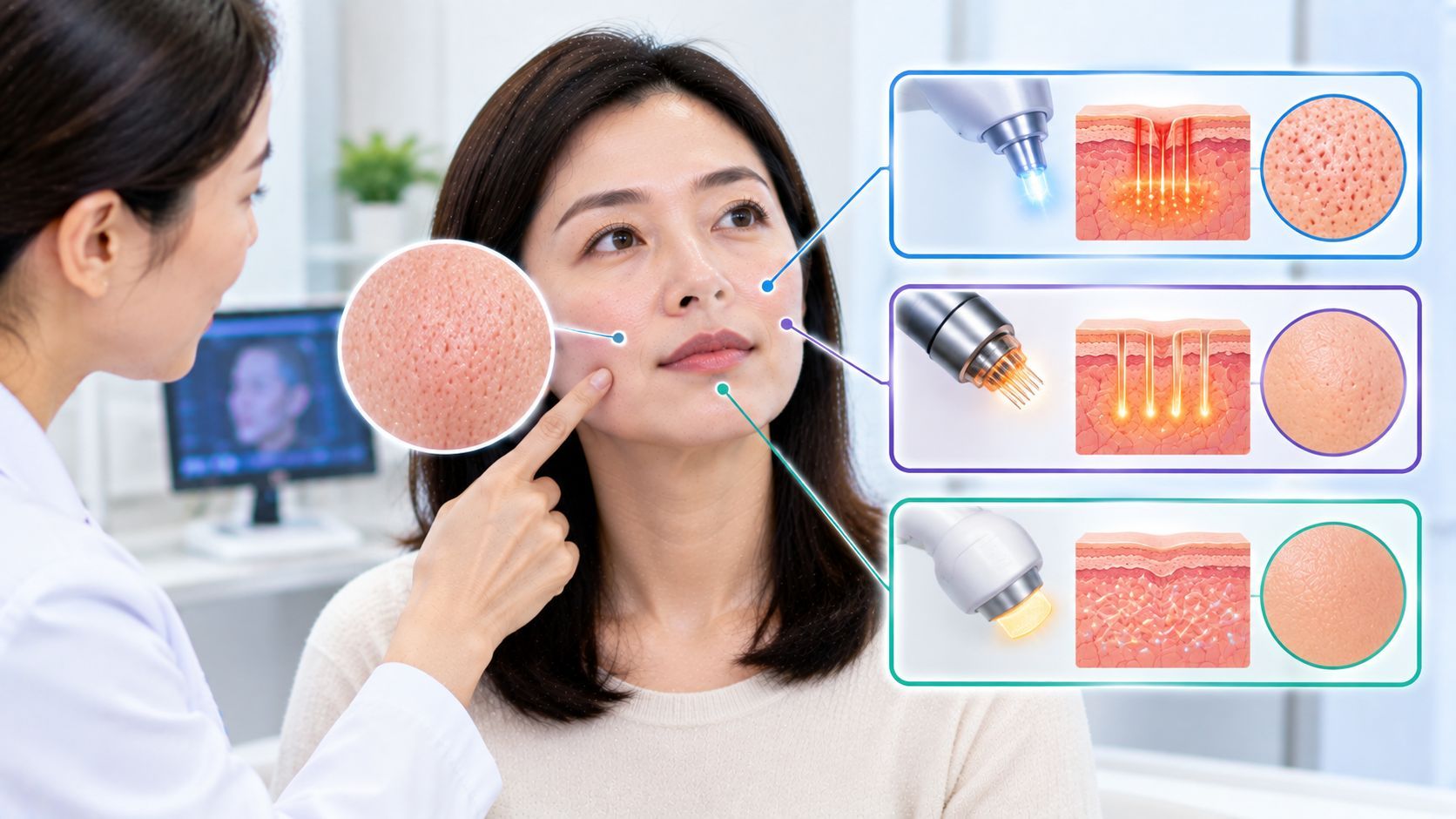
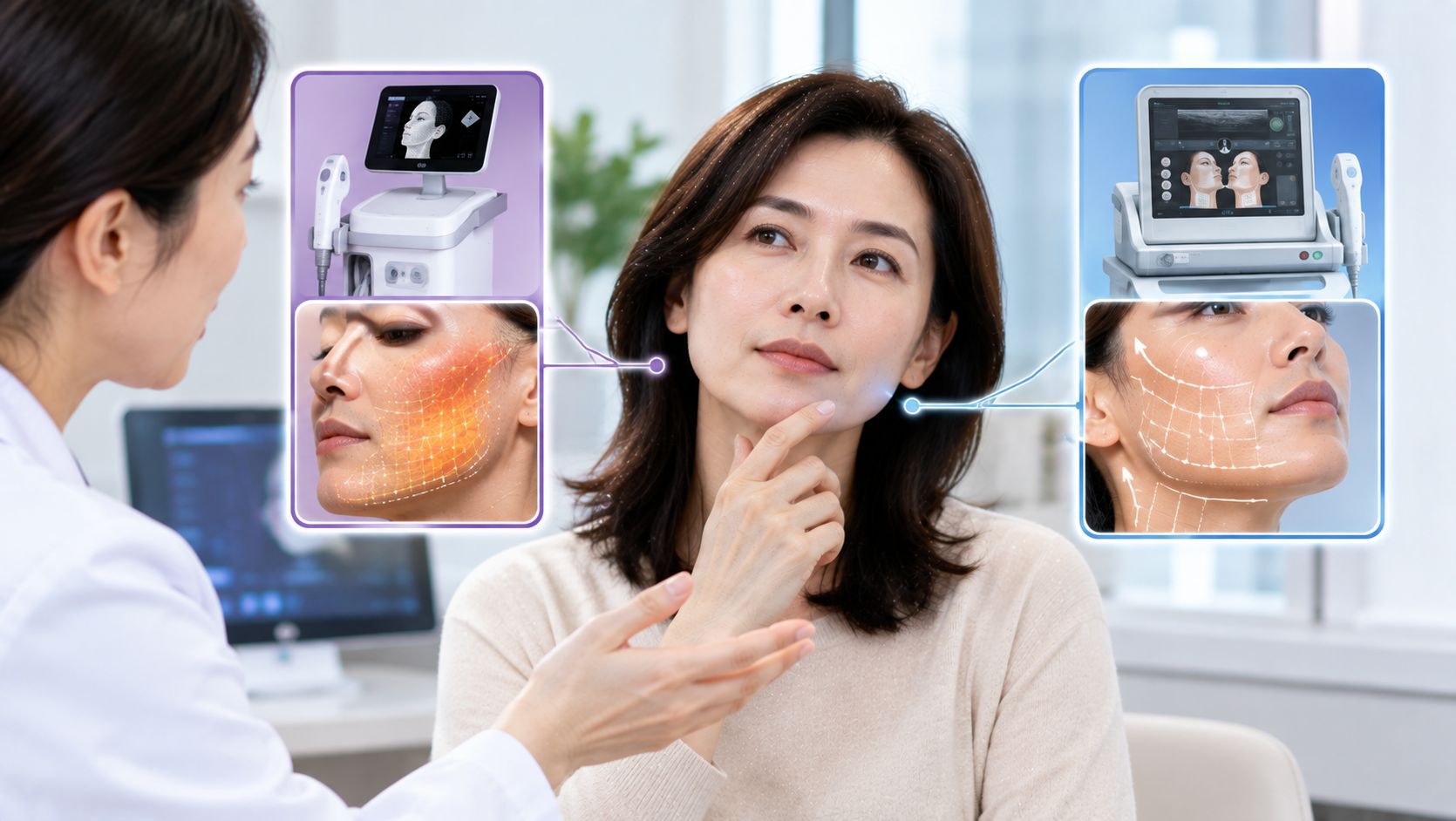
For mild sagging, non-invasive skin-tightening treatments using technologies such as ultrasound or radiofrequency may provide modest tightening. The AAD notes that these approaches generally produce gradual results and are most appropriate when the amount of sagging is limited.
If there is substantial excess skin, non-surgical tightening may have limited ability to create a major lift.
What Should You Treat?
If Your Main Concern Is Mild Skin Laxity
If the lower face is becoming softer but you do not have substantial excess skin, a dermatologist may consider non-surgical tightening.
Potential options include:
- Radiofrequency-based skin tightening
- Ultrasound-based skin tightening
- Certain laser treatments
- Collagen-focused approaches
These treatments are generally intended to improve firmness rather than physically remove large amounts of tissue.
If You Have Noticeable Jowls
When jowls are the dominant problem, the treatment needs to be based on their cause.
A consultation may assess:
- Skin laxity
- Facial fat distribution
- Cheek volume
- Jawline anatomy
- Chin projection
- Overall facial proportions
Trying to treat jowls by simply adding volume elsewhere can sometimes make the lower face appear heavier rather than more defined.
If You Have Excess Localized Fat
If genuine localized fat is contributing significantly to a heavy lower face or double chin, a qualified clinician may discuss fat-reduction options.
However, this requires careful assessment. Removing too much facial fat can create hollowing or an aged appearance, particularly when skin elasticity is already reduced.
The goal should not simply be less fat. It should be better facial balance.
If Your Lower Face Has Lost Support
Sometimes the issue is not excessive lower-face tissue but insufficient support elsewhere.
For example, age-related volume loss in the cheeks or other areas can change facial proportions and make the lower face appear relatively heavier.
Dermal fillers can restore selected areas of lost fullness, but they should be used conservatively and only when volume loss is actually contributing to the imbalance. Fillers are designed to restore fullness rather than simply “lift everything.”
Why Treating the Whole Face May Not Be the Best Approach
A common mistake is to assume that a heavier lower face means you need aggressive jawline treatment.
Instead, ask:
What changed first?
For example:
What you noticeWhat may be contributingSoft jawlineSkin laxity, tissue descent, fat distributionJowlsSkin laxity and changing facial supportFuller lower cheeksFat distribution or weight changesDouble chinSubmental fat, skin laxity, anatomyHollow cheeks + heavy jawRelative loss of midface volumeHeavy face after weight gainIncreased facial fullnessHeavy face after major weight lossLoose skin and altered volume
This distinction is important because the same visual complaint can have completely different causes.
What Treatments Are Usually Considered?
Skin Tightening
Non-invasive ultrasound and radiofrequency treatments can provide gradual tightening for selected patients with mild laxity. They are not equivalent to a surgical facelift and generally produce more modest results.
Dermal Fillers
Fillers may help restore carefully selected areas of lost facial volume. They can sometimes improve facial balance, but inappropriate or excessive filler can add unwanted fullness.
Botox
Botulinum toxin can be useful for certain muscle-related concerns, but it is not a general treatment for facial heaviness. It does not remove excess fat or tighten significantly loose skin.
Energy-Based Skin Treatments
Certain laser and other energy-based treatments may improve combinations of skin texture, wrinkles and laxity. The appropriate device depends on the actual condition being treated.
Surgery
If there is substantial skin laxity and tissue descent, surgical lifting can produce a more significant change than non-surgical treatments.
The AAD notes that surgical lifting procedures generally provide the most dramatic tightening compared with non-surgical approaches, although they involve surgery and recovery.
What About Combining Treatments?
A combination approach can sometimes make more sense than trying to force one treatment to solve every problem.
For example, someone might have:
- Mild jawline laxity
- Early jowls
- Midface volume loss
- Fine lines
- Sun-related skin changes
In that situation, a dermatologist might address different components separately rather than aggressively treating the jawline.
Combination treatment should be individualized rather than based on a predetermined package. The AAD notes that dermatologists may use more than one treatment to address different signs of aging while aiming for a natural appearance.
How Can You Tell What Is Actually Making Your Face Look Heavier?
A professional assessment should look at your face from multiple angles rather than relying only on a front-facing photograph.
Useful observations include:
- Front view: Is the lower face actually wider?
- Three-quarter view: Are the cheeks descending toward the jaw?
- Profile: Is the issue mainly the chin, jawline or neck?
- Skin movement: Is there loose skin when the face is gently repositioned?
- Weight history: Has your body weight changed?
- Volume: Have the cheeks or temples become noticeably hollow?
- Skin quality: Are wrinkles, sun damage or thinning skin contributing?
This helps distinguish excess volume from loss of support.
What Should International Patients Ask Before Treatment?
If you are considering treatment in Seoul or elsewhere in Korea, do not choose a procedure solely because it is marketed as a “V-line,” “jawline slimming,” or “lifting” treatment.
Ask the clinician:
- What is actually making my lower face look heavier?
- Is this fat, skin laxity, volume loss, or a combination?
- Would reducing fat make my face look older?
- Do I have enough skin elasticity for a non-surgical treatment?
- How much improvement is realistic?
- What is the downtime?
- What complications should I know about?
- Will I need follow-up treatment?
- What happens if I develop swelling, asymmetry, or another complication after returning home?
A proper consultation should consider your anatomy, skin condition, medical history and desired outcome before recommending a procedure.
Risks and Limitations
There is no treatment that can permanently stop facial aging.
Non-surgical procedures may provide gradual or modest improvement, while fillers, energy-based treatments and surgical procedures all have different risks.
Potential complications vary by procedure and can include swelling, bruising, infection, pigmentation changes, burns, asymmetry, scarring or an unnatural appearance. Provider experience and appropriate patient selection matter.
Importantly, over-treating a heavy-looking lower face can sometimes make the problem worse. Removing too much volume or adding too much filler can disturb facial proportions.
Conclusion
A lower face that seems heavier with age is usually not explained by one factor.
Skin laxity, changes in facial fat, weight fluctuations, collagen loss, hormonal changes and shifting facial proportions can all contribute to a softer jawline and more noticeable jowls.
The best treatment therefore depends on what is actually creating the heaviness. Mild laxity may respond to skin-tightening approaches, while localized fat, volume loss, significant skin excess or structural changes require different strategies.
Rather than asking, “How can I make my lower face smaller?” a better question is:
“What has changed in my facial structure, and which treatment can correct that specific change without making another part of my face look older?”
FAQs
Why does my lower face get wider as I age?
Aging can change skin firmness, facial fat distribution and facial proportions. These changes can make the jawline and lower cheeks look wider or heavier even when your body weight has not changed.
Does aging cause more fat in the lower face?
Not necessarily. Facial aging involves changes in both volume and tissue position. Some areas can lose volume while other areas appear fuller or lower, creating the impression of increased lower-face fat.
Can weight loss make a lower face look worse?
Rapid or substantial weight loss can reduce facial fullness and may make loose skin or sagging more noticeable in some people.
What is the best treatment for a heavy lower face?
There is no universal best treatment. The cause may be skin laxity, localized fat, volume changes, jowling, or a combination. A facial assessment should come before choosing a procedure.
Can skin tightening remove jowls?
Skin tightening may improve mild laxity and definition, but it cannot reproduce the results of a surgical lift when there is substantial excess skin.
Should I remove facial fat to make my jawline sharper?
Not automatically. Removing facial fat without considering skin elasticity, facial proportions and age-related volume loss can sometimes create an older or hollow appearance. The cause of the fullness should be established first.