My Skin Reacts Badly to Heat. Should I Avoid RF Treatments?
Introduction
If your face becomes red, hot, flushed, or uncomfortable whenever you are exposed to heat, it is reasonable to question whether a radiofrequency (RF) treatment is appropriate.
The short answer is: heat sensitivity does not automatically mean you must avoid every RF treatment, but unexplained or easily triggered flushing should be evaluated before deliberately heating the skin. The important issue is why your skin reacts to heat.
Heat can trigger flushing in people with rosacea, and sensitive or inflamed skin may also tolerate cosmetic procedures poorly.
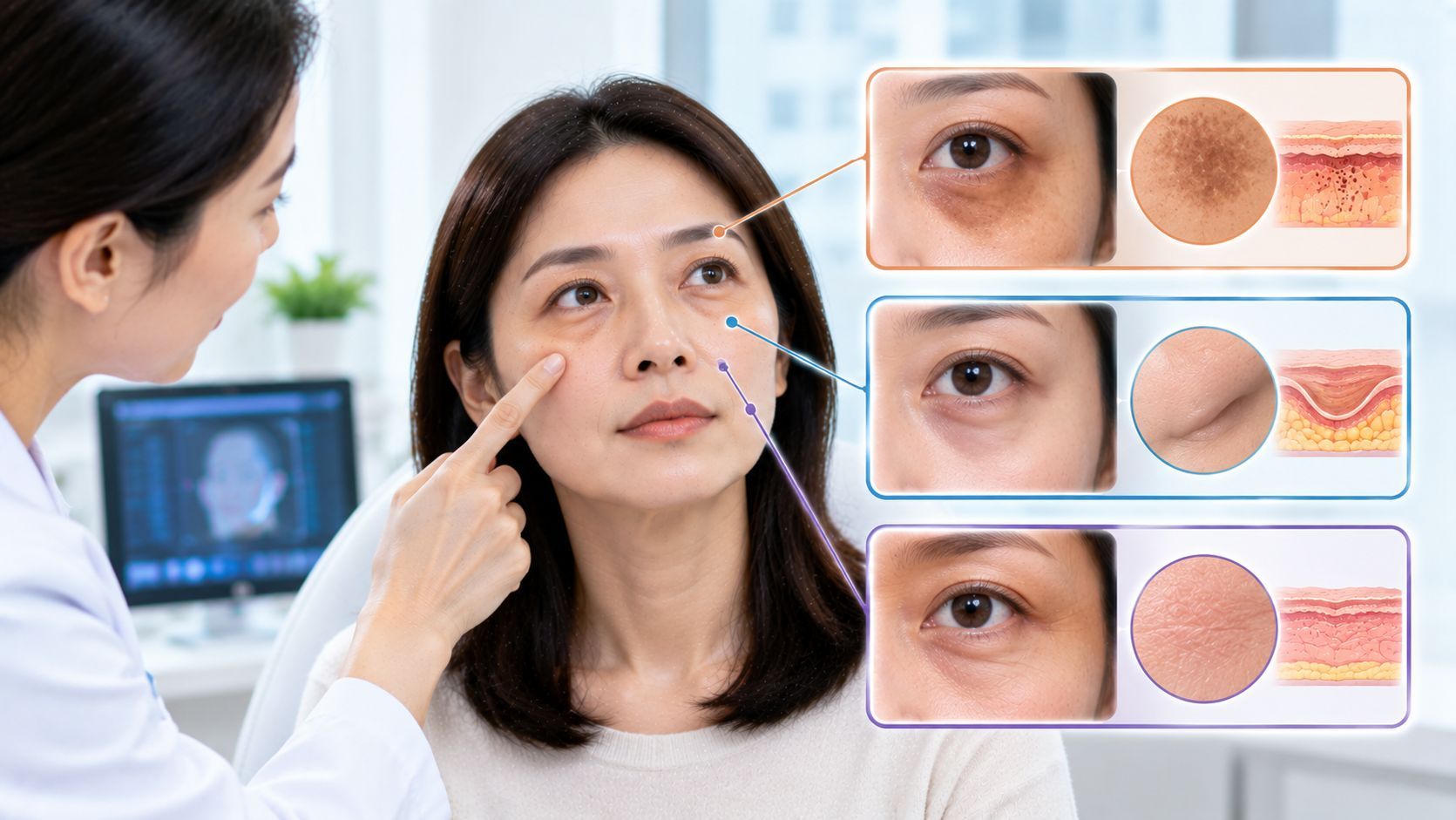
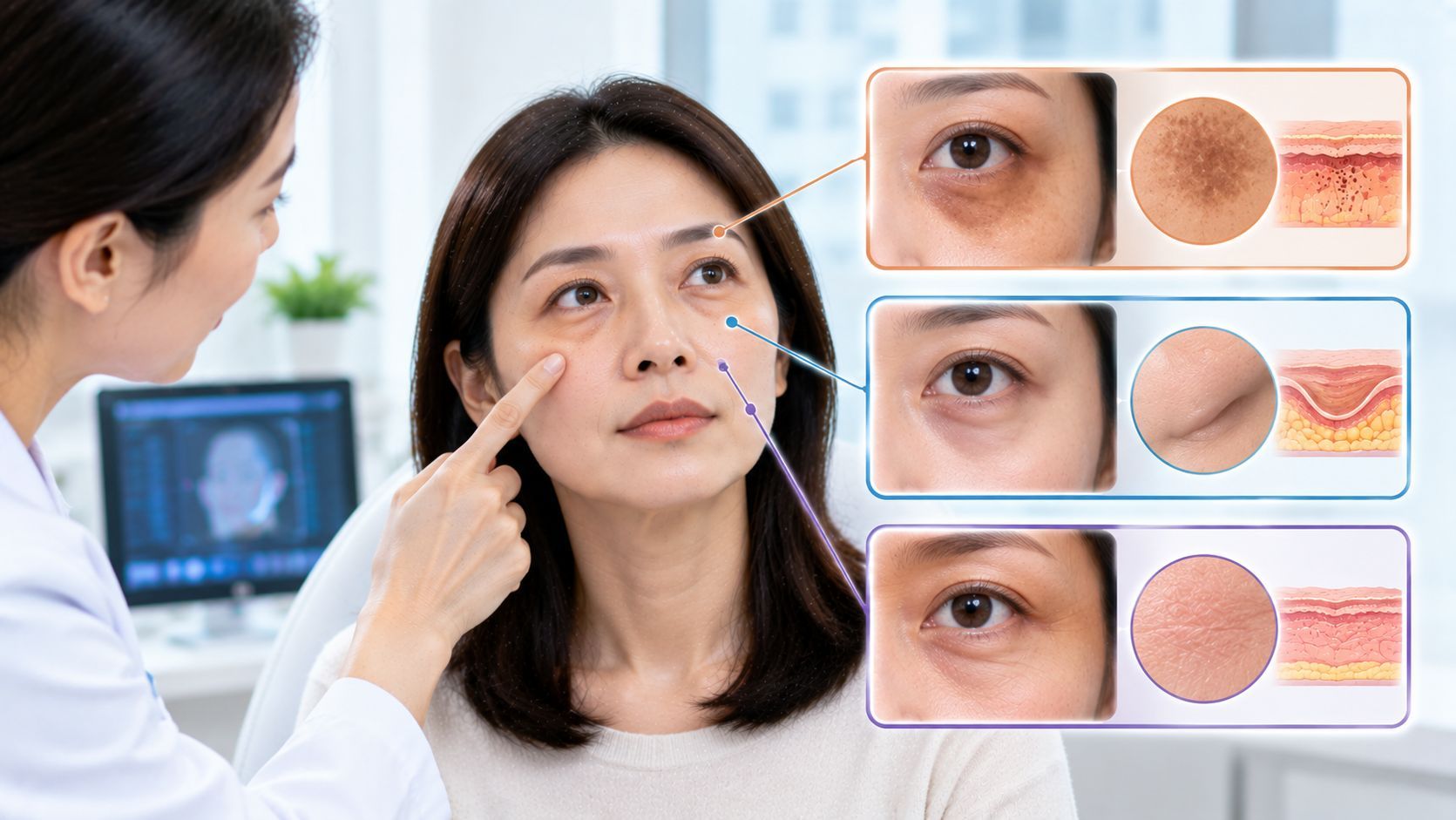
For someone considering RF treatment in Korea, the safest approach is not simply choosing a lower setting. First determine whether you have ordinary sensitivity, an impaired skin barrier, rosacea, another inflammatory condition, or a different reason for heat-related redness.
Why Does Heat Make Some Skin Turn Red?
When the body becomes warm, blood vessels can dilate and increase blood flow to the skin. Facial redness can therefore occur temporarily in otherwise healthy people.
However, some people experience much stronger reactions.
You might notice:
- Redness after hot showers
- Facial flushing in warm rooms
- Burning or stinging
- Redness during exercise
- Flushing after hot drinks
- Sensitivity to saunas
- Persistent redness after becoming overheated
Heat is a recognized trigger for rosacea flare-ups, although individual triggers vary considerably.
That distinction matters before choosing a heat-based cosmetic procedure.
What Is RF Treatment?
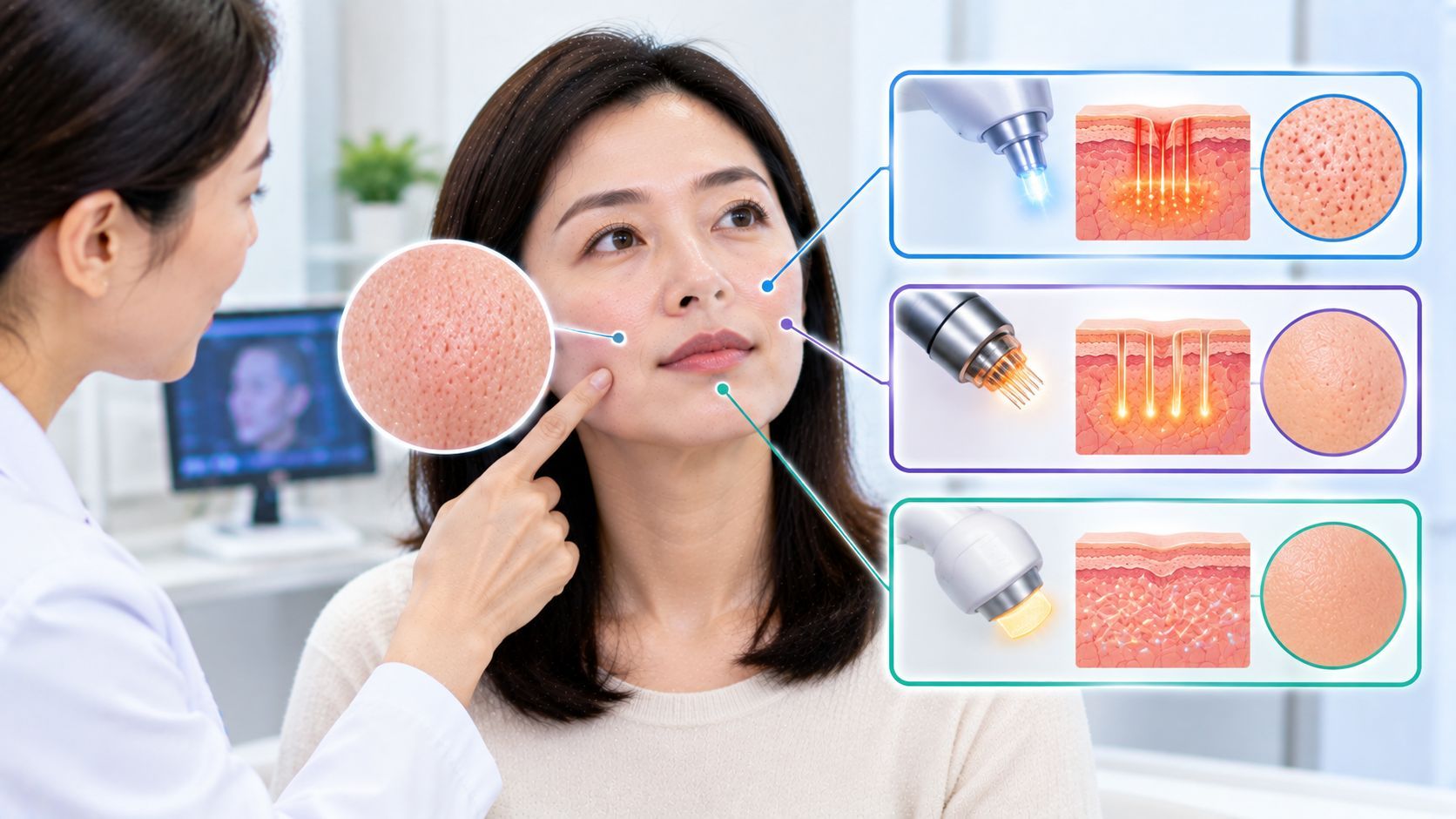
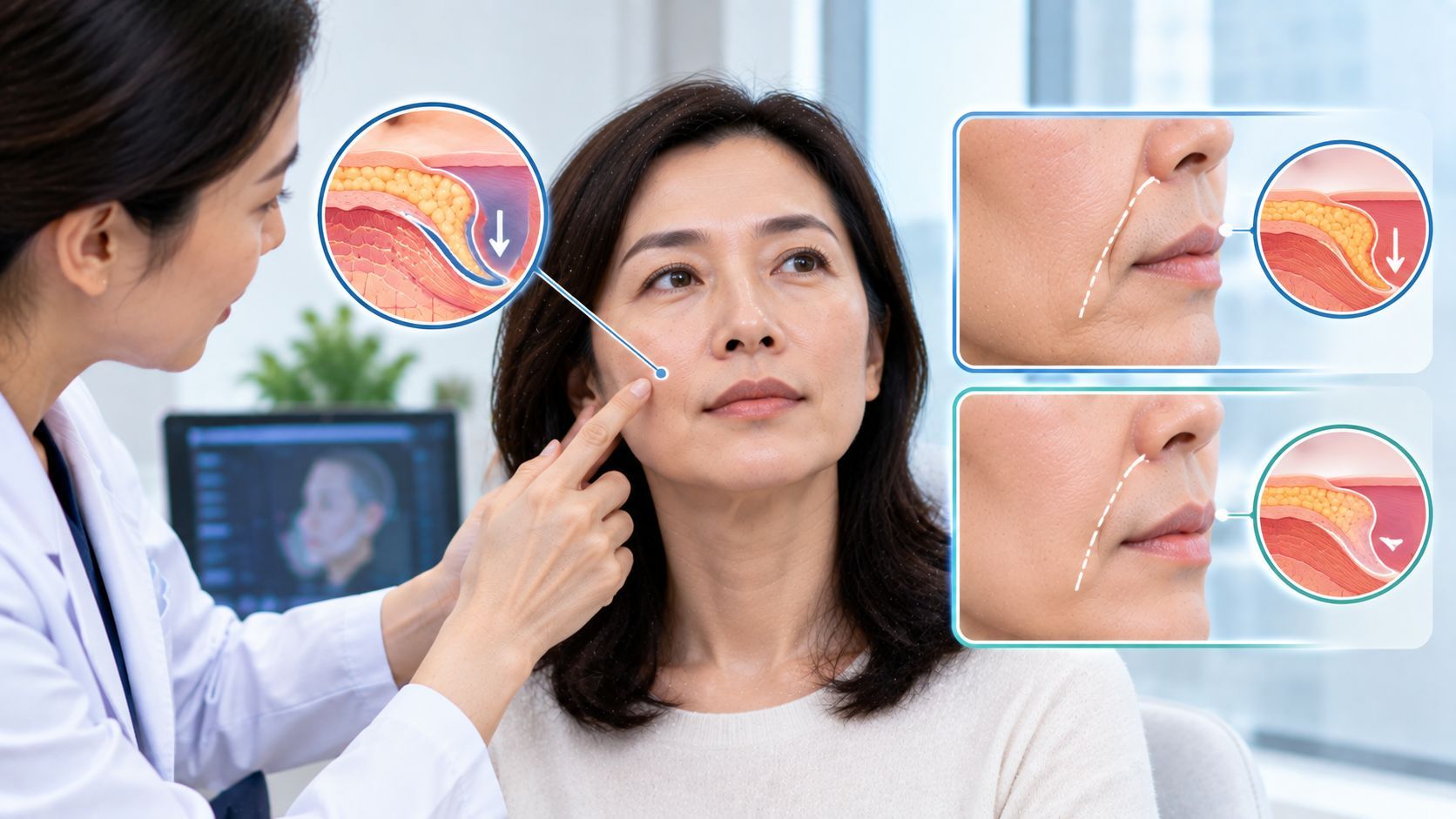
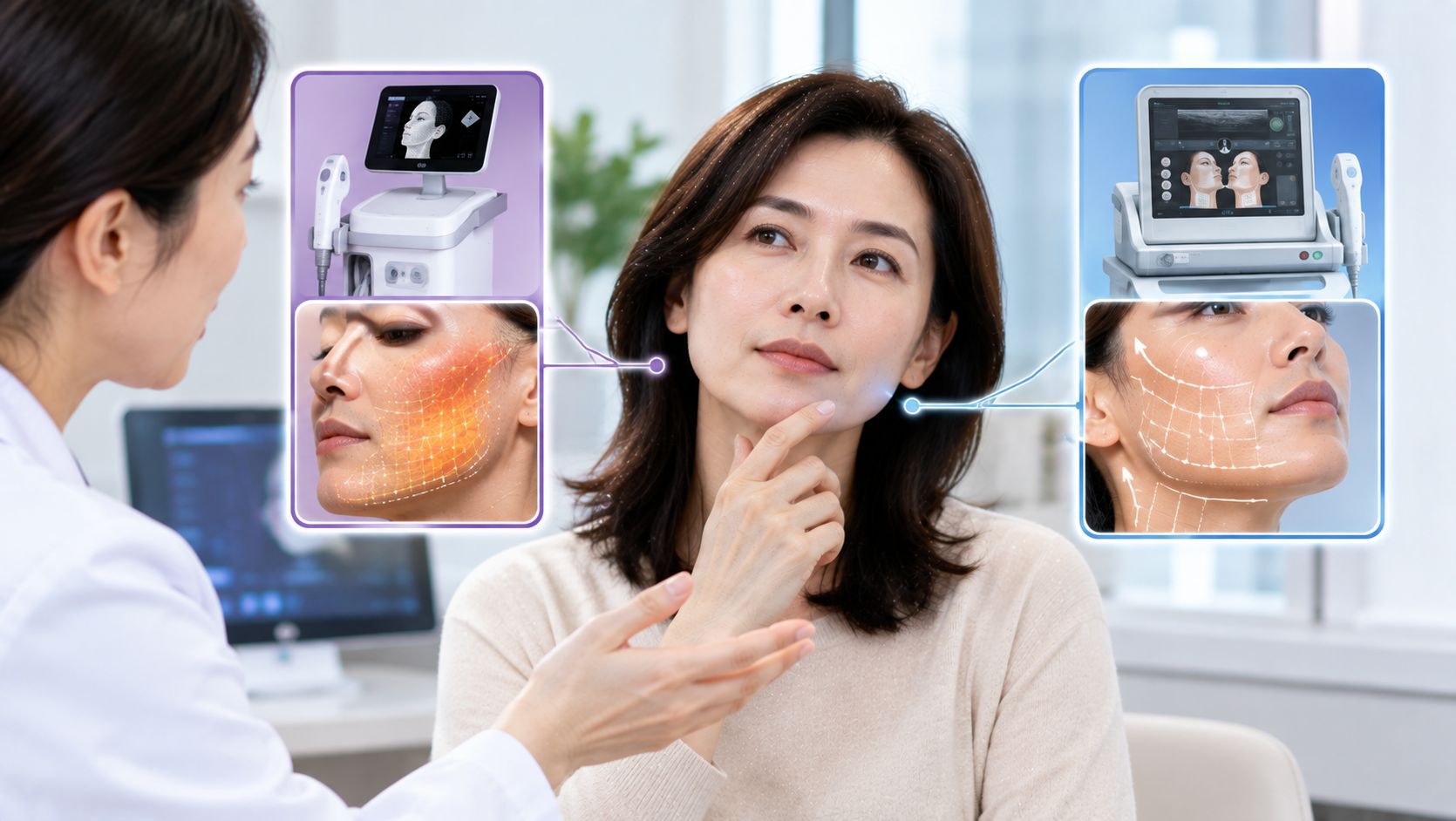
Radiofrequency treatments use electromagnetic energy to generate controlled heating within targeted tissue.
Depending on the device and technique, RF can be used for different purposes, including:
- Skin tightening
- Collagen remodeling
- Texture improvement
- Pore reduction
- RF microneedling
- Treatment of selected areas of laxity
Not all RF devices work in exactly the same way.
Some deliver energy through the skin without needles, while RF microneedling combines needles with radiofrequency energy. The depth, energy delivery, treatment pattern, and temperature can differ substantially between devices.
Therefore, saying simply “RF” does not tell you exactly how your skin will be treated.
Does Heat Sensitivity Mean RF Is Unsafe?
Not automatically.
A person who becomes mildly flushed after a hot shower may not have the same risk profile as someone with persistent rosacea and frequent burning.
Likewise, someone whose skin is currently irritated from excessive exfoliation may need to stabilize the barrier before considering any elective procedure.
The relevant questions are:
- Why does your skin react to heat?
- How intense is the reaction?
- How long does the redness last?
- Do you experience burning or stinging?
- Do you have persistent facial redness?
- Have you been diagnosed with rosacea?
- Is your skin currently irritated?
A dermatologist can use this information to decide whether RF is appropriate, should be modified, or should be postponed.
When Should You Be More Cautious With RF?
If You Have Frequent Flushing
Frequent flushing accompanied by warmth, burning, or stinging can occur with rosacea.
If this sounds familiar, it is better to have the underlying redness assessed before scheduling a cosmetic RF procedure.
The goal should not be to repeatedly heat skin that already reacts strongly to temperature.
If Your Skin Is Currently Inflamed
If your face is already:
- Burning
- Peeling
- Very dry
- Stinging
- Inflamed
- Red after basic skincare
an elective heat-based procedure may need to wait.
Stabilizing the skin first may make more sense than adding another inflammatory stimulus.
If You Have Previously Reacted Strongly to Energy Treatments
Tell your dermatologist exactly what happened.
For example, there is a significant difference between:
“My face was pink for several hours.”
and:
“My face stayed intensely red and burned for several days.”
The second history deserves much more careful assessment before another energy-based treatment.
What If I Have Rosacea?
Rosacea does not automatically mean that every aesthetic procedure is prohibited.
However, treatment should be individualized according to the specific rosacea features involved.
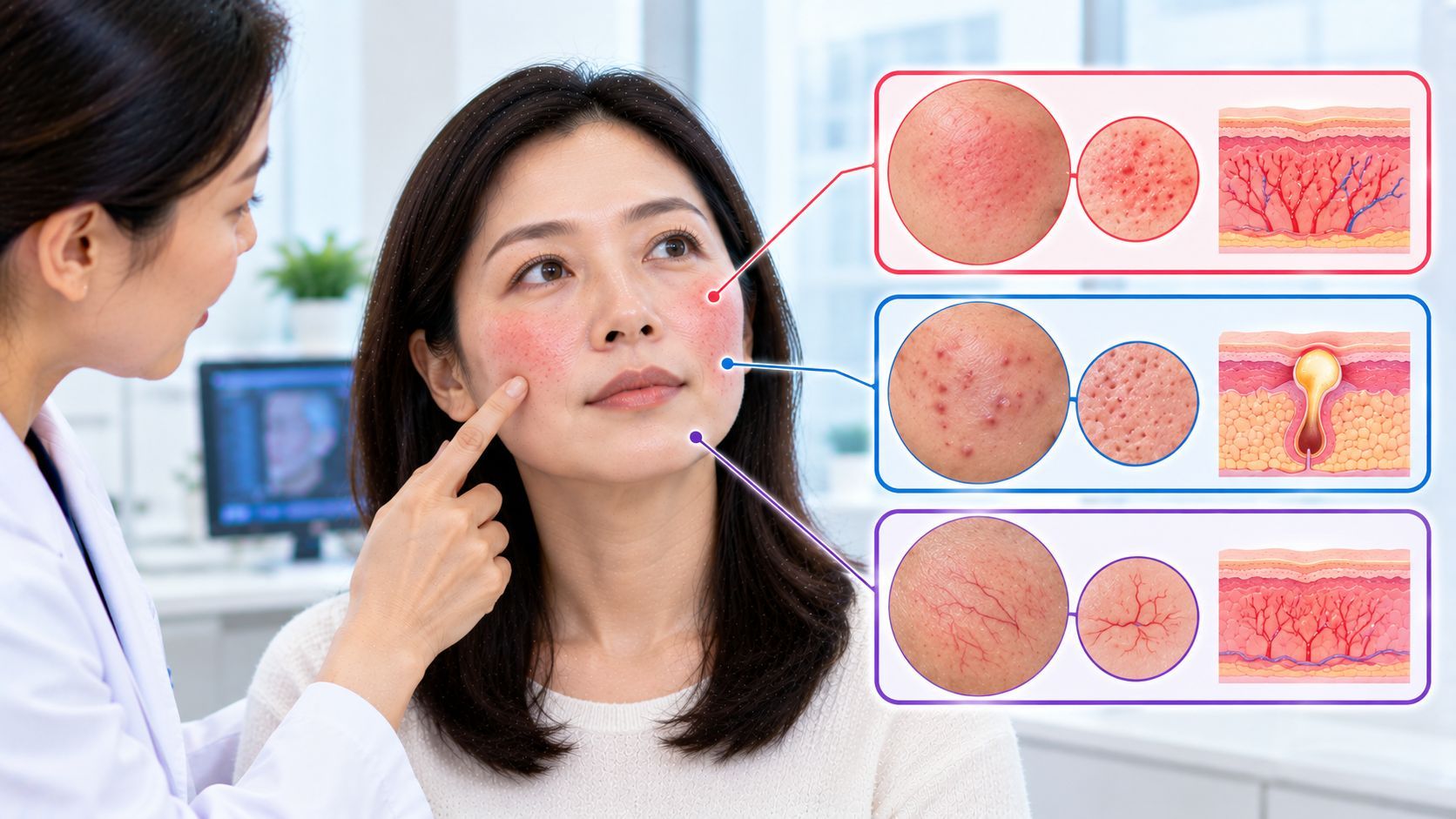
Rosacea can involve persistent redness, flushing, visible blood vessels, bumps, thickened skin, and eye symptoms. Treatment options vary according to the particular presentation.
For example, dermatologists may use medical treatments or selected light-based procedures specifically directed at redness or visible blood vessels.
That is different from performing RF simply to tighten otherwise healthy skin.
If your primary problem is uncontrolled flushing, the first treatment priority may be managing the condition rather than pursuing cosmetic tightening.
What About RF Microneedling?
RF microneedling deserves particular consideration because it combines mechanical injury and thermal energy.
It may be useful for selected patients with:
- Enlarged pores
- Acne scars
- Uneven texture
- Fine lines
- Mild laxity
But it is not necessarily the first choice for someone whose skin is actively inflamed or highly reactive.
If your skin burns or flushes easily, ask whether the expected benefit justifies the additional irritation and recovery.
A dermatologist may recommend postponing the procedure, using a conservative protocol, or addressing the underlying sensitivity first.
Can Lower RF Settings Make It Safe?
Lower energy can change the treatment intensity, but simply reducing the setting does not automatically make a treatment appropriate.
The issue is not only how much heat is delivered.
It also involves:
- Treatment depth
- Device design
- Number of passes
- Treatment area
- Skin condition
- Existing inflammation
- Patient history
- Aftercare
A treatment that is appropriate for one patient may be poorly suited to another even when the same device is used.
What Should I Do Before RF Treatment in Korea?
If you are visiting Seoul or another Korean city for RF treatment, consider scheduling a consultation before committing to the procedure.
Tell the dermatologist if you react to:
- Hot showers
- Saunas
- Exercise
- Warm weather
- Heated beverages
- Spicy foods
- Sun exposure
- Skincare products
These can be relevant clues when evaluating heat-triggered facial flushing.
If you have a history of significant reactions to cosmetic procedures, bring photographs of your skin during a previous flare if you have them.
Could It Be More Than “Sensitive Skin”?
Yes.
Heat sensitivity can have several explanations.
A dermatologist may consider whether the pattern is consistent with:
- Sensitive skin
- Skin-barrier dysfunction
- Rosacea
- Contact dermatitis
- Irritation from skincare
- Excessive exfoliation
- Environmental triggers
- Another inflammatory skin condition
This is one reason it is not ideal to self-diagnose your skin simply as “too sensitive for RF.”
What Treatments Could Be Considered Instead?
If RF is not appropriate at the moment, that does not mean you have no treatment options.
Depending on your actual concern, a dermatologist may consider:
Barrier-Focused Skincare
If irritation is the primary problem, simplifying skincare and supporting the skin barrier may be the most appropriate first step.
Gentle cleansing, moisturizer, and appropriate sun protection are important components of rosacea and sensitive-skin management.
Non-Thermal or Less Irritating Approaches
Depending on your goal, your dermatologist may discuss treatments that do not rely on significant thermal injury.
The appropriate choice depends on whether you are trying to improve hydration, pigmentation, redness, texture, or laxity.
Rosacea-Specific Treatment
If persistent redness or flushing is diagnosed as rosacea, treatment can include medical therapies and, for selected signs, light-based procedures.
The treatment should target the actual rosacea features rather than treating redness as a cosmetic inconvenience alone.
What If I Really Want Skin Tightening?
If your main concern is mild facial laxity, discuss it directly with the dermatologist.
Ask whether the laxity is significant enough to justify treatment and whether another approach would be more appropriate.
You may also want to ask:
- Is RF appropriate for my heat sensitivity?
- Could treatment worsen my flushing?
- Do I have signs of rosacea?
- Should my skin be stabilized first?
- Would RF microneedling be too inflammatory for me?
- Could another tightening approach be considered?
- What level of redness is expected afterward?
- What symptoms would be abnormal?
- How long should I remain in Korea for observation?
For highly reactive patients, it can be useful to ask whether a small test area is appropriate. The National Rosacea Society specifically recommends discussing patch testing when considering procedures for rosacea-prone skin.
RF Decision Guide
Skin situationRF considerationMild occasional flushingIndividual assessmentHeat-triggered persistent rednessEvaluate cause before RFDiagnosed rosacea with active flushingTreat and stabilize underlying condition firstHealthy skin with mild heat sensitivityRF may still be considered after assessmentActive burning or irritationUsually better to stabilize skin firstPrevious severe reaction to energy treatmentDetailed assessment before repeatingSignificant laxity with stable skinRF may be considered if appropriate
This is a general framework, not an individual treatment recommendation.
Conclusion
If your skin reacts badly to heat, you do not automatically have to avoid every RF treatment. But strong heat-triggered flushing, burning, persistent redness, or a history of significant treatment reactions should be taken seriously.
The key question is not simply, “Can sensitive skin tolerate RF?” It is why your skin reacts to heat and whether the skin is currently stable.
For patients considering treatment in Korea, a dermatologist should assess for rosacea, barrier dysfunction, active inflammation, and other causes of reactivity before choosing an energy-based procedure.
If your skin is currently burning or inflamed, stabilizing it first may be more appropriate than rushing into tightening treatment. And if you have persistent flushing, treating the underlying condition may need to come before cosmetic skin tightening.
FAQs
Can I get RF if my face turns red from heat?
Possibly, but it depends on why you flush, how severe the reaction is, and whether your skin is currently stable. Heat-triggered flushing should be discussed with a dermatologist before treatment.
Should people with rosacea avoid RF?
Not every person with rosacea has the same symptoms or treatment needs. Active flushing or inflammation warrants particular caution, and treatment should be individualized.
Can RF make facial redness worse?
Any heat-based procedure can potentially aggravate redness or flushing in susceptible individuals. Your treatment history and underlying skin condition should therefore be considered beforehand.
Is RF microneedling worse for sensitive skin?
It can be more inflammatory because it combines microneedling with radiofrequency energy. That does not make it universally inappropriate, but highly reactive or actively inflamed skin may require a different approach.
Should I treat rosacea before getting RF?
If rosacea is active or poorly controlled, addressing the underlying condition first may be more appropriate than immediately undergoing elective cosmetic treatment.
Can I ask for a test area before treatment?
For people with reactive or rosacea-prone skin, discussing a small test area with the treating physician may be reasonable.