Every Facial Treatment Makes Me Red. What Can I Safely Get in Korea?
Introduction
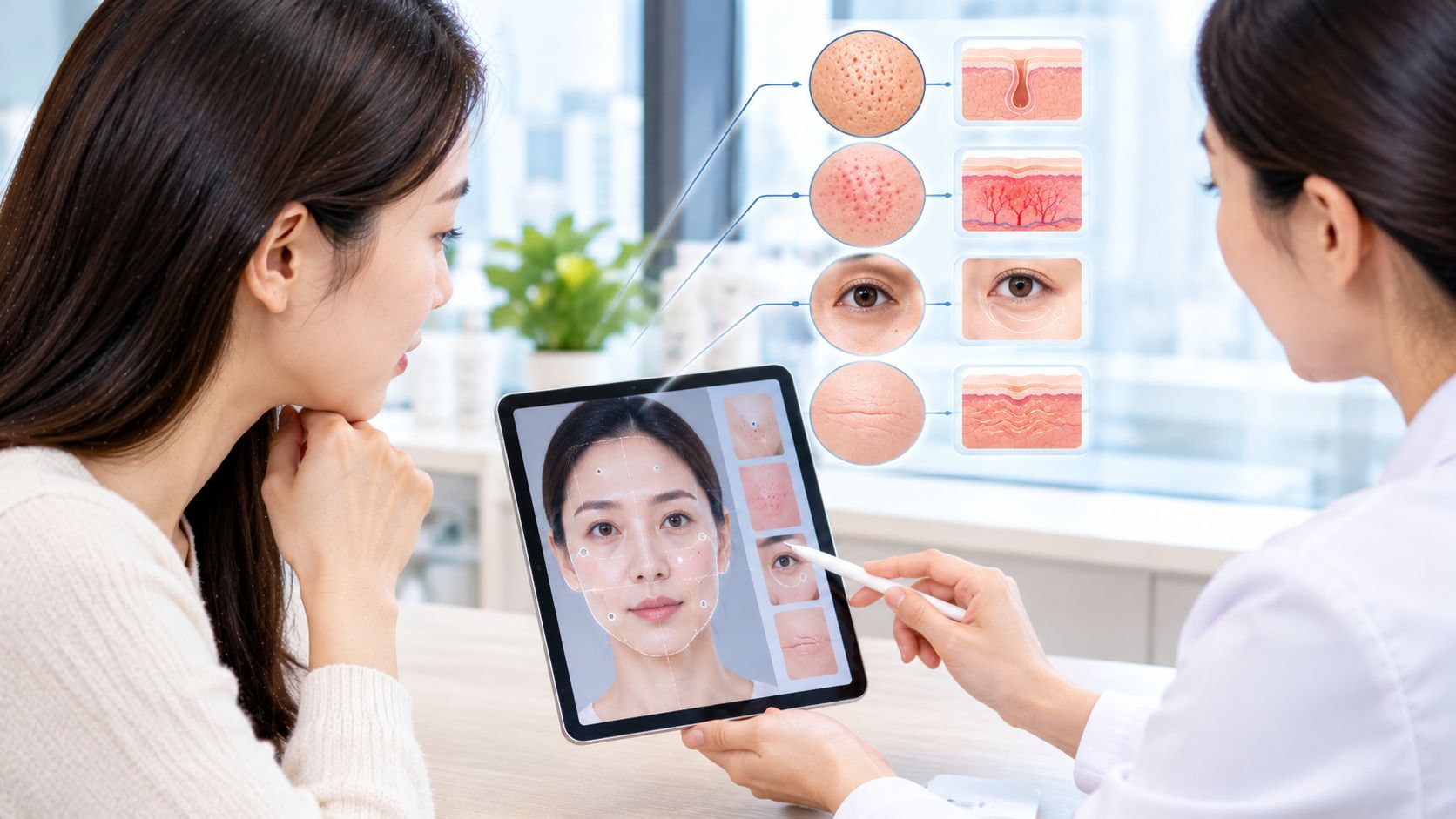
If almost every facial treatment leaves you red, choosing a cosmetic procedure can feel risky. You may have experienced prolonged redness after facials, lasers, peels, microneedling, or other treatments and now wonder whether your skin can tolerate aesthetic procedures at all.
The important distinction is that redness after treatment does not automatically mean you have permanently sensitive skin. Temporary redness can be a normal inflammatory response, while prolonged burning, flushing, swelling, or recurrent irritation may indicate a compromised skin barrier, rosacea, dermatitis, or another condition.
For patients considering dermatology treatment in Korea, the safest approach is usually to identify why your skin reacts before selecting a procedure. A dermatologist may recommend stabilizing the skin first rather than immediately pursuing an aggressive treatment.
Why Does My Skin Turn Red After Almost Every Treatment?
Redness is part of the body's normal response to irritation or controlled injury.
Procedures such as microneedling, laser treatments, chemical peels, and some energy-based treatments intentionally create a controlled biological response. Temporary redness can therefore be expected.
The concern is how severe the redness is, how long it lasts, and what other symptoms accompany it.
Temporary Treatment-Related Redness
Mild redness immediately after a procedure may simply reflect increased blood flow and inflammation.
Depending on the procedure, redness can last from several hours to several days.
This does not necessarily indicate that the treatment damaged your skin.
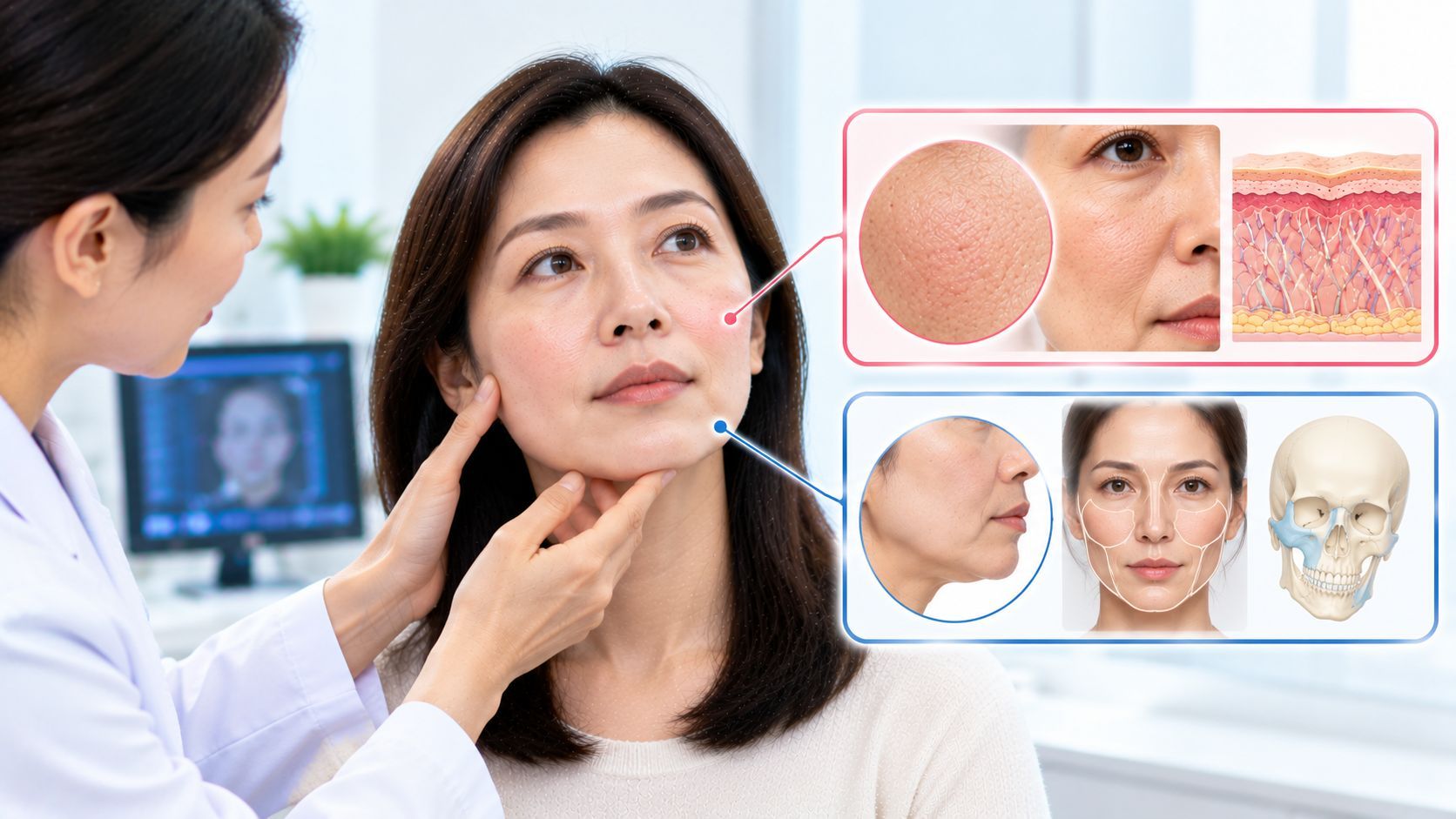
A Compromised Skin Barrier
If your skin frequently burns, stings, flakes, feels tight, or becomes red after applying ordinary skincare products, your barrier may be impaired.
A compromised barrier can make otherwise tolerable treatments feel much more irritating.
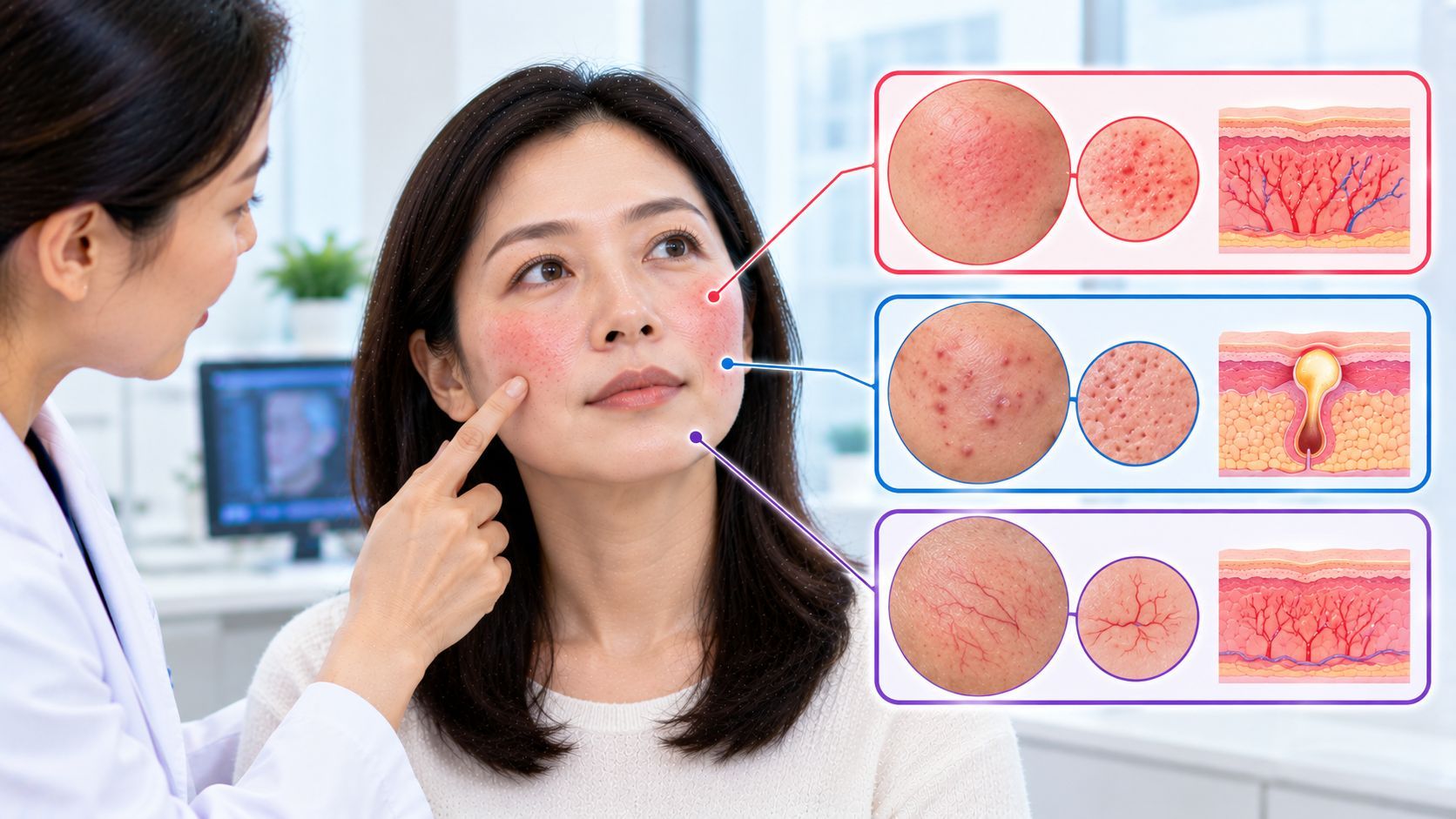
Rosacea or Facial Flushing
Repeated flushing, persistent central facial redness, burning, visible small blood vessels, or acne-like bumps may point toward rosacea rather than simple sensitive skin.
This distinction matters because treating rosacea-prone skin with aggressive resurfacing or heat-based procedures without proper assessment may aggravate symptoms.
What Should I Do Before Getting a Treatment in Korea?
If you know that your skin reacts strongly, tell the dermatologist about your previous experiences.
Mention:
- Which treatments caused redness
- How quickly redness appeared
- How long it lasted
- Whether your skin burned or stung
- Whether swelling occurred
- Whether you developed peeling
- Whether pigmentation appeared afterward
- Which skincare products cause reactions
- Whether heat, sunlight, alcohol, spicy food, or exercise triggers flushing
This information can help the dermatologist determine whether you have ordinary post-treatment inflammation, sensitive skin, barrier dysfunction, or a condition such as rosacea.
Should I Repair My Skin Barrier First?
Often, this is worth considering when the skin is actively irritated.
A damaged barrier can increase water loss and make the skin more vulnerable to environmental and cosmetic irritation.
A conservative barrier-support routine may include:
- Gentle cleanser
- Fragrance-free moisturizer
- Appropriate sunscreen
- Minimal active ingredients
- Avoidance of unnecessary exfoliation
- Temporary reduction of irritating retinoids or acids when medically appropriate
The goal is to stabilize the skin before adding another source of controlled inflammation.
Korean dermatology clinics commonly emphasize barrier support and gradual treatment for highly reactive skin rather than immediately using aggressive resurfacing.
What Treatments May Be More Tolerable?
There is no single procedure that is universally safe for sensitive skin. However, treatments that create relatively little mechanical or thermal injury may sometimes be considered after evaluation.
LED-Based Calming Treatments
LED therapy is non-invasive and does not intentionally injure the skin surface.
It may be used as supportive care for selected patients, including after certain dermatological procedures.
However, it should not be presented as a cure for rosacea or unexplained persistent redness.
Gentle Hydration-Focused Care
If dehydration and barrier dysfunction are major contributors, a dermatologist may initially focus on topical barrier support rather than procedures.
Some clinics may also discuss skin-quality injectable treatments, but injections themselves can cause temporary redness, swelling, or bruising.
Sensitive skin does not automatically mean injectable treatments are appropriate.
Selected Low-Intensity Laser Treatments
Some laser or light-based treatments can be performed using conservative settings for selected skin concerns.
However, laser treatment should be chosen according to the actual diagnosis. A person with flushing or rosacea may need a very different laser strategy from someone seeking pigmentation correction.
A Korean clinic source similarly describes using lower-intensity approaches for selected sensitive-skin patients while limiting aggressive resurfacing.
What Treatments May Need More Caution?
Strong Chemical Peels
Chemical peels intentionally create controlled injury to the skin.
If your barrier is already compromised, stronger peeling can produce more:
- Burning
- Redness
- Dryness
- Peeling
- Irritation
That does not mean every peel is inappropriate, but the strength and timing matter.
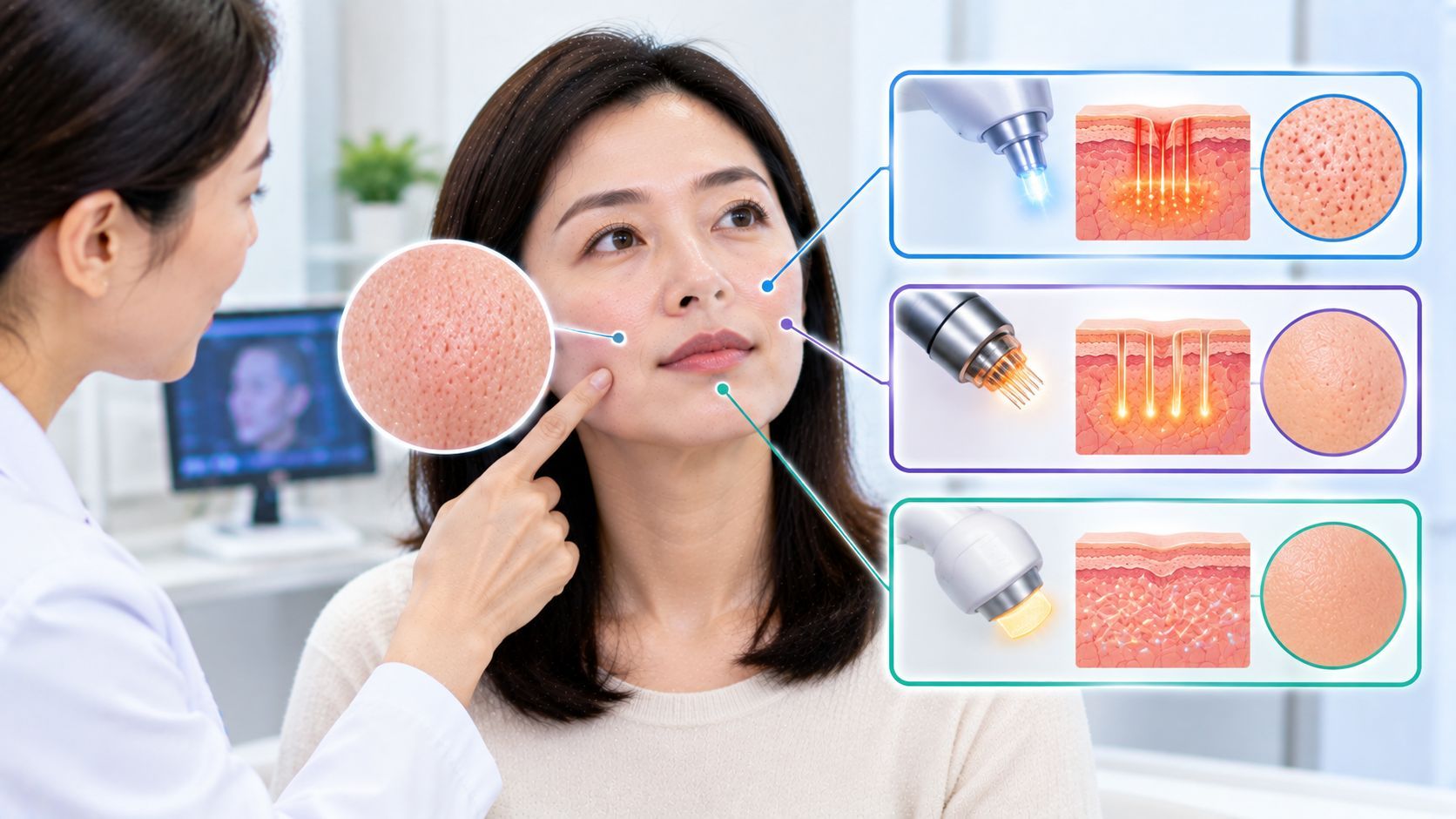
Aggressive Fractional Laser
Fractional lasers can be highly useful for selected acne scars, wrinkles, and textural problems, but more aggressive settings also produce more inflammation and downtime.
If your skin routinely remains red after treatment, your dermatologist should determine whether resurfacing is appropriate before proceeding.
RF Microneedling
RF microneedling combines mechanical injury with thermal energy.
It may be helpful for pores, scars, texture, and laxity, but it is not automatically the best choice for highly reactive skin.
If you already have significant redness or active irritation, postponing treatment may be more appropriate than increasing treatment intensity.
What If Heat Makes My Skin Red?
Heat sensitivity is particularly important to mention.
If hot showers, saunas, exercise, hot weather, or spicy foods reliably trigger facial flushing, the dermatologist should know.
Frequent flushing can be associated with rosacea or vascular reactivity, and treatment planning may need to focus on controlling the underlying condition rather than repeatedly exposing the skin to heat-based procedures.
This does not mean every heat-sensitive patient must avoid all RF or laser treatments. It means the reason for the flushing should be investigated first.
What If I Need Treatment While Visiting Seoul?
International patients often have limited time in Korea and may be tempted to schedule several procedures during one trip.
If your skin is highly reactive, this can be counterproductive.
A more conservative approach may involve:
- Dermatology consultation
- Skin-condition assessment
- Barrier stabilization if necessary
- One carefully selected treatment
- Adequate observation and recovery
- Follow-up before adding another procedure
This approach also makes it easier to identify which treatment your skin tolerates.
How Can You Tell If Redness Is Concerning?
Contact a medical professional if redness is accompanied by symptoms such as:
- Significant pain
- Increasing warmth or swelling
- Blistering
- Severe burning
- Pus or drainage
- Rapidly worsening symptoms
- Persistent or unusual skin discoloration
- Eye involvement
These symptoms should not simply be dismissed as “sensitive skin.”
Can Sensitive Skin Ever Receive Laser Treatment?
Yes, in some cases.
Sensitive skin is not automatically a permanent contraindication to every aesthetic procedure.
The important questions are:
- What condition is being treated?
- Is the skin currently stable?
- Is the barrier intact?
- What device will be used?
- How much energy will be delivered?
- What is the patient's history of prolonged redness or pigmentation?
- What recovery period is available?
A dermatologist may choose a conservative treatment, modify settings, postpone treatment, or recommend medical management first.
What If Every Treatment Has Caused Redness in the Past?
That history itself is useful information.
Rather than assuming that you simply have “bad skin,” ask whether there is an underlying explanation.
Possible contributors include:
- Barrier dysfunction
- Rosacea
- Contact dermatitis
- Atopic dermatitis
- Excessive exfoliation
- Retinoid irritation
- Over-treatment
- Heat-triggered flushing
- Individual sensitivity to specific ingredients
A proper diagnosis can change the treatment strategy.
A Conservative Treatment Framework
SituationPossible approachMild temporary redness after proceduresMonitor and follow aftercareFrequent burning and stingingAssess and stabilize barrierPersistent facial flushingEvaluate for rosacea or vascular causesActive dermatitisTreat the underlying inflammation firstMild stable sensitivityConsider carefully selected low-intensity treatmentsSevere treatment reactionsDetailed dermatology assessment before another procedureSignificant redness plus visible vesselsConsider medical/vascular assessment
These are general principles rather than individual medical recommendations.
Questions to Ask a Korean Dermatologist
Before treatment, ask:
- Why does my skin become red so easily?
- Do you think this is sensitivity, barrier dysfunction, or rosacea?
- Is my skin currently stable enough for a procedure?
- Which treatments create the least inflammation?
- Should I avoid heat-based treatments?
- Would a test area be appropriate?
- How long should I expect redness to last?
- What symptoms would be abnormal?
- Should I simplify my skincare before treatment?
- How long should I stay in Korea after the procedure?
These questions are particularly useful when you have previously experienced prolonged reactions.
Conclusion
If every facial treatment makes you red, the answer is not necessarily to avoid all aesthetic procedures. The more important step is to understand why your skin reacts so strongly.
Temporary redness can be a normal response to treatment, while repeated burning, prolonged flushing, persistent redness, or severe irritation may indicate barrier dysfunction, rosacea, dermatitis, or another underlying issue.
For sensitive patients in Korea, a conservative treatment plan may prioritize skin stabilization, barrier support, careful diagnosis, and appropriately selected low-intensity procedures rather than aggressive resurfacing.
If your skin is currently inflamed or repeatedly reacting to basic skincare, postponing an elective cosmetic procedure until the underlying problem is assessed may be the safer approach.
FAQs
Is redness after a facial treatment normal?
Some temporary redness can be expected after procedures that intentionally stimulate or irritate the skin. The duration and severity matter.
Does sensitive skin mean I cannot get aesthetic treatments?
Not necessarily. Some people with sensitive skin can undergo selected treatments, but the procedure and settings should be individualized.
Should I repair my skin barrier before laser treatment?
If your skin is actively irritated, dry, burning, or inflamed, a dermatologist may recommend stabilizing it before elective laser treatment.
Can sensitive skin get microneedling?
It may be possible for selected patients, but microneedling intentionally creates controlled injury. Active inflammation or significant reactivity may be reasons to modify or postpone treatment.
Could frequent facial redness be rosacea?
It could be. Recurrent flushing, persistent redness, burning, visible vessels, and acne-like bumps can occur with rosacea. A dermatologist should make the diagnosis rather than assuming all redness is sensitivity.
What should I avoid if my skin reacts to almost everything?
Avoid adding multiple aggressive treatments or active skincare products at once. A dermatologist can help determine which ingredients, procedures, or triggers are actually causing your reactions.