Can Someone With Very Sensitive Skin Get Skin Boosters?
Introduction
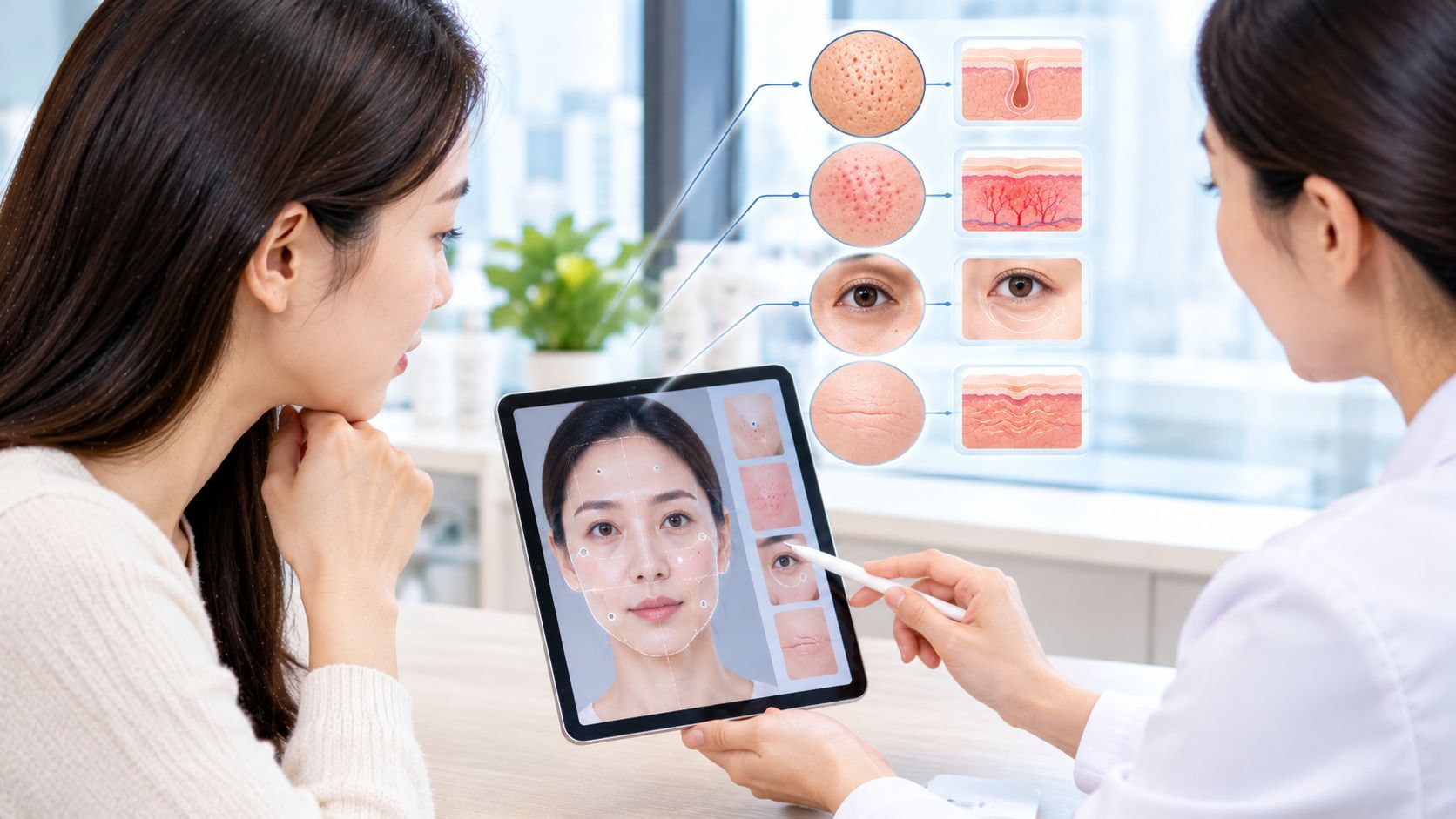
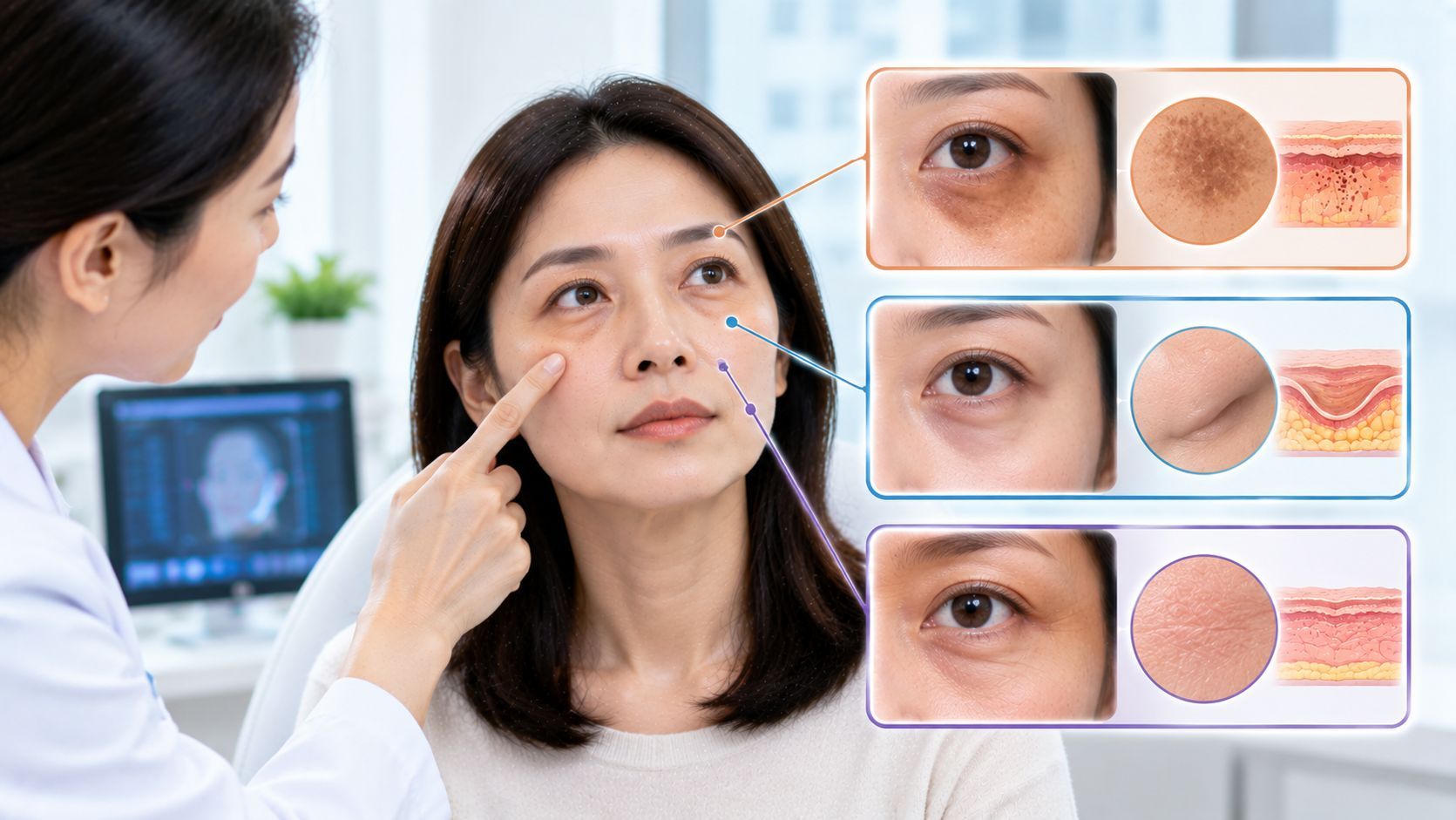
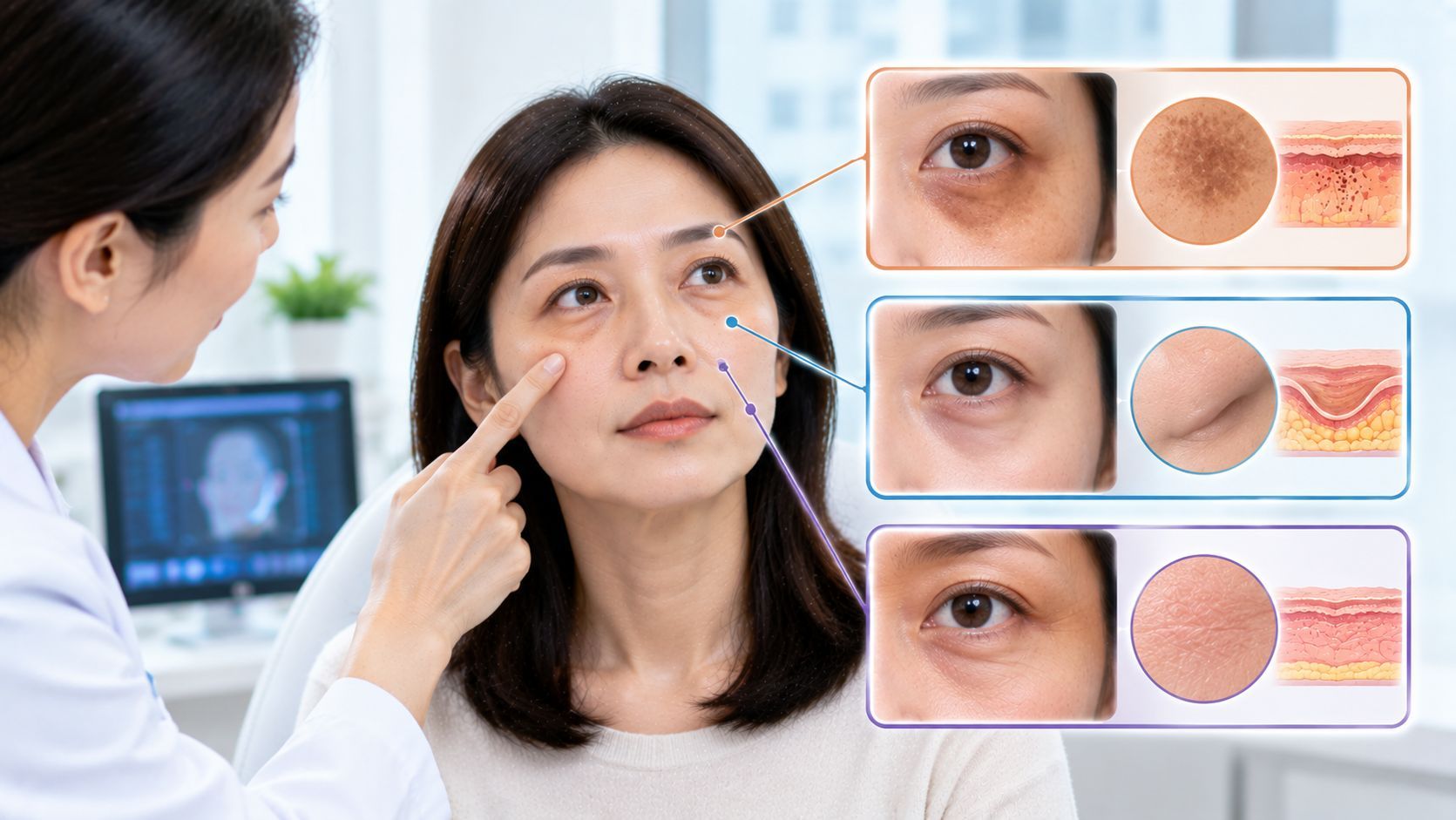
If your skin reacts easily to skincare products, becomes red after facials, or burns and stings with relatively minor irritation, you may wonder whether injectable skin boosters are too aggressive for you.
The answer is sometimes, but sensitive skin requires more careful assessment before an injectable skin-quality treatment. Having sensitive skin does not automatically rule out skin boosters, but the reason for your sensitivity matters. A person with mild sensitivity and stable skin is different from someone with active dermatitis, rosacea, persistent inflammation, or a damaged skin barrier.
Skin boosters are also not simply “hydration injections.” Depending on the product, they can involve multiple injections, temporary swelling, redness, bruising, tenderness, and other complications. The treatment should therefore be selected according to your skin condition and goals rather than used simply because your skin feels dry.
What Are Skin Boosters?
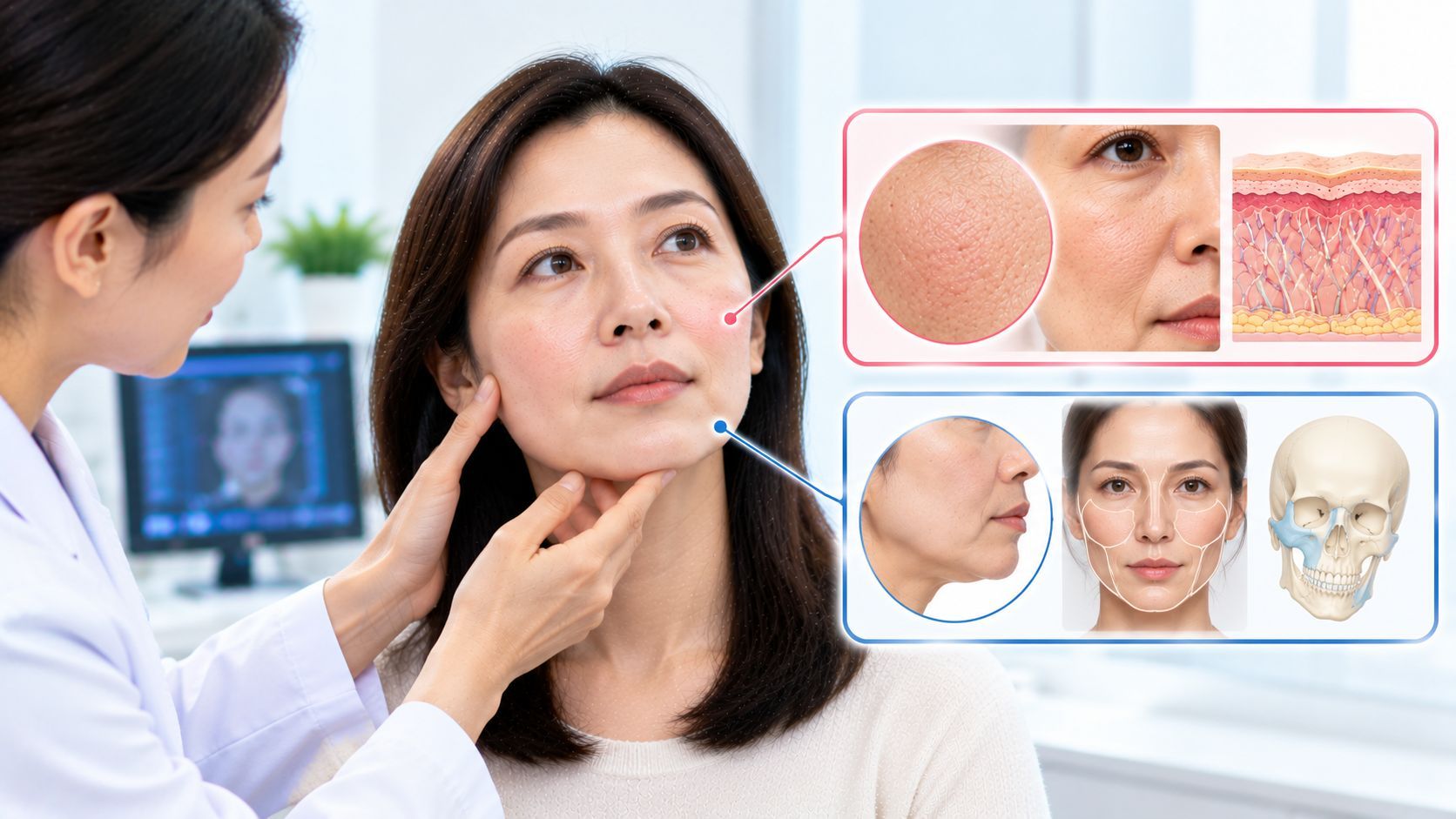
The term skin booster generally describes injectable treatments intended to improve aspects of skin quality rather than significantly reshape facial contours.
Depending on the product, treatment may aim to improve:
- Hydration
- Fine texture
- Elasticity
- Skin smoothness
- Fine lines
- Overall skin quality
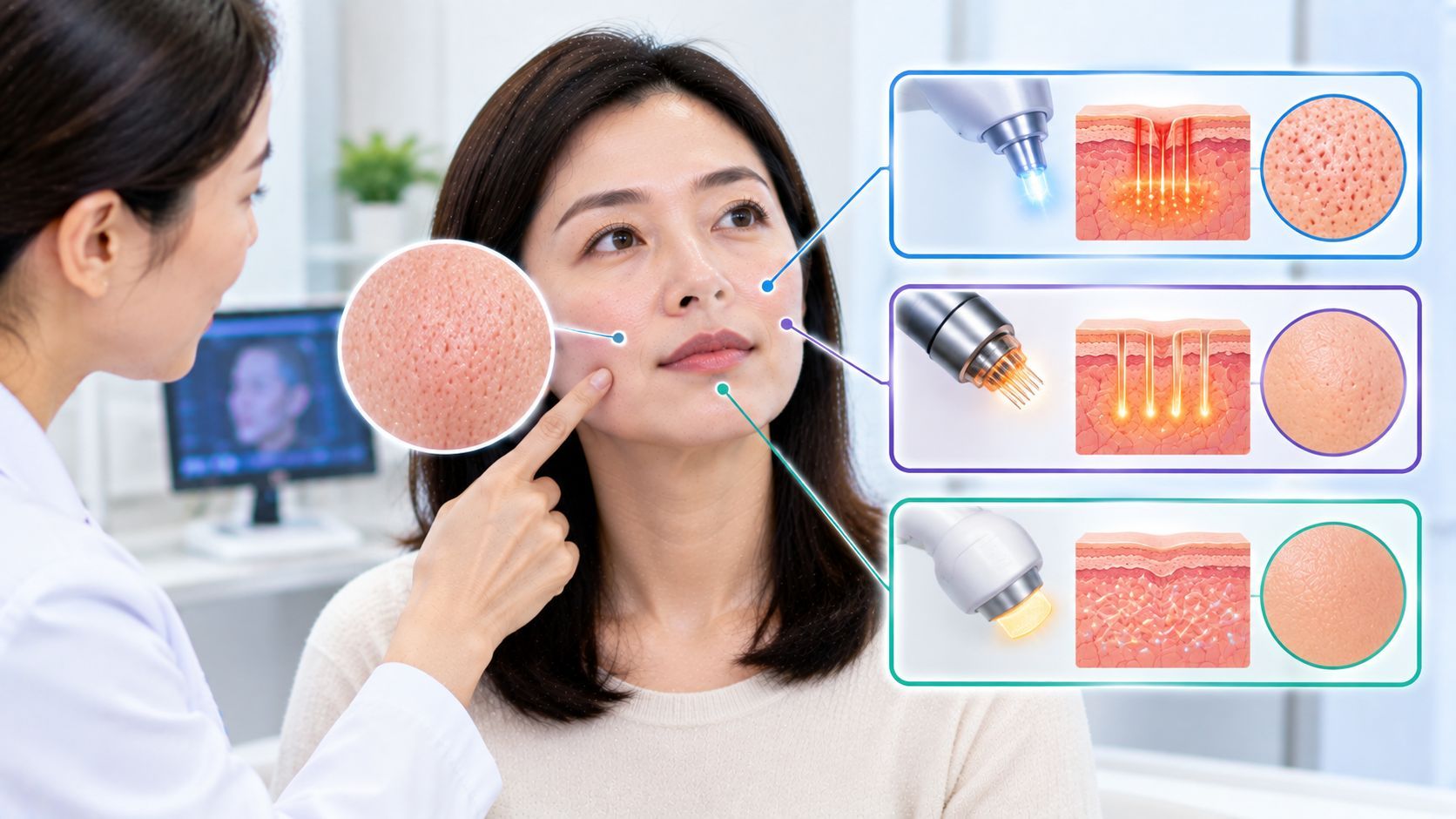
Different injectable products have different compositions and indications. Some contain hyaluronic acid, while others use different materials or formulations.
This means “skin booster” is a broad category rather than one standardized treatment.
Does Sensitive Skin Automatically Mean You Cannot Get One?
No.
Sensitivity by itself does not necessarily mean that an injectable treatment is inappropriate.
The more important questions are:
- Is your skin currently calm?
- Do you have active redness or inflammation?
- Does your skin burn or sting frequently?
- Do you have rosacea?
- Have you reacted to injectable treatments before?
- Are you allergic to any relevant ingredients?
- Is your skin barrier currently compromised?
- What exactly are you trying to improve?
A dermatologist should evaluate these factors before treatment.
What If My Skin Is Extremely Reactive?
If your skin reacts badly to almost everything, an injectable procedure should not automatically be the next step.
For example, if applying moisturizer causes burning, your face is frequently inflamed, or you are experiencing active dermatitis, the priority may be to identify and control the underlying problem.
Injecting a product into actively irritated skin can make it harder to distinguish the original condition from a treatment reaction.
Sensitive Skin vs Active Skin Disease
This distinction is important.
Sensitive skin may involve increased discomfort or irritation from otherwise tolerated products without necessarily having an underlying inflammatory disease.
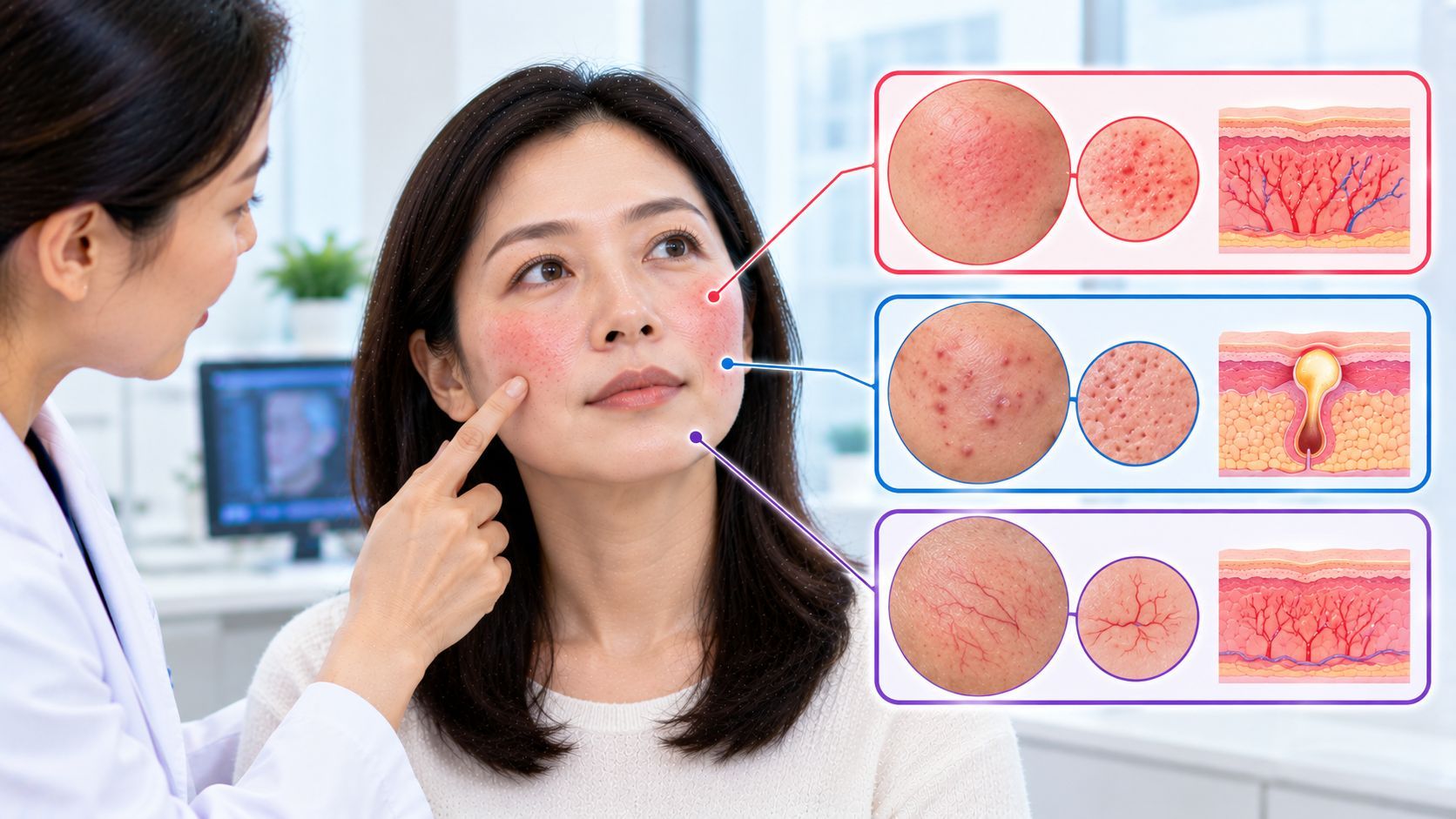
By contrast, persistent redness, recurrent flushing, burning, scaling, itching, or inflammatory lesions may suggest conditions such as rosacea or dermatitis.
A dermatologist should assess the pattern rather than simply labeling everything “sensitive skin.”
What Reactions Can Occur After Skin Boosters?
Even when a skin booster is appropriately selected, injections can cause temporary reactions.
Common short-term effects may include:
- Redness
- Swelling
- Bruising
- Tenderness
- Small bumps at injection points
- Temporary unevenness
These effects can be more noticeable in someone who already flushes easily.
More significant complications are less common but can occur with injectable procedures, including infection, inflammatory reactions, allergic-type reactions, and vascular complications depending on the product and injection technique.
This is why the procedure should be performed by an appropriately qualified medical professional with experience in the specific injectable being used.
Could Skin Boosters Make Sensitive Skin Worse?
They can temporarily aggravate redness or irritation.
That does not necessarily mean the product is permanently damaging your skin. The injection process itself creates multiple small points of trauma, which naturally triggers an inflammatory response.
However, if you already have uncontrolled inflammation, the recovery period may be less predictable.
For someone with highly reactive skin, it may therefore be reasonable to stabilize the skin first and then reassess whether an injectable treatment is worthwhile.
What If My Main Problem Is Dryness?
This is where expectations matter.
If your skin feels dry and tight, you may assume that a skin booster is automatically the best solution.
But dryness can have different causes:
- Damaged skin barrier
- Excessive cleansing
- Over-exfoliation
- Retinoid irritation
- Environmental dryness
- Certain dermatological conditions
- Aging-related changes in skin quality
If barrier dysfunction is the main issue, improving your topical skincare routine may be more appropriate than immediately using injections.
A skin booster may be considered when there is a persistent skin-quality concern that remains after appropriate basic care.
Can Skin Boosters Help With Redness?
They should not automatically be considered a treatment for unexplained facial redness.
If your main problem is flushing or persistent redness, the cause should first be established.
For example, rosacea can involve persistent redness and flushing, and treatment is generally directed at the specific features and triggers of the condition.
Injecting a skin booster simply because the skin appears red may not address the underlying cause.
What About Rosacea-Prone Skin?
People with rosacea can have highly variable symptoms.
Some have mainly persistent redness. Others experience frequent flushing, visible blood vessels, inflammatory bumps, burning, or combinations of these features.
If your skin is actively flaring, elective injections may need to be postponed until the condition is better controlled.
That does not necessarily mean you can never have an injectable skin-quality treatment. It means the timing and suitability should be determined after assessment.
Should I Repair My Skin Barrier First?
If your barrier is clearly compromised, this is often an important consideration.
A simplified routine may include:
- Gentle cleanser
- Fragrance-free moisturizer
- Broad-spectrum sunscreen
- Reduced use of irritating acids
- Careful use of retinoids
- Avoidance of unnecessary scrubbing
- Temporary reduction of cosmetic procedures
The goal is to establish a stable baseline.
If your skin continues to burn or become inflamed despite simplifying your routine, a dermatologist should investigate the cause rather than simply adding more cosmetic treatments.
Are Some Skin Boosters Gentler Than Others?
Potentially, but it is not useful to classify an entire product category as universally “gentle.”
Products differ in:
- Composition
- Concentration
- Cross-linking
- Injection depth
- Injection technique
- Number of injection points
- Treatment area
- Volume administered
Your reaction also depends on your individual skin and medical history.
The appropriate question is therefore not simply, “Which skin booster is safest?”
A better question is:
“Which treatment, if any, is appropriate for my specific skin condition and goal?”
What About Rejuran and Other Popular Korean Skin Boosters?
Korean dermatology clinics offer a wide range of injectable skin-quality treatments, including products marketed for hydration, texture, elasticity, and skin rejuvenation.
Rejuran is one example frequently discussed by international patients.
However, popularity does not mean that a particular product is suitable for every sensitive-skin patient.
If your skin is highly reactive, discuss:
- The exact product
- Its ingredients
- Injection technique
- Expected swelling
- Expected redness
- Recovery time
- Previous reactions
- Alternatives
You should also avoid assuming that two treatments marketed as “skin boosters” have identical effects or risk profiles.
Could a Test Area Be Useful?
For someone with a history of unusual reactions, discussing a conservative approach with the treating physician may be reasonable.
However, a small test area cannot guarantee that a larger treatment will produce no reaction.
Your complete medical history and previous treatment reactions remain important.
If you have previously developed significant swelling, prolonged inflammation, or other unusual reactions to injectable products, tell the dermatologist before treatment.
What Should International Patients Consider in Korea?
Sensitive skin requires particular attention when planning medical tourism.
Do not schedule a new injectable procedure immediately before:
- A long flight
- A major event
- Extensive sightseeing
- Sauna visits
- Swimming
- Intense exercise
Your clinic should provide appropriate aftercare instructions and tell you when normal activities can resume.
It can also be useful to leave enough time in your Seoul itinerary for observation and follow-up, especially if you have a history of prolonged reactions.
Questions to Ask a Korean Dermatologist
Before getting a skin booster, ask:
- Is my skin currently stable enough for injections?
- Do you think I have sensitive skin, rosacea, or another condition?
- What exactly is in the product?
- Why is this product appropriate for me?
- How many injection points will be used?
- How long might redness and swelling last?
- What reactions would be considered abnormal?
- Should I repair my skin barrier first?
- Would a non-injectable treatment be more appropriate?
- How long should I wait before flying or returning to normal activities?
These questions are especially useful when your skin has previously reacted strongly to cosmetic procedures.
Skin Booster Decision Guide
Skin situationGeneral considerationMild, stable sensitivityMay be considered after assessmentDry but otherwise calm skinAddress barrier and hydration firstFrequent burning and stingingInvestigate underlying causeActive dermatitisUsually stabilize condition firstActive rosacea flareTreat/control inflammation before elective injectionsPrevious severe injectable reactionDetailed medical assessment neededStable skin with fine texture concernsSkin booster may be considered if appropriate
This is a general framework rather than a personal treatment recommendation.
Conclusion
Someone with very sensitive skin may be able to receive a skin booster, but sensitivity alone should not determine the decision.
The more important issue is whether your skin is currently stable and why it reacts so easily. Mild sensitivity is different from active dermatitis, uncontrolled rosacea, or a significantly impaired skin barrier.
If your skin is frequently burning, flushing, peeling, or becoming inflamed, it may be better to establish the cause and stabilize the skin before undergoing an elective injectable procedure.
For international patients considering treatment in Korea, a detailed consultation is particularly valuable. Instead of choosing a popular skin booster simply because it is marketed for hydration or rejuvenation, ask whether the product, injection technique, timing, and expected recovery actually fit your skin.
The goal should be improved skin quality without unnecessarily provoking a skin condition that is already difficult to control.
FAQs
Can people with sensitive skin get skin boosters?
Some can. Stable, mildly sensitive skin may tolerate selected injectable treatments, but active inflammation, rosacea, dermatitis, or significant barrier dysfunction may require treatment or stabilization first.
Can a skin booster make sensitive skin red?
Yes. Temporary redness, swelling, bruising, and tenderness can occur because the procedure involves multiple injections and local tissue irritation.
Should I repair my skin barrier before a skin booster?
If your skin is actively dry, burning, peeling, or irritated, stabilizing the barrier may be appropriate before an elective injectable procedure.
Are Korean skin boosters suitable for rosacea?
There is no universal answer. Active rosacea should be evaluated and controlled before deciding whether an elective injectable treatment is appropriate.
Is Rejuran suitable for sensitive skin?
It may be appropriate for some patients, but sensitivity alone is not enough to determine suitability. Your current skin condition, history of reactions, and treatment goals should be assessed first.
What if every skincare product burns my skin?
Rather than immediately getting an injectable treatment, consider a dermatology evaluation to determine whether barrier dysfunction, rosacea, dermatitis, or another condition is contributing to the reactions.