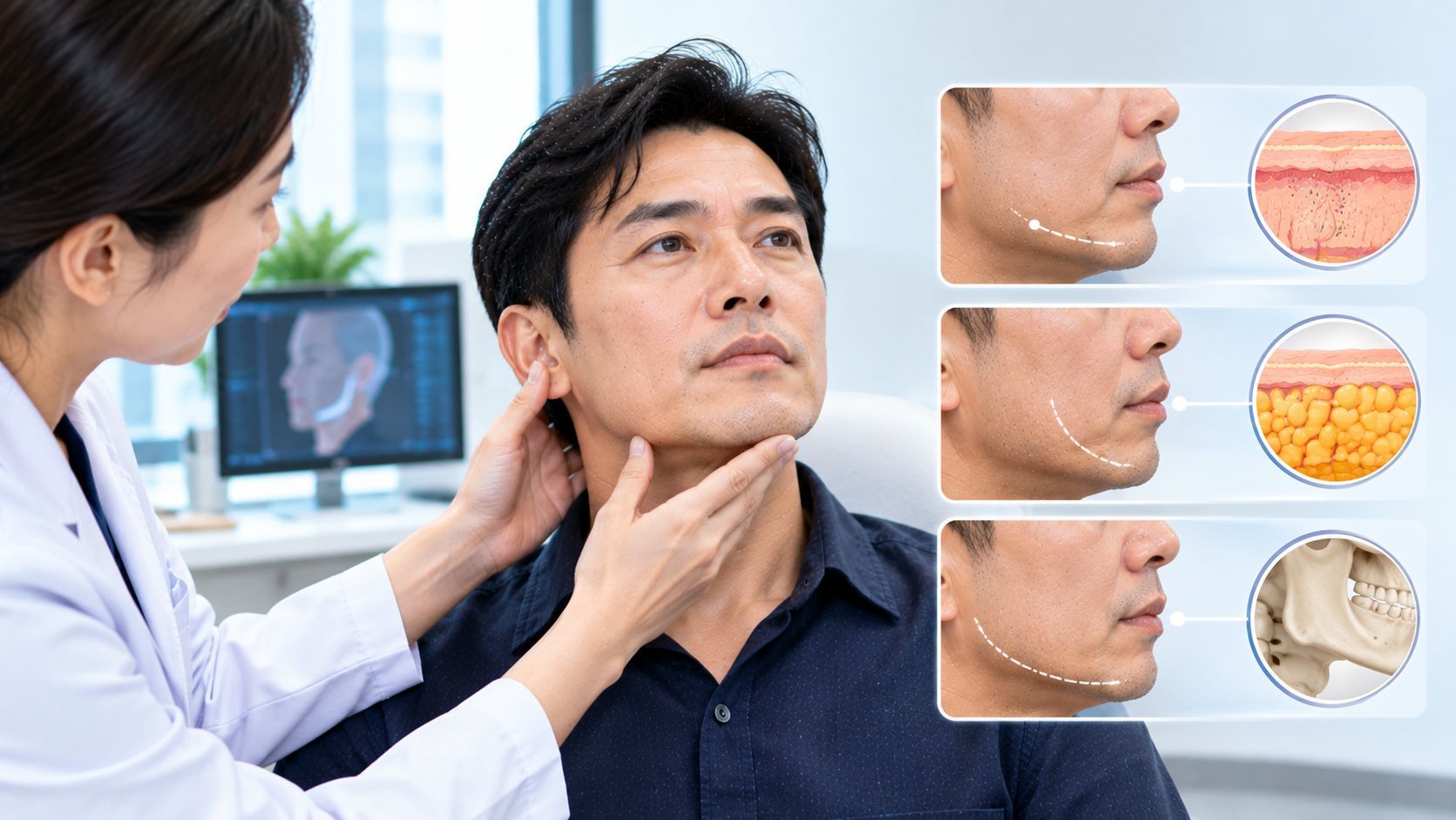
My Face Looks Hollow After Losing Weight. Is Filler My Only Option?
Introduction
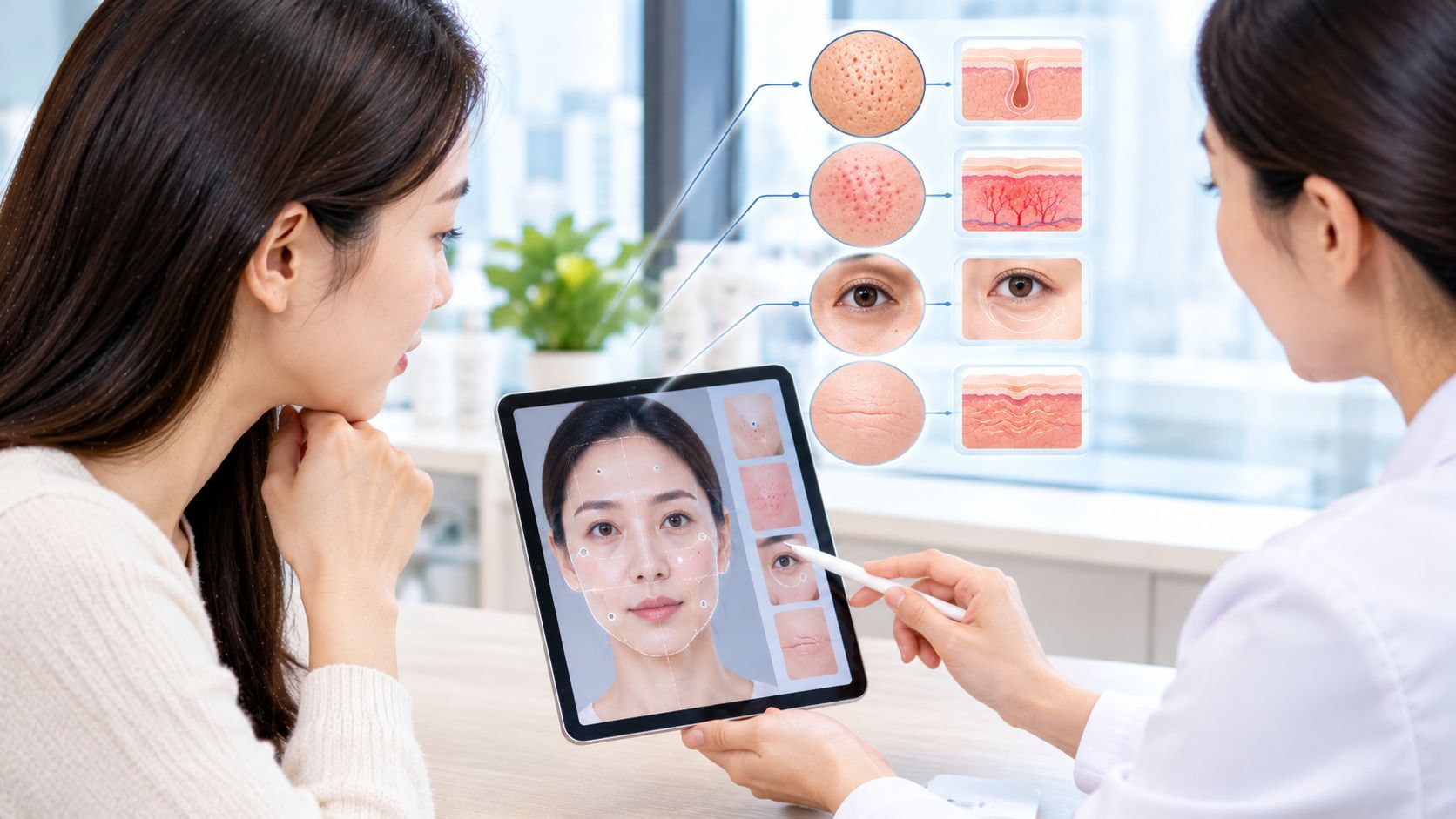
Losing weight can change the face as much as it changes the body. When facial fat decreases, the cheeks, temples, under-eye area, and other areas can appear flatter or more hollow. Some people also notice deeper folds, a less supported jawline, or a generally tired appearance. These changes can be especially noticeable after rapid or substantial weight loss.
If your face looks hollow after losing weight, filler is not your only option. Dermal fillers can restore selected areas of lost volume, but treatment may also involve collagen-stimulating procedures, skin-quality treatments, energy-based tightening, fat transfer, or simply allowing your weight and facial appearance to stabilize before deciding on an aesthetic procedure. The best option depends on whether your primary issue is true volume loss, loose skin, reduced skin quality, or a combination of these concerns.
Why Does Your Face Look Hollow After Weight Loss?
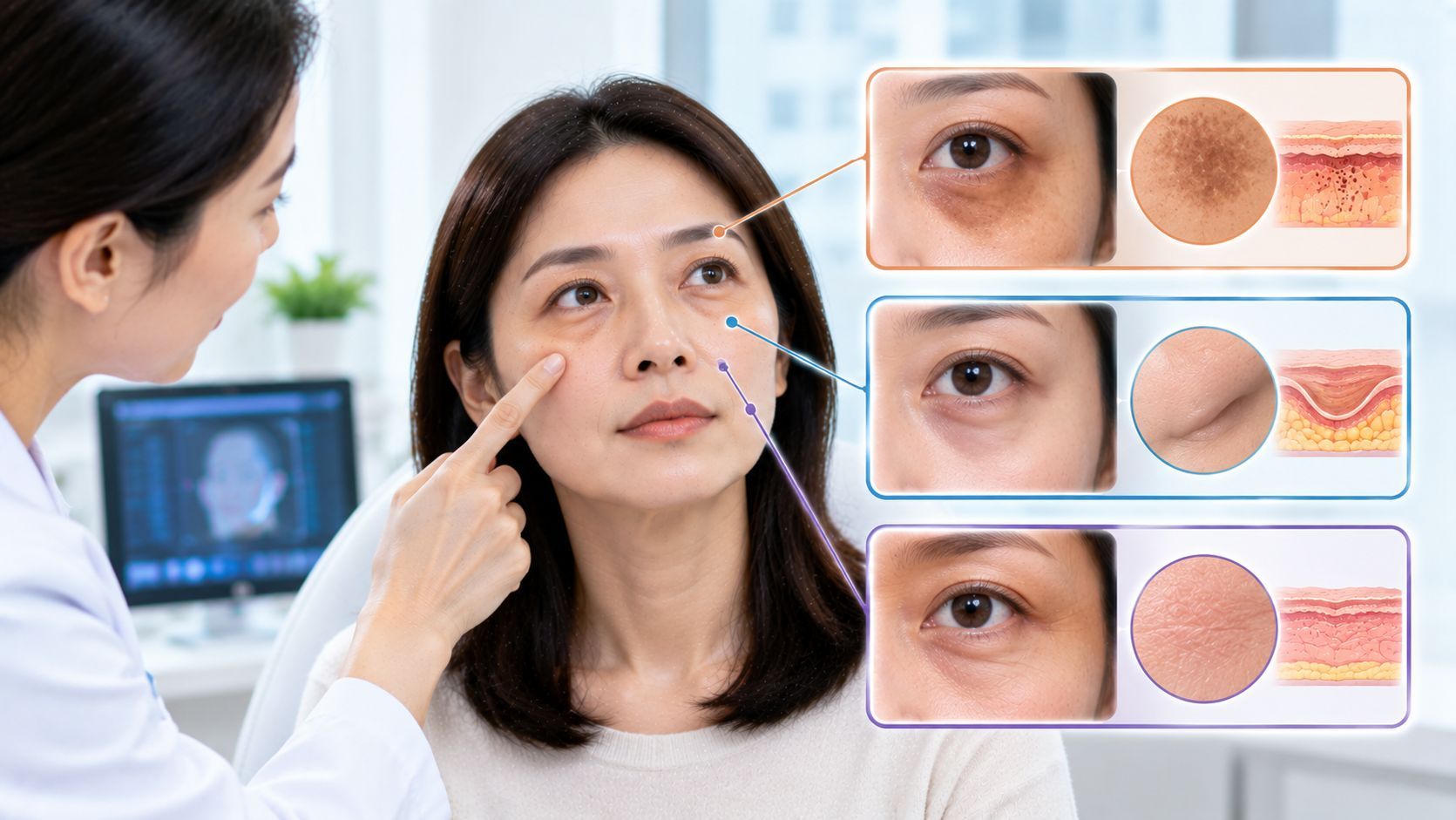
Facial Fat Loss
Weight loss reduces fat throughout the body, and facial fat can decrease as well.
The result may be:
- Flatter cheeks
- Hollow temples
- More visible under-eye hollows
- Less fullness around the midface
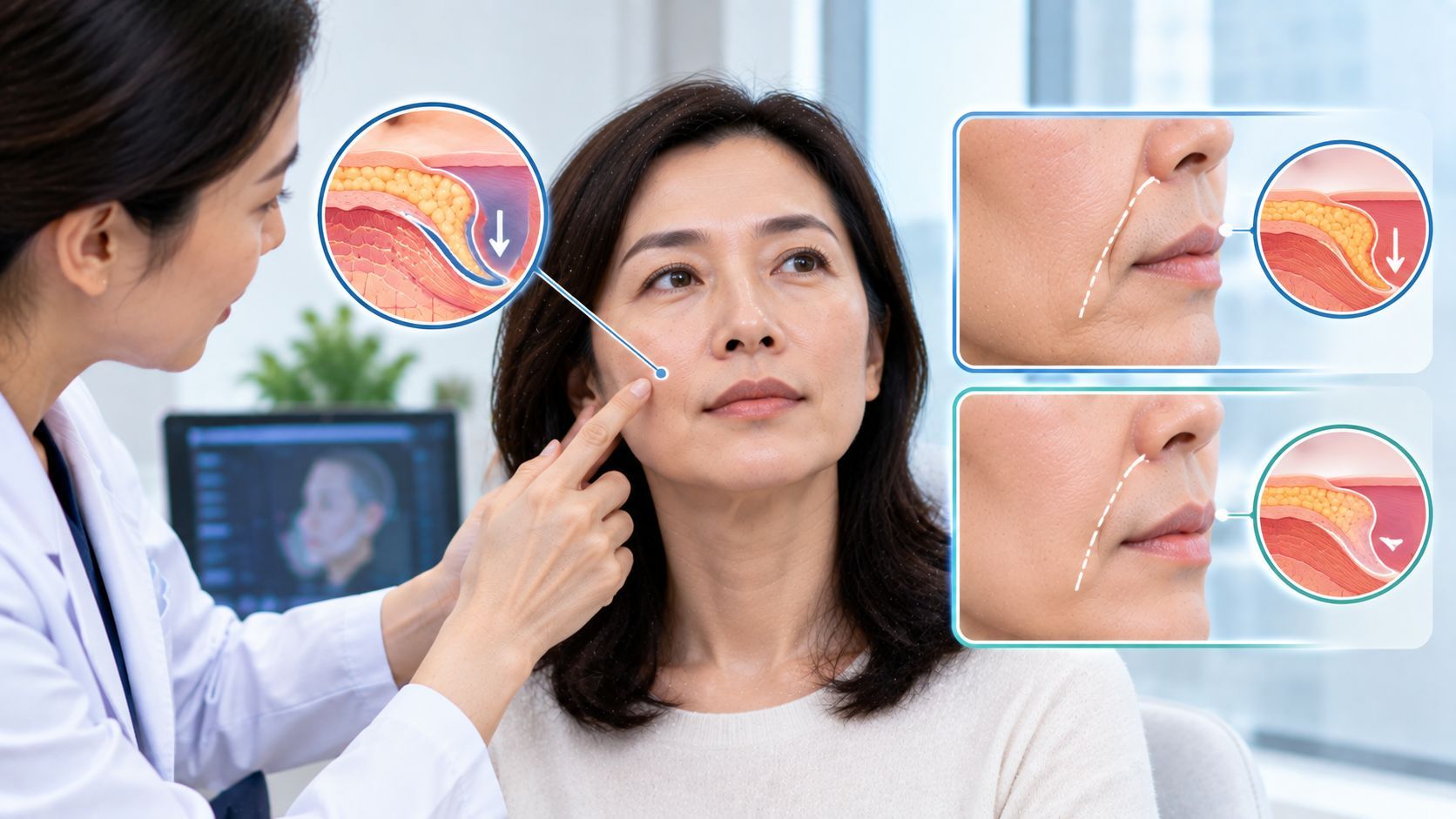
- More prominent facial folds
- A sharper or more angular appearance
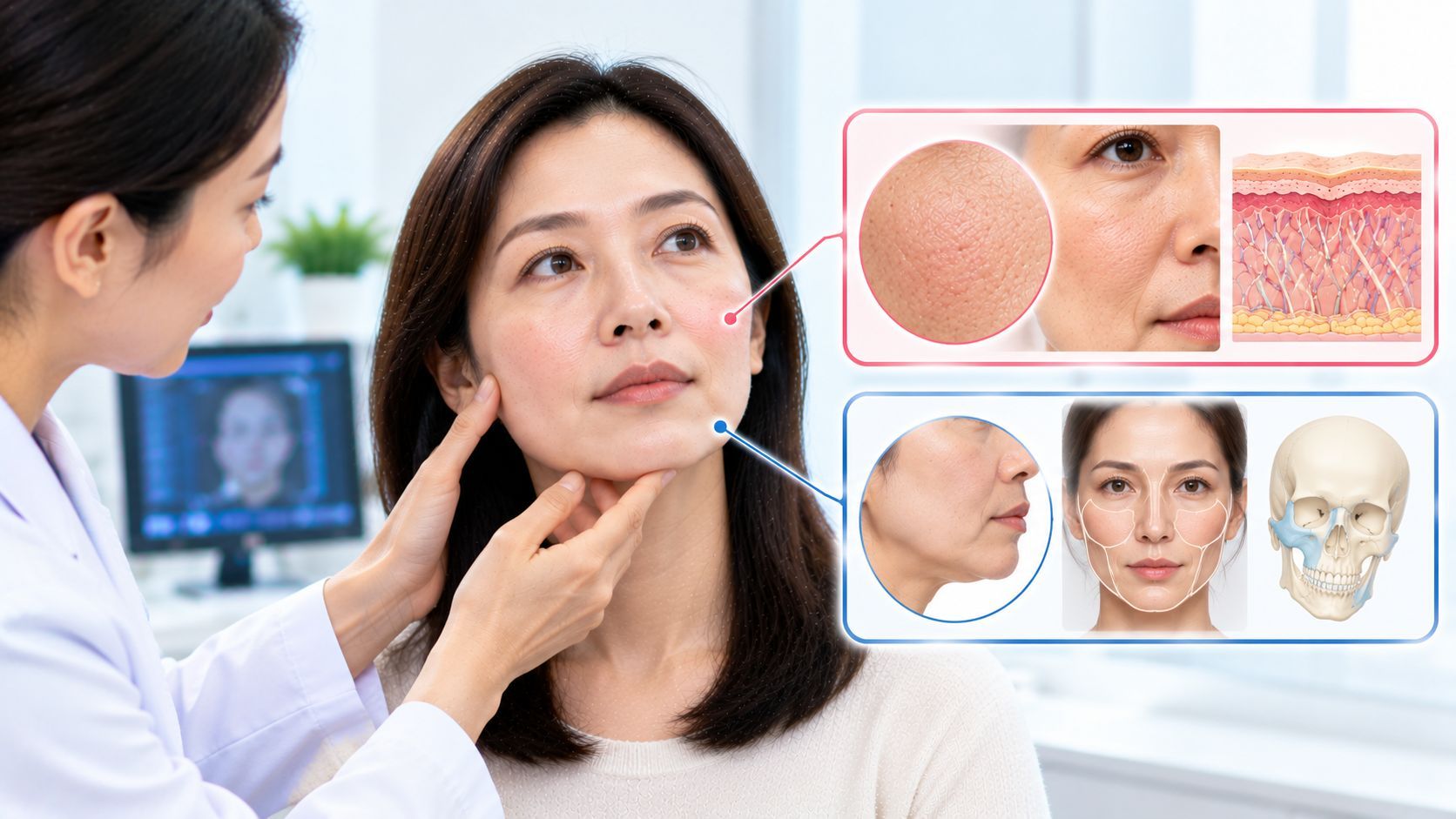
Recent literature on medical weight loss describes changes involving superficial fat loss, reduced soft-tissue support, and increased skin laxity.
Skin May Not Immediately Adapt
When facial volume decreases, the skin and soft tissues may not completely contract around the new facial contours.
This can make a person look both hollow and loose at the same time.
That distinction is important because adding filler to every area that looks empty is not necessarily the best solution.
Is Filler the Only Treatment for a Hollow Face?
No.
Filler is one option, but it is primarily a volume-restoration treatment. If your face looks hollow because you have actually lost facial volume, filler may be useful. However, if the main problem is skin laxity or poor skin quality, a different treatment may be more appropriate.
Dermal fillers are specifically used to restore lost fullness in areas such as the cheeks and other hollow areas of the face.
A dermatologist may therefore consider several approaches depending on your facial structure.
Option 1: Hyaluronic Acid Filler
Hyaluronic acid, or HA, filler is often considered when a patient has clearly defined volume loss.
It may be used strategically in areas such as:
- Cheeks
- Temples
- Certain under-eye areas
- Chin
- Other areas where structural support has been reduced
The objective should not be to make the entire face fuller. Instead, a physician can assess where volume has actually been lost and restore it selectively.
This is particularly important after significant weight loss because adding excessive filler can make a previously thin face look swollen or overfilled.
Most HA fillers provide relatively immediate volume, although swelling can temporarily affect the appearance during the early recovery period.
Option 2: Collagen-Stimulating Treatments
A hollow appearance does not always mean that you need a traditional volumizing filler.
Some patients have reduced skin thickness, elasticity, and collagen support in addition to volume loss.
Collagen-stimulating treatments are designed to encourage gradual changes in skin quality and tissue support rather than simply adding an immediate gel volume.
Recent reviews discussing facial changes following medical weight loss suggest that combining collagen stimulation with carefully selected volume restoration may be useful for some patients.
The advantage of this approach is that the goal can be better tissue quality and support, rather than simply making the face larger.
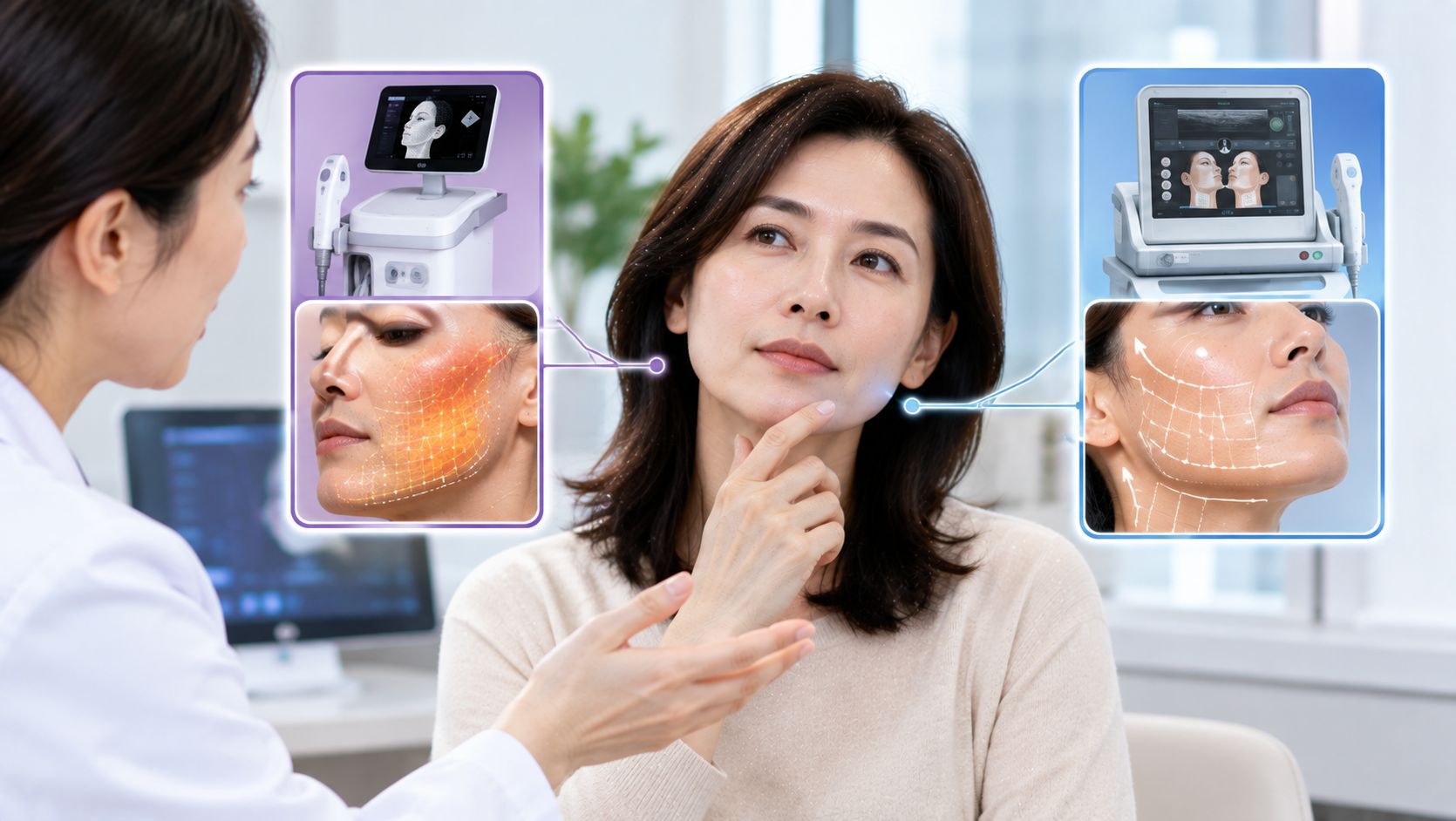
Option 3: Skin-Tightening Treatments
What if your face looks hollow because the skin has become loose around areas where volume disappeared?
In that situation, skin tightening may be part of the treatment plan.
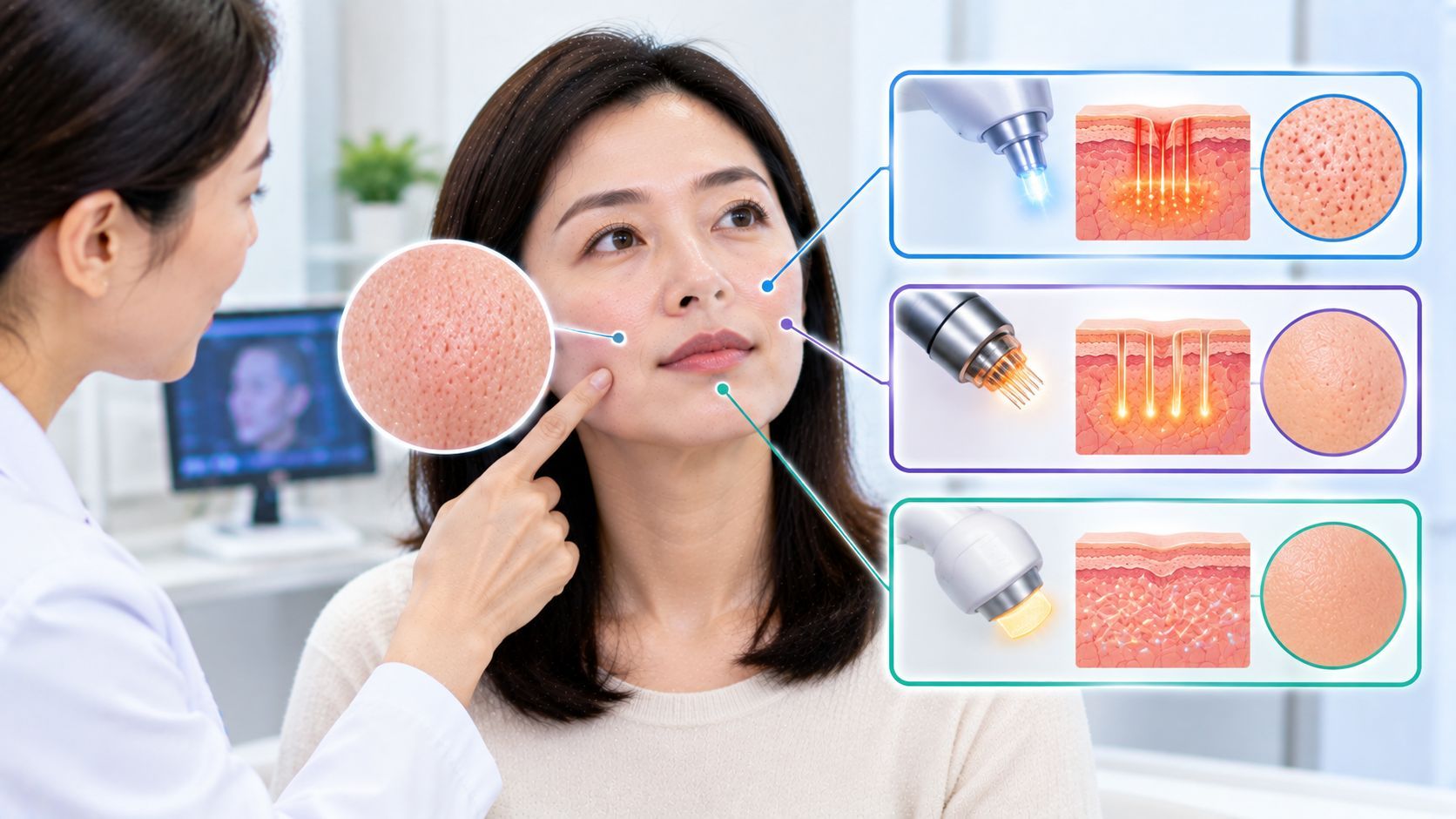
Energy-based procedures can be considered when there is mild or moderate laxity. Depending on the technology, treatment may use ultrasound or radiofrequency energy to encourage collagen remodeling.
However, tightening does not replace lost facial fat.
If the cheeks are genuinely hollow, tightening alone may make the skin firmer without restoring the fullness that was lost.
This is why some post-weight-loss patients require a combination of approaches rather than relying on a single procedure.
Option 4: Fat Transfer
Another approach to facial volume restoration is transferring fat from another part of the patient's body to the face.
Unlike temporary injectable fillers, fat transfer uses the patient's own tissue.
It may be considered when a person has sufficient donor fat and wants a more substantial volume-restoration procedure.
However, fat transfer is a surgical procedure and involves different considerations from injectable fillers. The amount of fat that survives can vary, and the procedure requires appropriate surgical assessment.
For someone who has lost a large amount of weight and has very little available donor fat, it may not necessarily be the preferred option.
The American Academy of Dermatology also lists fat transfer as one potential approach for restoring facial fullness following weight-loss-related facial changes.
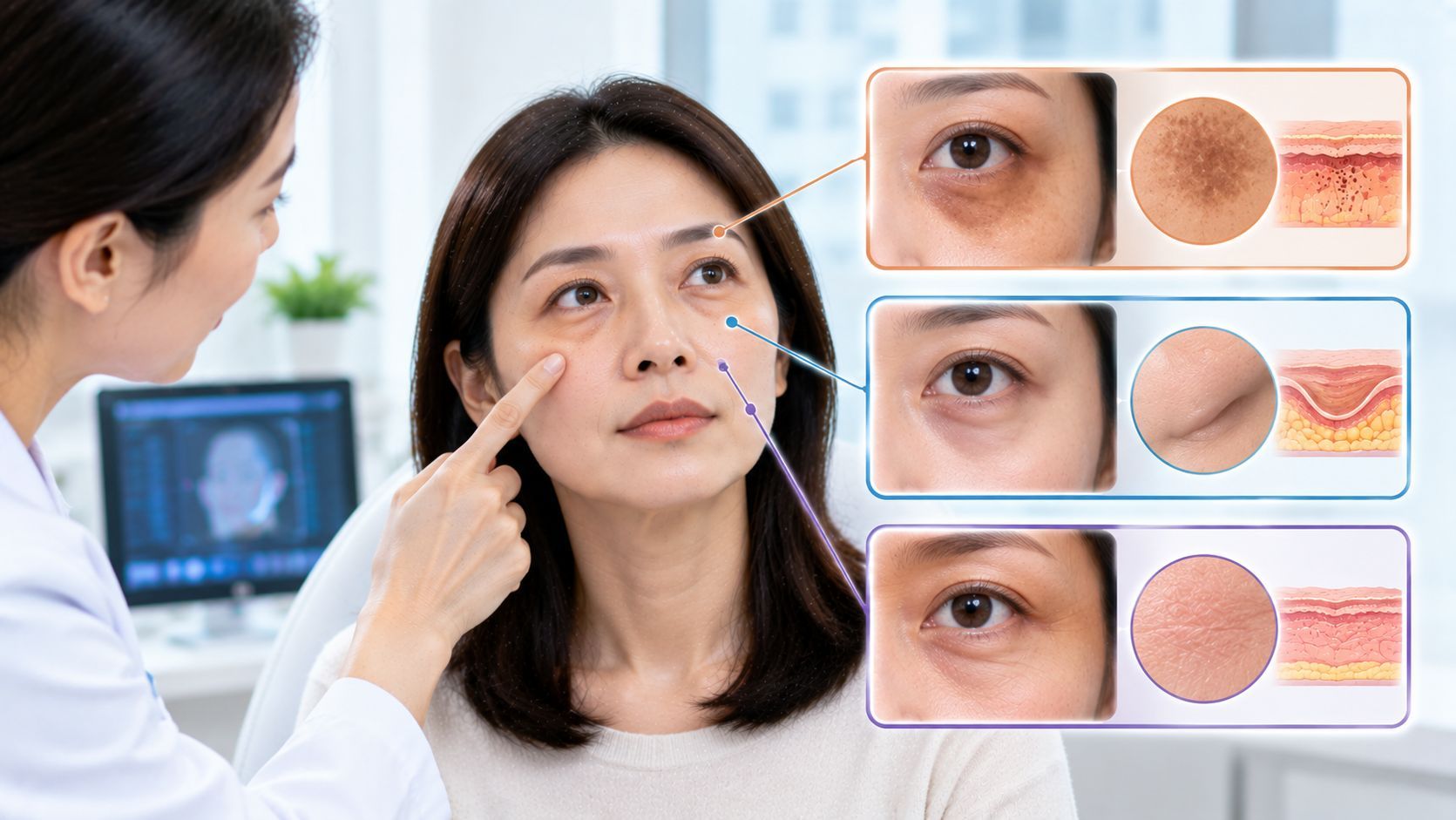
Option 5: Skin-Quality Treatments
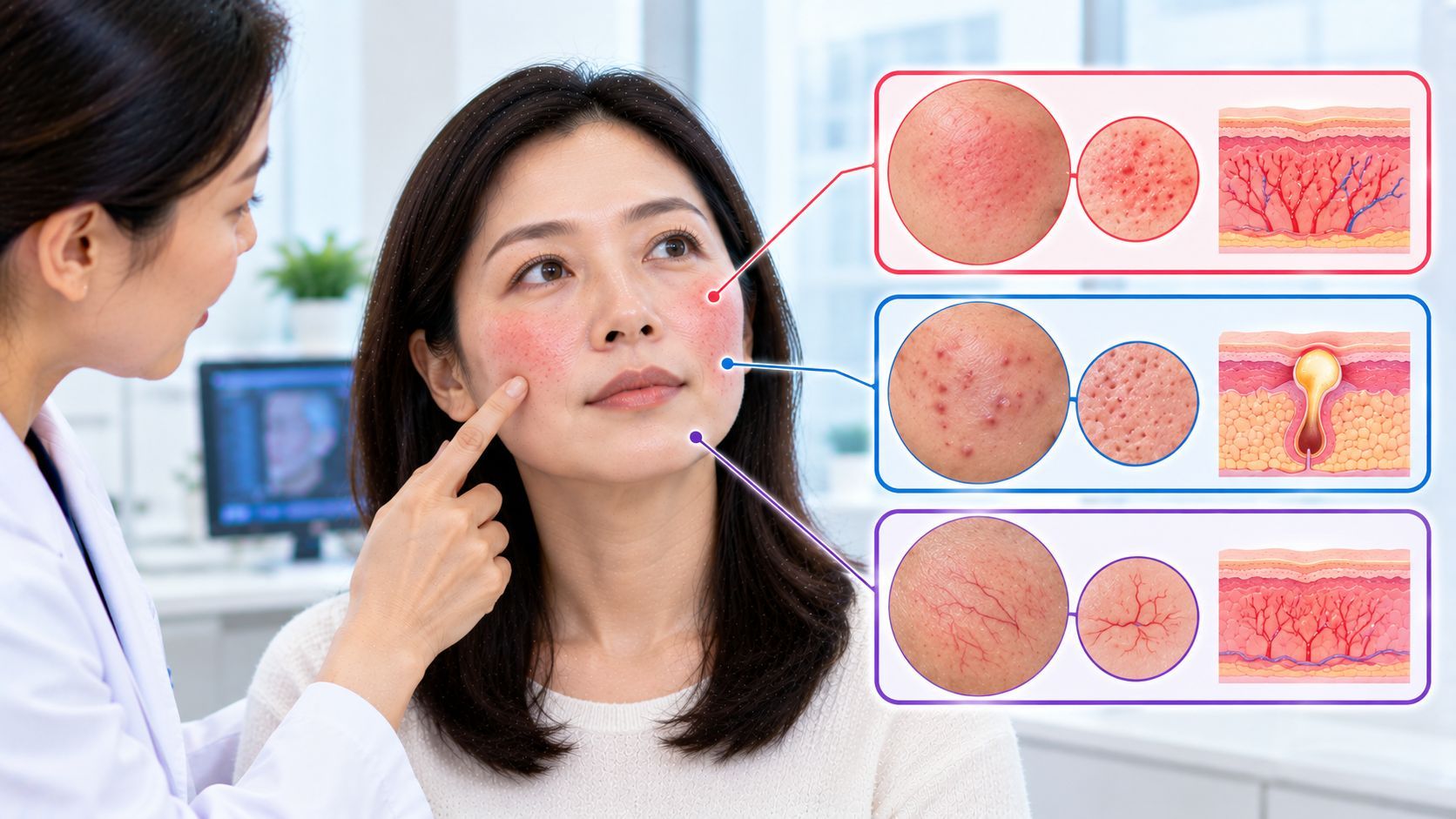
Sometimes the face does not simply look hollow—it looks thin, dry, crepey, or tired.
In that situation, improving skin quality may be important.
Depending on the individual, a dermatologist may discuss treatments aimed at:
- Improving hydration
- Supporting collagen
- Improving texture
- Reducing fine lines
- Improving overall skin quality
These treatments will not necessarily replace lost facial volume, but they can complement volume restoration or tightening.
Could You Need More Than One Treatment?
Yes.
Post-weight-loss facial changes can involve multiple anatomical layers. A person may simultaneously have:
Volume loss + skin laxity + wrinkles + reduced skin quality.
Trying to correct all of these problems with filler alone may result in excessive product being used.
Current expert guidance on facial changes associated with GLP-1-related weight loss emphasizes multimodal treatment when appropriate, including selective volume restoration, collagen stimulation, tightening, and skin-quality treatments.
A staged approach can sometimes produce a more balanced result.
Should You Restore Volume or Tighten First?
There is no universal sequence.
Your dermatologist may decide based on which change is most significant.
If volume loss is dominant
Strategic volume restoration may be considered first.
If laxity is dominant
A tightening or collagen-stimulating approach may be more appropriate.
If both are significant
A staged combination may be discussed.
This is one reason an in-person facial assessment is more useful than choosing a treatment based solely on a photograph.
What If You Are Still Losing Weight?
This is an important consideration.
If your weight is continuing to decrease significantly, your facial appearance may continue changing. Additional weight loss could produce further volume loss or alter the balance achieved with an earlier treatment.
For people losing weight with GLP-1 medications, recent expert guidance specifically recommends considering where the patient is within their weight-loss journey and using follow-up to reassess changing aesthetic needs.
That does not mean every patient must wait until weight loss is completely finished. The appropriate timing depends on the individual's circumstances.
Can You Get a Natural Result With Filler After Weight Loss?
Yes, but the treatment needs to be conservative and anatomically planned.
A natural result does not necessarily mean restoring all the volume you had before losing weight.
Instead, the goal may be to restore strategic support and proportion.
For example, adding a modest amount of volume to the appropriate cheek area may improve facial balance without making the entire face look noticeably fuller.
The AAD emphasizes the importance of experienced medical injectors and conservative treatment when seeking natural-looking filler results.
What Should You Ask a Korean Dermatology Clinic?
If you are considering treatment in Korea, ask the clinic:
- Is my main problem volume loss or skin laxity?
- Which facial areas have actually lost volume?
- Would filler alone address the problem?
- Could collagen stimulation be useful?
- Would skin tightening be appropriate for my face?
- Should treatment be staged rather than performed all at once?
- How much downtime should I expect?
- How soon can I fly after treatment?
- What happens if I continue losing weight?
- What complications should I know about?
For international patients, it is especially important to discuss follow-up arrangements before traveling to Korea.
Risks and Limitations
Filler is a medical procedure and is not risk-free.
Temporary swelling, redness, tenderness, and bruising can occur. More serious complications, including vascular complications, are possible, particularly when injections are performed by inexperienced providers.
Other treatments have their own risks and limitations.
Most importantly, no non-surgical procedure can completely recreate the exact facial appearance you had before losing weight.
Conclusion
If your face looks hollow after losing weight, filler is not your only option.
HA filler can be useful when genuine volume loss is the primary problem, but some patients may benefit more from collagen-stimulating treatments, skin tightening, skin-quality treatments, fat transfer, or a carefully planned combination.
The key is determining why the face looks hollow before choosing a treatment. A face affected mainly by volume loss should not necessarily be treated in the same way as a face affected mainly by loose skin.
For many post-weight-loss patients, the most natural strategy is not to replace every millimeter of lost volume. Instead, it is to restore selected areas while improving skin quality and maintaining natural facial proportions.
FAQs
Is filler the best treatment for a hollow face after weight loss?
Not necessarily. Filler can be effective when volume loss is the main concern, but collagen stimulation, skin tightening, fat transfer, or combination treatment may be more appropriate depending on the cause.
Can skin tightening fix a hollow face?
Skin tightening can address laxity but does not replace significant lost facial volume. If the face is genuinely hollow, volume restoration may also need to be considered.
Can Juvelook or other collagen-stimulating treatments replace filler?
They may help improve skin quality and collagen support, but they do not necessarily provide the same type or degree of immediate structural volume as a traditional HA filler. The appropriate choice depends on the patient's anatomy and goals.
Should I wait until my weight stabilizes before getting filler?
If you are still experiencing substantial weight loss, it may be useful to discuss timing with your dermatologist because continued weight loss can change facial volume further.
Can filler make a thin post-weight-loss face look unnatural?
It can if too much product is used or placed in inappropriate areas. Conservative, anatomically guided treatment is important for maintaining natural facial proportions.
What is the most natural approach to post-weight-loss facial hollowing?
There is no single approach for everyone. A combination of selective volume restoration, collagen stimulation, skin-quality treatment, and tightening may be considered when multiple changes are present.