Can Juvelook Volume Help a Face That Looks Deflated After Weight Loss?
Introduction
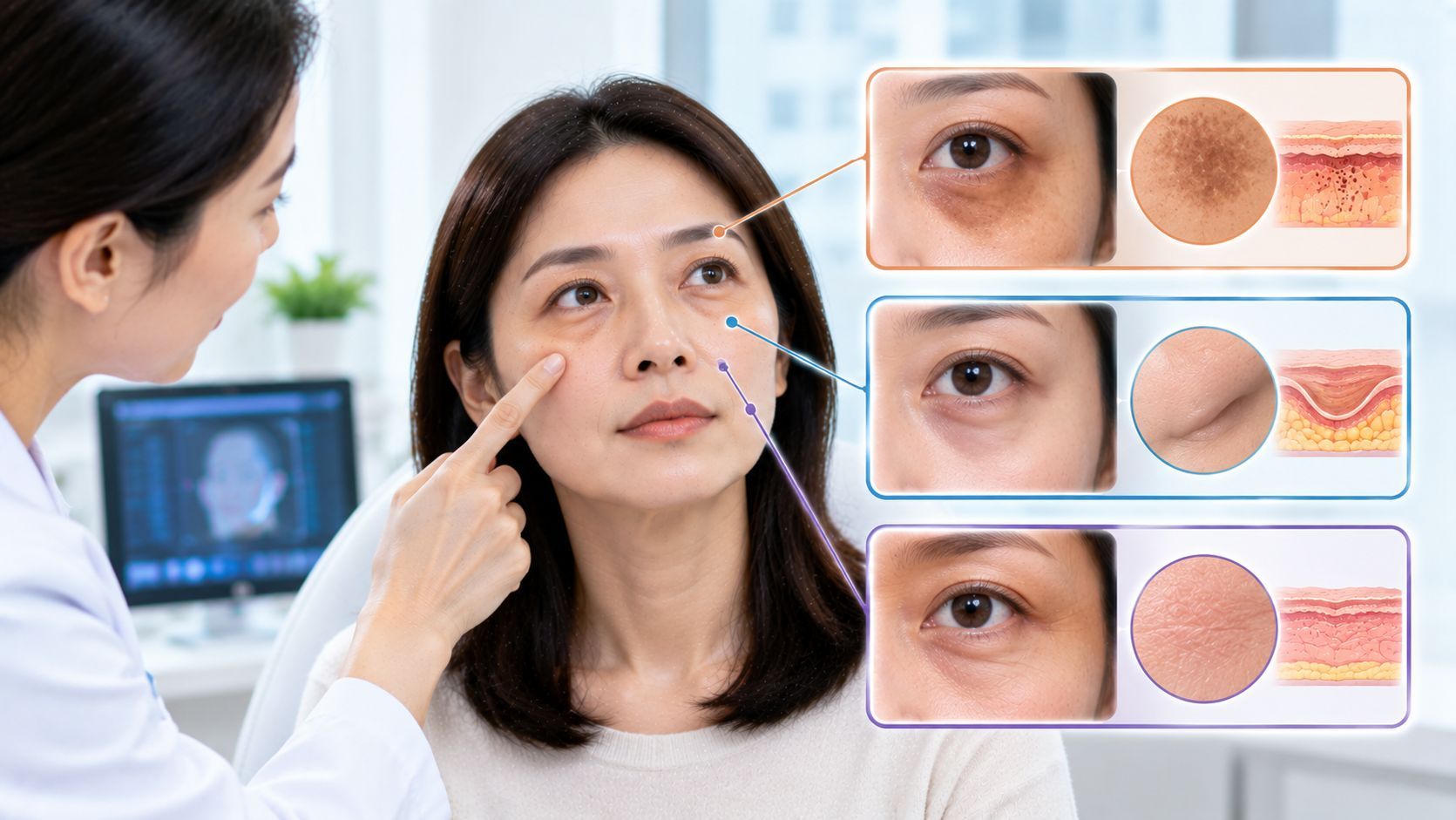
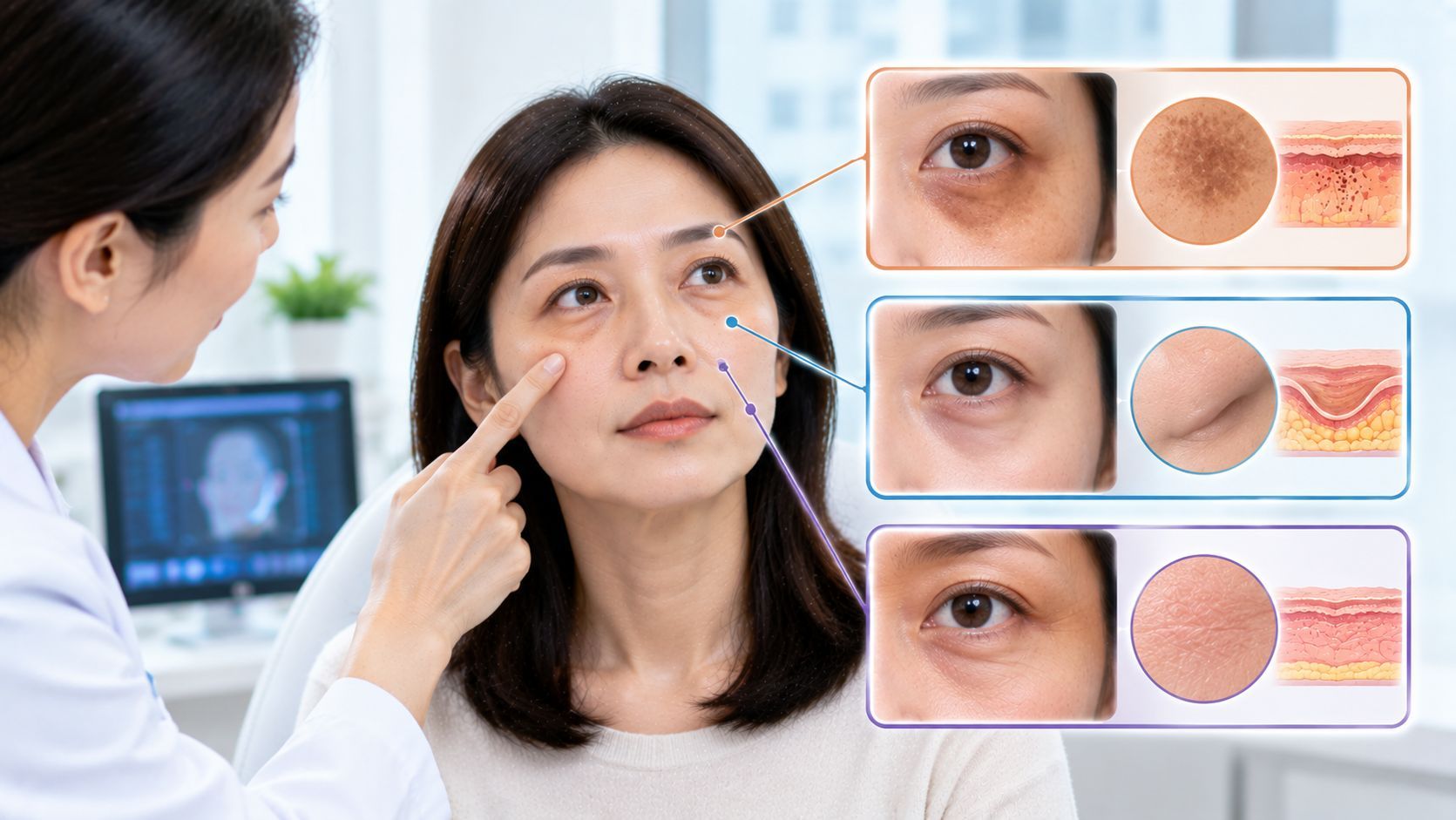
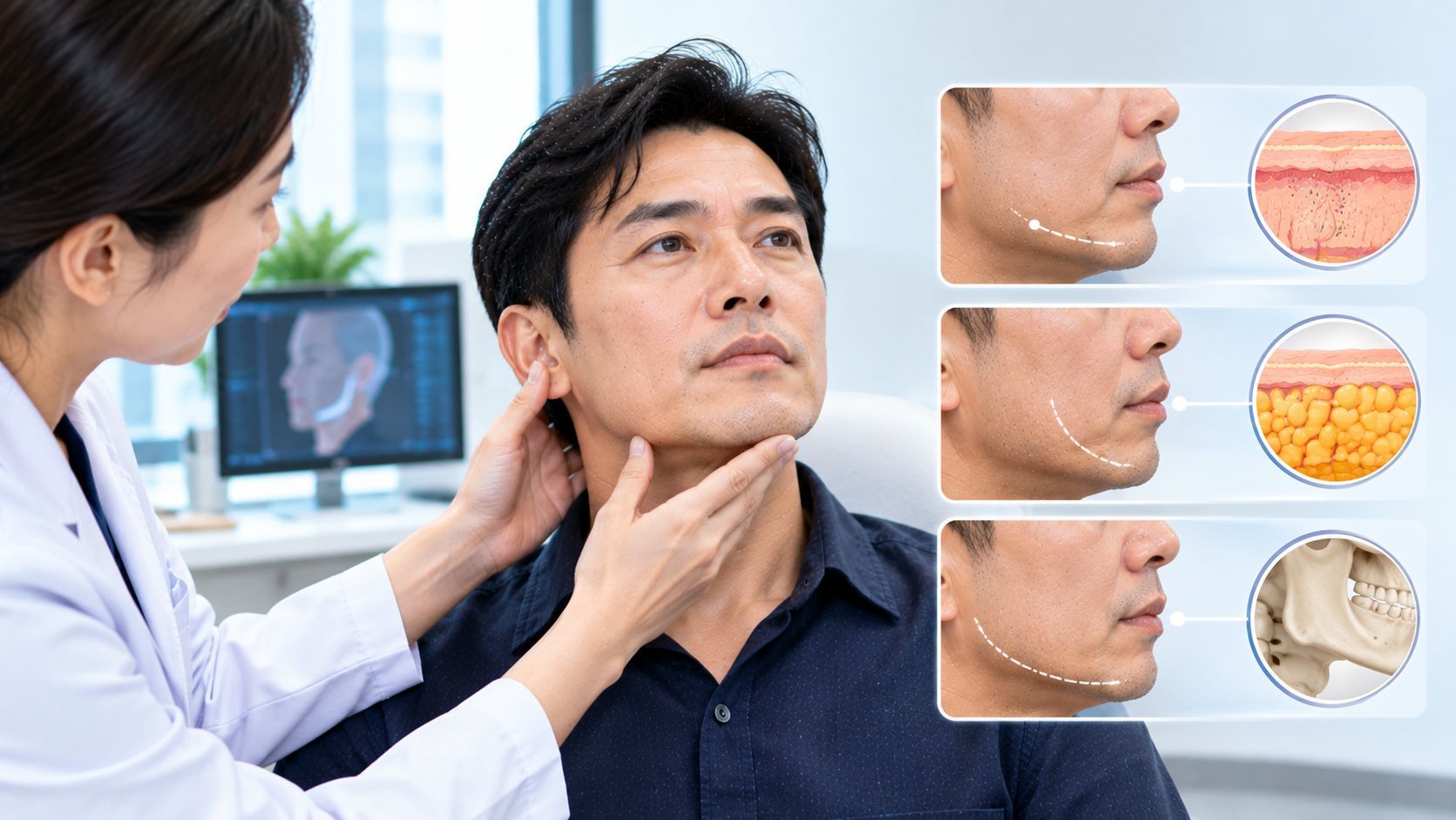
Significant weight loss can produce a noticeable change in facial appearance. While losing excess body weight can improve overall health and body contours, some people find that their face looks flatter, hollow, or “deflated” afterward. The cheeks may lose fullness, facial contours can become sharper, and loose skin may become more visible. These changes can be particularly noticeable after rapid or substantial weight loss.
Juvelook Volume may be an option for some people with post-weight-loss facial deflation, but it is not a universal replacement for dermal filler or surgical volume restoration. Whether it makes sense depends on how much volume has been lost, where the loss occurred, the degree of skin laxity, and the result you want. A medical assessment is important because a face that looks deflated may have both volume loss and loose skin.
Why Does the Face Look Deflated After Weight Loss?
Facial Volume Decreases
Weight loss can reduce facial fat as well as fat elsewhere in the body. This may make the cheeks and temples look less full.
Some people notice:
- Hollow cheeks
- Flatter midface
- More prominent temples
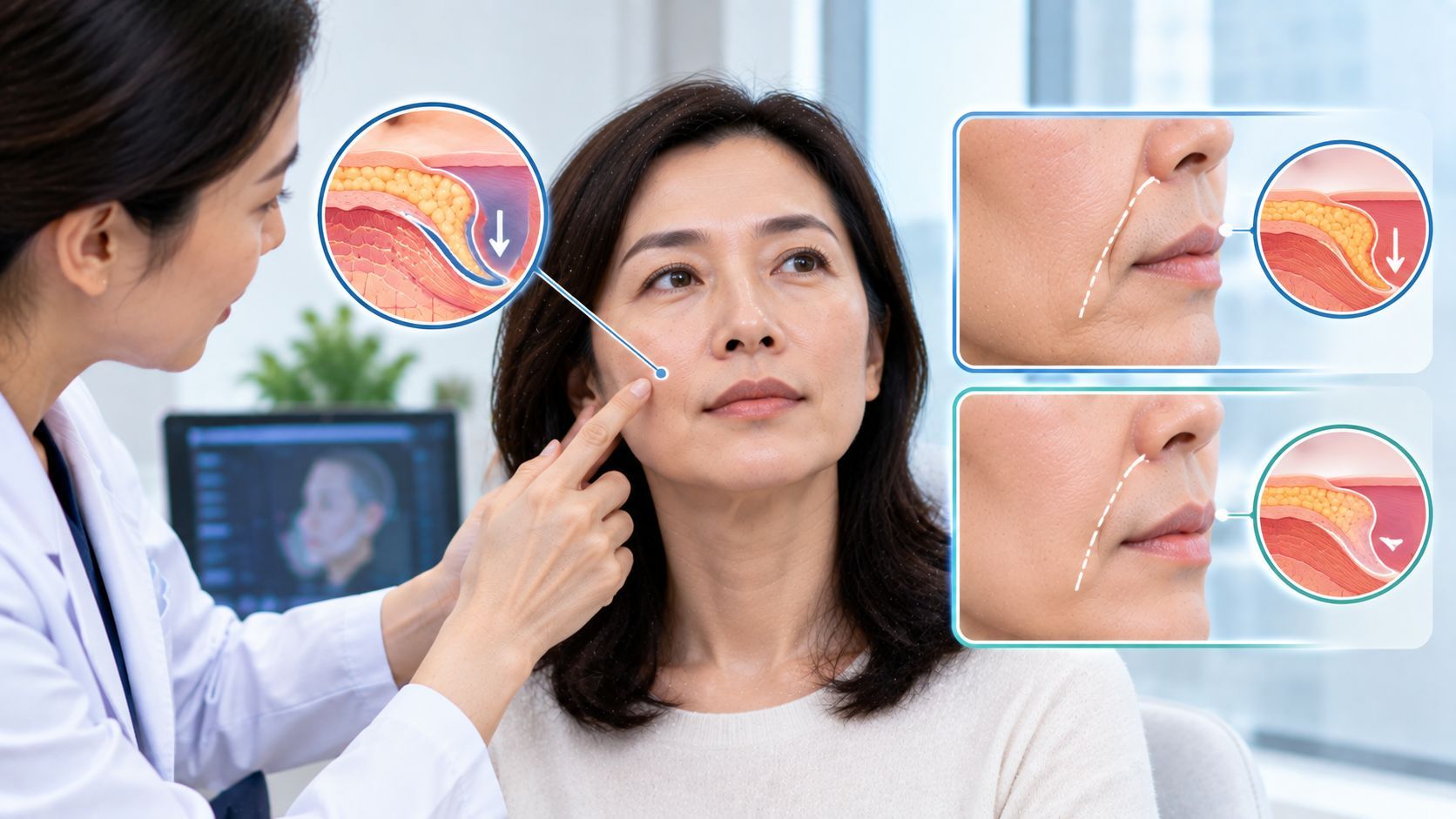
- Deeper facial folds
- Less youthful facial contours
- A more tired appearance
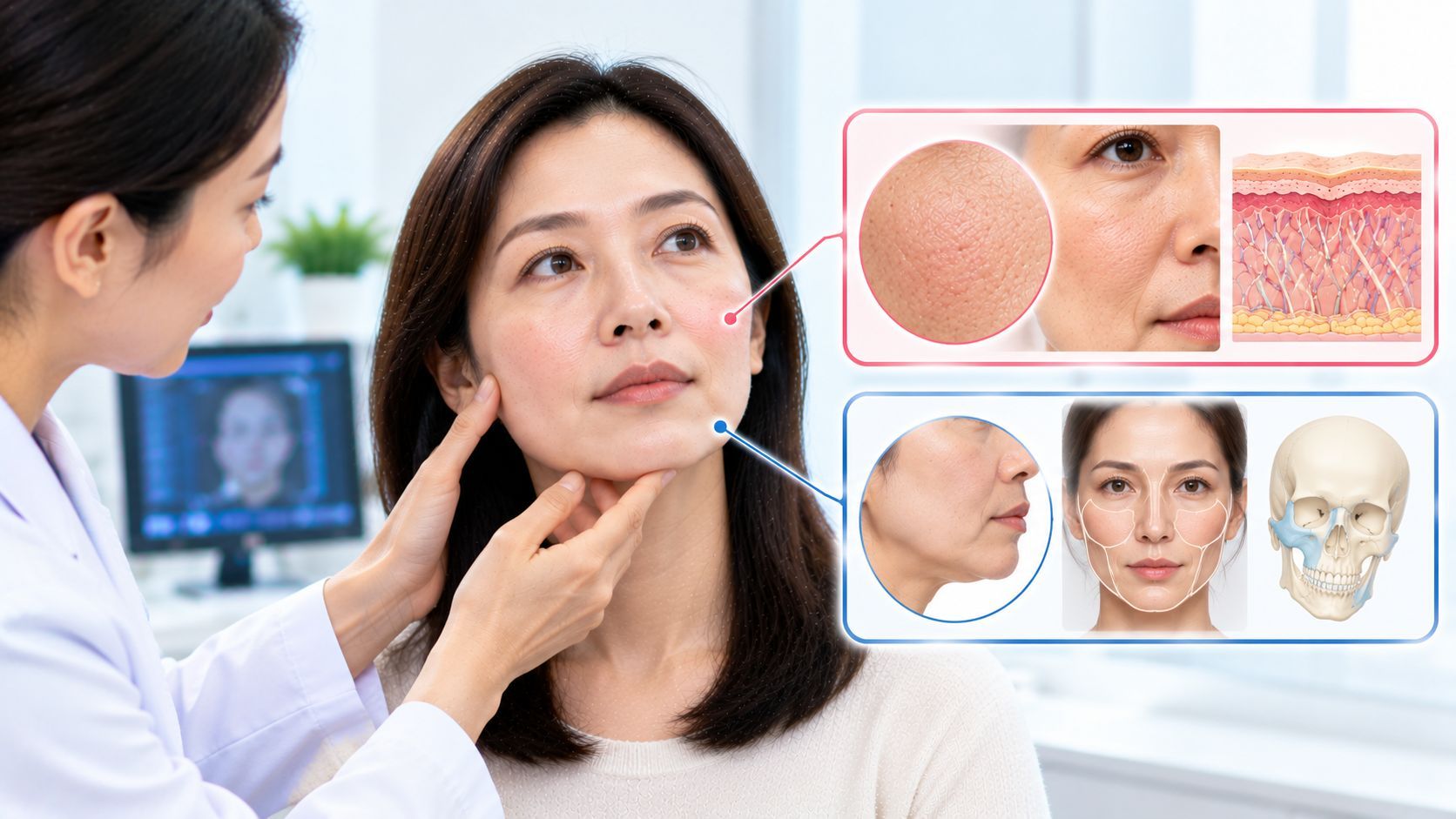
Recent research on facial changes associated with GLP-1-related weight loss describes reduced facial volume, hollowing, and increased skin laxity as overlapping concerns.
Skin Laxity Can Become More Visible
When facial volume decreases, the skin does not necessarily contract completely around the new contours.
This can create an unusual combination: the face can look both thinner and looser.
That distinction matters when considering Juvelook Volume. If the main issue is excess loose skin, simply increasing volume may not provide the desired result.
What Is Juvelook Volume?
Juvelook Volume is an injectable aesthetic treatment designed around poly-D,L-lactic acid (PDLLA). Unlike a conventional hyaluronic acid filler, its approach is based primarily on stimulating collagen and producing gradual changes in tissue volume and quality.
It is therefore important not to think of Juvelook Volume as simply another version of HA filler.
Traditional HA fillers primarily provide volume from the injected gel. A collagen-stimulating product such as PDLLA works differently, with results developing progressively as tissue remodeling occurs.
For someone whose face looks deflated after weight loss, that distinction can be important.
Can Juvelook Volume Restore a Deflated Face?
It may help selected patients, particularly when the problem involves mild-to-moderate volume deficiency combined with reduced skin quality.
However, expectations should be realistic.
Juvelook Volume is not designed to recreate every bit of facial fat lost during major weight reduction. It is also not a substitute for removing substantial excess skin.
The potential appeal is that treatment can aim for gradual improvement in volume, collagen support, and skin quality, rather than simply creating a large immediate increase in fullness.
When Might Juvelook Volume Be Considered?
Mild to Moderate Facial Deflation
If weight loss has made the face noticeably flatter but has not produced severe structural volume loss, a collagen-stimulating approach may be discussed.
The objective can be subtle improvement rather than dramatic augmentation.
Thin or Crepey-Looking Skin
Some post-weight-loss patients are concerned not only about hollowing but also about skin that looks thinner, less elastic, or finely wrinkled.
A collagen-focused treatment may be considered when skin quality is part of the problem.
Patients Who Prefer Gradual Results
Some people prefer gradual changes rather than an immediate, obvious increase in facial volume.
This can make collagen-stimulating treatments appealing for appropriately selected patients.
However, gradual does not automatically mean better. The right treatment still depends on the anatomy and the amount of correction needed.
When Might HA Filler Be More Appropriate?
If the primary concern is significant, clearly defined facial volume loss, a hyaluronic acid filler may offer more predictable immediate structural volume.
For example, a dermatologist may determine that the cheeks have lost enough volume that strategic HA filler would better restore facial support.
HA fillers can be used to restore fullness in areas such as the cheeks and other areas affected by volume loss.
This does not mean filler is automatically superior to Juvelook Volume. They simply have different characteristics.
A physician may even recommend using different approaches for different concerns.
Juvelook Volume vs. HA Filler After Weight Loss
FeatureJuvelook VolumeHA FillerPrimary approachCollagen stimulation and gradual tissue improvementDirect volume restorationResultsDevelop progressivelyUsually visible relatively quicklyMain objectiveVolume support + skin qualityStructural volumeBest suited toSelected mild-to-moderate deflation and skin-quality concernsClearly defined volume lossImmediate volumeMore limitedMore apparentTreatment strategyOften gradual/stagedCan provide targeted correctionReversibilityDifferent from HA filler; does not have the same simple reversal optionMany HA fillers can be dissolved with hyaluronidase when medically appropriate
This comparison does not establish that one treatment is better. It shows why the diagnosis should come before the procedure.
Could Juvelook Volume Be Better for a Thin Face?
Potentially, but caution is still necessary.
If weight loss has already made the face thin, aggressive tightening or excessive volumization can produce an undesirable appearance.
A collagen-stimulating approach may appeal to some patients because the objective is not simply to inject a large amount of filler into the face.
However, “thin face” does not automatically mean Juvelook Volume is the right treatment. If substantial structural volume has disappeared, another volume-restoration approach may be more appropriate.
What If You Also Have Jowls?
This is a common post-weight-loss combination.
You may have:
Cheek volume loss + loose lower-face skin + early jowling.
Juvelook Volume may address certain aspects of tissue quality and volume, but it cannot physically remove excess skin.
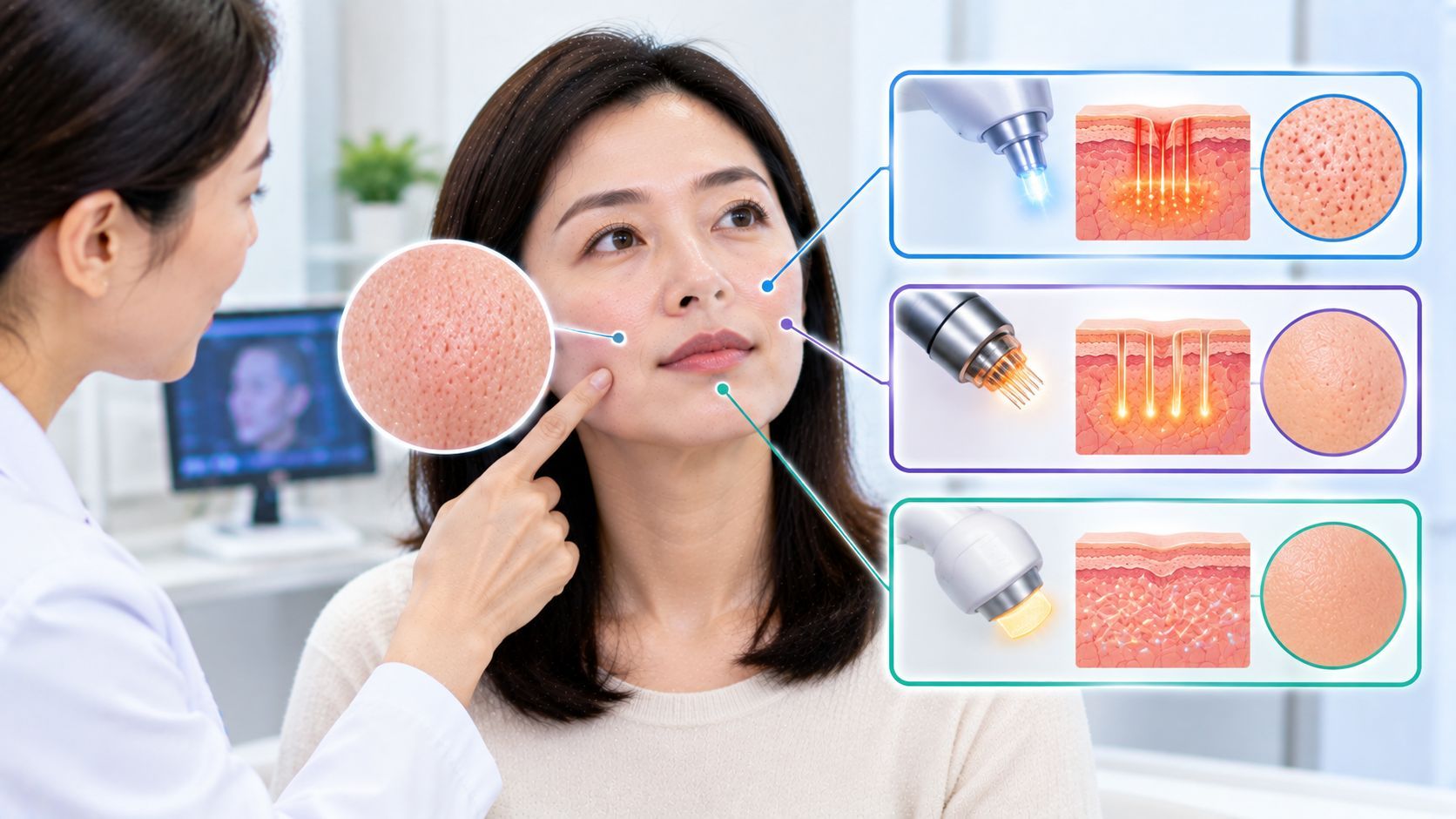
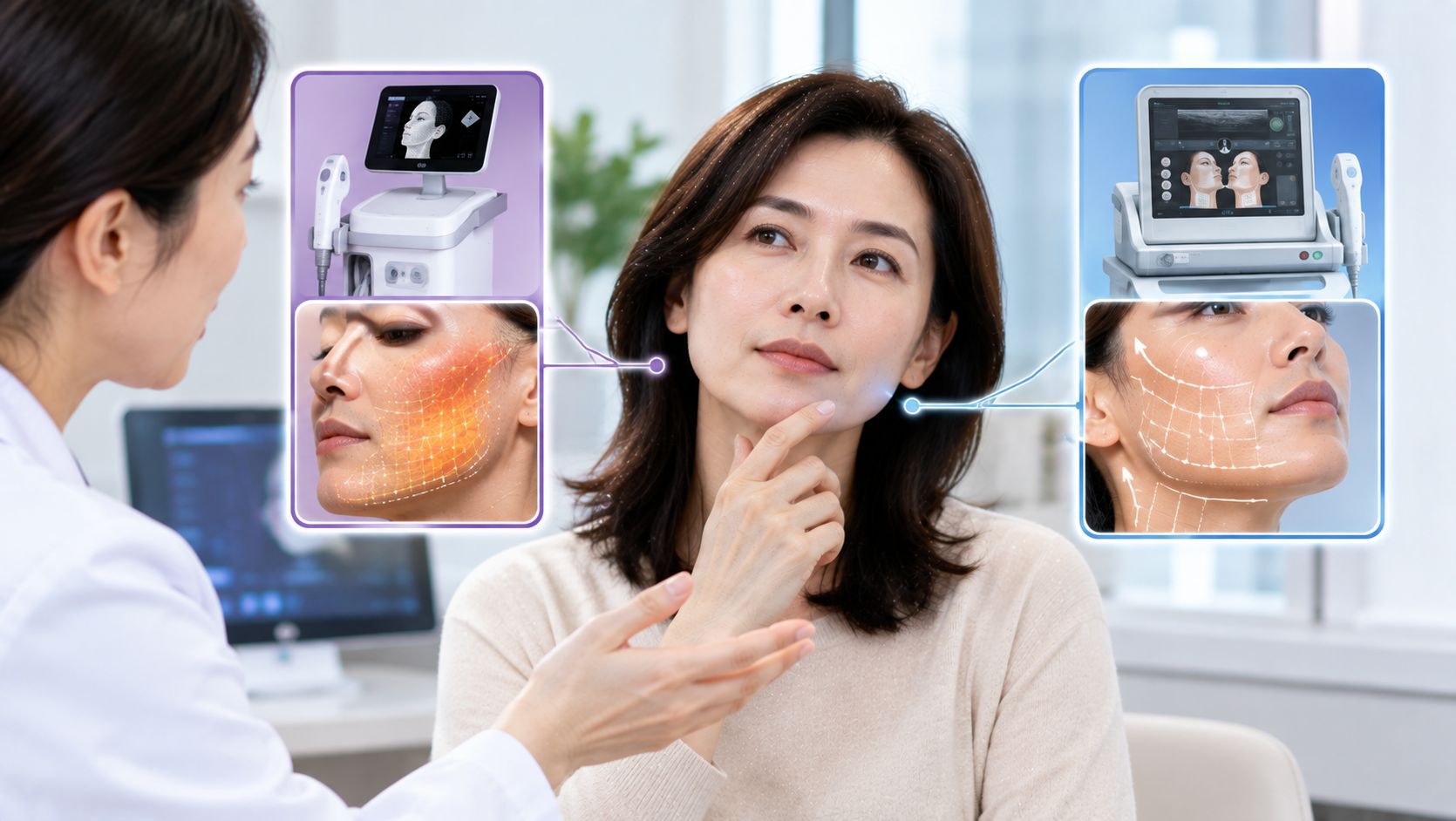
Depending on the degree of laxity, a dermatologist may consider combining or staging collagen stimulation with an energy-based tightening treatment.
The American Academy of Dermatology notes that non-invasive ultrasound and radiofrequency treatments can provide gradual improvement in skin firmness, while substantial sagging may require surgical correction.
Could Juvelook Volume Replace Skin Tightening?
Not necessarily.
These treatments target different concerns.
If your main problem is loose skin, a tightening procedure may be more relevant.
If your main problem is reduced tissue volume and skin quality, Juvelook Volume may be considered.
If you have both problems, a combination approach may be discussed.
Recent clinical literature on facial changes following weight loss emphasizes that multiple structural changes can occur simultaneously, which is one reason individualized and multimodal treatment plans may be appropriate.
How Many Treatments Might You Need?
There is no universal number of sessions.
The recommended treatment plan depends on:
- Degree of facial deflation
- Areas being treated
- Skin quality
- Age and tissue characteristics
- Previous cosmetic procedures
- Weight stability
- Desired degree of correction
Collagen-stimulating treatments generally require patience because the intended changes develop over time.
A clinic should explain the expected treatment schedule rather than promising a specific result or a guaranteed number of sessions.
When Should You Consider Treatment After Weight Loss?
If you are still losing substantial weight, your facial appearance may continue changing.
Further weight loss could produce additional facial volume loss or increase the appearance of laxity.
For patients experiencing facial changes during medical weight loss, recent expert discussions emphasize considering the patient's stage of weight loss and reassessing aesthetic needs over time.
This does not mean everyone must wait until their weight is completely stable. The appropriate timing should be determined individually.
What Should International Patients Ask a Korean Clinic?
If you are traveling to Korea for Juvelook Volume, ask:
- Is my main concern volume loss or loose skin?
- Why do you recommend Juvelook Volume for my face?
- Would HA filler produce a better result for my specific anatomy?
- Would I benefit from skin tightening as well?
- How gradual should I expect the results to be?
- How many sessions might be considered?
- What side effects and complications should I understand?
- How long should I remain in Seoul after treatment?
- When can I safely fly home?
- What follow-up is available for international patients?
Do not choose a treatment simply because it is popular or marketed as a Korean “skin booster.” The diagnosis and treatment plan should come first.
Risks and Limitations
Juvelook Volume is an injectable treatment and is not risk-free.
Possible adverse effects can include swelling, redness, tenderness, bruising, lumps or nodules, asymmetry, infection, and other injection-related complications. The precise risk profile depends on the product, injection technique, treatment area, and individual patient factors.
Most importantly, Juvelook Volume cannot guarantee restoration of your pre-weight-loss facial appearance.
If you have significant redundant skin, a non-surgical injectable treatment may provide only limited improvement. In advanced cases, a consultation with a qualified plastic surgeon may be appropriate.
Conclusion
Juvelook Volume may help some people whose face looks deflated after weight loss, particularly when mild-to-moderate volume loss and reduced skin quality occur together.
However, it is not automatically the best choice and should not be viewed as a direct replacement for every type of facial filler.
If you have substantial volume loss, HA filler may provide more direct structural restoration. If loose skin is the dominant concern, ultrasound or radiofrequency tightening may be more relevant. If several changes are present, a staged combination may provide a more logical approach.
For international patients considering treatment in Korea, the most important step is a proper facial assessment before deciding whether Juvelook Volume is actually appropriate.
FAQs
Can Juvelook Volume fix hollow cheeks after weight loss?
It may improve selected areas of volume deficiency and skin quality, but the degree of improvement depends on how much volume was lost and the patient's individual anatomy.
Is Juvelook Volume the same as HA filler?
No. Juvelook Volume uses PDLLA as a collagen-stimulating injectable, while HA fillers primarily provide direct volume through hyaluronic acid gel.
Is Juvelook Volume better than filler for a thin face?
Not necessarily. It may be considered for gradual improvement in selected thin or deflated faces, but significant structural volume loss may be better addressed with carefully placed HA filler or another approach.
Can Juvelook Volume tighten loose skin after weight loss?
It may contribute to improvements in skin quality and collagen support, but it cannot remove substantial excess skin. Significant laxity may require another treatment approach.
Should I wait until my weight stabilizes before Juvelook Volume?
If you are still losing substantial weight, discuss timing with your doctor because additional weight loss can continue changing facial volume and contours.
Can Juvelook Volume be combined with other Korean treatments?
It may be possible to combine or stage it with other treatments, but the appropriate combination depends on your facial anatomy, treatment goals, and recovery requirements.