My Skin Is Hydrated but Still Looks Crepey. What’s Missing?
Introduction
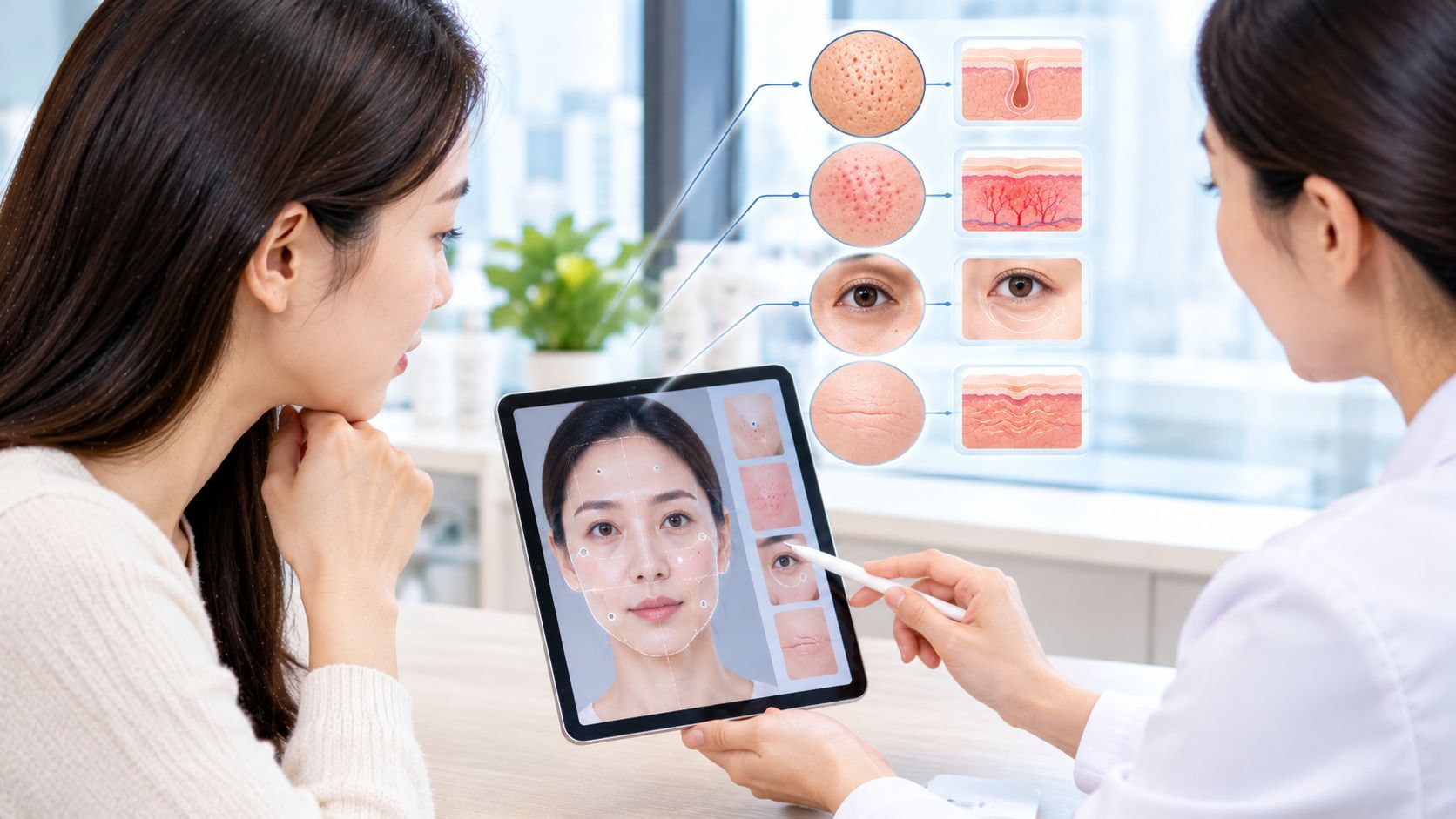
Hydrated skin and firm-looking skin are not the same thing. You can apply moisturizer regularly, drink enough fluids, and have skin that feels comfortable and hydrated while still noticing a thin, crinkled, or “crepey” appearance.
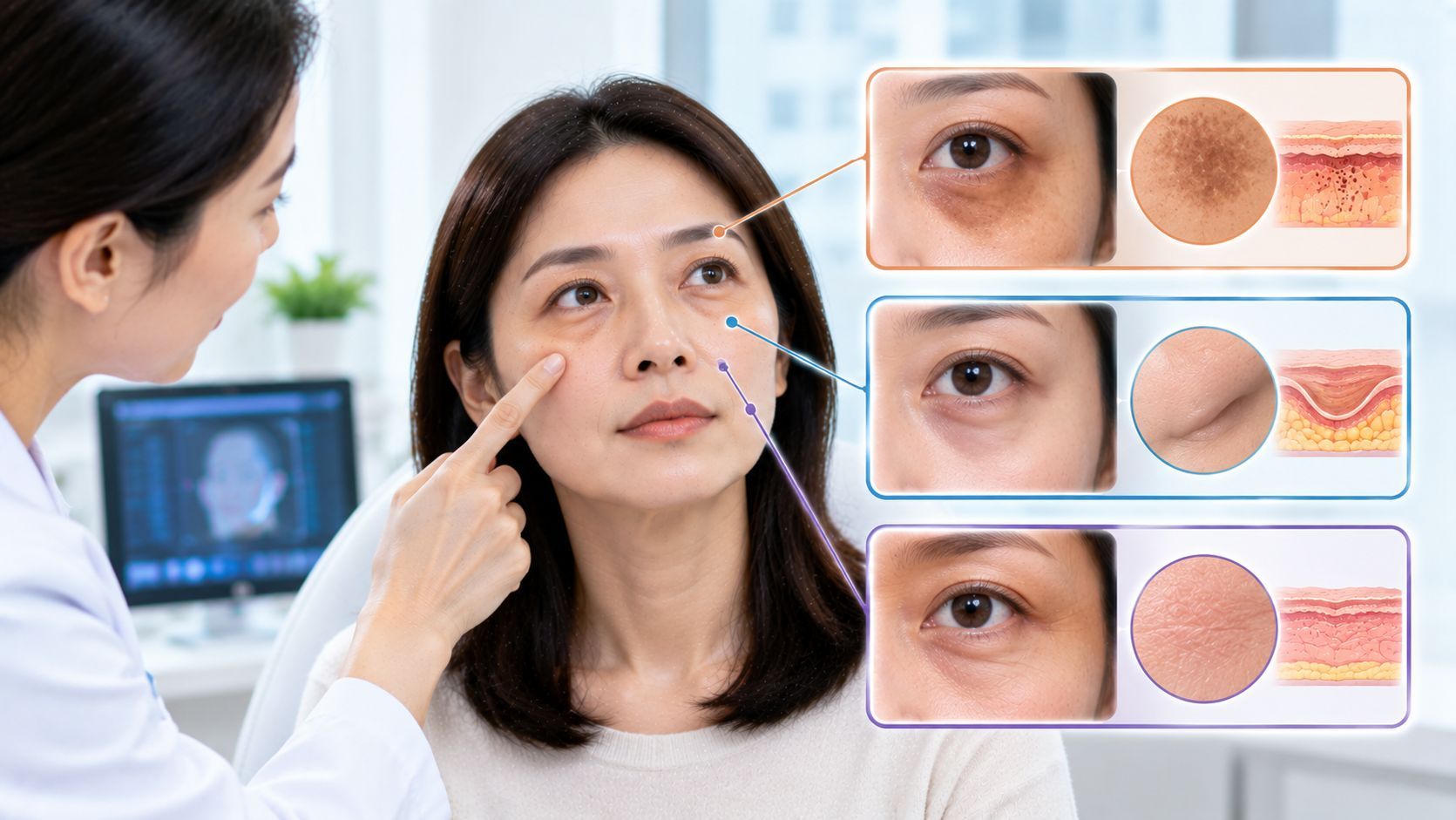
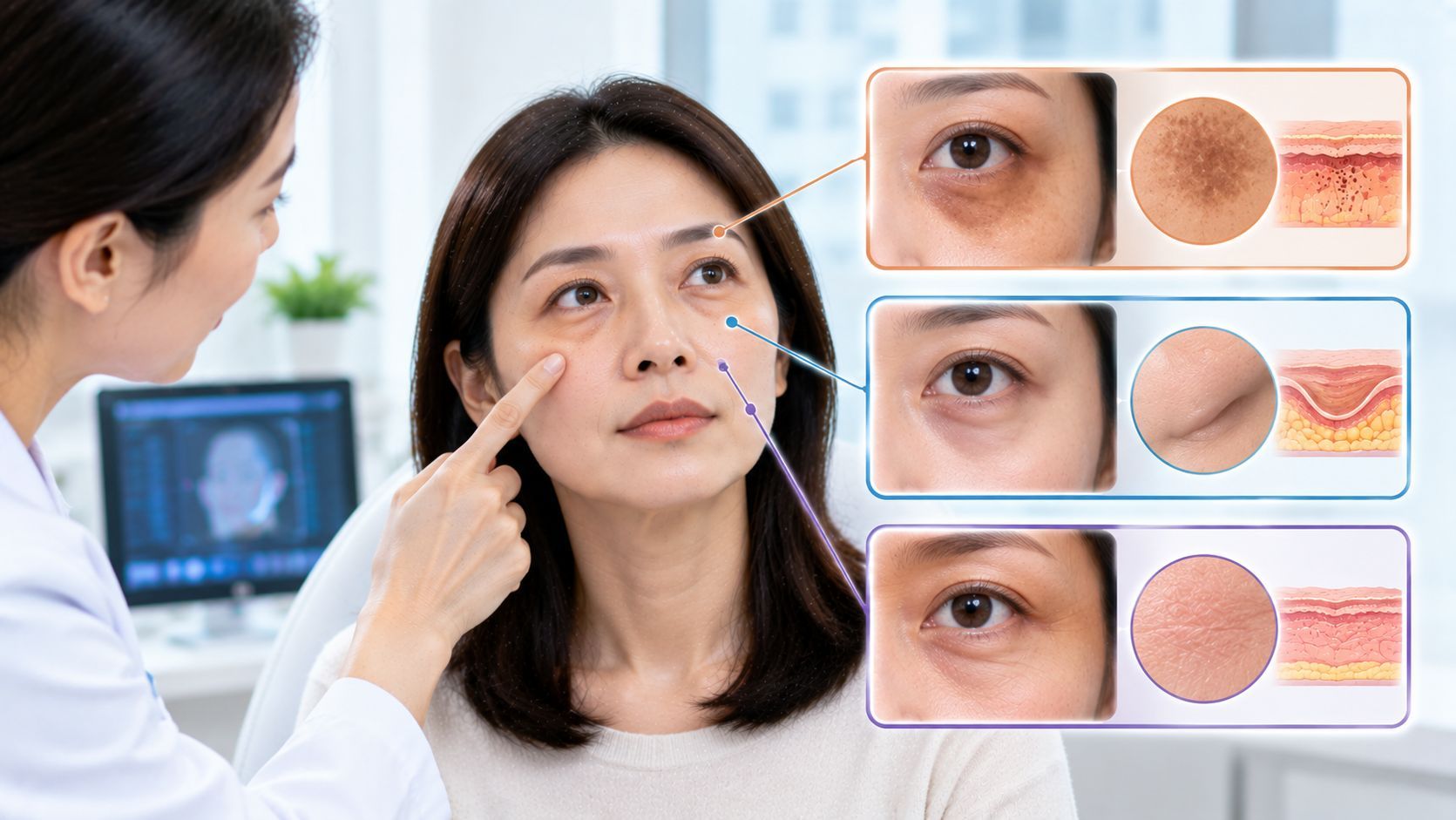
Crepey skin usually refers to a fine, wrinkled texture that resembles thin or lightly crumpled paper. It can appear on the cheeks, under-eyes, jawline, neck, or other areas. Hydration may temporarily make it look smoother, but if the underlying issue involves collagen loss, reduced elasticity, thinning skin, sun damage, or structural changes, moisturizer alone may not completely correct the appearance.
The key is identifying whether your skin is actually dry or whether it is hydrated but lacks structural support.
What Does Crepey Skin Actually Mean?
Crepey skin is a description of texture rather than a specific diagnosis.
It may look:
- Thin and finely wrinkled
- Crinkled when the face moves
- Loose or slightly lax
- More noticeable under certain lighting
- Smooth when relaxed but wrinkled during movement
- Less firm than it used to be
Crepey texture can occur even when the skin does not feel dry.
This distinction is important because adding more moisturizer will not necessarily restore lost collagen or elasticity.
Why Can Hydrated Skin Still Look Crepey?
Collagen Loss
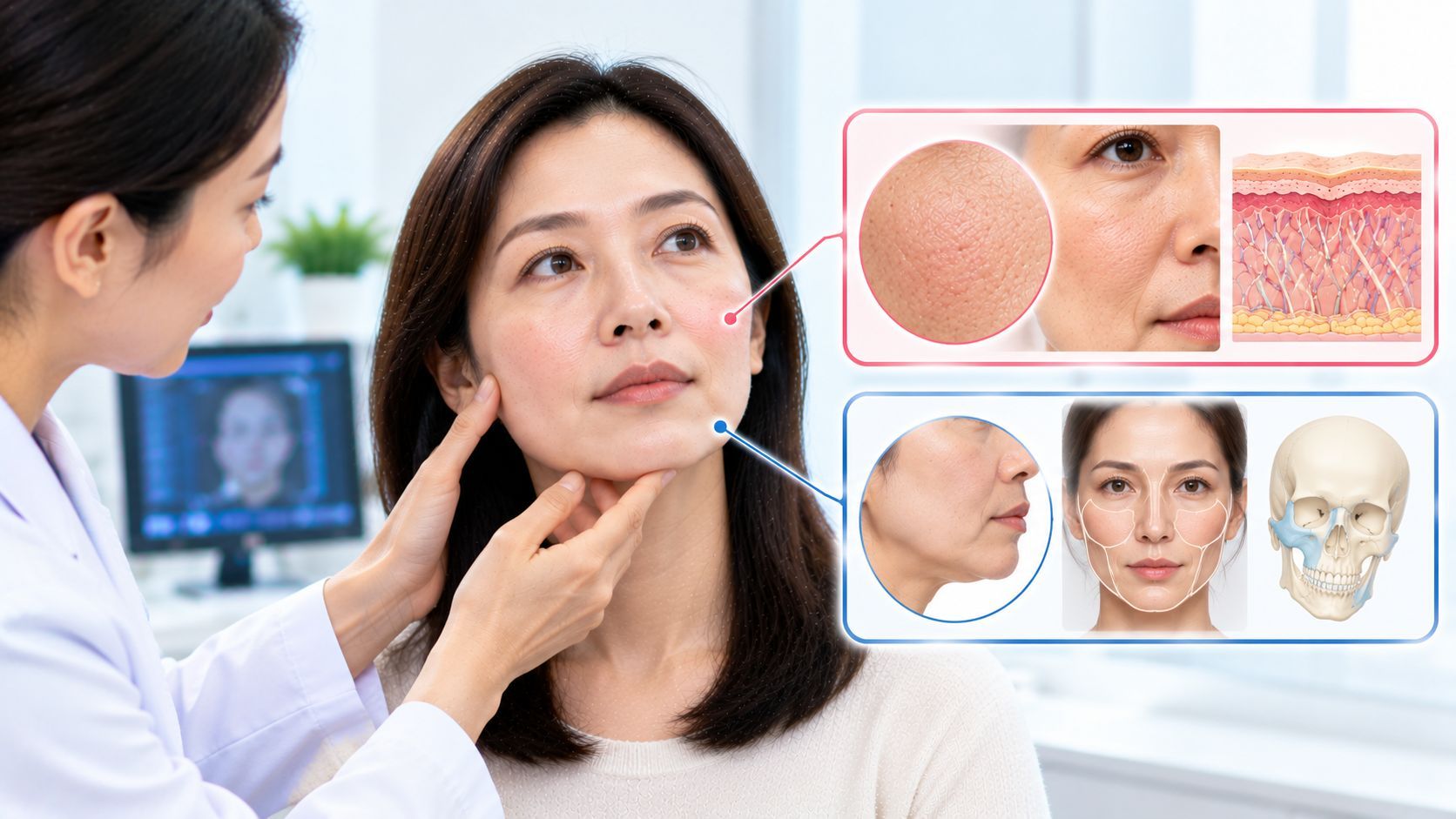
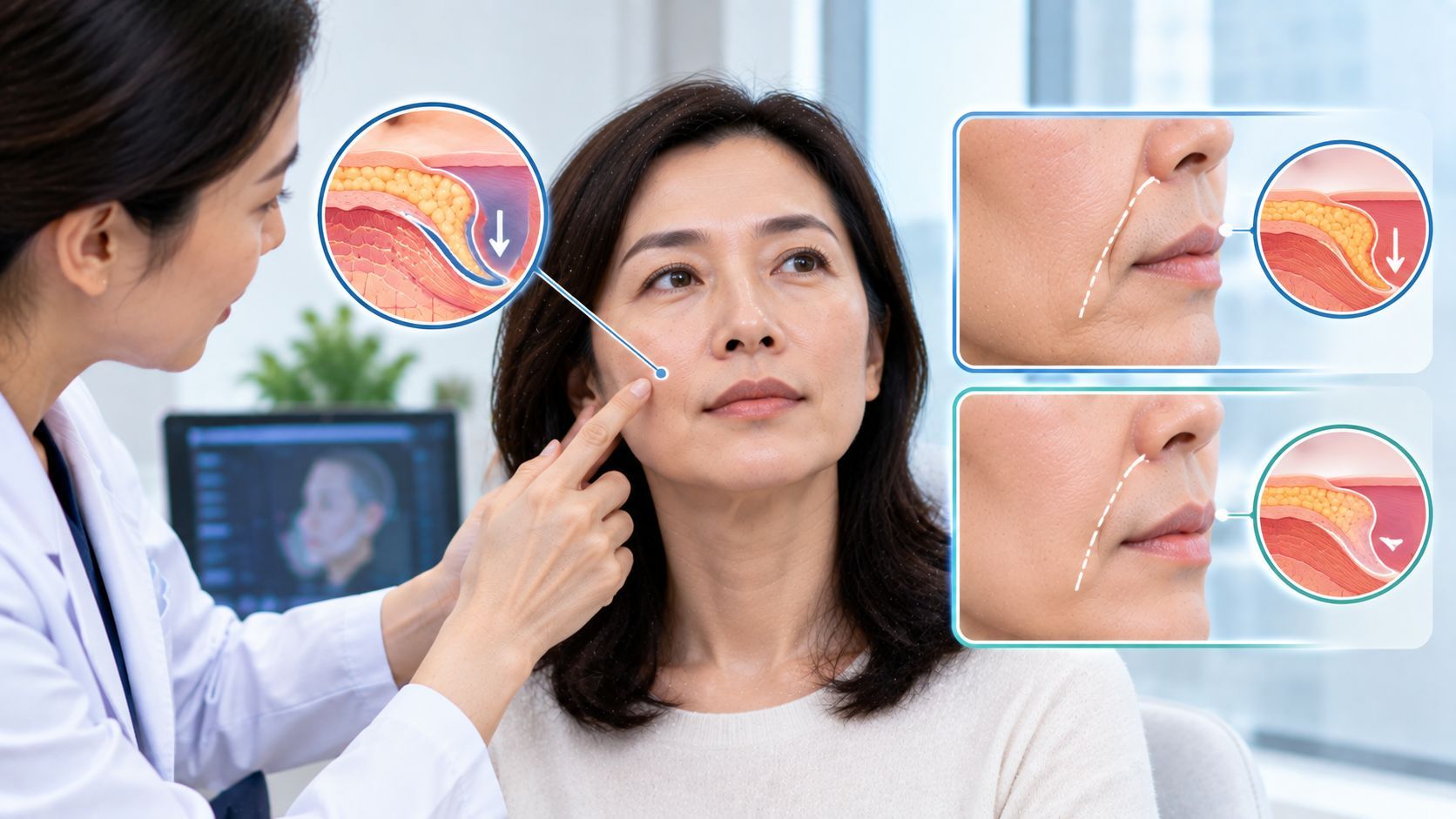
Collagen provides structural support within the skin. With age, collagen production and organization gradually change.
When structural support decreases, the skin may develop fine lines and a thinner-looking texture even if the outer layer remains adequately hydrated.
Elastin Changes
Elastin helps skin stretch and return toward its original shape.
Changes in elastin can contribute to reduced resilience and a looser or crinkled appearance.
Sun Exposure
Cumulative UV exposure is an important contributor to photoaging.
Over time, UV-related changes can affect collagen, elastin, pigmentation, and overall skin texture. This is one reason areas such as the neck, chest, and face can develop crepey changes.
Natural Skin Thinning
As people age, changes in skin thickness and supporting tissues can make fine lines more visible.
The under-eye area is particularly delicate, which is why crepiness can appear there even when the rest of the face still looks relatively firm.
Weight Loss
Significant weight loss can reveal loose or thinner-looking skin.
If facial or body volume decreases faster than the skin can adapt, the remaining skin may appear less supported and more crepey.
How Do I Know If My Problem Is Dryness or Collagen Loss?
One useful distinction is how the skin responds to hydration.
If the skin feels tight, flaky, rough, or uncomfortable and becomes noticeably smoother after moisturizer, dehydration may be an important contributor.
If the skin feels well hydrated but still appears thin, finely wrinkled, or lax, structural factors may be more important.
Some people have both.
For example, a person may have age-related collagen loss combined with dehydration. Improving hydration can make the skin look better without completely correcting the crepey texture.
Can Skincare Improve Crepey Skin?
Yes, but the degree of improvement depends on the cause.
A consistent skincare routine can support the skin barrier and reduce the appearance of superficial dryness.
Useful components may include:
- Gentle cleansing
- A moisturizer suited to your skin type
- Broad-spectrum sunscreen
- Carefully selected retinoids
- Antioxidant ingredients
- Gentle exfoliation when appropriate
Retinoids can support skin renewal and are commonly used for photoaging and fine lines. They can also cause irritation, so gradual introduction and appropriate moisturization are important.
Skincare cannot fully replace lost structural support, however.
Why Is Sunscreen Important for Crepey Skin?
Sun protection is particularly important when the goal is maintaining skin quality.
UV exposure contributes to photoaging and can accelerate changes involving collagen and elastin.
A broad-spectrum sunscreen used consistently can help reduce ongoing UV damage. Protective clothing, shade, and avoiding unnecessary prolonged sun exposure can provide additional protection.
Sunscreen is not an instant treatment for existing crepey skin, but it can help prevent continued photoaging while other treatments are considered.
Can Skin Boosters Help Hydrated but Crepey Skin?
Some injectable skin-quality treatments may be considered when crepey texture is accompanied by dehydration, fine lines, or reduced skin quality.
Depending on the product, the goal may include improving hydration and aspects of skin quality rather than creating substantial facial volume.
However, skin boosters do not directly replace lost collagen or elastin in the same way a structural treatment aims to stimulate remodeling.
Results vary, and injectable treatments can involve swelling, bruising, infection, nodules, and other complications.
A dermatologist should determine whether the expected benefit justifies the procedure.
Could RF Microneedling Improve Crepey Texture?
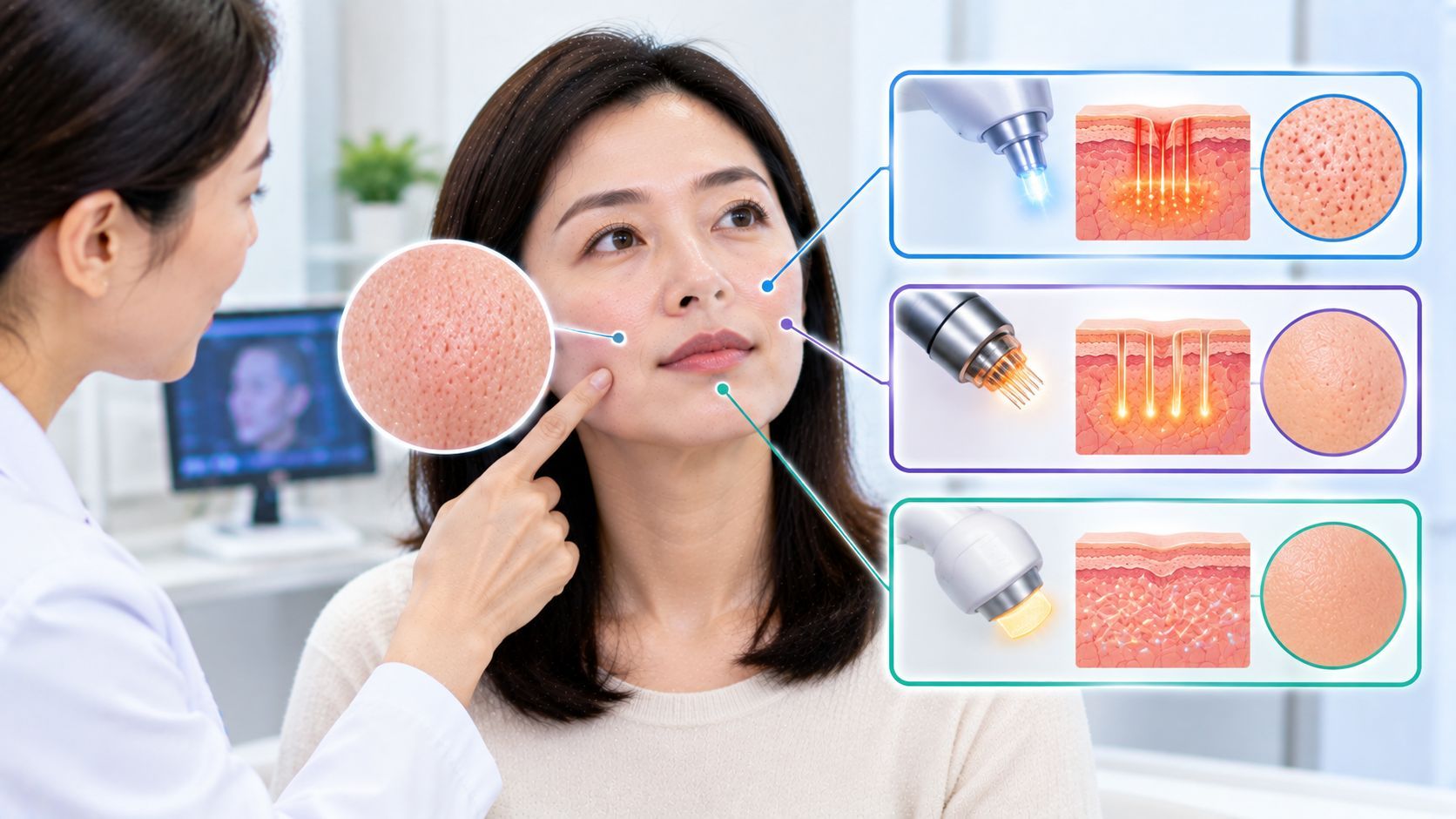
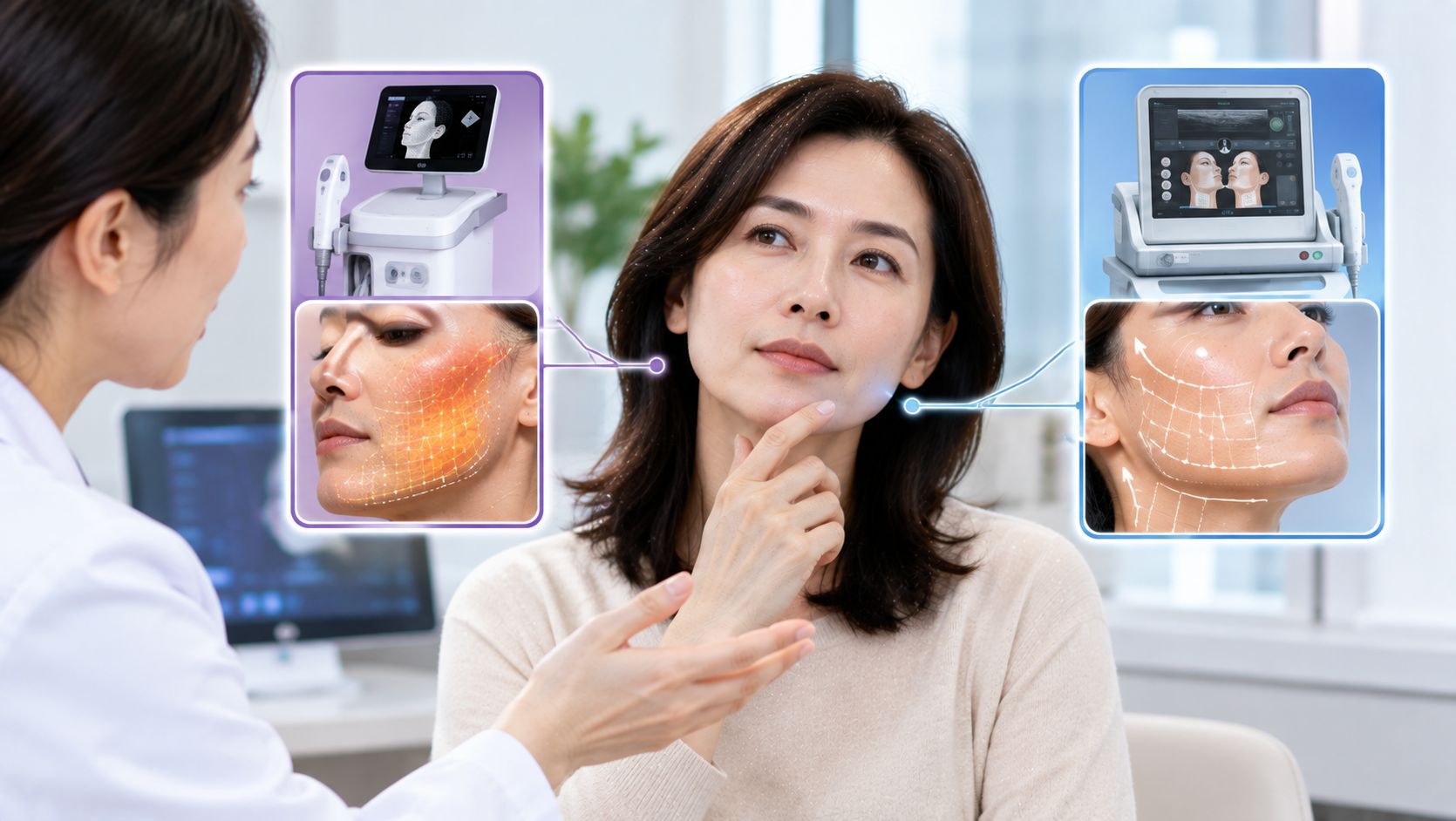
RF microneedling may be considered when crepey appearance is associated with textural irregularity, mild laxity, or reduced skin firmness.
The procedure combines controlled microneedling with radiofrequency energy. The objective is to stimulate remodeling within the treated tissue.
It may be particularly relevant when the skin needs more than hydration alone.
However, treatment intensity should be carefully selected. Aggressive treatment is not automatically better, particularly for thin skin or areas where the skin is delicate.
What About Thermage or Other RF Treatments?
Radiofrequency-based tightening treatments may be considered when reduced firmness is a significant part of the problem.
Thermage and other RF technologies aim to affect deeper tissue and stimulate remodeling rather than simply hydrate the skin.
They may be useful when the skin is beginning to lose firmness but does not have substantial excess tissue.
Results typically develop gradually, and expectations should remain realistic. Non-surgical tightening does not produce the same degree of correction as surgery for significant skin excess.
Can Ultherapy Help Crepey Skin?
Focused ultrasound treatments such as Ultherapy may be considered for selected patients with mild-to-moderate laxity.
They are generally more relevant when the concern involves tissue support and lifting rather than surface dryness alone.
The treatment should be carefully individualized, especially in people with thin faces or limited soft-tissue volume. Excessive tightening or aggressive treatment is not appropriate for everyone.
What About Laser Resurfacing?
Laser resurfacing can improve certain forms of fine textural irregularity and photoaging.
Depending on the laser and treatment intensity, it may address:
- Fine lines
- Rough texture
- Sun-related changes
- Some superficial wrinkles
- Certain areas of crepey skin
However, laser treatment can involve redness, peeling, swelling, and pigmentation risk. The appropriate approach depends on skin type, location, and the severity of the problem.
What If the Crepey Skin Is Around My Eyes?
The under-eye area requires particular caution.
Under-eye crepiness can be caused by:
- Thin skin
- Fine lines
- Dehydration
- Loss of elasticity
- Volume changes
- Sun damage
- Natural anatomy
Not every under-eye concern should be treated with filler. If the primary problem is thin, crepey skin rather than volume deficiency, adding volume may not address the actual issue.
A clinician experienced with periocular anatomy should assess the area before treatment.
What If Crepey Skin Appeared After Weight Loss?
After significant weight loss, several changes can occur simultaneously.
You may have:
- Reduced facial volume
- Increased skin laxity
- Less support beneath the skin
- A more hollow appearance
- Fine crepey texture
In this situation, aggressive tightening is not automatically the best first step.
If substantial volume has been lost, tightening already-thin skin without considering underlying support may produce an unsatisfactory result. A comprehensive assessment should determine whether the dominant issue is laxity, volume loss, or both.
Does Crepey Skin Always Need a Procedure?
No.
If the changes are mild, a conservative approach may be appropriate.
A reasonable foundation includes:
- Daily sun protection
- Consistent moisturization
- Appropriate active skincare
- Avoiding excessive exfoliation
- Maintaining stable skin-barrier health
- Reassessing the skin over time
Procedures become more relevant when structural changes remain despite appropriate skincare.
How Should You Choose a Treatment?
Main problemPossible approachDry, dehydrated surfaceBarrier repair and moisturizationFine lines and photoagingRetinoid and selected resurfacingMild laxityRF or ultrasound-based tighteningCrepey texture and firmness lossRF microneedling or selected resurfacingDehydration with fine textureSkin-quality treatmentSignificant excess skinSurgical evaluationVolume loss after weight lossAssessment of volume and laxity together
These are general categories rather than a universal treatment plan.
What Should I Ask a Seoul Dermatologist?
If you are considering treatment in Seoul, ask:
- Is my crepey appearance caused mainly by dryness or collagen loss?
- Do I actually have skin laxity?
- Would RF microneedling be appropriate for my skin thickness?
- Would RF or ultrasound tightening risk making my face look thinner?
- Would a skin-quality treatment address my concern?
- Do I have volume loss as well as laxity?
- What improvement is realistic?
- How much downtime should I expect?
- How many sessions might be necessary?
- What aftercare will I need as an international patient?
These questions can help ensure that the procedure addresses the actual cause rather than simply the appearance.
Conclusion
If your skin is hydrated but still looks crepey, the missing factor may not be water. Collagen, elastin, skin thickness, sun-related damage, volume changes, and tissue support can all influence how firm and smooth the skin appears.
Moisturizer and hydration-focused skincare can improve the outer skin barrier, but they cannot fully replace structural support that has been lost over time.
Depending on the cause, a dermatologist may consider retinoids, resurfacing, RF microneedling, radiofrequency tightening, focused ultrasound, skin-quality treatments, or—when excess skin is substantial—surgical options.
The most important step is to determine whether your skin is dry, thin, lax, volume-deficient, or a combination of these. That distinction helps avoid unnecessary treatment and supports a more natural result.
FAQs
Why does my skin look crepey even though I moisturize?
Moisturizer primarily supports the skin barrier and hydration. Crepey appearance can also result from collagen loss, elastin changes, photoaging, thin skin, laxity, or volume loss.
Can drinking more water fix crepey skin?
Adequate hydration is important for overall health and skin function, but drinking more water does not directly replace collagen or elastin that has been lost.
Can RF microneedling treat crepey skin?
It may improve selected cases of crepey texture, particularly when reduced firmness and textural irregularity are involved. Treatment settings should be individualized.
Is Ultherapy suitable for thin or crepey skin?
It can be appropriate for selected patients with laxity, but thin-faced patients require careful assessment. Tightening treatment should not be used automatically when the primary problem is volume loss.
Can skin boosters improve crepey skin?
Some skin-quality injectables may improve hydration and fine texture in selected patients, but they do not directly correct every cause of crepey skin.
Can crepey skin be completely reversed without surgery?
Mild changes may improve with skincare and non-surgical treatments, but significant excess skin generally cannot be completely removed without surgery. The achievable improvement depends on the underlying cause.