I Don’t Have Pigmentation but My Complexion Looks Uneven. What Treatment Helps?
Introduction
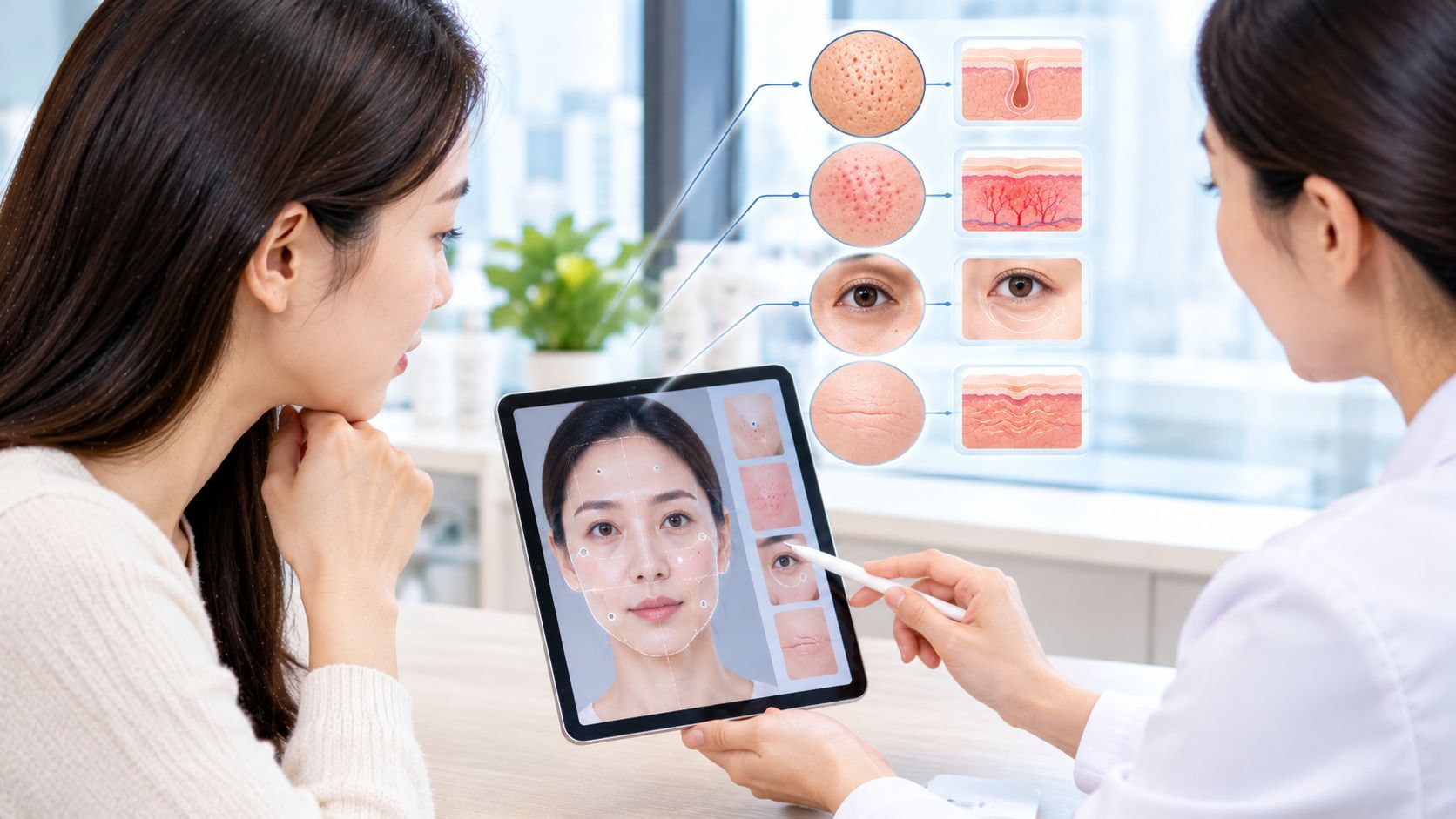
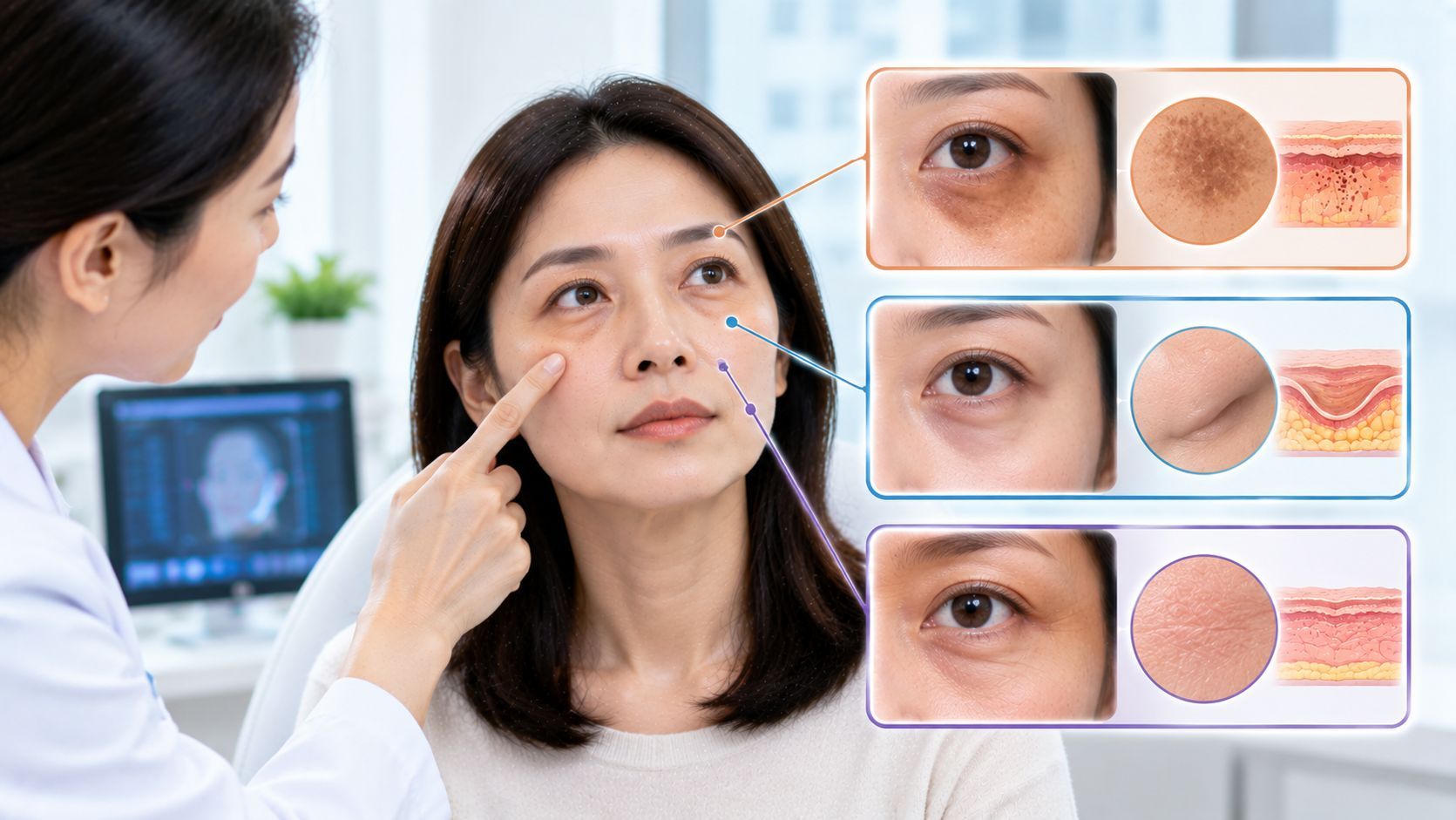
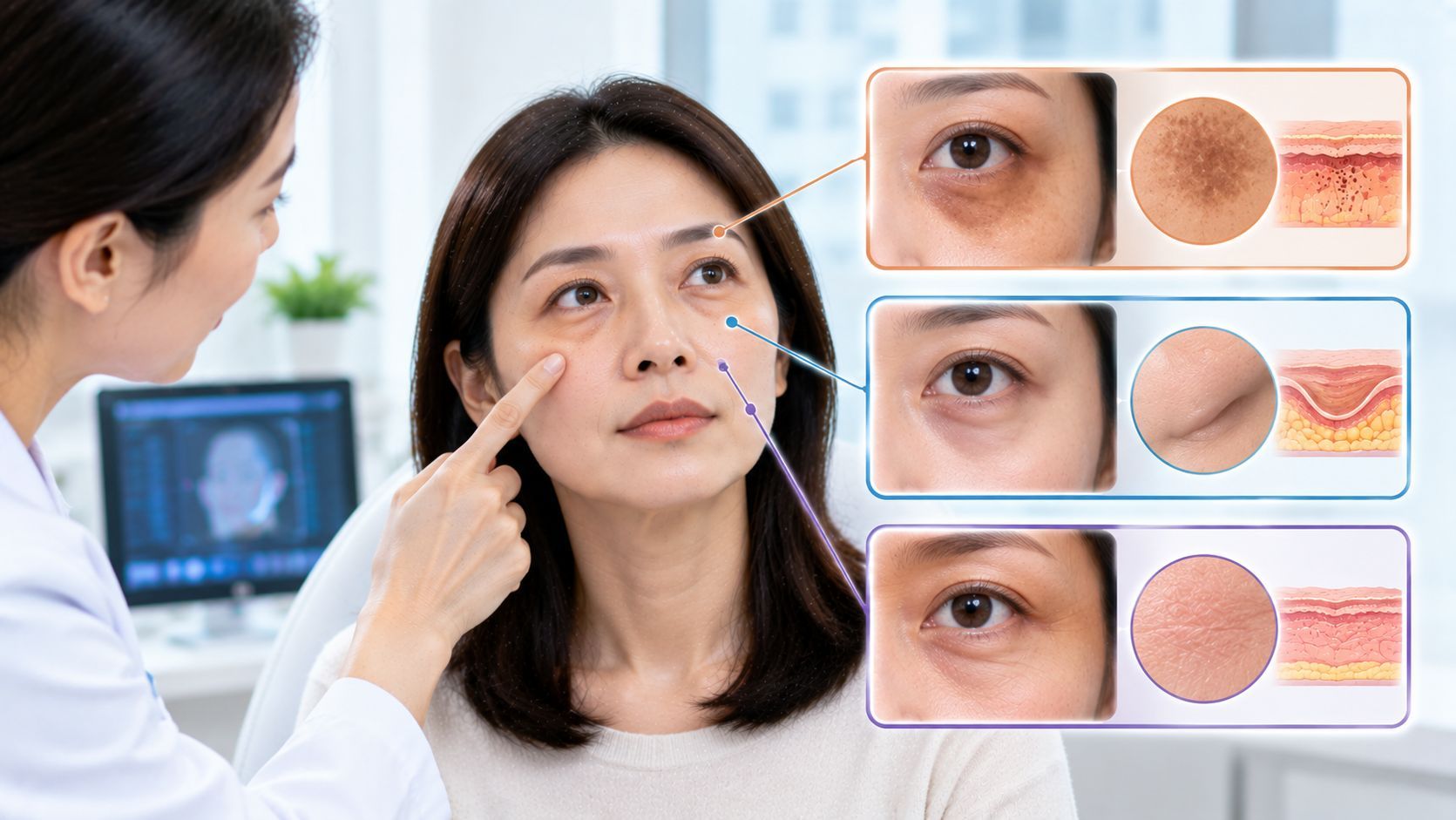
You can have clear skin, very little pigmentation, and still feel that your complexion looks uneven. The problem may not be brown spots at all. Uneven-looking skin can come from differences in redness, skin texture, hydration, pore visibility, surface roughness, or subtle changes in how light reflects from different areas of the face.
This distinction matters because the best treatment depends on what is creating the uneven appearance. If pigmentation is not the main problem, repeatedly using pigment-focused treatments may not address what you actually notice in the mirror.
For patients considering dermatology treatment in Seoul, a skin-quality assessment can help determine whether the main issue is texture, redness, hydration, pores, early collagen loss, or another factor.
What Does “Uneven Complexion” Actually Mean?
An uneven complexion can describe several different things:
- Some areas look redder than others
- The cheeks appear rougher than the forehead
- Pores are more visible in certain areas
- Skin reflects light unevenly
- The face looks dull despite being clear
- One area appears more dehydrated or crepey
- Mild post-acne texture remains
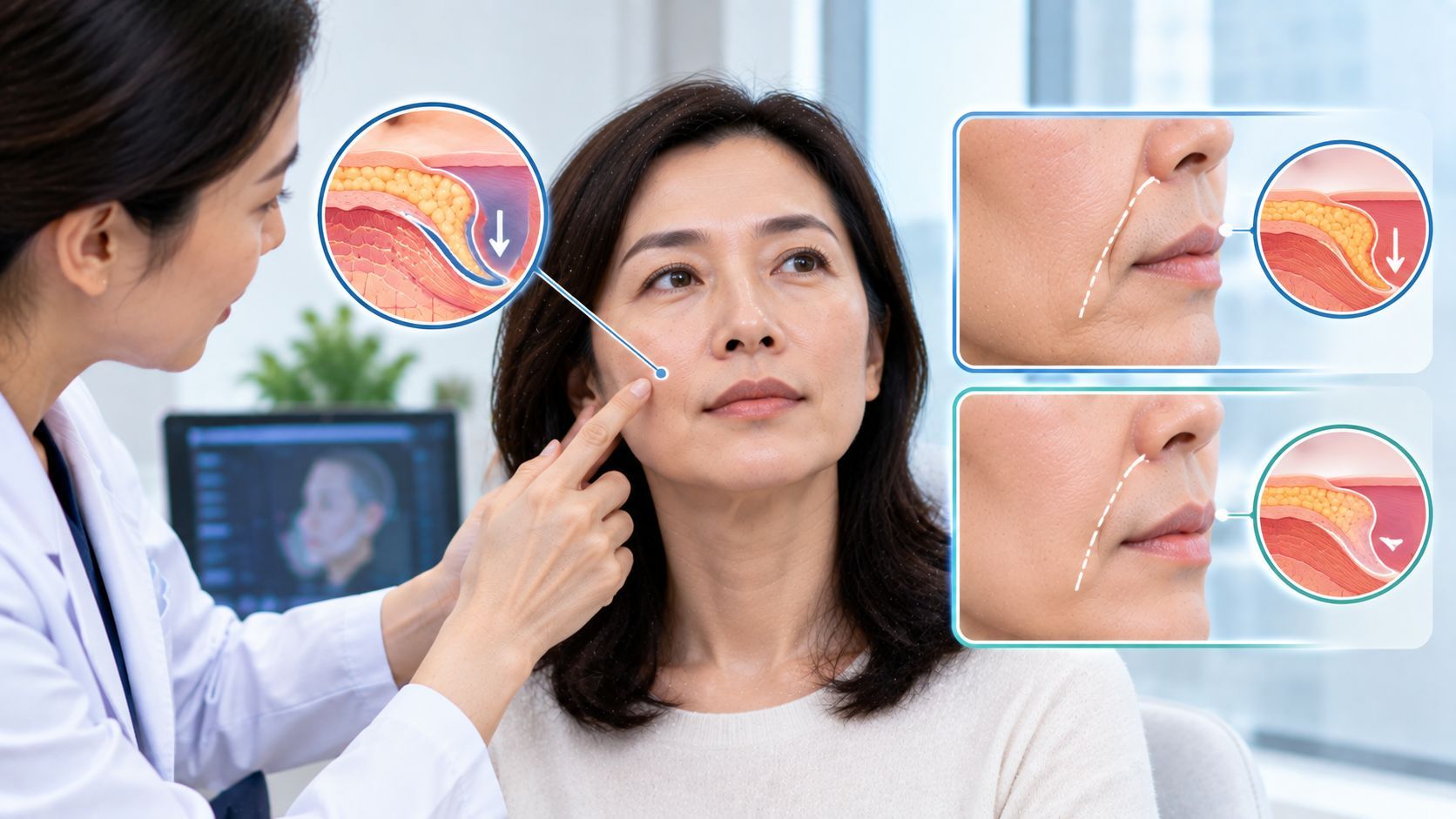
- Early loss of firmness creates shadows
- Natural facial structure makes some areas appear darker
So, “uneven skin” does not automatically mean hyperpigmentation.
Two people may describe exactly the same problem but need completely different approaches.
Uneven Color Without Obvious Pigmentation
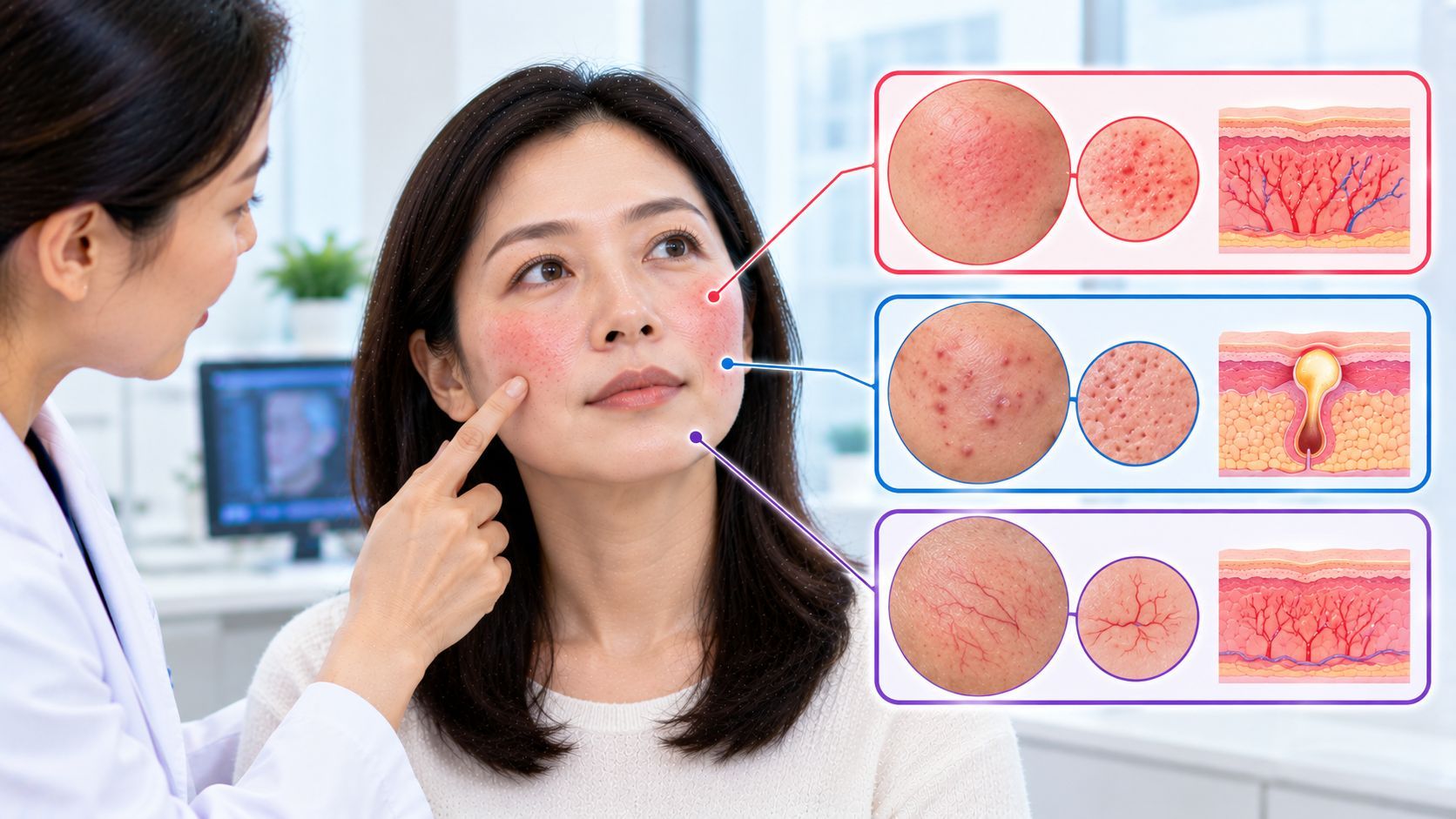
Redness, irritation, visible small blood vessels, or naturally different skin tones across the face can make complexion appear inconsistent even when there are no obvious brown spots.
If redness is the issue, treatment should focus on its underlying cause rather than simply trying to lighten the skin.
Uneven Texture
Tiny depressions, enlarged pores, roughness, acne-scar remnants, or fine lines can create shadows. These shadows may make the complexion appear uneven even when the color is relatively uniform.
Uneven Hydration
Dehydrated areas can look dull, tight, or slightly rough while better-hydrated areas reflect light more evenly.
This can create the impression of uneven complexion even without a significant structural skin problem.
How Can You Tell What Is Causing It?
A useful first step is to look at your skin under consistent lighting.
Ask:
- Does the unevenness disappear when the lighting changes?
- Is the difference mainly color or texture?
- Does your skin feel dry or tight?
- Are pores more visible in certain areas?
- Do you have redness around the nose or cheeks?
- Are there shallow acne scars or depressions?
- Does the skin look uneven mainly when makeup is applied?
- Does the face look less uniform as the day progresses?
These observations can help separate a surface problem from a deeper skin-quality issue.
Treatments That May Help an Uneven Complexion
Skincare for Mild Surface Unevenness
If your skin is generally healthy, professional procedures may not be the first step.
A simple routine can support more consistent skin appearance:
- Gentle cleanser
- Moisturizer suited to your skin type
- Daily broad-spectrum sunscreen
- Niacinamide or another well-tolerated ingredient for selected concerns
- Vitamin C when appropriate
- Retinoids when medically appropriate
- Gentle exfoliation rather than aggressive scrubbing
Over-exfoliating can actually make the complexion look more uneven by irritating the skin barrier.
Chemical Peels
A superficial chemical peel may help when unevenness is related to surface buildup, mild roughness, dullness, or certain types of discoloration.
However, a peel should be selected according to skin type and the actual problem.
Stronger does not automatically mean better. Excessive irritation can cause prolonged redness or post-inflammatory pigmentation, particularly in people who are prone to pigmentation changes.
Laser and Light-Based Treatments
Laser treatment may be considered when unevenness is related to pigmentation, redness, visible vessels, or certain textural problems.
But if you genuinely do not have pigmentation, a pigment-focused laser may not be necessary.
This is an important distinction for medical tourists: do not choose a laser simply because it is marketed as a general “brightening” treatment.
The appropriate device depends on what the dermatologist identifies during examination.
Pico Laser
Pico laser is widely used for selected pigmentation and some skin-quality concerns.
It can be useful when uneven complexion is partly related to pigmentation or certain textural issues, but it should not automatically be considered the answer to every type of uneven skin.
If your complexion looks uneven primarily because of pores, laxity, dryness, or redness, another approach may be more appropriate.
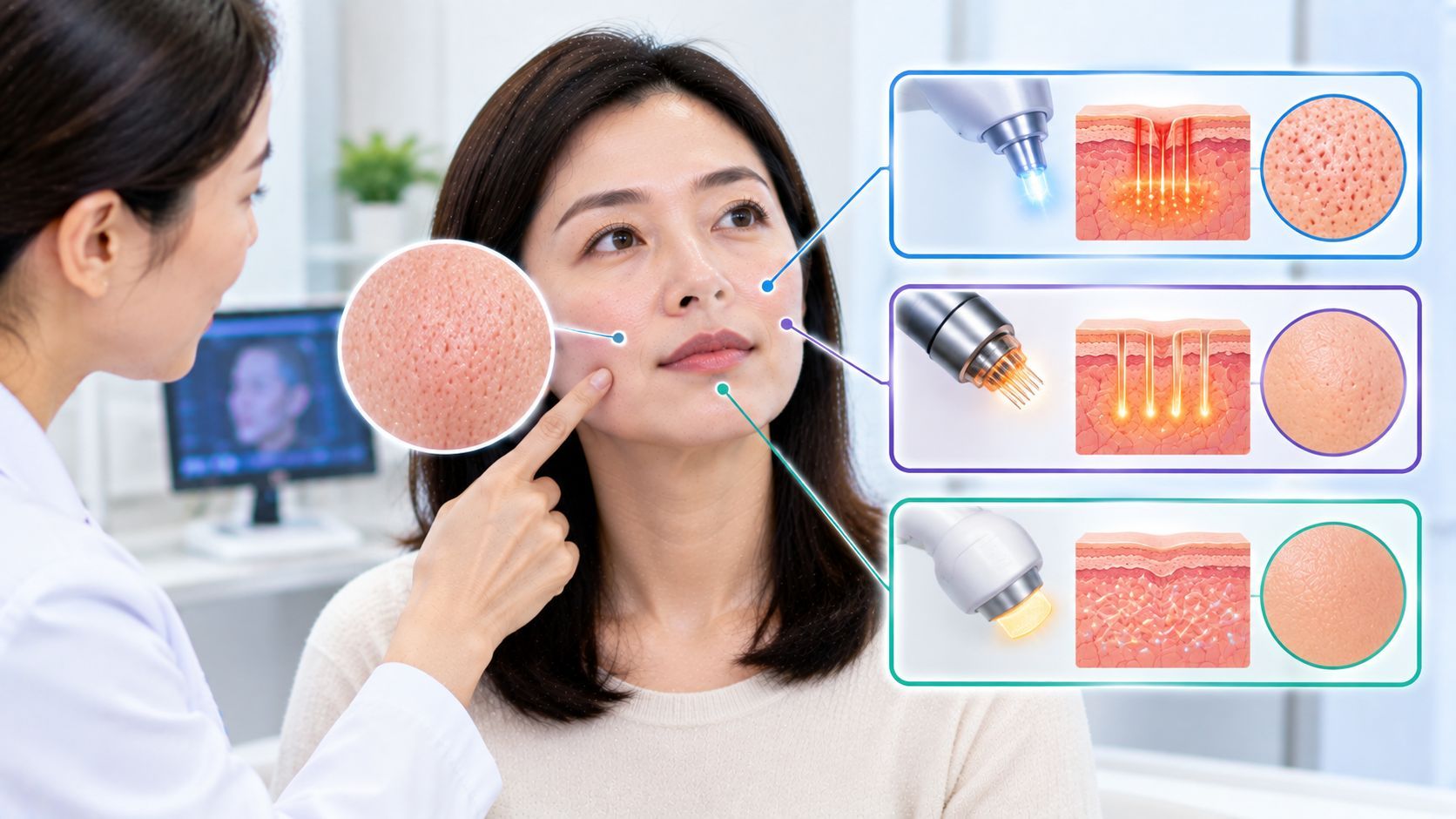
RF Microneedling
RF microneedling may be considered when the uneven appearance is strongly related to:
- Enlarged pores
- Mild acne-scar texture
- Roughness
- Reduced firmness
- Fine lines
- Uneven skin surface
It combines controlled microneedling with radiofrequency energy to stimulate remodeling within the skin.
The treatment is more relevant when there is a genuine textural or firmness problem rather than simply a desire for lighter-looking skin.
Skin Boosters
Some injectable skin-quality treatments may be considered when dehydration, fine texture, or reduced skin quality contributes to the uneven appearance.
These treatments are different from traditional dermal fillers. Their purpose may be to improve aspects of skin quality rather than add significant facial volume.
However, injectable treatments still have risks, including swelling, bruising, infection, inflammatory reactions, and uneven results. They should be selected based on an actual indication rather than used simply because the skin does not look “perfect.”
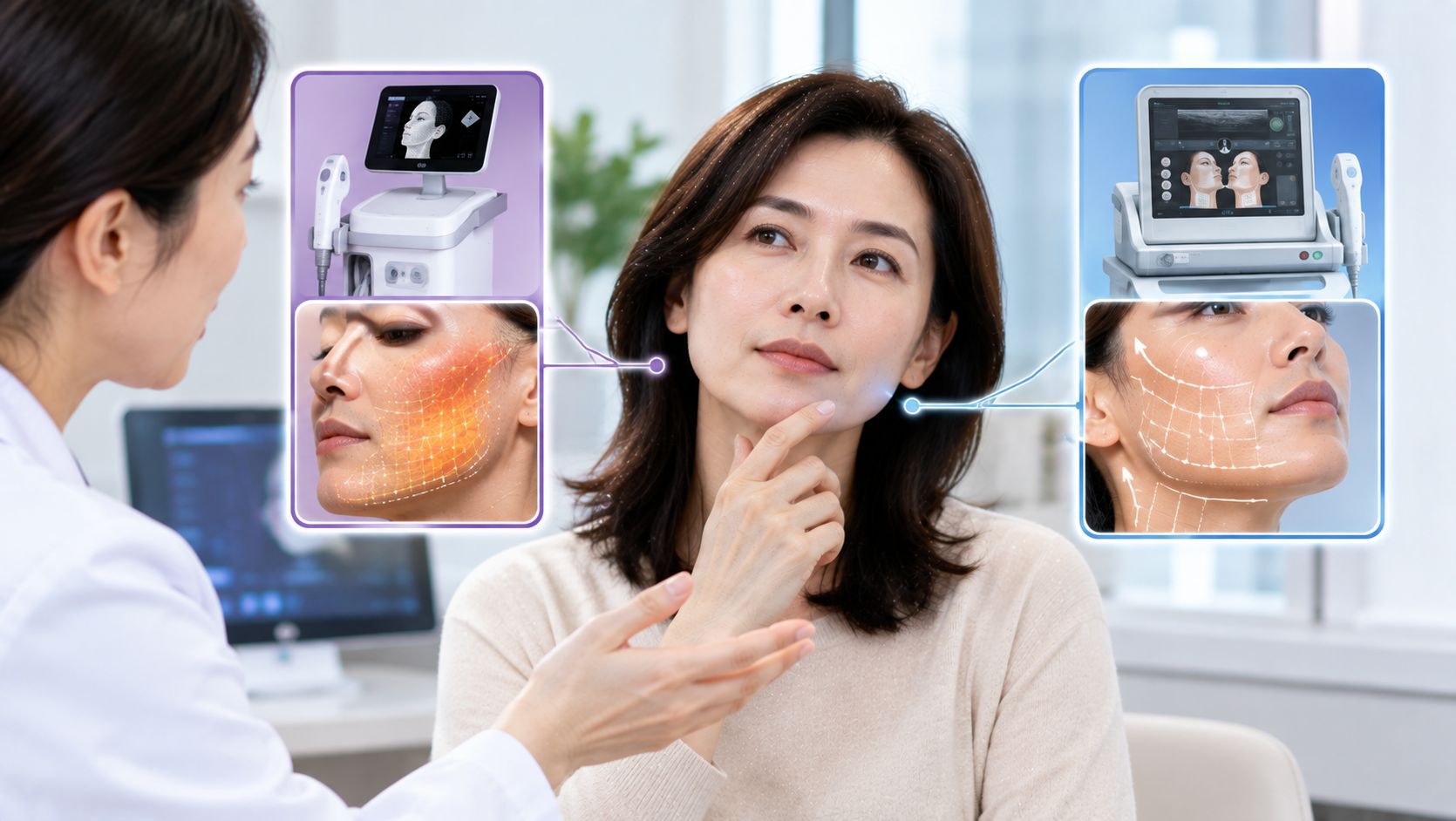
RF or Ultrasound Skin Tightening
If early laxity is creating subtle shadows and irregular light reflection, treatments such as radiofrequency or ultrasound-based tightening may be considered.
These treatments are designed primarily for firmness and laxity rather than pigmentation.
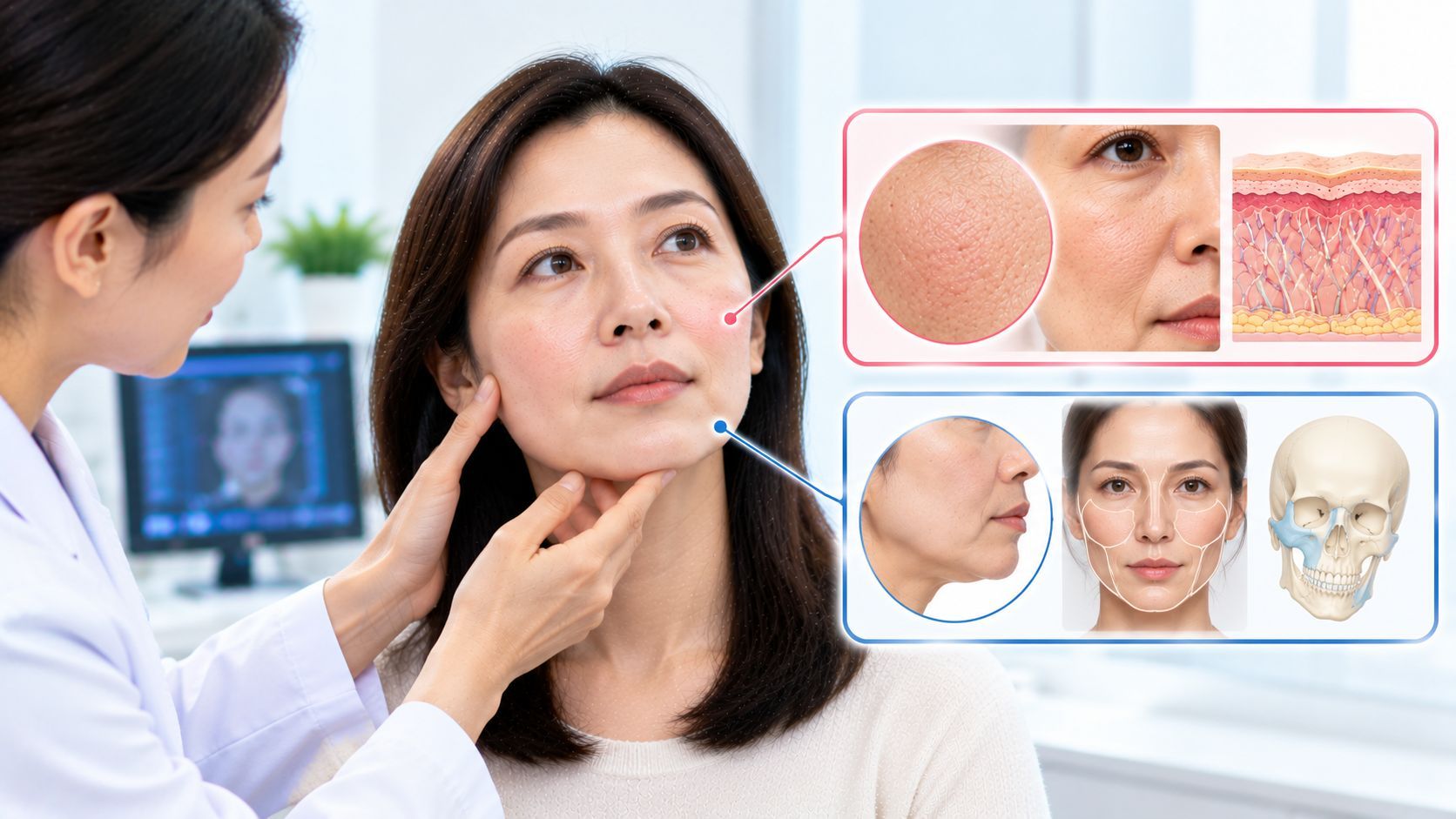
They can be particularly relevant when the complexion appears uneven because some areas have begun to lose structural support.
However, aggressive tightening is not appropriate for everyone. People with very thin faces, low facial volume, or significant volume loss may need a more conservative assessment.
What If the Problem Is Actually Facial Volume?
Sometimes a patient says, “My complexion looks uneven,” but the real issue is facial contour.
For example, mild volume loss around the cheeks or temples can create shadows. One side of the face may also naturally have slightly different volume or structure from the other.
Adding filler is not automatically the solution.
If volume loss is suspected, a dermatologist should determine whether the issue is actually:
- Volume loss
- Skin laxity
- Bone structure
- Muscle activity
- Fat distribution
- Natural asymmetry
Adding too much filler simply to eliminate shadows can make the face look heavier rather than more balanced.
A Treatment Should Match the Actual Problem
Main concernTreatments that may be consideredDry, dull surfaceHydration and barrier careMild roughnessGentle exfoliation or superficial peelEnlarged poresRF microneedling, selected laser, skincareAcne-scar textureRF microneedling, fractional laser, subcision or combination approachesRednessCause-specific vascular or anti-inflammatory treatmentPigmentationPigment-focused skincare or selected laserEarly laxityRF or ultrasound-based tighteningFine crepey textureSkin-quality treatment, RF microneedling or selected resurfacingVolume-related shadowsCareful assessment before considering filler
This table is only a starting framework. A person can have several of these issues at the same time.
What Should You Ask at a Seoul Dermatology Consultation?
If you are visiting Seoul for treatment, consider asking:
- Is my uneven complexion caused by color or texture?
- Do I actually have pigmentation that needs treatment?
- Is redness contributing to the uneven appearance?
- Are my pores part of the problem?
- Would improving hydration make a meaningful difference?
- Do I have early skin laxity?
- Would laser, RF, or another treatment address the actual cause?
- Do I need treatment over my entire face, or only certain areas?
- How much downtime should I expect?
- Could the treatment cause temporary or persistent pigmentation?
These questions can help prevent unnecessary procedures.
How Many Treatments Will I Need?
There is no universal number.
A mild surface problem may improve with skincare or a limited number of professional treatments. More established textural changes, acne scars, or laxity may require several sessions.
Results also tend to develop differently depending on the treatment. Some approaches primarily improve the skin surface, while collagen-remodeling treatments may take weeks or months to show their full effect.
Your dermatologist should explain the expected timeline before treatment.
Conclusion
If you do not have obvious pigmentation but your complexion still looks uneven, the problem may be texture, redness, dehydration, pores, light reflection, or early structural changes rather than pigment.
The most useful approach is therefore not simply to “brighten” the skin. First identify what makes the complexion appear inconsistent, then choose a treatment that specifically addresses that factor.
For international patients visiting Seoul, a detailed consultation before treatment can be particularly valuable because it allows the dermatologist to distinguish between problems that may look similar but require very different treatments.
FAQs
Can skin look uneven without pigmentation?
Yes. Texture, redness, dehydration, pores, acne scars, laxity, and facial contours can all make the complexion appear uneven.
Is Pico laser useful if I have no pigmentation?
It may have applications beyond pigmentation, but it is not automatically necessary. The appropriate treatment depends on whether your main concern is texture, pores, redness, or another issue.
Can skin boosters improve uneven complexion?
They may help selected patients whose uneven appearance is related to dehydration, fine texture, or reduced skin quality. They are not a universal treatment for uneven skin.
Is RF microneedling good for uneven skin texture?
It can be useful for selected patients with enlarged pores, acne-scar texture, roughness, fine lines, or mild laxity. Treatment intensity should be individualized.
Should I get filler if unevenness comes from facial shadows?
Not necessarily. Shadows can result from volume loss, laxity, bone structure, fat distribution, or lighting. The cause should be identified before adding volume.
Can skincare alone improve uneven complexion?
Yes, particularly when dryness, irritation, mild roughness, or inconsistent skin-barrier function is involved. More established scars, pores, redness, or laxity may require professional treatment.