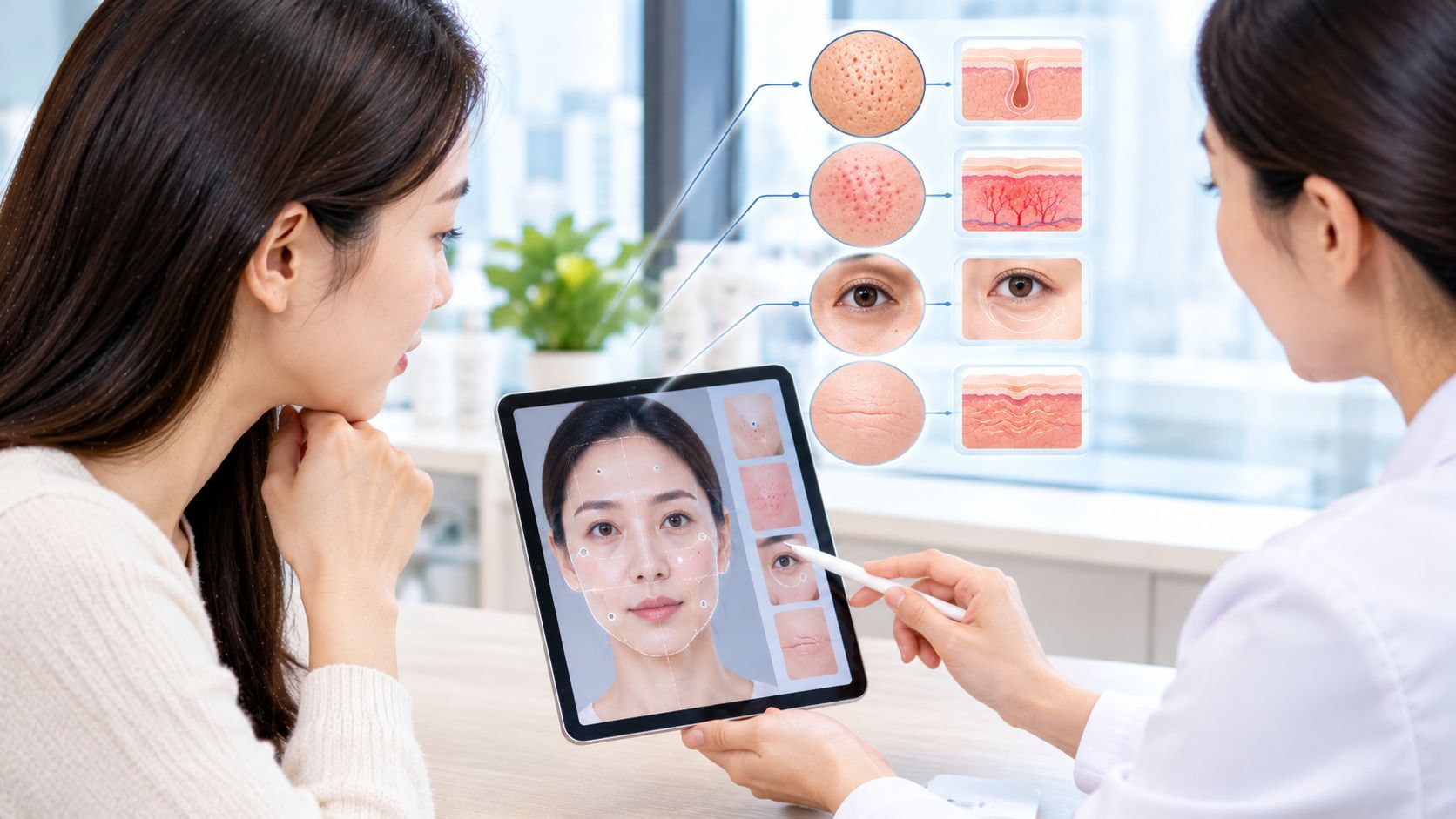
My jawline disappeared after I turned 40. What actually causes this?
Introduction
If your jawline looked sharper in your 20s or 30s but seems softer or less defined after 40, you are not necessarily imagining it. Changes in facial structure, skin, fat distribution, and muscle can gradually alter the lower face as you age.
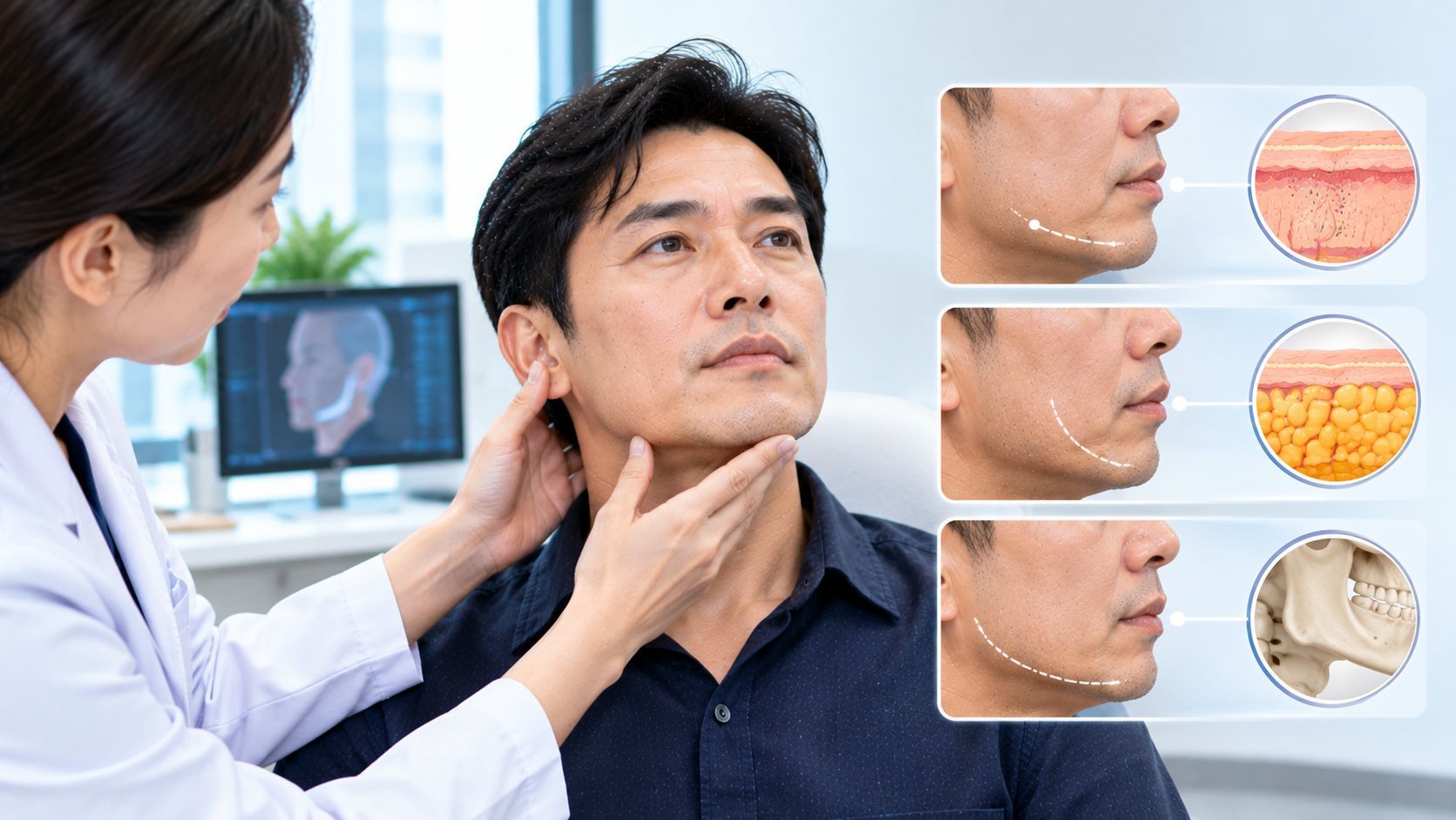
The loss of jawline definition is usually caused by a combination of skin laxity, changes in facial fat, collagen and elastin loss, bone remodeling, and sometimes changes in body weight. These changes can create jowls, a softer jaw contour, or a less distinct transition between the face and neck.
The important point is that there is rarely one single cause. Understanding what is contributing to the change is useful because treatments for loose skin, excess fat, and loss of structural support are not necessarily the same.
What Causes Jawline Definition to Decrease After 40?
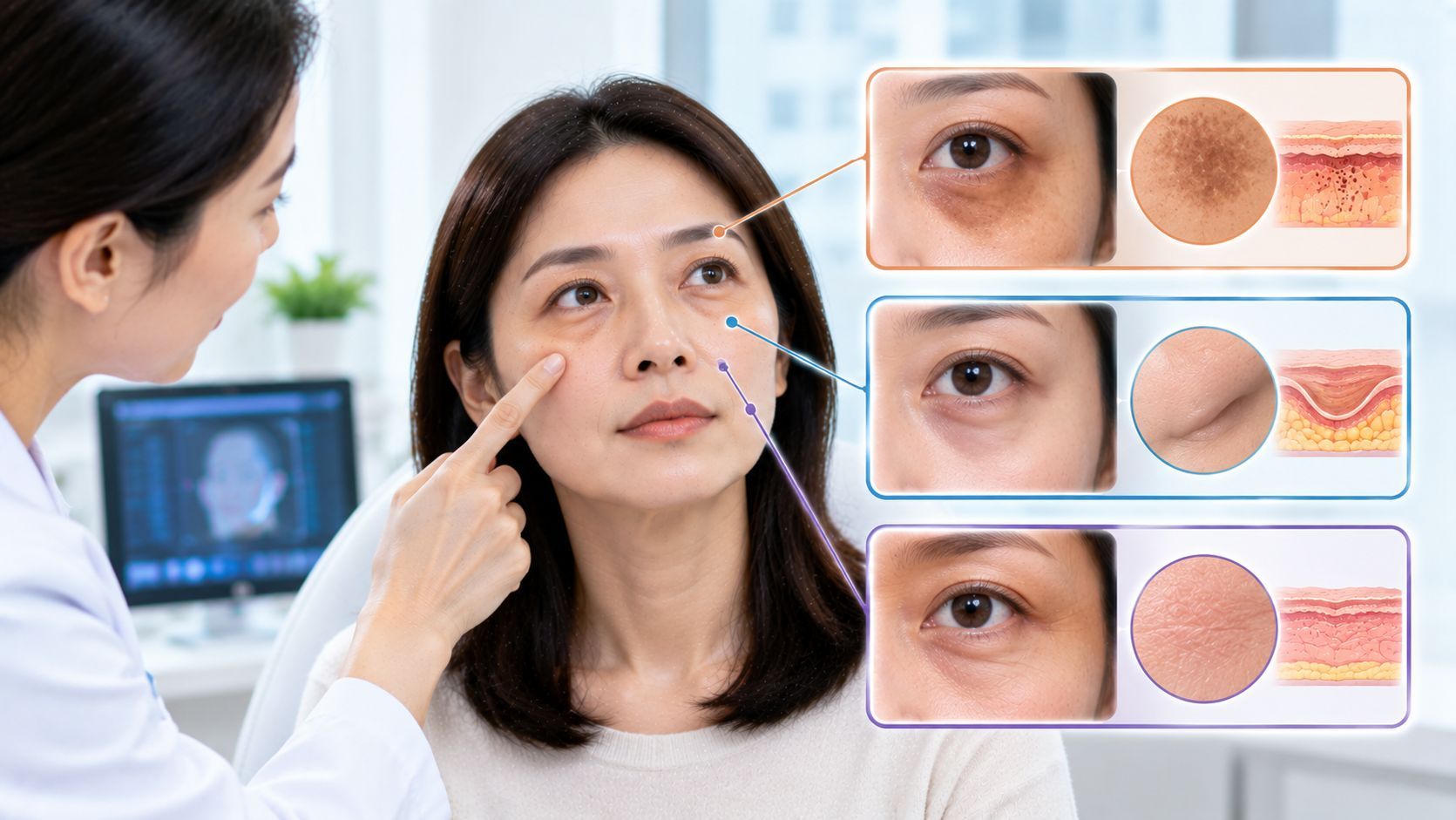
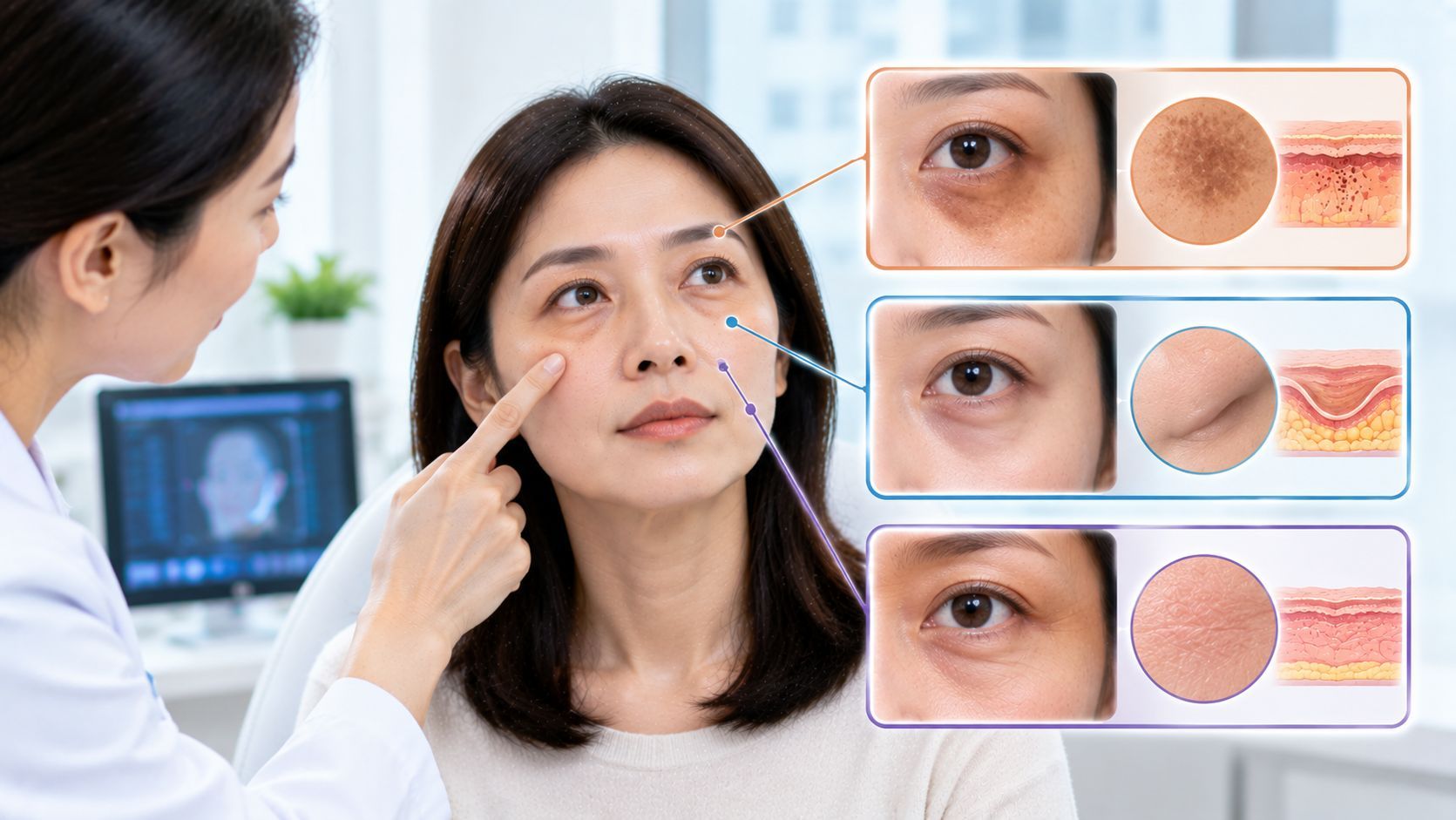
Skin loses collagen and elasticity
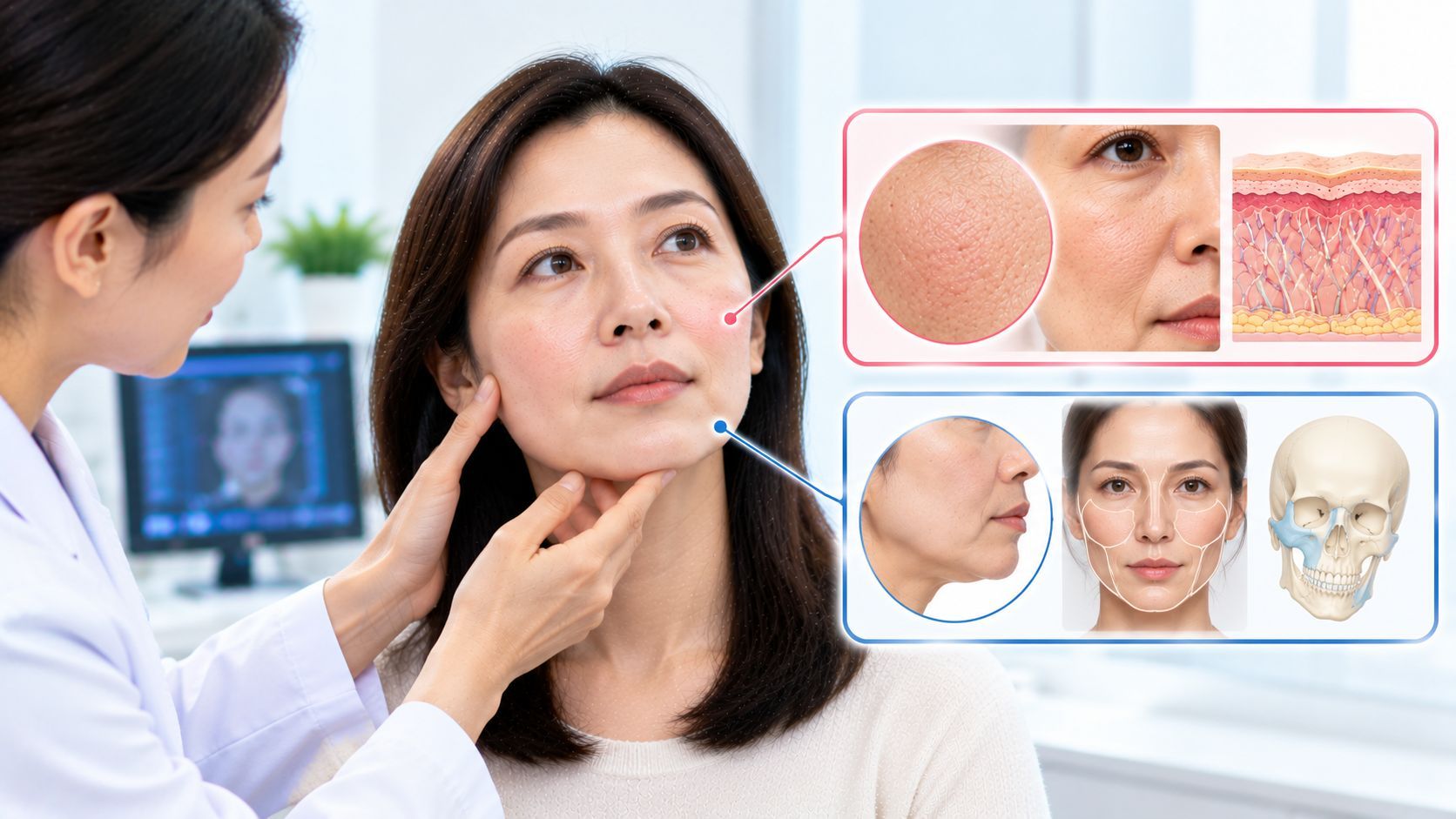
One of the major reasons the jawline becomes less defined with age is gradual weakening of the skin's support system.
Collagen provides structural support, while elastin helps skin return toward its original shape. With aging, the production and organization of these structural proteins change. The skin can therefore become thinner, less elastic, and less able to maintain a firm contour.
Around the lower face, this may contribute to sagging along the jawline and the development of early or more pronounced jowls.
Facial fat changes position and volume
Aging does not simply mean that facial fat disappears. Different fat compartments can lose volume, become thinner, or shift relative to surrounding structures.
Some areas may lose youthful fullness while fat in other areas becomes more prominent. Changes around the cheeks, lower face, and jaw can therefore make the contour look less angular even when your overall body weight has not changed significantly.
This is one reason why simply losing more weight does not necessarily restore a youthful jawline.
The underlying facial skeleton changes
The bones supporting the face also undergo age-related remodeling. Changes in the jaw and other facial structures can reduce some of the underlying support for overlying soft tissue.
The effect is usually gradual rather than sudden. However, when combined with changes in skin, fat, and muscle, even relatively subtle structural changes can contribute to a softer lower-face contour.
Weight gain or weight loss can affect the jawline
Changes in body weight can make an existing loss of jawline definition more noticeable.
Weight gain may increase fullness beneath the chin or around the lower face. Significant weight loss can produce a different problem: the skin may not contract completely after the loss of subcutaneous fat, leaving some degree of laxity.
This is particularly relevant for people who notice a softer or looser face after substantial weight loss.
Neck and lower-face tissues also change
The jawline cannot be considered separately from the area underneath it. Changes in the upper neck, submental fat, skin elasticity, and supporting tissues can blur the border between the jaw and neck.
As a result, someone may feel that their "jawline disappeared" even though the actual issue involves both the lower face and upper neck.
Why Do Jowls Appear With Age?
What are jowls?
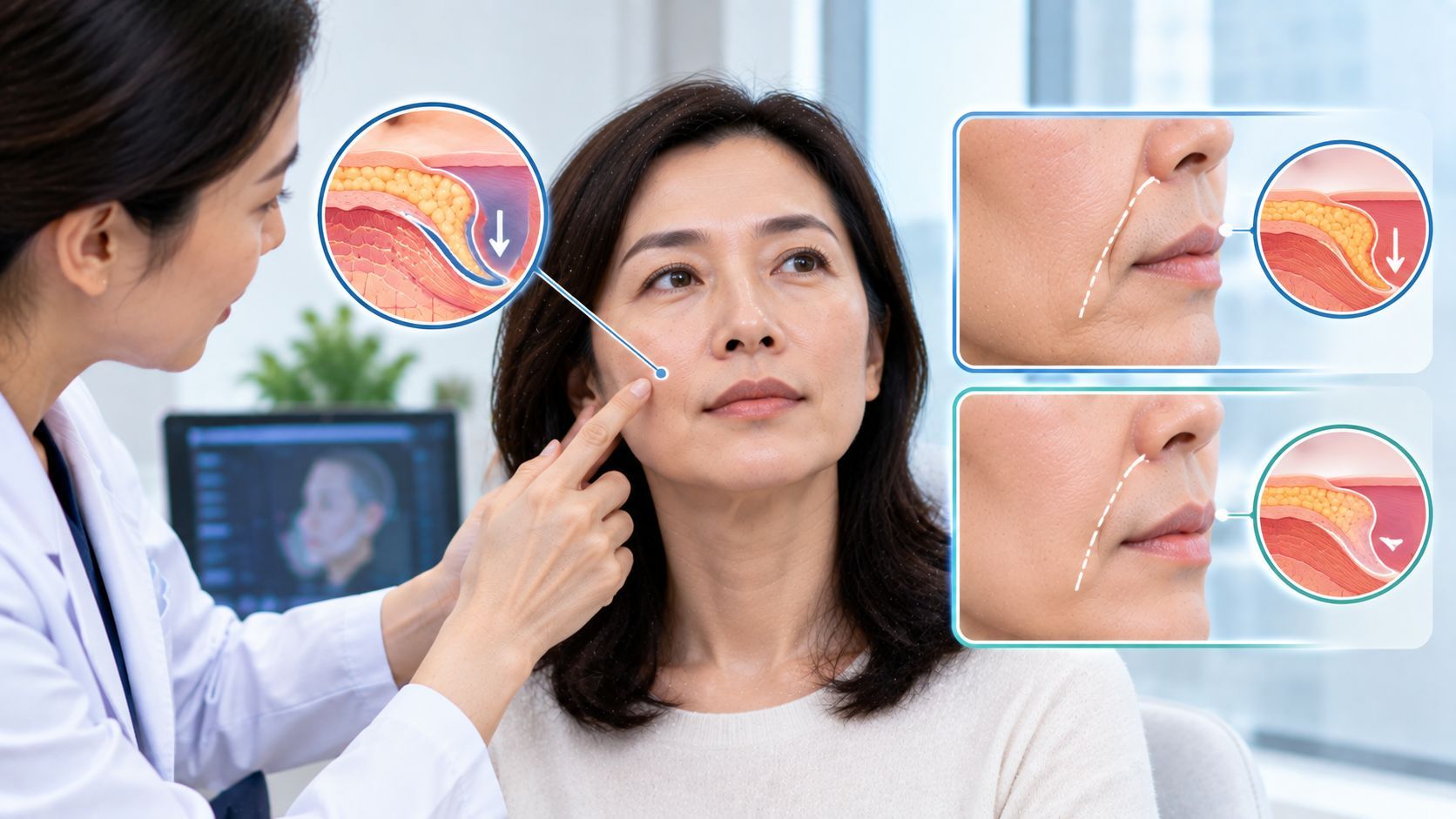
Jowls are areas of sagging or fullness that develop along the lower cheeks and jawline. They can make the normally smooth line from the chin toward the ear look less sharply defined.
Jowls are generally associated with several age-related changes occurring together rather than one isolated problem.
Why jowls become more noticeable
Reduced skin elasticity, changes in facial fat, weakening of supporting tissues, and changes in underlying facial structure can all contribute.
Genetics also matter. Two people of the same age can have very different degrees of jawline aging because facial anatomy, skin characteristics, sun exposure, weight history, and inherited aging patterns differ.
Is It Skin, Fat, or Loss of Support?
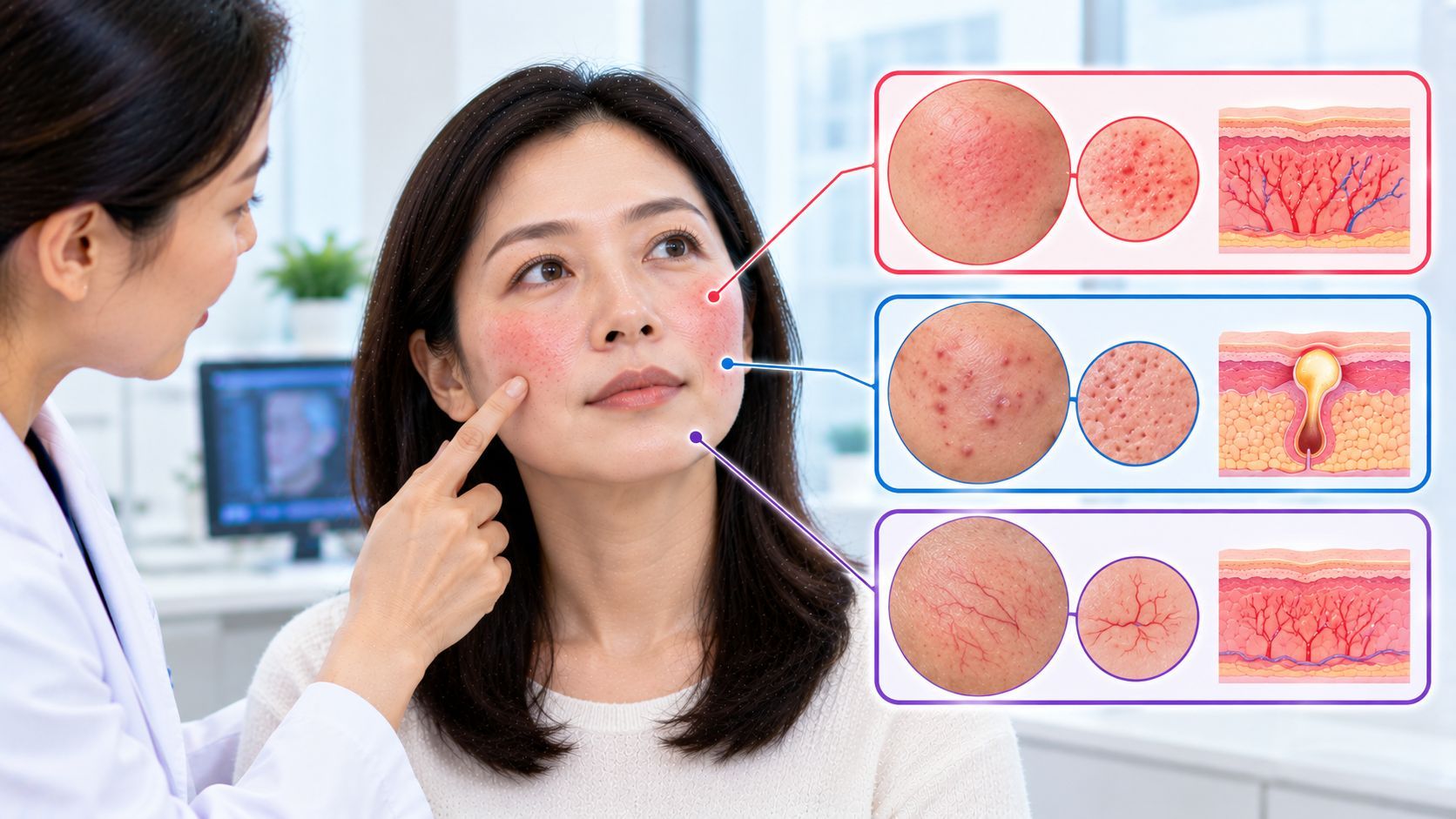
One of the most useful questions to ask is what is actually creating the softer contour?
Predominantly loose skin
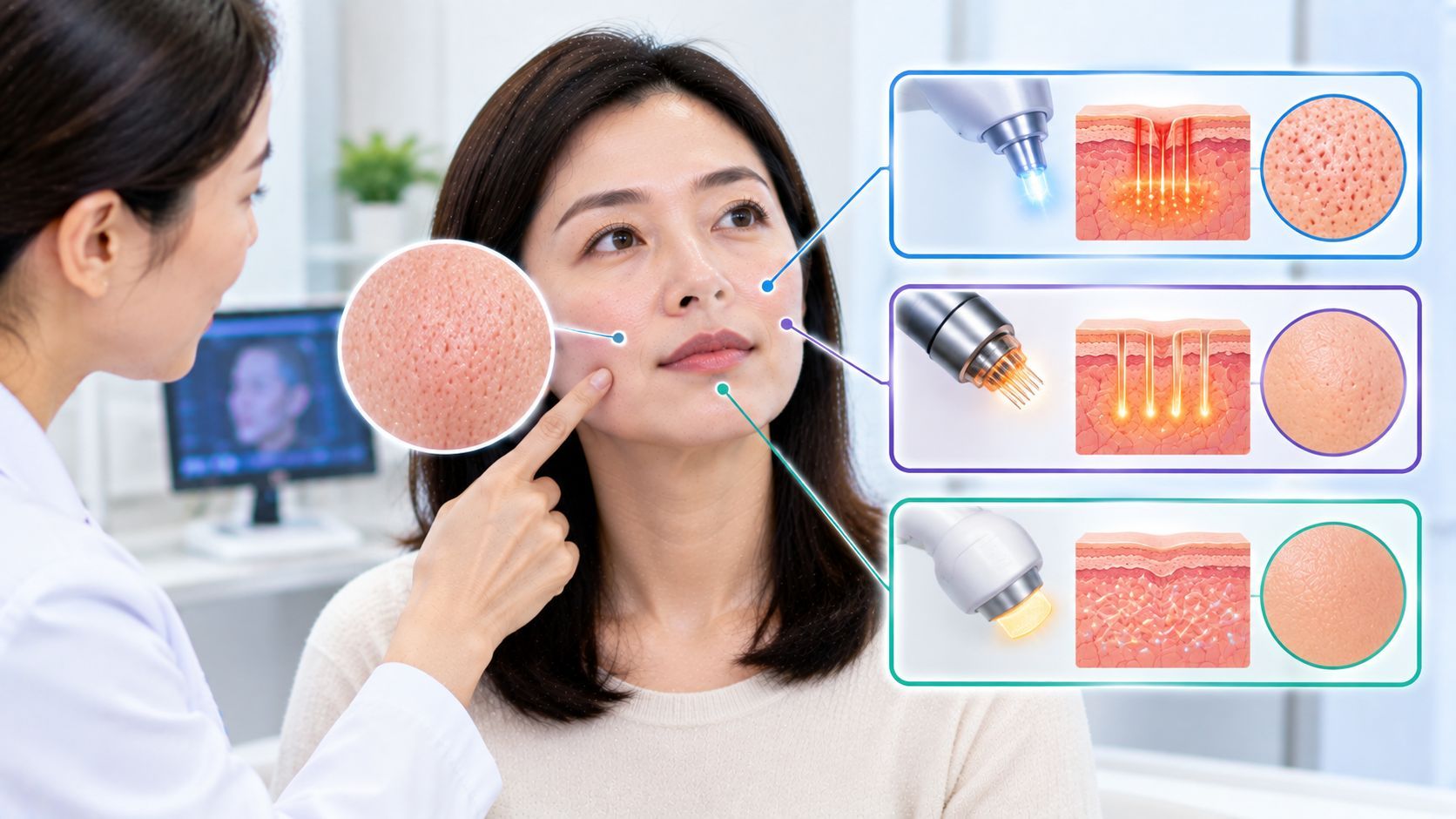
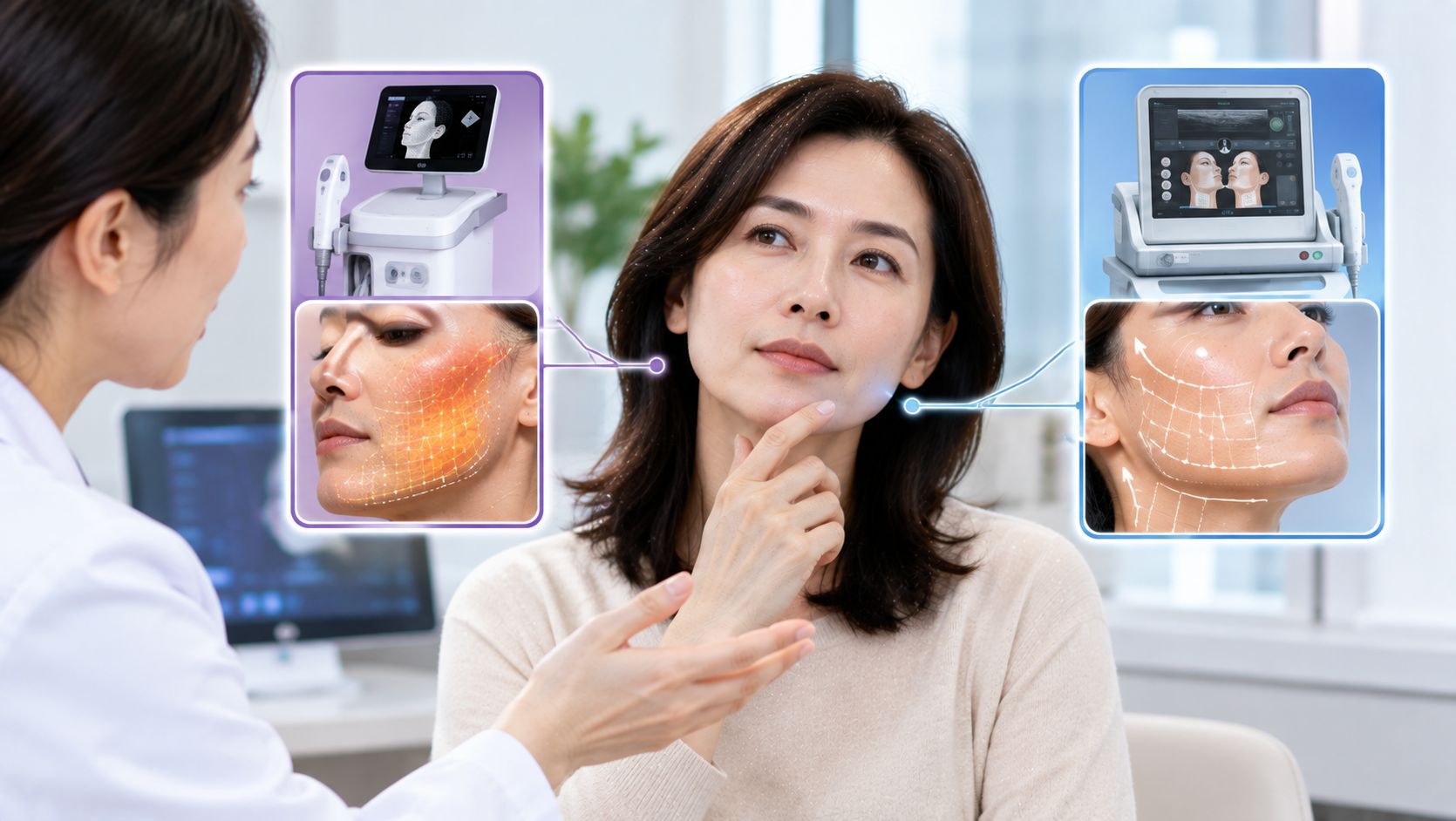
If the main issue is skin laxity, tightening treatments may be considered. Energy-based procedures such as ultrasound or radiofrequency treatments are sometimes used to improve the appearance of mild to moderate laxity.
However, non-surgical tightening cannot reproduce the effect of removing substantial excess skin.
Excess or displaced fat
If fullness beneath the chin or around the lower face is a major contributor, treatment may need to address fat rather than skin alone.
The appropriate approach depends on the location and amount of fat, skin elasticity, facial anatomy, and the patient's goals.
Loss of facial volume or structural support
In some patients, the problem is partly related to reduced volume or support. In selected cases, injectable treatments or other approaches may be considered to restore or improve facial proportions.
This does not mean that adding volume is appropriate for everyone. Over-treating the face can create an overly full appearance, so assessment of the entire face is important.
A combination of factors
Many people over 40 have more than one contributing factor. For example, someone may have mild jowling, some submental fullness, and reduced skin elasticity at the same time.
In these situations, treating only one factor may produce a limited improvement.
What Can Be Done About a Less Defined Jawline?
Non-surgical options
Depending on the underlying cause, a medical professional may discuss options such as energy-based skin tightening, injectable treatments, fat-reduction approaches, or combinations of treatments.
The goal should be to match the treatment to the anatomical problem rather than choosing a procedure simply because it is marketed as a "jawline treatment."
Surgical options
When there is substantial skin laxity or more advanced jowling, surgical procedures may provide a more significant change than non-surgical treatments.
Facelift or neck-lift procedures can address tissues that non-surgical procedures cannot remove or reposition to the same extent. Surgery also involves greater recovery requirements and potential complications, so it requires a detailed consultation with an appropriately qualified surgeon.
What About Jawline Exercises?
Facial exercises are often promoted as a way to restore a sharper jawline. However, they should not be viewed as a reliable solution for age-related skin laxity, displaced facial fat, or structural changes.
Exercises may affect muscle activity, but they cannot reverse all of the biological changes responsible for an aging lower face.
If the concern is significant or progressing, identifying the underlying cause is more useful than relying solely on exercises or cosmetic products.
When Should You Consider a Professional Assessment?
Look beyond age alone
Turning 40 does not automatically mean that you need a cosmetic treatment. Some people have naturally strong jaw definition well into later adulthood, while others develop jowls earlier.
A consultation can help determine whether the primary concern is:
- Skin laxity
- Submental or lower-face fat
- Loss of facial volume
- Changes in facial proportions
- Combination aging
- A concern that may be better addressed surgically
Consider the whole lower face
A good assessment should consider the cheeks, chin, jawline, and neck rather than focusing on one isolated area.
For international patients visiting Seoul, this is particularly important when planning treatment around travel. Some procedures have little downtime, while surgical procedures generally require substantially more recovery time and follow-up planning.
Risks and Limitations of Jawline Treatments
No jawline treatment is appropriate for everyone, and non-surgical procedures cannot correct every type or degree of sagging.
Depending on the treatment, possible issues can include temporary swelling, bruising, tenderness, numbness, uneven results, contour changes, or other procedure-specific complications. Injectable and energy-based treatments also require appropriate patient selection and technique.
Results vary according to age, anatomy, skin quality, degree of laxity, treatment method, and individual healing. A consultation with a qualified medical professional is therefore important before deciding which approach is appropriate.
How to Choose a Jawline Treatment in Seoul
Start with the cause, not the procedure
If you are researching cosmetic dermatology in Seoul, avoid choosing a treatment solely because it is popular or frequently advertised.
Instead, ask the provider:
- What is causing my loss of jawline definition?
- Is the main issue skin laxity, fat, volume loss, or a combination?
- What improvement can this treatment realistically provide?
- How much downtime should I expect?
- Are there non-surgical and surgical alternatives?
- What are the potential risks and limitations?
This approach can help you make a more informed decision and avoid treating the wrong anatomical problem.
Conclusion
A disappearing jawline after 40 is usually the result of several normal aging processes rather than one sudden change. Collagen and elastin decline, facial fat redistribution, changes in underlying facial structures, skin laxity, neck changes, and fluctuations in body weight can all contribute.
The right treatment therefore depends on why your jawline has become less defined, not simply on your age. Mild laxity, excess fat, volume loss, and more advanced sagging may require very different approaches. A professional assessment can help identify the main contributors and set realistic expectations before treatment.
FAQs
Why does my jawline become less defined after 40?
Aging can reduce skin elasticity and alter facial fat distribution and underlying facial support. These changes can combine to create jowls and a softer jawline.
Can losing weight restore my jawline?
It depends on the cause. Weight loss may reduce facial or submental fullness in some people, but significant weight loss can also leave loose skin. It does not necessarily reverse age-related laxity or structural changes.
Is a weak jawline always caused by sagging skin?
No. A less defined jawline can result from skin laxity, fat accumulation, volume changes, facial anatomy, or a combination of factors.
Can non-surgical treatments tighten an aging jawline?
Some non-surgical treatments may improve the appearance of mild to moderate laxity, depending on the technology and the individual. They generally have limitations and cannot provide the same tissue removal or repositioning as surgery.
Are jawline fillers suitable for everyone over 40?
No. Fillers may be appropriate for selected patients with particular structural or volume-related concerns, but adding volume is not necessarily appropriate when the main problem is excess skin or fat.
Should I treat my jawline or my neck?
The two areas are closely connected. A professional assessment should consider both the lower face and upper neck because the loss of definition may involve tissues in both areas.