I Lost 10 kg and Now My Face Looks Saggy. What Treatment Should I Get in Seoul?
Introduction
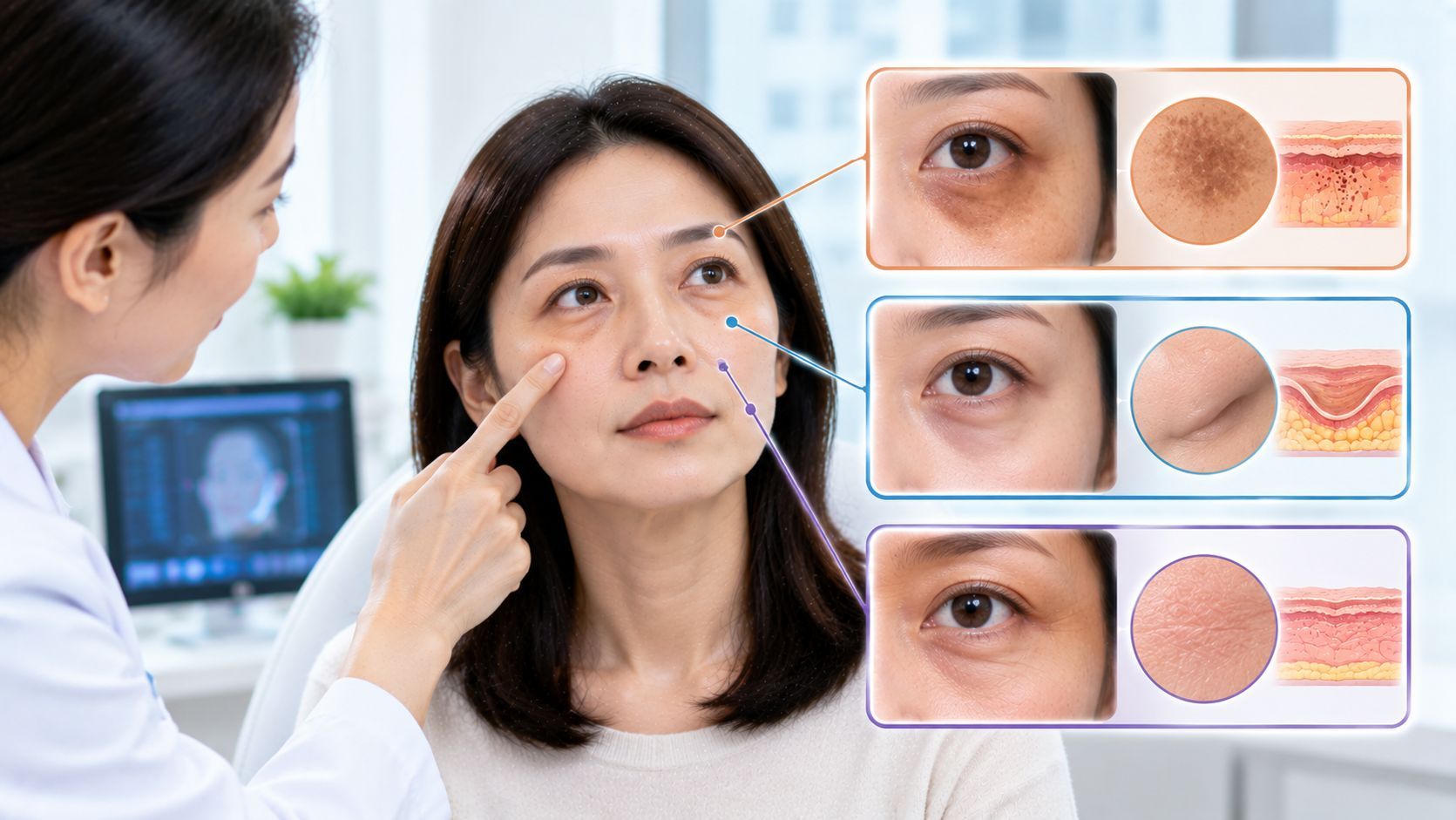
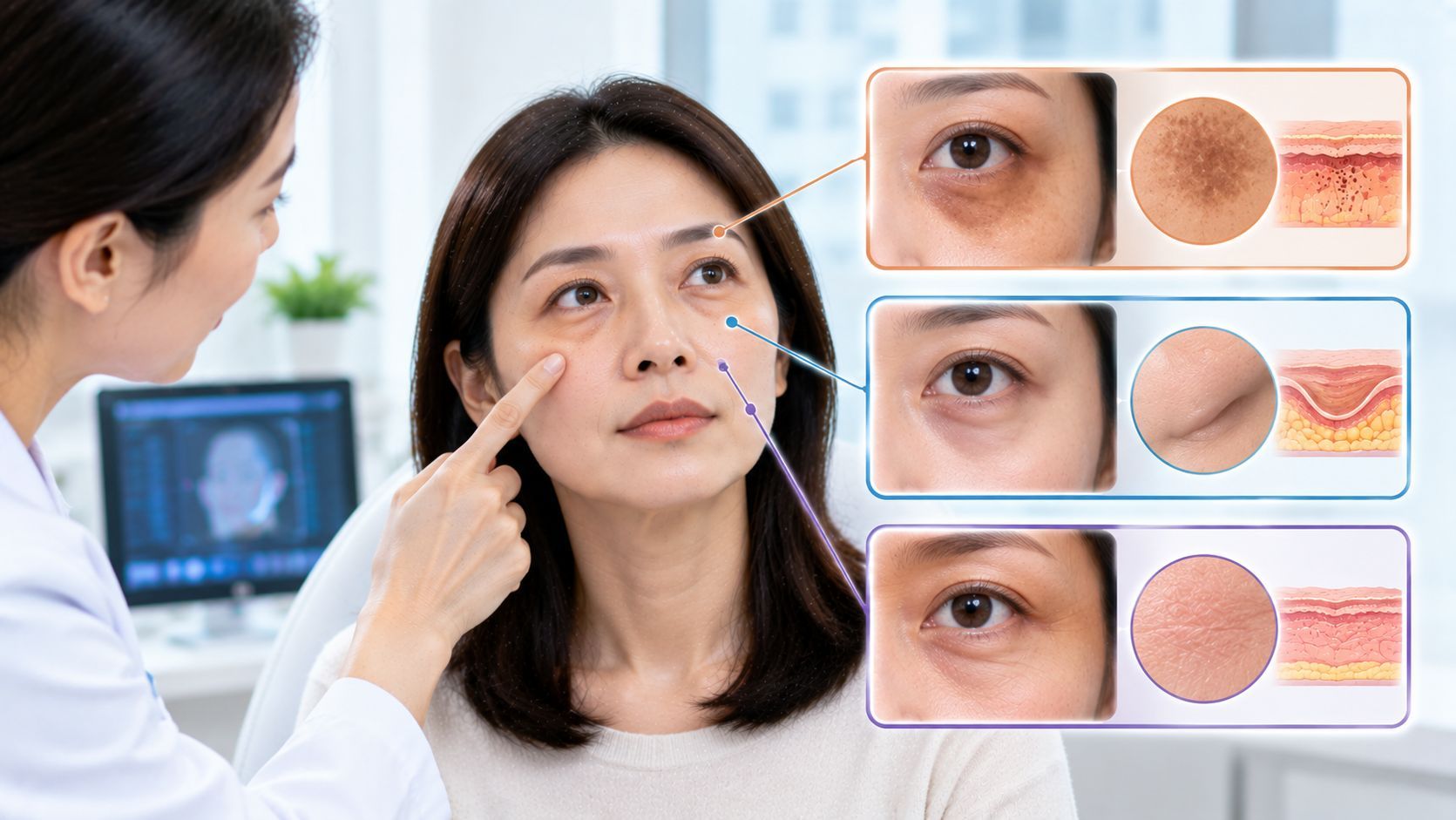
Losing 10 kg can be a significant achievement, but some people notice an unexpected change afterward: the face looks less full, slightly hollow, or more saggy than before. This can be especially noticeable around the cheeks, temples, under-eye area, jawline, and lower face.
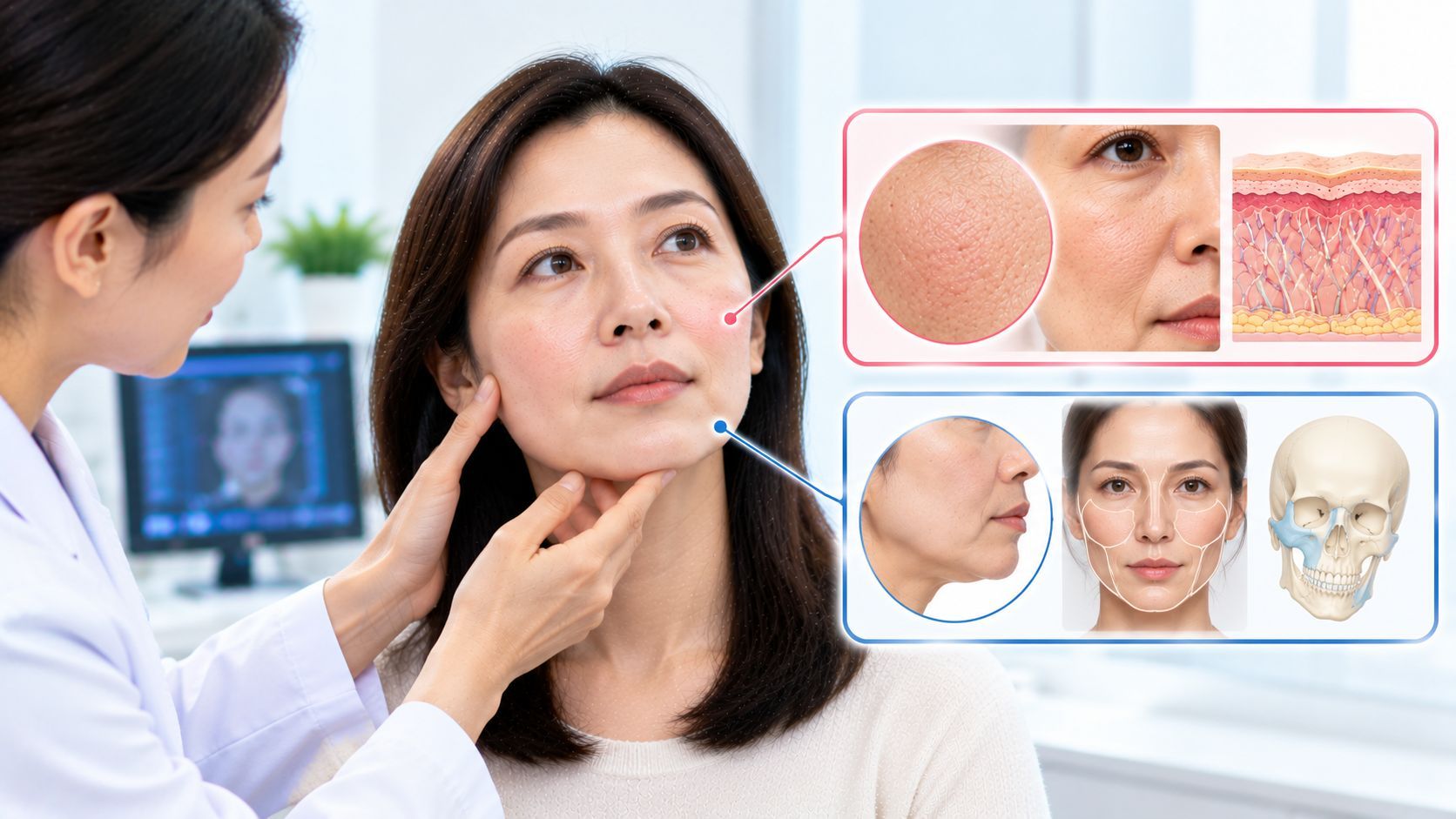
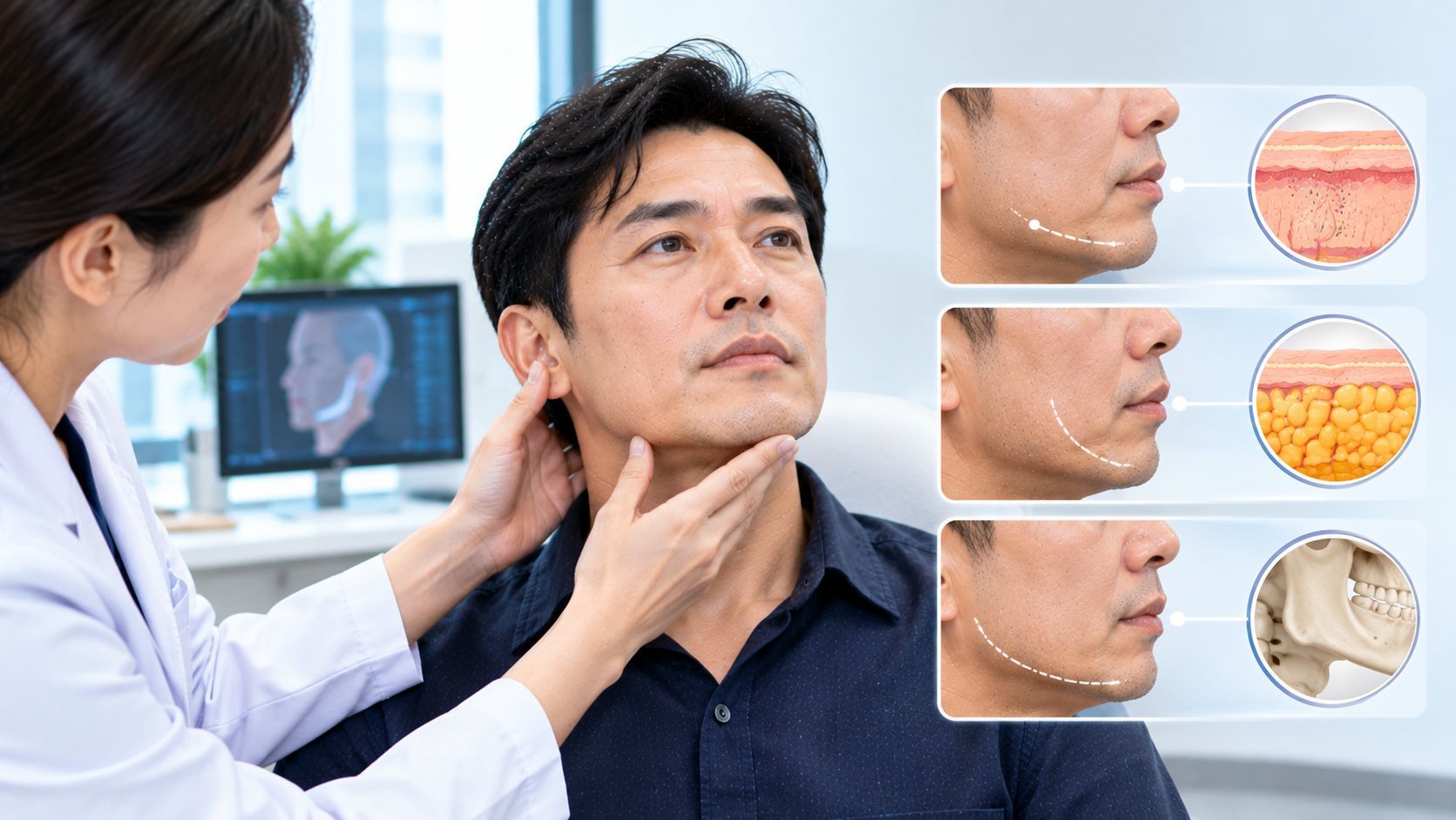
The important point is that post-weight-loss facial aging is not always simply a skin-tightening problem. Weight loss can reduce facial fat and change the way the skin and underlying tissues support the face. Research on substantial weight loss has found changes including midface volume loss and increased lower-face and neck laxity.
So, what treatment should you get in Seoul? There is no single treatment that is best for everyone. If the main problem is loss of facial volume, a volume-restoring approach may be more appropriate. If the main problem is mild to moderate skin laxity, an energy-based tightening treatment may be considered. More significant loose skin may require discussion of surgical options rather than relying on non-surgical tightening alone.
Why Can Losing 10 kg Make Your Face Look Older?
Weight Loss Can Reduce Facial Volume
Fat is naturally distributed throughout different areas of the face. When body weight decreases, facial fat can also decrease, although the amount and location vary between individuals.
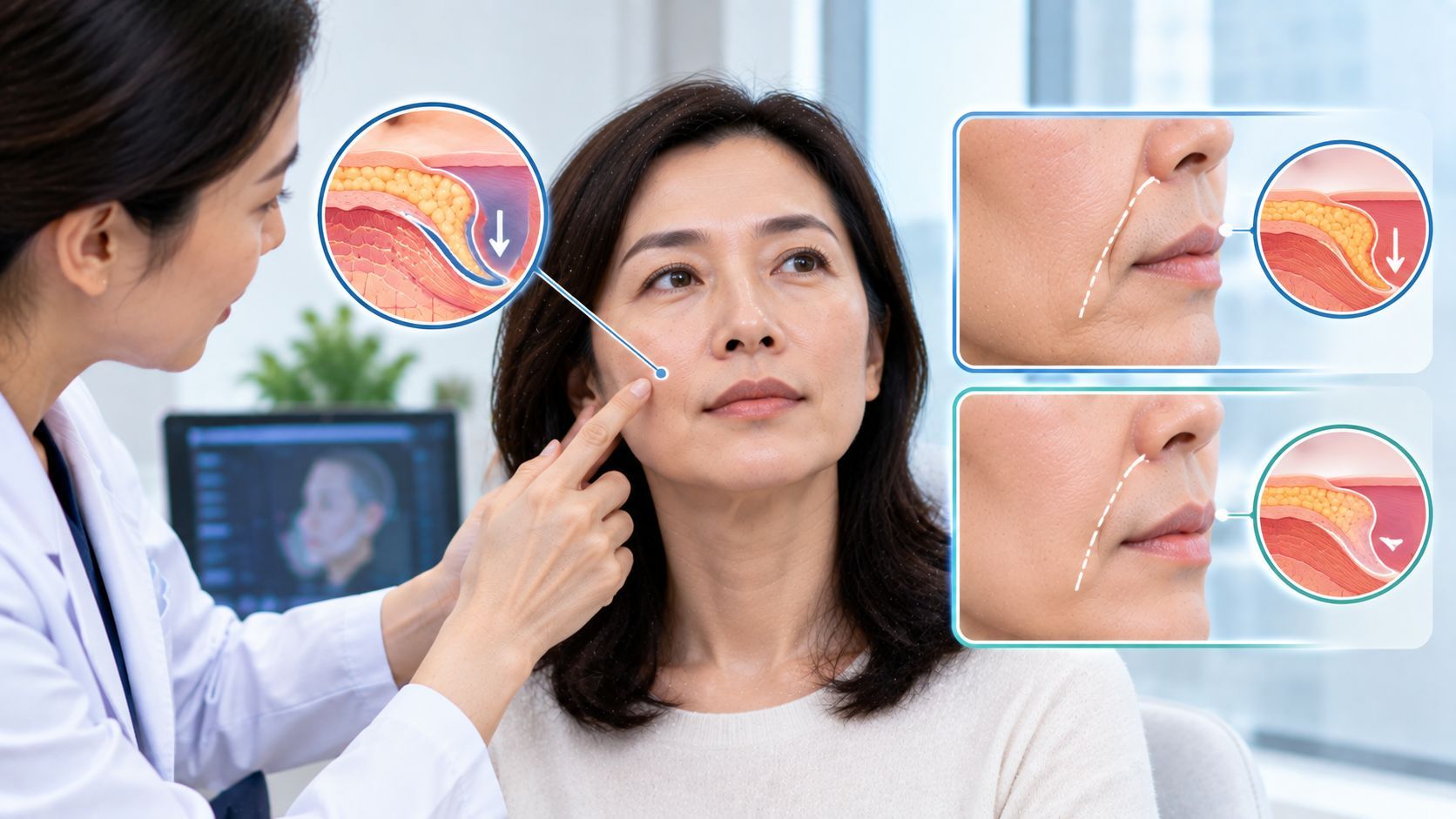
The cheeks and midface can appear flatter, while the temples or under-eye area may look more hollow. Folds around the nose and mouth may also become more noticeable because there is less surrounding fullness.
This does not mean that losing weight is harmful or that everyone will experience these changes. Facial response depends on age, genetics, starting weight, speed of weight loss, facial anatomy, and other individual factors.
Skin May Not Retract Completely
When the face becomes smaller relatively quickly, the skin may not immediately conform to the new underlying volume. Reduced elasticity can make this more noticeable.
A recent review of post-weight-loss facial changes found that significant weight loss can be associated with fat loss and increased skin laxity, particularly around the midface and lower face.
Which Treatment Might Be Appropriate in Seoul?
If Your Main Problem Is Facial Volume Loss
If your face looks noticeably hollow or deflated after losing weight, simply tightening the skin may not address the main issue.
A qualified aesthetic physician may discuss dermal fillers, collagen-stimulating injectable treatments, or fat transfer, depending on the individual's anatomy and goals. Fillers can restore selected areas of lost volume, while fat transfer uses the patient's own fat to add fullness.
Recent literature on facial changes after rapid weight loss describes volume restoration as one potential component of a broader treatment strategy. However, evidence specifically studying post-weight-loss aesthetic treatment remains limited, so treatment should be individualized rather than based on a standard formula.
If Your Main Problem Is Mild Skin Sagging
If the face has lost some firmness but does not have substantial excess skin, a non-surgical tightening procedure may be considered.
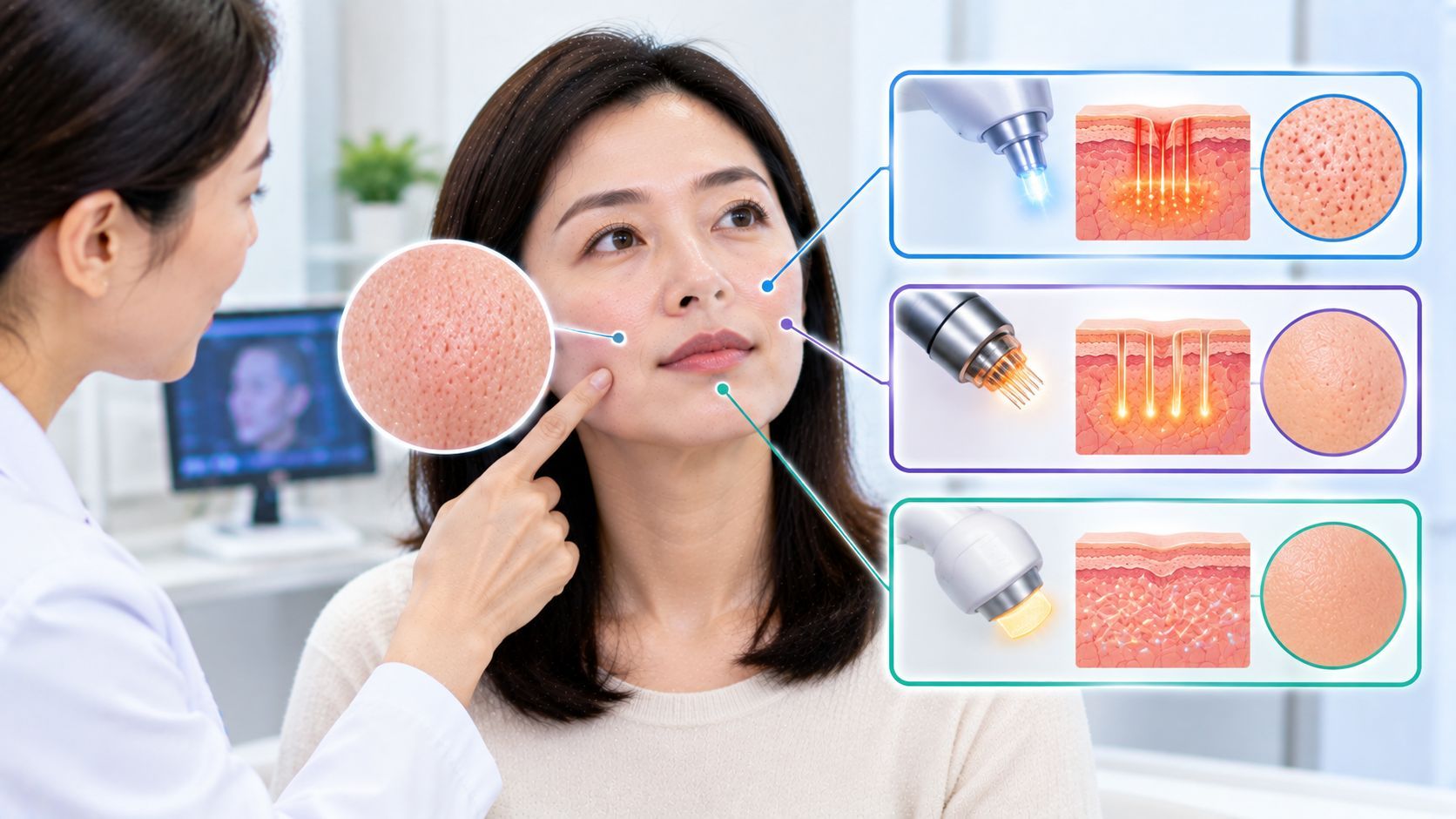
Depending on the assessment, options can include:
- Radiofrequency-based skin tightening
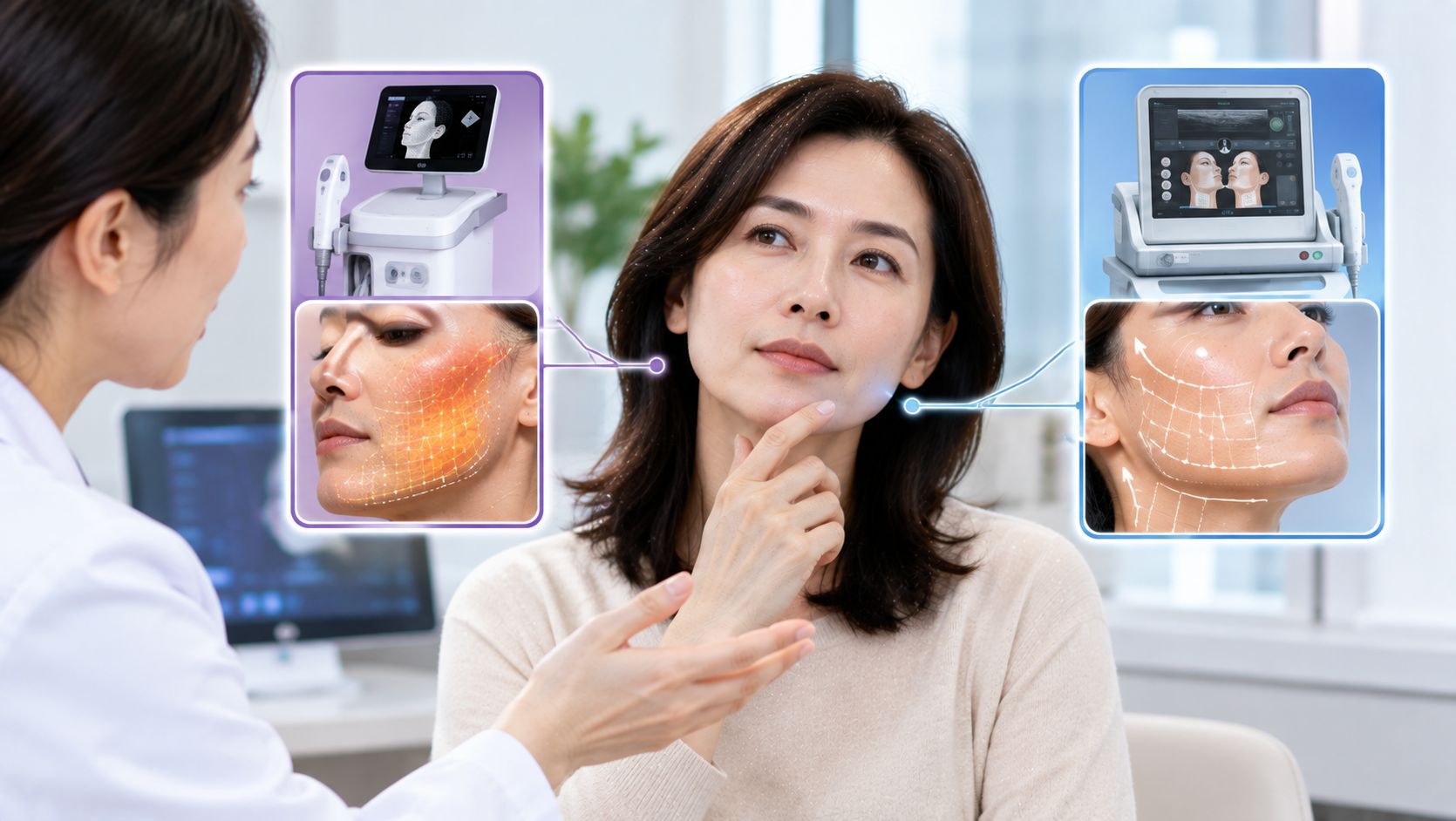
- Microfocused ultrasound
- Certain laser-based treatments
- Other energy-based skin rejuvenation technologies
These treatments work differently and are not interchangeable. The American Academy of Dermatology notes that ultrasound and radiofrequency can stimulate collagen-related tightening, but results develop gradually and are generally more modest than surgical lifting.
A systematic review of microfocused ultrasound found evidence of tightening in patients with mild to moderate facial laxity, while also noting that excessive laxity can reduce the effectiveness of the treatment.
If You Have Both Volume Loss and Sagging
This is an important situation after weight loss.
Some people do not have one isolated problem. They may have reduced cheek fullness together with loose skin or a softer jawline. In these cases, treating only one component may not produce the desired appearance.
A dermatologist or plastic surgeon may therefore discuss a multimodal treatment plan, potentially combining volume restoration with skin-tightening or skin-quality treatments.
The goal should not be to simply add volume everywhere. Excessive filler can make the face look swollen or alter natural proportions. Similarly, tightening a face that primarily needs volume restoration may not solve the underlying concern.
When Is a Facelift Considered?
Significant Skin Excess Is Different From Mild Laxity
Non-surgical procedures have limitations. If substantial loose skin has developed around the lower face or neck, energy-based treatments may not provide the same degree of correction as surgery.
A review of facial aging treatments concluded that surgery remains the standard approach for significant soft-tissue descent and facial volume-related structural changes, while minimally invasive treatments can be useful for selected patients.
A facelift or related facial surgery may therefore be discussed when there is substantial tissue descent, jowling, or excess skin. This does not mean that someone who has lost 10 kg automatically needs surgery.
The amount of weight lost is only one factor. Facial anatomy, age, skin elasticity, the extent of laxity, and the patient's goals are also important.
What Should You Do Before Choosing a Treatment in Seoul?
Wait for Your Weight to Stabilize
If you are still actively losing weight, your facial appearance may continue to change. This can make it difficult to determine how much volume loss or laxity will remain.
For people who have undergone substantial weight loss, published literature recommends considering weight stabilization before definitive surgical facial rejuvenation.
Your individual situation may be different, so timing should be discussed with your treating physician.
Determine Whether You Need Volume or Tightening
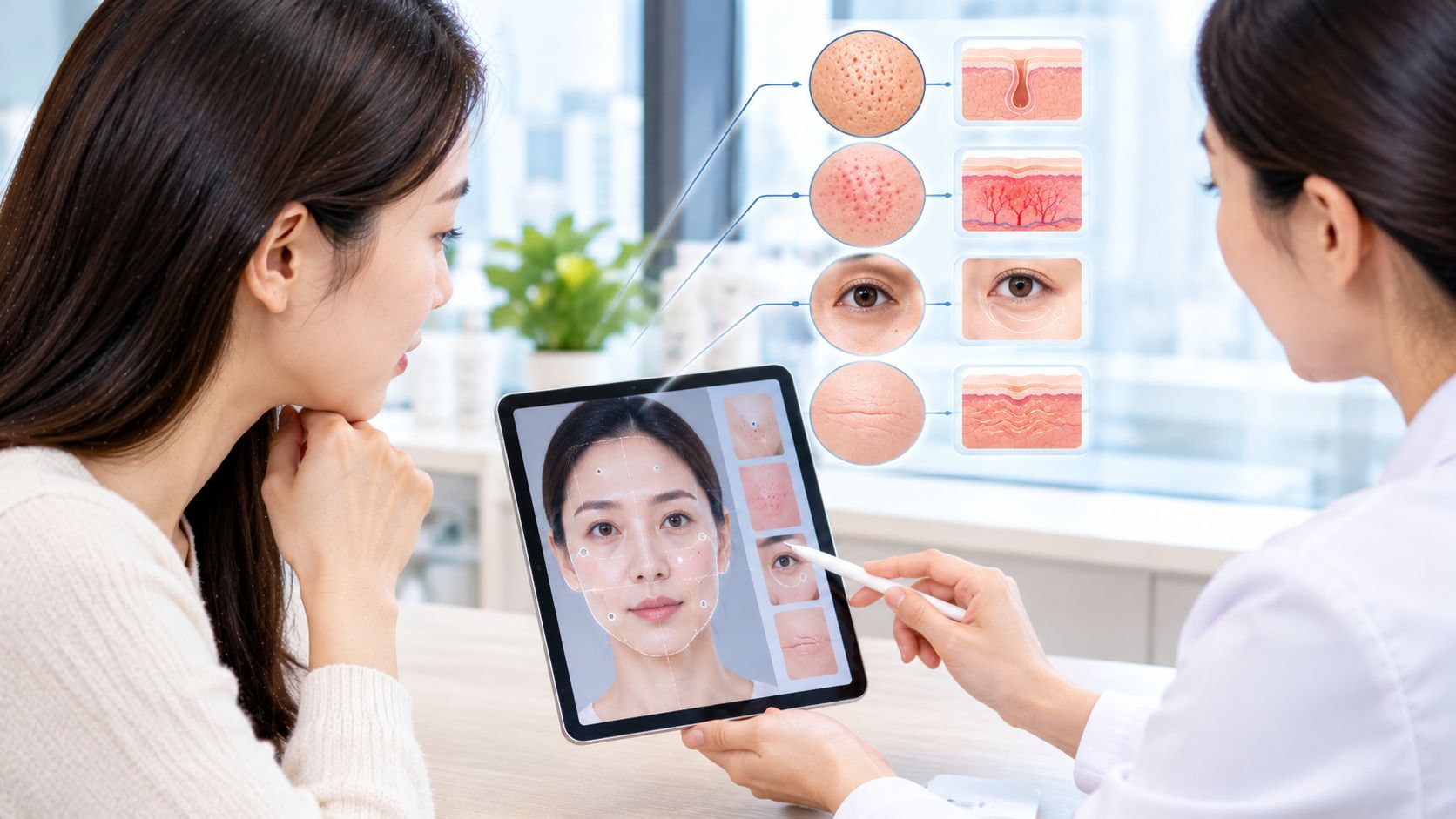
During a consultation, ask the provider to identify the main anatomical reason for the change.
Useful questions include:
- Is my main concern facial volume loss or skin laxity?
- Which areas have actually lost volume?
- Would tightening alone address my concern?
- Would adding volume make the face look more balanced?
- What improvement can realistically be expected?
- What are the risks and downtime?
- Would treatment still be appropriate if my weight changes again?
These questions can help prevent choosing a popular treatment simply because it is widely advertised.
What About Korean Skin-Tightening Treatments?
Seoul has a wide range of aesthetic dermatology and facial rejuvenation procedures, but the availability of many technologies does not mean that every treatment is suitable after weight loss.
For example, ultrasound and radiofrequency-based procedures may be considered when laxity is mild or moderate. They are not substitutes for surgery when there is substantial excess skin.
Likewise, injectables may be useful when volume loss is a major component, but they have their own risks and should be selected according to facial anatomy rather than simply used to make the face fuller.
For international patients visiting Seoul, it is particularly important to allow enough time for consultation and, when appropriate, follow-up rather than planning treatment around a very short tourist itinerary.
Risks and Limitations to Understand
Every procedure has potential risks.
Injectable treatments can cause swelling, bruising, asymmetry, infection, or other complications. Rare but serious vascular complications can also occur with certain fillers.
Energy-based treatments may cause temporary redness, swelling, tenderness, or other skin reactions, while more significant complications are possible depending on the technology and treatment settings.
Surgical lifting involves greater downtime and surgical risks than non-invasive procedures.
No treatment can completely recreate the facial appearance you had before losing weight, and results vary between individuals. A qualified dermatologist or plastic surgeon should assess your face before recommending a procedure.
Frequently Asked Questions
Is sagging after losing 10 kg permanent?
Not necessarily. Some changes may become less noticeable after weight stabilization and time, while persistent volume loss or skin laxity may remain. The extent varies between individuals.
Should I get filler or a skin-tightening treatment?
It depends on what has changed. Filler or another volume-restoring approach may be considered when facial deflation is the main issue, while tightening treatments may be more appropriate when mild laxity is the primary concern. Some patients have both.
Can HIFU or ultrasound fix loose facial skin after weight loss?
Microfocused ultrasound can improve mild to moderate laxity in selected patients, but it cannot reproduce the effect of surgery when there is substantial excess skin.
Would a facelift be too much after losing only 10 kg?
Not necessarily, but the amount of weight lost alone does not determine whether surgery is appropriate. A consultation is needed to assess the amount and location of tissue laxity and your treatment goals.
Should I wait until my weight is stable?
If you are still losing weight, stabilization can make it easier to assess your long-term facial volume and laxity. The appropriate timing depends on your health, weight-loss plan, and proposed treatment.
Can skincare alone tighten a sagging face after weight loss?
Skincare can support skin quality, but significant changes in facial volume or structural laxity generally cannot be fully corrected with topical products alone. Post-weight-loss concerns may require a combination of approaches depending on the underlying cause.
Conclusion
After losing 10 kg, a sagging or more hollow-looking face may result from a combination of facial volume loss, reduced skin elasticity, and changes in soft-tissue support. The right treatment in Seoul therefore depends on what is actually causing the change.
For mild laxity, non-surgical tightening may be considered. For facial deflation, volume restoration may be more relevant. When both problems are present, a carefully planned combination may be discussed. Significant excess skin may require evaluation for surgical lifting.
Rather than choosing a treatment based on the latest Korean beauty trend, start with an anatomical assessment from a qualified dermatologist or plastic surgeon. The goal should be to restore balance and natural facial proportions while understanding the realistic benefits, limitations, risks, and recovery involved.