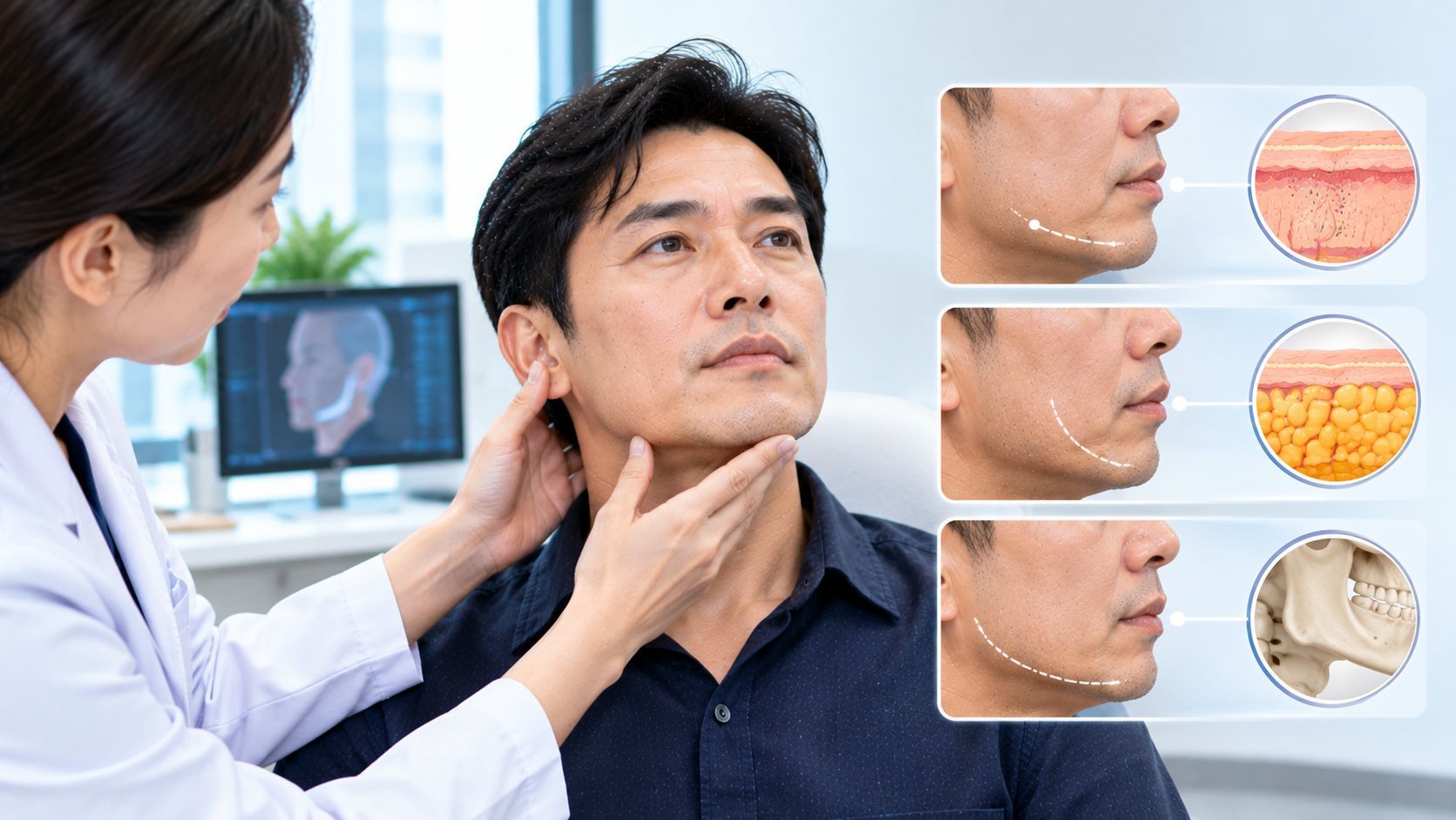
Why did I suddenly develop jowls in my early 40s?
Introduction
Many people notice that their lower face looks different in their early 40s, sometimes seemingly within a short period. The jawline that once looked smooth and defined may begin to appear softer, while small pockets of fullness develop near the corners of the mouth or along the jaw. These changes are commonly described as jowls.
Jowls do not necessarily mean that something is wrong or that you have suddenly "aged overnight." Facial aging is gradual, but several changes can become more visible around the same time. Reduced skin elasticity, changes in facial fat, loss of structural support, weight fluctuations, and genetics can all contribute.
What Causes Jowls in Your Early 40s?
The most important point is that jowls are usually multifactorial. There is rarely one single cause, and the treatment that makes sense depends on which changes are most prominent.
Loss of collagen and skin elasticity
One of the main contributors is the gradual reduction in the skin's ability to maintain its structure and elasticity.
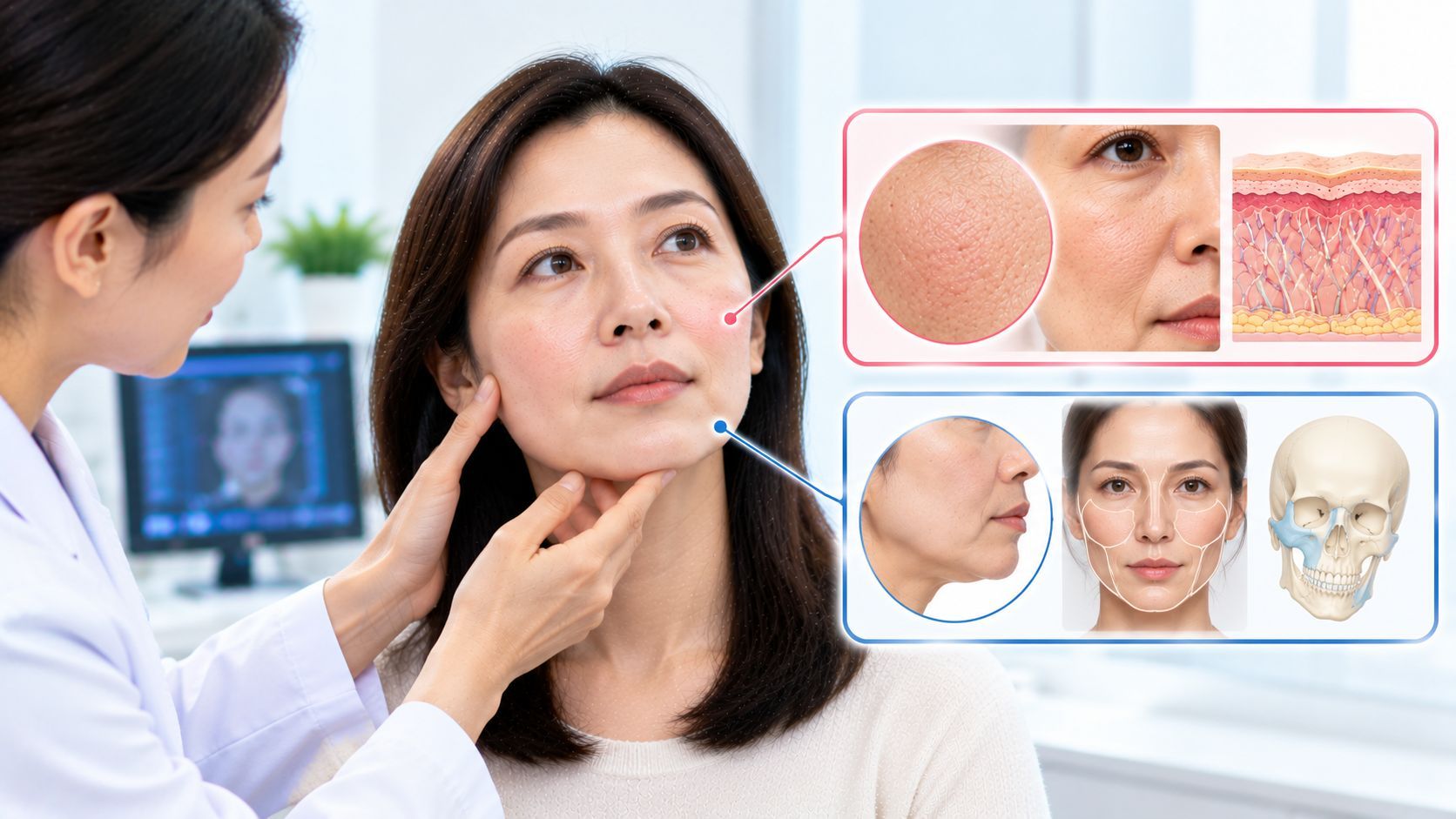
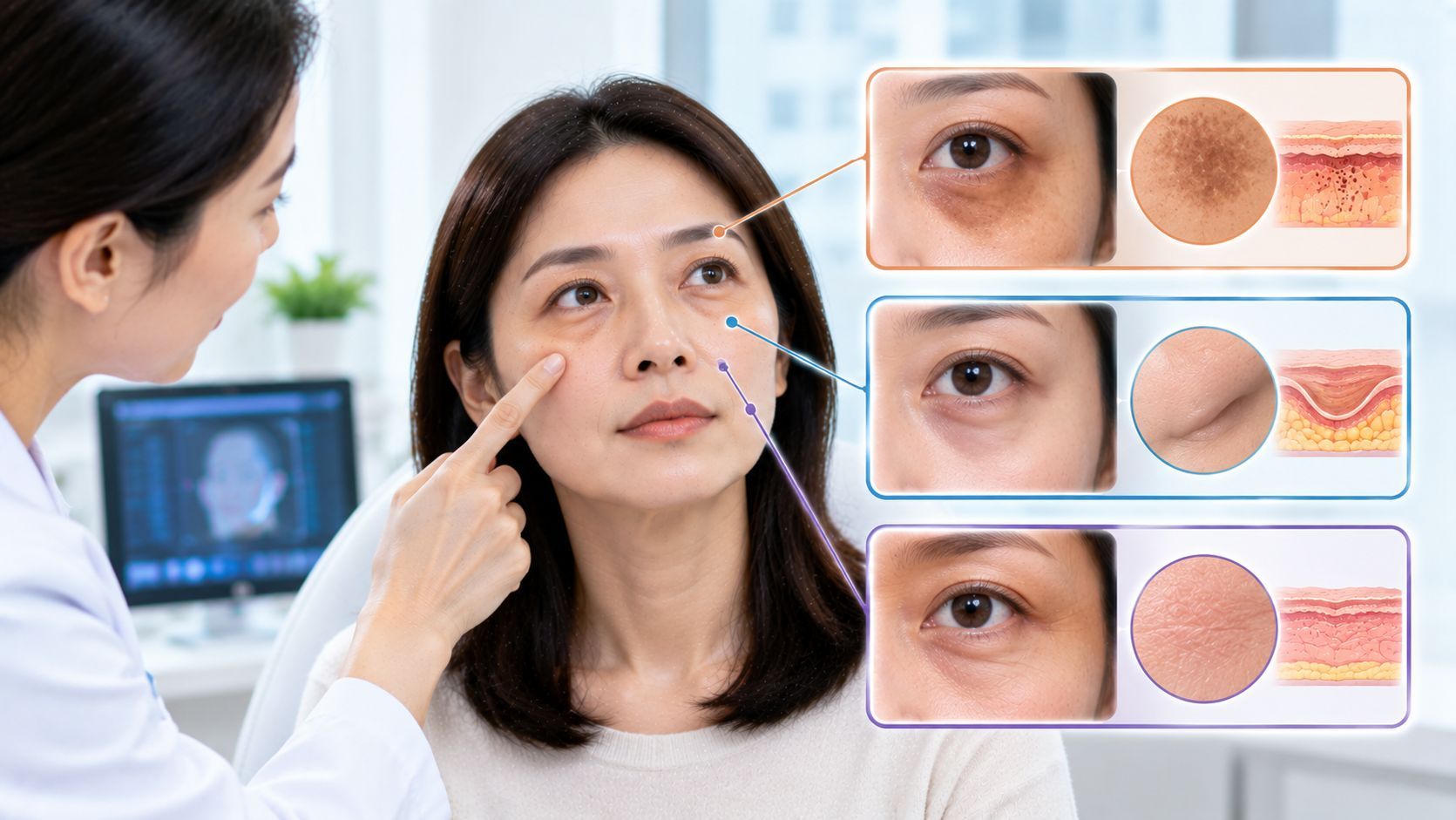
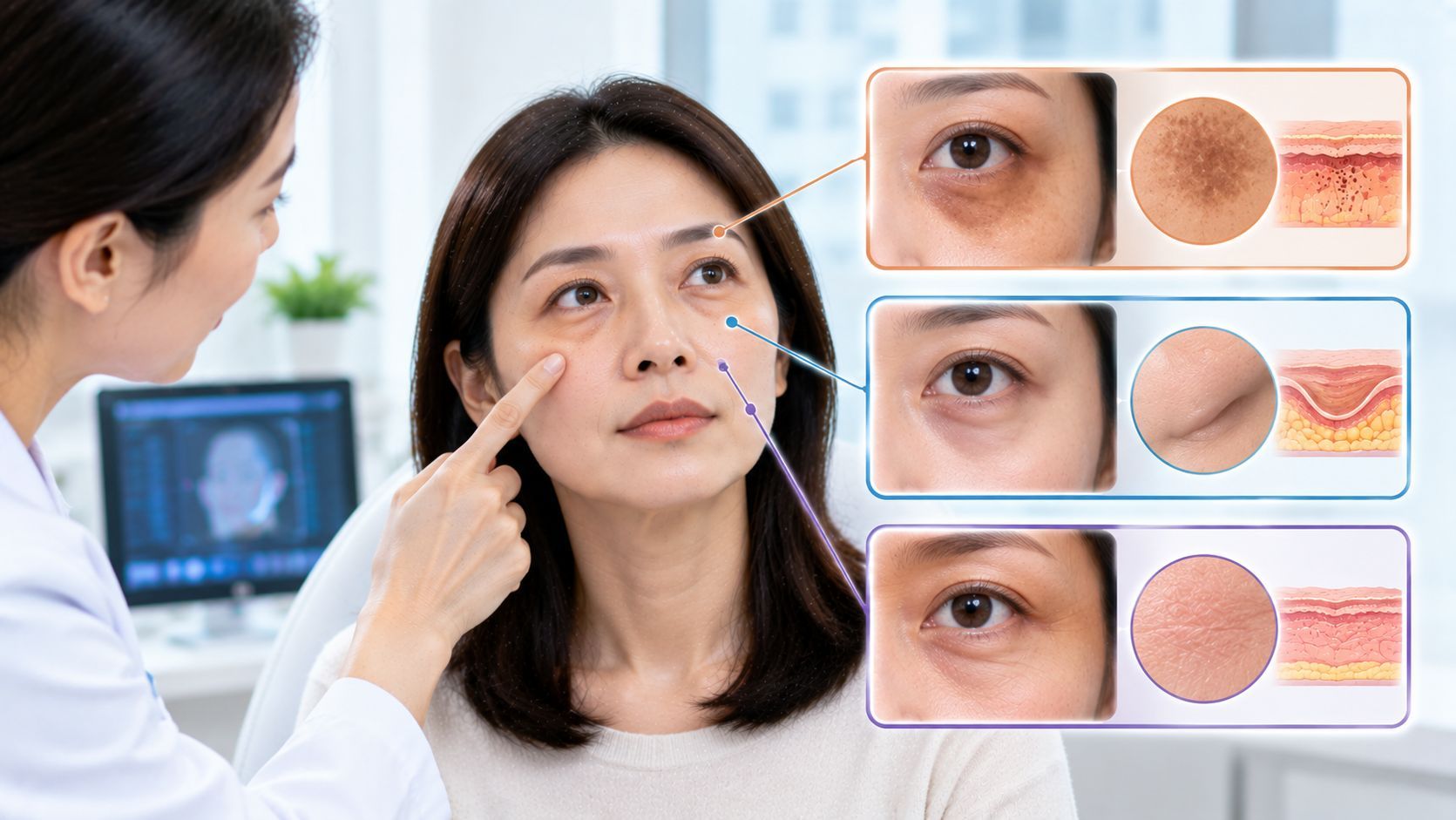
Collagen helps provide firmness and support, while elastin contributes to the skin's ability to recoil. As these properties change with age, the tissues around the lower cheeks and jaw may become less resistant to gravity and movement.
Early in the process, this may appear as subtle softening of the jawline. Later, the lower cheek can begin to hang more noticeably over the jaw, creating a jowl-like contour.
Changes in facial fat
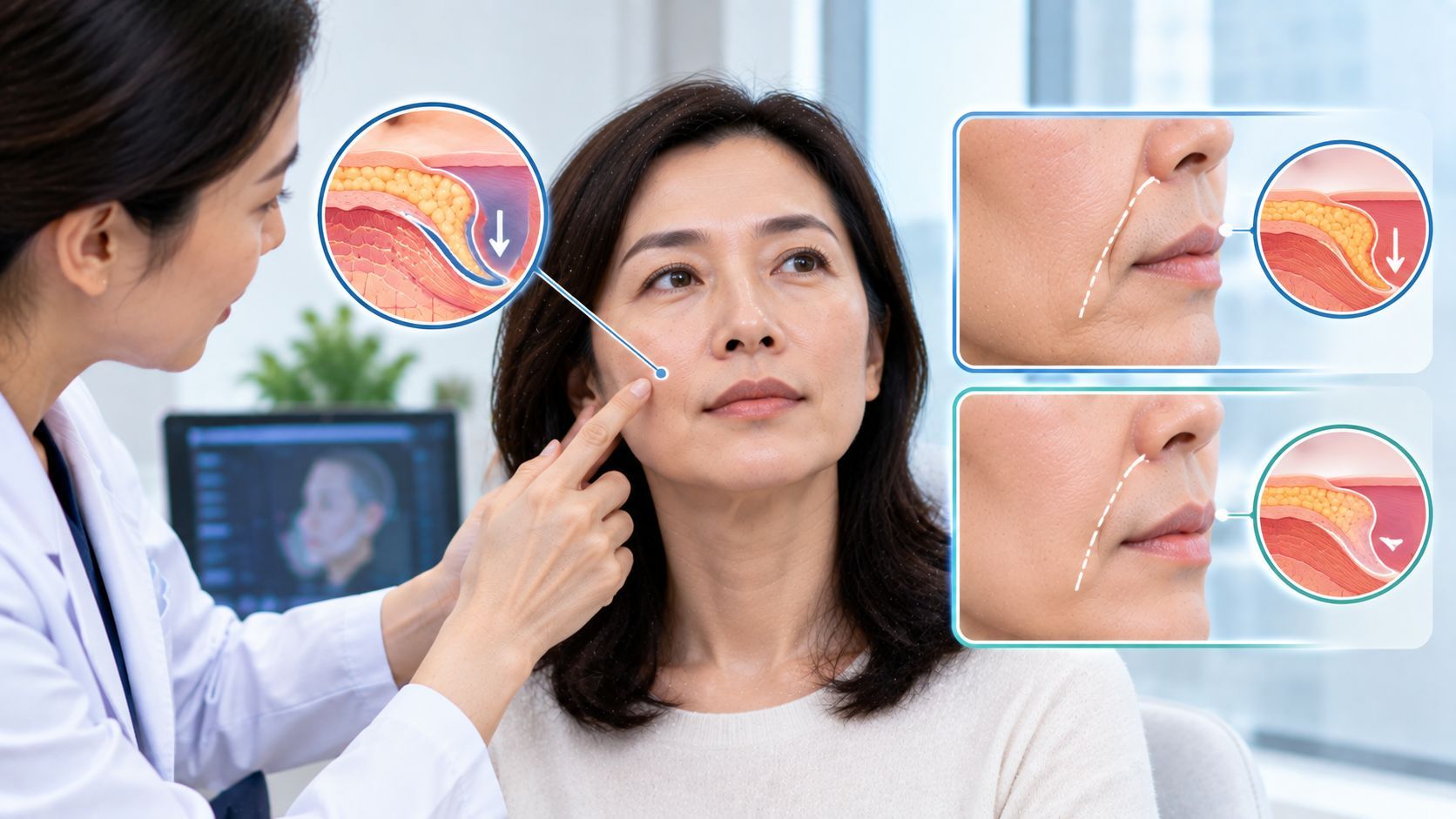
Facial fat does not simply disappear evenly as you age. Different fat compartments can lose volume, become more prominent, or change their relationship with surrounding tissues.
Volume loss in some parts of the midface can make the lower face appear relatively heavier. At the same time, changes in lower-face or submental fat can contribute to a less defined jawline.
This is why a person can develop jowls even without gaining weight.
Changes in the supporting tissues
The soft tissues of the face are supported by a network of connective tissues and deeper anatomical structures. With aging, these tissues can become less firm and their relationship with the overlying skin and fat can change.
The result is not simply "loose skin." Several layers of the face can change together, allowing the lower cheek tissues to sit differently along the jawline.
Age-related changes in facial bone structure
The underlying facial skeleton also undergoes remodeling over time. Changes in the jaw and other facial bones can affect the support available to the overlying soft tissues.
These changes are gradual, but they can contribute to the overall appearance of a less sharply defined lower face when combined with skin and fat changes.
Weight gain or weight loss
Weight fluctuations can make jowls more noticeable.
Weight gain may increase fullness in the lower face or beneath the chin. On the other hand, substantial weight loss can reduce facial volume while leaving some excess skin, particularly when the skin has limited elasticity.
If your jowls appeared after significant weight loss, the issue may therefore involve skin laxity rather than simply excess facial fat.
Why Can Jowls Seem to Appear "Suddenly"?
Gradual aging can become visibly noticeable at a certain point
Facial aging does not normally switch on at a particular birthday. However, small changes can accumulate until they become noticeable when you look in the mirror or compare recent photographs with older ones.
A relatively modest change in skin elasticity or facial volume may therefore create the impression that jowls appeared suddenly.
Sun exposure can contribute to earlier visible aging
Cumulative ultraviolet exposure can contribute to collagen breakdown and changes in skin quality. People with significant lifetime sun exposure may therefore notice signs of facial aging earlier or more prominently.
Genetics, skin type, smoking history, environmental exposure, and general aging patterns can also influence how quickly these changes become visible.
Hormonal changes may influence skin aging
Hormonal changes during midlife can affect skin characteristics, including hydration, thickness, and collagen-related processes. The timing and degree of these changes vary considerably between individuals.
Hormonal changes should therefore be considered as one possible contributor rather than a universal explanation for new jowls.
Are Jowls Caused by Loose Skin or Fat?
This is one of the most important distinctions when considering treatment.
When skin laxity is the main issue
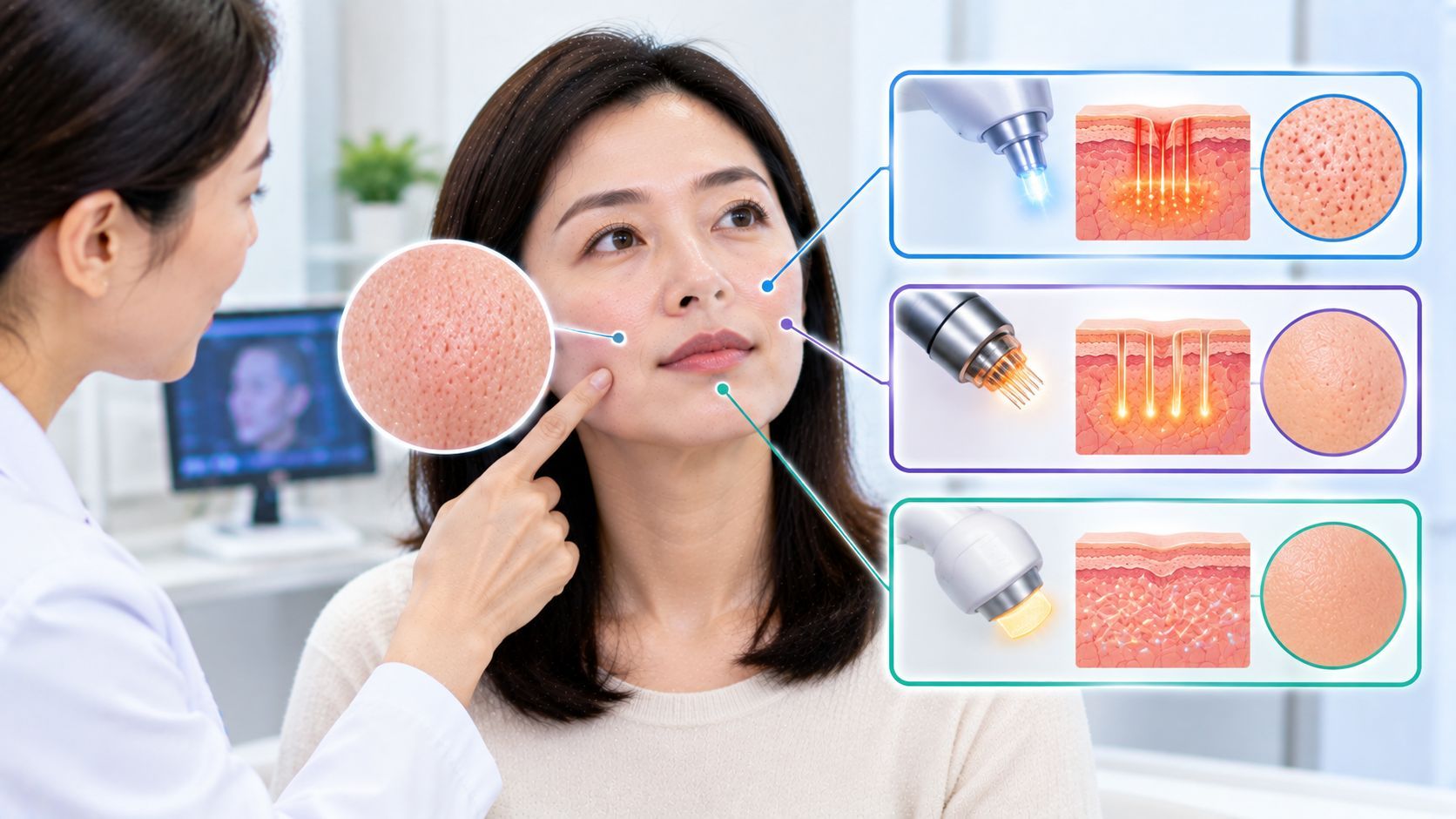
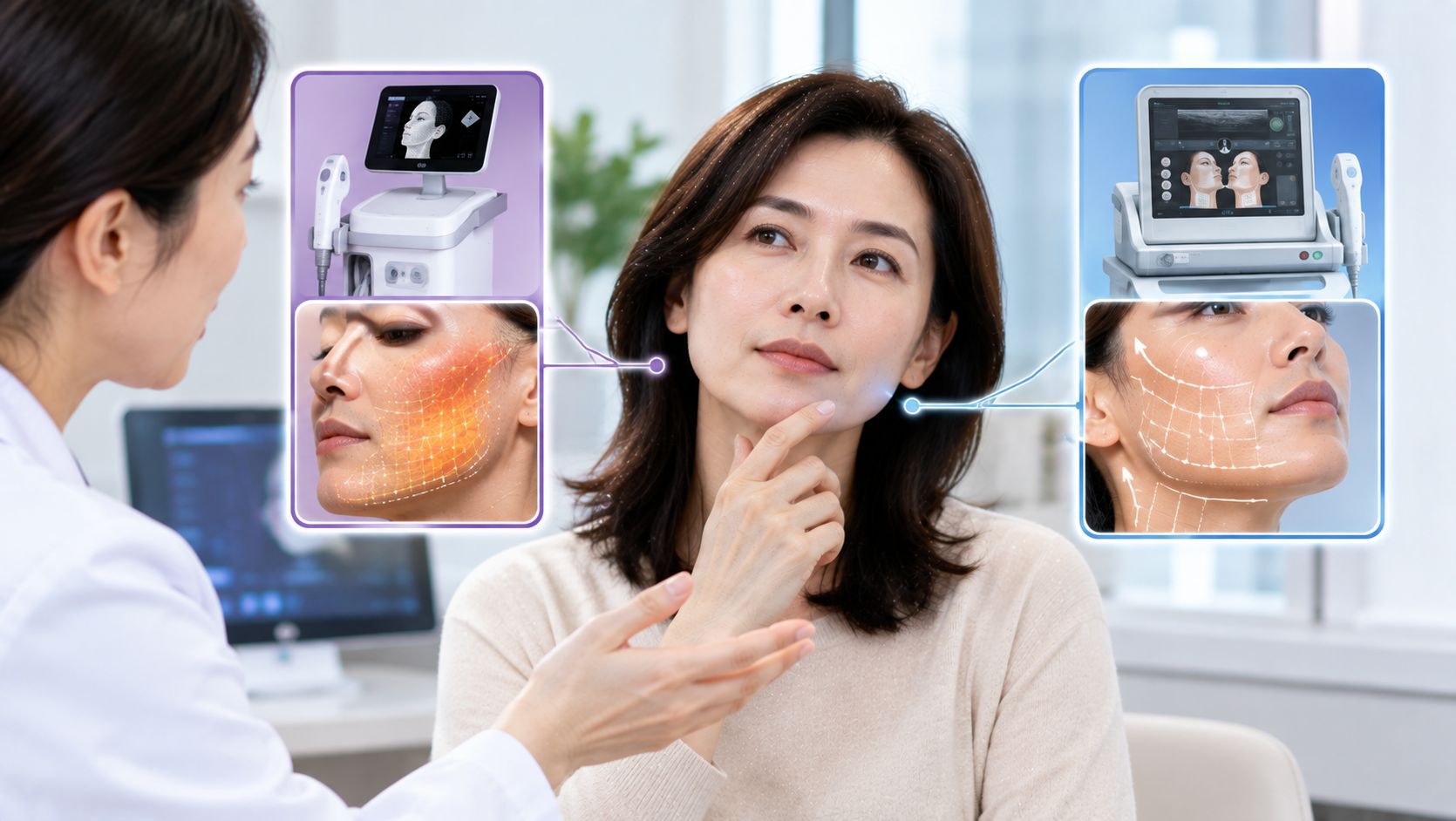
If the lower cheek and jawline appear loose or droopy, skin and deeper-tissue laxity may be major contributors. In selected patients, non-surgical skin-tightening treatments may improve the appearance of mild to moderate laxity.
However, energy-based treatments cannot remove substantial excess skin.
When fat is a major contributor
If fullness beneath the chin or around the lower face is prominent, reducing excess fat may be considered in appropriate patients.
Removing or reducing fat is not automatically beneficial, though. If significant skin laxity is already present, reducing volume without addressing the skin may sometimes leave the contour looking looser.
When loss of volume is contributing
Some patients have a combination of lower-face laxity and loss of support or volume elsewhere in the face. In carefully selected cases, injectable treatments or other volume-restoring approaches may be considered.
The goal should be balanced facial proportions rather than simply adding volume around the jaw.
What Treatments Can Improve Jowls?
Non-surgical treatments
Depending on the cause and severity, a qualified medical professional may discuss:
- Ultrasound-based skin tightening
- Radiofrequency-based treatments
- Injectable treatments for selected structural concerns
- Treatments targeting localized fat when appropriate
- Combination approaches for patients with multiple contributing factors
These treatments are generally most relevant when laxity or volume changes are mild to moderate. Results vary, and none should be presented as a guaranteed replacement for surgery.
Surgical treatment
When jowling is more advanced and there is substantial skin or deeper-tissue laxity, a facelift or related surgical procedure may provide a more significant structural correction.
Surgery can address problems that non-surgical treatments cannot fully correct, but it also involves greater downtime, costs, and potential complications. A consultation with a suitably qualified surgeon is essential when considering this approach.
Can You Prevent Jowls From Getting Worse?
You cannot completely stop normal facial aging, but some habits can help protect skin quality.
Protect your skin from ultraviolet exposure
Consistent broad-spectrum sun protection can help reduce cumulative ultraviolet damage, which is an important contributor to premature skin aging.
Avoid smoking
Smoking is associated with poorer skin quality and accelerated visible aging. Avoiding tobacco is beneficial for overall health as well as skin health.
Maintain relatively stable weight
Repeated major weight fluctuations can affect facial volume and skin appearance. Maintaining a stable, healthy weight may help avoid some of these changes, although it cannot prevent age-related jowling entirely.
When Should You Get Your Jowls Assessed?
If the change seems unusually rapid, is strongly asymmetric, or is accompanied by other concerning symptoms, it should not automatically be treated as cosmetic aging. A medical assessment may be appropriate.
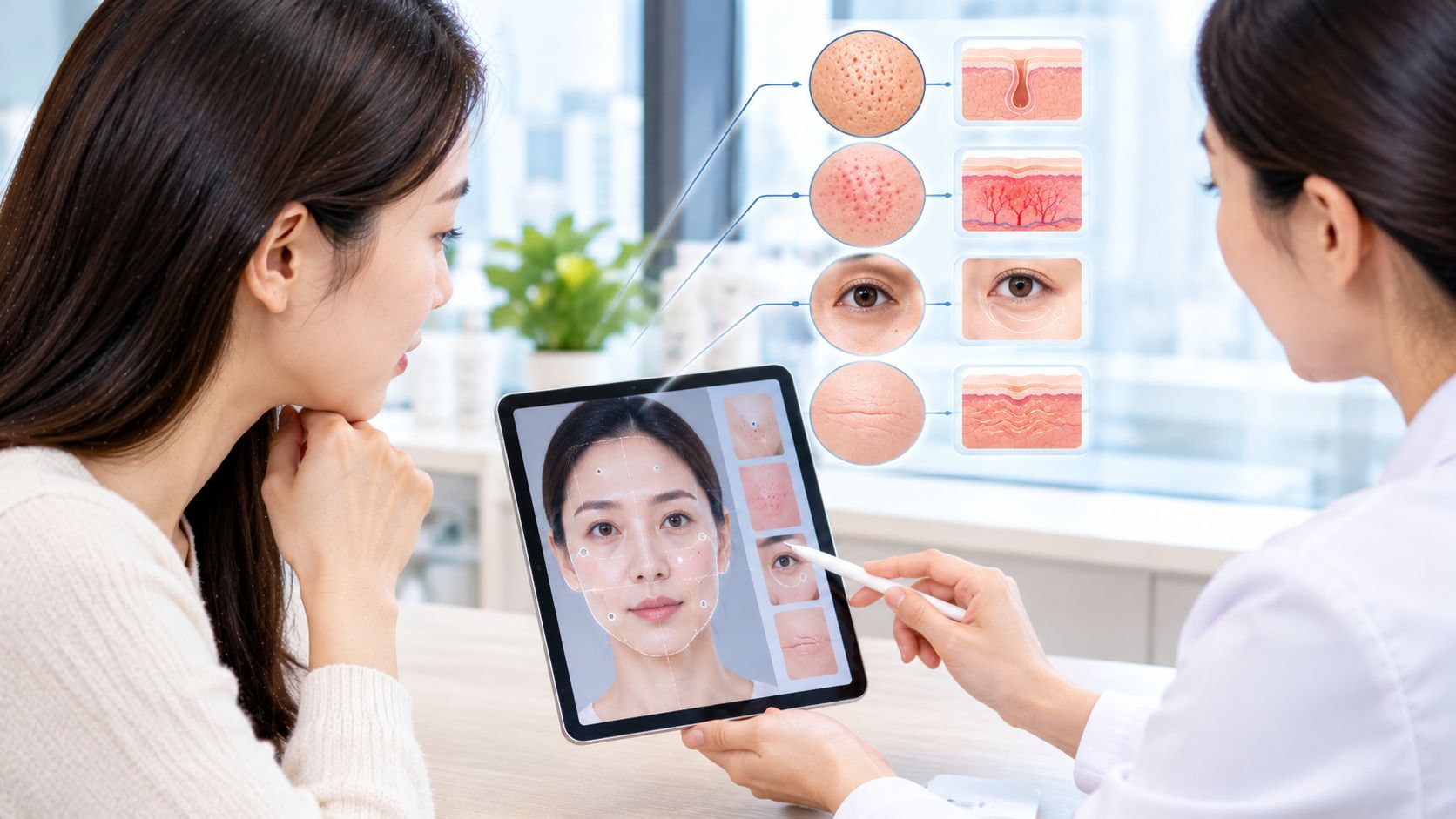
For ordinary age-related jowling, a consultation can help determine whether the dominant issue is skin laxity, fat, volume loss, structural support, or a combination.
This distinction matters particularly for international patients considering treatment in Seoul. If you are travelling for a procedure, understanding the likely recovery period before booking flights and accommodation can help you plan more realistically.
Questions to Ask Before Jowl Treatment
Before choosing a procedure, consider asking:
- What is the main cause of my jowls?
- Is my problem primarily skin laxity, fat, volume loss, or a combination?
- Would tightening alone be enough?
- What improvement is realistic for my anatomy?
- What downtime and follow-up will I need?
- What are the risks and limitations of the recommended treatment?
These questions can help prevent a common mistake: selecting a popular procedure before establishing whether it addresses the actual cause of the jowling.
Risks and Limitations
Every cosmetic procedure has limitations. Depending on the treatment, potential side effects can include temporary swelling, bruising, tenderness, numbness, contour irregularities, asymmetry, or other procedure-specific complications.
Non-surgical treatments generally provide more limited tissue correction than surgery, particularly when there is significant excess skin or advanced jowling. Injectable treatments also require appropriate assessment because adding volume in the wrong location may not improve—and can potentially worsen—the appearance of facial heaviness.
Results are individual and depend on anatomy, skin quality, age, degree of laxity, treatment choice, and healing.
Conclusion
If you developed jowls in your early 40s, the change is usually not caused by one sudden event. Loss of skin elasticity, facial fat changes, reduced tissue support, gradual skeletal remodeling, genetics, sun exposure, and weight changes can work together to make jowling more visible.
The most useful next step is to identify what is actually contributing to your lower-face change. Mild laxity may be approached differently from excess fat, volume loss, or more advanced tissue sagging. A qualified medical professional can assess your facial anatomy and discuss realistic options rather than assuming that one treatment works for every type of jowl.
FAQs
Is it normal to develop jowls in your early 40s?
Yes. The timing varies widely between individuals. Genetics, skin quality, sun exposure, facial anatomy, weight changes, and the normal aging process can influence when jowling becomes noticeable.
Why did my jowls appear even though my weight has not changed?
Jowls can develop from age-related changes in skin elasticity, facial fat distribution, supporting tissues, and underlying facial structure. Weight gain is not required.
Can losing weight get rid of jowls?
Not necessarily. Weight loss may reduce excess fullness in some people, but it cannot directly reverse skin laxity or structural changes. Significant weight loss can also leave additional loose skin.
Can skin-tightening treatments remove jowls?
They may improve the appearance of mild to moderate laxity in appropriately selected patients, but they cannot remove substantial excess skin. The expected improvement depends on the cause and severity of the jowling.
Are fillers a good treatment for jowls?
Fillers may be useful for selected patients when loss of volume or structural support contributes to the appearance. They are not appropriate for every type of jowl, particularly when excess skin or fat is the primary issue.
Do jowls always require surgery?
No. Treatment depends on severity and cause. Some people may consider non-surgical approaches, while more advanced laxity may be better addressed surgically. A professional assessment is needed to determine which options are reasonable.