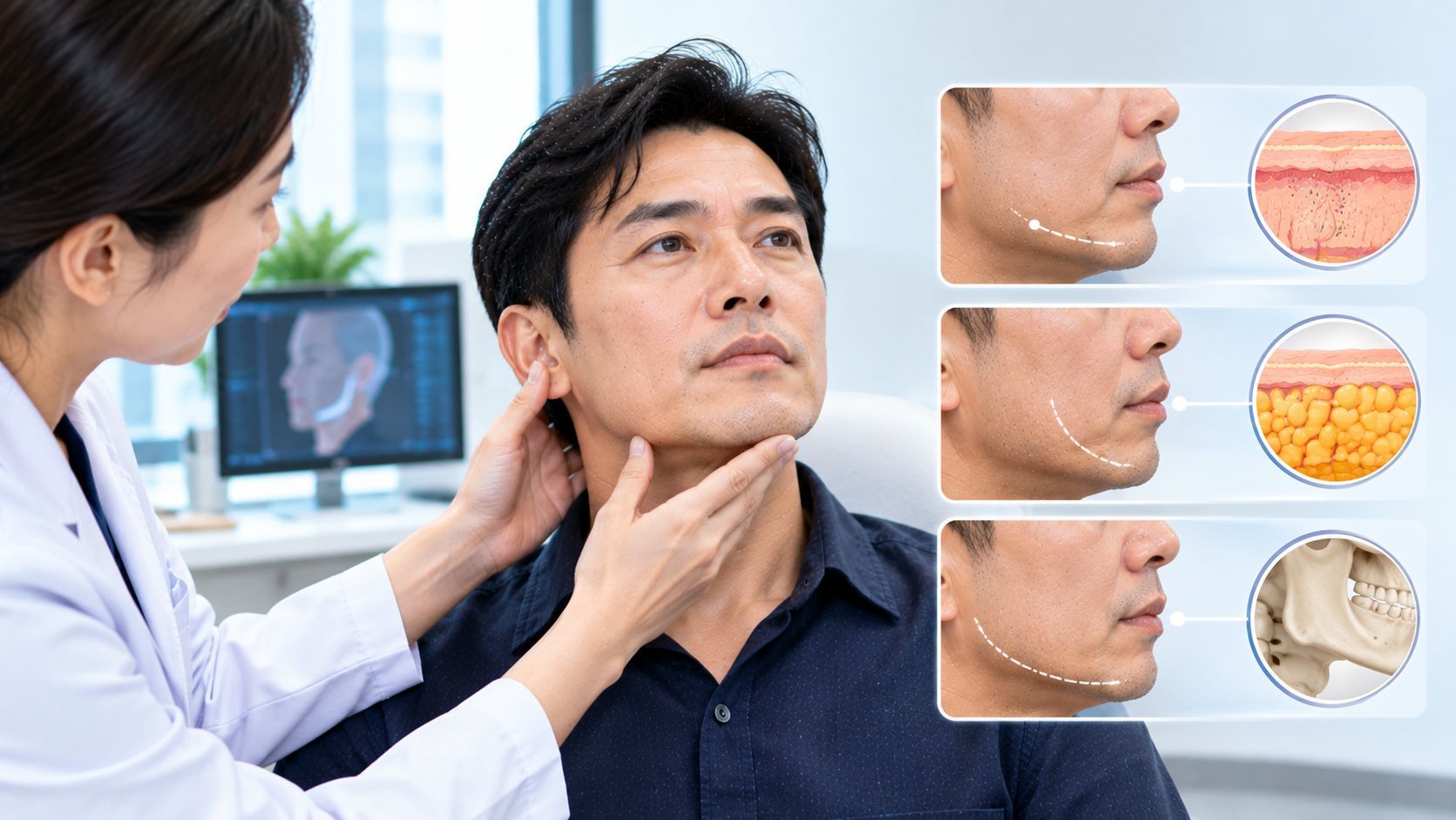
I Lost a Lot of Weight and Now Have Jowls. Should I Tighten or Add Volume?
Introduction
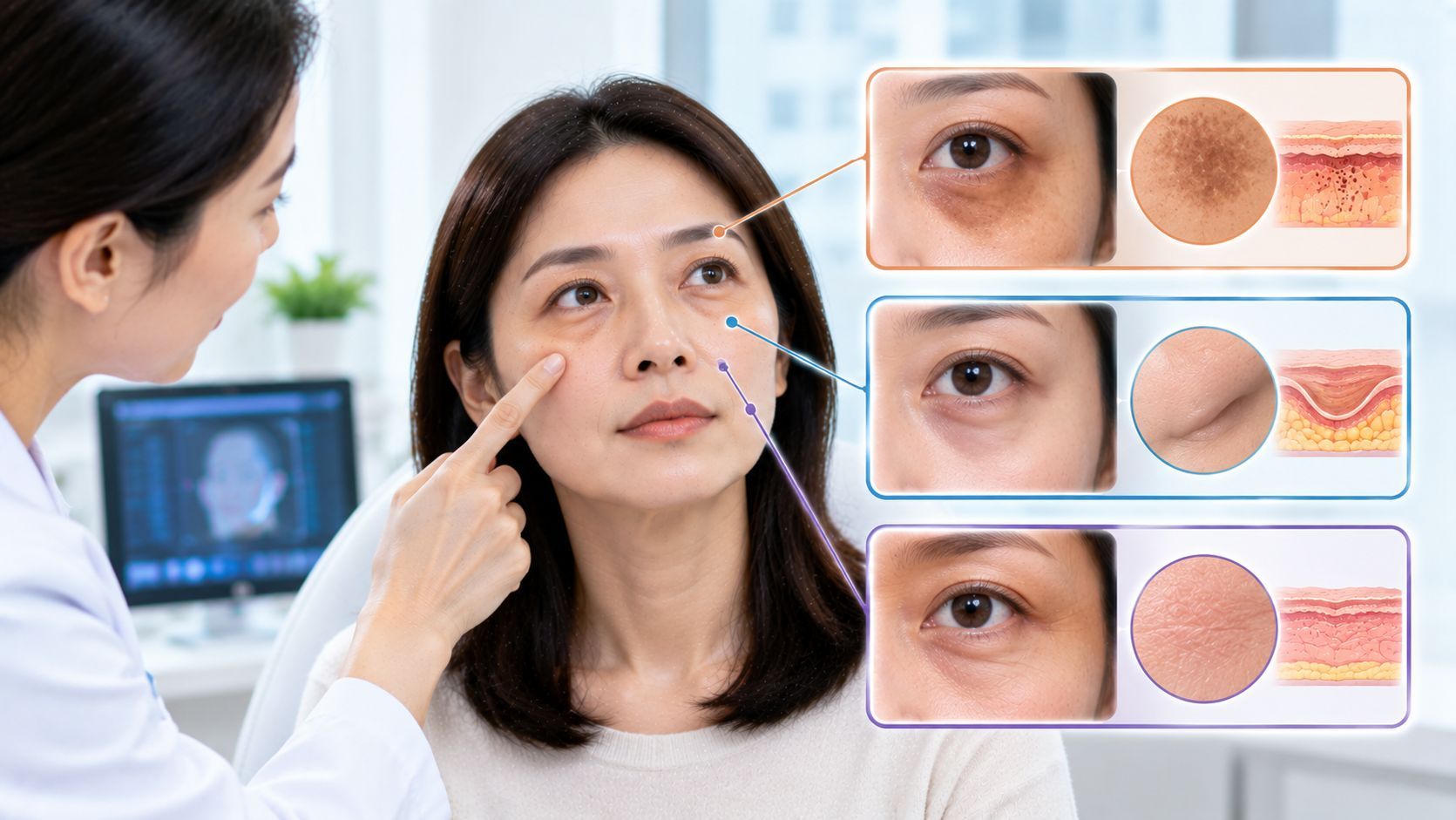
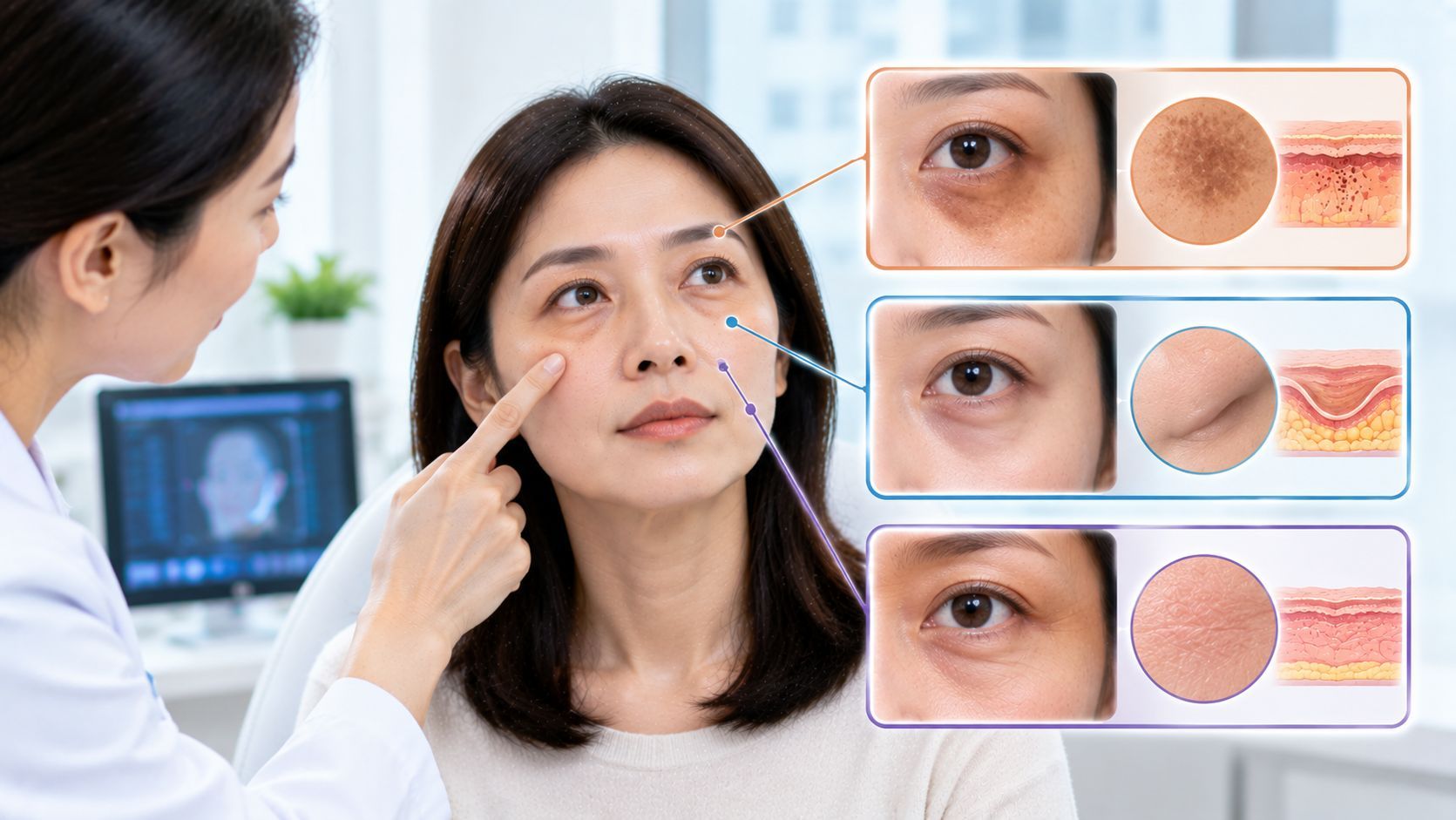
Losing a significant amount of weight can dramatically change your body, but the changes to your face can sometimes be unexpected. After major weight loss, some people notice flatter cheeks, hollow areas, loose skin, deeper folds, or newly visible jowls. This can make the face appear older or more tired even when the weight loss itself has been a positive achievement.
The main question is whether you should tighten the skin or restore facial volume. The answer depends on what is actually causing the jowls. Weight loss can reduce facial fat and soft-tissue support while also leaving some skin laxity. Some people primarily need tightening, others need carefully planned volume restoration, and some benefit from addressing both concerns.
Should You Tighten or Add Volume After Weight Loss?
If your jowls are mainly caused by loose skin, skin tightening may be the more appropriate option.
If your face looks hollow or deflated, restoring selected areas of lost volume may be more appropriate.
If you have both volume loss and loose skin, a dermatologist may recommend a combination or staged approach.
The goal should not simply be to make the face tighter or fuller. The objective is to restore facial balance while maintaining your natural features.
Why Weight Loss Can Make Jowls More Noticeable
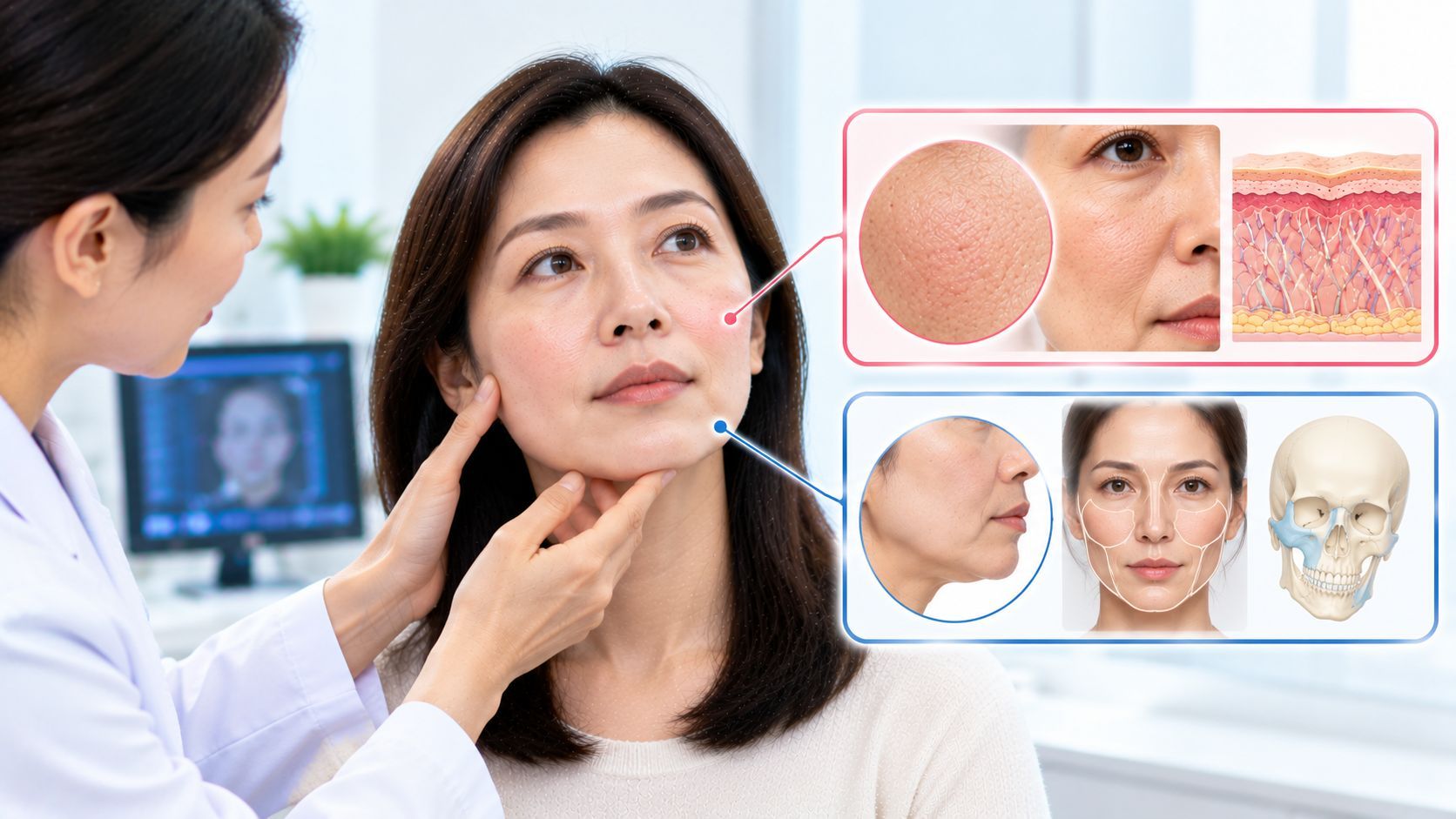
Loss of Facial Volume
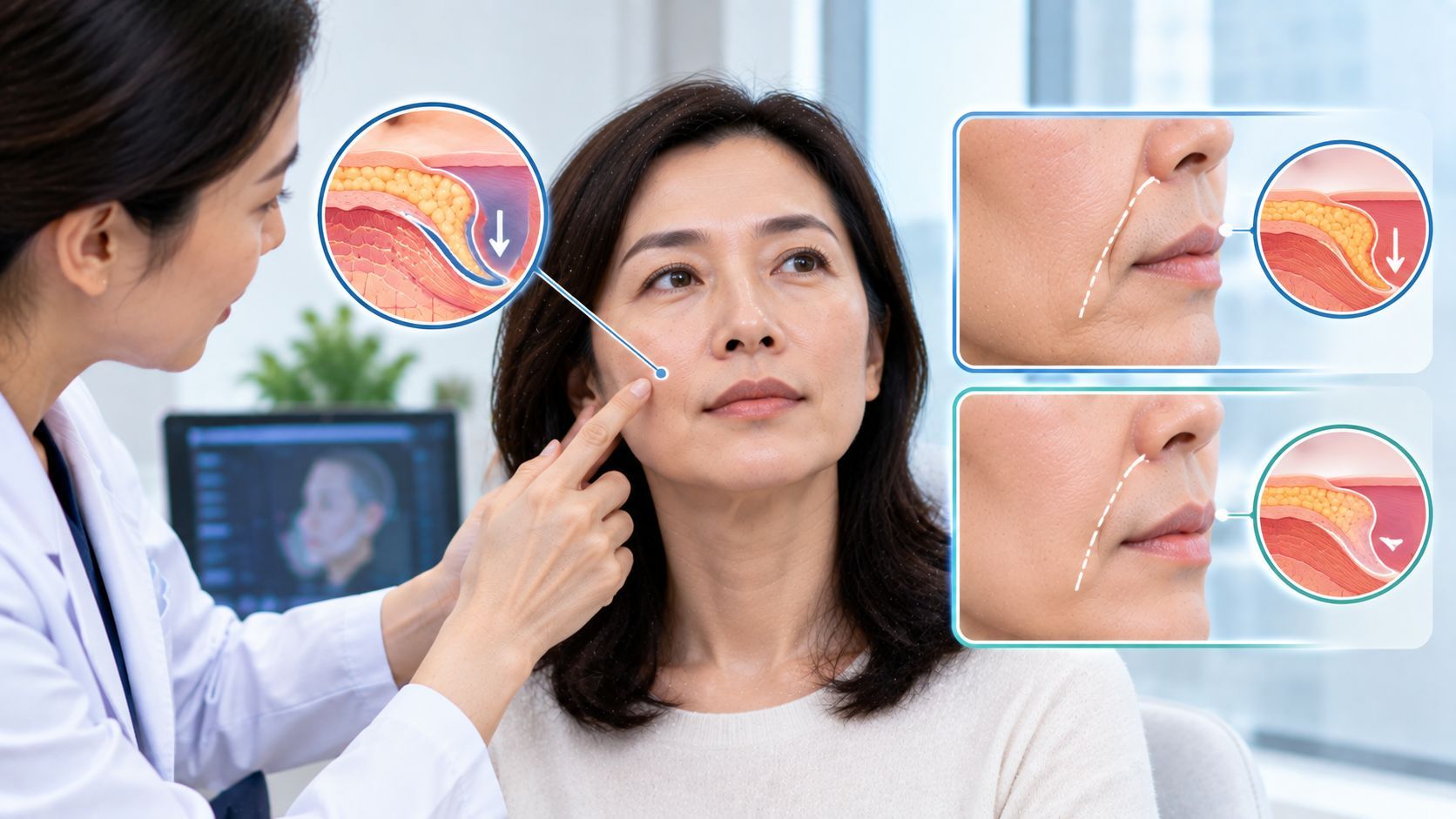
Significant weight loss can reduce facial fat, particularly around the cheeks and midface.
When the cheeks lose fullness, the lower face can appear heavier by comparison. As a result, jowls that were previously subtle may become much more visible.
This can create a confusing situation: you have lost weight throughout your body, but your jawline may appear less defined.
Reduced Skin Elasticity
The skin does not always contract completely after weight loss.
If the skin has reduced elasticity, it may remain somewhat loose after the underlying facial volume decreases. This can contribute to sagging around the cheeks, jawline, and neck.
The American Academy of Dermatology notes that non-invasive skin tightening tends to be most suitable when the amount of sagging is relatively limited. More substantial excess skin may require a different approach.
Aging and Weight Loss Can Compound Each Other
Weight loss may also make age-related changes more noticeable.
As collagen and elastin gradually decrease with age, the skin becomes less resilient. Losing facial volume at the same time can make wrinkles, folds, hollow areas, and jowls appear more prominent.
This is why some people feel that they suddenly look older after losing a considerable amount of weight.
When Should You Consider Skin Tightening?
Skin tightening may make more sense when skin laxity is your primary concern.
You may be a suitable candidate to discuss tightening if:
- Your cheeks still have reasonable fullness.
- Your face does not look significantly hollow.
- Your jawline has become blurred because of loose skin.
- The jowl appears mainly because tissue has started to sag.
- You have mild to moderate laxity.
- You want improvement without adding facial volume.
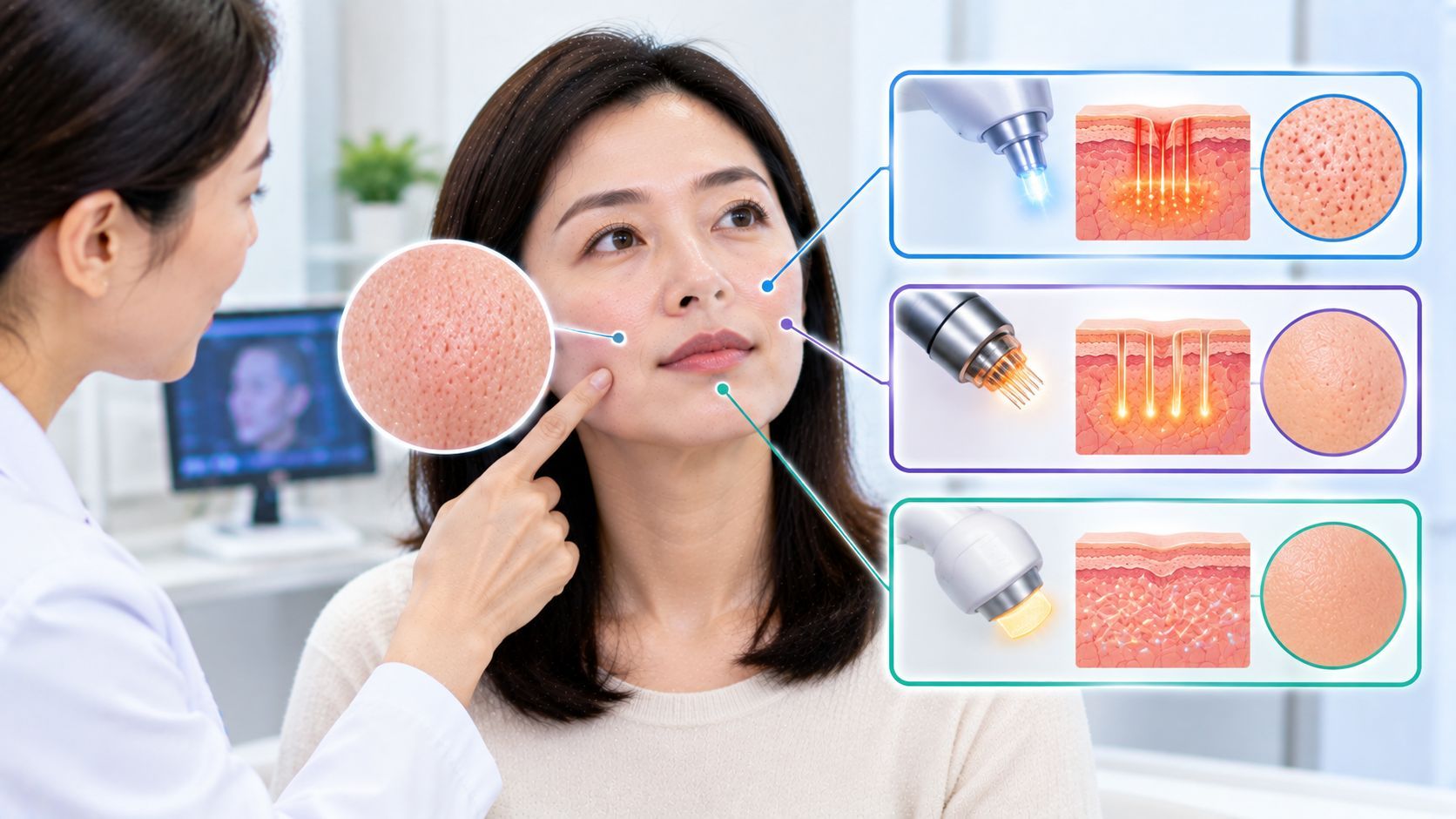
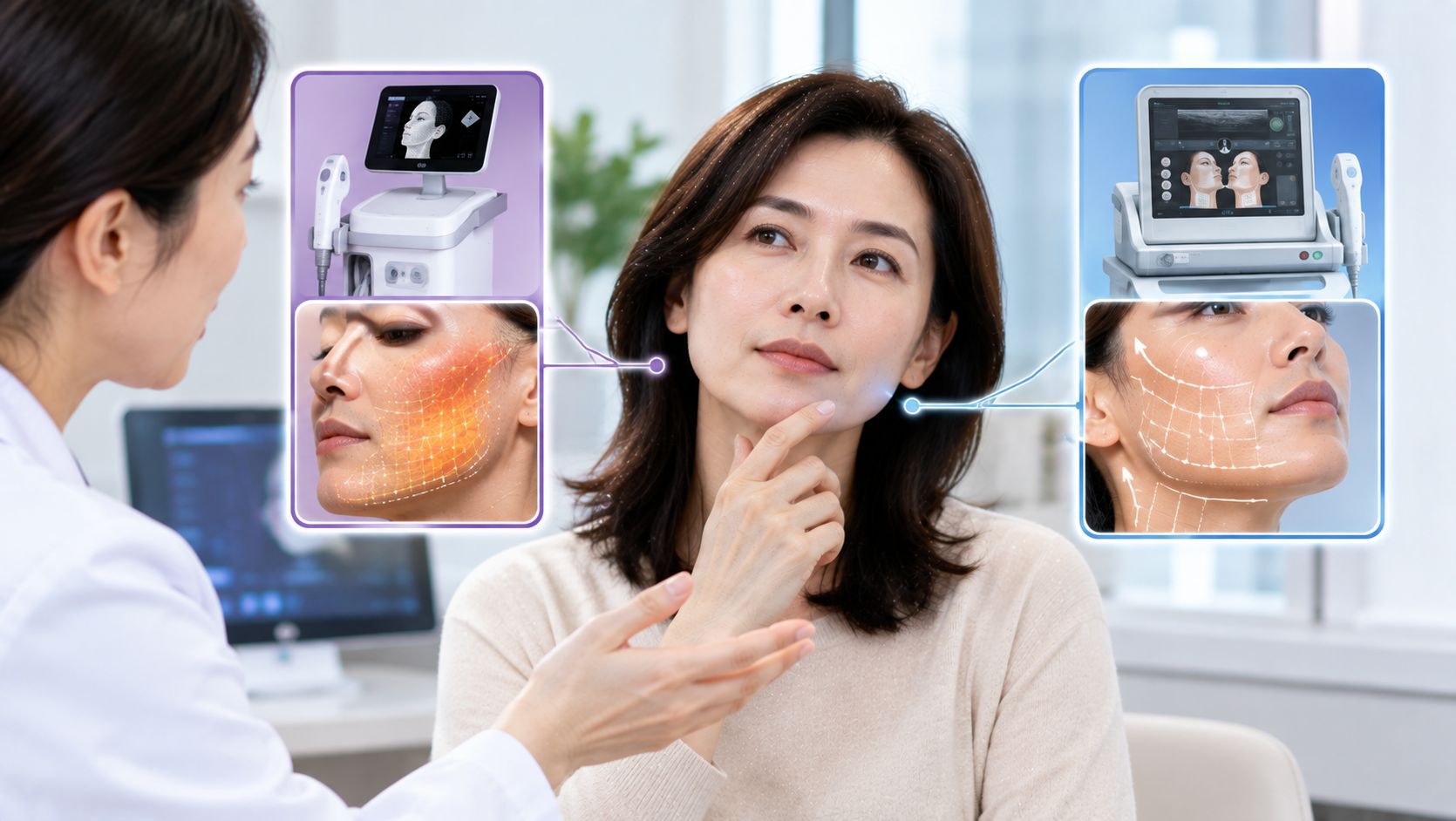
Depending on your anatomy, a dermatologist may discuss ultrasound- or radiofrequency-based treatments.
Treatments such as Ultherapy and Thermage may be considered for selected patients with skin laxity. Their effects generally develop gradually rather than producing an immediate surgical-style lift.
However, non-surgical tightening has limitations. It cannot generally reproduce the degree of correction achieved by surgery when there is significant excess skin.
When Should You Consider Volume Restoration?
Volume restoration may be more appropriate when your face looks deflated rather than simply loose.
Possible signs include:
- Hollow cheeks
- A flatter midface
- More prominent cheekbones
- Hollow temples
- Deeper facial folds
- More visible facial bones
- A thinner-looking face
- A lower face that looks heavier because the upper face has lost fullness
In these situations, tightening the skin alone may not restore the facial proportions you had before weight loss.
A dermatologist may instead determine whether carefully restoring volume to selected areas could improve overall facial balance.
Does That Mean You Should Fill the Jowls?
Not necessarily.
A jowl can become visible because of skin laxity, facial volume loss, changes in soft-tissue support, natural aging, or a combination of these factors.
Directly placing filler into the jowl is therefore not automatically the best solution.
In some patients, restoring volume in the cheeks or midface may improve the overall facial proportions without adding unnecessary fullness to the lower face.
This is particularly important if your goal is to look refreshed rather than obviously treated.
Too much filler in the lower face can potentially make a heavy-looking area appear even heavier.
What If You Have Both Volume Loss and Loose Skin?
This is common after substantial weight loss.
For example, you may have flatter cheeks while also having loose skin around the jawline. Treating only one problem may therefore produce an incomplete result.
If you tighten the skin without addressing significant volume loss, the face may remain hollow.
If you add substantial filler without addressing excess skin, the face may become fuller without adequately correcting the jowls.
A dermatologist may therefore recommend a staged treatment plan. One concern can be addressed first, followed by reassessment before deciding whether another treatment is necessary.
Could Skin Tightening Make a Thin Face Look Thinner?
This is an important concern after major weight loss.
If your main problem is facial deflation rather than laxity, aggressive tightening may not address why your face looks older or more tired.
Before choosing a tightening treatment, your dermatologist should evaluate several factors.
Facial Volume
Does your face still have enough volume in the cheeks and midface?
Skin Laxity
How much actual loose skin is present?
Facial Proportions
Does the lower face genuinely have excess tissue, or does it only appear heavier because the upper face has lost volume?
Skin Quality
How much elasticity does your skin have?
Weight Stability
Are you still actively losing weight?
These factors can significantly change the treatment recommendation.
Could Filler Make Your Face Look Overfilled?
Yes.
Filler adds volume, so using too much or placing it without considering your overall facial proportions can make the face appear heavier or less natural.
After major weight loss, the goal should generally be restoration rather than enlargement.
A good treatment plan should consider:
- Where volume was actually lost
- Which areas need support
- How much volume is appropriate
- Whether adding volume would make the lower face heavier
- Whether treatment should be performed gradually
A conservative approach can be especially useful if you want to look like yourself again rather than significantly changing your facial shape.
What About Collagen-Stimulating Treatments?
Collagen-stimulating treatments may be considered when the goal is to improve skin quality, support, and mild laxity rather than simply add conventional volume.
Some approaches may gradually improve the appearance of the skin rather than immediately creating fullness.
However, these treatments are not automatically suitable for everyone after weight loss.
Your dermatologist should consider your skin quality, degree of laxity, remaining facial volume, age, anatomy, and treatment goals before recommending them.
Could Ultherapy or Thermage Help Post-Weight-Loss Jowls?
They may help selected patients whose main concern is mild to moderate skin laxity.
Ultrasound- and radiofrequency-based treatments can stimulate tissue remodeling and may gradually improve the appearance of loose skin.
However, treatment should be customized.
If you have significant facial hollowing, the most important question is not simply which tightening device to choose. It is whether tightening is actually the primary treatment your face needs.
Should You Wait Until Your Weight Stabilizes?
If you are still losing a significant amount of weight, discuss treatment timing with your doctor.
Your facial volume and skin laxity may continue changing while your body weight changes.
Once your weight becomes relatively stable, it may be easier to evaluate the lasting facial changes and determine whether you primarily need volume restoration, skin tightening, or both.
There is no universal waiting period that applies to every person. Timing should be individualized.
What Should You Ask a Korean Dermatology Clinic?
If you are considering treatment in Korea, ask:
- Are my jowls mainly caused by loose skin or volume loss?
- Do I have enough facial volume for a tightening treatment?
- Could tightening make my face look thinner?
- Would filler make my lower face look heavier?
- If I need filler, which areas should actually be treated?
- Should volume restoration come before tightening?
- Should I wait until my weight stabilizes?
- What improvement is realistic without surgery?
- How much downtime should I expect?
- Would a staged treatment plan be better than combining treatments?
These questions can help you choose a treatment based on your facial anatomy rather than simply selecting a popular procedure.
Risks and Limitations
No aesthetic treatment can completely reverse every facial change associated with significant weight loss.
Skin-tightening treatments can cause temporary redness, swelling, tenderness, or discomfort depending on the technology used. Results are generally gradual and may be limited when there is substantial excess skin.
Injectable treatments can cause swelling, bruising, asymmetry, infection, lumps, and other complications. Dermal fillers also have rare but serious vascular risks.
Results vary according to age, genetics, skin elasticity, amount and rate of weight loss, remaining facial volume, and degree of skin laxity.
Conclusion
If you lost a lot of weight and now have jowls, you should not automatically choose either skin tightening or filler.
If your face is mainly loose, skin tightening may be more appropriate.
If your face is mainly hollow or deflated, carefully planned volume restoration may make more sense.
If you have both volume loss and laxity, a combination or staged approach may provide a more balanced result.
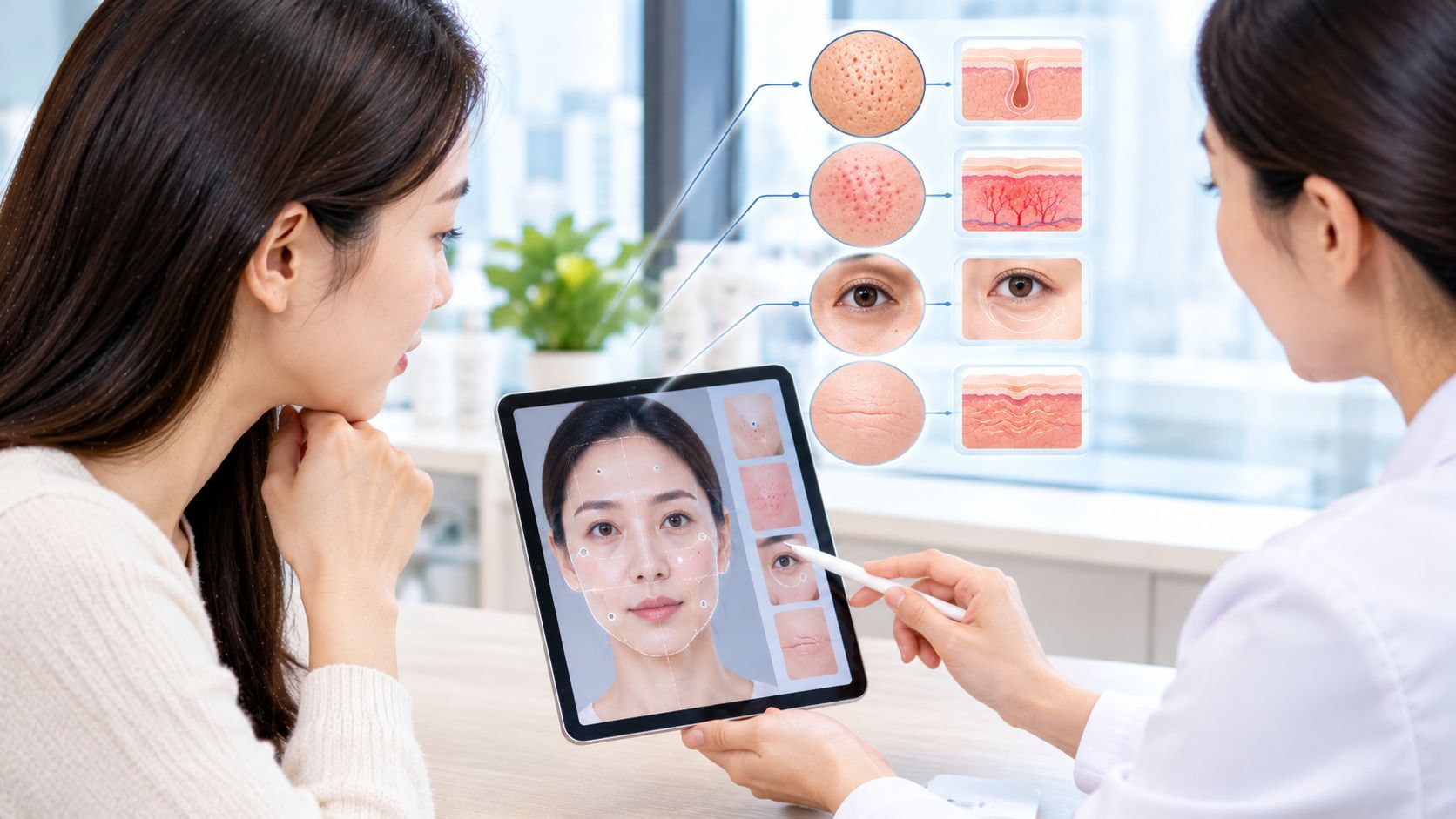
The most important step is identifying what actually changed after your weight loss. A proper assessment should evaluate your cheeks, midface, facial volume, skin quality, jawline, and overall facial proportions—not just the jowls.
For international patients considering treatment in Korea, the goal should be natural restoration rather than simply making the face tighter or fuller.
FAQs
Why did I develop jowls after losing weight?
Significant weight loss can reduce facial fat and soft-tissue support while leaving some skin laxity. These changes can make the lower face and jowls more noticeable.
Is filler or skin tightening better for jowls after weight loss?
It depends on the cause. Filler may be more appropriate when volume loss is significant, while skin tightening may be considered when loose skin is the dominant problem.
Can filler get rid of jowls?
Filler can sometimes improve the appearance of jowls when volume loss contributes to the contour change, but it cannot remove excess skin. Directly filling the jowl is not always the best approach.
Can Ultherapy or Thermage fix jowls after weight loss?
They may improve certain types of mild-to-moderate skin laxity. However, significant facial volume loss or substantial excess skin may require a different treatment strategy.
Should I wait until my weight stabilizes?
If you are still undergoing substantial weight loss, discuss treatment timing with your doctor. Continued weight changes can alter facial volume and skin laxity.
What is the most natural way to treat jowls after weight loss?
The most natural approach is to determine whether the dominant problem is volume loss, skin laxity, or both, and then use the least excessive treatment needed to restore facial balance.