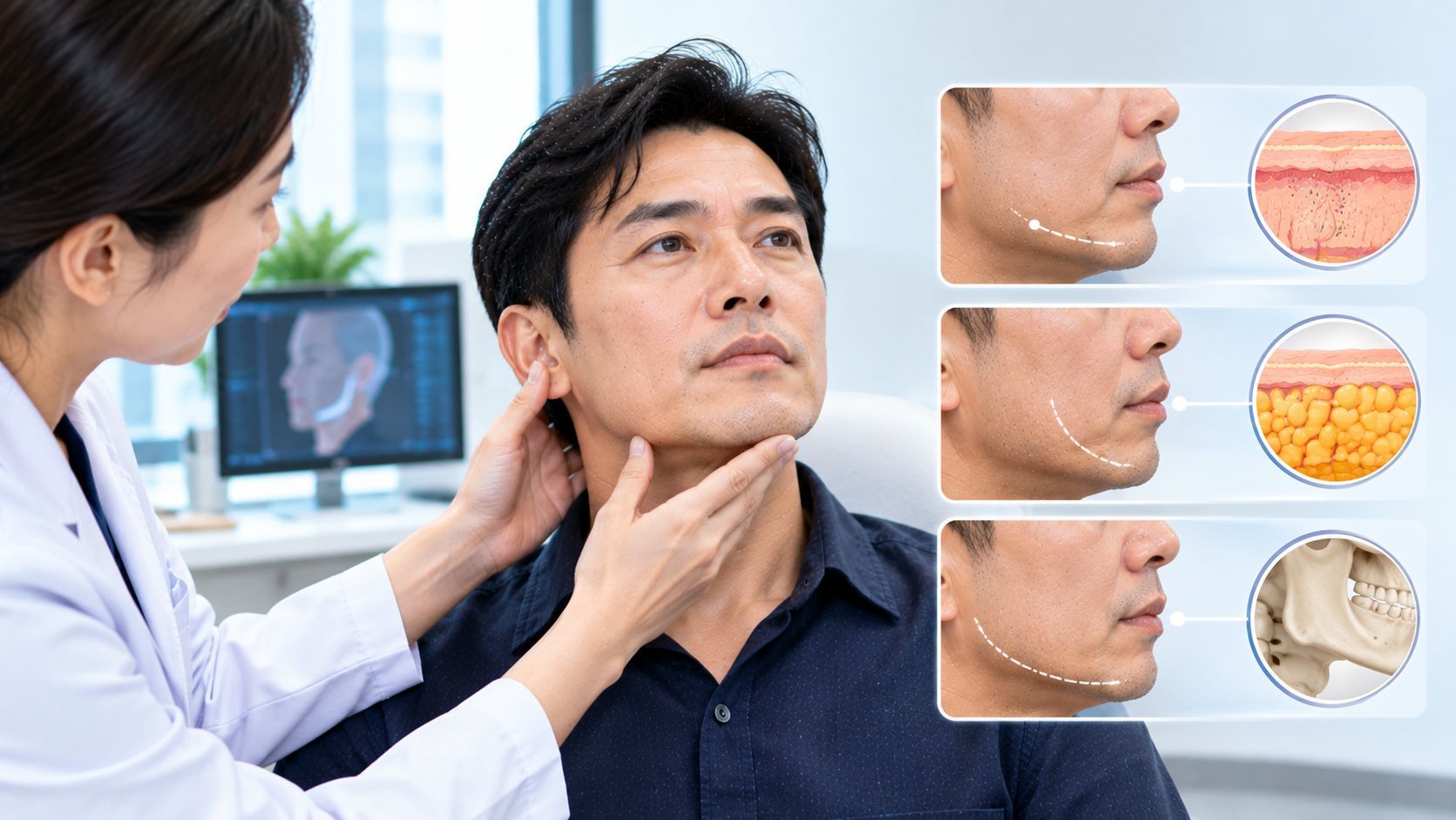
My face looks tired even after sleeping well. What treatments actually help?
Introduction
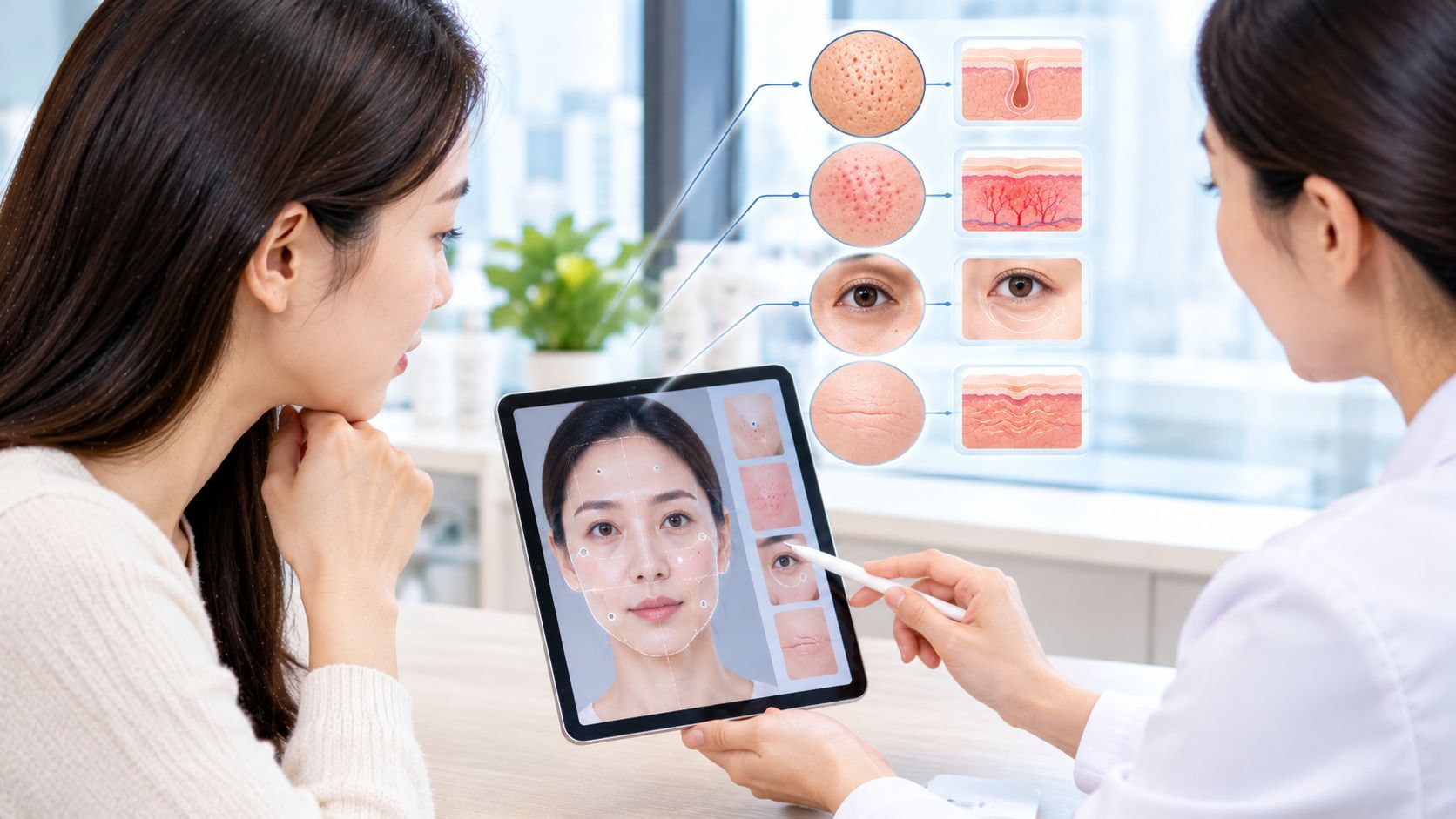
If you sleep well but your face still looks tired, the problem may not be sleep at all. A tired-looking face can come from several visible changes, including dark circles, under-eye hollows, puffiness, dull or uneven skin tone, fine lines, loss of facial volume, or mild skin laxity.
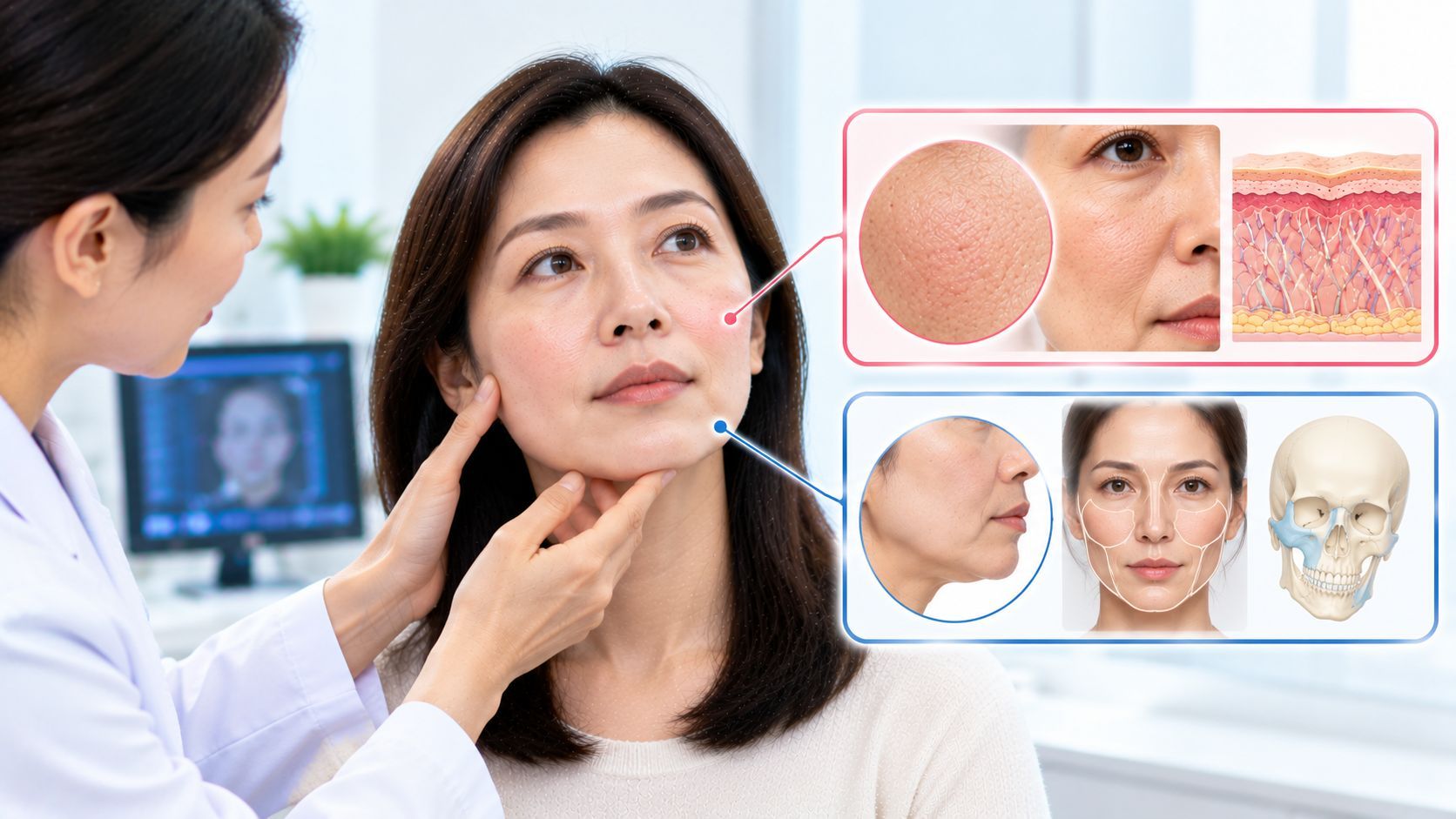
These concerns can become more noticeable with age. Natural aging can make skin thinner and drier, reduce youthful facial fullness, and contribute to wrinkles and loss of elasticity. Sun exposure and lifestyle factors can also accelerate visible skin aging.
The treatment that helps most depends on what is making your face look tired. There is no single "tired-face treatment." Someone whose main problem is pigmentation may benefit from a very different approach from someone with under-eye hollows or facial sagging.
What Actually Makes a Face Look Tired?
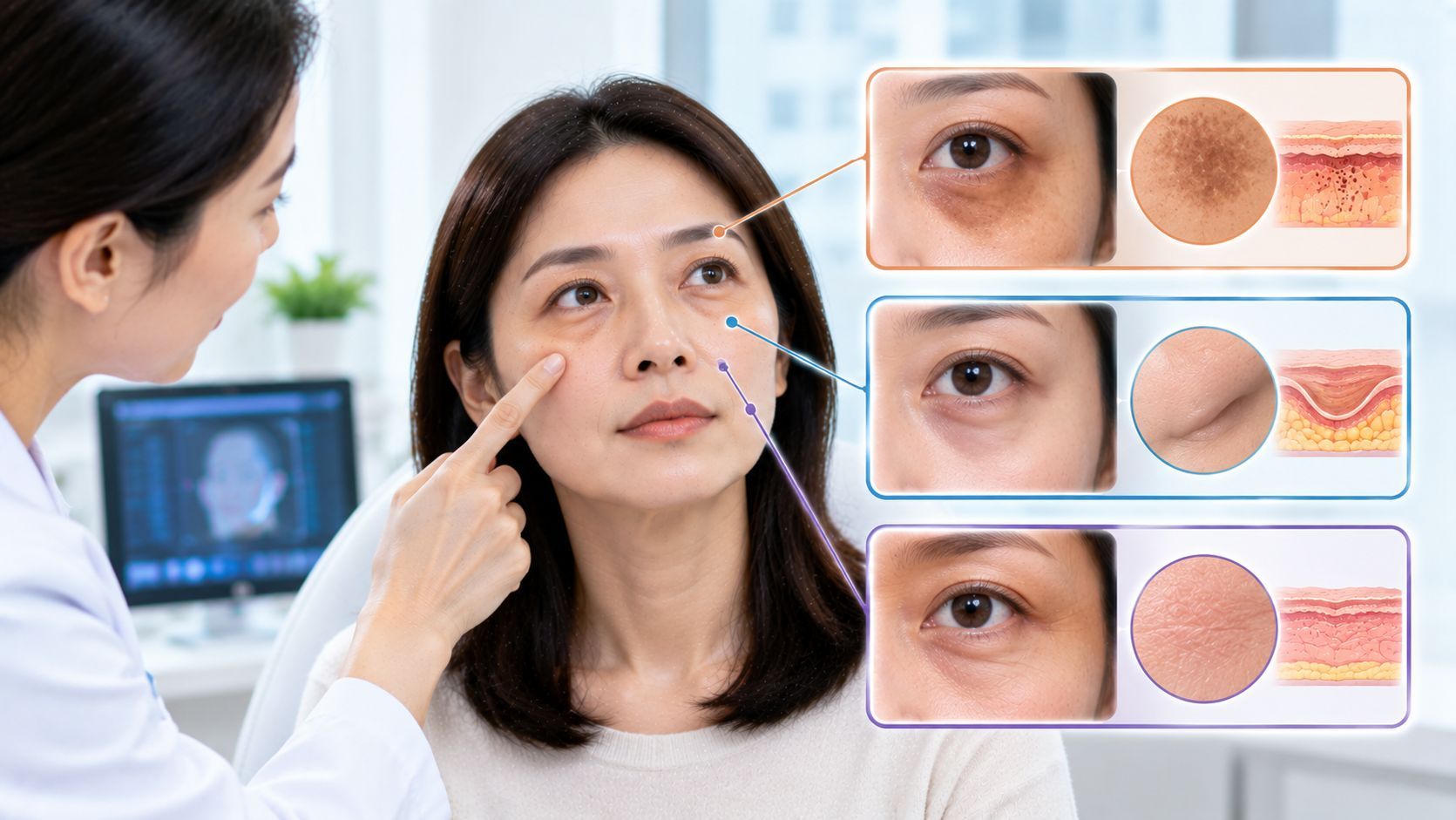
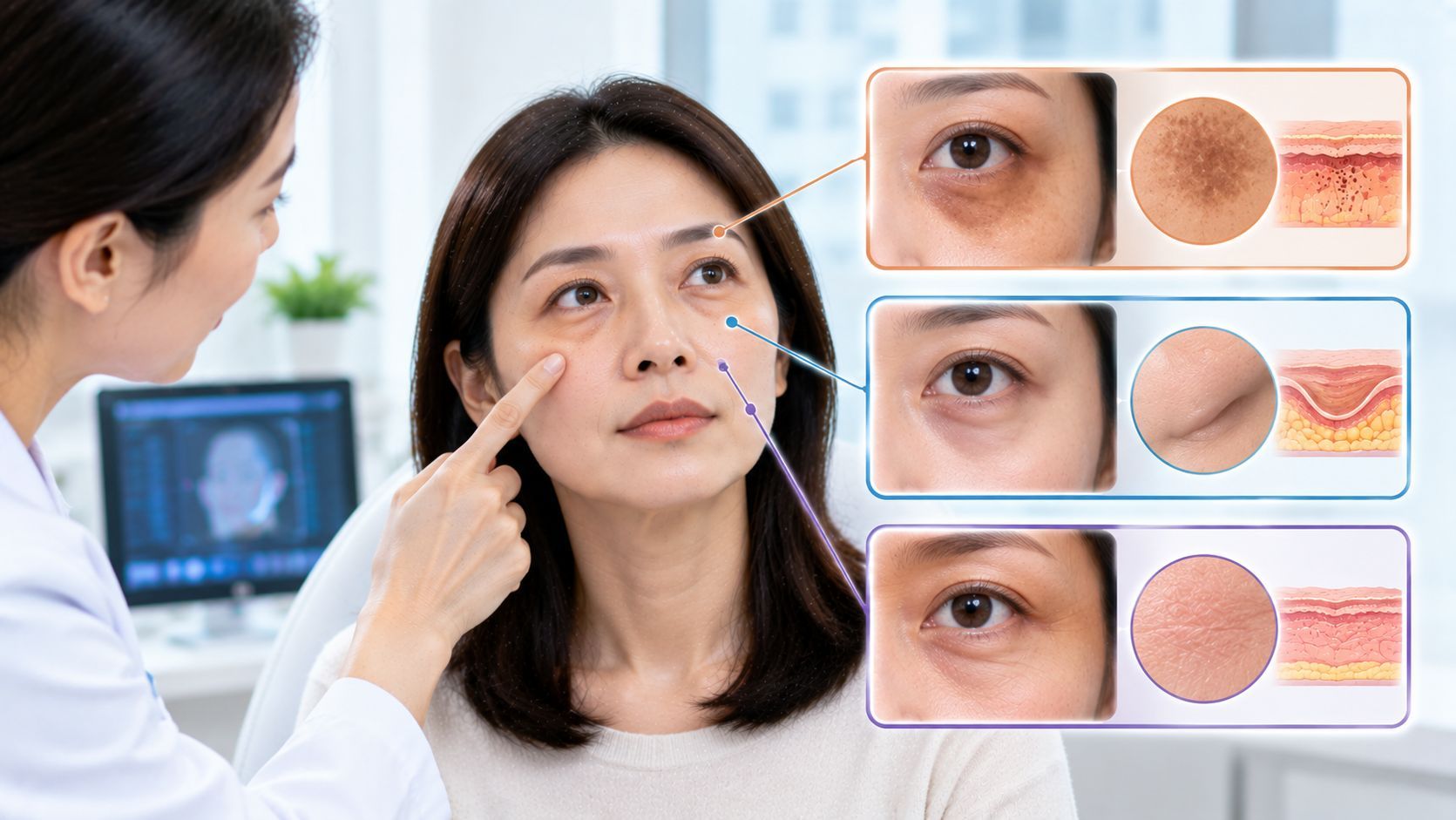
Dark circles
Dark circles can make the face appear fatigued even when you are well rested. They can result from pigmentation, visible blood vessels through thin skin, genetics, aging, allergies, or shadows created by hollows beneath the eyes.
This distinction is important because treating pigmentation will not necessarily correct a structural hollow, and treating a hollow will not necessarily remove brown pigmentation.
Under-eye hollows and shadows
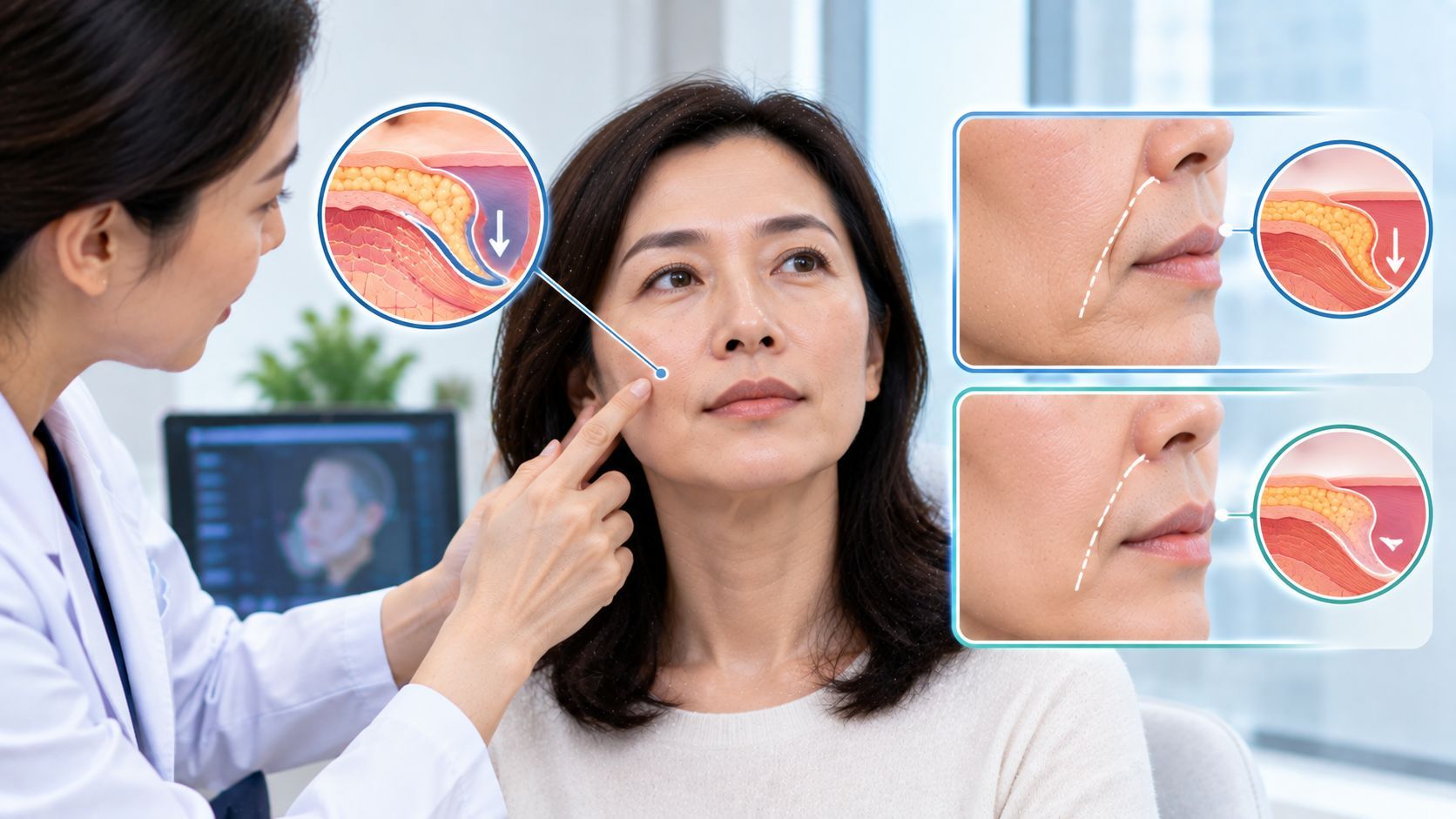
A hollow beneath the eye can create a shadow that resembles a dark circle. With aging, changes in skin thickness, facial volume, and the tissues around the eye can make this shadow more noticeable.
If your eyes look "sunken" or your face appears tired despite adequate sleep, the issue may be structural rather than related to fatigue.
Puffiness
Puffy eyelids can also create a tired appearance. Fluid accumulation, allergies, irritation, and changes around the eye can contribute to swelling. Sometimes the combination of puffiness above the eye and a hollow below it creates particularly noticeable shadows.
Dull or uneven skin
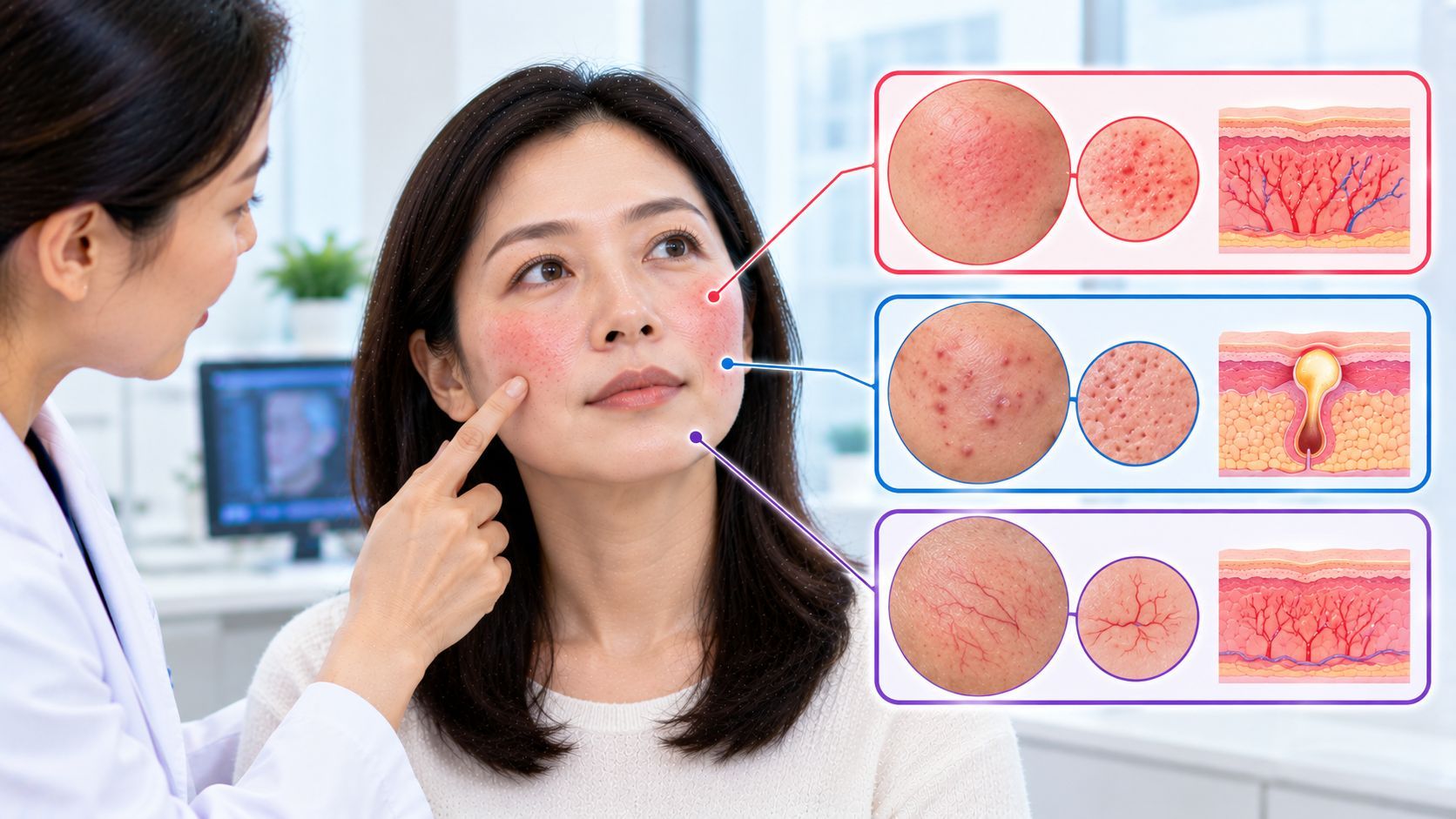
A complexion that looks dry, rough, uneven, or pigmented can make the face appear older or more fatigued. Sun exposure is an important contributor to premature visible skin aging, including uneven pigmentation and loss of elasticity.
Fine lines and skin laxity
Fine lines, wrinkles, and gradually reduced skin firmness can change how light reflects from the face. This can make the skin look less smooth and contribute to an overall tired appearance.
Which Treatments Actually Help?
For dull, uneven, or sun-damaged skin
If your main concern is a complexion that looks dull or uneven, treatment may focus on skin quality and pigmentation rather than facial volume.
Depending on the diagnosis, a dermatologist may consider:
- Medical skincare
- Chemical peels
- Laser or light-based treatments
- Microneedling
- Other skin-rejuvenation procedures
The appropriate treatment depends on your skin type, pigmentation pattern, sensitivity, and the underlying cause. Dermatologists commonly emphasize consistent sun protection and appropriate skincare as the foundation of an anti-aging routine.
For dark circles caused mainly by pigmentation
Pigment-related dark circles may be approached with topical treatments, selected chemical peels, or certain laser-based procedures.
However, the under-eye area requires particular care. Not every pigment treatment is appropriate for every skin type, and excessive irritation can make some pigmentation problems more noticeable.
A medical assessment is useful when the cause is unclear.
For under-eye hollows
If the tired appearance comes primarily from a tear-trough hollow, restoring volume may sometimes improve the shadow.
Hyaluronic acid fillers are one possible medical option for appropriately selected patients. However, under-eye filler is a technically sensitive procedure and is not suitable for everyone. Other approaches, including surgical treatment in selected cases, may be considered depending on anatomy and the presence of excess skin or fat. Medical sources also emphasize that different causes of dark circles require individualized treatment.
For fine lines and early skin aging
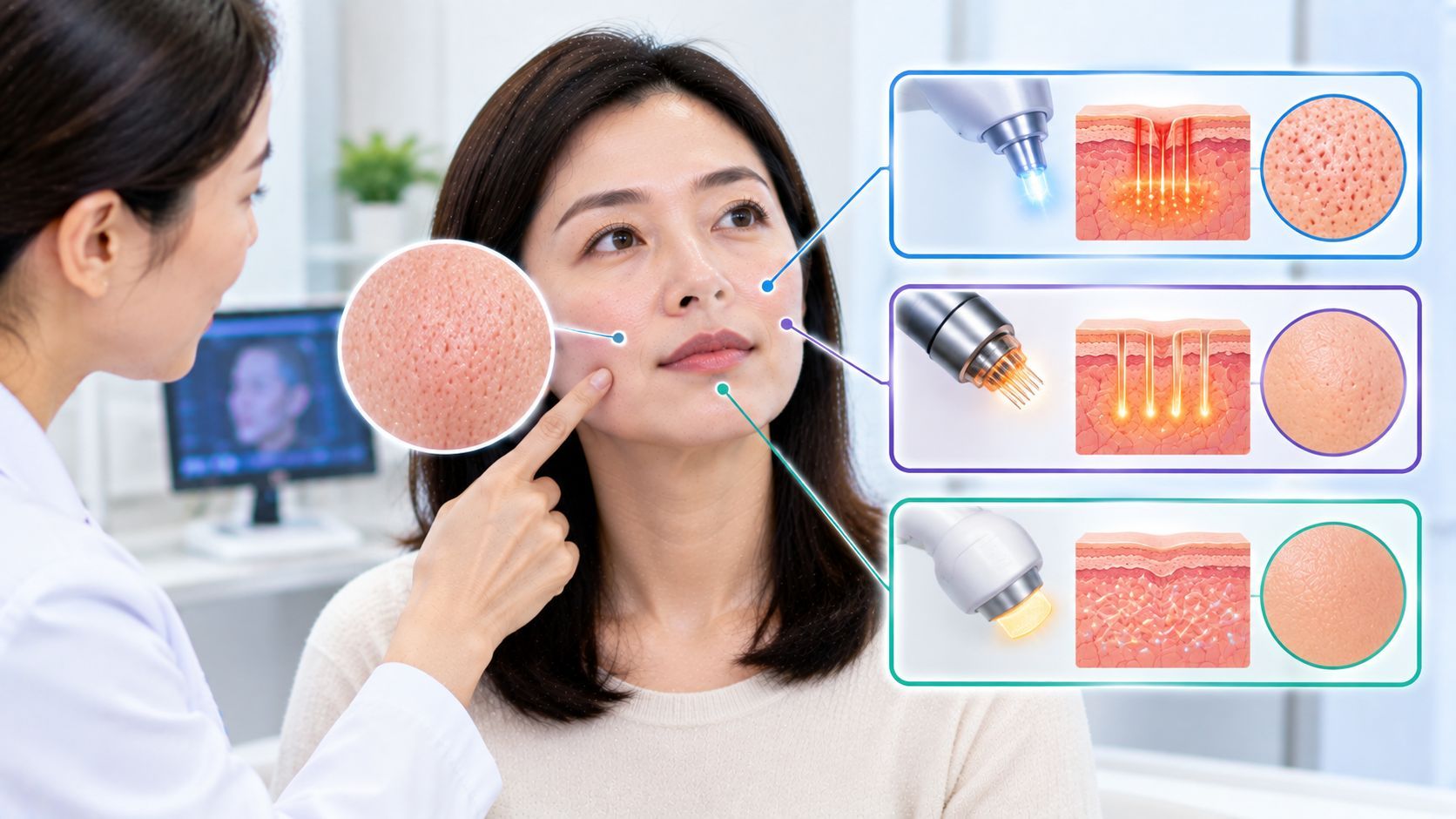
If your face looks tired because of fine lines, texture changes, or early loss of firmness, treatments may focus on improving skin quality.
Depending on the patient's concerns, options can include:
- Laser resurfacing or other laser treatments
- Microneedling
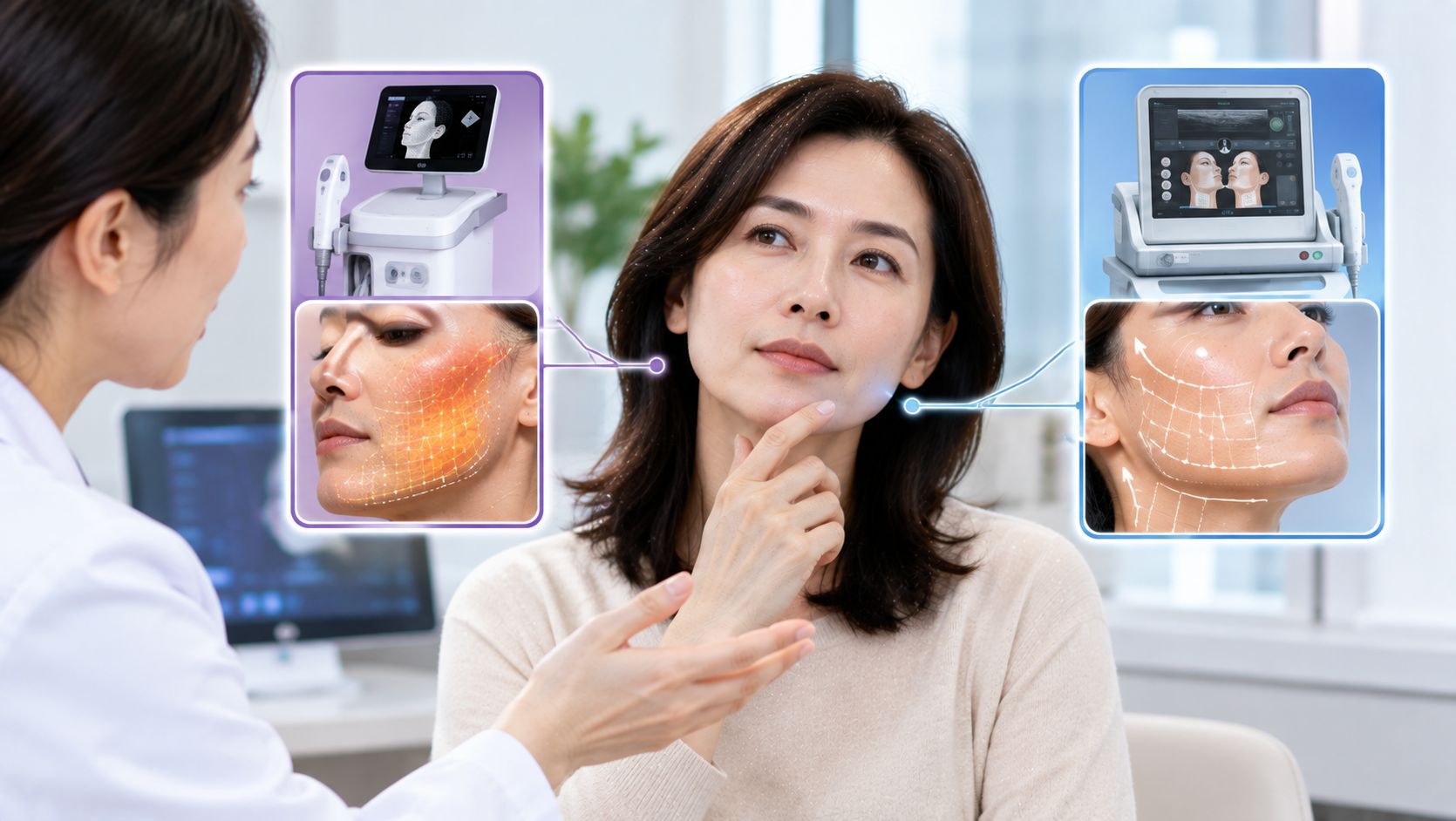
- Radiofrequency-based treatments
- Selected ultrasound-based skin-tightening procedures
- Chemical peels
- Medical skincare
The expected result depends on the severity of the problem. Non-surgical treatments may improve texture, fine lines, or mild laxity, but they cannot reproduce the tissue repositioning achieved by surgery when significant sagging is present. The American Academy of Dermatology lists options ranging from skincare to laser resurfacing and radiofrequency for selected skin-firming concerns.
For a face that looks "flat" or depleted
Some people describe their face as tired because they have lost facial fullness rather than because their skin is simply loose.
Age-related facial changes can include loss of youthful fullness. In selected patients, carefully planned injectable treatments may restore volume and improve facial proportions.
This does not mean that more filler automatically produces a younger-looking face. Overcorrection can make the face appear swollen or unnatural. The treatment should be based on facial anatomy and the location of the actual volume deficit.
What If Several Problems Are Happening at Once?
Combination treatment may make more sense
A tired-looking face is often multifactorial.
For example, someone in their 40s might have:
- Mild under-eye hollows
- Brown pigmentation
- Fine lines
- Dull skin
- Early jawline laxity
Treating only one of these issues may produce an incomplete improvement.
A consultation can therefore be more useful when it evaluates the entire face rather than automatically recommending a single procedure.
Avoid treating the symptom instead of the cause
One of the most important decisions is determining whether the tired appearance comes from color, shadow, volume, texture, swelling, or laxity.
For example, adding volume will not correct every type of dark circle. Similarly, tightening the skin will not necessarily remove pigmentation, and a pigment treatment cannot restore lost facial volume.
What Can You Do Before Considering Treatment?
Protect your skin consistently
Daily broad-spectrum sunscreen is one of the most important steps for reducing cumulative ultraviolet damage. The AAD recommends broad-spectrum SPF 30 or higher as part of protecting skin from premature aging.
Keep the skin moisturized
As skin ages, it can become drier. Moisturizers help retain water in the skin and can temporarily improve the appearance of fine lines and dryness.
Do not assume every tired appearance is cosmetic
If a change is new, pronounced, one-sided, associated with significant swelling, or accompanied by other symptoms, it should not automatically be treated as an aesthetic issue.
Persistent or unusual changes deserve appropriate medical evaluation.
Choosing Treatment in Seoul
For international patients considering cosmetic dermatology in Seoul, the consultation should focus on diagnosis and treatment matching rather than simply selecting the most popular procedure.
Before treatment, ask:
- What specifically makes my face look tired?
- Is the main problem pigmentation, hollowing, puffiness, skin quality, or laxity?
- What improvement can realistically be achieved?
- Would one treatment address the problem, or is a combination more appropriate?
- What downtime should I expect?
- What are the possible side effects and limitations?
- Will I need follow-up before returning home?
This is especially important for medical tourists because recovery requirements can affect how long you should stay in Korea and when you should schedule your flight.
Risks and Limitations
No cosmetic treatment can guarantee that a face will look permanently younger or more rested.
Depending on the procedure, potential side effects can include redness, swelling, bruising, tenderness, irritation, pigmentation changes, infection, asymmetry, contour irregularities, or other treatment-specific complications. Injectable procedures have additional risks and should be performed by appropriately qualified medical professionals.
Results also vary according to age, anatomy, skin type, existing conditions, treatment selection, and individual healing. A consultation is therefore important before deciding on a procedure.
Conclusion
If your face looks tired even though you are sleeping well, look beyond sleep as the explanation. Dark circles, under-eye hollows, puffiness, dull or uneven skin, fine lines, volume loss, and early skin laxity can all contribute to a fatigued appearance.
The most effective treatment is the one that addresses the actual cause. Pigmentation may require a different approach from under-eye hollowing, while skin laxity and volume loss may require entirely different strategies. Rather than choosing a treatment based on the word "rejuvenation," start with an assessment of what is actually changing the appearance of your face.
FAQs
Why does my face look tired even when I sleep enough?
Sleep is only one factor. Aging, genetics, dark circles, under-eye hollows, puffiness, pigmentation, skin dryness, fine lines, and facial volume changes can all make the face appear tired.
What is the best treatment for a tired-looking face?
There is no single best treatment. The appropriate option depends on whether the main concern is pigmentation, under-eye hollowing, puffiness, skin texture, volume loss, or laxity.
Can fillers make a tired face look better?
Fillers may help selected patients when loss of volume or under-eye hollowing creates shadows. They are not appropriate for every cause of a tired appearance and require careful assessment because the under-eye region is particularly delicate.
Can laser treatment help a tired-looking face?
Certain laser treatments may improve selected pigmentation, texture, fine lines, or other signs of photodamage. The appropriate laser depends on the specific skin concern and skin type.
Will skin-tightening treatment make me look less tired?
It may help when mild skin laxity contributes to the appearance. However, tightening will not necessarily correct pigmentation, under-eye hollows, or volume loss.
Should I combine several facial treatments?
Combination treatment can sometimes make sense when multiple concerns contribute to the tired appearance. However, combining procedures is not automatically better. A qualified professional should determine whether the treatments are appropriate together, including their timing and recovery requirements.