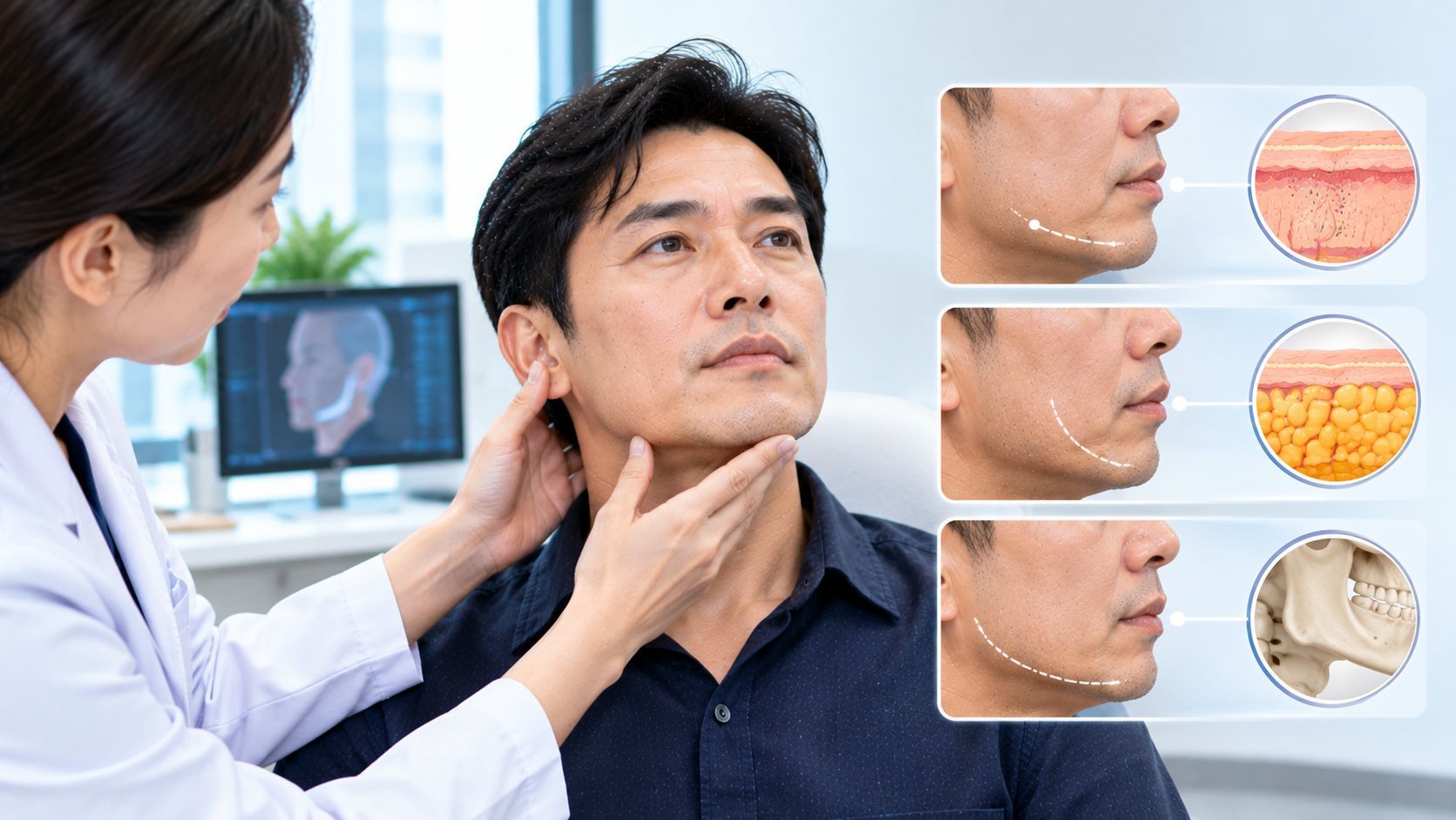
Should I Wait Until My Weight Stabilizes Before Getting Thermage?
Introduction
If you have recently lost a significant amount of weight and are considering Thermage for loose or aging-looking facial skin, one of the most important questions is whether you should wait until your weight stabilizes first.
In many cases, waiting for substantial weight loss to slow or stabilize can make it easier to evaluate your true facial concerns and plan treatment. Continued weight loss may cause additional facial volume loss and changes in skin laxity, meaning that the face you treat today may not look the same after several more kilograms of weight loss. At the same time, you do not necessarily have to postpone every treatment until your weight has been completely unchanged for a long period.
The decision depends on how much weight you have lost, whether you are still actively losing weight, how much facial volume has disappeared, and whether your main concern is loose skin rather than facial deflation.
Why Does Weight Stability Matter Before Thermage?
Your Facial Structure May Still Be Changing
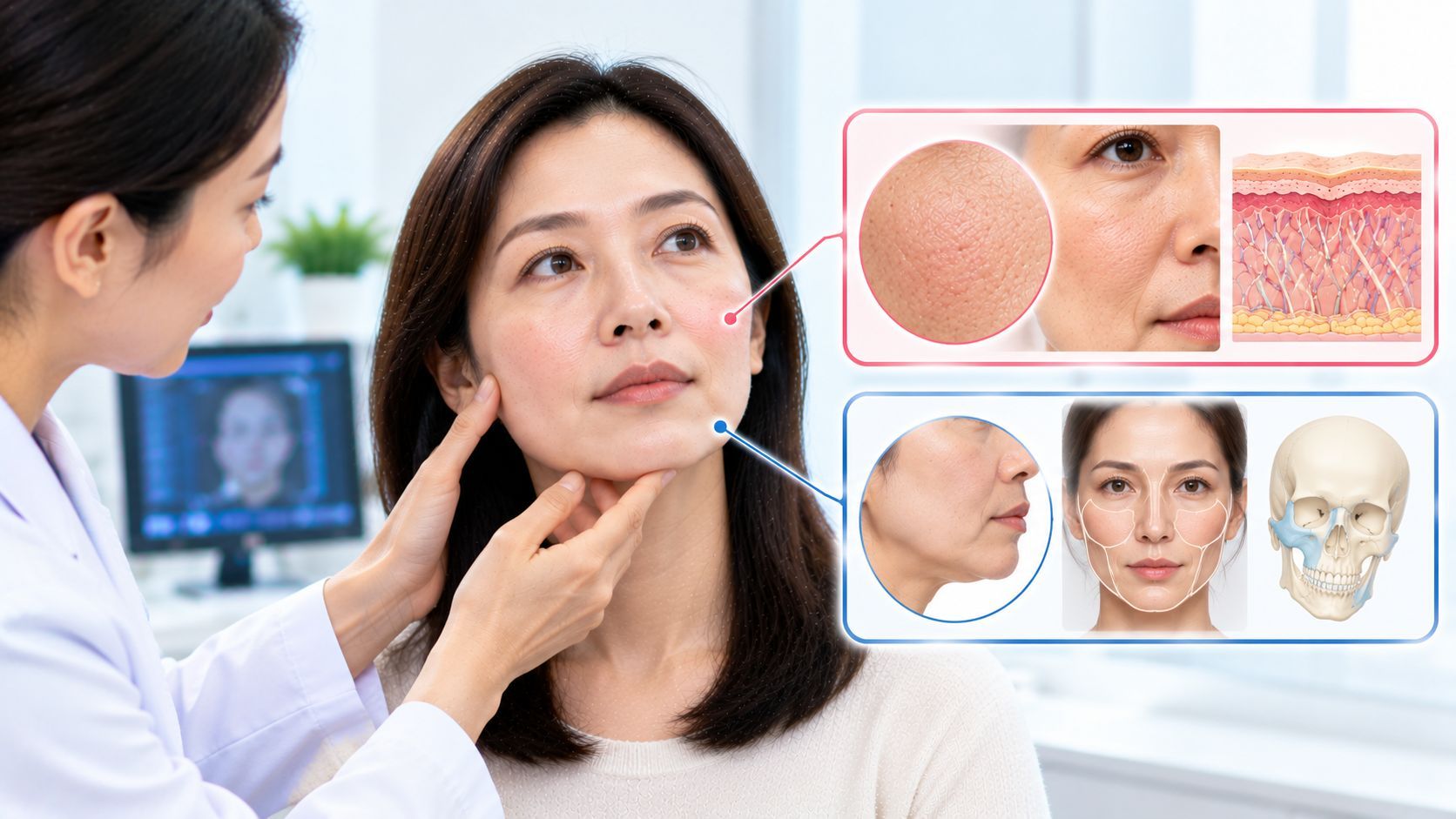
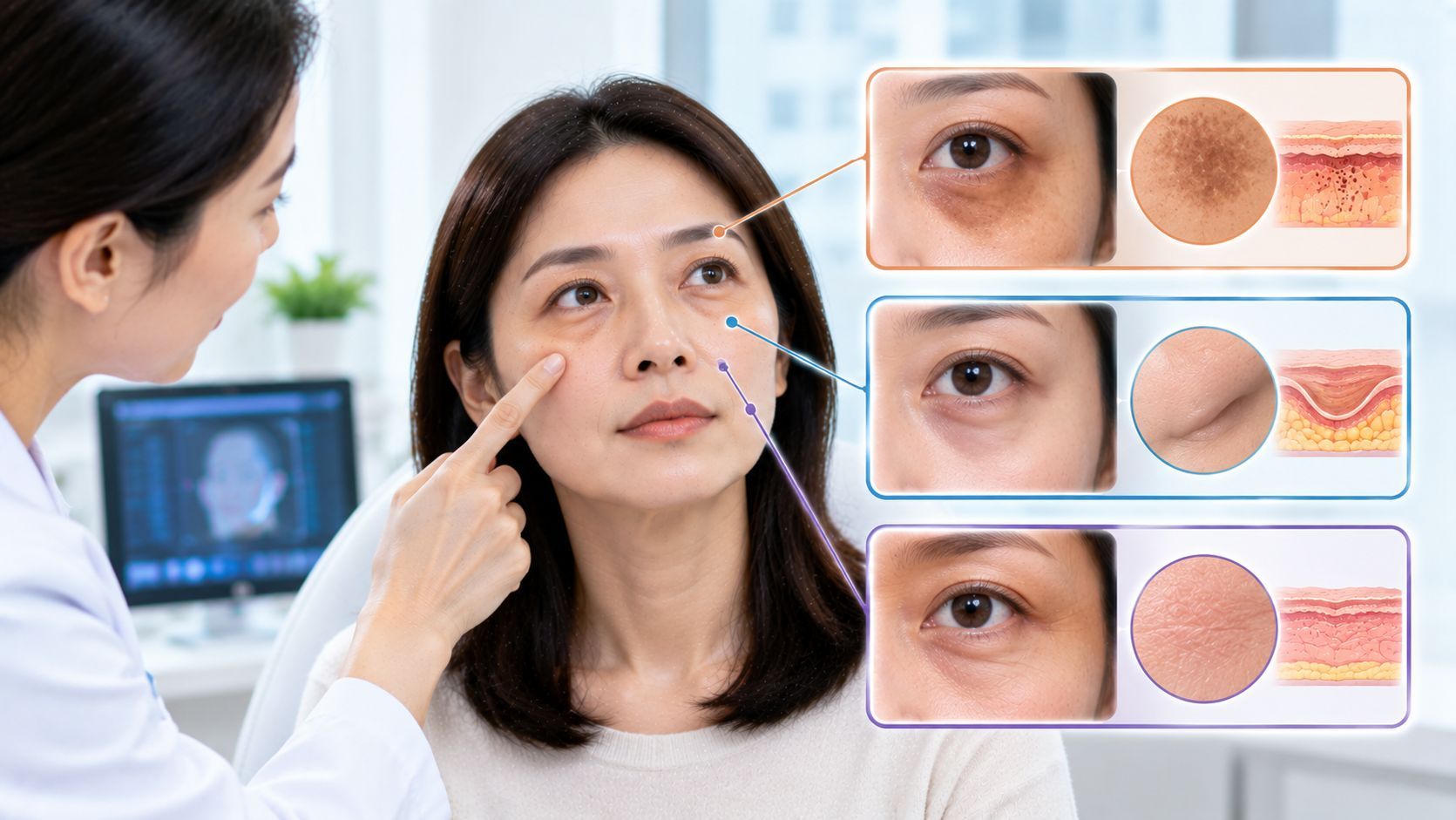
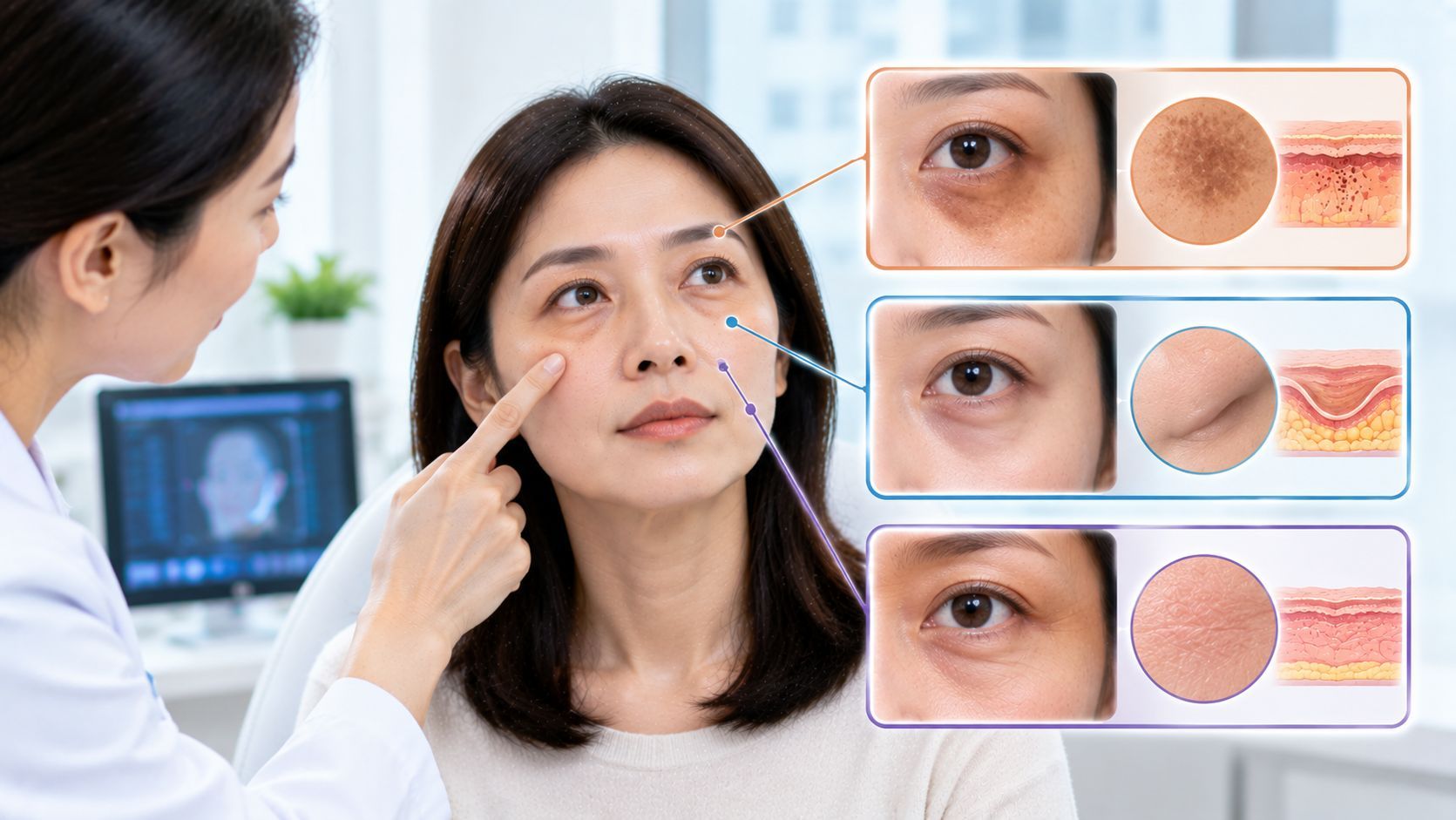
Weight loss can affect facial fat, skin laxity, and overall facial proportions.
People who lose weight rapidly may notice:
- Less cheek fullness
- Hollowing around the temples
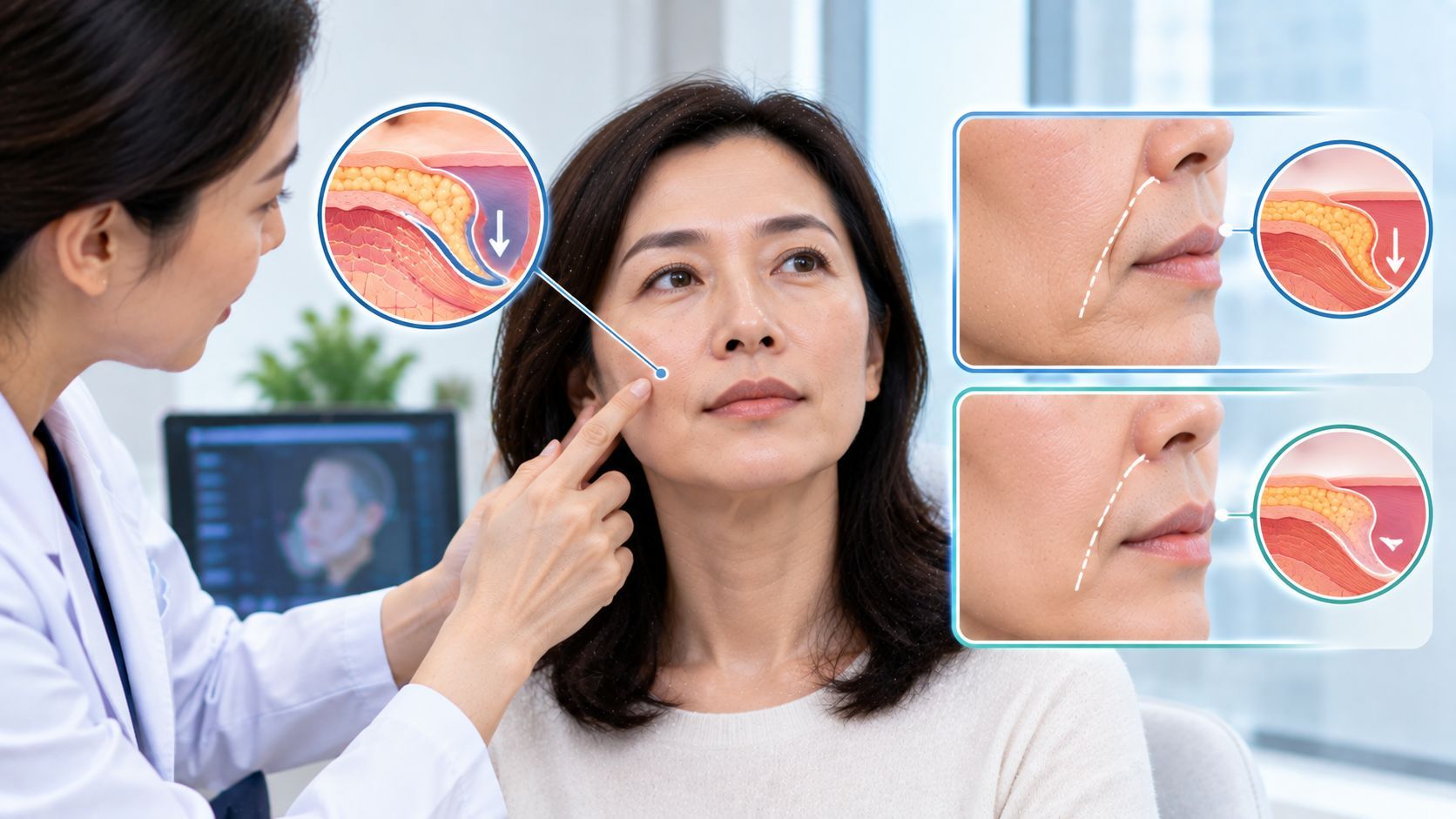
- More visible folds
- Looser skin around the jawline
- More noticeable jowls
- A thinner-looking face
The American Academy of Dermatology notes that rapid weight loss can be associated with less facial fullness, sagging skin, wrinkles, and a crepey appearance.
If weight loss continues after Thermage, additional changes may occur independently of the treatment.
You May Not Know Your Final Treatment Needs Yet
Suppose your face currently has mild jowling and some loose skin.
If you continue losing a substantial amount of weight, you may develop additional volume loss. What initially looked like a simple tightening problem could eventually become a combination of:
volume loss + skin laxity + facial hollowing.
In that situation, Thermage alone may no longer address your main concern.
What Is Thermage?
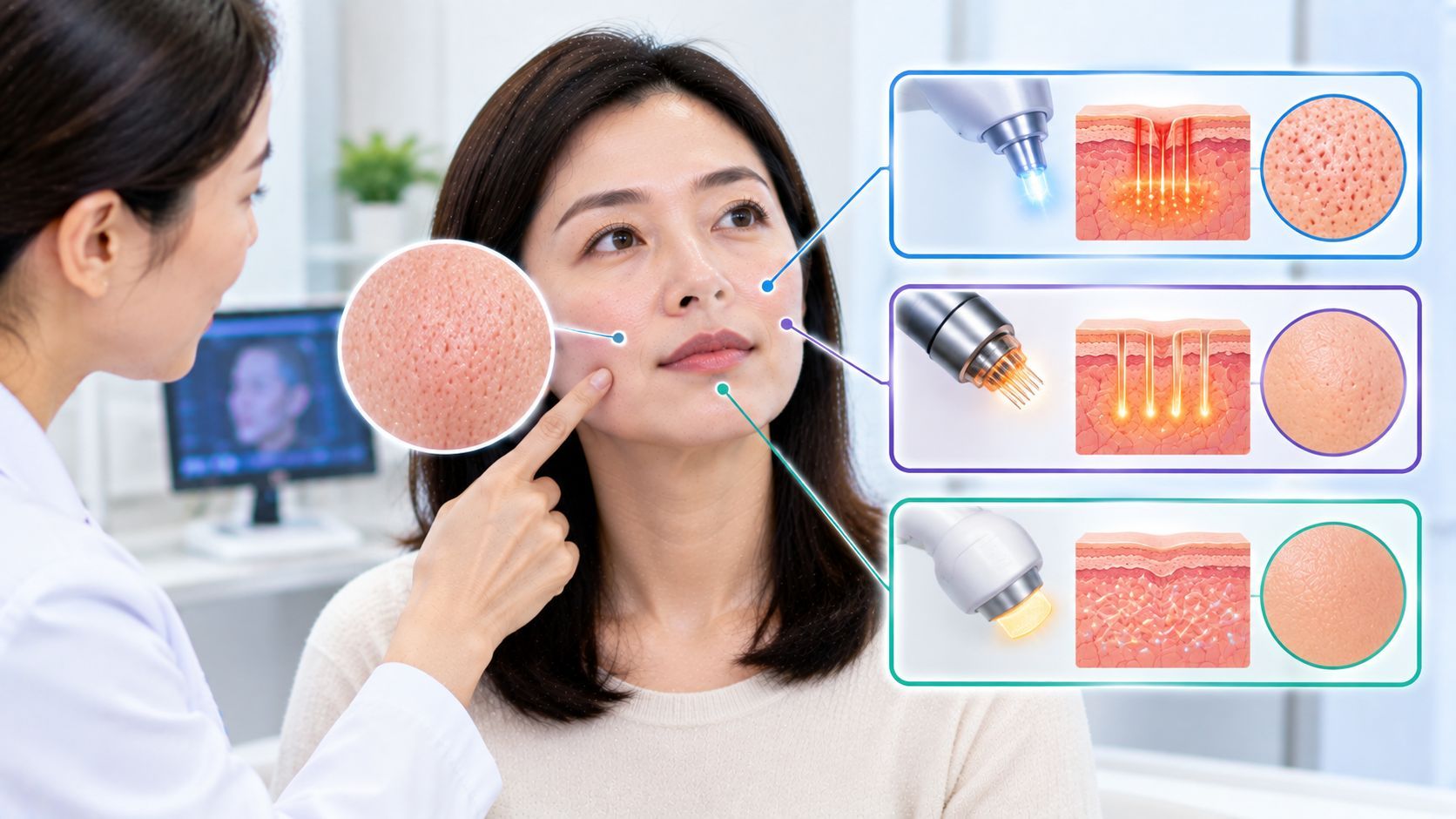
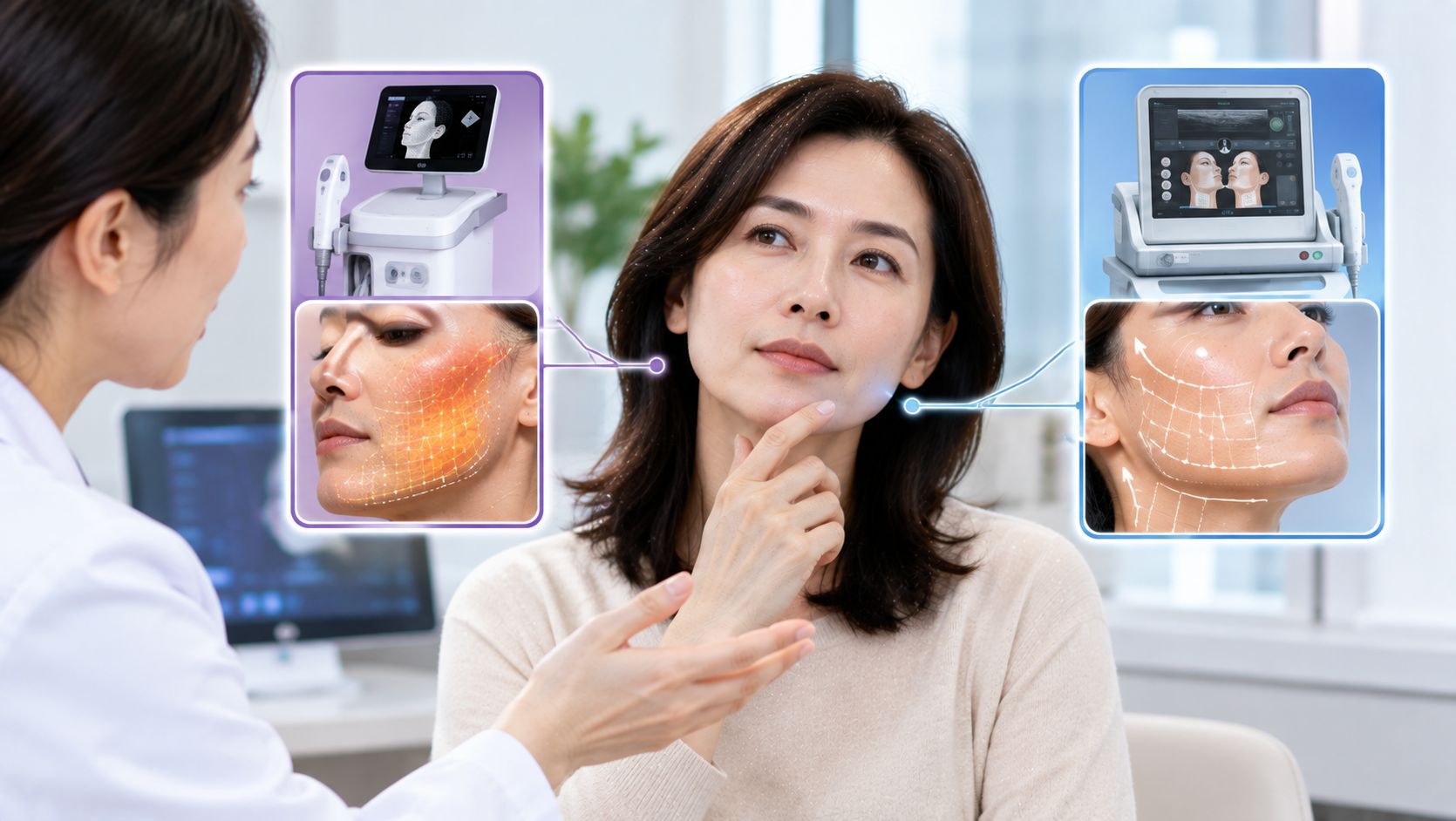
Thermage is a non-invasive radiofrequency-based treatment designed to heat targeted tissue and stimulate collagen remodeling.
The purpose is generally to improve skin firmness and the appearance of laxity without surgery.
Radiofrequency treatments have been studied for facial skin laxity, with evidence suggesting that RF can promote collagen remodeling and improve measures of elasticity and skin firmness.
However, Thermage should not be considered a substitute for restoring large amounts of lost facial volume.
This distinction becomes particularly important after major weight loss.
Should You Always Wait Until Your Weight Is Stable?
Not necessarily.
If you have reached or are close to your target weight and only expect minor fluctuations, your dermatologist may feel comfortable assessing your skin laxity and discussing Thermage.
On the other hand, if you are still losing weight rapidly, waiting may provide a more predictable picture of your eventual facial appearance.
The AAD notes that people tend to be better candidates for non-surgical skin tightening when they are at a healthy weight and maintain that weight, particularly when the amount of sagging is relatively small.
This does not establish a universal waiting period. There is no single number of weeks or months that applies to everyone.
When Might It Make Sense to Wait?
You Are Still Losing Weight Quickly
If the scale is continuing to drop significantly, your facial volume may continue changing.
Waiting can help your dermatologist distinguish between temporary or evolving changes and the amount of laxity that is likely to remain.
You Have Significant Facial Hollowing
If your cheeks, temples, or midface have become noticeably hollow, tightening may not be the only issue.
Additional weight loss could make that hollowing more pronounced.
In this situation, it may be better to reassess your facial volume before committing to an aggressive tightening strategy.
You Expect More Major Weight Loss
If you have a substantial amount of weight left to lose, your facial appearance could change considerably.
It may be more logical to focus first on your weight-management plan and then reassess your skin and facial volume.
When Might You Not Need to Wait?
Your Weight Is Nearly Stable
If you have already reached your target or your weight changes are relatively small, treatment planning may be more straightforward.
Loose Skin Is Your Main Concern
If your face has enough volume but the skin itself looks lax, a tightening treatment may address the primary problem.
You Have Mild to Moderate Laxity
Non-invasive tightening is generally better suited to patients with a smaller amount of sagging. The AAD explains that these procedures can provide modest tightening, whereas substantial sagging may require a surgical approach.
Could Thermage Make a Post-Weight-Loss Face Look Thinner?
This is one of the most important questions to discuss with your dermatologist.
Radiofrequency treatments are intended to tighten and remodel tissue, but some RF technologies and treatment settings can also affect subcutaneous tissue. A systematic review of RF facial rejuvenation found evidence of improved laxity and elasticity but also reported volumetric fat changes with some RF approaches.
That does not mean Thermage will automatically remove facial fat or make every thin face thinner.
It does mean that the treatment should be selected and performed with your existing facial volume in mind.
If you already have:
- Very thin cheeks
- Hollow temples
- Significant facial deflation
- Prominent bony contours
- Low facial fat
you should specifically tell your doctor that preserving facial volume is an important goal.
What If I Have Both Loose Skin and Volume Loss?
This is common after major weight reduction.
Imagine that your cheeks have become flatter while the lower-face skin has become looser.
Thermage may potentially improve the skin laxity, but it will not recreate the facial volume you lost.
Your dermatologist may therefore consider whether you need:
- Skin tightening
- Volume restoration
- Collagen stimulation
- Skin-quality treatment
- A staged combination
Recent literature on facial changes associated with weight loss emphasizes that multiple anatomical changes can occur simultaneously, making individualized treatment planning particularly important.
Could Thermage Be Used Before Your Weight Is Fully Stable?
Potentially, yes.
The question is less about reaching a specific number on the scale and more about how much additional facial change is expected.
For example, someone who has lost most of their planned weight and expects only minor fluctuations may have a very different treatment situation from someone who has just started a major weight-loss program.
Your dermatologist should consider:
- How much weight you have already lost
- Whether weight is still decreasing rapidly
- Your current facial volume
- Degree of skin laxity
- Age and skin elasticity
- Whether you have hollowing
- Whether you are taking a medication associated with significant weight loss
- Your desired timing for treatment
How Long Do Thermage Results Take?
Thermage and other non-invasive RF treatments do not work like an immediate facelift.
The intended effect involves tissue heating and collagen remodeling, so improvement develops gradually.
The AAD notes that radiofrequency skin tightening can produce some immediate sensation of tightening, while collagen production and the best visible results develop over time, with improvement often assessed over several months.
A 2025 study of monopolar RF also found improvements in facial laxity and elasticity over follow-up, with histologic evidence of increased collagen and elastic fibers.
Results vary, however, and a clinical study of one RF system should not be interpreted as proof that every RF device produces identical results.
What If You Continue Losing Weight After Thermage?
You can still lose weight after treatment, but additional weight loss may change the appearance of your face.
For example, if Thermage improves your jawline but you subsequently lose substantial facial volume, you may later notice:
- More hollow cheeks
- Less midface fullness
- Increased skin laxity
- More visible folds
- Changes in the jawline
That does not necessarily mean Thermage “failed.” The underlying facial anatomy may simply have changed.
What Should International Patients Consider Before Thermage in Korea?
If you are traveling to Korea specifically for treatment, timing matters because you need to consider both the procedure and your travel schedule.
Before booking, ask the clinic:
1. Is my weight stable enough for treatment?
Ask the dermatologist whether your current facial condition is likely to change significantly with additional weight loss.
2. Do I have enough facial volume for RF tightening?
Tell the doctor if you are concerned about preserving facial fullness.
3. Is Thermage actually treating my main problem?
Your problem might be volume loss rather than skin laxity.
4. Would another treatment be more appropriate?
A qualified physician should be willing to explain alternatives rather than automatically recommending one procedure.
5. How soon can I travel after treatment?
Non-invasive RF usually has limited downtime, but individual recommendations vary.
Thermage vs. Waiting: Which Makes More Sense?
SituationPossible approachStill losing substantial weightConsider waiting and reassessingWeight nearly stableTreatment may be reasonable after evaluationMild loose skinNon-invasive tightening may be appropriateSignificant facial hollowingAssess volume before tighteningLoose skin + volume lossConsider a staged or combination planLarge amount of excess skinDiscuss whether surgery is more appropriate
This is a framework rather than a medical rule.
What If You Have Significant Loose Skin?
Thermage has limitations.
Non-invasive RF can provide gradual improvement in firmness, but it cannot remove large amounts of redundant skin.
The AAD explains that surgical lifting procedures generally provide the most dramatic results, while non-invasive procedures offer more modest improvement and less downtime.
If weight loss has left you with substantial excess skin around the face or neck, a consultation with a qualified plastic surgeon may be more appropriate than repeatedly increasing non-surgical energy treatments.
Risks and Limitations
Thermage and other RF procedures are not risk-free.
Depending on the device and treatment settings, patients may experience temporary redness, swelling, tenderness, discomfort, or other treatment-related effects. Excessive or inappropriate energy delivery can cause thermal injury.
RF treatment parameters also vary between devices, and published evidence is not equally strong for every technology. Reviews have noted differences in study quality and treatment parameters across RF systems.
This is why treatment should be performed by an appropriately qualified medical professional who understands facial anatomy and the specific device being used.
Conclusion
You do not necessarily have to wait until your weight is perfectly stable before getting Thermage, but waiting can make sense if you are still experiencing substantial weight loss.
The main reason is that your facial anatomy may continue changing. Additional weight loss can create further facial volume loss and laxity, potentially changing what treatment you actually need.
If your weight is close to stable and your main concern is mild-to-moderate loose skin, Thermage may be considered after an appropriate assessment. If your face has become significantly hollow or thin, preserving facial volume should be an important part of the treatment discussion.
The goal should not simply be to tighten as much as possible. The goal is to create better facial balance while respecting the volume you still have.
FAQs
How long should I wait after losing weight before getting Thermage?
There is no universal waiting period. The more important question is whether you are still losing substantial weight and whether your facial appearance is continuing to change.
Can I get Thermage while taking a weight-loss medication?
It may be possible, but your doctor should know about your medication and weight-loss progress. Continued rapid weight loss may alter your facial volume after treatment.
Can Thermage make my face thinner after weight loss?
Thermage is intended primarily for tightening and collagen remodeling, but facial volume should be considered carefully, particularly in someone who already has a thin or hollow face.
Is Thermage good for jowls after weight loss?
It may help when jowling is primarily related to mild-to-moderate skin laxity. If jowling is associated with substantial volume loss or excess skin, additional treatment may be needed.
Should I get filler before or after Thermage?
There is no universal sequence. Your dermatologist should determine whether volume restoration or skin tightening is the more important first step based on your facial anatomy.
Is Thermage enough for loose skin after major weight loss?
It may help mild-to-moderate laxity, but significant excess skin may not respond adequately to non-surgical tightening. Surgical lifting may provide a more substantial correction in advanced cases.