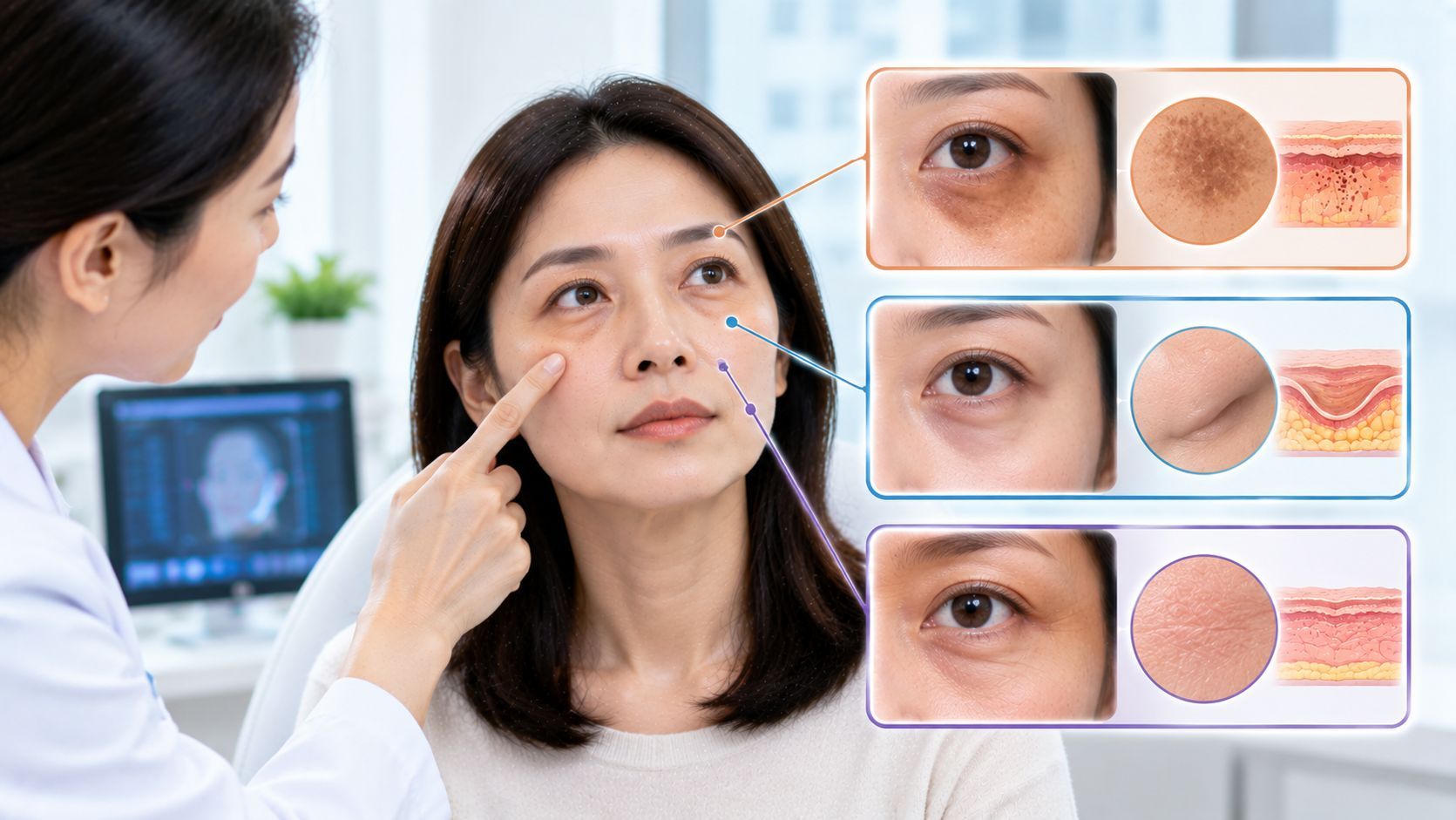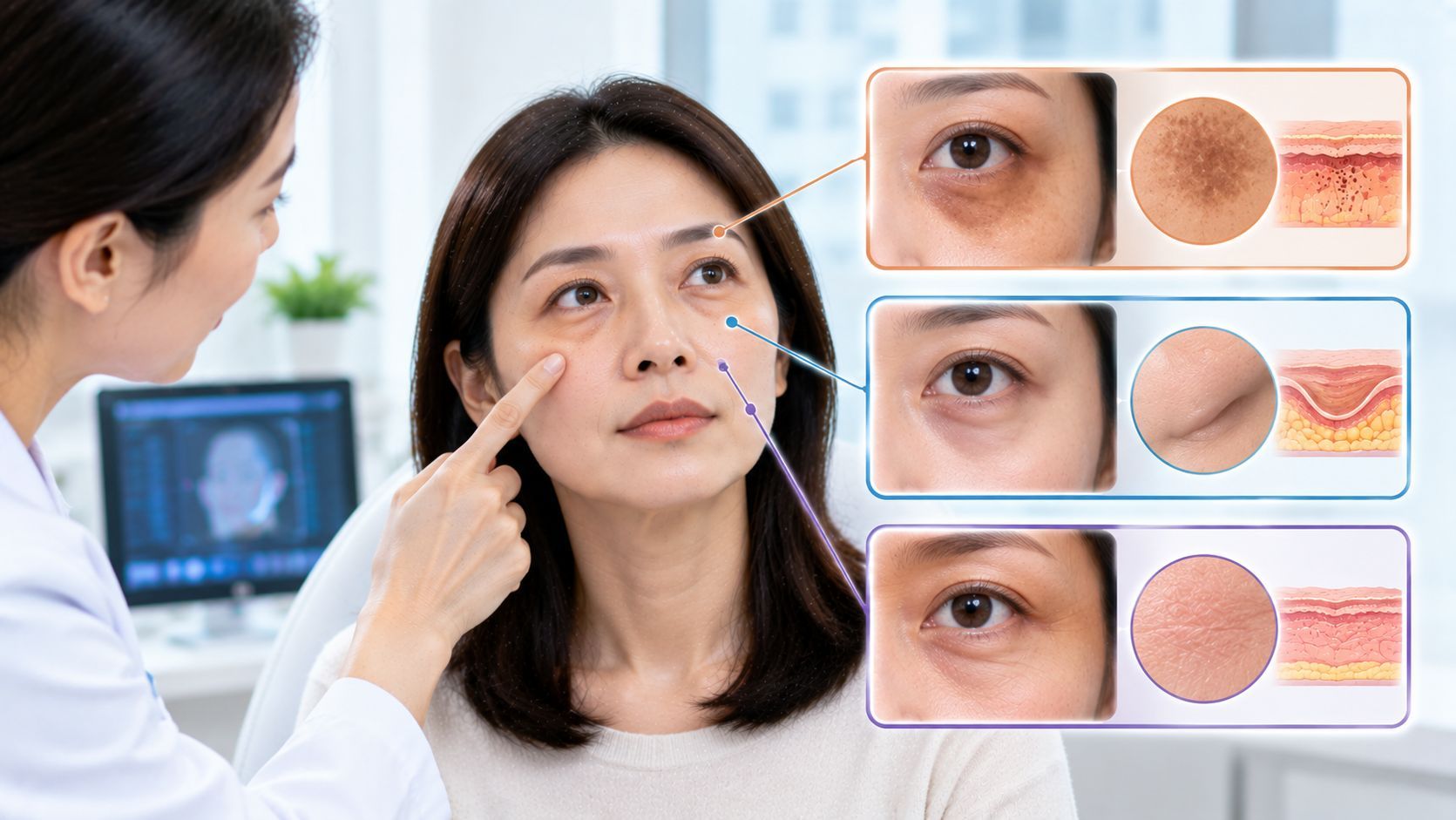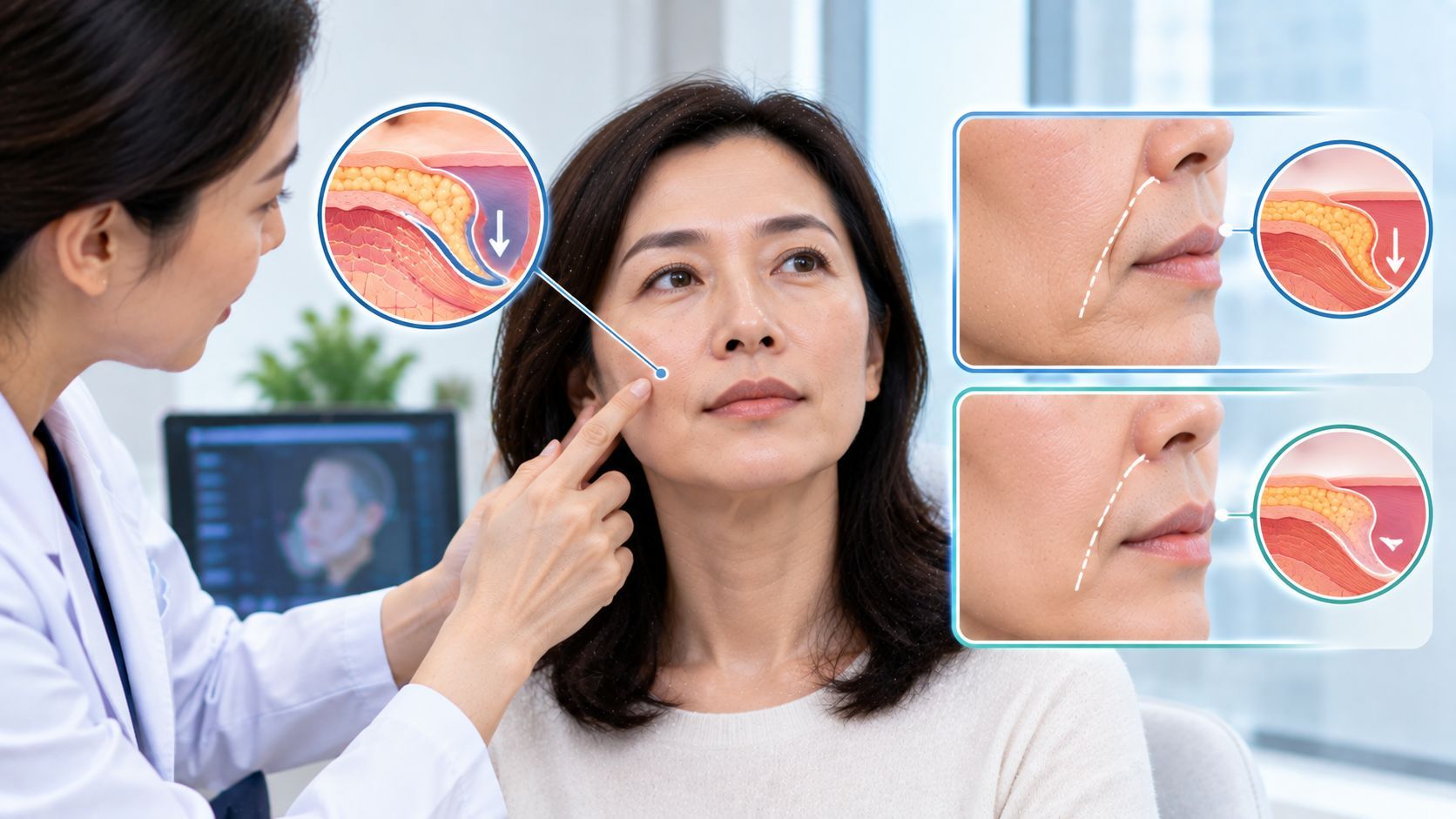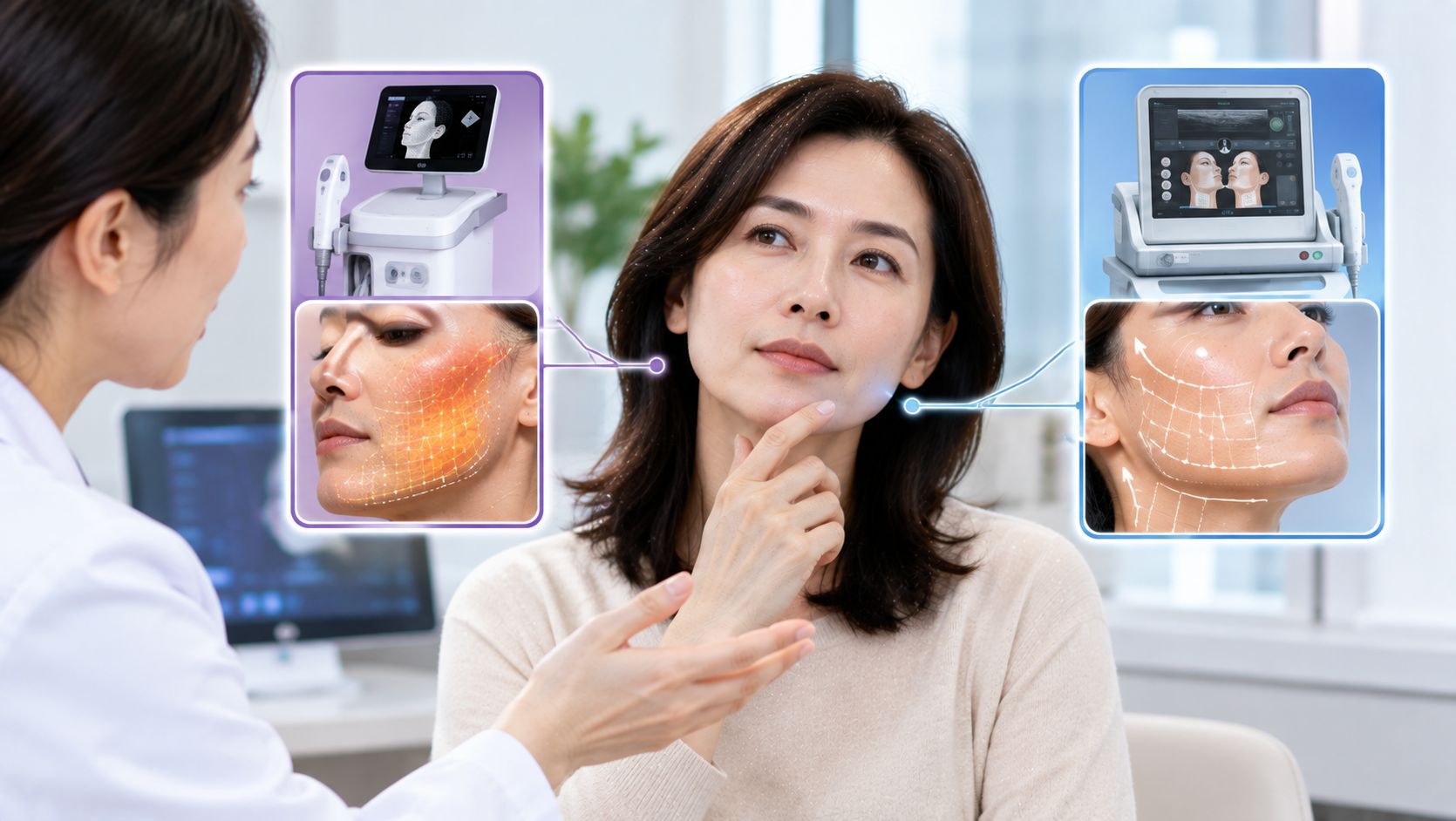
Korean Clinics That Specialize in Rosacea & Redness
Korean Clinics That Specialize in Rosacea & Redness
Rosacea and persistent facial redness are treated very differently in Korean dermatology compared to general skincare. In Seoul—especially in Gangnam and Myeongdong—there are clinics that focus specifically on vascular skin conditions, using targeted lasers, barrier repair therapies, and inflammation control protocols rather than aggressive resurfacing. The core philosophy is simple: calm the vessels, reduce inflammation, and strengthen the skin barrier to prevent flare-ups long-term.
Vascular-Focused Dermatology Clinics (Rosacea Specialists)
Specialized rosacea clinics in Seoul typically build their entire treatment system around vascular lasers and sensitive-skin protocols.
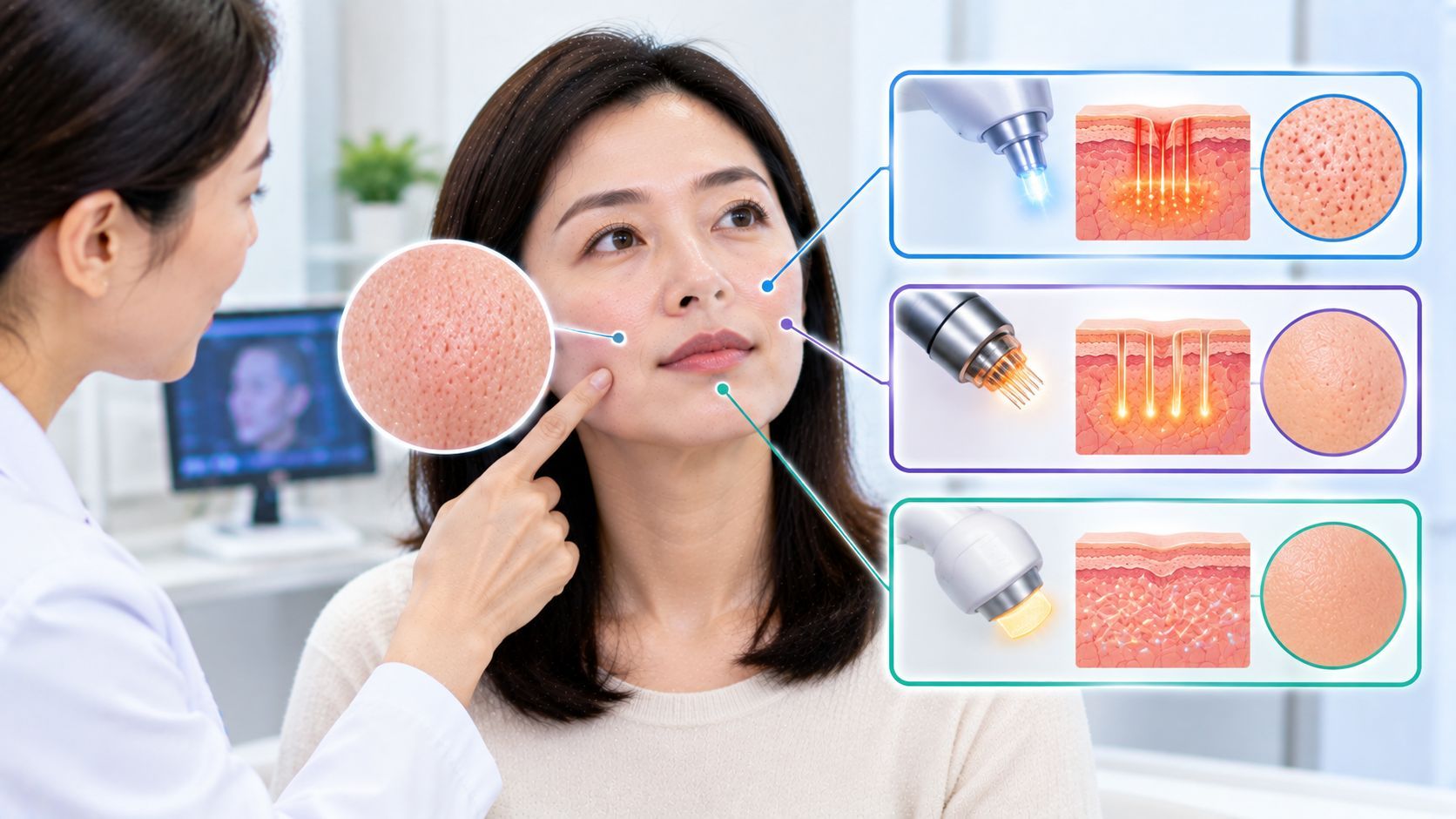
Common technologies used include:
- Pulsed Dye Laser (VBeam) for visible redness and flushing
- Nd:YAG laser for deeper vascular issues
- IPL for diffuse redness and tone imbalance
- Excel V systems for multi-wavelength vessel targeting
These clinics often design multi-session plans because rosacea requires gradual vessel control rather than one-time correction.
Combination Clinics in Gangnam
Many dermatology clinics in Gangnam don’t label themselves as “rosacea-only,” but they still offer advanced redness treatment programs as part of broader skin care systems.
Typical approach includes:
- Vascular laser treatment (VBeam or IPL)
- RF microneedling for barrier strengthening
- Skin booster injections (Rejuran / PDRN)
- LED therapy for inflammation control
These combination programs are widely used because rosacea is both a vascular and inflammatory condition, requiring multi-layer treatment.
Example of Advanced Redness-Focused Clinics in Seoul
Some clinics in Seoul are known for offering full vascular and redness treatment systems under one roof, including:
- Multi-laser platforms (PDL + Nd:YAG + IPL combinations)
- Customized rosacea subtype diagnosis
- Barrier-focused recovery programs
- Sensitive-skin treatment protocols
These types of clinics are particularly popular among foreigners because they provide structured plans instead of single-session treatments.
Why Korean Clinics Treat Rosacea as a “System Condition”
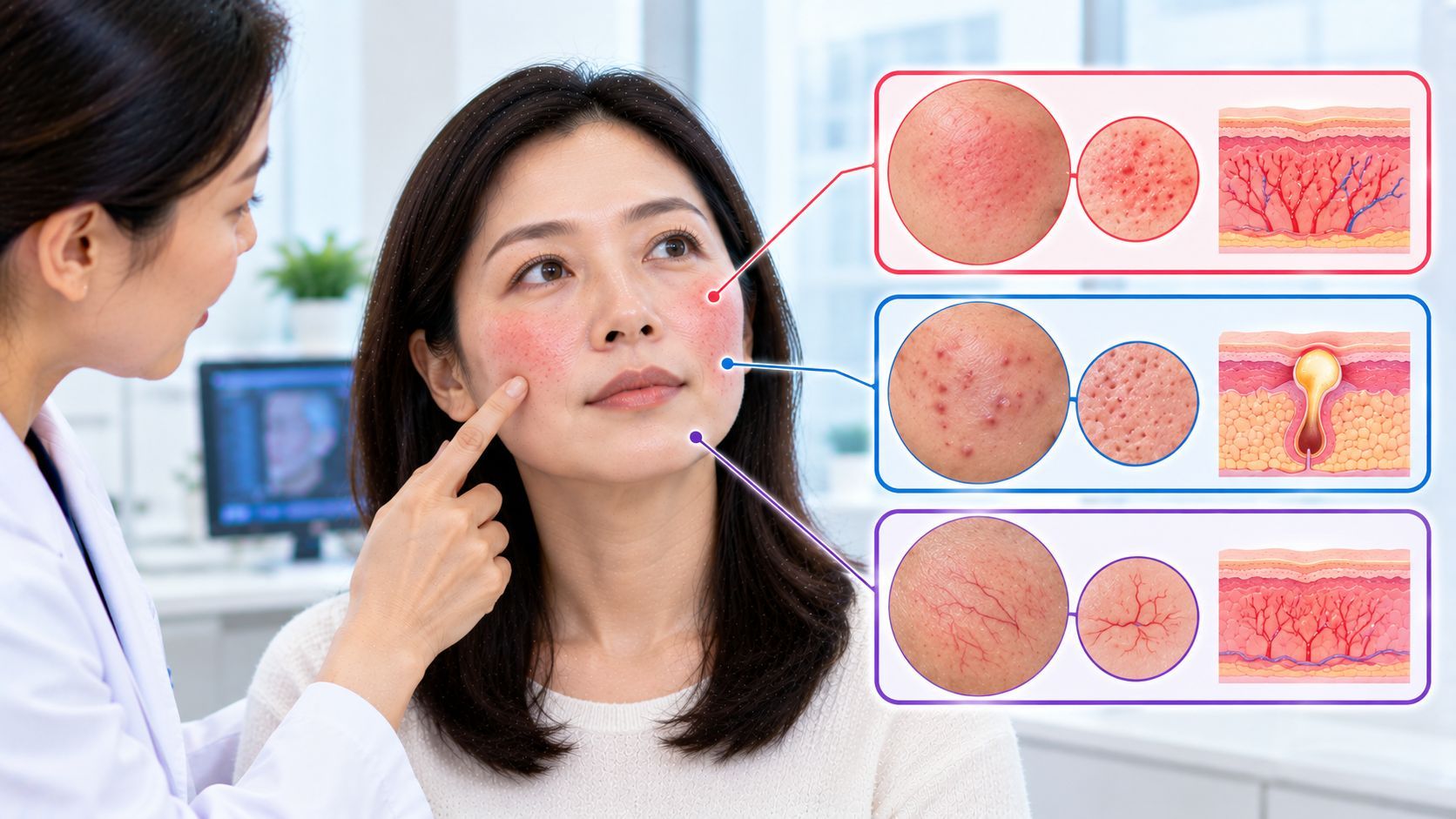
In Korean dermatology, rosacea is not treated as just visible redness—it is understood as a chronic condition involving:
- Dilated blood vessels
- Skin barrier weakness
- Inflammatory sensitivity
- Environmental triggers (heat, UV, stress)
Because of this, treatment is designed to be long-term and preventive, not aggressive or one-time corrective.
Key Treatments You’ll See in These Clinics
Most rosacea-focused programs in Seoul combine several categories of treatment:
1. Vascular Lasers (Core Treatment)
- VBeam (PDL) for flushing and visible vessels
- Nd:YAG for deeper redness
- IPL for diffuse tone issues
2. Barrier Repair Treatments
- Rejuran or PN-based injectables
- Hydration boosters
- Exosome therapies
3. Calming Devices
- LED light therapy
- Low-energy laser toning
- Anti-inflammatory facials
This layered system is designed to reduce flare-ups while improving long-term skin resilience.
Why Foreign Patients Often Choose Seoul for Rosacea Care
Seoul clinics are popular for rosacea treatment because they offer:
- Multiple vascular laser systems in one clinic
- Highly customized low-energy protocols
- Faster appointment availability than many Western dermatology systems
- Lower cost per session compared to US/EU clinics
- Combination therapy under dermatologist supervision
Recent discussions among patients also highlight that VBeam is considered a standard first-line treatment, often requiring multiple sessions for stable results.
What Makes a “Good Rosacea Clinic” in Korea
When choosing a clinic in Seoul, the most important indicators are:
- Presence of vascular lasers (VBeam, Nd:YAG, IPL)
- Experience with sensitive skin protocols
- Emphasis on gradual improvement, not aggressive resurfacing
- Inclusion of barrier repair treatments
- Dermatologist-led consultation (not only assistants)
Clinics that focus on “skin balance + inflammation control” rather than quick whitening or resurfacing tend to produce more stable rosacea outcomes.
Final Thoughts
Korean clinics that specialize in rosacea and redness focus on vascular lasers, inflammation control, and skin barrier restoration rather than aggressive resurfacing treatments. The most effective clinics in Seoul combine multiple technologies—such as VBeam, Nd:YAG, IPL, and regenerative injectables—to manage both visible redness and underlying sensitivity. This layered, long-term approach reflects Korean dermatology’s core philosophy: treating rosacea as a chronic skin condition that requires consistent management rather than a one-time correction.