The Best Treatments for Textured Skin in Korea
The Best Treatments for Textured Skin in Korea
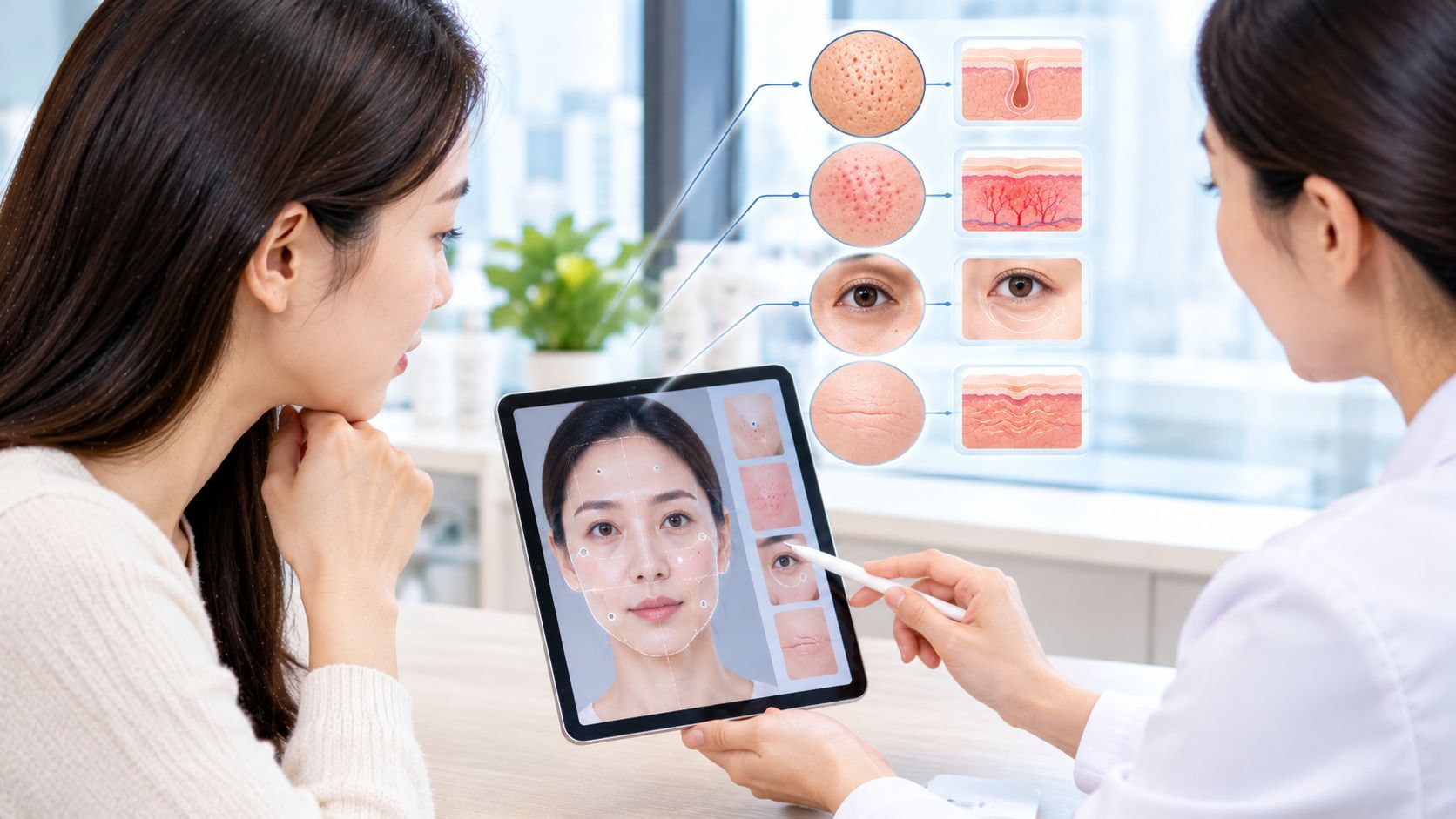
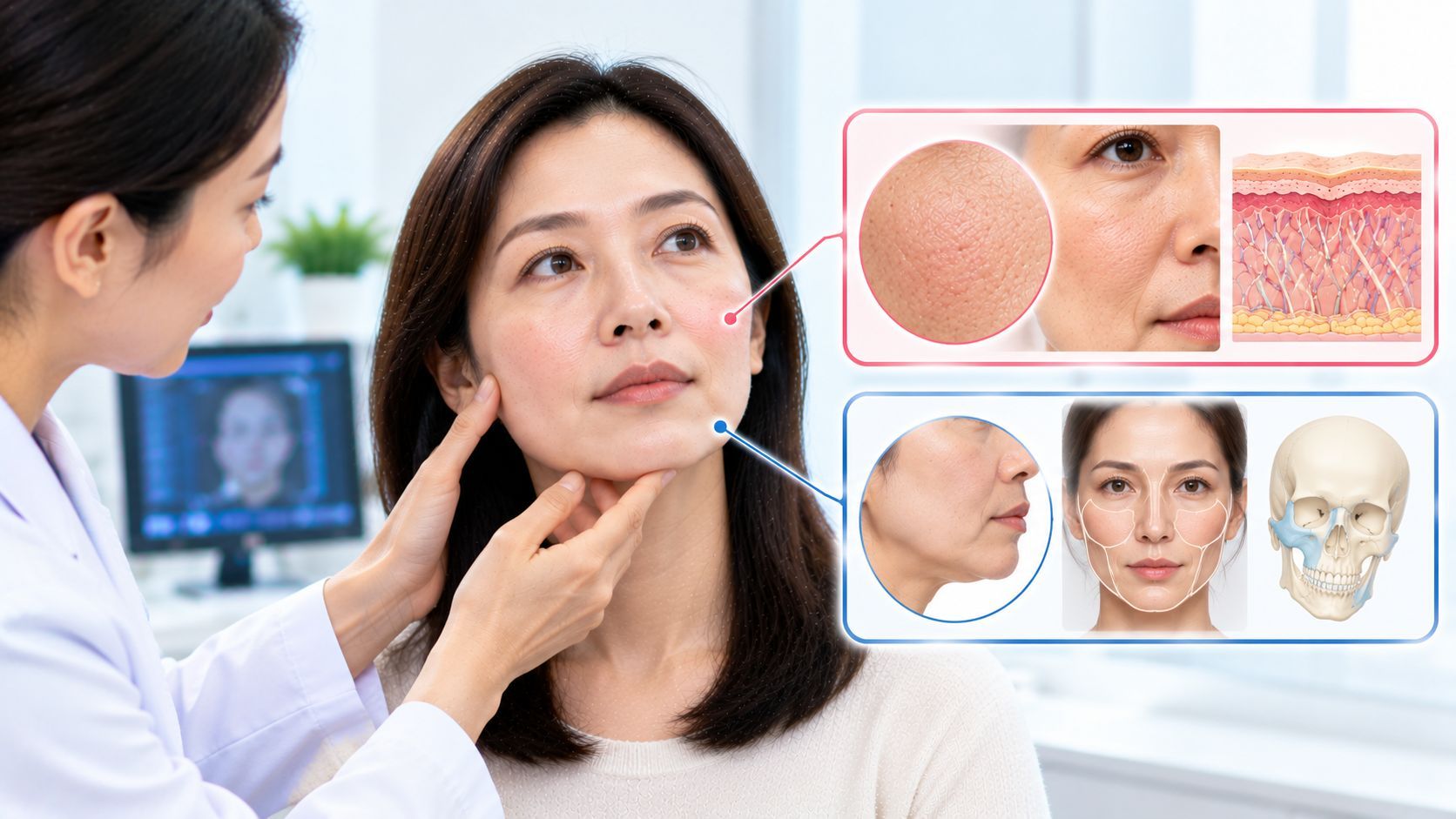
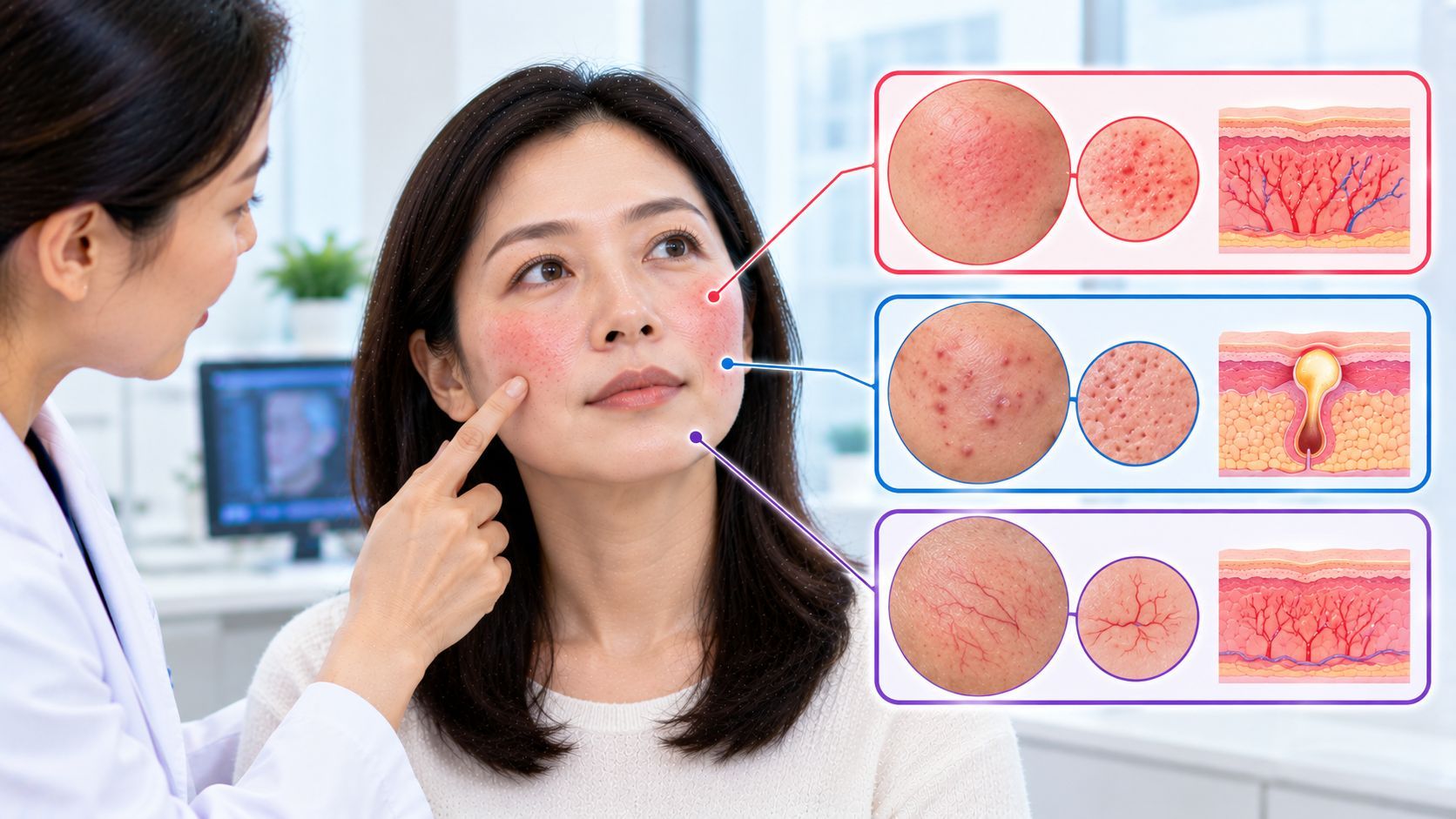
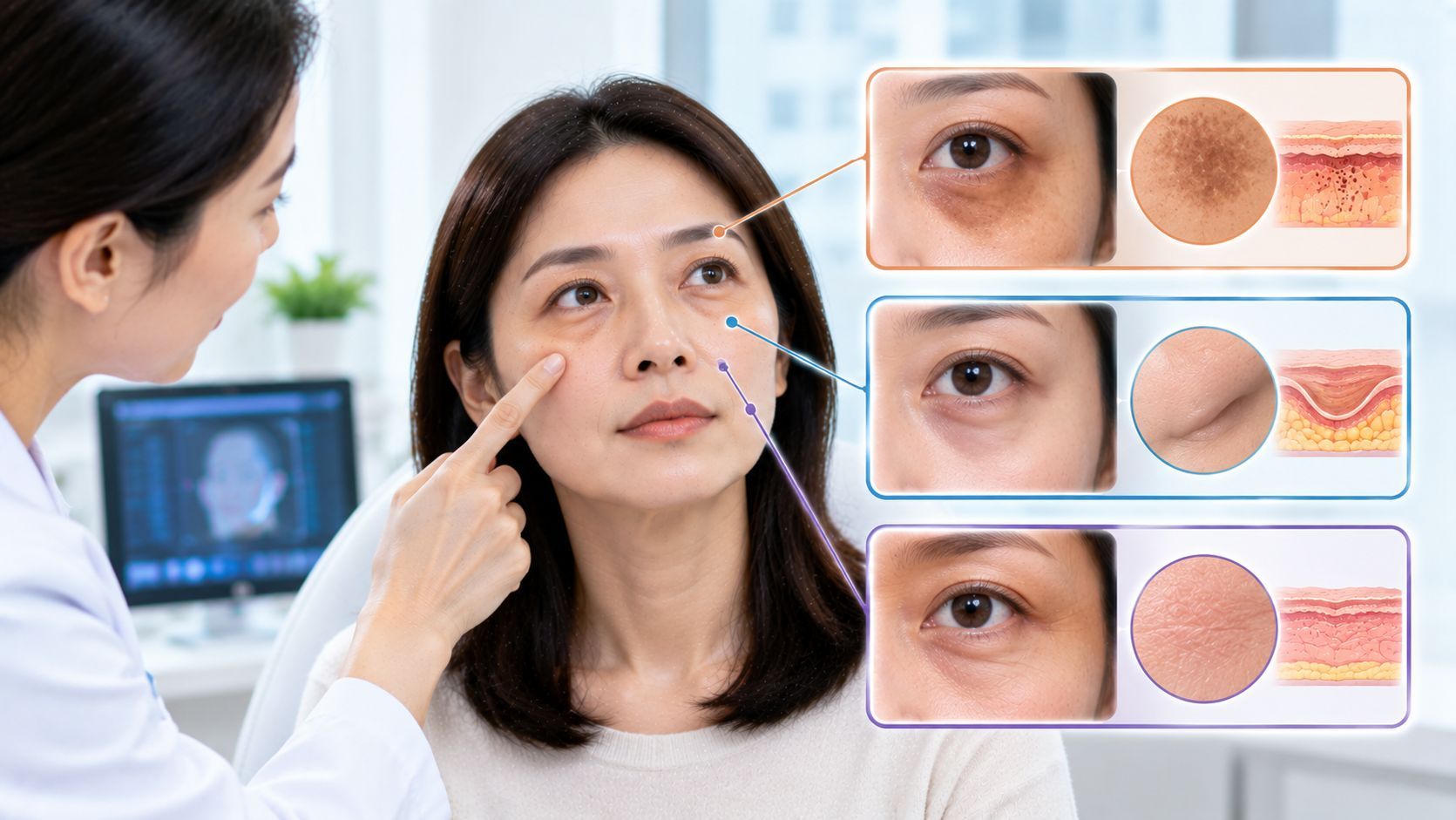
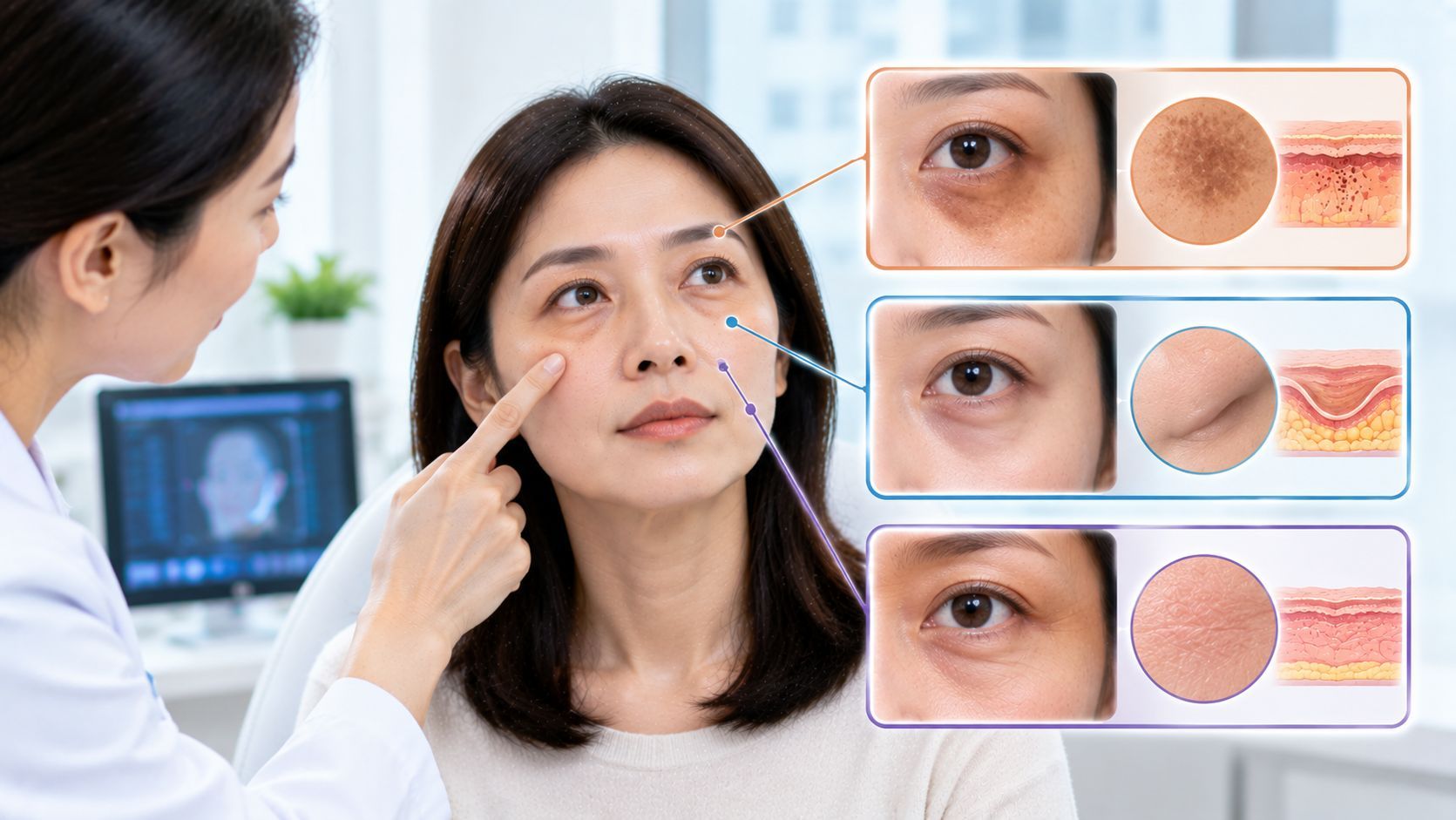
Textured skin—characterized by uneven surface, enlarged pores, acne scars, and roughness—is one of the most commonly treated concerns in Korean dermatology. In Seoul clinics, especially in Gangnam, texture is rarely treated with a single procedure. Instead, dermatologists focus on collagen remodeling, surface resurfacing, pore tightening, and barrier repair, often combining multiple technologies to achieve smoother, more refined skin.
RF Microneedling — The Core Texture Treatment
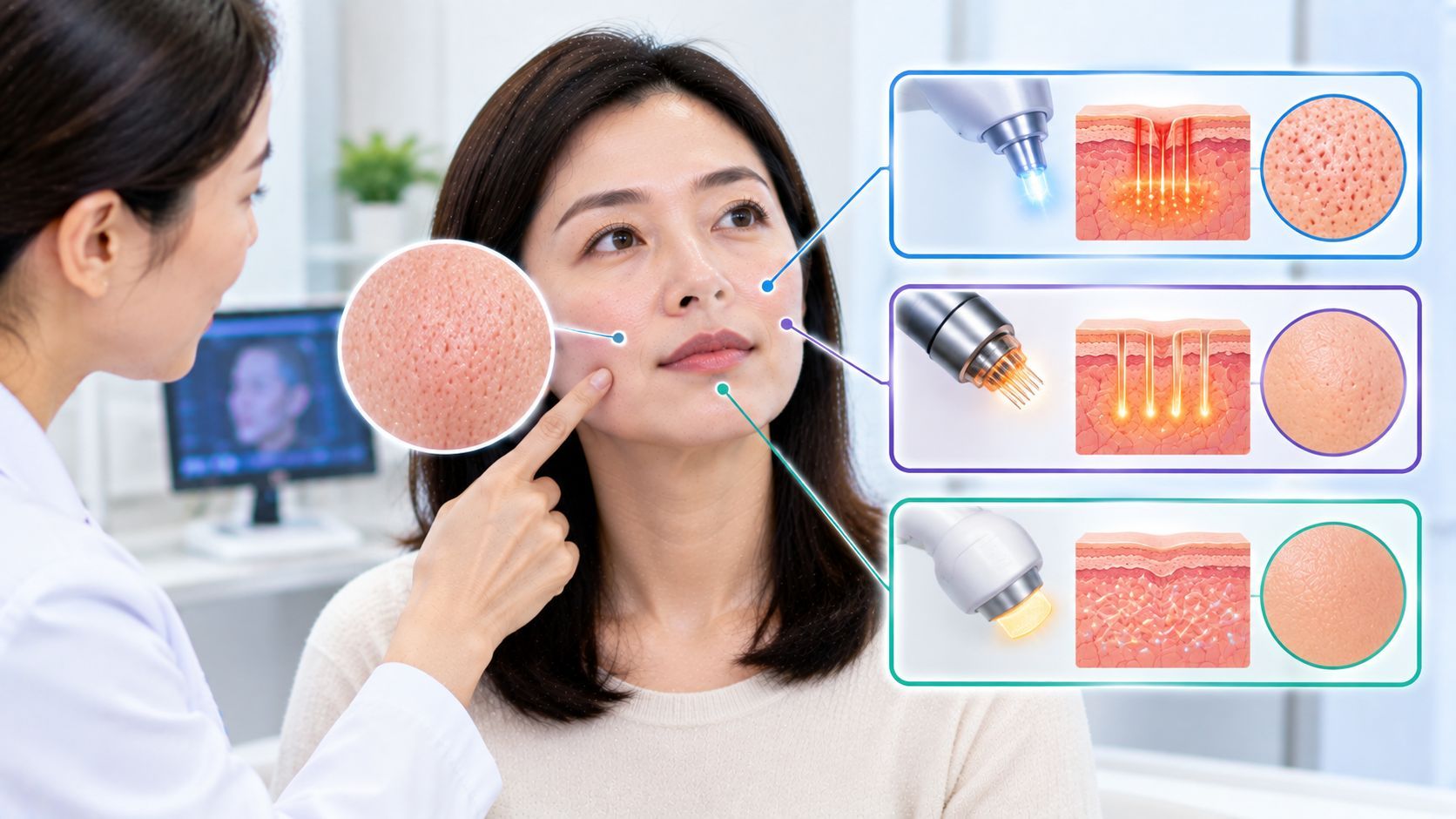
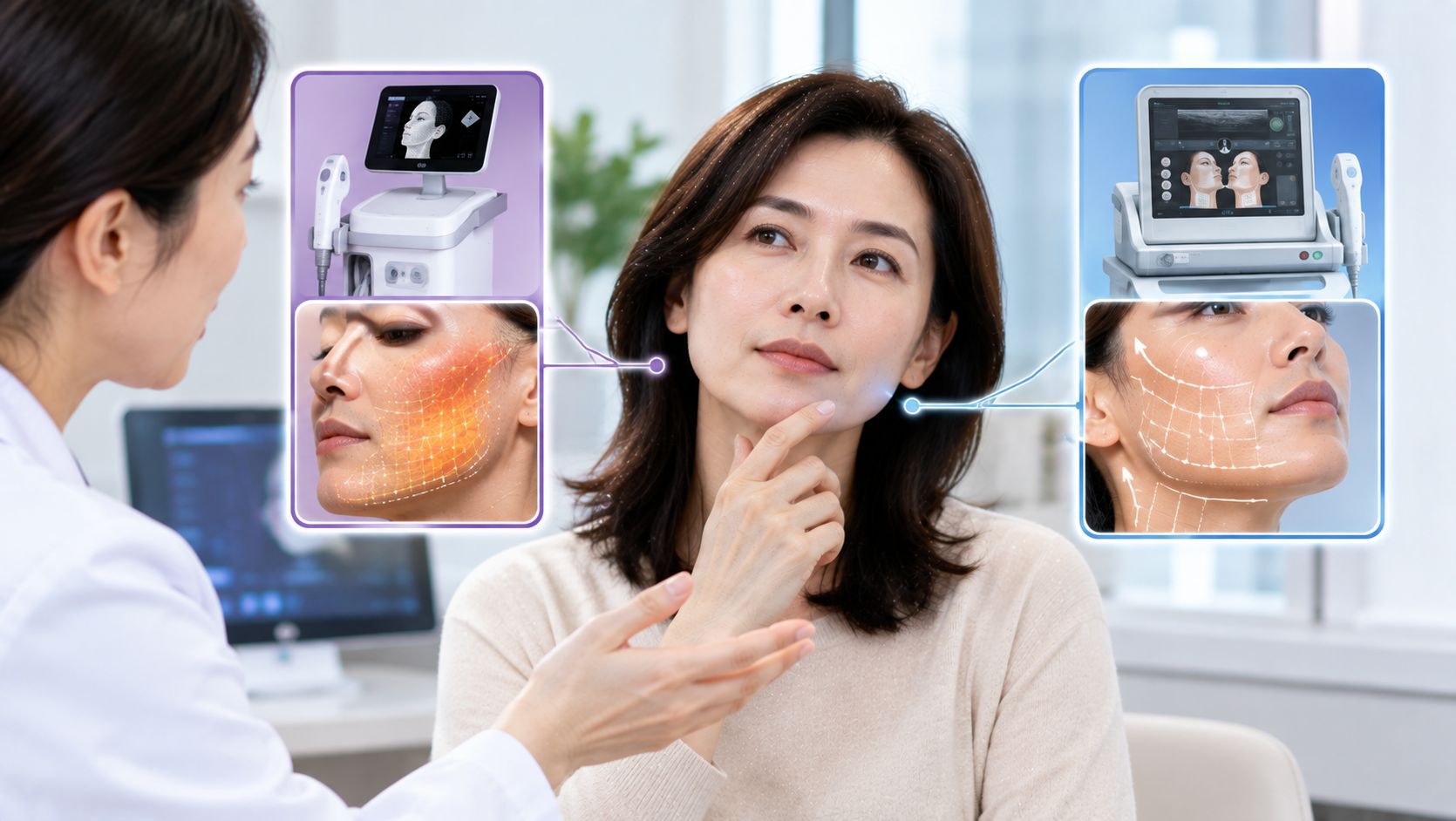
RF microneedling is one of the most frequently used treatments in Korea for improving overall skin texture.
It works by combining micro-injuries with radiofrequency energy to stimulate deep collagen production.
It is commonly used for:
- Acne scars
- Enlarged pores
- Uneven skin surface
- Early skin laxity
Because it targets deeper dermal layers while minimizing surface damage, it is widely preferred for patients who want results with relatively short downtime.
Fractional Laser — Strong Resurfacing for Deep Texture
Fractional lasers are considered one of the most powerful tools for rough, scarred, or uneven skin.
They work by creating controlled micro-injuries in the skin, triggering collagen regeneration and resurfacing damaged layers.
They are commonly used for:
- Deep acne scars
- Sun damage
- Rough or bumpy texture
- Long-standing skin irregularities
Stronger fractional options (like CO2 or Er:YAG) deliver more dramatic results but require more downtime and careful recovery.
Pico Fractional Laser — Gentle but Effective Refinement
Pico fractional laser is widely used in Korea as a lower-downtime alternative to traditional fractional resurfacing.
It improves texture by using ultra-short pulses that create micro-level skin remodeling with less heat damage.
It is especially effective for:
- Mild acne scars
- Early texture irregularities
- Sensitive or pigmentation-prone skin
Because of its lower thermal impact, it is often chosen for patients who want gradual improvement with minimal recovery time.
Chemical Peels — Surface Smoothing and Pore Clearing
Chemical peels remain a foundational treatment in Korean clinics for mild texture issues.
They help by removing dead skin buildup and improving cell turnover, leading to a smoother surface.
They are commonly used for:
- Clogged pores
- Mild roughness
- Oily skin texture
- Dull complexion
Korean dermatologists typically adjust peel strength carefully to avoid irritation or rebound sensitivity.
Skin Boosters — Improving Texture From Within
Skin boosters are a key part of Korea’s texture treatment philosophy because they improve skin quality at a structural level rather than just the surface.
Common options include:
- Rejuran (skin regeneration and repair)
- Juvelook (collagen stimulation)
- Exosome-based treatments
- Hyaluronic acid hydration boosters
These treatments improve elasticity, hydration, and healing capacity, making the skin smoother over time.
Subcision — Essential for Deep Indented Scars
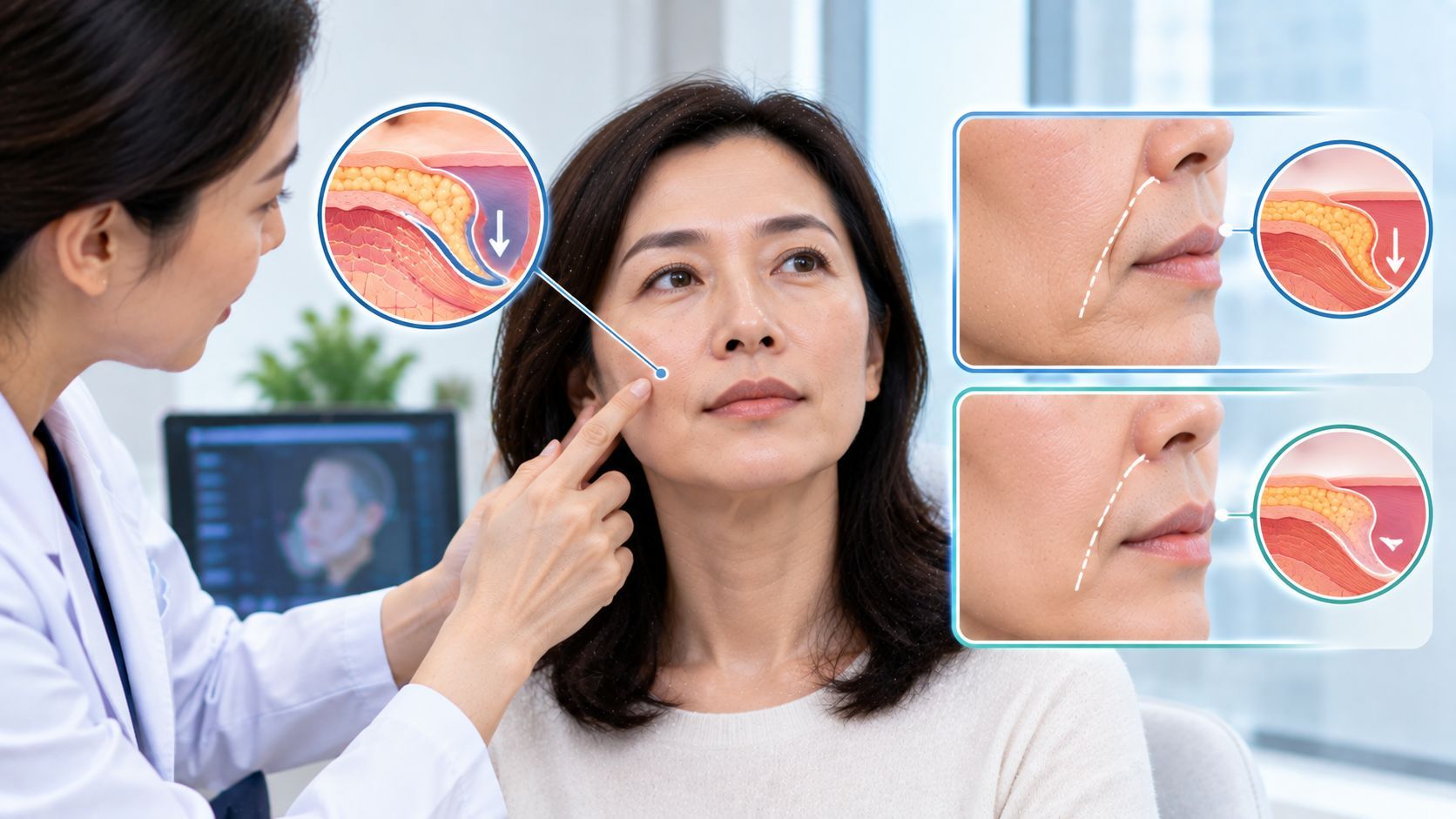
For more severe texture issues caused by acne scarring, subcision is often added to treatment plans.
It works by breaking fibrous bands beneath the skin that pull scars downward.
It is especially effective for:
- Rolling scars
- Deep atrophic scars
- Long-standing texture dents
Subcision is often combined with lasers or RF microneedling for better long-term remodeling.
Pore-Focused Treatments for Surface Smoothness
Since enlarged pores contribute heavily to uneven texture, Korean clinics often include pore-specific treatments such as:
- Laser toning for sebum control
- RF tightening for pore contraction
- Carbon laser peels for oil reduction
- Gentle microneedling for collagen support
These help refine surface texture and improve skin clarity over time.
Why Results Are Gradual, Not Instant
Textured skin improvement in Korea is designed to be progressive.
Reasons include:
- Collagen remodeling takes time
- Aggressive resurfacing increases risk of pigmentation
- Skin barrier recovery is essential for long-term results
- Multiple skin layers must be treated separately
Because of this, most patients see steady improvement over several sessions rather than immediate transformation.
Final Thoughts
The best treatments for textured skin in Korea include RF microneedling, fractional lasers, Pico fractional technology, chemical peels, skin boosters, and subcision, often combined into personalized multi-step protocols. Korean dermatology focuses on rebuilding skin from the inside out by improving collagen structure, refining pores, and restoring barrier health. The result is a gradual but natural-looking transformation toward smoother, more even, and healthier skin texture.