Are Korean Laser Settings Designed Mainly for Lighter Asian Skin?
Introduction
If you have darker skin, it is reasonable to wonder whether laser treatments in Korea are primarily designed for lighter Asian skin tones. The short answer is no, Korean laser treatments are not inherently limited to lighter Asian skin, but not every device, wavelength, or treatment setting is appropriate for every skin tone.
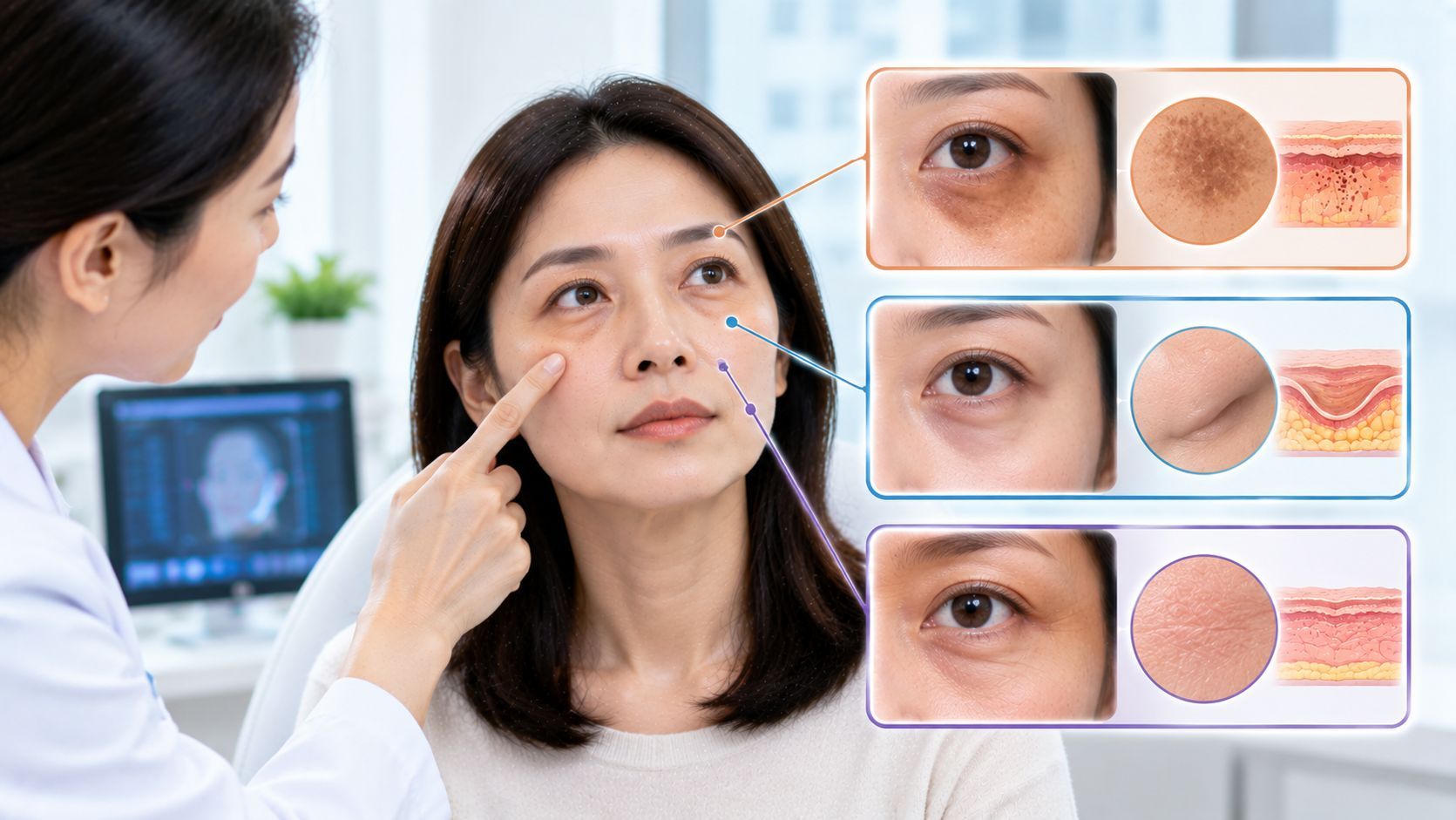
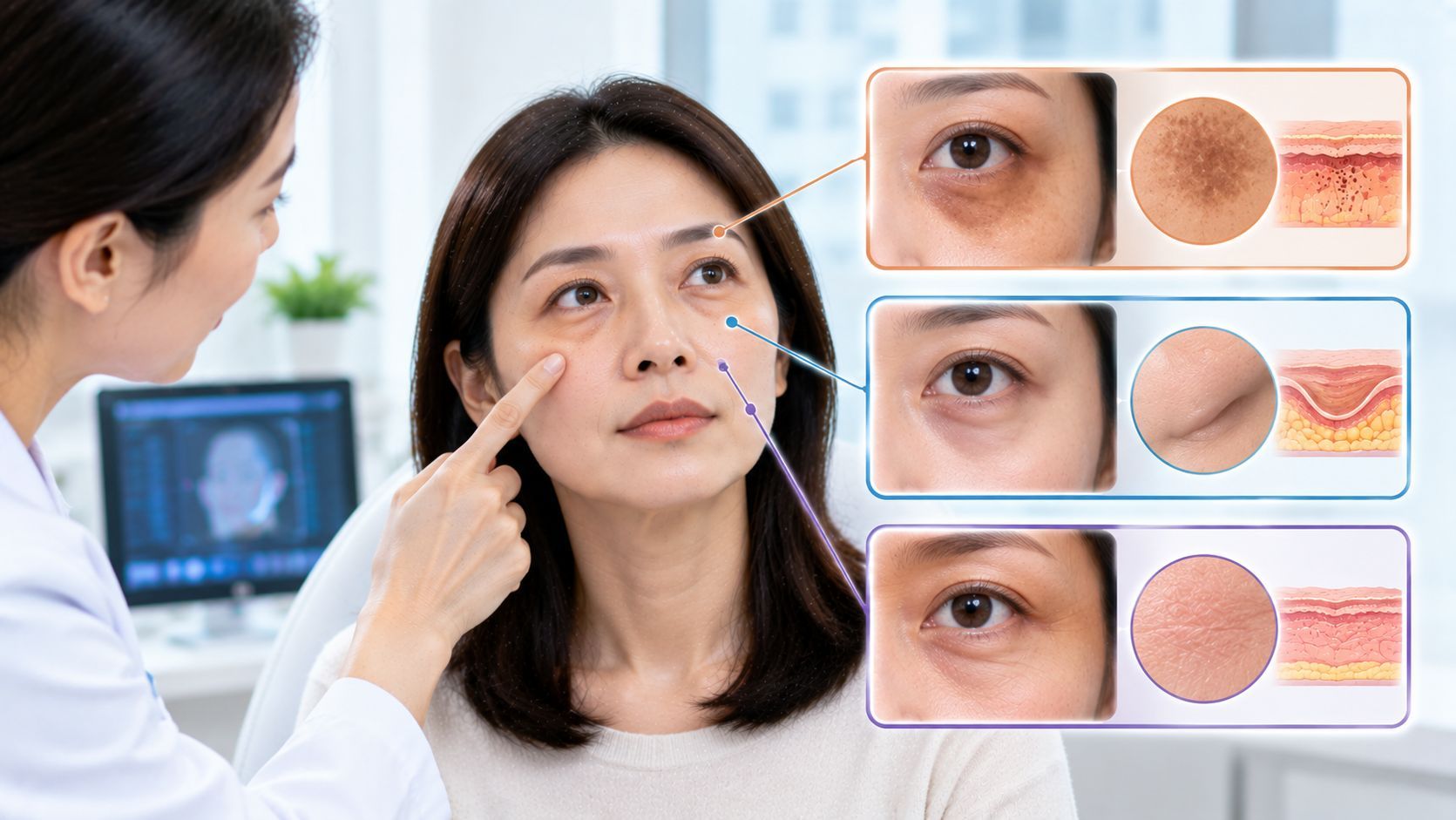
Korea has a wide range of dermatology lasers and energy-based devices, and treatment parameters can be adjusted according to skin type, pigmentation, treatment goal, and previous reactions. However, darker or highly pigmented skin can have a greater risk of post-inflammatory hyperpigmentation (PIH) after procedures that cause significant inflammation or thermal injury. (pubmed.ncbi.nlm.nih.gov)
For international patients, the important question is therefore not whether a laser is “Korean,” but whether the specific wavelength, device, settings, and treatment technique have been appropriately selected for your skin.
Why Do Skin-Tone Differences Matter?
Laser energy can interact with melanin as well as the intended target.
Melanin absorbs certain wavelengths of light. When epidermal melanin absorbs too much energy, unwanted heating can occur. This can increase the risk of burns, prolonged inflammation, PIH, or hypopigmentation.
This is particularly relevant for Fitzpatrick skin types IV, V, and VI.
People with darker skin may also develop noticeable dark marks after relatively minor inflammation from:
- Acne
- Insect bites
- Cuts
- Waxing
- Burns
- Chemical peels
- Previous laser procedures
A history of PIH is therefore an important part of a laser consultation.
Does “Asian Skin” Mean One Specific Skin Type?
No.
This is an important misconception.
Asian patients can have a wide range of skin tones and pigmentation responses. A Korean patient with relatively fair skin and an international patient with much darker skin should not automatically receive identical laser settings.
Even two people with similar visible skin tones may react differently because of:
- Fitzpatrick skin type
- Natural pigmentation
- Recent tanning
- Melasma
- History of PIH
- Active inflammation
- Skin-barrier condition
- Previous cosmetic procedures
- Medications and skincare products
Therefore, saying that a machine is “made for Asian skin” is not enough information to determine whether it is appropriate for you.
Can Korean Dermatologists Adjust Laser Settings for Darker Skin?
Yes. Laser parameters can often be modified according to the patient and treatment objective.
Depending on the device, a dermatologist may adjust factors such as:
- Fluence or energy
- Pulse duration
- Spot size
- Treatment density
- Number of passes
- Cooling
- Treatment intervals
The appropriate adjustment depends heavily on the particular laser.
Lowering energy is not automatically the solution either. If energy is reduced too much, treatment may become ineffective. The goal is to find an appropriate therapeutic range rather than simply using the lowest possible setting.
Which Laser Characteristics Matter Most?
Wavelength
Wavelength is one of the most important considerations.
Some wavelengths are more strongly absorbed by melanin. Others penetrate deeper and can be used more selectively.
For example, 1064-nm Nd:YAG technology has a long history of use in darker skin and is often considered relatively favorable because of its deeper penetration and lower epidermal melanin absorption compared with shorter wavelengths. (pubmed.ncbi.nlm.nih.gov)
However, the fact that a laser uses 1064 nm does not make every application automatically safe.
Pulse Duration
Pulse duration influences how energy is delivered to tissue.
Depending on the target, a dermatologist may choose different pulse durations to limit unnecessary thermal damage while achieving the intended effect.
Treatment Density
Fractional treatments treat only a proportion of the skin surface during each session.
Reducing treatment density can sometimes reduce the amount of inflammation and recovery required, although the correct density depends on the condition being treated.
Cooling
Cooling can help protect the epidermis during certain laser procedures and may improve treatment comfort.
It is one component of a broader safety strategy rather than a guarantee against PIH.
Are Korean Pigmentation Lasers Safe for Darker Skin?
It depends on the type of pigmentation.
This is particularly important because melasma, post-inflammatory hyperpigmentation, freckles, lentigines, and other pigmentation problems are not identical.
A laser that works well for one type of pigmentation may not be the appropriate first choice for another.
For example, melasma can be especially challenging because inflammation and heat may sometimes worsen pigmentation. Treatment therefore often requires a conservative approach and careful sun protection.
If your “dark spots” appeared after acne, aggressively treating them without addressing the underlying inflammation may also increase the risk of creating more pigmentation.
What About Pico Laser?
Pico laser is not a single standardized treatment.
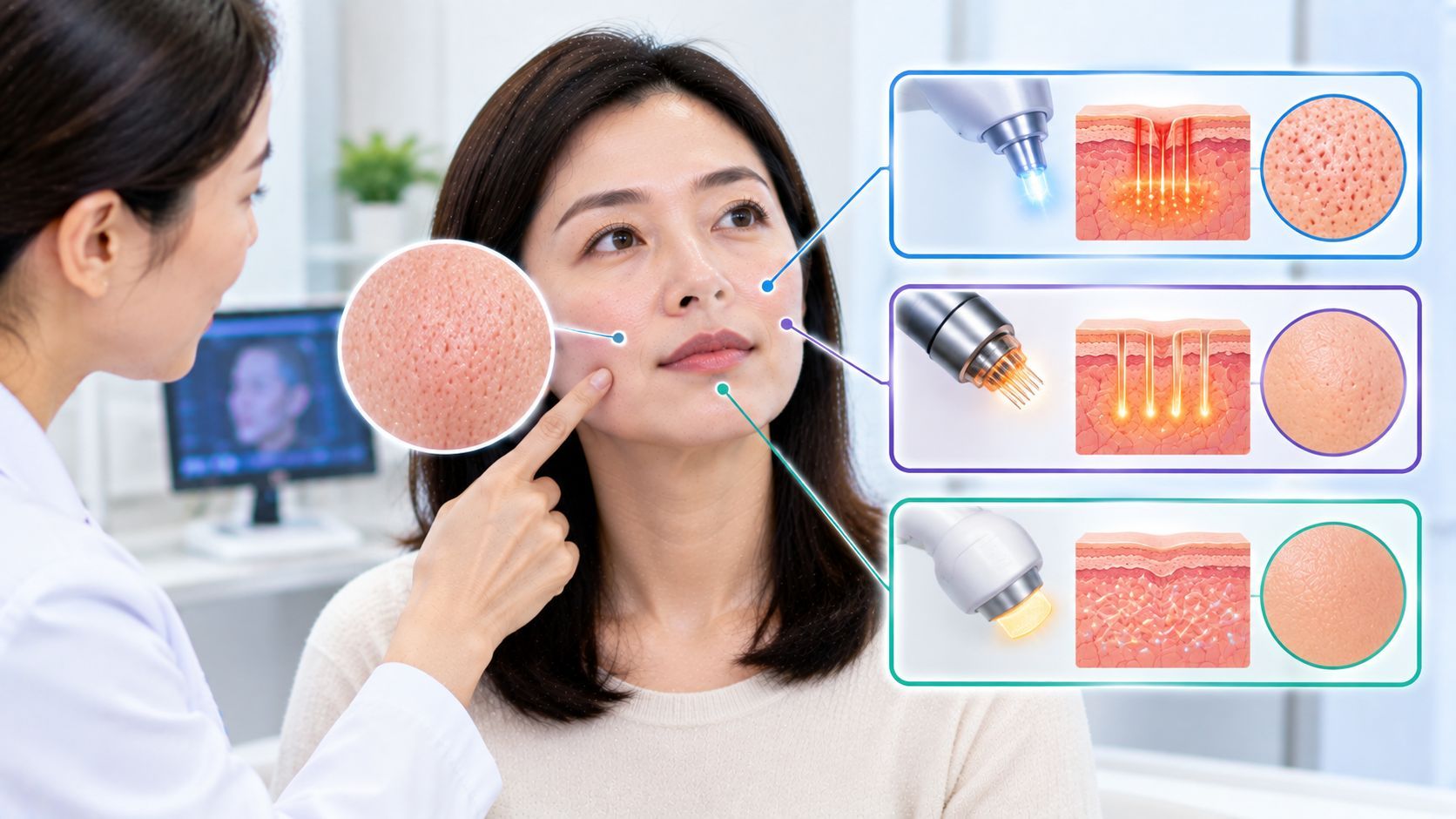
Different picosecond systems can use different wavelengths and treatment modes. Some are designed primarily for pigment, while fractional configurations may be used for texture and acne scars.
Research has reported successful use of picosecond technology in Asian patients, including darker Fitzpatrick III–IV skin types, but temporary PIH can still occur. (pubmed.ncbi.nlm.nih.gov)
Therefore, asking a Korean clinic simply, “Do you have Pico?” is less useful than asking:
“Which Pico wavelength and treatment mode would you use for my skin, and why?”
What About CO₂ Laser?
CO₂ laser can produce substantial resurfacing and may be useful for selected acne scars and textural concerns.
However, ablative resurfacing generally deserves greater caution in darker skin because significant inflammation and thermal injury can increase the risk of pigmentary complications.
Reviews of laser treatment in skin of color emphasize careful patient selection and conservative approaches when using more aggressive resurfacing technologies. (pubmed.ncbi.nlm.nih.gov)
That does not mean someone with dark skin can never have CO₂ laser. It means the potential benefits need to be weighed against recovery and pigmentary risk.
Is RF Microneedling Better for Darker Skin?
RF microneedling is often discussed as an alternative to fractional laser for acne scars and skin tightening.
Because the needles deliver energy beneath the epidermis, the treatment can reduce some of the direct interaction between energy and superficial melanin compared with certain surface-based lasers.
However, RF microneedling still creates controlled injury and heat. Excessive energy, depth, or poor technique can cause burns and pigmentation problems.
Therefore, it should not automatically be described as “safe for all dark skin.”
The treatment still needs to be individualized.
How Can You Tell Whether a Seoul Clinic Understands Darker Skin?
During your consultation, pay attention to whether the dermatologist asks about your pigmentation history.
Useful questions include:
- What Fitzpatrick skin type do you consider me?
- Have you treated patients with my skin tone before?
- Have you treated patients who develop PIH easily?
- What wavelength will you use?
- Why is that wavelength appropriate for my concern?
- What settings would you start with?
- Would you recommend a test spot?
- What happens if I develop PIH afterward?
- Should I change my skincare before treatment?
- Would a non-laser procedure be more appropriate?
A detailed answer is generally more informative than simply being told that a particular laser is “safe for Asian skin.”
Should You Get a Test Spot?
A test spot may sometimes be considered for patients at increased risk of pigmentary complications.
It allows the clinician to observe how a particular area responds before treating a larger surface.
However, a test spot cannot guarantee that the full treatment will produce no complications. Different facial areas can respond differently, and delayed pigmentation can develop after the initial healing period.
What If You Tan Easily?
Recent tanning is particularly important.
If you have recently spent significant time outdoors, tell the dermatologist before treatment. Increased melanin can change the way your skin interacts with laser energy.
Sun protection is important both before and after laser treatment. The American Academy of Dermatology recommends protecting treated skin from sunlight and avoiding tanning around laser procedures. (aad.org)
For an international patient visiting Seoul, this can matter even more if the trip includes extensive sightseeing outdoors.
What Should International Patients Do Differently?
If you are traveling to Korea for a laser procedure, avoid treating the appointment like a simple beauty service.
Before traveling, consider sending the clinic information about:
- Your natural skin tone
- Your history of PIH
- Previous laser reactions
- Current skincare
- Recent tanning
- Active acne or inflammation
- Previous chemical peels or microneedling
- Any medications relevant to your skin
Bring photographs of previous reactions if you have them.
You should also leave enough time for recovery rather than scheduling a strong laser procedure immediately before your return flight or an important event.
A Better Way to Compare Korean Laser Treatments
FactorWhy it matters for darker skinWavelengthDetermines how strongly energy interacts with melaninEnergy levelExcessive energy can increase thermal injuryPulse durationInfluences how energy is deliveredTreatment densityAffects total inflammatory loadCoolingCan help protect the skin during treatmentSkin conditionActive inflammation can increase PIH riskRecent tanningMay increase melanin-related riskPIH historyProvides important information about individual susceptibilityProvider experienceTechnique and parameter selection matterTreatment goalDetermines which technology is actually appropriate
Conclusion
Korean laser technology is not exclusively designed for lighter Asian skin, and darker-skinned patients can receive a variety of laser and energy-based treatments in Korea. However, “Asian skin” is not a sufficient treatment category.
Your actual skin type, pigmentation level, tanning status, PIH history, treatment objective, and previous reactions should influence the treatment plan.
Some technologies, including appropriately selected 1064-nm Nd:YAG and certain non-ablative or picosecond approaches, may be useful options for darker skin. More aggressive resurfacing requires additional caution because of the potential for pigmentary complications. (pubmed.ncbi.nlm.nih.gov)
If you are considering treatment in Seoul, ask the dermatologist to explain the wavelength, settings, expected inflammatory response, and specific PIH precautions for your skin, rather than choosing a procedure simply because it is popular in Korea.
FAQs
Are Korean lasers safe for dark skin?
Some are, but safety depends on the laser, wavelength, settings, treatment technique, and individual skin characteristics. No laser should be considered automatically safe solely because it is commonly used in Korea.
Are Korean laser settings designed for lighter skin?
Laser settings are not inherently fixed for one skin tone. Qualified practitioners can adjust treatment parameters, although the appropriate range depends on the device and treatment goal.
Can darker skin get Pico laser in Korea?
Yes, Pico laser can be used in some darker skin types. The specific wavelength, treatment mode, energy, and indication are important because pigmentation complications can still occur.
Is 1064-nm Nd:YAG suitable for darker skin?
The 1064-nm wavelength is frequently used in skin of color and has relatively low epidermal melanin absorption compared with shorter wavelengths. Appropriate treatment parameters remain essential. (pubmed.ncbi.nlm.nih.gov)
Should darker skin avoid CO₂ laser?
Not necessarily, but ablative CO₂ resurfacing generally requires careful patient selection and conservative planning because of the greater potential for inflammation and pigmentary complications.
What is the most important thing to tell a Korean dermatologist?
Tell them if you develop dark marks easily after acne, injuries, burns, or previous procedures. A strong history of PIH is important information when planning laser treatment.