Can Darker Skin Safely Get Pico Laser in Seoul?
Introduction
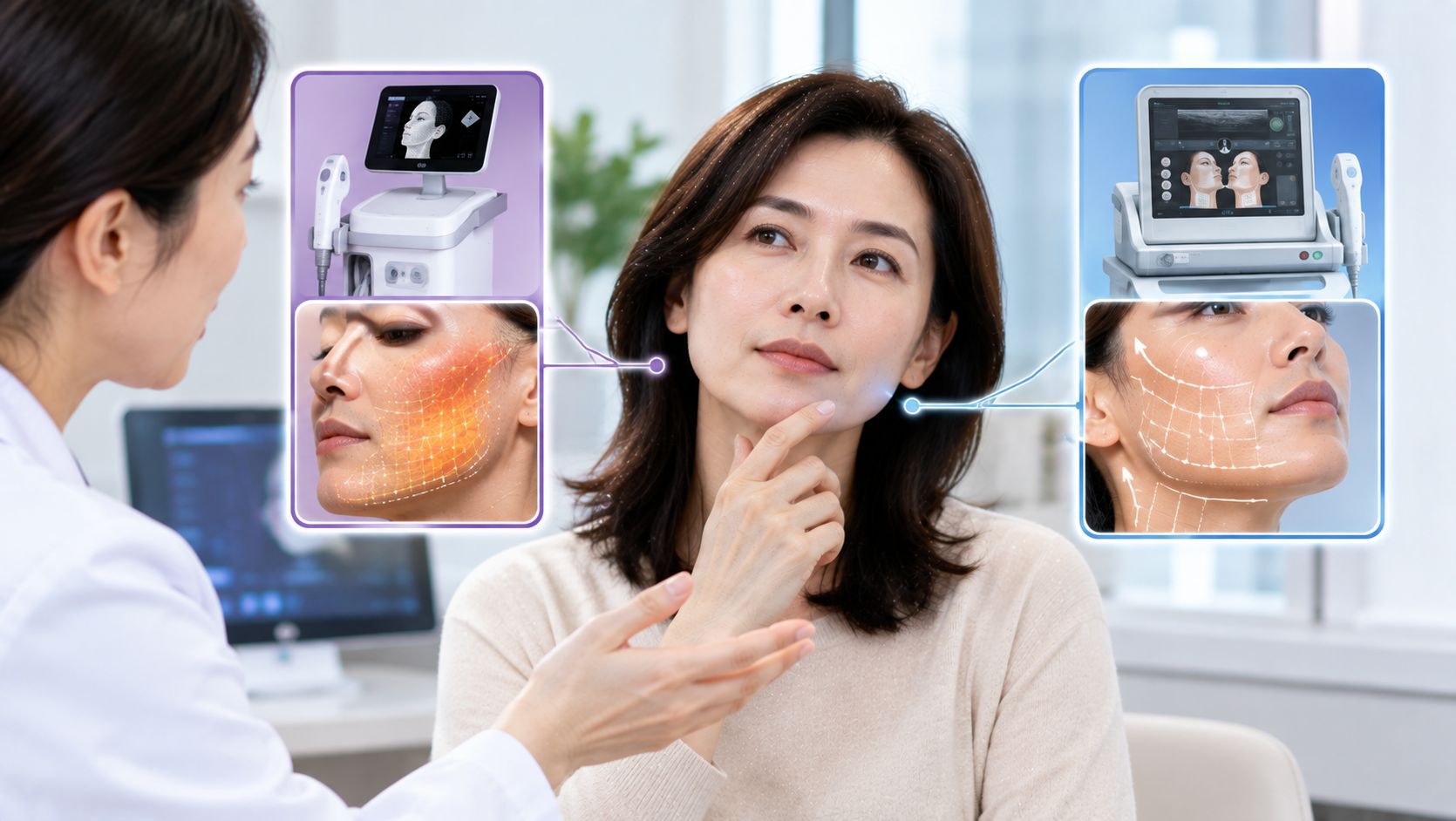
Yes, people with darker skin can sometimes receive Pico laser treatment in Seoul, but the treatment should be customized carefully. “Pico laser” describes a technology that delivers very short laser pulses, not one single device or one universal treatment. Different wavelengths, handpieces, energy levels, and treatment modes can produce very different effects.
For darker skin, the main concern is usually not that Pico laser is automatically unsafe. The concern is unwanted pigmentary change, particularly post-inflammatory hyperpigmentation (PIH), after excessive heat or inflammation. Studies have reported successful picosecond laser treatment in Asian patients, including patients with Fitzpatrick III–IV skin, while also documenting that temporary PIH can occur.
Therefore, before booking a Pico treatment in Korea, ask which wavelength and treatment mode the dermatologist plans to use for your particular skin tone and concern.
What Is Pico Laser?
Pico laser technology delivers laser energy in picosecond pulses, which are extremely short durations.
Depending on the device and settings, Pico technology may be used for:
- Certain pigmentation concerns
- Tattoo removal
- Uneven skin tone
- Selected acne scars
- Skin texture
- Some rejuvenation treatments
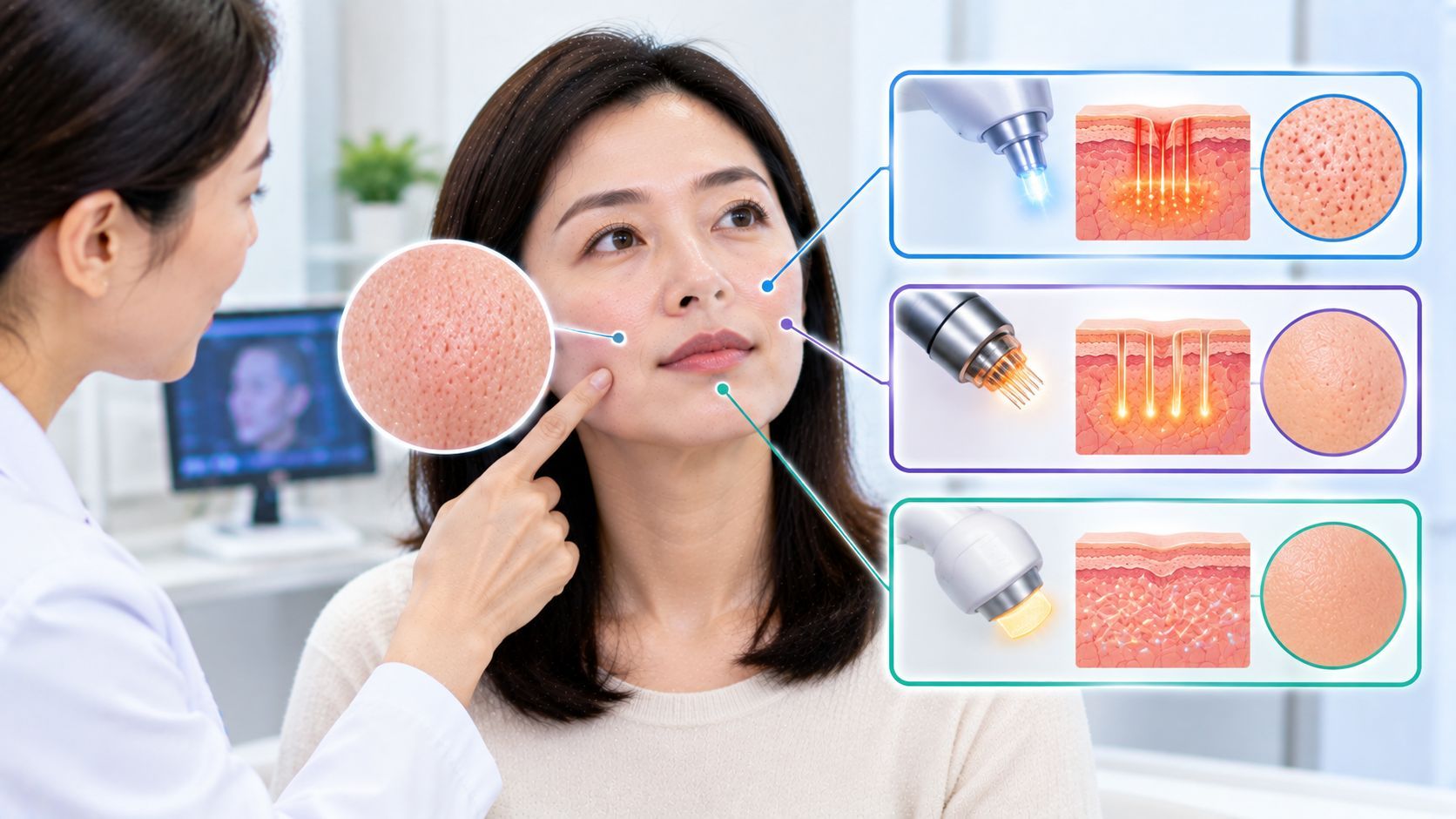
A fractional picosecond configuration can create microscopic treatment zones intended to stimulate remodeling while limiting the amount of surrounding tissue affected.
Because different Pico devices can use different wavelengths, “Pico laser” alone does not tell you how the treatment will interact with darker skin.
Why Does Darker Skin Require More Careful Planning?
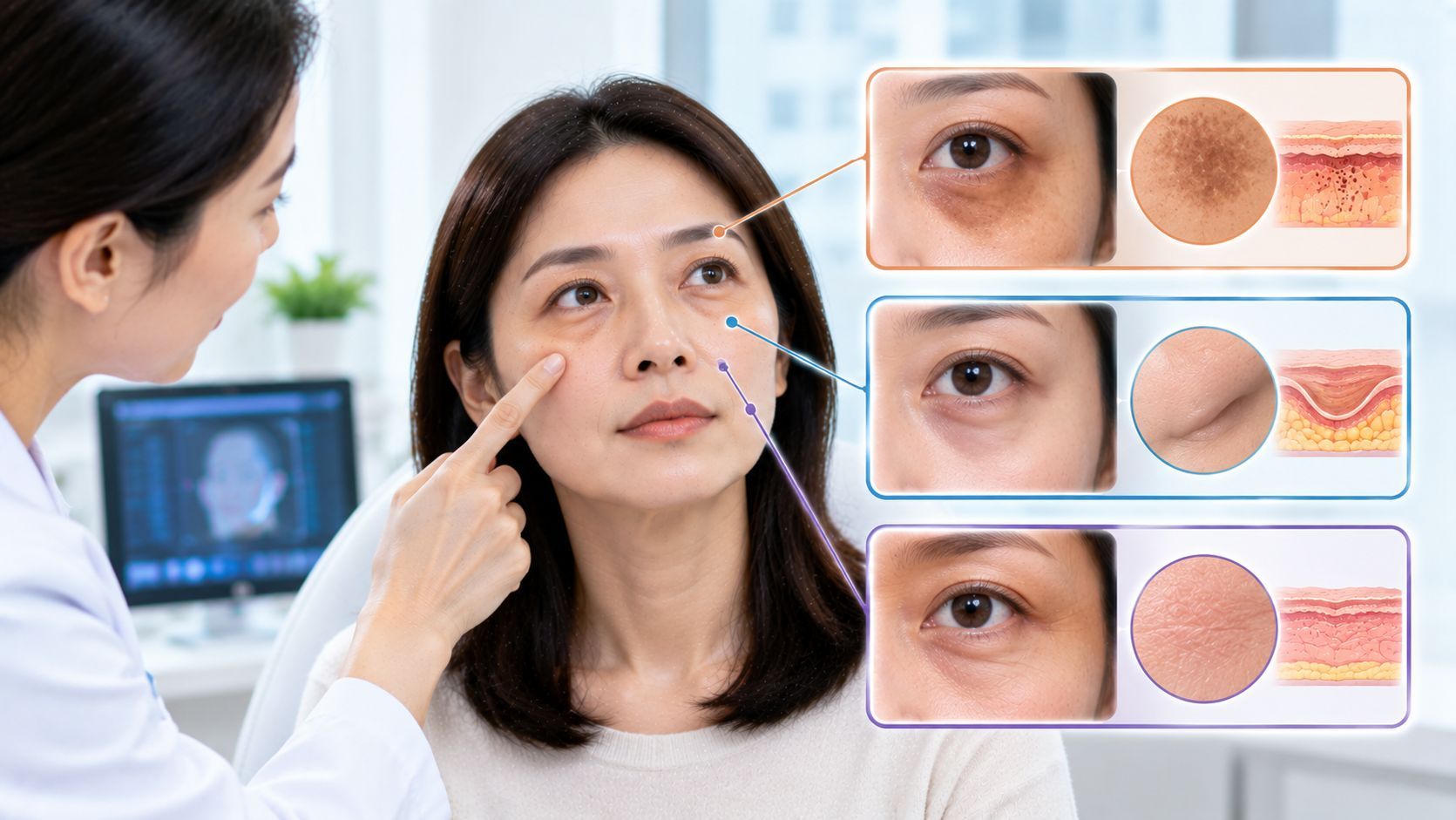
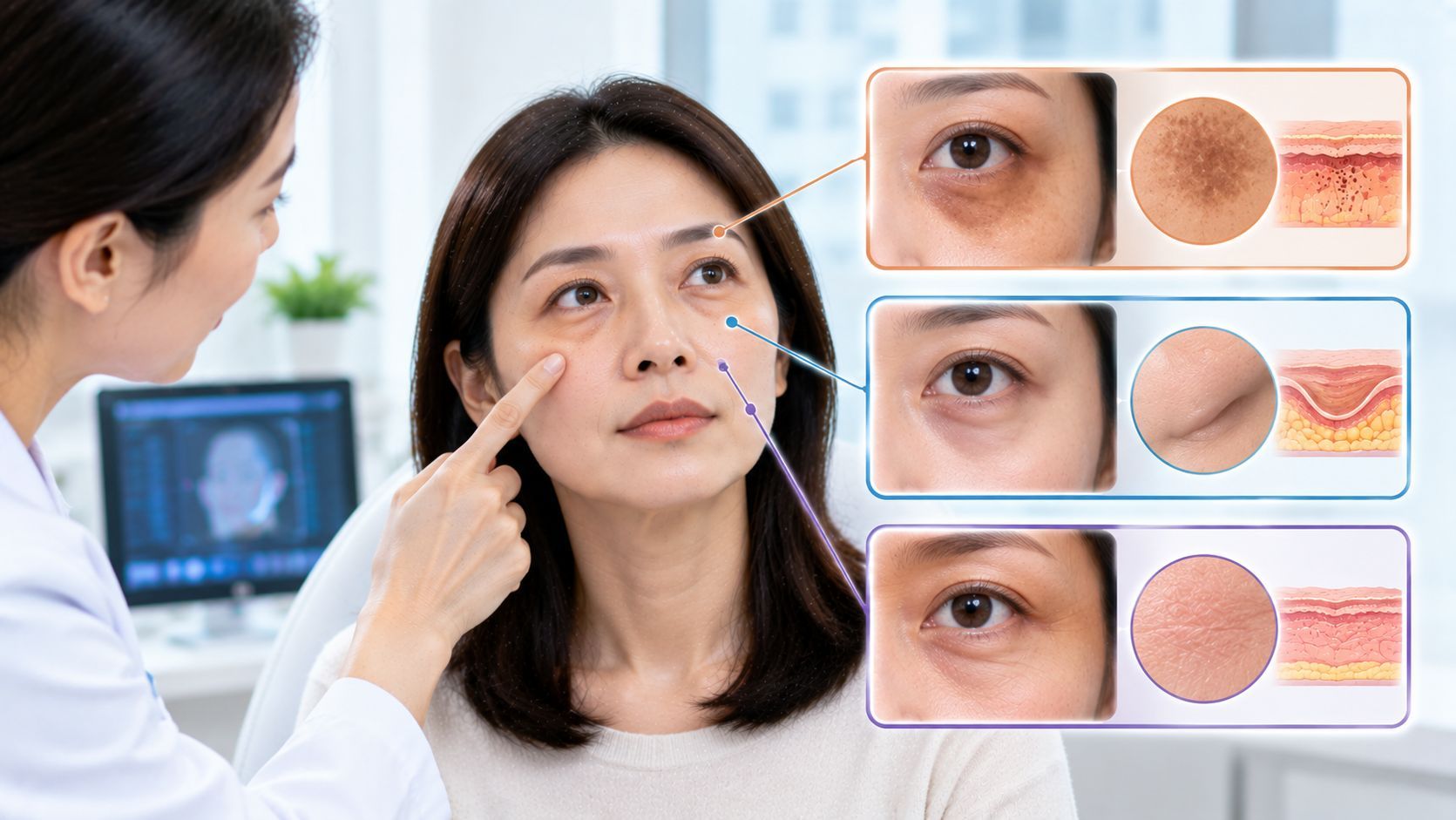
Darker skin contains more melanin. Laser energy can interact with epidermal melanin in addition to the intended target.
If treatment creates excessive thermal or inflammatory injury, melanocytes may respond by producing additional pigment. This can result in PIH.
PIH can occur after many types of skin injury and is particularly relevant in darker phototypes. Reviews of dermatologic procedures in skin of color emphasize careful treatment selection and parameter adjustment to minimize pigmentary complications.
Your individual risk may be higher if you:
- Develop dark marks after acne
- Have previously experienced PIH
- Have recently tanned
- Have active acne or dermatitis
- Have a compromised skin barrier
- Have melasma
- Have reacted poorly to previous lasers or peels
Does Pico Laser Have an Advantage for Darker Skin?
Some Pico treatments may have useful characteristics for patients concerned about pigmentary complications.
Picosecond pulses are very short, and certain treatment modes emphasize photomechanical effects rather than prolonged thermal exposure.
A meta-analysis of fractional picosecond lasers for acne scars found comparable scar improvement to other fractional laser approaches and reported a lower incidence of PIH in the analyzed studies. However, individual studies and devices varied, so this does not mean every Pico treatment has a lower risk for every patient. (
The specific device and treatment configuration remain important.
Which Pico Wavelength Is Being Used?
This is one of the most important questions to ask in Seoul.
1064-nm Pico
1064-nm technology is frequently considered when treating darker skin because the longer wavelength has relatively lower absorption by epidermal melanin than shorter wavelengths.
Research has evaluated 1064-nm picosecond treatment for acne scars and other dermatologic applications in Asian patients.
That does not make every 1064-nm treatment risk-free. Fluence, spot size, treatment mode, density, and technique still matter.
755-nm Pico
755-nm picosecond systems are also used for pigmentation and textural concerns. Some studies have investigated their use in Asian skin, including acne-scar treatment.
However, the fact that a 755-nm device has been studied in Asian patients does not mean the same settings should automatically be used on every darker skin type.
Skin tone, indication, and treatment parameters matter.
Can Pico Treat Dark Acne Scars Without Making Them Darker?
It may be possible, but there is no guarantee.
Acne scars and post-acne pigmentation are different problems.
If you have:
- Depressed scars
- Brown marks
- Red marks
- Uneven texture
you may need different treatments for each issue.
For example, a fractional Pico treatment may target certain textural scars, while a different approach may be considered for active pigmentation.
Treating everything with one laser can sometimes create unnecessary inflammation.
A dermatologist should first determine whether the main problem is pigment, scar depth, redness, texture, or a combination.
What If You Develop PIH After Every Pimple?
Tell the dermatologist before treatment.
A strong history of PIH is an important risk factor when considering any procedure that intentionally creates inflammation.
Your dermatologist may consider:
- More conservative energy
- Lower treatment density
- Fewer passes
- Appropriate cooling
- Longer intervals between sessions
- Pre-treatment skin preparation when medically appropriate
- Strict sun protection
- A test area in selected circumstances
There is no single protocol that guarantees prevention of PIH.
Should You Get a Test Spot Before Pico Laser?
A test spot can sometimes be useful for a patient who is particularly concerned about pigmentary complications.
It allows the clinician to observe how your skin responds to the selected settings before treating a larger area.
However, a test spot cannot guarantee that a full-face treatment will produce no reaction. Pigmentation can also develop after a delay.
Therefore, it should be viewed as one risk-management tool rather than a guarantee.
When Should You Postpone Pico Laser?
A dermatologist may recommend postponing treatment if your skin is currently:
- Sunburned
- Recently heavily tanned
- Inflamed
- Irritated
- Experiencing an active dermatitis flare
- Severely dry or barrier-impaired
- Covered with active inflammatory acne
Treating already irritated skin can increase the inflammatory burden and potentially increase the chance of unwanted pigmentation.
If you recently had another procedure, you should also tell the clinic rather than assuming enough time has passed.
What About Melasma?
Extra caution may be appropriate if your pigmentation is actually melasma.
Melasma is different from isolated post-acne marks. It can be influenced by sunlight, hormones, heat, and inflammation.
Laser treatment may be considered for selected patients, but aggressive treatment is not automatically better. A dermatologist may instead recommend a combination of sun protection, topical therapy, and carefully selected procedures.
If your pigmentation repeatedly returns after treatment, the underlying diagnosis should be reviewed rather than simply increasing laser intensity.
Can Pico Be Used With Other Treatments?
Sometimes, but combining treatments does not automatically improve results.
For darker skin, stacking several inflammatory procedures close together can increase the overall recovery burden.
For example, combining aggressive laser treatment with:
- Strong chemical peels
- RF microneedling
- Intensive microneedling
- Other resurfacing procedures
may create more inflammation than necessary.
If you are considering combination treatment in Seoul, ask the dermatologist whether the procedures should be performed together or separated into different sessions.
What Should International Patients Ask a Seoul Clinic?
Before booking Pico laser, ask:
- Which Pico device and wavelength will you use?
- What Fitzpatrick skin type do you consider me?
- Have you treated patients with my skin tone?
- What is my PIH risk?
- Would you recommend a test spot?
- What settings are you considering and why?
- Should I stop any skincare before treatment?
- How long should I avoid strong sun exposure?
- What should I do if my skin becomes darker afterward?
- Would another treatment be more appropriate for my concern?
These questions are especially useful if you are traveling to Korea specifically for a procedure.
What Should You Do After Pico Laser?
Follow the clinic's specific aftercare instructions.
In general, avoiding unnecessary irritation and protecting the treated area from ultraviolet exposure are important.
Sun protection is particularly important for people who are prone to pigmentation. The American Academy of Dermatology recommends protecting skin from sunlight around laser procedures and avoiding tanning.
After treatment, avoid adding multiple irritating products simply because you want faster recovery. Your dermatologist may recommend temporarily simplifying your skincare routine.
Pico Laser Risk Depends on More Than Skin Color
A useful way to think about your risk is:
Skin tone + PIH history + diagnosis + laser wavelength + treatment settings + recent sun exposure + skin condition + operator technique.
Two patients with the same visible skin tone may have very different responses.
Likewise, two Pico treatments performed with different wavelengths and settings should not be considered equivalent.
Pico Laser vs Other Options for Darker Skin
TreatmentGeneral consideration for darker skinPico laserCan be appropriate with individualized settings1064-nm Nd:YAGOften considered useful for many darker skin typesNon-ablative fractional laserMay be considered for selected texture concernsRF microneedlingAlternative for some textural concerns; heat still mattersAblative CO₂Greater caution because of inflammation and pigment riskStrong chemical peelRequires careful selection in PIH-prone skin
This is a general comparison, not a recommendation for an individual patient.
Conclusion
Darker skin can receive Pico laser in Seoul, but treatment should be customized rather than performed using a standard protocol.
The most important factors are the Pico wavelength, treatment mode, energy, density, your Fitzpatrick skin type, history of PIH, recent tanning, current skin condition, and the specific problem being treated.
Pico technology may be useful for pigmentation, acne scars, and texture in appropriately selected patients, and research supports its use in several Asian skin populations. However, temporary or persistent pigmentary changes remain possible.
If you are considering Pico laser in Seoul, don't ask only whether the clinic has a Pico machine. Ask which wavelength they recommend for your skin and why.
FAQs
Can Fitzpatrick V or VI skin get Pico laser?
It may be possible, but the risk profile needs individual assessment. Published evidence cannot be assumed to apply equally to every device, wavelength, and skin type.
Does Pico laser cause PIH?
It can. PIH is a possible complication of laser-induced inflammation, particularly in people predisposed to pigmentation.
Is 1064-nm Pico better for darker skin?
The 1064-nm wavelength has characteristics that can make it useful in darker skin, but “better” depends on the condition being treated and the treatment parameters.
Can Pico laser remove acne scars on dark skin?
It can improve certain types of acne scarring, particularly some textural or atrophic scars. The appropriate treatment depends on the scar type and your PIH risk.
Should I avoid Pico if I recently tanned?
Tell your dermatologist about recent tanning. Increased pigmentation can change how your skin responds to laser energy, and the clinician may recommend delaying treatment.
Can I combine Pico with other Korean treatments?
Sometimes, but combining multiple inflammatory procedures can increase irritation and recovery requirements. Combination treatment should be planned according to your skin's condition and goals.