I Have Darker Skin. Which Korean Lasers Have the Lowest Pigmentation Risk?
Introduction
If you have darker skin, you do not necessarily need to avoid laser treatments in Korea. Modern lasers can be used on many darker skin tones, but the choice of wavelength, device, energy level, treatment technique, and your history of post-inflammatory hyperpigmentation (PIH) are extremely important.
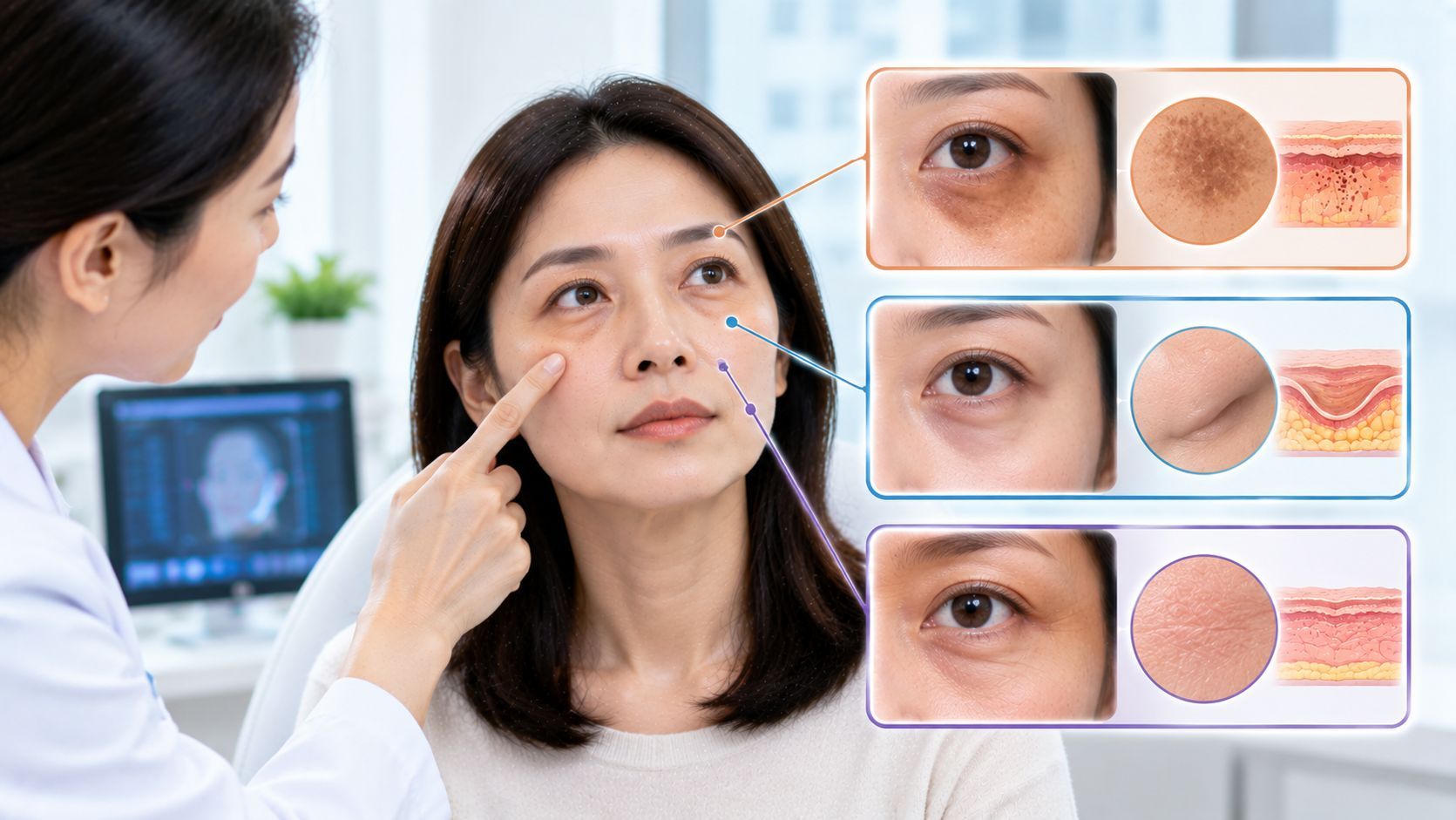
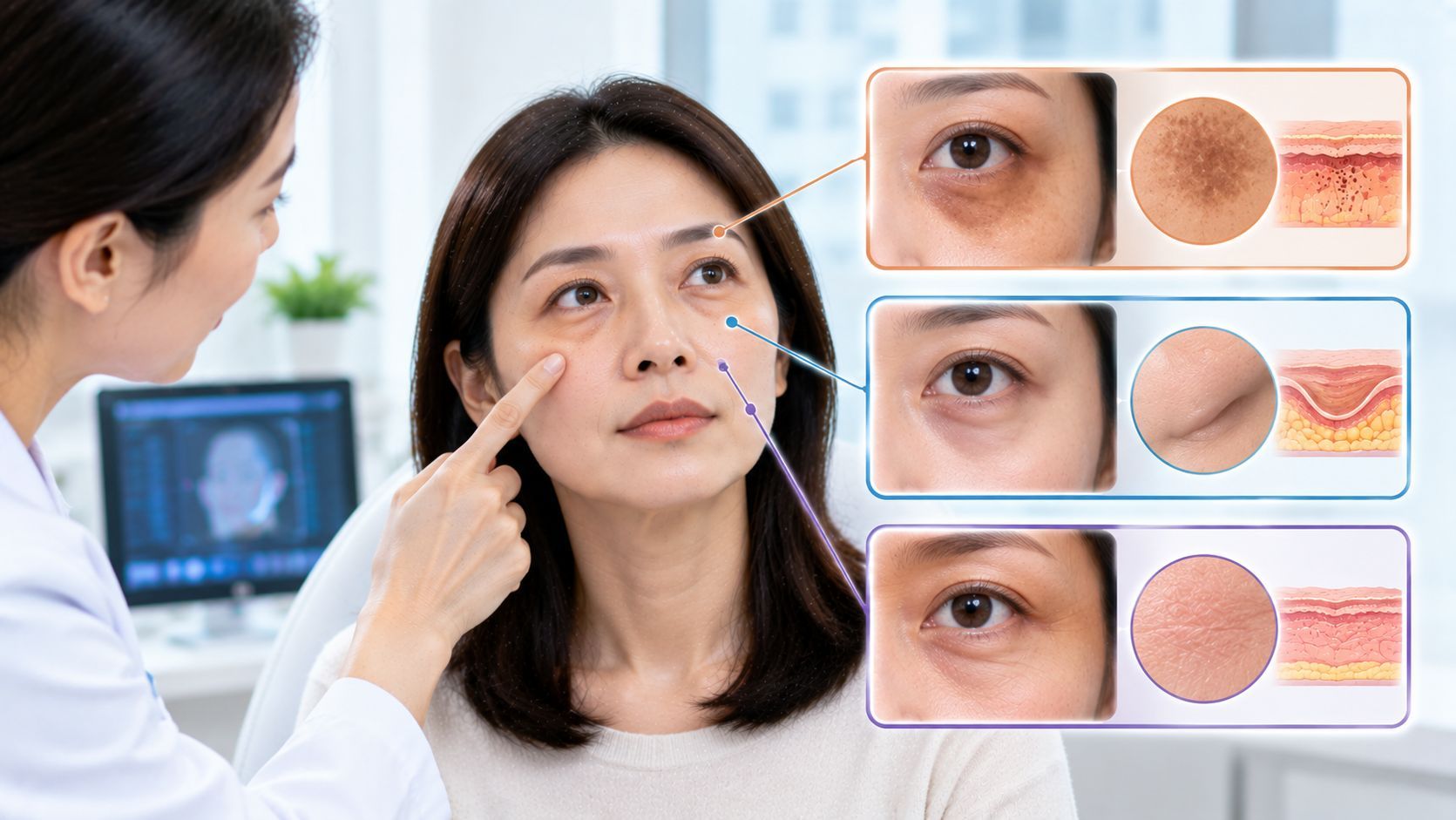
Darker skin contains more epidermal melanin, which can compete with the laser's intended target. This can increase the risk of temporary or persistent hyperpigmentation, hypopigmentation, burns, and, in some circumstances, scarring.
For many patients with Fitzpatrick skin types IV–VI, conservative non-ablative fractional lasers and appropriately selected 1064-nm Nd:YAG-based treatments are among the laser approaches with comparatively favorable safety profiles. However, there is no laser that is completely free of pigmentation risk.
Why Does Darker Skin Have a Higher Pigmentation Risk?
Melanin is the pigment responsible for skin color. Laser energy can interact with melanin as well as with the intended target.
When treatment causes excessive thermal or inflammatory injury, melanocytes can respond by producing additional pigment. This can lead to PIH after the procedure.
The risk is particularly relevant for people who:
- Have Fitzpatrick skin type IV, V, or VI
- Develop dark marks easily after acne or insect bites
- Have previously developed PIH after procedures
- Have recently tanned
- Have active acne or skin inflammation
- Receive overly aggressive laser settings
- Do not adequately protect treated skin from sunlight
PIH has a heightened prevalence in darker skin and can sometimes be difficult to treat once established.
Which Korean Lasers May Have a Lower Pigmentation Risk?
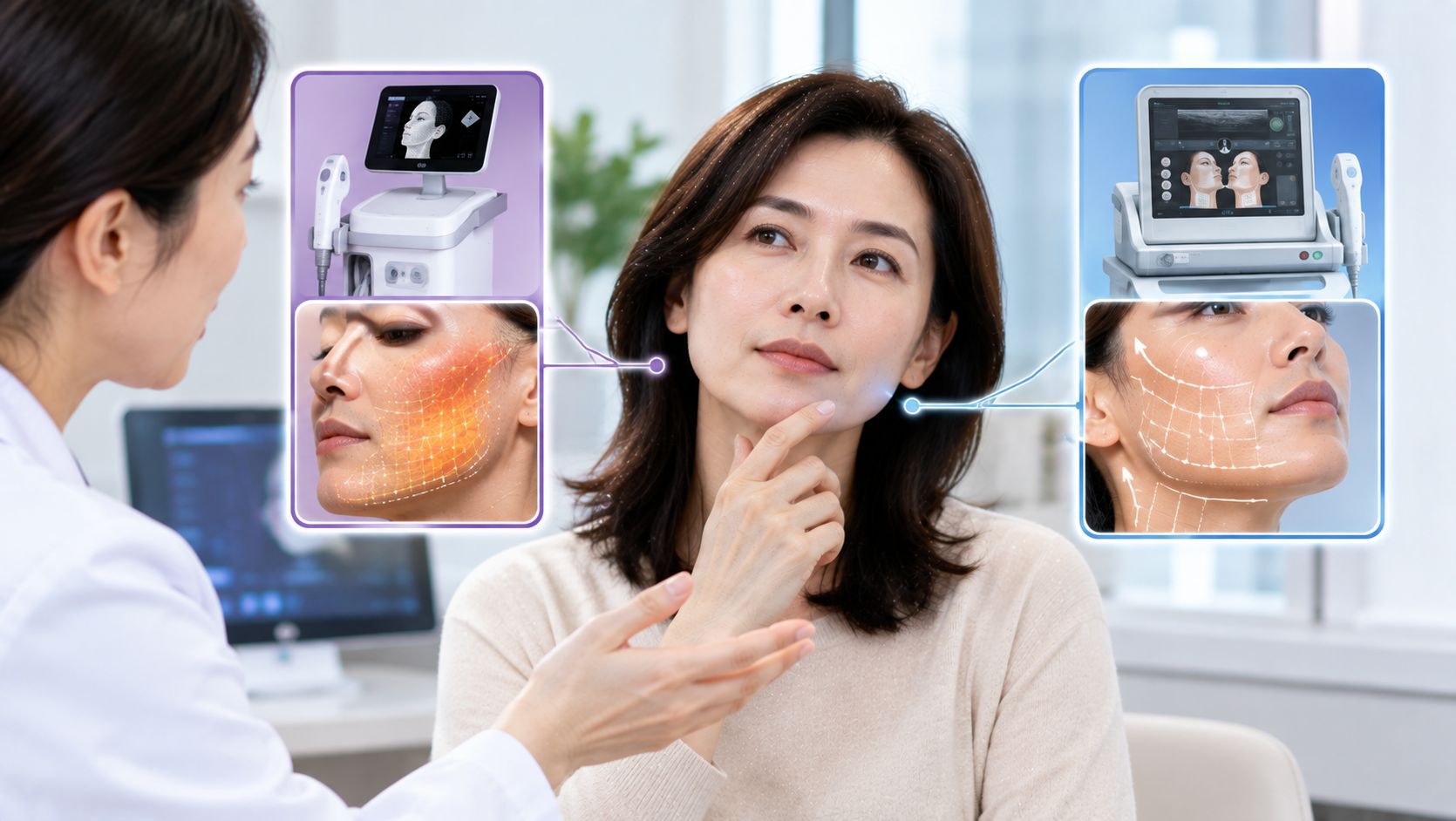
Rather than thinking about a particular Korean brand, it is more useful to consider laser category and wavelength.
1064-nm Nd:YAG
The 1064-nm Nd:YAG wavelength is frequently considered when treating patients with darker skin because its longer wavelength penetrates deeper and is less strongly absorbed by epidermal melanin than shorter wavelengths.
Reviews of laser treatment in skin of color describe 1064-nm Nd:YAG devices as having favorable safety profiles when appropriately selected and operated.
Depending on the indication, Nd:YAG technology may be used for concerns such as:
- Certain pigmentation problems
- Vascular lesions
- Hair removal
- Selected rejuvenation applications
However, 1064 nm does not mean zero pigmentation risk. Energy, pulse duration, spot size, cooling, treatment technique, and the patient's individual skin response still matter.
Non-Ablative Fractional Lasers
Non-ablative fractional lasers can create controlled thermal injury without removing the entire treated surface.
A 2024 review of fractional non-ablative lasers in darker phototypes found evidence supporting their use for several dermatologic conditions and noted that non-ablative approaches are generally preferred over more aggressive ablative treatments when minimizing PIH is important.
These treatments may be considered for:
- Acne scars
- Uneven texture
- Fine lines
- Some pigmentation concerns
- Overall skin rejuvenation
The settings still need to be adjusted to the patient's skin type and treatment goal.
Picosecond Lasers
Picosecond lasers are widely used in Korea for pigmentation and skin-rejuvenation treatments. They can also be used in fractional configurations for acne scars.
Importantly, “Pico laser” does not describe a single treatment. Different wavelengths and handpieces can produce very different effects.
Research on a 1064-nm picosecond laser with a fractional microlens array found improvement in atrophic acne scars among Asian patients with Fitzpatrick III–IV skin, with temporary PIH occurring in some treatment sessions.
Another study of a 755-nm picosecond system used for atrophic acne scars in Asian patients reported a relatively low PIH rate, but that study population and device configuration cannot be assumed to represent every darker skin type.
So the important question is not simply, “Is Pico safe for dark skin?”
It is:
Which wavelength, handpiece, fluence, pulse settings, and treatment pattern are appropriate for my skin?
What About Fractional Pico for Acne Scars?
If acne scars are your concern, fractional picosecond treatment can be an option worth discussing.
A meta-analysis comparing fractional picosecond lasers with other fractional lasers found similar overall scar improvement and reported lower PIH incidence with fractional picosecond treatment in the analyzed studies.
Nevertheless, acne-scar treatment in darker skin requires individualized planning because the scar type matters.
For example:
- Rolling scars may require subcision.
- Boxcar scars may respond to selected resurfacing approaches.
- Ice-pick scars may require focal techniques such as TCA CROSS.
- Mixed scars may require combination treatment.
Using a laser simply because it is marketed for “acne scars” may not address the actual structure of your scars.
Which Treatments Require More Caution?
Ablative Resurfacing Lasers
CO₂ and other ablative resurfacing treatments can produce substantial thermal injury and inflammation.
They can be effective for selected patients, but the risk of pigmentary complications is generally more concerning in darker skin. Recent reviews continue to emphasize greater complication risk with ablative modalities compared with conservative non-ablative approaches in skin of color.
This does not mean ablative lasers are automatically prohibited. It means the threshold for careful patient selection and conservative treatment should be higher.
Shorter-Wavelength Pigment Lasers
Shorter wavelengths can interact more strongly with epidermal melanin. Depending on the indication and skin type, this can increase the possibility of unwanted pigmentary changes.
Some shorter-wavelength lasers can still be used in darker skin under appropriate circumstances, but the dermatologist should select the wavelength based on the actual target rather than assuming that a popular pigmentation laser is suitable for everyone.
Aggressive Settings
Even a relatively appropriate laser can cause problems if the treatment is too aggressive.
Higher energy is not automatically better.
For someone who develops PIH easily, a dermatologist may consider:
- Lower energy
- Conservative treatment density
- Fewer passes
- Adequate cooling
- Longer intervals between sessions
- Test spots when appropriate
- Gradual treatment progression
The objective is to create enough therapeutic effect without producing unnecessary inflammation.
How Can You Reduce Pigmentation Risk Before Laser Treatment?
Tell the Dermatologist About Your PIH History
This may be more useful than simply saying, “I have dark skin.”
Tell the doctor if you develop dark marks after:
- Acne
- Cuts
- Insect bites
- Waxing
- Chemical peels
- Previous lasers
- Microneedling
- Burns
A history of PIH can influence treatment planning.
Avoid Treating Recently Tanned Skin Without Evaluation
Recent tanning changes the amount of melanin in the skin and may alter the risk profile of treatment.
Sun protection is particularly important before and after laser procedures. The American Academy of Dermatology recommends avoiding tanning and using appropriate sun protection around laser treatment.
Control Active Inflammation
If you have active acne, dermatitis, irritation, or another inflammatory condition, treating the inflammation may be more important than immediately performing a laser procedure.
Inflammation itself can contribute to PIH.
What Should International Patients Ask a Seoul Clinic?
If you are traveling to Korea specifically for laser treatment, ask:
- What Fitzpatrick skin type do you consider me?
- Have you treated patients with my skin tone before?
- Which wavelength are you using and why?
- What settings will you use for my skin type?
- What is my estimated PIH risk?
- Should I use any pre-treatment skincare?
- How long should I avoid sun exposure afterward?
- What should I do if darkening develops?
- Would a test spot be appropriate?
- Would a non-laser treatment be better for my concern?
A dermatologist who regularly treats darker skin should be comfortable discussing these questions rather than simply promising that a particular machine is “safe.”
Is RF Microneedling Safer Than Laser?
It can have a different risk profile, but “RF microneedling is safer than laser” is too broad a statement.
Microneedling itself is considered suitable across skin tones, but RF microneedling adds controlled thermal energy. Treatment depth and energy therefore matter. The American Academy of Dermatology describes microneedling as safe for all skin tones, while RF microneedling requires consideration of its additional energy component.
For some acne scars or textural concerns, RF microneedling may be an alternative to fractional laser. For others, laser may offer advantages.
The correct choice depends on your scar type, skin type, inflammation, PIH history, and treatment goals.
A Practical Way to Think About Laser Risk
Treatment approachPigmentation consideration for darker skin1064-nm Nd:YAGOften favorable when appropriately selectedNon-ablative fractional laserOften preferred over aggressive resurfacingFractional picosecondCan be an option; settings and wavelength matterAblative resurfacingRequires greater cautionAggressive/high-energy treatmentGreater concern for PIH and inflammationRF microneedlingDifferent risk profile; energy and depth matterVascular laserCan be considered, but wavelength and skin type matter
This table is a general framework rather than a treatment recommendation for an individual patient.
Conclusion
Having darker skin does not mean you cannot receive laser treatment in Korea. 1064-nm Nd:YAG systems, appropriately selected non-ablative fractional lasers, and certain picosecond approaches can have favorable safety profiles in darker skin when used with conservative, individualized settings.
The most important factor is not the machine's marketing name. It is the combination of wavelength, treatment objective, energy, technique, your Fitzpatrick skin type, tanning status, inflammation, and personal history of PIH.
If you develop dark marks easily after minor skin inflammation, tell your Korean dermatologist before treatment. Your history may be more important than simply identifying yourself as having “Asian,” “brown,” or “dark” skin.
FAQs
Is Pico laser safe for dark skin?
It can be used in some darker skin types, but safety depends on the wavelength, device configuration, settings, indication, and individual PIH risk.
Is 1064-nm Nd:YAG good for darker skin?
The 1064-nm wavelength is commonly considered a useful option for various applications in skin of color because it interacts less with superficial epidermal melanin than some shorter wavelengths. It still requires appropriate settings and technique.
Should people with Fitzpatrick V or VI avoid lasers?
Not necessarily. Modern laser technology has expanded treatment options for darker skin, but careful device selection and conservative parameters are particularly important.
Which is more important: the laser brand or the settings?
Both matter, but the device's wavelength, handpiece, treatment parameters, operator experience, and patient selection are critical. A well-known laser can still cause pigmentary complications if used inappropriately.
Can laser permanently cause dark spots?
PIH can sometimes persist for a long time, although many cases improve. Hypopigmentation and other complications can also occur, particularly after excessive injury.
Should I choose a Korean clinic based on the newest laser?
A newer machine is not automatically the right choice. For darker skin, prioritize a dermatologist who can explain why a particular wavelength and treatment protocol fit your skin and concern.