I Flush Easily. Which Treatments Should I Avoid?
Introduction
If your face becomes red quickly from heat, exercise, stress, hot drinks, skincare products, or even a warm treatment room, you may wonder whether aesthetic treatments are a bad idea. The answer is not necessarily. Easy flushing does not automatically mean you must avoid cosmetic dermatology, but it does mean that treatment should be selected according to why you flush and how reactive your skin is.
Frequent flushing can occur with sensitive skin, a weakened skin barrier, rosacea, environmental triggers, or other conditions. Rosacea, in particular, commonly begins with a tendency to flush or blush easily.
Before choosing a treatment in Korea, the more useful question is not simply, “Which treatment is safest?” It is: Which treatments are least likely to aggravate my particular redness, and what is causing the flushing?
What Does Easy Facial Flushing Mean?
Flushing is a temporary increase in facial redness caused by changes in blood flow. It can appear within minutes after a trigger and may be accompanied by warmth, burning, or stinging.
Common triggers include:
- Heat and overheating
- Sun exposure
- Exercise
- Stress or strong emotions
- Alcohol
- Spicy foods
- Hot beverages
- Certain skincare products
- Wind or cold
Not everyone has the same triggers. Keeping track of when flushing occurs can help a dermatologist identify patterns.
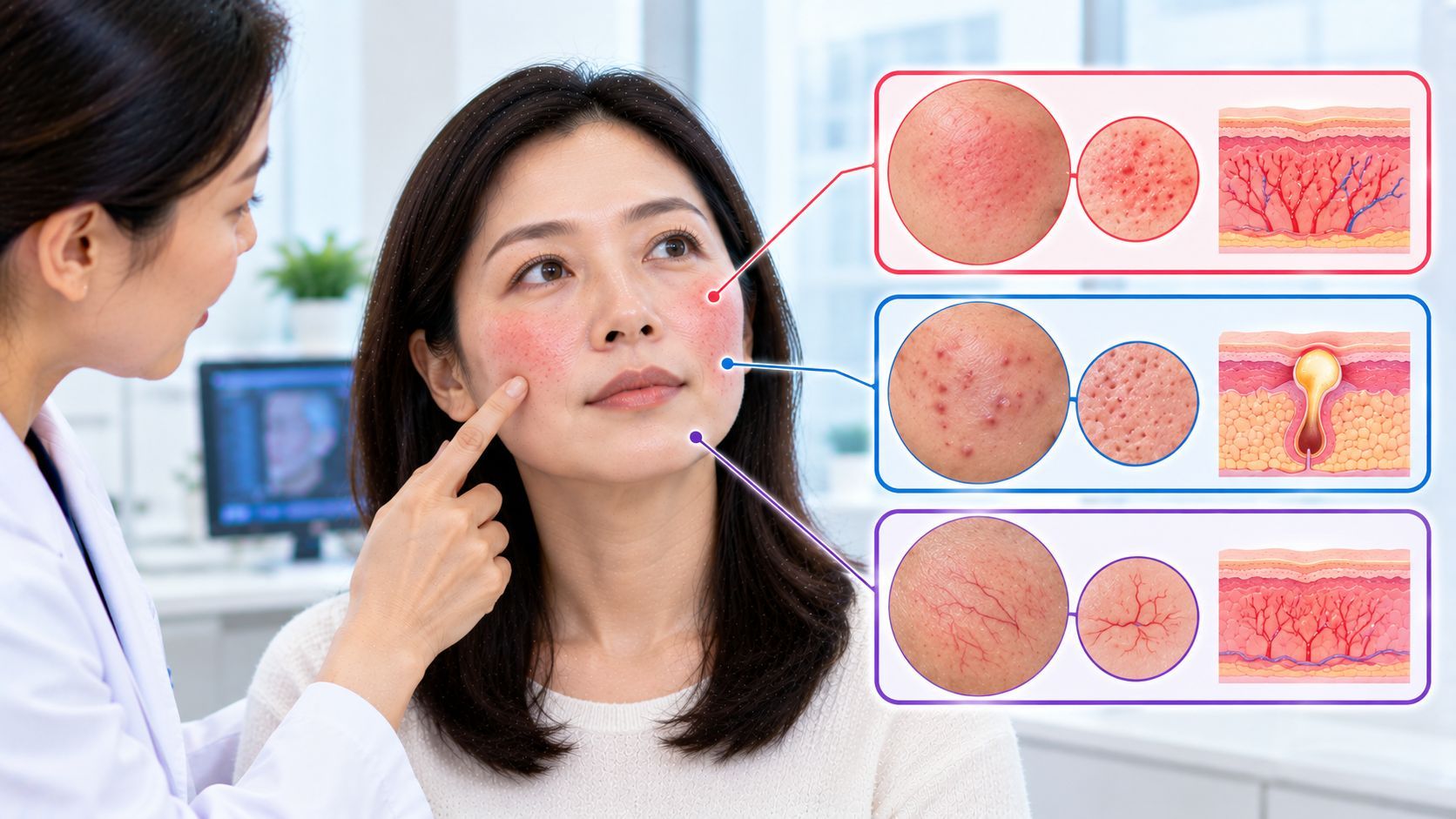
If flushing is becoming more frequent, lasting longer, or occurring together with persistent redness, visible blood vessels, burning, bumps, or eye irritation, a dermatologist should evaluate whether rosacea is involved.
Which Treatments May Need Extra Caution?
There is no universal list of treatments that every person who flushes must avoid. However, some procedures deserve more caution because they can temporarily increase skin temperature, inflammation, or irritation.
Heat-Based RF Treatments
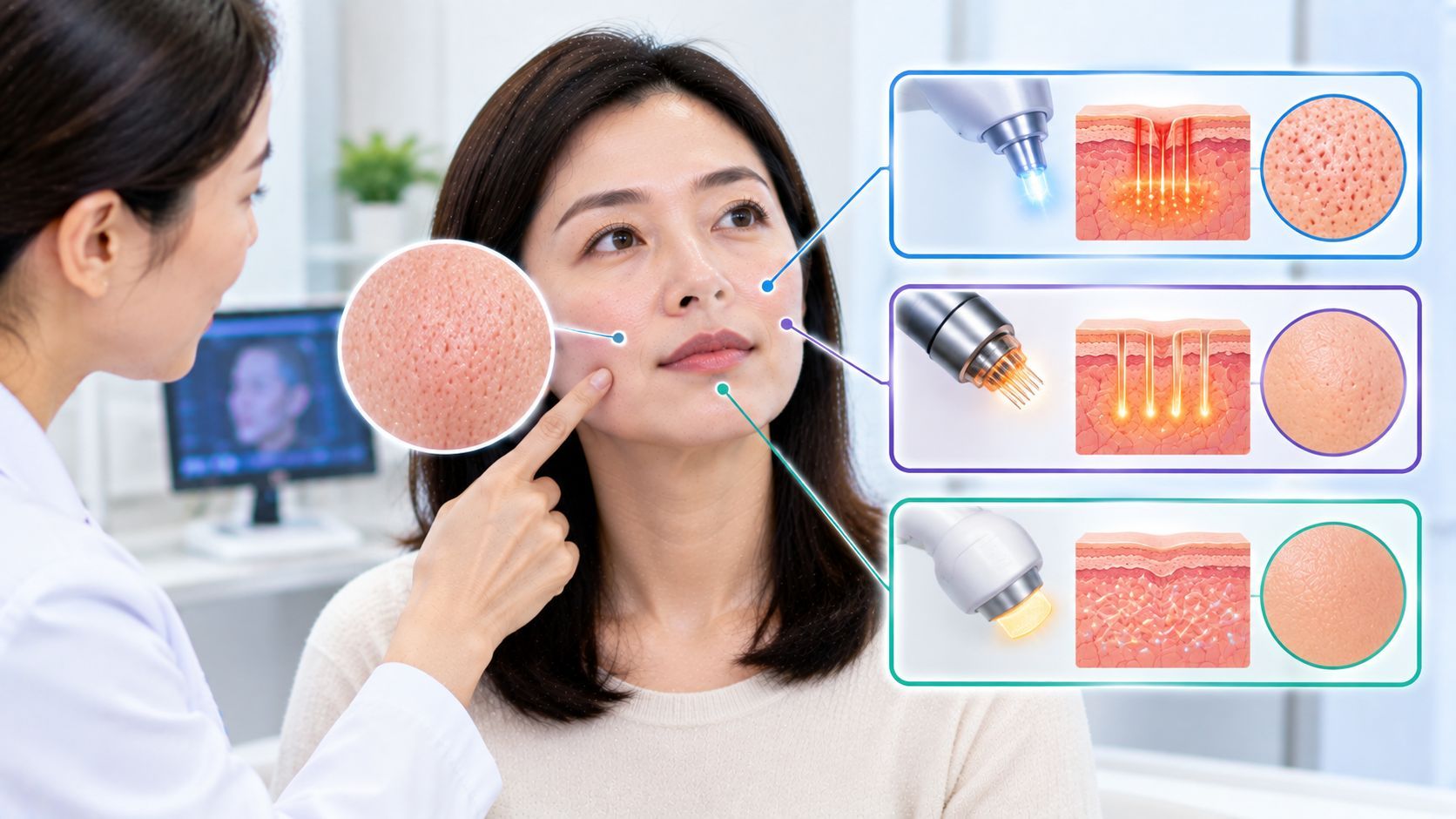
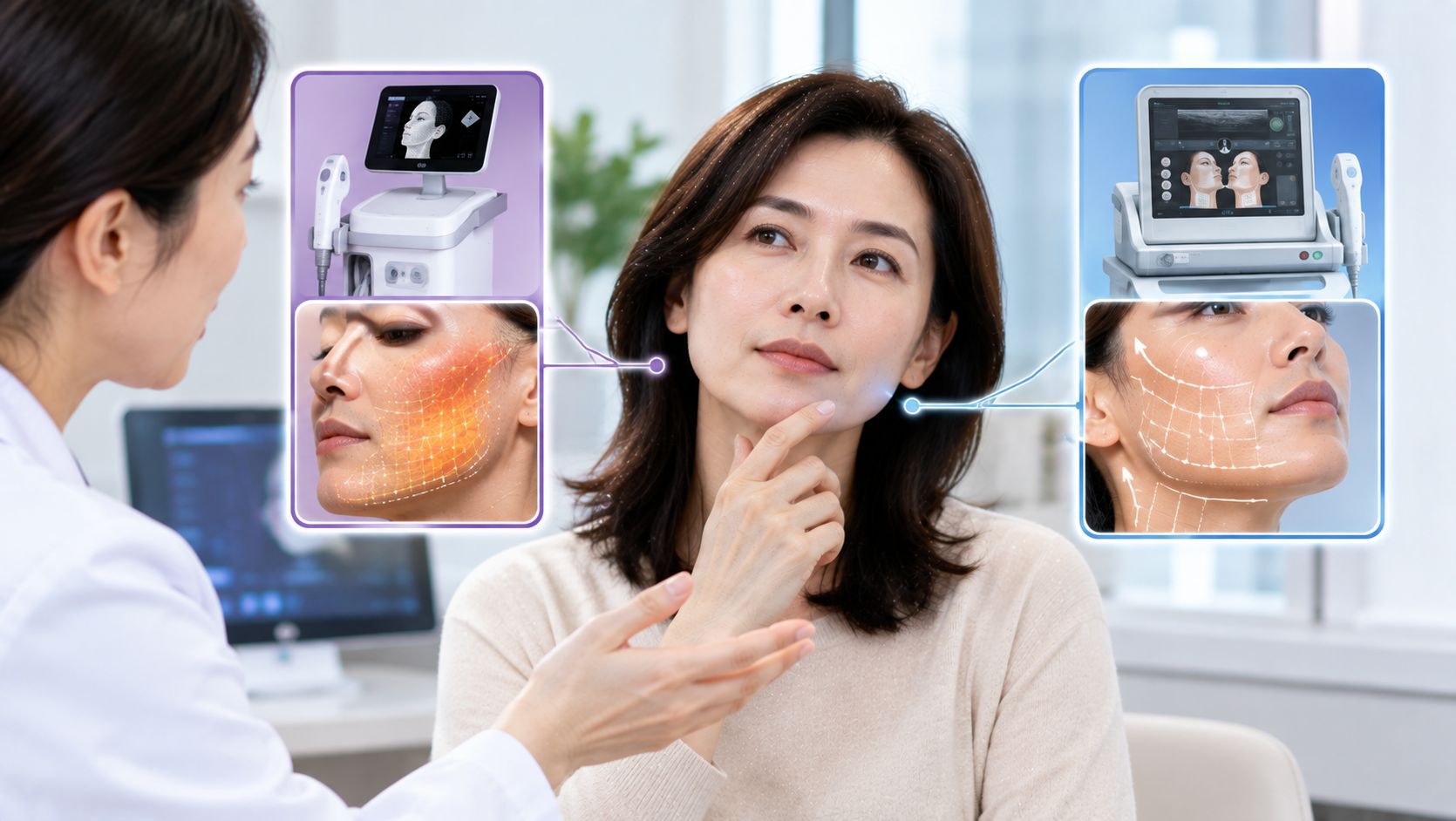
Radiofrequency treatments such as certain skin-tightening and RF microneedling procedures deliberately deliver energy into the skin and can create heat.
That does not mean everyone who flushes must avoid RF. However, if heat itself is a strong flushing trigger, an aggressive or poorly selected RF treatment may be uncomfortable or provoke temporary redness.
The National Rosacea Society specifically advises people with rosacea-prone skin to discuss whether heat-producing procedures could aggravate their flushing.
A dermatologist may therefore consider factors such as:
- How strongly you react to heat
- Whether you have rosacea
- Current redness or inflammation
- Treatment intensity
- Treatment area
- Previous reactions to energy-based procedures
Aggressive Resurfacing Lasers
Ablative or aggressive resurfacing procedures can produce substantial temporary inflammation and require a meaningful recovery period.
They may be inappropriate when the skin is already highly irritated or when redness is poorly controlled.
This does not mean that all lasers should be avoided. Some laser and light treatments are actually used to address visible blood vessels and certain forms of rosacea-related redness.
The important distinction is laser chosen to treat redness versus an aggressive resurfacing treatment performed without considering the cause of redness.
Very Aggressive Microneedling or RF Microneedling
Microneedling creates controlled micro-injuries. RF microneedling adds thermal energy.
If your skin is already inflamed, burning, or experiencing significant barrier dysfunction, deliberately adding injury or heat may not be the first step.
A dermatologist may recommend stabilizing the skin first rather than immediately pursuing a more intensive procedure.
Strong Chemical Peels
Strong exfoliating treatments can irritate reactive skin. If acids or skincare products already cause substantial burning and redness, an aggressive peel may not be appropriate without careful evaluation.
This is especially important if you have symptoms suggesting rosacea or dermatitis rather than simply mild cosmetic sensitivity.
Are Lasers Always Bad for People Who Flush?
No. This is one of the most important distinctions.
Certain vascular lasers and light-based treatments can be used to target visible blood vessels and persistent redness. IPL may also be considered for some patients with rosacea-related redness or flushing.
However, treatment parameters, skin type, diagnosis, and the specific device matter.
The American Academy of Dermatology notes that laser or light treatment can have a role in treating rosacea, particularly visible blood vessels, but inappropriate treatment can cause complications such as burns, pigment changes, or scarring.
Therefore, someone who flushes easily should not choose a laser simply because it is advertised as a “redness treatment.”
What About Skin Boosters?
Injectable skin boosters are a different category from heat-based procedures. Depending on the product, they may be used to improve hydration, skin quality, or other cosmetic concerns.
But injections themselves can temporarily cause:
- Redness
- Swelling
- Tenderness
- Bruising
- Small bumps
If your skin is actively inflamed or you have unexplained persistent redness, it may be better to determine the cause before adding an injectable treatment.
Easy flushing by itself does not automatically rule out skin boosters. The key issue is whether your skin is stable enough and whether the proposed product matches your goals.
What Treatments May Be More Appropriate?
Depending on the cause of your flushing, a dermatologist may consider a treatment plan involving:
SituationPossible approachOccasional flushing with otherwise healthy skinTrigger management and gentle skincarePersistent rednessDermatologic evaluation; medication or selected light/laser optionsVisible facial vesselsVascular laser or light treatment may be consideredActive rosaceaControl inflammation and triggers before elective proceduresHeat-sensitive skinCareful evaluation before heat-based RF proceduresWeak skin barrierBarrier-supportive skincare before aggressive proceduresSevere unexplained rednessDiagnosis before aesthetic treatment
This is why there is no single “best Korean treatment” for everyone who flushes.
Should You Avoid RF, HIFU and Other Energy Treatments?
Not automatically.
HIFU, RF, RF microneedling, laser, IPL, and other energy-based treatments work differently. Their effects depend on the device, energy settings, treatment depth, and the patient's skin.
If you know that heat is one of your strongest flushing triggers, tell the dermatologist before treatment. The clinician may decide that a different technology, lower treatment intensity, different timing, or treatment of the underlying redness should come first.
The goal should not be to tolerate as much heat as possible. It should be to choose a procedure that addresses your actual concern without unnecessarily provoking your skin.
What Should You Do Before Treatment in Korea?
If you are traveling to Seoul for dermatology treatment, make your flushing history part of the consultation.
Tell the clinic:
- What causes your face to flush.
- How long the redness normally lasts.
- Whether you experience burning or stinging.
- Whether you have persistent redness between episodes.
- Whether you have visible blood vessels.
- Which skincare products cause reactions.
- Whether previous lasers, RF, facials, or peels caused prolonged redness.
- Whether you have ever been diagnosed with rosacea or dermatitis.
If possible, photographs showing your face during a typical flushing episode can also help explain what happens between appointments.
For international patients, it is also sensible not to schedule an aggressive procedure immediately before an important event, long flight, sauna visit, or intensive sightseeing day. Your recovery period should be part of the treatment plan.
What If I Flush During the Consultation?
That information can actually be useful.
A dermatologist can observe whether the redness is transient or persistent and ask about potential triggers. If the flushing is accompanied by burning, stinging, persistent redness, visible vessels, acne-like inflammatory lesions, or eye symptoms, further evaluation may be appropriate.
Rosacea treatment is individualized, and management can include trigger avoidance, gentle skincare, medication, and selected laser or light procedures depending on the symptoms.
Treat the Cause Before Chasing the Redness
One of the biggest mistakes is treating facial redness as purely a cosmetic problem.
If your face repeatedly becomes hot and red, first determine whether the problem is:
- Normal individual flushing
- Sensitive or irritated skin
- A damaged skin barrier
- Rosacea
- Another dermatologic condition
A treatment designed to improve skin texture may not solve a vascular or inflammatory problem. Conversely, someone with mild sensitivity but no underlying disease may not need medical treatment for redness at all.
Conclusion
If you flush easily, you do not necessarily need to avoid aesthetic treatments in Korea. However, heat-intensive RF procedures, aggressive resurfacing, strong peels, and intensive microneedling may require particular caution when your skin is highly reactive or actively inflamed.
At the same time, some laser and light treatments can be used specifically for visible vessels or certain types of rosacea-related redness.
The safest approach is individualized: identify your flushing triggers, determine whether rosacea or another condition is present, stabilize irritated skin when necessary, and then choose the procedure and intensity based on your skin rather than on a generic treatment menu.
FAQs
Can I get laser treatment if I flush easily?
Possibly. Some lasers and light treatments are used for redness and visible blood vessels, but the correct device and settings depend on the cause of your flushing and your skin characteristics.
Should people with rosacea avoid RF?
Not automatically, but heat can trigger flushing in some people with rosacea. A dermatologist should determine whether a heat-based procedure is appropriate for your particular symptoms.
Is HIFU safe for sensitive, flushing skin?
HIFU is not automatically contraindicated, but anyone who reacts strongly to heat should discuss the treatment carefully before proceeding.
Can flushing mean I have rosacea?
It can be an early sign, particularly when flushing occurs repeatedly with triggers such as heat, stress, alcohol, or spicy food. Persistent redness and other symptoms can provide additional clues.
Should I treat redness before getting an anti-aging procedure?
If redness is caused by active inflammation or rosacea, controlling the underlying problem may be more appropriate than immediately adding another cosmetic procedure.