How Should Laser Treatment Be Adjusted for Someone Who Tans Very Easily?
Introduction
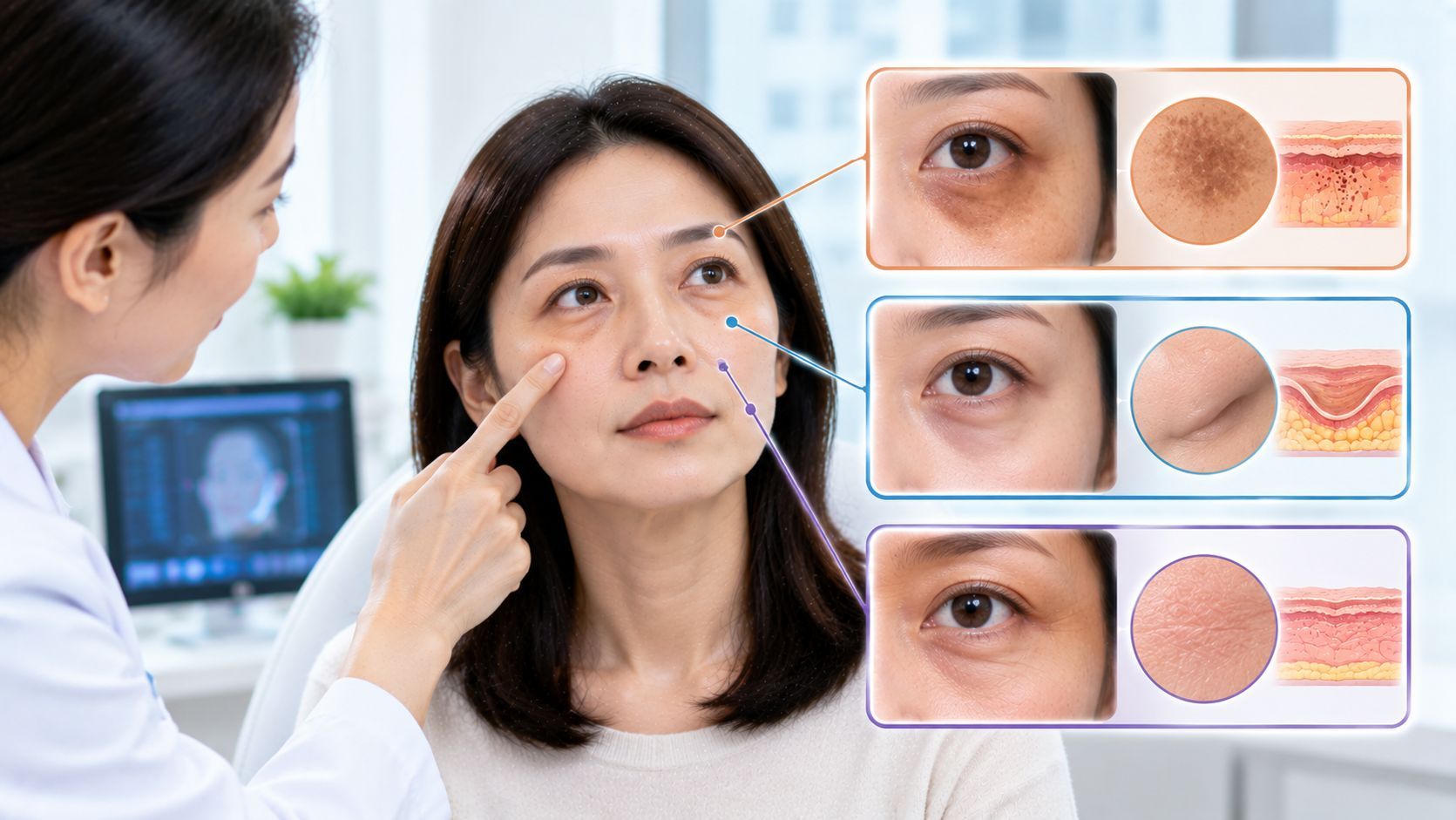
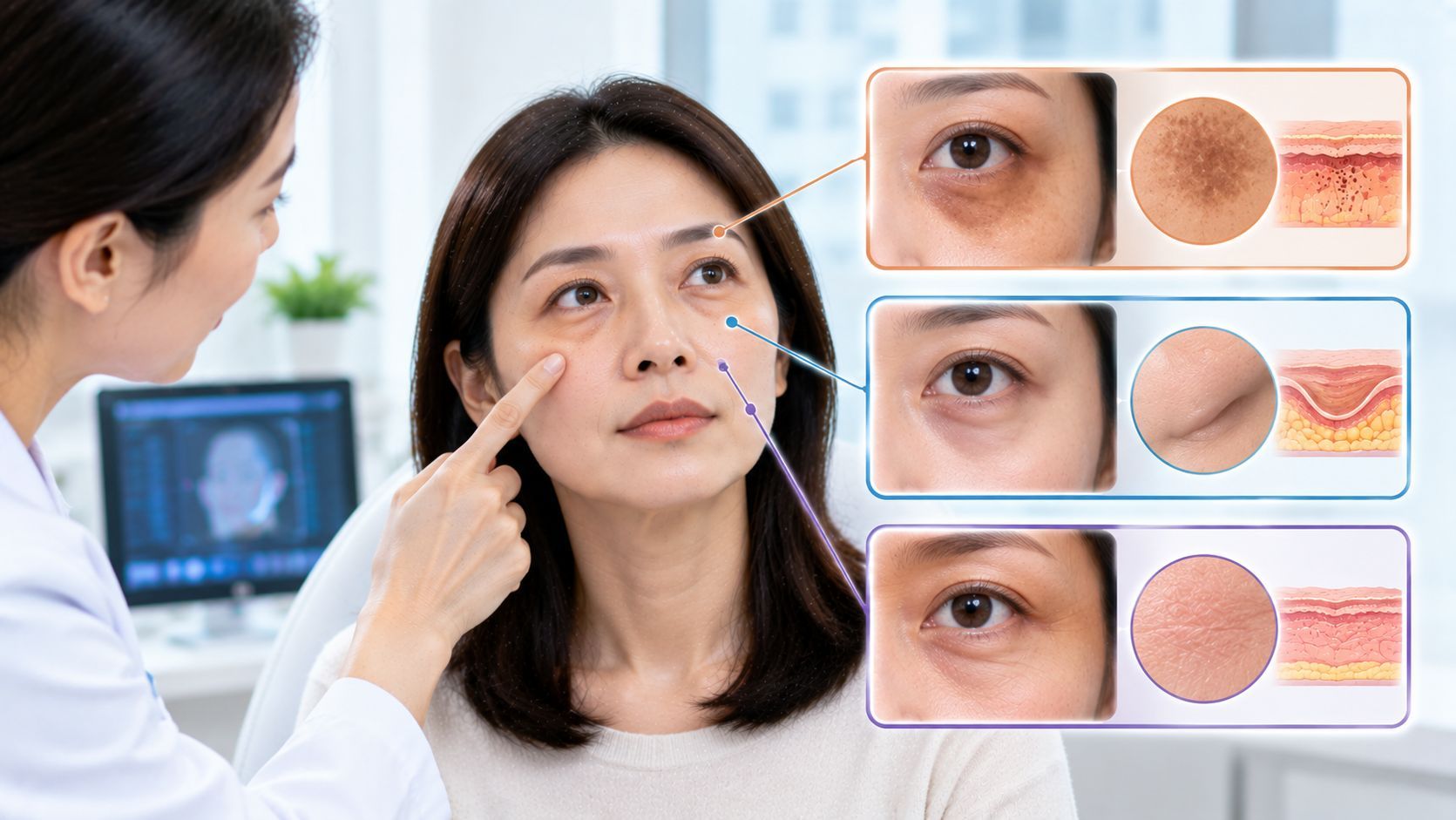
If your skin tans very easily, that does not automatically mean you cannot have laser treatment. However, recent tanning can change how your skin responds to laser energy and may increase the risk of burns, post-inflammatory hyperpigmentation (PIH), uneven pigmentation, or other complications. The safest approach is usually to assess the skin's current condition rather than relying only on your usual skin tone.
This is particularly important for people with darker or melanin-rich skin. Epidermal melanin can compete with the intended treatment target for laser energy, so recent tanning may make parameter selection more complicated.
If you are planning laser treatment in Korea, tell the dermatologist when you last had significant sun exposure and whether your skin is currently darker than its usual baseline.
Why Does Tanning Matter Before Laser Treatment?
Tanning means that your skin has produced more melanin in response to ultraviolet exposure.
Laser devices may interact with that melanin even when melanin is not the intended target. Depending on the wavelength, treatment intensity, and device, this can increase the possibility of unwanted heating or inflammation in the epidermis.
In darker skin, this matters because PIH is already more common and can sometimes be persistent. A 2024 systematic review found that PIH disproportionately affects darker skin tones and that treatment can itself occasionally worsen pigmentation.
This does not mean that every tan makes laser treatment impossible. It means recent tanning should be disclosed and considered before treatment.
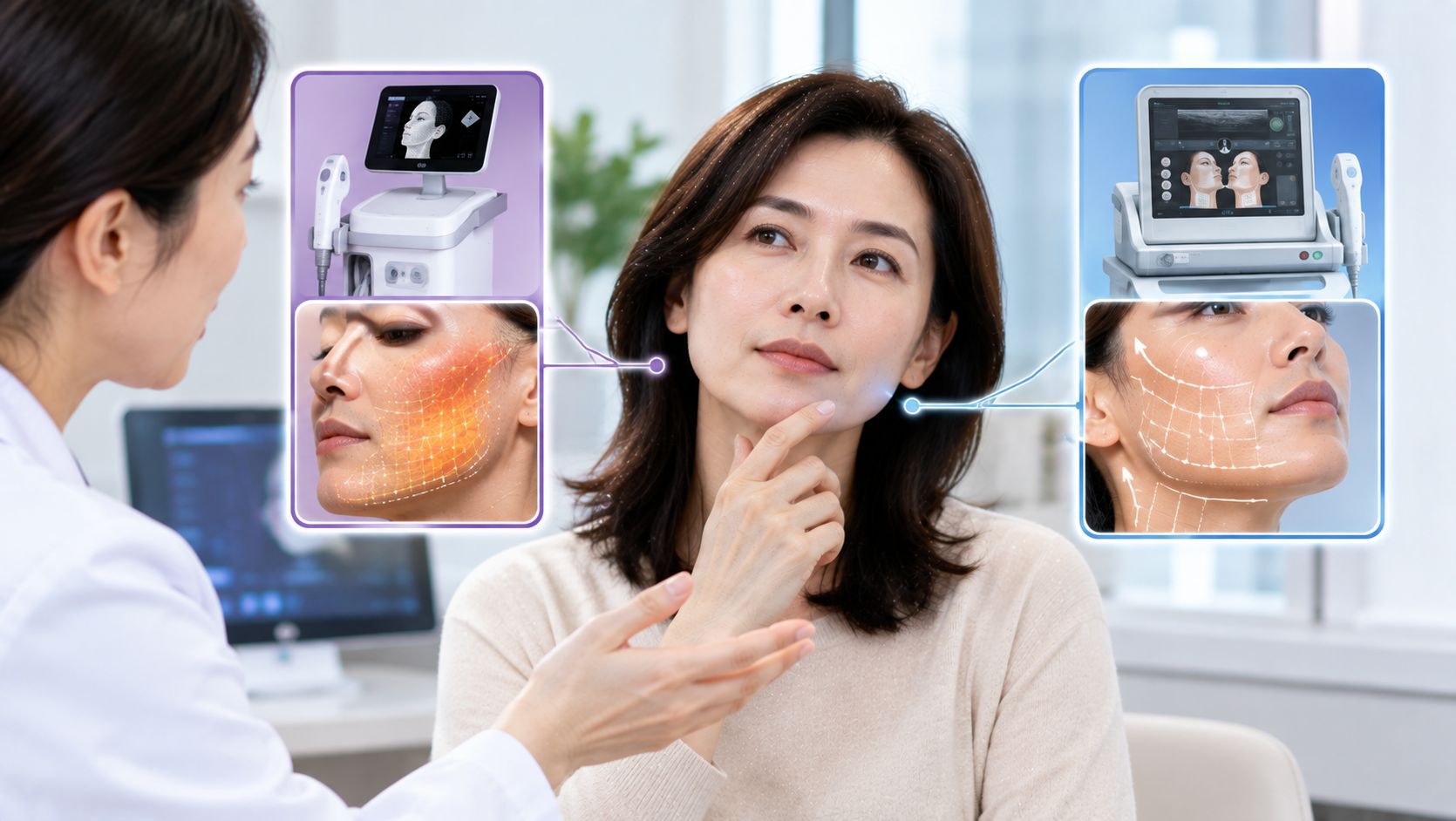
How Should a Dermatologist Adjust Treatment After Tanning?
There is no single setting that works for every recently tanned patient.
Depending on the procedure and how much tanning has occurred, a dermatologist may consider:
- Delaying treatment
- Using lower energy
- Reducing treatment density
- Changing pulse duration
- Adjusting the number of passes
- Selecting a different wavelength
- Using stronger cooling
- Treating a smaller area first
- Performing a test spot when appropriate
- Choosing a non-laser alternative
The exact adjustment depends on the device and the reason for treatment.
A recent 2026 review of non-ablative fractional lasers in skin of color found that lower energy and/or lower treatment density were associated with reduced PIH rates in studies comparing settings.
Should You Delay Laser Treatment if You Are Tanned?
Sometimes.
If you have a noticeable fresh tan, especially after substantial sun exposure, your dermatologist may recommend waiting until the skin returns closer to its normal baseline.
There is no universal number of days that applies to every laser and every patient.
The appropriate waiting period depends on:
- How significant the tanning is
- Which laser will be used
- Your skin type
- Your treatment goal
- Your history of PIH
- Whether the skin is irritated or sunburned
- How much ultraviolet exposure you expect after treatment
If you have an actual sunburn, peeling, tenderness, or significant inflammation, elective laser treatment should generally be postponed until the skin has recovered.
What If I Tan Easily but Am Not Currently Tanned?
This is different from having recently tanned skin.
Someone who naturally tans very easily may still be an appropriate candidate for laser treatment when their skin is at its normal baseline.
However, your tendency to tan is useful information for your dermatologist because it tells them that your skin may experience substantial changes in melanin production with UV exposure.
Tell the dermatologist:
“I tan very easily, and my skin becomes significantly darker after sun exposure.”
Also explain whether you tend to develop dark marks after acne, insect bites, cuts, or cosmetic procedures.
Does Skin Type Matter More Than Tanning?
Both matter.
Fitzpatrick skin type is one factor used to estimate how skin responds to UV exposure, but it does not completely describe an individual's pigmentation behavior.
Two patients with the same Fitzpatrick classification can have different histories of tanning and PIH.
For laser treatment, the dermatologist should consider your:
- Baseline skin tone
- Current pigmentation
- Recent tanning
- PIH history
- Treatment area
- Diagnosis
- Laser wavelength
- Treatment intensity
Modern laser literature increasingly emphasizes individualized treatment rather than assuming that all patients within a particular skin category should receive identical settings.
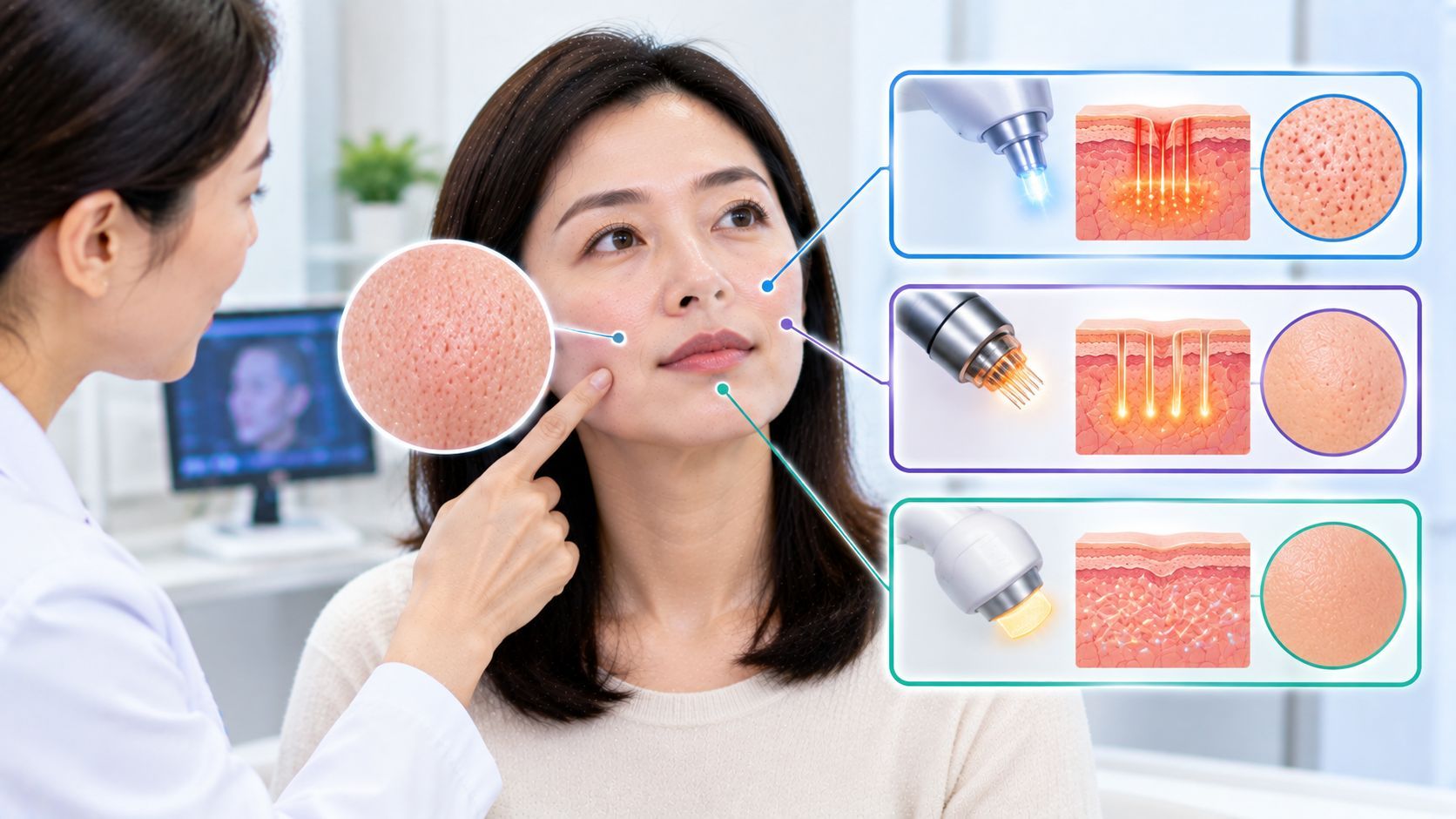
How Does Tanning Affect Different Laser Types?
The effect is not identical across technologies.
Ablative CO₂ Laser
Ablative CO₂ produces substantial epidermal and thermal injury.
Because PIH risk is already an important concern in darker skin, recent tanning can make aggressive resurfacing particularly unsuitable until the skin has returned to a stable baseline.
Ablative lasers are generally approached more cautiously in skin of color because of pigmentary complications.
Non-Ablative Fractional Lasers
Non-ablative fractional lasers can be used in darker phototypes with appropriately conservative settings.
A 2024 review found evidence supporting their use for several conditions in skin types IV–VI, while emphasizing appropriate parameter selection.
However, recent tanning may still influence the decision to treat immediately.
Pico Lasers
Pico devices use very short pulses, but “Pico laser” is not a single treatment.
Different wavelengths and handpieces can have very different applications and pigmentary considerations.
Therefore, having a tan does not automatically mean that every Pico treatment is inappropriate, nor does it mean that every Pico setting is suitable.
1064-nm Nd:YAG
Longer wavelengths such as 1064 nm generally have less epidermal melanin absorption than shorter wavelengths and are frequently used in darker skin.
However, a 1064-nm laser is not automatically safe after tanning. Energy and pulse parameters still need to be selected appropriately.
What About Laser Hair Removal?
Laser hair removal is another situation where recent tanning matters.
Melanin in the hair follicle is the intended target, but epidermal melanin can also absorb energy.
This becomes particularly relevant after tanning because the contrast between hair and surrounding skin may change and the epidermis may absorb more laser energy.
Longer-wavelength devices, including 1064-nm Nd:YAG systems, have historically been used for darker skin because of their lower epidermal melanin absorption compared with shorter wavelengths.
Your dermatologist or laser specialist should know whether the treatment area has recently been exposed to substantial sunlight.
What If You Have a Vacation Planned After Laser Treatment?
This is an important issue for medical tourists.
Suppose you are visiting Seoul for a laser procedure and plan to spend the following week:
- Walking around Seoul
- Visiting outdoor attractions
- Hiking
- Going to the beach
- Taking a day trip
- Spending long periods outside
Your treatment schedule should account for that.
If significant sun exposure is unavoidable immediately after treatment, it may be more appropriate to reconsider the timing or treatment intensity.
Post-treatment photoprotection is an important component of reducing pigmentary complications. Recent reviews of laser treatment in skin of color emphasize strict photoprotection and conservative treatment strategies.
Should You Use Sunscreen Before Laser Treatment?
Yes, consistent photoprotection is important, but sunscreen should not be viewed as a way to make recent tanning irrelevant.
If you have been spending substantial time outdoors, tell your dermatologist even if you have been using sunscreen.
Also follow the clinic's instructions regarding which skincare products to stop or continue before treatment.
Do not independently begin aggressive bleaching products, exfoliating acids, or prescription treatments immediately before a procedure without discussing them with your dermatologist.
Can a Test Spot Help?
In selected circumstances, a dermatologist may consider a test spot.
This can be particularly useful when there is uncertainty about how your skin will respond to a specific device or setting.
However, a test spot is not a guarantee of safety. A larger treatment area, different anatomical location, higher treatment density, or repeated sessions can produce a different response.
The decision to test should therefore be made by the treating clinician.
What Should You Tell a Korean Dermatologist?
If you are traveling to Seoul for treatment, give the dermatologist specific information.
You can say:
“I tan very easily, and I recently had significant sun exposure. My skin is currently darker than usual.”
Then explain:
- When you last had substantial sun exposure
- Whether you have a visible tan
- Whether you experienced sunburn
- Whether your skin is peeling or irritated
- Whether you develop PIH easily
- Whether previous laser treatments caused pigmentation
- What treatment you want
- How much outdoor activity you expect after treatment
If you have photographs from before your recent tanning, showing them can help demonstrate how much your skin tone has changed.
Questions to Ask Before Treatment
Before proceeding, consider asking:
- Does my current tan increase the risk of this treatment?
- Should I wait until my skin returns to its usual color?
- Would you change the laser wavelength because of my skin type?
- Will you reduce the energy or treatment density?
- Would a test spot be useful?
- How much sun exposure should I avoid afterward?
- Can I safely do outdoor sightseeing after the procedure?
- What should I do if dark pigmentation develops?
These questions are particularly useful if you are an international patient who has limited time in Korea.
What If You Cannot Avoid Sun Exposure?
If you are traveling during a sunny season or your schedule requires substantial outdoor activity, tell the clinic before booking your procedure.
Depending on your treatment, the dermatologist may recommend:
- Moving the procedure to a different day
- Choosing a less aggressive treatment
- Treating a smaller area
- Using different settings
- Selecting another technology
- Postponing treatment until a period with better photoprotection is possible
This is one reason medical-tourism planning should consider recovery and sun exposure, not just appointment availability.
Conclusion
If you tan very easily, laser treatment may still be possible, but recent tanning should change the treatment conversation.
The dermatologist should assess your current skin rather than relying only on your usual complexion. Depending on the treatment, they may postpone the procedure, reduce energy or density, modify the wavelength or pulse parameters, use stronger cooling, consider a test spot, or select another treatment.
This is particularly important for darker skin because epidermal melanin can compete with the intended laser target, while PIH is more common after inflammatory skin injury.
For patients traveling to Korea, the safest approach is to tell the dermatologist exactly when you last had significant sun exposure, how easily you tan, whether you currently have a visible tan, and whether you have previously developed PIH.
Frequently Asked Questions
Can I get laser treatment if I tan easily?
Possibly. Being someone who tans easily is not an automatic contraindication. The more important question is whether your skin is currently tanned or inflamed and which laser is being considered.
How long should I wait after tanning before laser treatment?
There is no universal waiting period for every laser. Your dermatologist should assess whether your skin has returned sufficiently close to its baseline and whether treatment can be performed with an appropriate safety margin.
Is laser treatment more dangerous after a sunburn?
A sunburned or actively inflamed area should generally not undergo elective laser treatment until the skin has recovered.
Can I get Pico laser after tanning?
It depends on the specific Pico wavelength, treatment goal, current skin condition, and degree of tanning. “Pico” describes pulse duration, not one universal device or treatment.
Does 1064-nm Nd:YAG work better for tanned skin?
1064 nm has relatively lower epidermal melanin absorption and can be useful in darker skin, but it does not make recently tanned skin automatically suitable for treatment. Parameters still need to be individualized.
Can sunscreen prevent all laser-related pigmentation after tanning?
No. Sunscreen and photoprotection are important, but they cannot completely eliminate the additional considerations associated with recent tanning or a personal tendency toward PIH.