Which Treatments Should Someone With Melanin-Rich Skin Be Especially Cautious About?
Introduction
If you have melanin-rich skin, you do not need to avoid aesthetic treatments altogether. However, some procedures deserve more careful planning because inflammation, heat, or epidermal injury can increase the risk of post-inflammatory hyperpigmentation (PIH), hypopigmentation, burns, or prolonged discoloration.
The biggest mistake is treating “dark skin” as a single category. Fitzpatrick IV, V, and VI skin can respond differently, and your personal history matters just as much as your baseline skin tone. Someone who develops dark marks after every pimple may need a more conservative treatment strategy than someone with a similar skin tone who rarely develops pigmentation.
For patients considering dermatology treatment in Korea, the key is not simply asking which procedures are “safe.” The better question is which treatment, device, wavelength, depth, and settings are appropriate for your specific skin and concern.
Why Melanin-Rich Skin Requires Extra Caution
Melanin protects the skin from ultraviolet radiation, but it can also absorb energy from certain light-based devices.
When a treatment creates excessive thermal or inflammatory injury, melanocytes can become more active. This can lead to PIH. In darker phototypes, pigmentary complications can sometimes be more noticeable and longer-lasting.
Risk can increase with:
- Fitzpatrick IV–VI skin
- Previous PIH
- Recent tanning
- Active acne or inflammation
- Aggressive treatment settings
- Excessive treatment density
- Poor cooling
- Inadequate sun protection
- Repeated treatments before the skin has recovered
1. Aggressive Ablative CO₂ Laser
Ablative CO₂ laser is one of the treatments that generally deserves the most caution in darker skin.
It intentionally removes or vaporizes portions of the epidermis and creates substantial thermal injury. It can be highly useful for selected scars, wrinkles, and texture problems, but the intensity of the treatment also creates greater potential for pigmentary complications.
PIH after fractional or fully ablative resurfacing can be particularly problematic in darker phototypes. Reviews of laser treatment in skin of color emphasize careful patient selection and conservative parameter selection.
This does not mean CO₂ laser is automatically prohibited.
A dermatologist may sometimes consider fractional rather than fully ablative treatment, lower treatment density, different settings, or alternative procedures depending on the indication.
2. Strong Fractional Resurfacing
Fractional treatment does not automatically mean low risk.
Fractional lasers create microscopic treatment zones while leaving untreated skin between them. This can reduce recovery compared with fully ablative resurfacing, but the procedure still produces controlled injury.
The risk depends on:
- Ablative versus non-ablative technology
- Energy
- Density
- Number of passes
- Treatment depth
- Wavelength
- Skin type
- PIH history
Selected non-ablative fractional lasers may be appropriate for darker skin when carefully adjusted, so the important distinction is which fractional laser, rather than simply whether a laser is fractional.
3. Short-Wavelength Pigment Lasers
Pigmentation treatments deserve particular attention because melanin is deliberately being targeted.
Shorter wavelengths can have greater interaction with epidermal melanin. Depending on the device and indication, this can increase the possibility of unwanted epidermal injury.
This is why a dermatologist may select a different wavelength or treatment approach for a patient with darker skin.
For pigmentation problems, diagnosis is also essential.
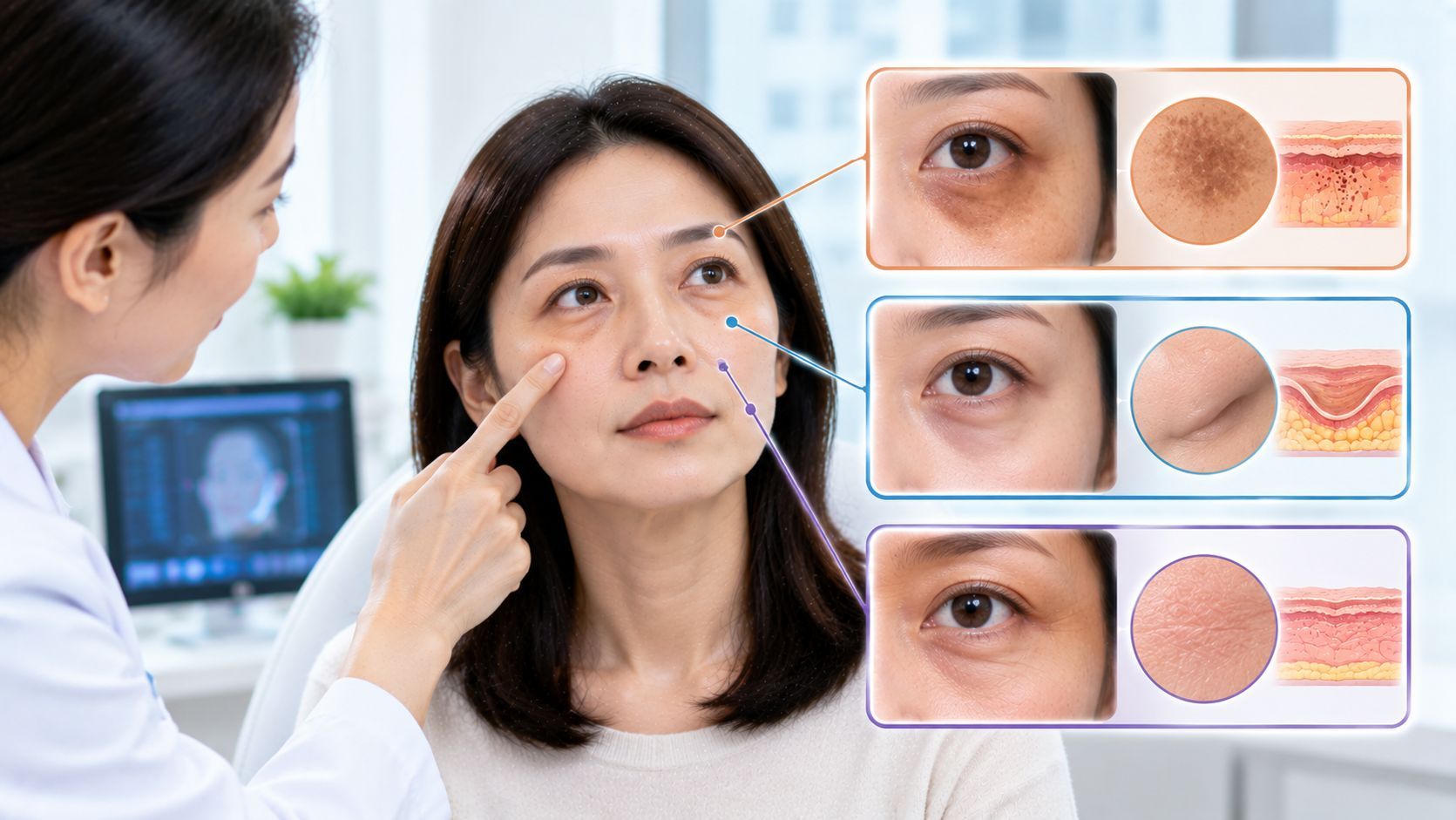
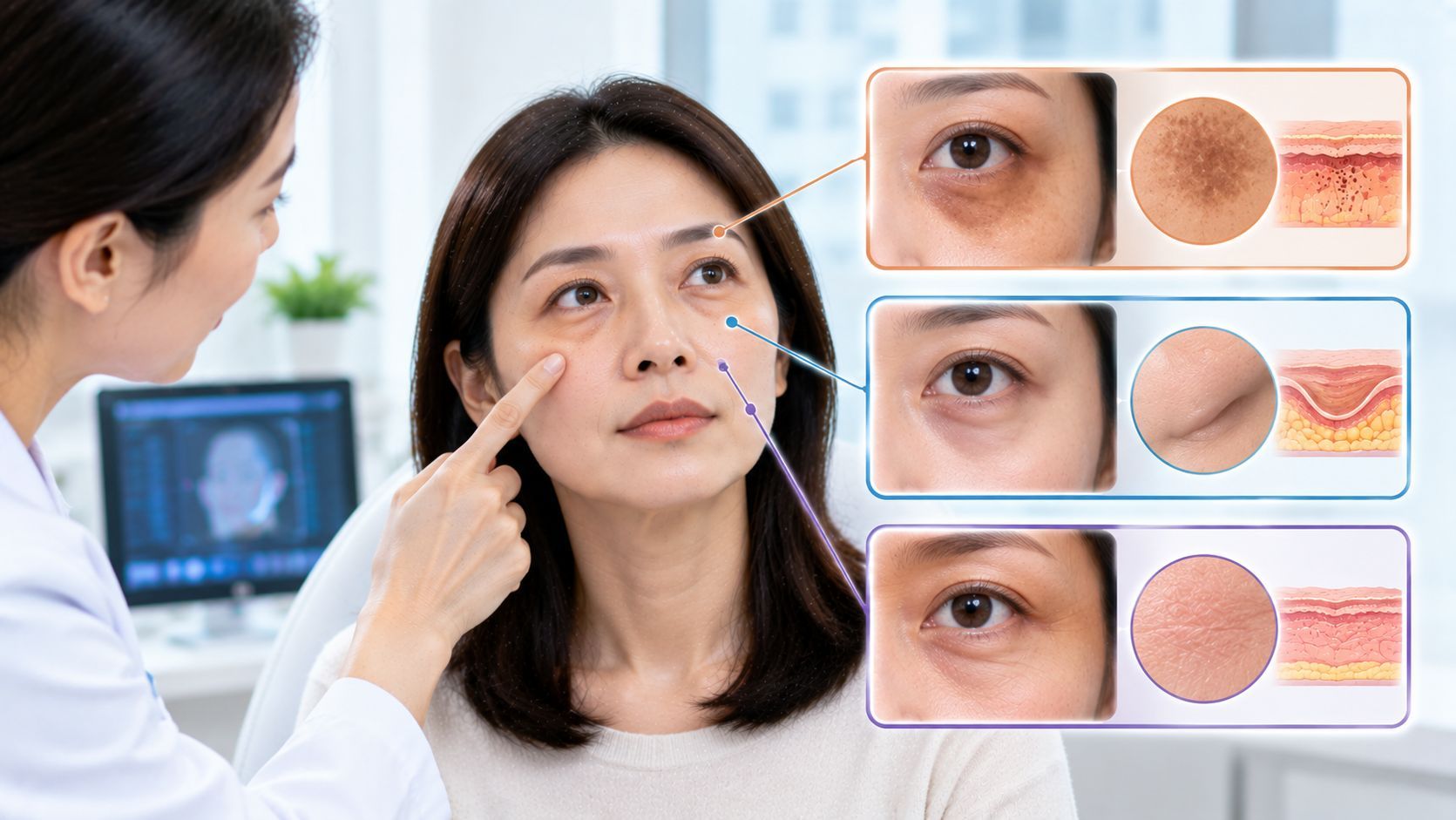
Melasma, post-inflammatory hyperpigmentation, freckles, lentigines, and other pigmented conditions do not necessarily respond to the same treatment.
4. 532-nm KTP Laser
532-nm KTP lasers are useful for selected vascular and pigmented lesions, but the wavelength is also absorbed by melanin.
That makes parameter selection particularly important in higher Fitzpatrick skin types.
If you have melanin-rich skin, ask the dermatologist:
“How does this wavelength affect epidermal melanin in my skin type?”
This question can lead to a much more useful discussion than simply asking whether the device is safe.
5. Pulsed Dye Laser
Pulsed dye laser (PDL), generally around 585–595 nm, is widely used for vascular conditions.
However, shorter wavelengths can have greater interaction with epidermal melanin. Pigmentary changes are therefore an important consideration in darker skin.
PDL can still be appropriate in selected patients, but your dermatologist may need to consider:
- Wavelength
- Fluence
- Pulse duration
- Spot size
- Cooling
- Treatment area
- Skin type
The vascular problem being treated also matters.
6. IPL
Intense pulsed light is another technology requiring caution in darker skin.
Unlike a single-wavelength laser, IPL emits a broad range of wavelengths. This can make epidermal melanin an important competing absorber.
IPL can be useful for selected indications, but darker skin generally requires careful device selection and conservative parameters.
It should not be assumed that an IPL treatment designed for a lighter skin type can simply be used at the same settings on darker skin.
7. Aggressive Chemical Peels
Lasers are not the only procedures that can trigger PIH.
Strong chemical peels can also cause substantial inflammation and epidermal injury.
Higher-risk situations may include:
- Deep chemical peels
- Strong TCA treatments
- Improperly performed combination peels
- Excessive treatment frequency
- Applying strong acids to already inflamed skin
Superficial peels may sometimes be appropriate, but the choice should depend on the diagnosis and your PIH history.
If every acne lesion leaves a dark mark, tell your dermatologist before undergoing a peel.
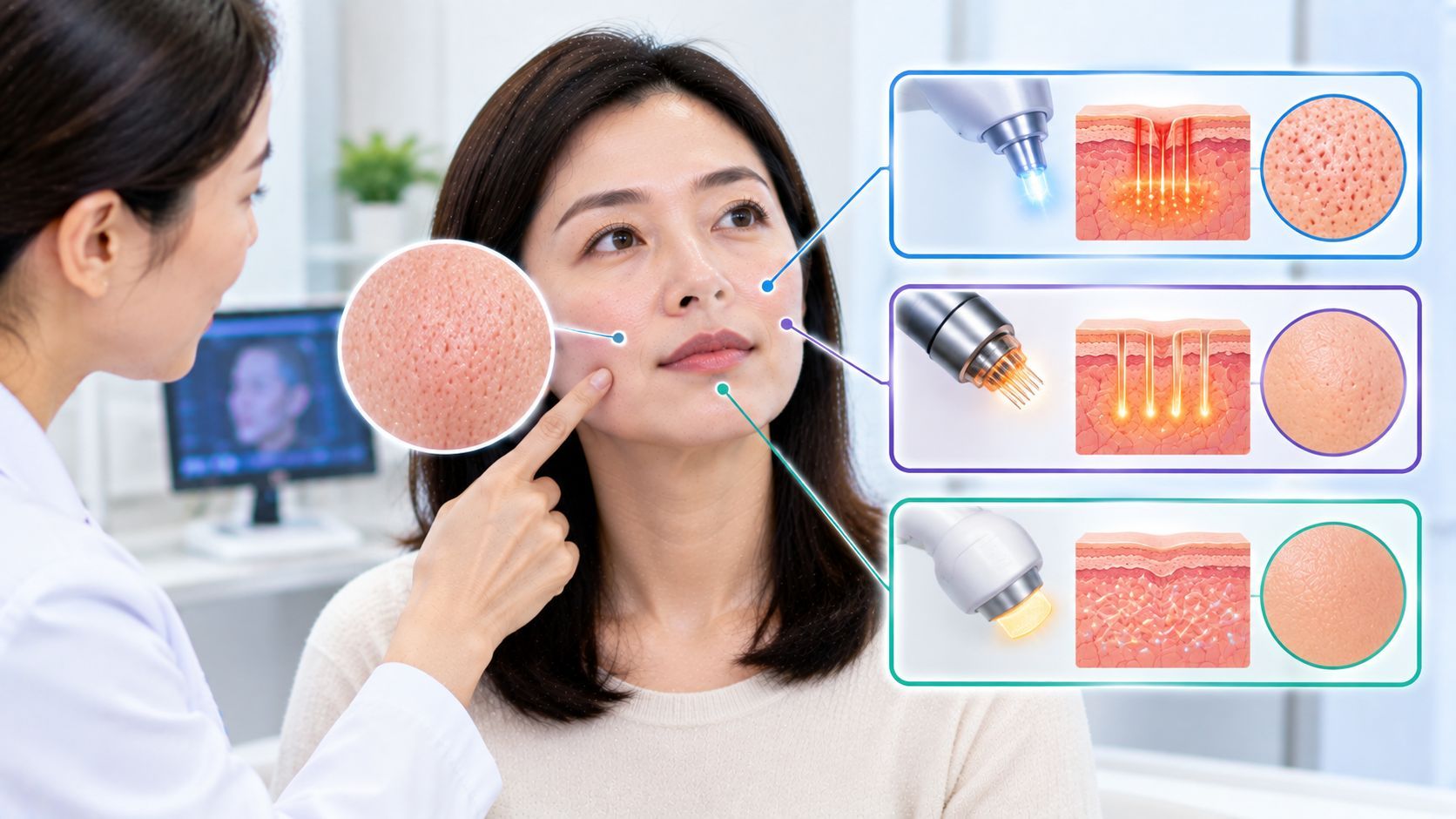
8. High-Energy RF Microneedling
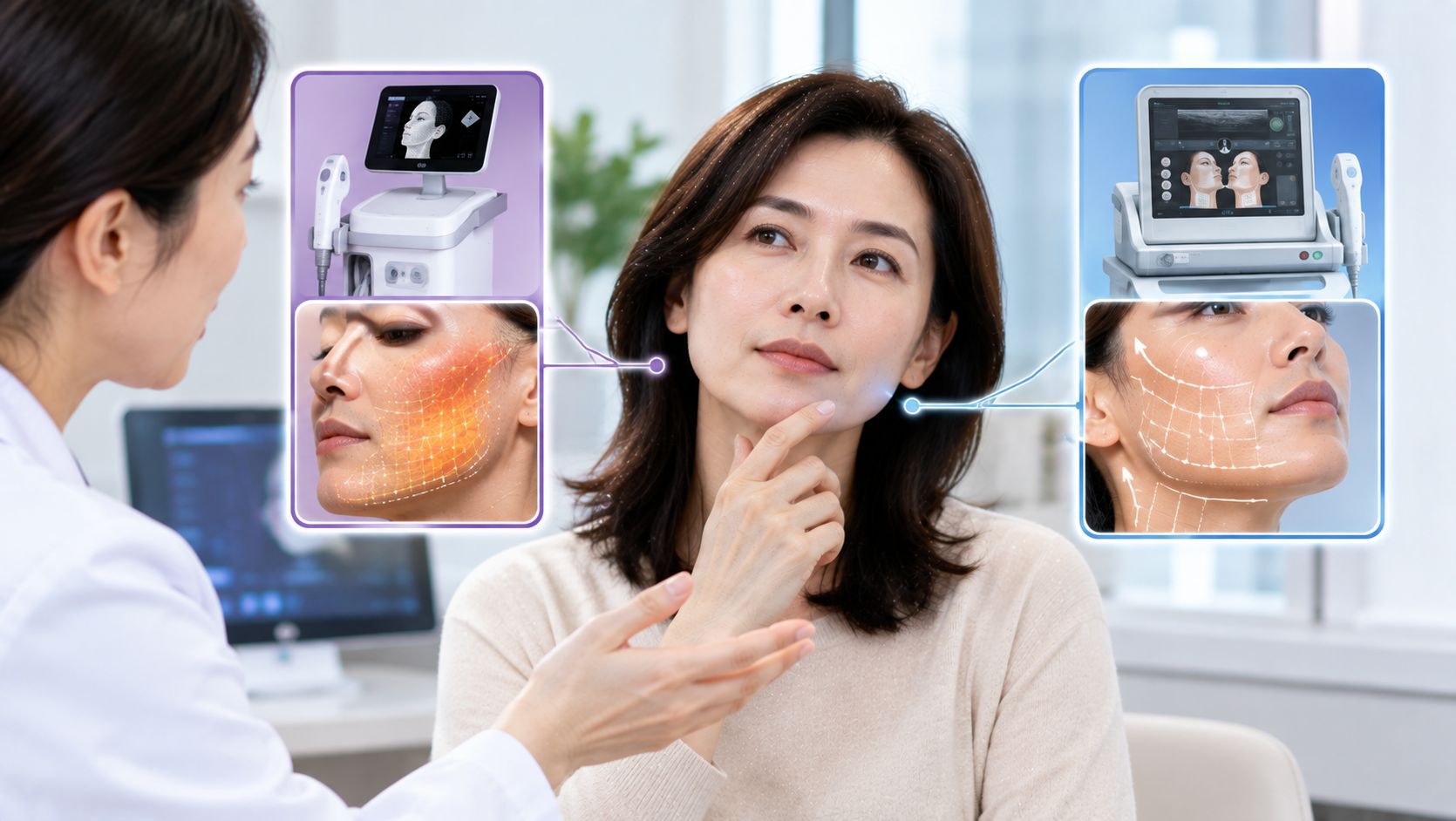
RF microneedling is often discussed as an option for darker skin because radiofrequency energy can be delivered below the epidermis.
However, RF microneedling is not automatically risk-free.
Excessive energy, inappropriate needle depth, repeated passes, or excessive thermal exposure can cause burns and inflammatory pigmentation.
A review of RF microneedling in Fitzpatrick III–VI skin found generally favorable safety outcomes but also reported transient and, less commonly, prolonged pigmentary complications.
So the correct question is not:
“Is RF microneedling safe for dark skin?”
Instead:
“What depth and RF energy are appropriate for my skin and treatment goal?”
9. Aggressive Microneedling
Traditional microneedling does not use heat, but it still creates controlled mechanical injury.
For most patients it can be less pigment-intensive than aggressive ablative resurfacing, but PIH is still possible.
Risk may increase when:
- Needles are excessively deep
- Treatment is repeated too frequently
- The skin is already inflamed
- Excessive pressure is used
- Strong active products are applied immediately afterward
More aggressive does not necessarily mean better.
10. TCA CROSS for Acne Scars
TCA CROSS can be useful for selected ice-pick acne scars because concentrated TCA is placed into individual scars.
But concentrated acid creates significant localized injury.
For someone who develops PIH easily, this can require careful consideration. The technique, acid concentration, scar selection, surrounding skin, and aftercare all matter.
TCA CROSS should therefore be treated as a medical procedure rather than an ordinary skincare treatment.
11. Aggressive Subcision
Subcision is primarily a mechanical procedure rather than a light-based treatment.
It can be useful for appropriately selected rolling acne scars by releasing fibrous attachments beneath the scar.
However, trauma can cause inflammation, bruising, swelling, and sometimes post-inflammatory pigmentation.
For someone with melanin-rich skin, the goal should be controlled correction rather than unnecessary tissue trauma.
How Does RF Microneedling Compare With Laser?
There is no universal answer.
TreatmentMain concern in melanin-rich skinAblative CO₂Greater epidermal injury and PIH riskNon-ablative fractional laserRisk varies by wavelength and settings532-nm KTPGreater interaction with epidermal melaninPDLPigmentary risk varies with wavelength and parametersIPLBroad-spectrum energy can interact with melaninRF microneedlingThermal injury and PIH still possibleMicroneedlingMechanical inflammation can cause PIHStrong chemical peelInflammation and pigmentary changesTCA CROSSLocalized chemical injury and PIHSubcisionTrauma, bruising and possible PIH
This is a comparison of risk considerations, not a ranking of treatments.
Your PIH History May Matter More Than Your Skin Color
Two people with the same Fitzpatrick skin type can have very different treatment responses.
If you frequently develop dark marks after:
- Acne
- Insect bites
- Cuts
- Burns
- Waxing
- Chemical peels
- Previous laser treatments
tell your dermatologist.
A strong personal history of PIH can justify a more conservative approach even when a particular procedure is commonly used in darker skin.
What Should You Ask a Korean Dermatologist?
If you are visiting a Korean clinic, ask these questions before treatment:
- What exactly are you treating?
- What device and wavelength will you use?
- Why is this technology appropriate for my skin type?
- How will the settings be adjusted for my PIH history?
- Would a test spot be useful?
- What is the expected downtime?
- What symptoms would indicate excessive inflammation or a burn?
- What should I use for aftercare?
- What should I do if pigmentation develops?
- Can I safely travel home shortly after treatment?
For international patients, these questions are particularly important because follow-up may occur after returning home.
When Should Treatment Be Delayed?
Your dermatologist may recommend postponing treatment if you have:
- Recent significant tanning
- Sunburn
- Active infection
- Significant dermatitis
- Severe acne inflammation
- A compromised skin barrier
- An unexplained rash
- Recent aggressive cosmetic treatment
Treating already inflamed skin can increase the inflammatory burden.
Conclusion
People with melanin-rich skin can undergo many dermatological and aesthetic procedures, but some treatments deserve more caution because they can create substantial heat, inflammation, or epidermal injury.
Aggressive ablative resurfacing, certain short-wavelength lasers, IPL, strong chemical peels, and high-energy RF procedures may require particularly careful planning. At the same time, a treatment should not be labeled unsafe simply because you have darker skin. Device selection, settings, diagnosis, PIH history, recent sun exposure, and aftercare all influence risk.
If you are considering treatment in Korea, focus on the specific procedure and parameters, not just the name of the technology. A detailed discussion of your previous pigment reactions can help your dermatologist choose an approach that balances the desired result with your individual risk.
Frequently Asked Questions
Are all lasers risky for darker skin?
No. Laser risk varies substantially according to wavelength, technology, treatment parameters, indication, and individual skin characteristics.
Is CO₂ laser dangerous for darker skin?
CO₂ laser can be used in selected darker-skinned patients, but ablative treatment creates substantial epidermal and thermal injury, making PIH and other complications important considerations.
Is RF microneedling safer than laser for melanin-rich skin?
It may have advantages for some patients because RF energy can be delivered below the epidermis, but excessive RF energy can still cause thermal injury and PIH.
Should people with darker skin avoid IPL?
Not necessarily. However, IPL requires careful patient selection and settings because its broad-spectrum energy can interact with epidermal melanin.
What treatment is safest if I always develop PIH?
There is no single safest treatment for everyone. The appropriate option depends on what you are treating, your skin type, previous reactions, and the specific device and parameters.
Should I tell a Korean dermatologist about PIH from acne?
Yes. Your history of pigmentation after acne or minor skin injuries is highly relevant when planning procedures that create inflammation or thermal injury.