What Skin Treatment Should I Get Three Months Before My Wedding?
Introduction
Three months before your wedding is one of the better times to begin a cosmetic skin-treatment plan because you still have enough time to assess your skin, complete treatments that require multiple sessions, allow temporary side effects to settle, and make adjustments if the first approach does not produce the expected result.
The goal should not be to completely change your face before your wedding. A better strategy is to identify your main concerns—such as acne, pigmentation, uneven texture, dullness, fine lines, or mild laxity—and build a conservative treatment schedule around them.
Cosmetic procedures can produce temporary redness, swelling, bruising, crusting, or other reactions, and injectable treatments can occasionally have more prolonged complications. Starting early gives you more room to manage these possibilities rather than trying something new immediately before your wedding.
Why Three Months Is a Useful Starting Point
A 12-week window gives you time for several important steps:
- Initial consultation and skin assessment
- Treatment of active acne or inflammation
- Multiple sessions of selected treatments
- Gradual improvement rather than aggressive last-minute treatment
- Time for swelling or bruising to resolve
- Assessment of your response after each procedure
- A final conservative treatment or maintenance session
Some cosmetic treatments work gradually rather than immediately. For example, botulinum toxin generally begins producing visible effects within several days, while some collagen-stimulating treatments require substantially more time.
Three months therefore provides flexibility that you simply do not have one or two weeks before the wedding.
Start With a Consultation, Not a Procedure
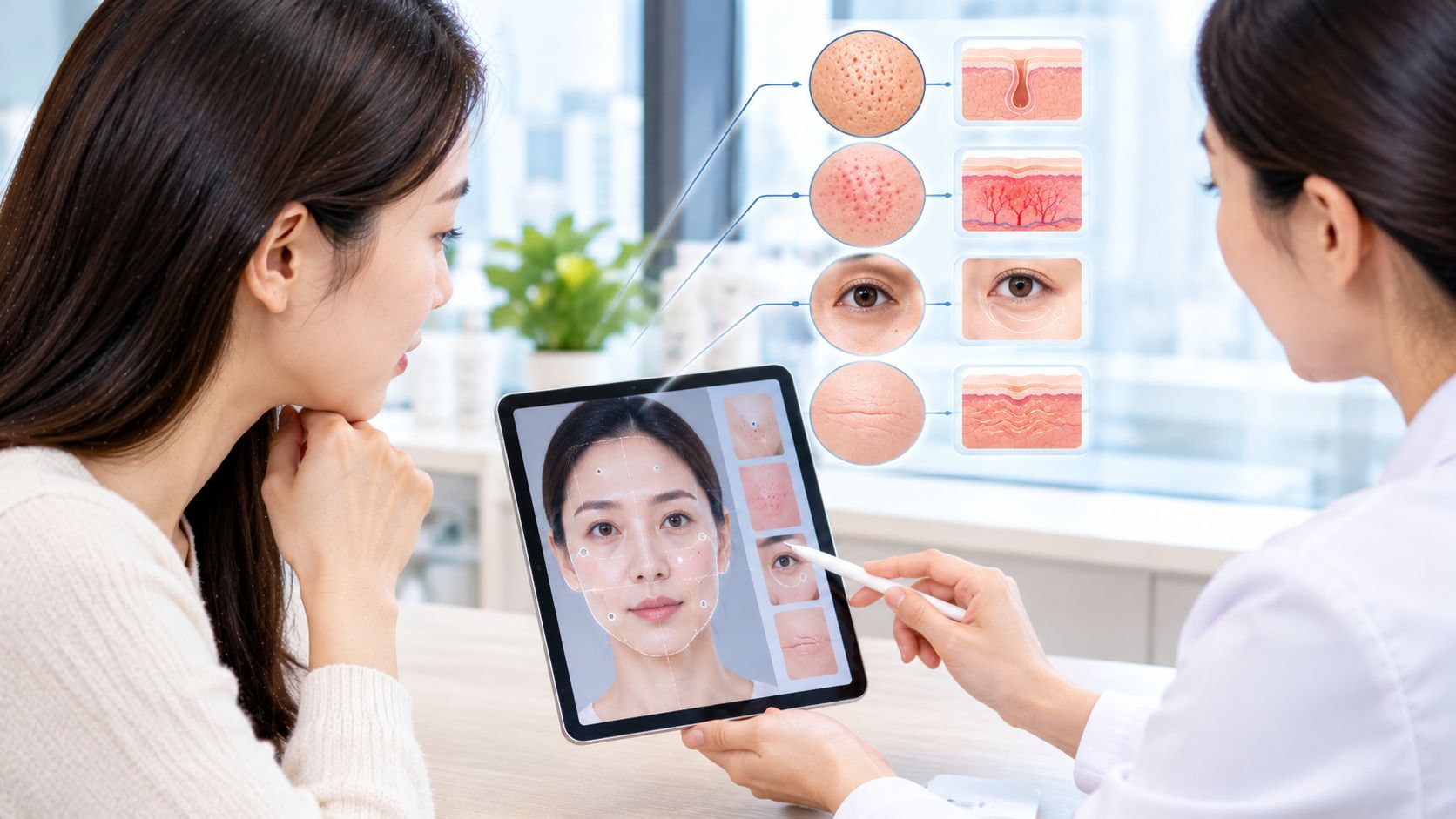
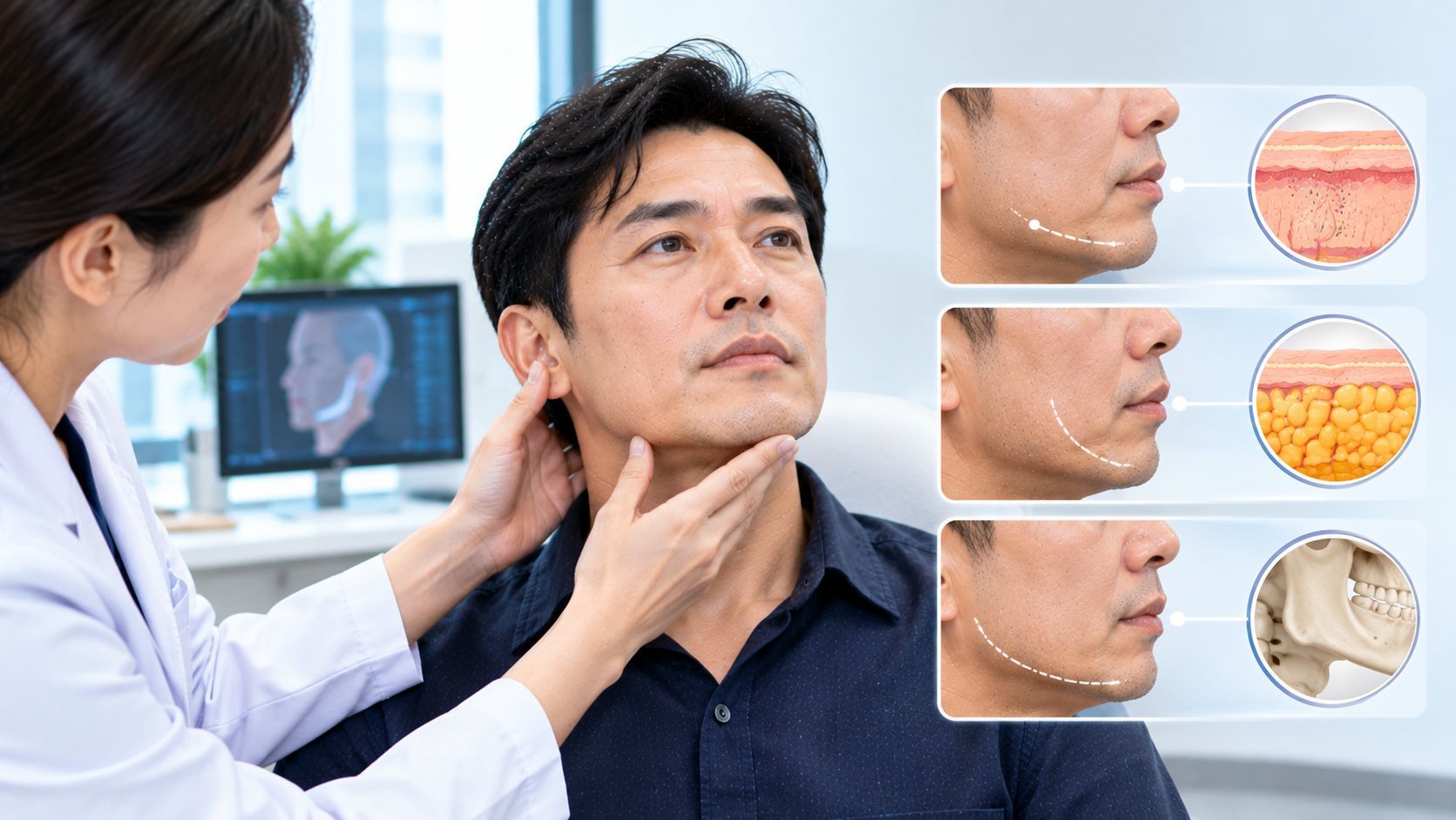
Your first appointment should ideally be an assessment rather than an automatic treatment.
Tell the dermatologist:
- Your wedding date
- Your main skin concerns
- Previous cosmetic treatments
- Previous reactions to lasers or injectables
- Your tendency toward pigmentation
- Your usual skincare routine
- Any active acne or irritation
- How much downtime you can tolerate
- Whether you will be traveling after treatment
If you are visiting Korea specifically for wedding preparation, tell the clinic exactly how many days you will be in Seoul and when you need to look camera-ready.
The American Academy of Dermatology also recommends discussing previous cosmetic treatments, medications, supplements, allergies, and other relevant medical information before procedures such as fillers.
What Can You Consider Three Months Before?
The appropriate treatment depends on your skin, but a three-month window can accommodate several categories of treatment.
1. Treatments for Acne and Inflammation
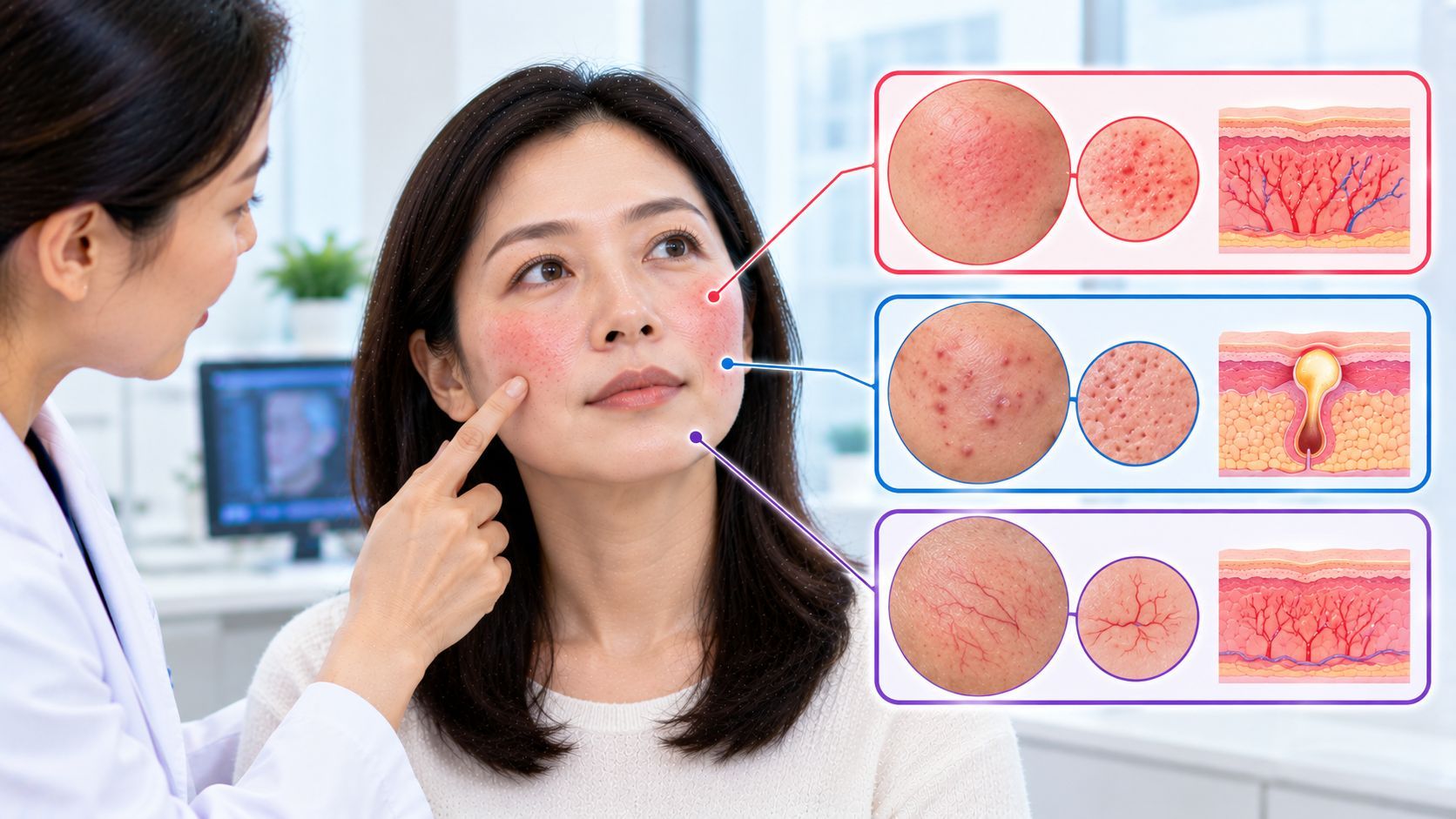
If you still have active acne, this should generally be addressed before focusing heavily on cosmetic procedures.
New breakouts can continue creating inflammation and pigmentation, so controlling the underlying problem may make the complexion look more consistent by the wedding.
Depending on your diagnosis, a dermatologist may recommend prescription skincare, professional treatments, or a combination approach.
2. Laser Treatments for Texture or Pigmentation
Three months gives you time to consider selected laser treatments without having to rush the recovery period.
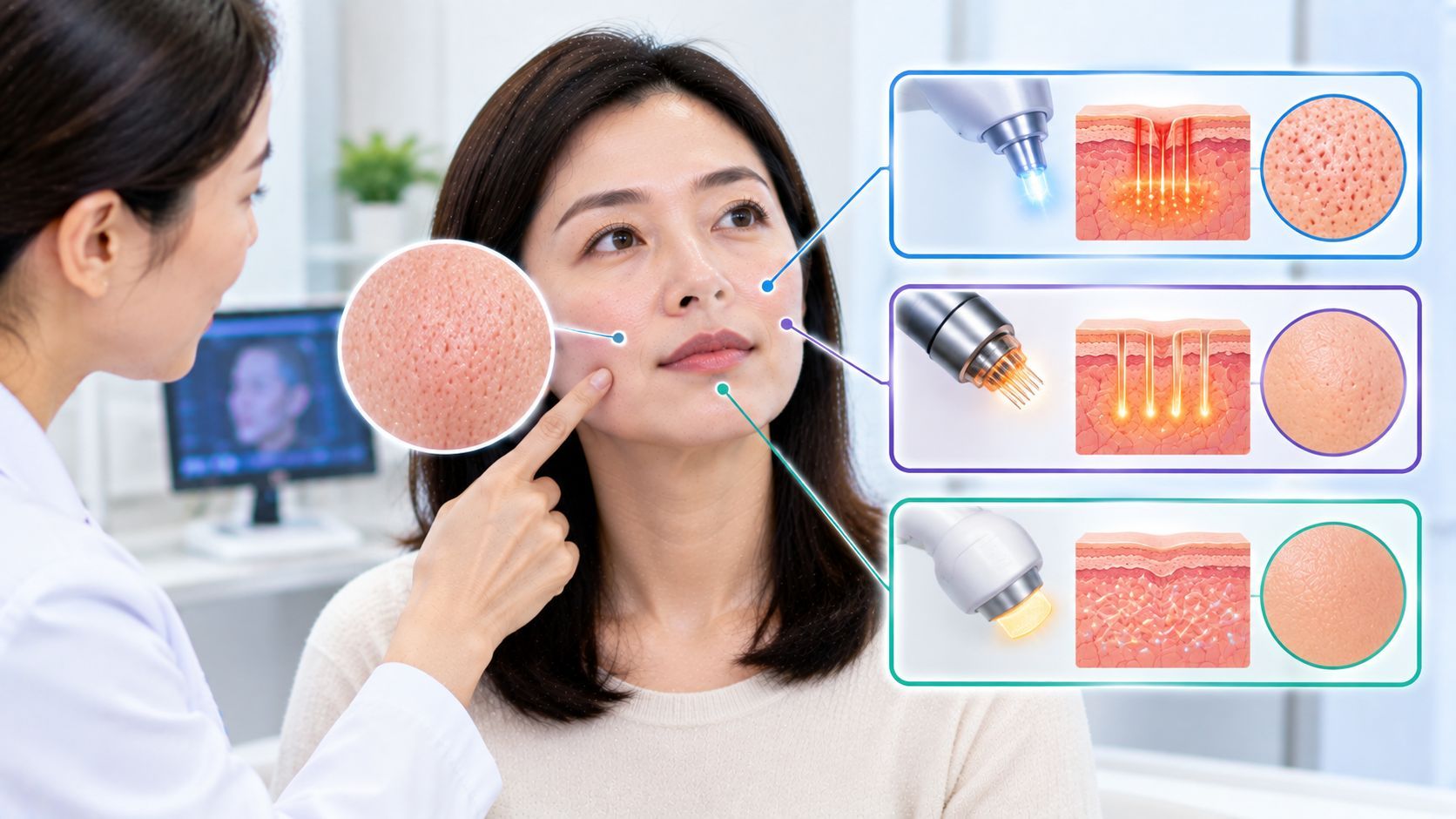
Laser treatment can address several concerns, including pigmentation, texture and acne scars, but different lasers have very different downtime and risk profiles.
If you have darker skin or a history of PIH, the dermatologist may favor a more conservative approach.
Do not schedule an aggressive resurfacing treatment simply because you want dramatic improvement before your wedding. The potential benefit has to be balanced against the possibility of prolonged redness, pigmentation, or other complications.
3. Microneedling or RF Microneedling
Microneedling can be used to improve certain types of acne scars and texture. The AAD notes that microneedling can be used across skin tones and stimulates collagen production.
RF microneedling adds radiofrequency energy to the procedure and may be considered for selected texture or mild laxity concerns.
Three months can provide enough time to assess how your skin responds and, where clinically appropriate, complete more than one session.
However, more treatment is not necessarily better. Your dermatologist should determine the number and spacing of sessions based on your skin and treatment goal.
4. Skin Boosters and Injectable Treatments
Some patients consider injectable skin-rejuvenation treatments several months before a major event.
Depending on the product and treatment plan, these may be intended to improve hydration, texture, or overall skin quality rather than dramatically change facial structure.
The advantage of starting three months early is that there is time to see how your skin responds.
However, "skin booster" describes a broad category rather than one standardized treatment. Products, injection techniques, expected results, and risks vary.
5. Botox
Three months gives plenty of time to assess whether botulinum toxin is appropriate for concerns such as dynamic forehead lines, frown lines, or crow's feet.
Botulinum toxin temporarily reduces targeted muscle activity. The AAD states that cosmetic effects generally last around three to four months, sometimes longer.
If you are considering Botox specifically for wedding photographs, starting early has another advantage: you can see how your face responds before deciding whether any future treatment is appropriate.
This is especially relevant if you have never had Botox before.
6. Fillers Require More Planning
Fillers can produce relatively immediate volume changes, but swelling, tenderness, redness, and bruising can occur afterward. The AAD notes that these temporary effects commonly resolve within about 7–14 days, although individual recovery varies.
Three months gives substantially more recovery time than a last-minute appointment.
However, that does not mean you should use the extra time to add large amounts of filler.
If you are considering filler for cheeks, lips, chin, jawline, under-eyes, or other areas, conservative planning is particularly important. The goal for wedding photographs should generally be to look like yourself on your best day rather than dramatically different.
What About Skin Tightening Treatments?
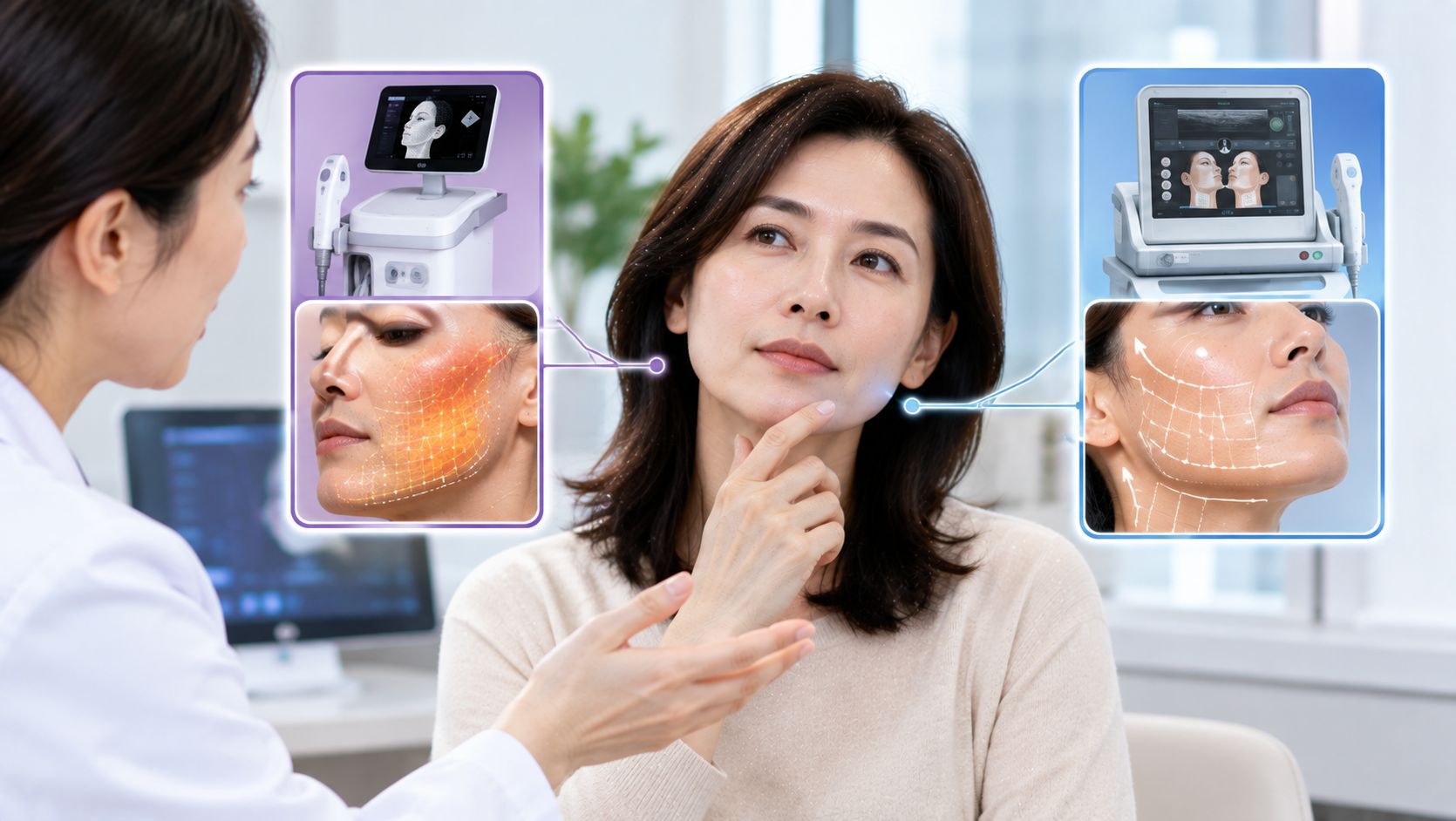
Three months can also be an appropriate planning window for selected energy-based tightening procedures.
Depending on the technology, results may develop gradually as tissue remodeling occurs.
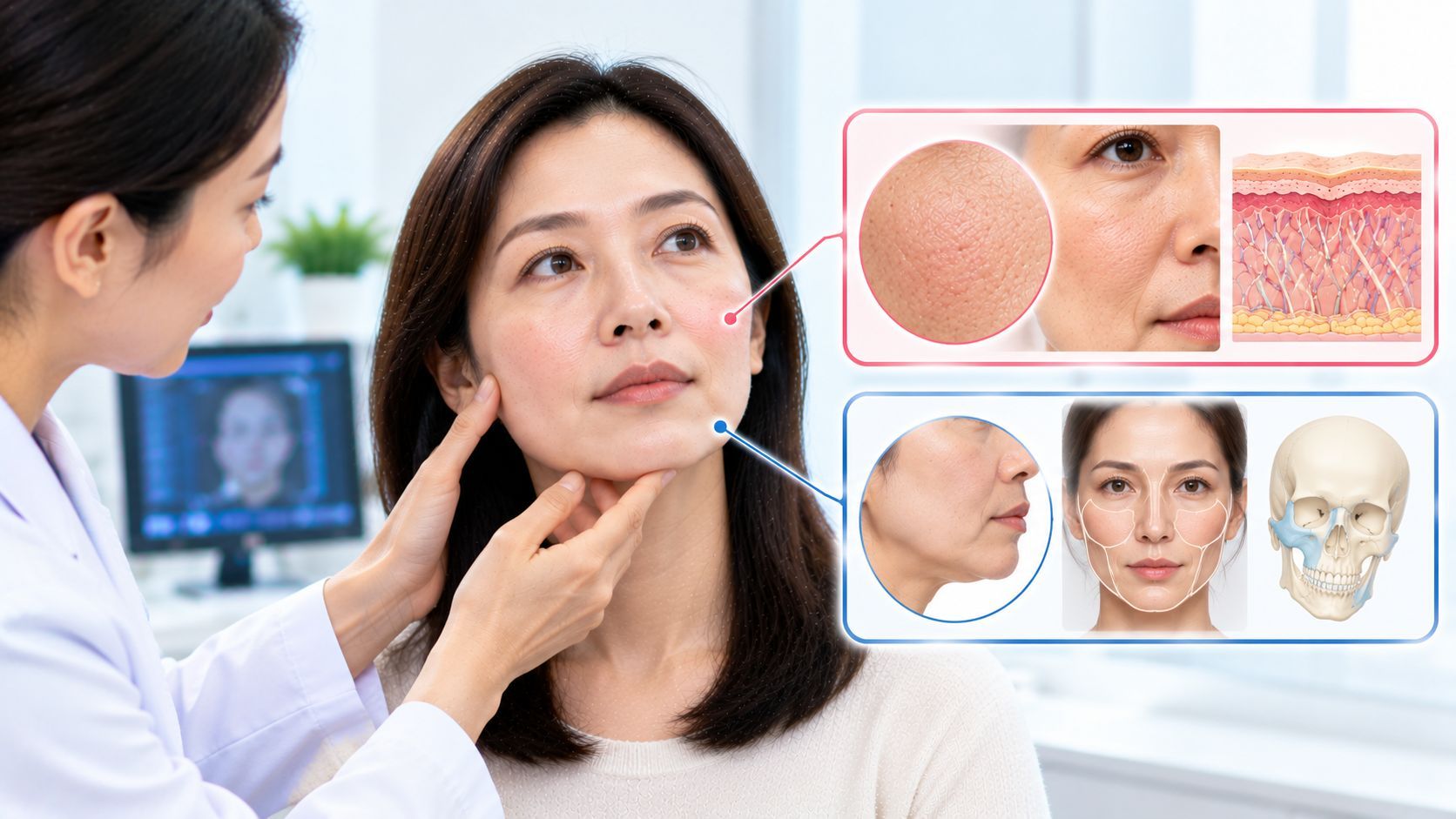
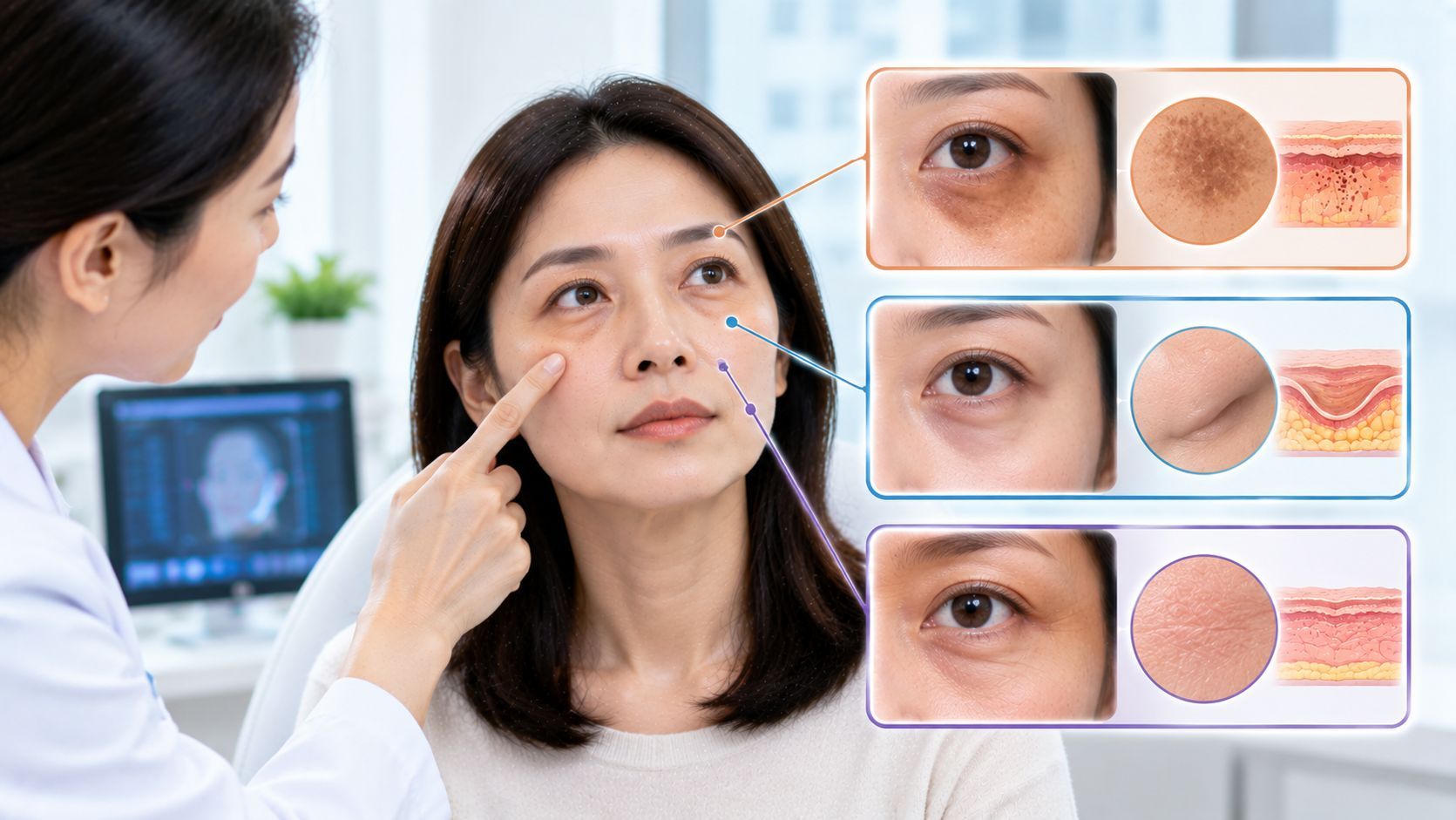
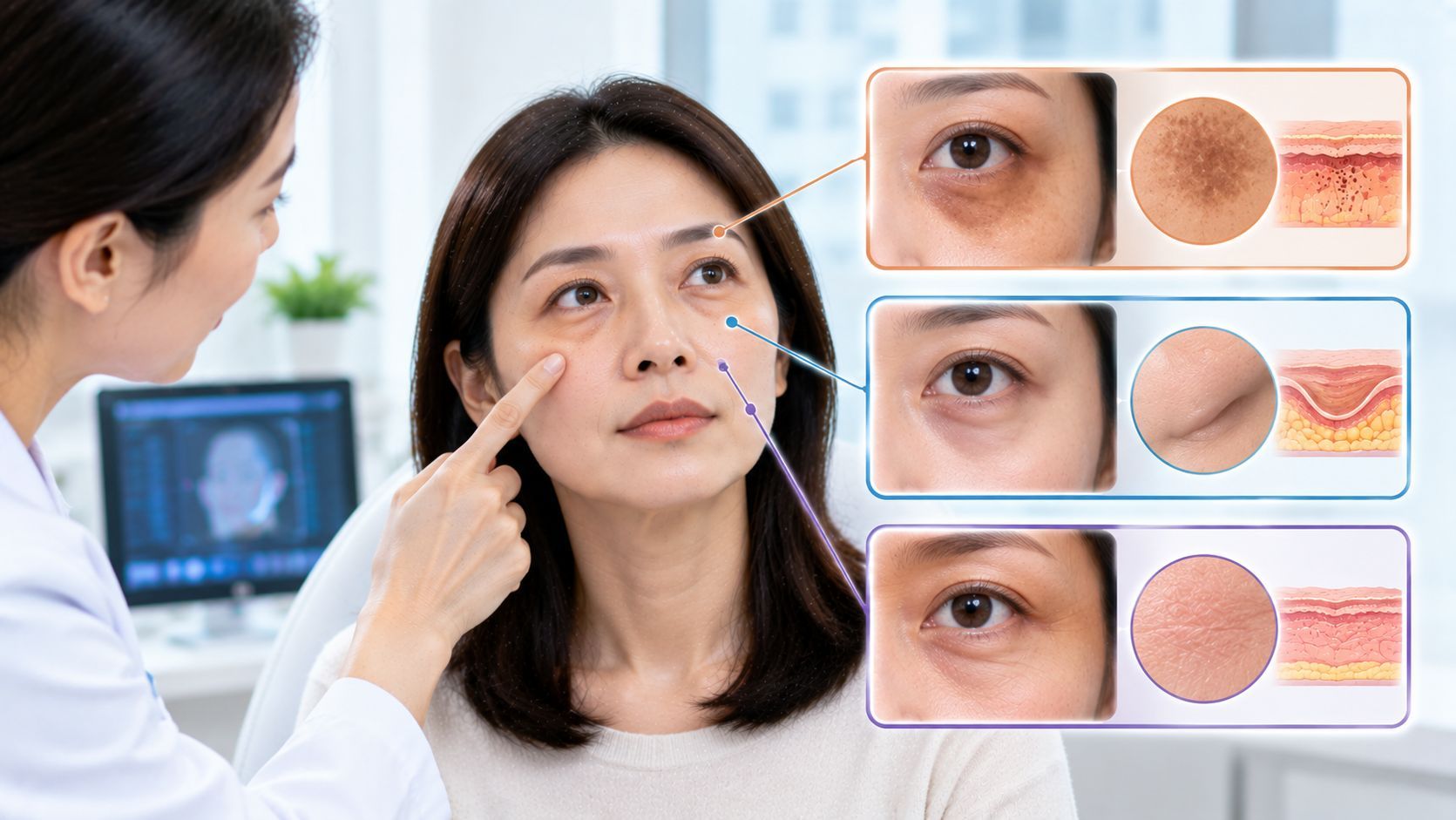
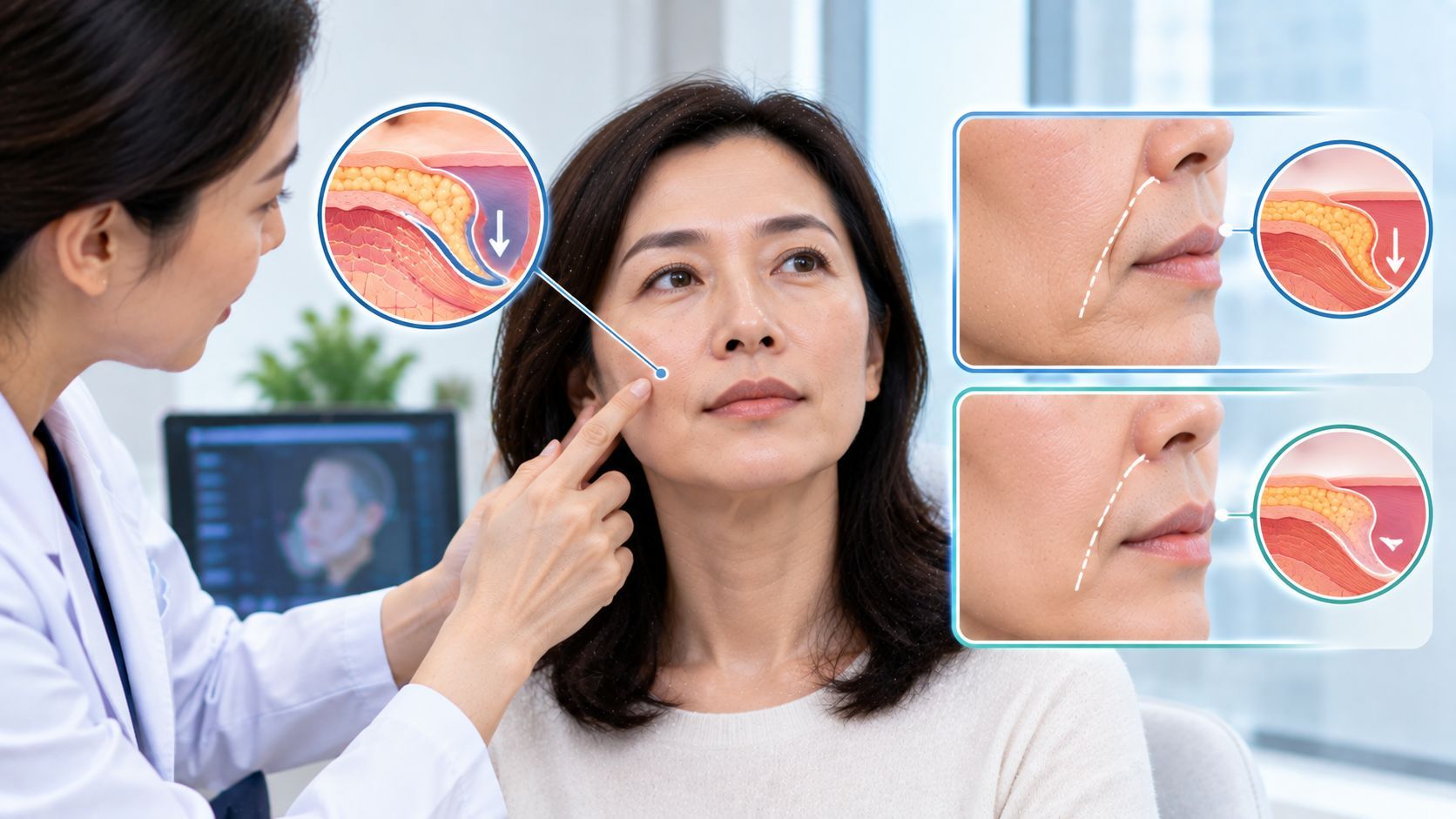
The dermatologist should determine whether your concern is actually skin laxity. A face that appears older may instead be affected by volume loss, pigmentation, muscle activity, or changes in skin quality.
Treating the wrong problem can produce disappointing results.
A Practical Three-Month Wedding Timeline
12 Weeks Before
Focus on assessment and planning.
Consider:
- Dermatology consultation
- Skin analysis
- Acne or inflammation management
- Pigmentation assessment
- Treatment of the main structural concern
- Starting a consistent skincare routine
This is the time to make major decisions.
8–10 Weeks Before
If appropriate, this can be the period for treatments that require recovery or multiple sessions.
Depending on your plan, this might include:
- Selected laser treatments
- Microneedling
- RF microneedling
- Skin-quality treatments
- Carefully planned injectables
- Skin-tightening procedures
The exact timing should be individualized.
4–6 Weeks Before
Review your response.
At this point, you should ideally know:
- What is improving
- What is not improving
- Whether you experienced unexpected swelling
- Whether pigmentation occurred
- Whether additional treatment is actually necessary
A consensus on combined facial aesthetic treatments recommends spacing consecutive procedures so side effects can resolve and results can be assessed.
2–3 Weeks Before
Start transitioning from correction to maintenance.
Avoid suddenly escalating treatment because you feel that your skin is "not perfect yet."
This is also a good time to prioritize gentle skincare, hydration, sun protection, and avoiding unnecessary irritation.
Final Week
Your goal should be stability.
Avoid experimental treatments, aggressive resurfacing, major filler changes, or anything with unpredictable recovery.
What Should You Avoid Doing Three Months Before?
Three months is early enough to treat problems, but it is still not a reason to experiment without planning.
Be cautious about:
- Stacking multiple new treatments at once
- Choosing procedures solely because they are popular
- Using aggressive treatments without sufficient recovery time
- Trying a new injectable for the first time immediately before later appointments
- Ignoring previous PIH
- Changing your entire skincare routine at once
Every procedure has potential complications, even when it is considered minimally invasive.
If You Have Never Had Cosmetic Treatment Before
Three months is particularly valuable.
Instead of beginning with a complicated package, consider starting with a consultation and one carefully selected intervention if your dermatologist believes it is appropriate.
This gives you time to observe your response.
Your wedding is not the ideal occasion for discovering that you react unusually strongly to a product or procedure.
What If You Are Getting Married in Korea?
If your wedding is in Seoul, you may have access to a wide range of dermatology procedures, but the same principle applies: do not compress your entire treatment plan into the final few days.
When booking a Korean dermatology clinic, provide the exact wedding date and ask how the proposed treatment fits into your recovery schedule.
If you are an international patient, also allow time for travel, jet lag, outdoor activities, and follow-up appointments.
What Should Your Final Goal Be?
A successful pre-wedding skin plan does not necessarily mean having completely different skin.
A realistic goal may be:
- More even-looking complexion
- Better hydration
- Smoother texture
- Softer dynamic lines
- Reduced appearance of acne marks
- More refreshed appearance
- Subtle improvement in firmness
- Predictable recovery before photography
Your dermatologist should help determine which concerns are realistically treatable within three months.
Conclusion
Three months before your wedding is a useful time to begin a professional skin-treatment plan because it provides enough time for consultation, treatment, recovery, evaluation, and adjustment.
Depending on your concerns, this period may accommodate selected lasers, microneedling, RF microneedling, skin-quality treatments, Botox, fillers, or tightening procedures. But there is no universal wedding treatment package.
The most important principle is to start early and avoid unnecessary experimentation close to the event. A conservative plan with enough recovery time is generally more predictable than trying to create a dramatic transformation during the final weeks.
If you are planning treatment in Korea, tell your dermatologist your exact wedding date, your previous treatment history, your PIH tendency, and how much downtime you can tolerate. That information can help the clinic build a schedule around your actual deadline.
Frequently Asked Questions
Is three months enough time to improve my skin before my wedding?
Often, yes. Three months can provide time for consultation, selected treatments, multiple sessions when appropriate, and recovery. The amount of improvement depends on the condition being treated.
Should I get Botox three months before my wedding?
Botox can be considered within this timeframe, but the ideal timing depends on whether you have used it before, the area being treated, and your desired result. Its effects generally begin within several days and last around three to four months.
Can I get filler three months before my wedding?
Three months provides substantial recovery time for most routine filler-related swelling or bruising, but filler remains a medical procedure with potential complications. It should be performed by an appropriately qualified medical professional.
Should I try a completely new treatment three months before my wedding?
Three months gives more time than a last-minute appointment, but any new treatment should still be selected carefully. Avoid combining multiple unfamiliar procedures without a clear reason.
When should I stop aggressive treatments before my wedding?
There is no single cutoff for every procedure. Treatments with greater downtime or unpredictable reactions should be completed sufficiently early for your dermatologist to assess recovery before the wedding.
What is the most important thing to tell my dermatologist?
Give them your exact wedding date and explain your previous cosmetic treatments, reactions, PIH history, medications, skincare routine, and tolerance for downtime. This information can materially affect treatment planning.