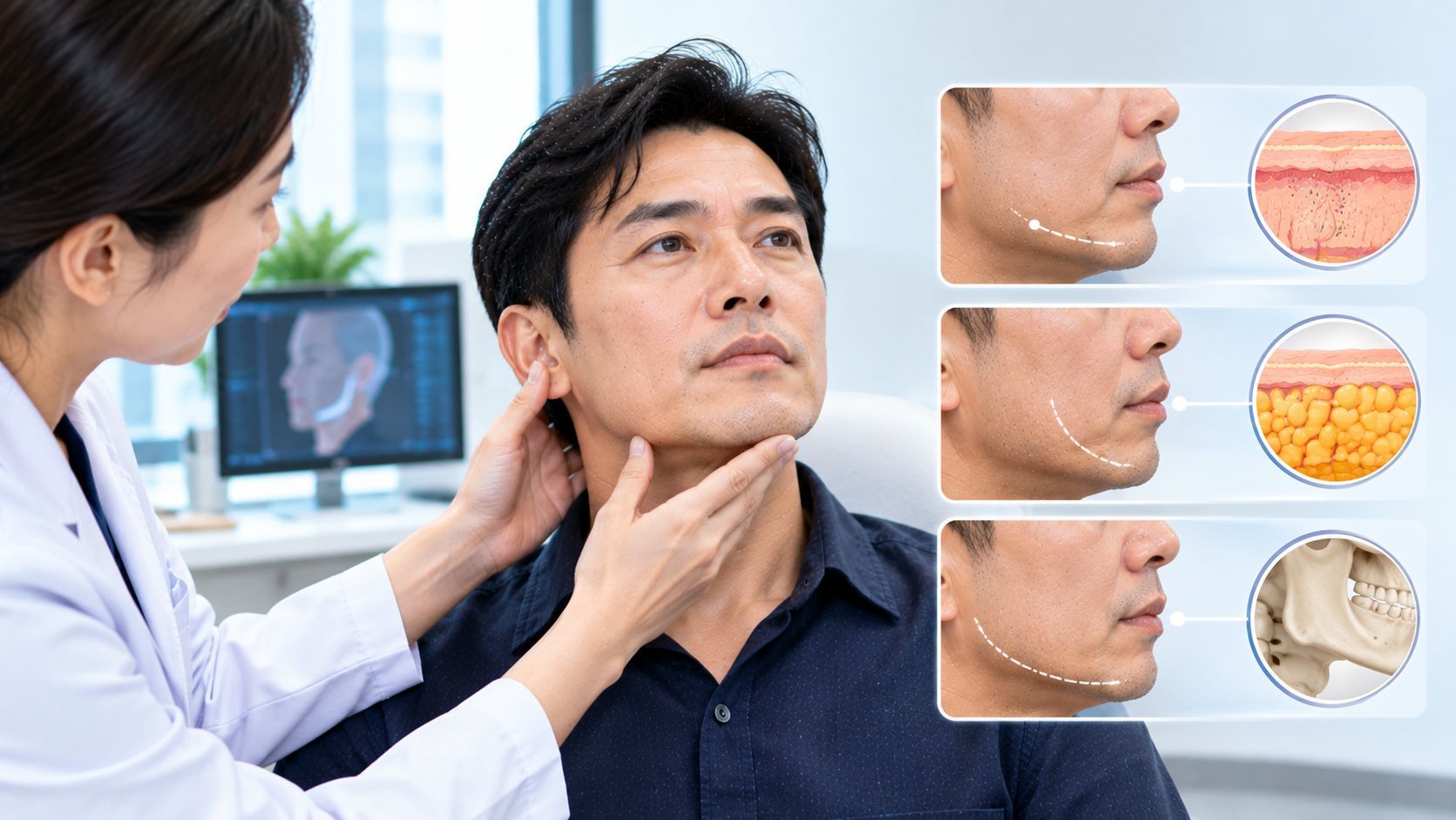
What Treatment Can Make Me Look Younger Without Making Anyone Realize I Had Something Done?
Introduction
If your goal is to look fresher, healthier and slightly younger without people immediately noticing that you had a cosmetic procedure, the best strategy is usually subtle correction rather than dramatic transformation.
Natural-looking rejuvenation does not necessarily mean doing nothing. It means identifying the small changes that are making you look tired or older and addressing them conservatively. Depending on your face, that might involve improving skin quality, treating pigmentation, restoring a small amount of lost volume, relaxing selected expression lines, or improving mild skin laxity.
The American Academy of Dermatology notes that there is no single cosmetic treatment that addresses every sign of aging, and that treatment plans should be individualized.
What Makes an Anti-Aging Treatment Look Natural?
The most subtle results usually come from treating the specific feature that has changed rather than trying to make the entire face look younger.
Natural-looking treatment generally aims to:
- Preserve your existing facial proportions
- Maintain normal facial expressions
- Avoid excessive volume
- Improve skin quality where appropriate
- Correct rather than completely erase individual features
- Make gradual changes that do not dramatically alter your appearance
The objective is not for someone to say, “You look ten years younger.” It may simply be for them to notice that you look rested, healthy or refreshed.
Which Treatments Can Produce a Subtle Difference?
Skin-Quality Treatments
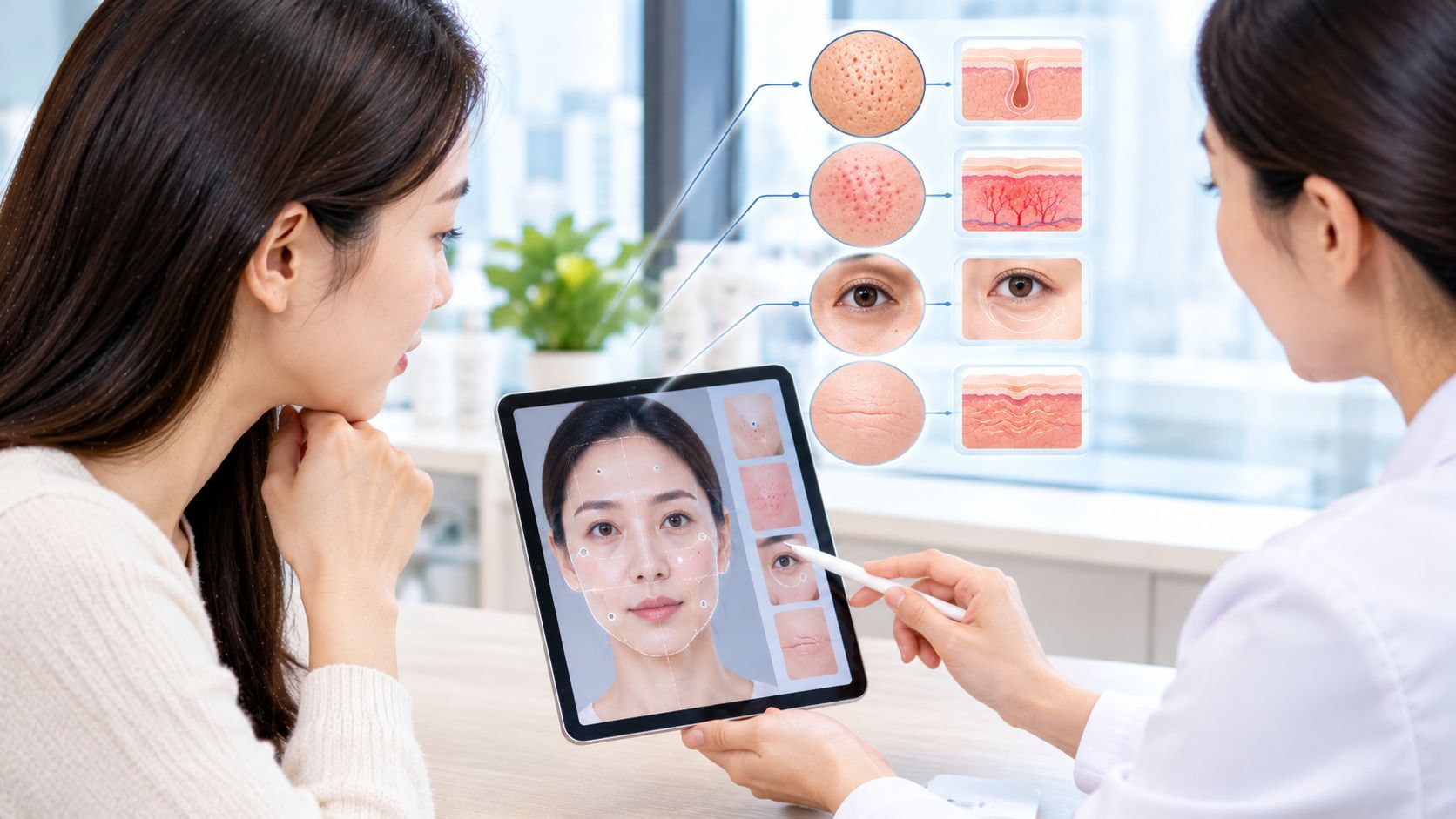
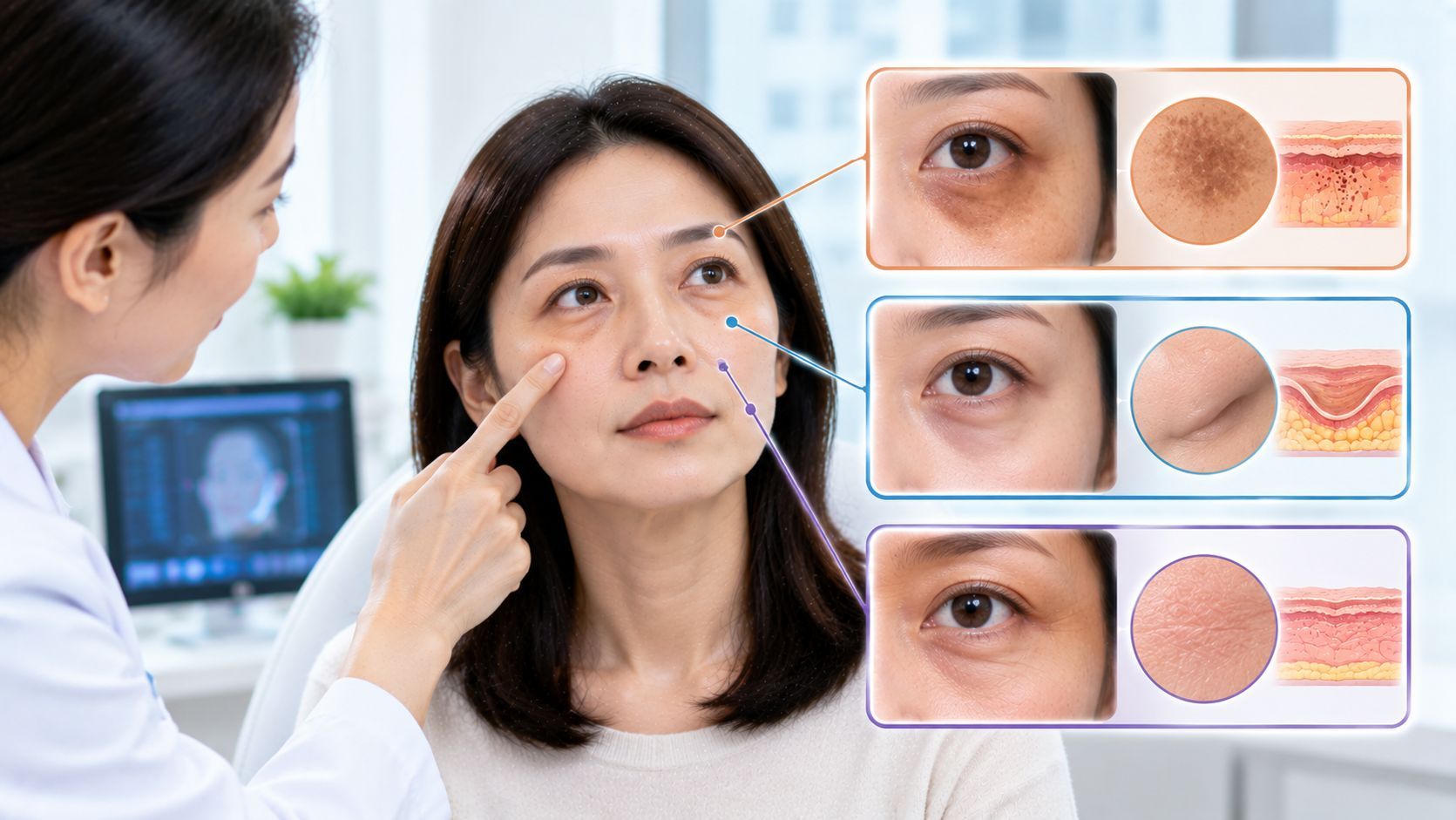
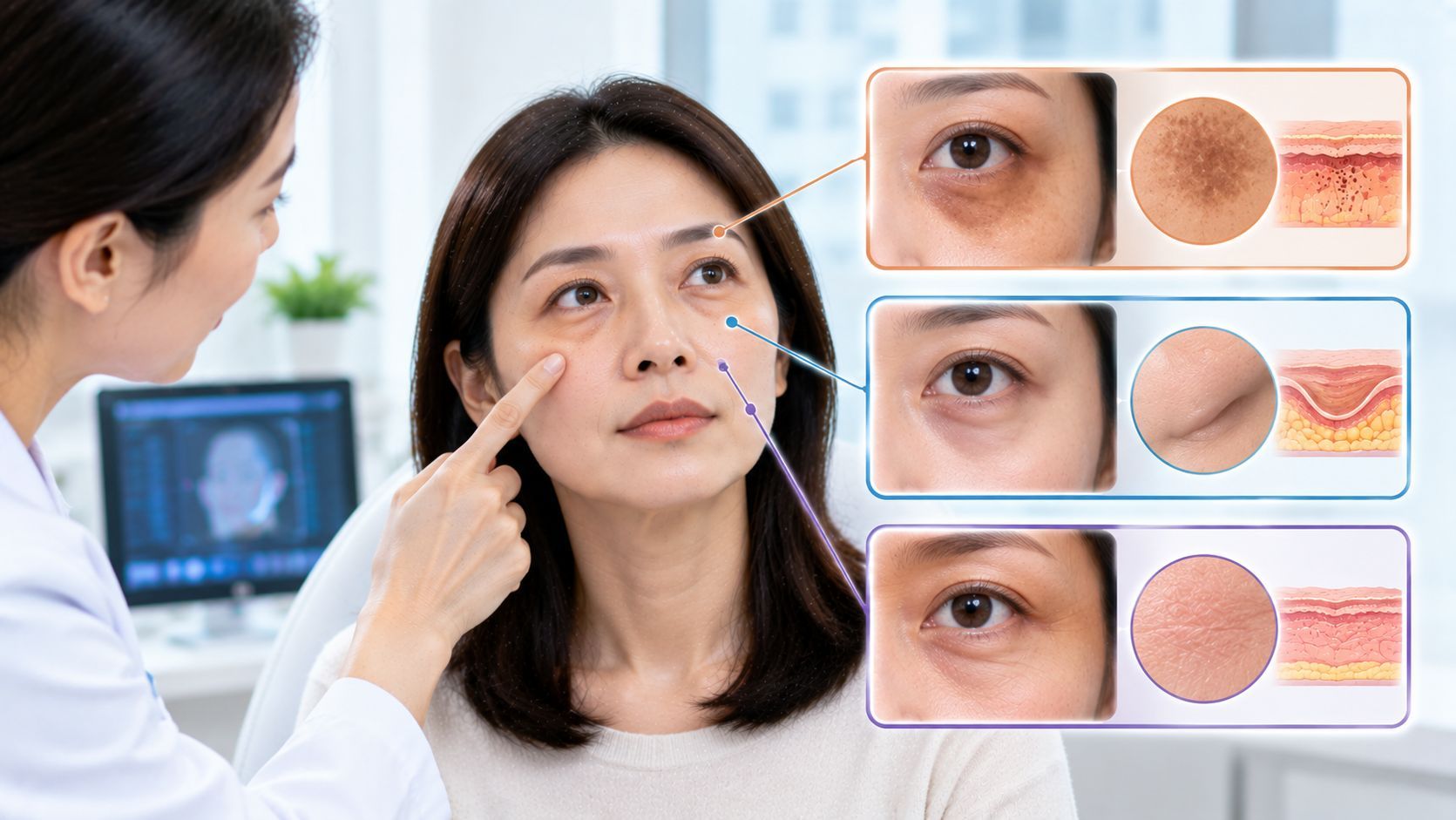
If your facial shape has not changed significantly but your skin looks dull, uneven or rough, improving skin quality may be one of the least visually obvious ways to refresh your appearance.
Depending on your concerns, a dermatologist may consider:
- Medical skincare
- Chemical peels
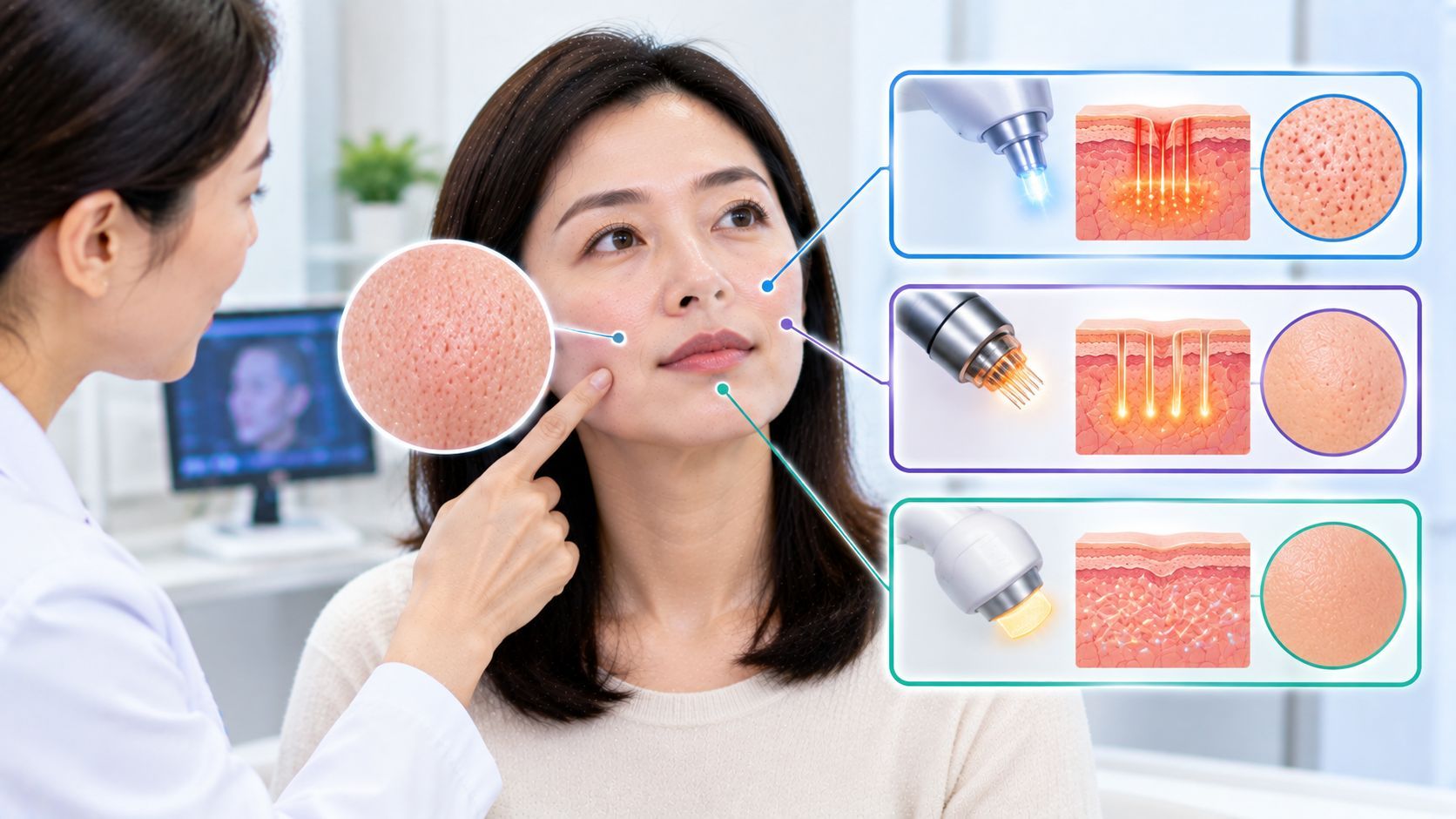
- Microneedling
- Selected laser treatments
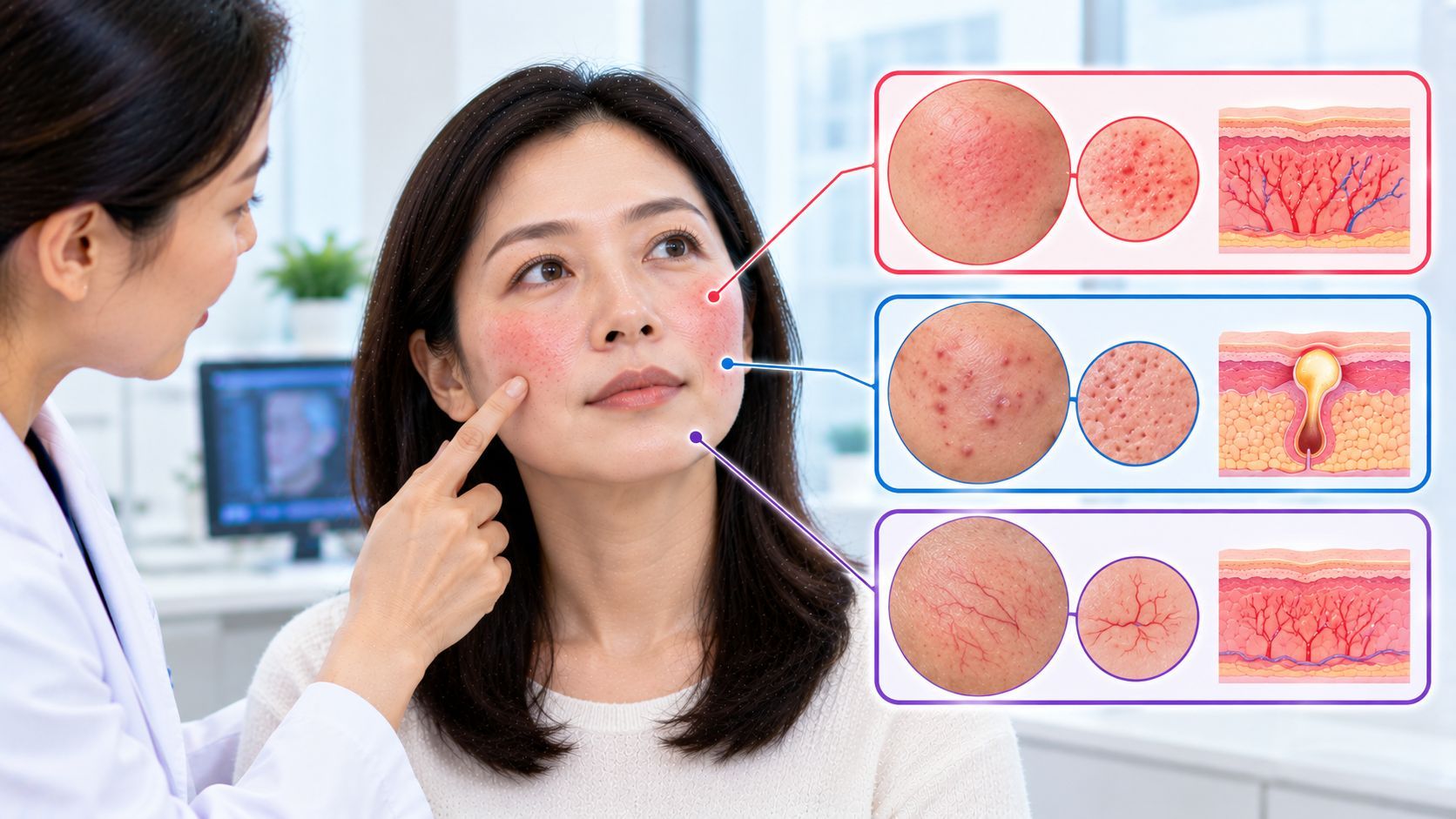
- Treatments for pigmentation
- Treatments targeting skin texture
These approaches can focus on the skin itself rather than changing the underlying shape of your face.
Sun damage can contribute to wrinkles, age spots, uneven complexion and loose skin, so addressing photoaging can sometimes make the face look healthier without changing its fundamental features.
Conservative Skin Tightening
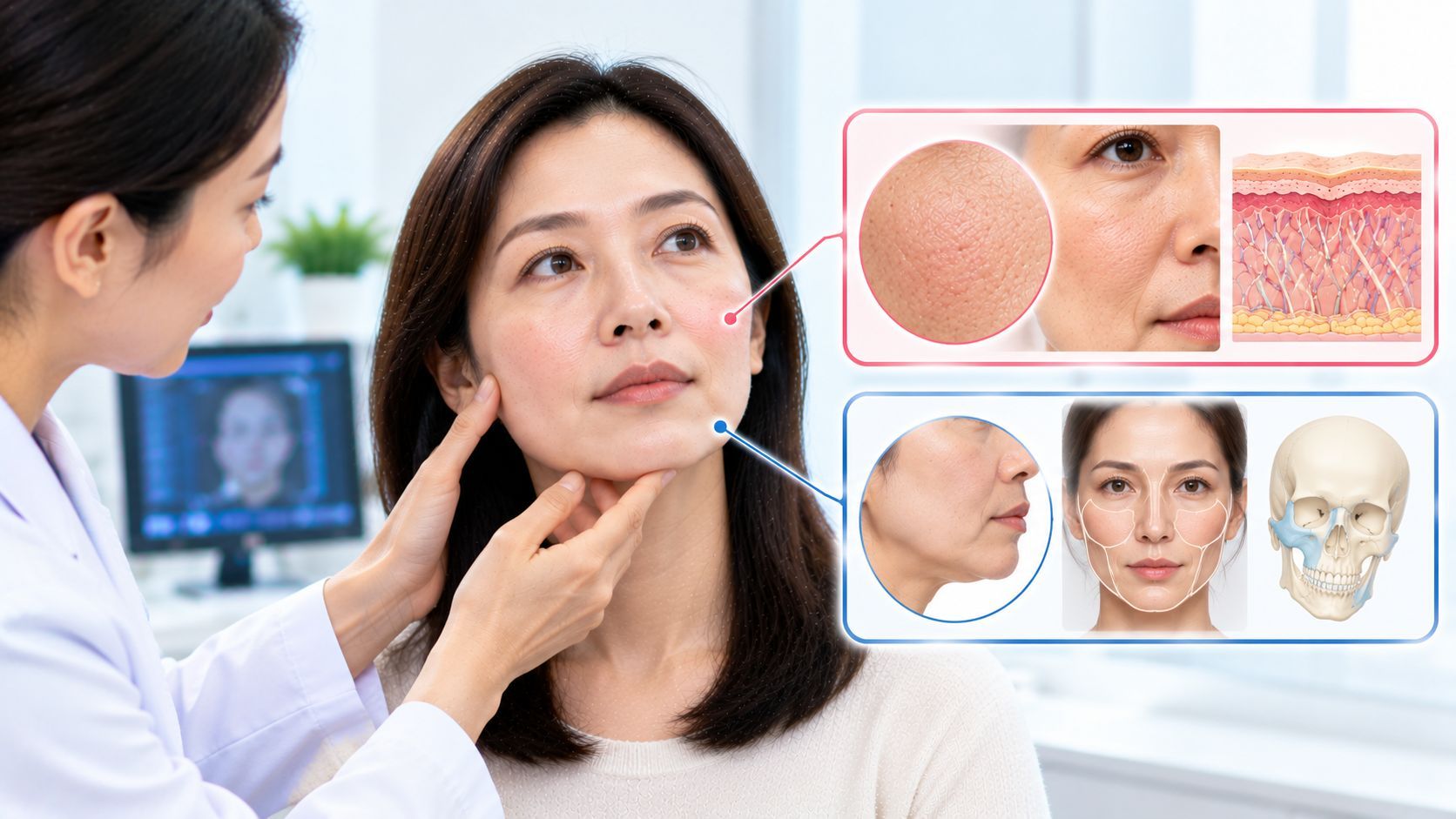
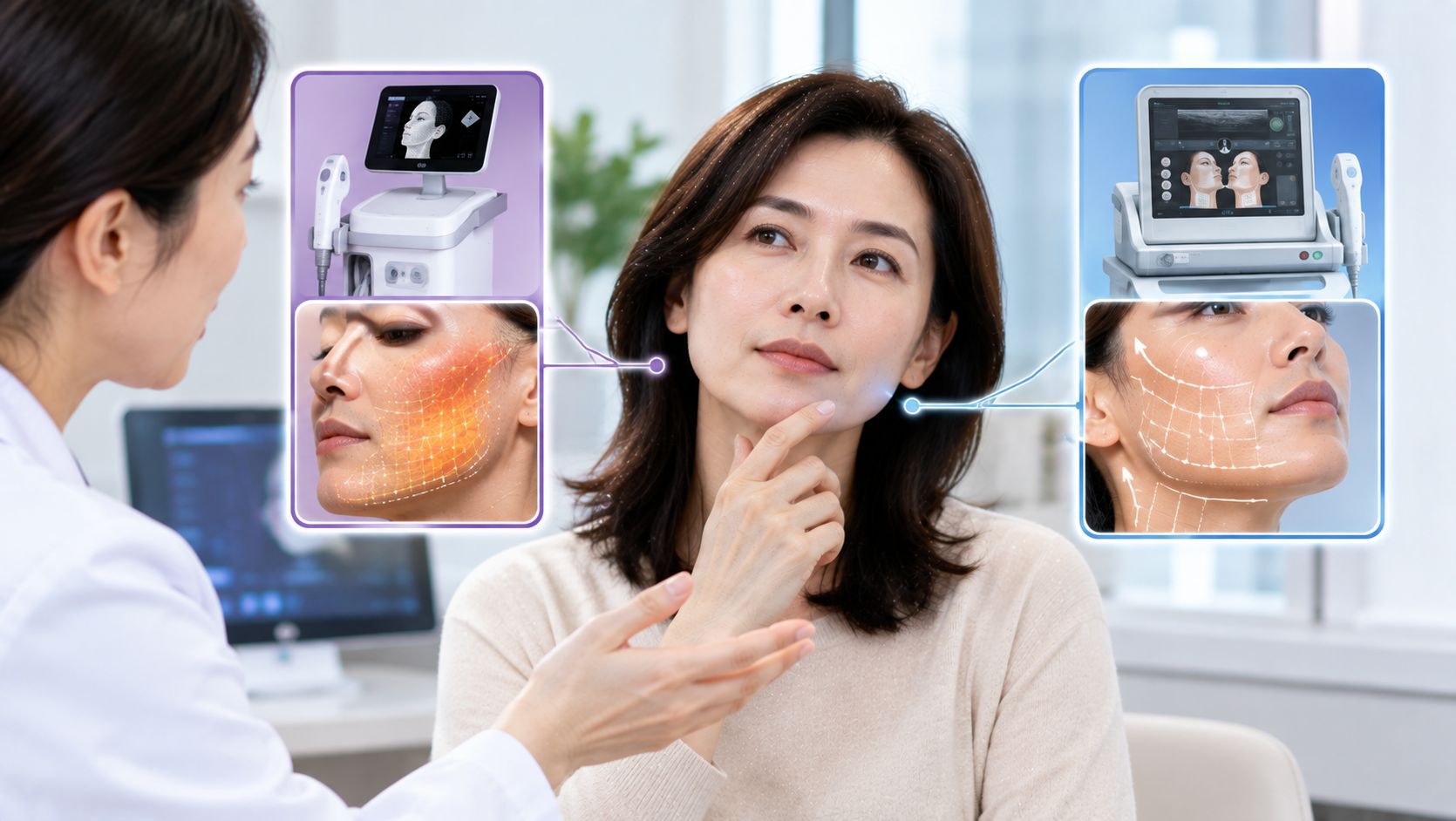
If mild laxity is making your face look slightly older, a non-invasive skin-tightening procedure may be worth discussing.
Depending on the technology and your anatomy, radiofrequency or ultrasound-based treatments can provide gradual tightening. The AAD describes non-invasive tightening as generally producing more modest, gradual results than surgery.
This gradual change can be useful for someone who does not want a dramatic transformation.
However, these treatments have limitations. Significant loose skin cannot necessarily be corrected with a non-surgical procedure.
Very Conservative Botox
If expression lines are the main feature making you look older, carefully dosed botulinum toxin can soften selected wrinkles.
The goal does not have to be completely eliminating movement.
Dermatologists can use small amounts to relax targeted muscles while preserving facial expression. The AAD notes that appropriate treatment aims to weaken targeted muscles without unnecessarily affecting other facial muscles.
This can be particularly relevant if you want to avoid the appearance of a frozen or overly treated face.
Small Amounts of Filler When Volume Has Actually Been Lost
Filler is sometimes associated with an obvious “filled” appearance, but that is not an inevitable outcome.
The AAD specifically notes that conservative filler treatment can produce natural-looking results and that avoiding over-treatment is important.
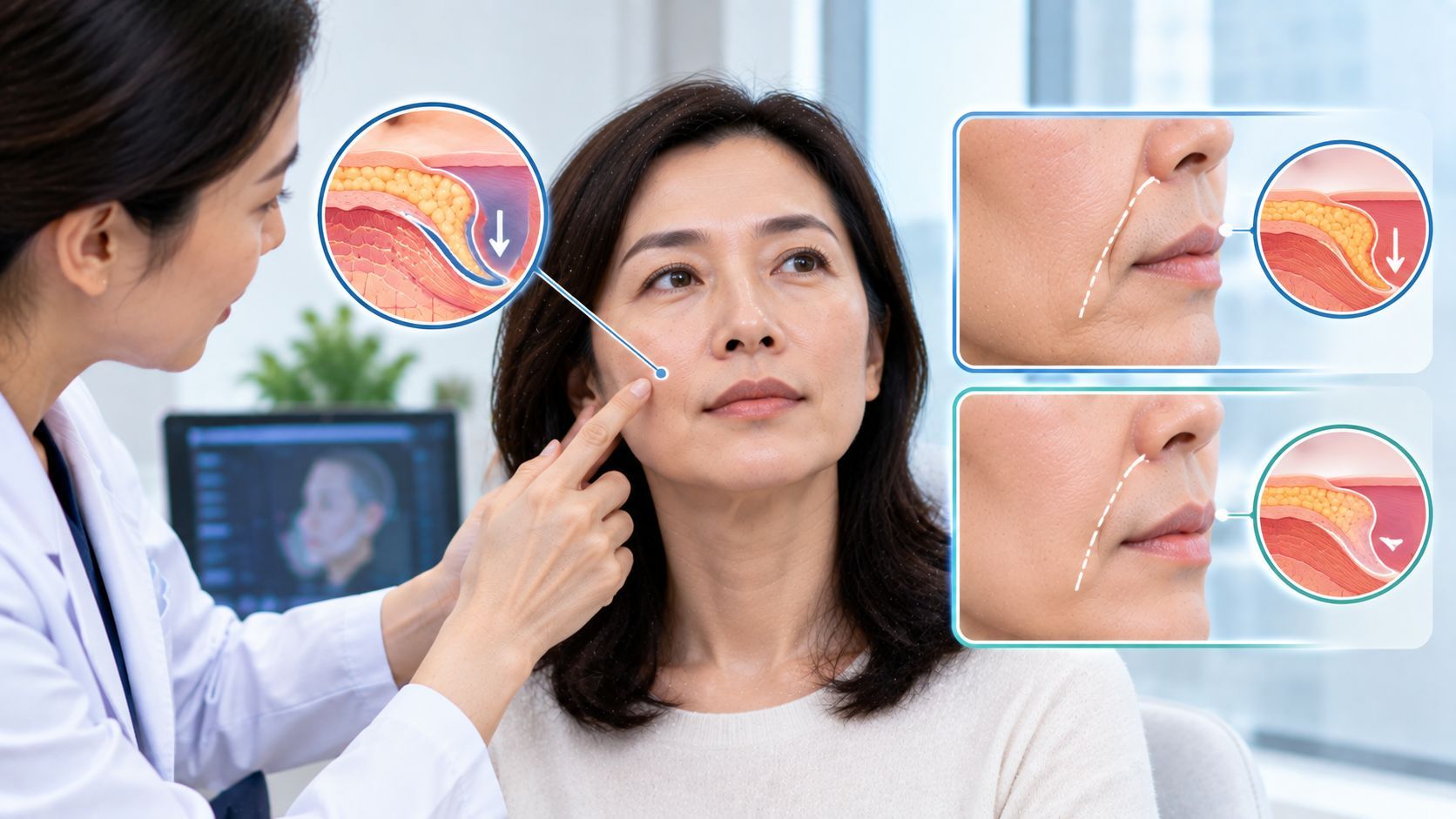
Filler may be appropriate when there is genuine volume loss, such as:
- Mild cheek flattening
- Selected facial hollows
- Certain under-eye hollows
- Specific facial folds
- Loss of lip support
The important distinction is that filler should restore appropriate volume, not simply add volume everywhere.
What If I Don't Want My Facial Shape to Change?
This is an important preference to tell your dermatologist before treatment.
If you want your face to remain recognizable, treatment should generally focus on:
- Skin quality
- Pigmentation
- Texture
- Fine lines
- Mild laxity
- Specific expression lines
Rather than aggressively changing:
- Cheek size
- Chin projection
- Jawline width
- Lip size
- Facial contours
A treatment plan can be designed around preserving your existing facial identity.
What Should You Avoid If You Want a Very Natural Result?
Excessive Filler
One of the clearest ways to lose a natural appearance is adding more volume than your face actually needs.
More filler does not necessarily mean a younger appearance. Excessive treatment can create fullness, altered proportions or an overfilled appearance. The AAD recommends a conservative approach when seeking natural-looking filler results.
Treating Every Wrinkle
Some facial lines are part of normal expression.
Trying to remove every visible line can sometimes make the face appear less natural. If your goal is subtle rejuvenation, it may be better to soften the lines that contribute most to an aged or tired appearance while allowing normal expression to remain.
Aggressive Skin Tightening
Stronger treatment is not automatically better.
If you have a relatively thin face, excessive tightening or unnecessary volume reduction may make the face appear more hollow.
Similarly, if your face has adequate volume but mild laxity, adding filler may not address the actual problem.
How Do You Choose the Right Subtle Treatment?
Start with the feature that bothers you most.
Main concernPossible approachDull complexionSkin-quality treatmentUneven pigmentationPigmentation-focused treatmentRough textureMicroneedling, peel or selected laserMild laxityNon-invasive skin tighteningExpression linesConservative botulinum toxinLocalized volume lossCarefully selected fillerSeveral mild concernsStaged combination treatment
This is not a treatment prescription. The same visible concern can have different causes, so a dermatologist should assess your face before deciding what is appropriate.
Why “Less” Can Sometimes Look Better
Facial rejuvenation is not necessarily about making every feature look younger.
If your face already has attractive natural proportions, changing too many features at once can make the result look artificial.
A more conservative strategy might be:
Improve → reassess → decide whether anything else is needed.
This approach can be particularly useful for international patients traveling to Korea for treatment because it reduces the temptation to complete multiple procedures simply because they are available during one trip.
Can a Combination Treatment Still Look Natural?
Yes, but the individual treatments need to have a clear purpose.
For example, someone might have mild pigmentation, early laxity and a few expression lines. Treating skin quality, firmness and selected wrinkles may produce a more balanced result than putting a large amount of filler into the face.
Dermatologists may combine different treatments because different procedures address different signs of aging.
However, combining procedures should not mean automatically doing everything available.
What Should You Tell a Dermatologist?
Instead of simply asking for “anti-aging treatment,” explain the result you want.
You could say:
“I want to look fresher, but I don't want people to know I had cosmetic work.”
Then discuss:
- Which feature makes me look older?
- Can it be improved without changing my facial shape?
- Do I actually need volume?
- Would skin treatment be enough?
- Can the treatment be performed conservatively?
- What would happen if we treated only one concern first?
- How much downtime should I expect?
- What complications should I understand?
- How long will the result last?
- What follow-up will I need if I return home?
Bringing older photographs in which you liked your appearance can also help communicate what you want to preserve. The AAD specifically recommends bringing photographs to a filler consultation to help the dermatologist understand your desired outcome.
What About Treatment in Korea?
Korea offers a wide range of cosmetic dermatology procedures, which can be useful for patients who want highly targeted treatment. But having access to many procedures does not mean you need many procedures.
International patients should prioritize:
- A qualified medical provider
- Clear communication about the desired result
- Conservative treatment planning
- Understanding downtime
- Written aftercare instructions
- A plan for follow-up
- Knowing what to do if a complication occurs after returning home
For injectables, provider experience is particularly important. The AAD emphasizes that fillers are medical procedures and recommends having them performed by appropriately trained medical professionals rather than in non-medical settings.
Risks and Limitations
“Natural-looking” does not mean risk-free.
Botox can cause temporary unwanted effects and requires precise knowledge of facial anatomy. Fillers can cause swelling, bruising, asymmetry and, rarely, serious complications. Laser and energy-based treatments can cause redness, pigmentation changes, burns or other reactions depending on the procedure and skin type.
Results also vary between individuals.
A subtle treatment may produce only a modest improvement, and that can actually be appropriate when your goal is to remain recognizable rather than dramatically transform your appearance.
Conclusion
If you want to look younger without anyone realizing you had something done, the best strategy is usually conservative, targeted rejuvenation rather than aggressive correction.
You may not need to change your facial shape at all. Improving skin quality, treating selected pigmentation or texture problems, gently addressing mild laxity, softening a few expression lines, or restoring only genuinely lost volume can sometimes create a more refreshed appearance.
The ideal result is not necessarily a visibly younger face. It is a face that still looks like you, but healthier, more rested and more refreshed.
FAQs
What is the most natural-looking anti-aging treatment?
There is no single treatment that is most natural for everyone. The most natural result usually comes from matching a treatment to the specific change you want to correct and using a conservative approach.
Can Botox look natural?
Yes. Carefully dosed botulinum toxin can soften selected expression lines while preserving facial movement. The appropriate amount depends on the muscles being treated and the desired result.
Can filler look completely natural?
Filler can look natural when it is appropriately selected and conservatively placed. The AAD specifically recommends avoiding over-treatment when a natural appearance is the goal.
What if I don't want filler or Botox?
You can discuss skin-quality treatments, pigmentation treatments, microneedling, selected laser procedures or non-invasive skin tightening, depending on your concerns.
How do I avoid looking overtreated?
Tell your dermatologist that preserving your natural facial proportions and expressions is a priority. Consider treating one major concern at a time and reassessing before adding additional procedures.
Is subtle treatment better than aggressive treatment?
Not necessarily for everyone, but if your priority is to remain recognizable and avoid an obvious cosmetic appearance, a conservative approach is generally more aligned with that goal.