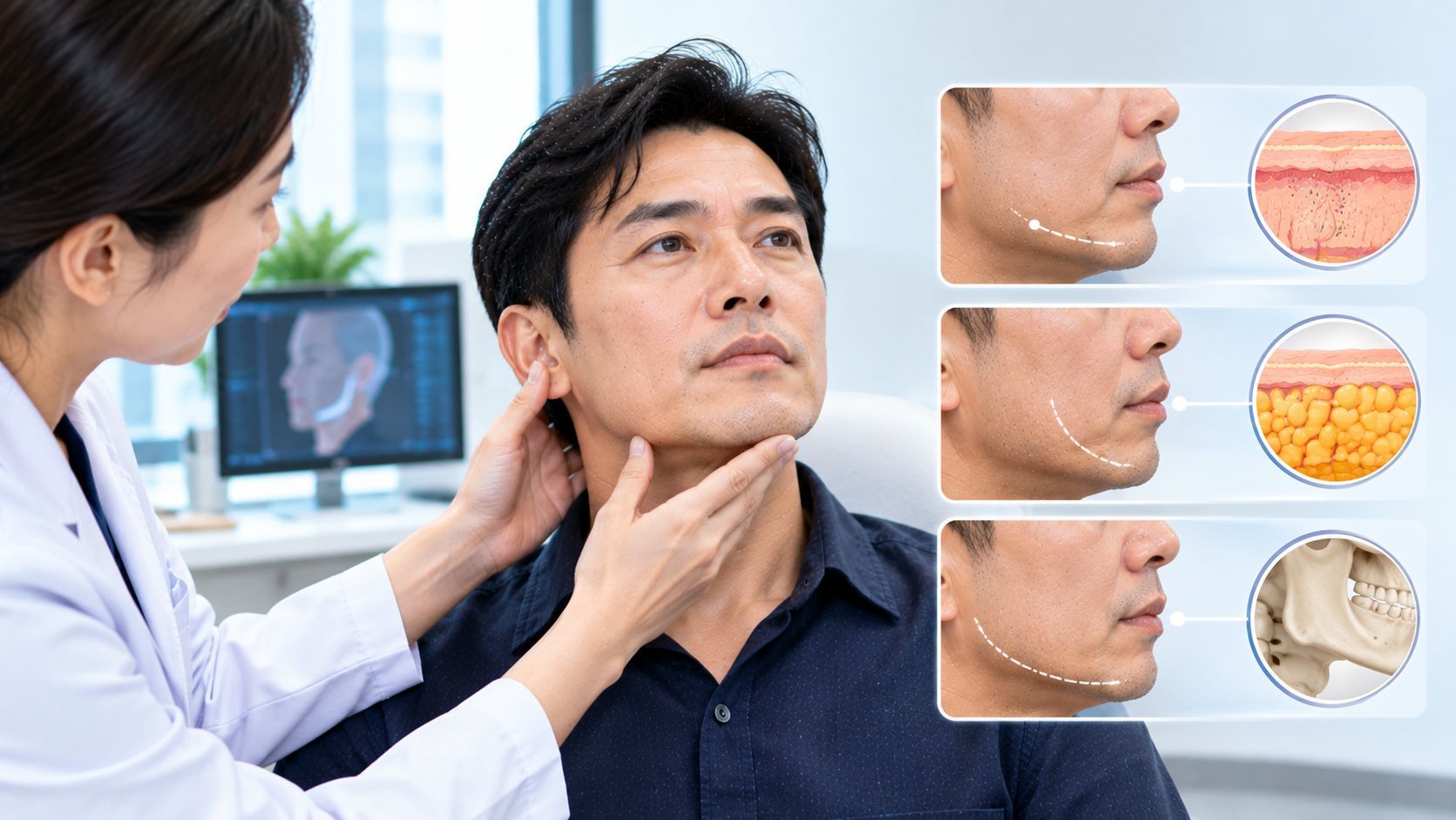
Can I Look Younger Without Making My Face Tighter or Slimmer?
Introduction
Some people want to soften the signs of aging but do not want a tighter, narrower, or more sculpted face. They may like their existing cheeks, jawline, and facial proportions and simply want to look fresher and less tired.
Yes, you can pursue facial rejuvenation without specifically trying to make your face tighter or slimmer. The key is to distinguish between treatments that improve skin quality and treatments that intentionally alter facial contour. Depending on your concerns, skincare, pigmentation treatments, resurfacing, microneedling, and carefully selected skin-quality procedures may be more appropriate than aggressive contouring or tightening.
The goal is not necessarily to create a younger-looking shape. It can simply be to make the skin and visible signs of aging look healthier.
Why Can Tightening or Slimming Be the Wrong Goal?
“Tighter” and “younger” are not always the same thing.
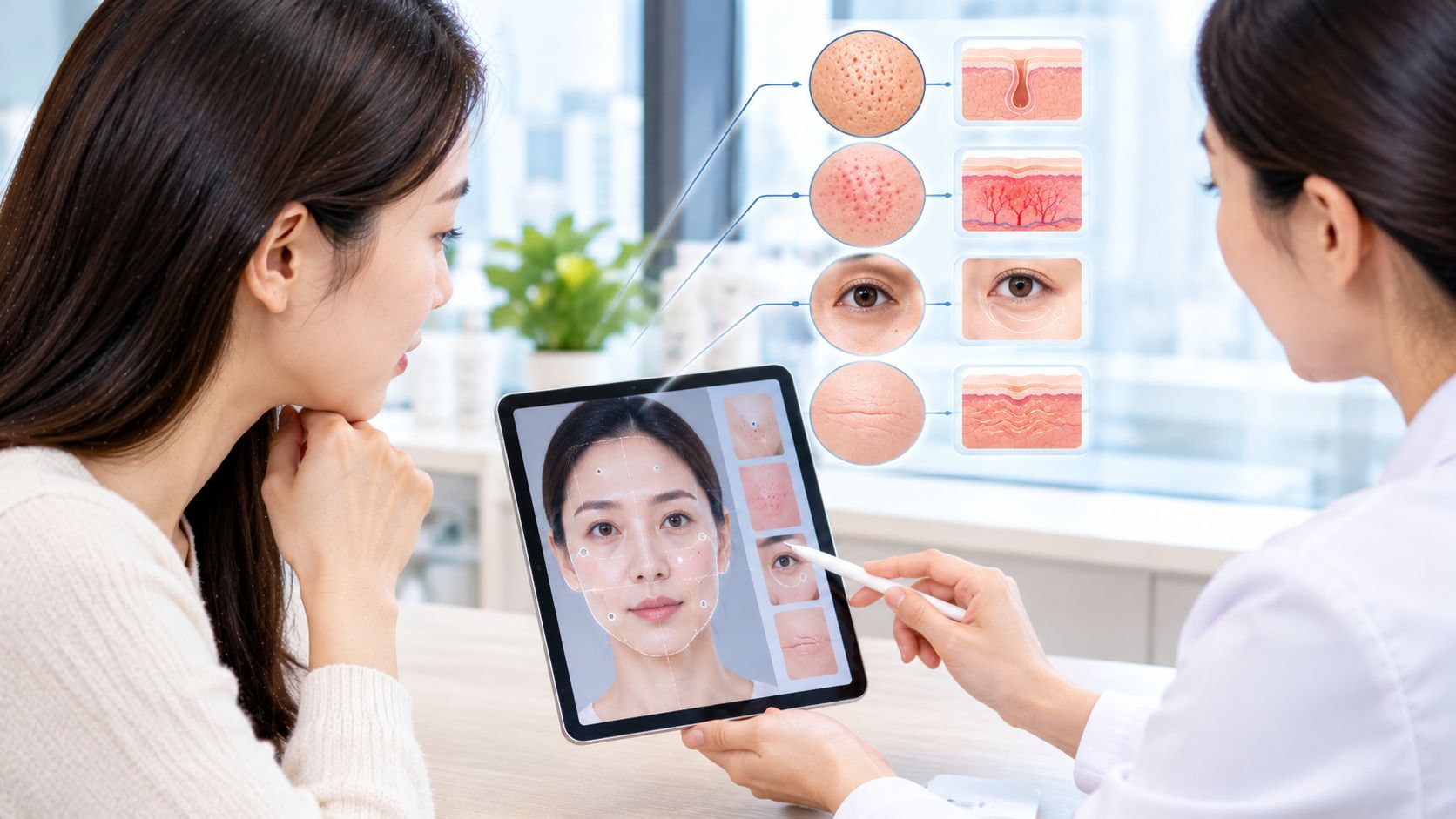
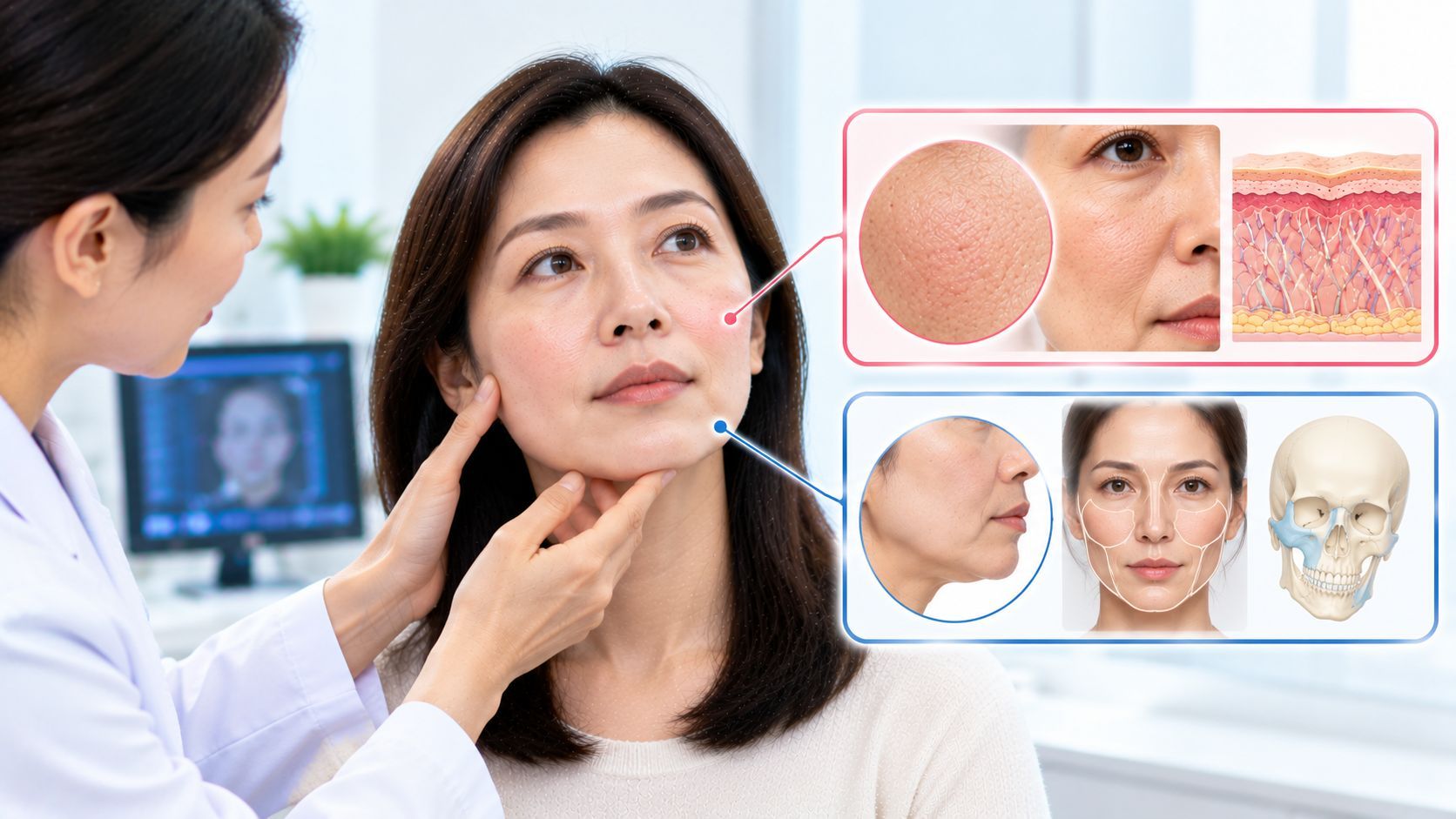
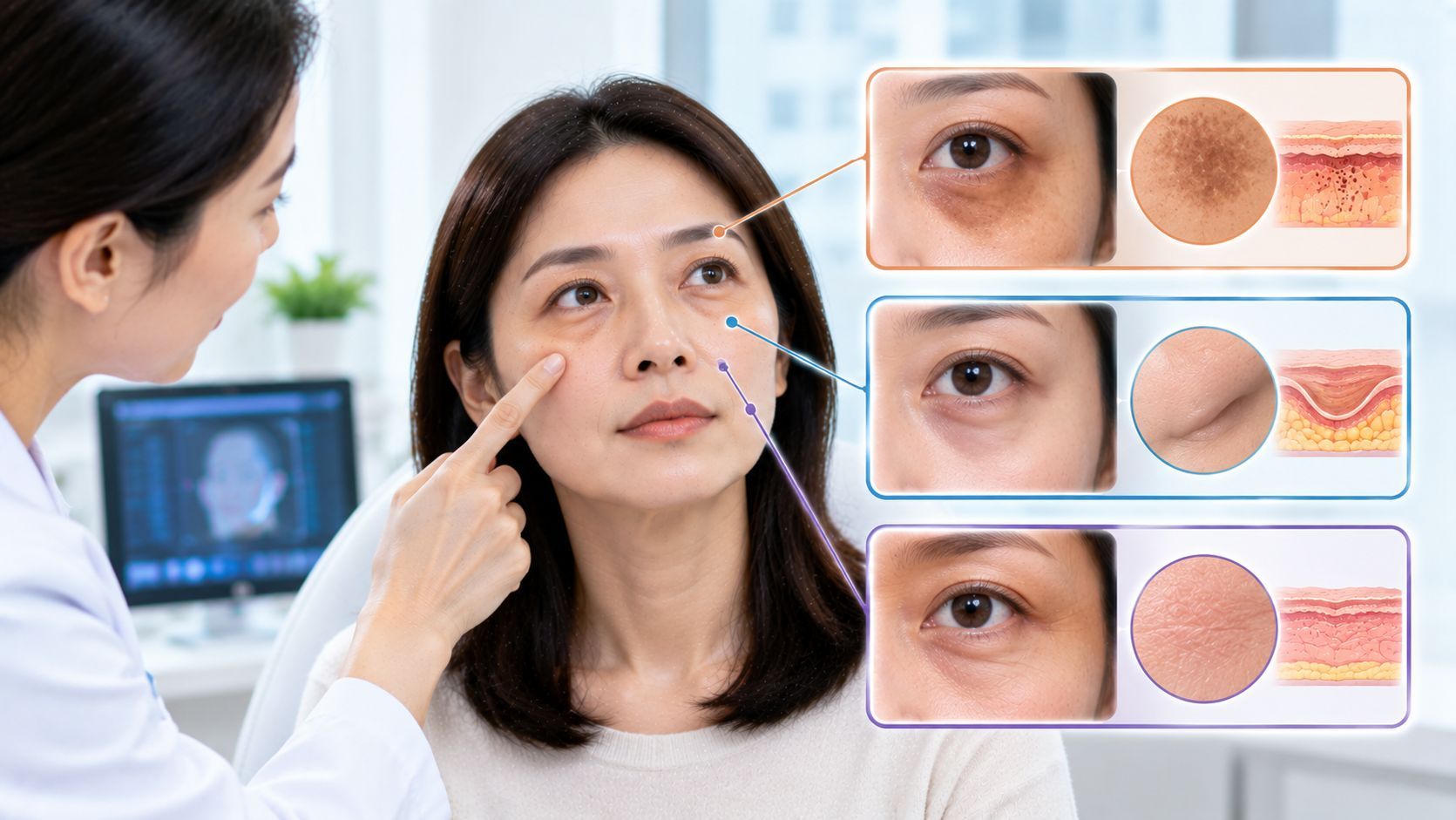
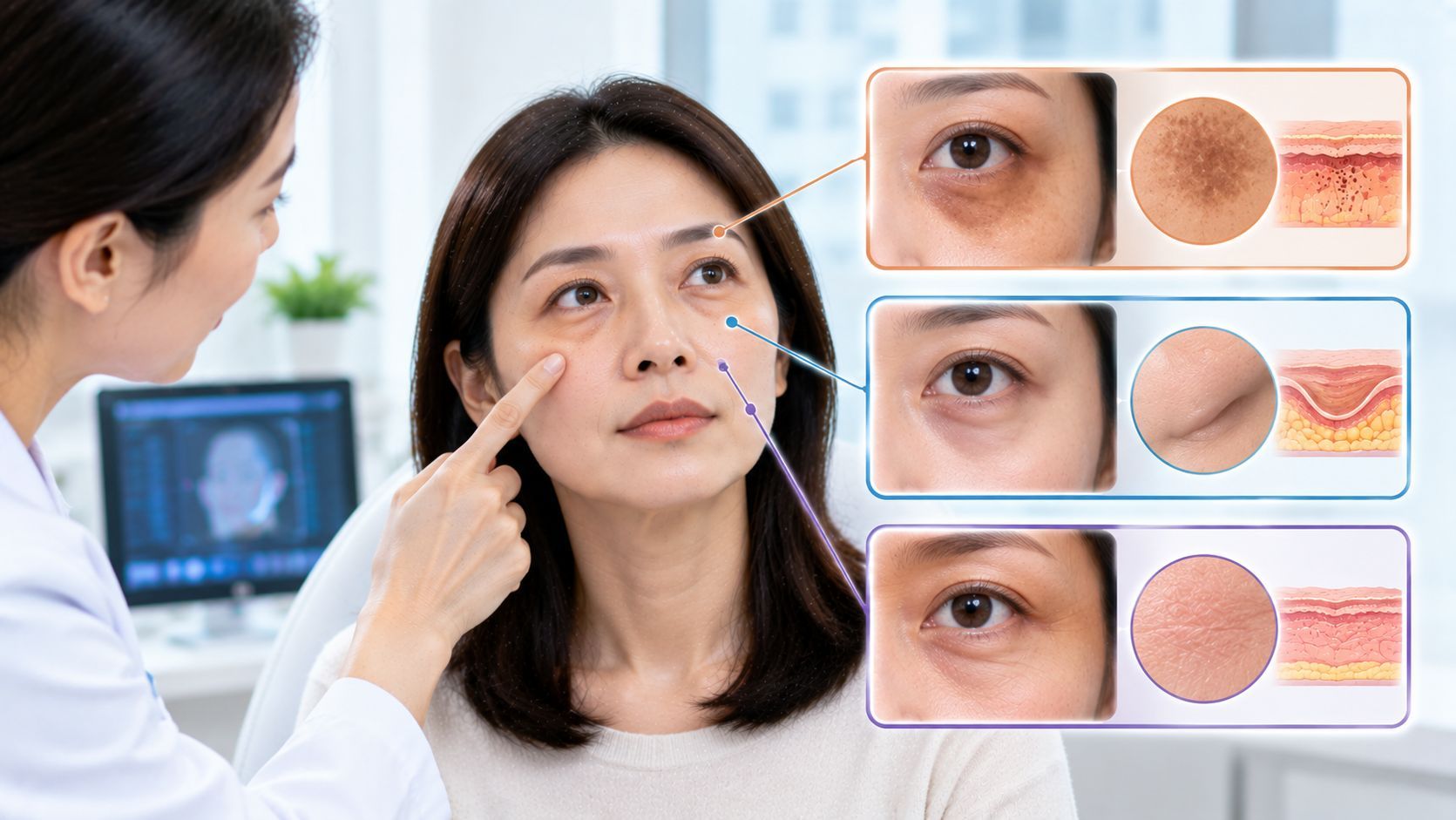
Facial aging can involve several changes, including:
- Fine lines and wrinkles
- Sun damage
- Pigmentation
- Reduced skin elasticity
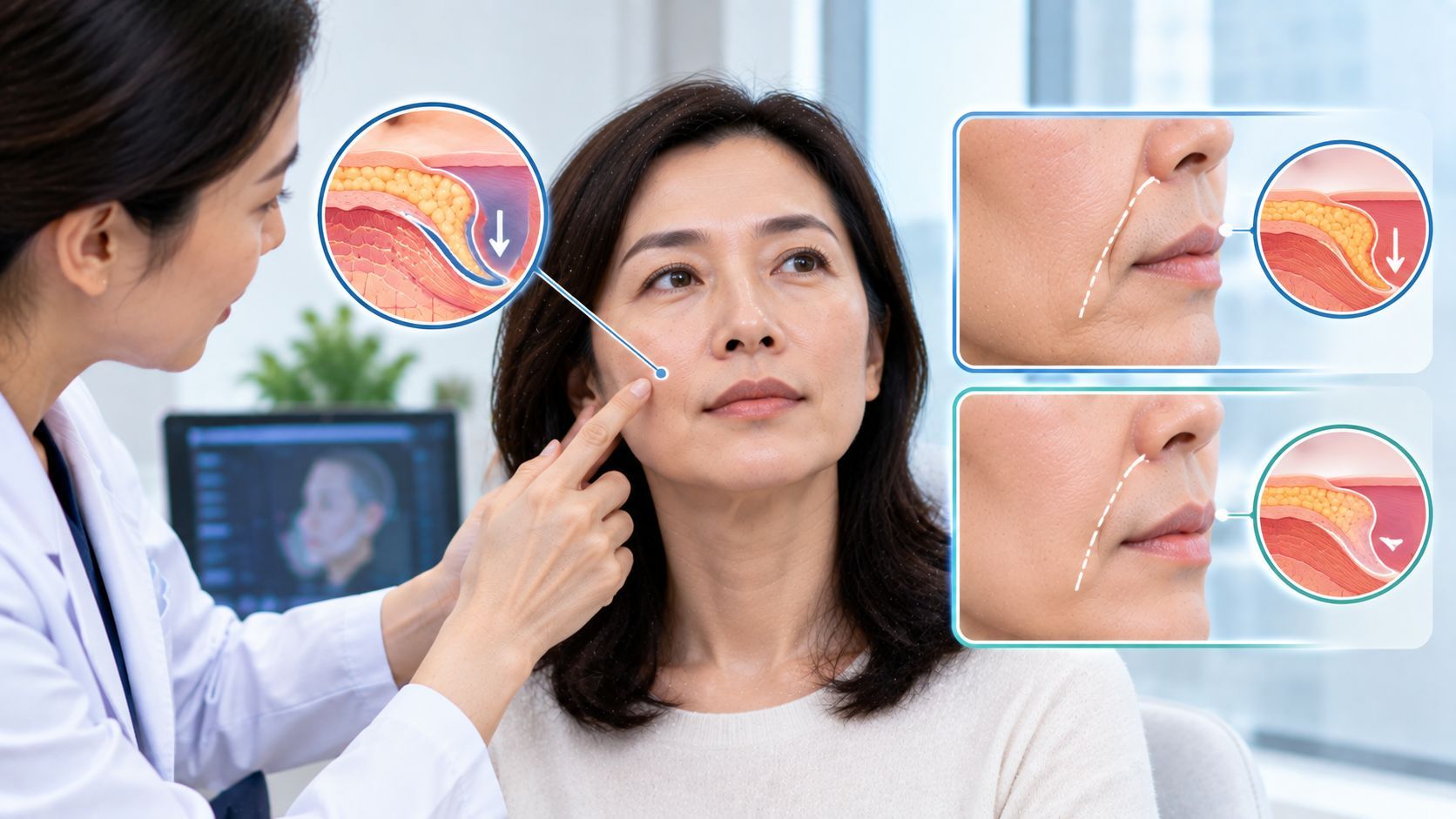
- Changes in facial fat distribution
- Loss of collagen
- Changes in bone and soft-tissue support
- Changes in facial muscle activity
Sun exposure, for example, can contribute to wrinkles, age spots, loose skin, and uneven complexion. (aad.org)
If your main concern is pigmentation or rough texture, aggressively tightening the skin may be addressing the wrong problem.
What Does a Natural Anti-Aging Approach Look Like?
A natural-looking approach usually starts by identifying the specific feature that makes you look older.
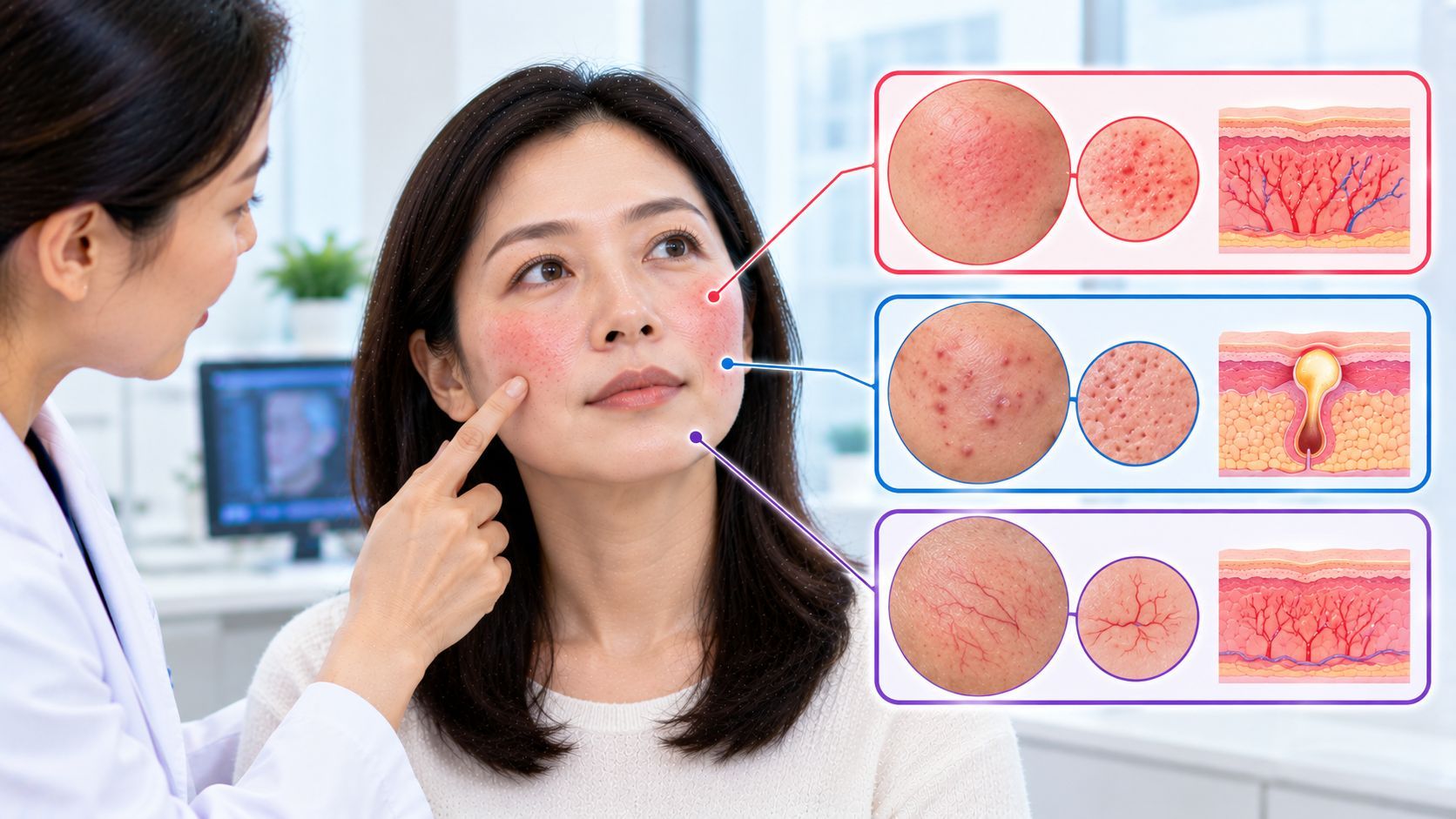
You might discover that the main issue is:
- Dull skin
- Uneven pigmentation
- Fine lines
- Rough texture
- Acne scars
- Sun damage
- Mild laxity
- Dehydration
In these situations, improving skin quality may make a meaningful difference without trying to alter your facial contours.
The AAD recommends focusing on your primary aging concern rather than using numerous anti-aging products simultaneously, since excessive products can irritate the skin. (aad.org)
Treatments That Can Improve Aging Without Aggressive Tightening
1. Medical Skincare
Skincare is often the least invasive place to start.
A dermatologist may recommend:
- Broad-spectrum sunscreen
- Moisturizer
- Retinoids or retinol
- Antioxidants
- Pigmentation treatments
- Other prescription or non-prescription ingredients
Sunscreen and moisturizer are considered foundational anti-aging products, while retinoids may help address some signs of skin aging. (aad.org)
Skincare cannot produce a surgical lift or dramatically change facial shape—and if preserving your natural shape is your priority, that limitation can actually be beneficial.
2. Chemical Peels
Chemical peels can be useful when your face looks older mainly because of:
- Uneven tone
- Dullness
- Rough texture
- Certain fine lines
- Sun damage
Depending on the type and depth, a peel removes controlled layers of damaged skin and can improve the appearance of the surface.
The treatment does not aim to make your face narrower or physically pull the facial tissues upward.
However, stronger peels can involve more downtime, redness, peeling, or irritation, so the appropriate strength matters.
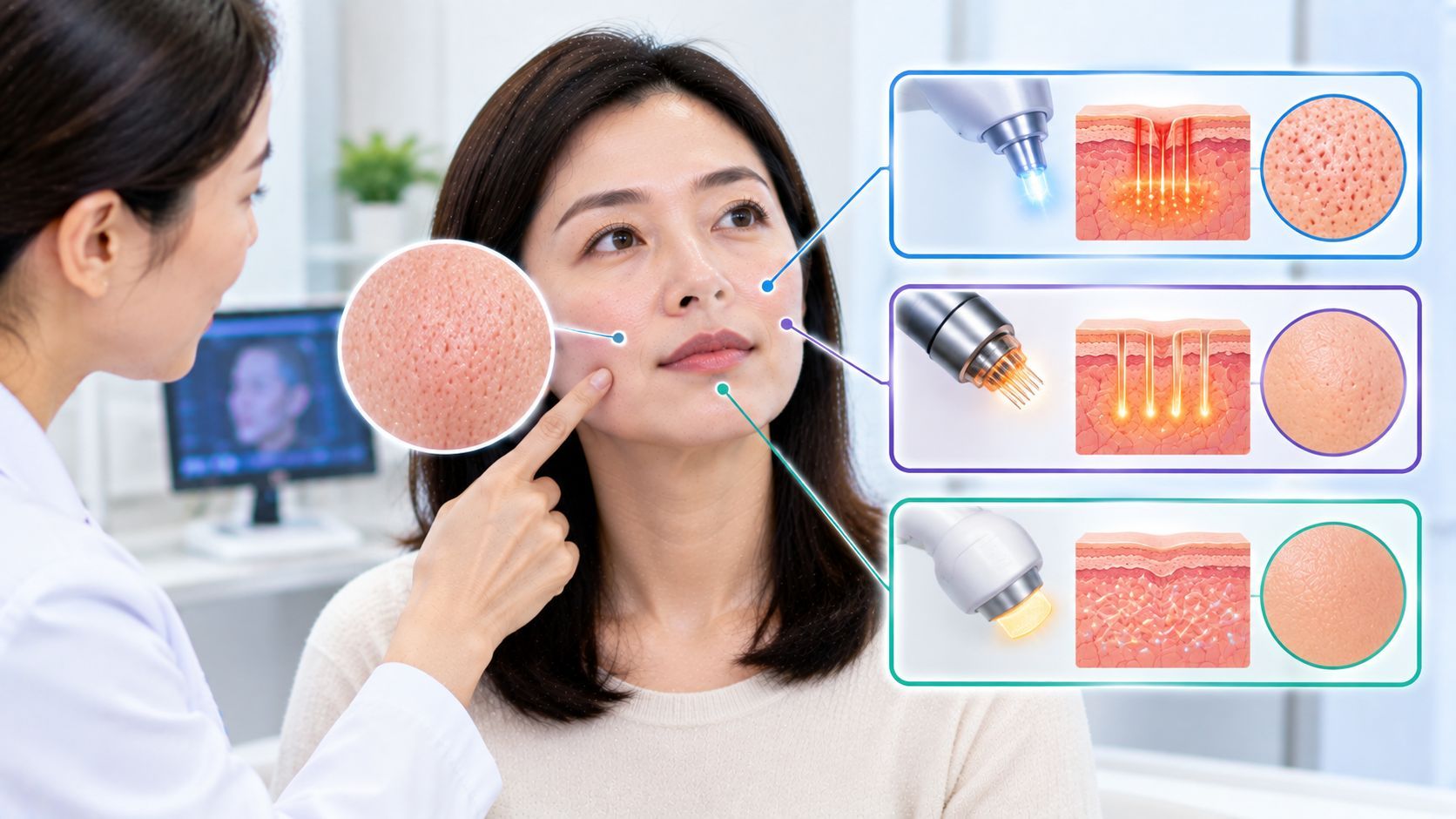
3. Laser and Light-Based Treatments
Laser and light-based procedures can target specific signs of aging without necessarily changing facial volume.
Depending on the treatment, they may address:
- Pigmentation
- Sun damage
- Uneven texture
- Certain fine lines
- Redness
Dermatologists use several different approaches to treat sun-damaged skin, including laser resurfacing, intense pulsed light, chemical peels, and microdermabrasion. (aad.org)
The important question is which treatment matches your particular problem—not which device is most powerful.
4. Microneedling
Microneedling can be considered when texture, acne scars, pores, or fine lines are making the skin appear older.
The procedure creates controlled micro-injuries that stimulate the body's healing response and collagen remodeling.
It may therefore be useful when you want to improve skin quality rather than facial contour.
The results develop gradually, and treatment should be selected according to your skin and goals.
5. Microdermabrasion
Microdermabrasion gently exfoliates the outer layer of skin.
According to the AAD, it can help improve dull complexion, uneven skin tone or texture, age spots, and some other pigmentation concerns. (aad.org)
It may be worth considering if your main goal is a smoother, brighter complexion rather than a tighter or slimmer face.
6. Red-Light Therapy
Red or near-infrared light therapy is another non-invasive option that has been studied for some signs of skin aging.
The AAD notes that studies suggest possible improvements in fine lines, wrinkles, discoloration, rough skin, and loose skin, although more research is needed and the effectiveness of different devices can vary. (aad.org)
This is generally more about skin quality than reshaping the face.
What If I Don't Want My Face to Look Tighter?
This is an important preference to communicate.
Some people associate youthfulness with a very lifted appearance. Others prefer a softer, more natural facial appearance.
If you are in the second group, tell your dermatologist:
“I want to soften signs of aging, but I don't want my face to look tighter, pulled, or overly sculpted.”
This does not mean you need to avoid every treatment that stimulates collagen.
It means the treatment plan should be based on your desired endpoint rather than automatically pursuing maximum tightening.
What If I Don't Want a Slimmer Face?
Facial slimming is a separate aesthetic goal from skin rejuvenation.
If you like your existing facial fullness, you may want to be cautious about treatments specifically marketed around:
- Facial contouring
- V-line appearance
- Facial slimming
- Jaw reduction
- Fat reduction
- Aggressive contour definition
These treatments may be appropriate for someone seeking a narrower appearance, but they do not necessarily match a patient whose goal is simply to soften aging.
Your dermatologist should understand whether you want rejuvenation without reshaping.
What About Botox?
Botulinum toxin is not a volumizing treatment. It works by temporarily relaxing targeted muscles, which can reduce certain expression lines. (aad.org)
It may therefore fit some patients who do not want facial slimming or added volume.
However, if your concern is that you do not want your facial expression to change either, you can discuss whether other approaches are more appropriate.
The important distinction is:
- Filler changes fullness.
- Botulinum toxin changes muscle activity.
- Skin rejuvenation primarily targets the skin.
- Tightening treatments aim to improve firmness or laxity.
Understanding these differences can make your consultation much more productive.
What If I Have Sagging Skin?
This is where expectations become especially important.
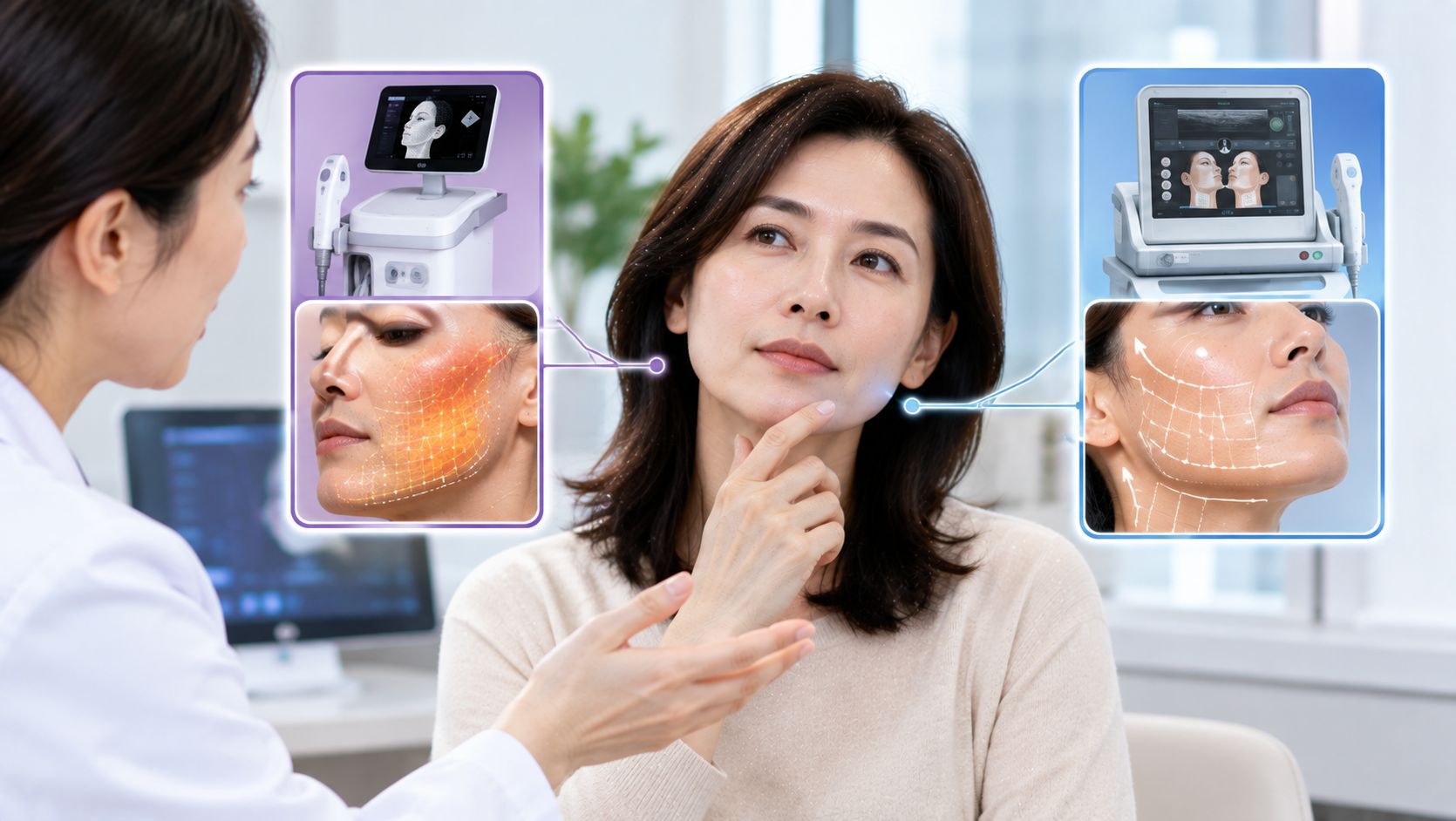
If you have only mild laxity, non-invasive skin-tightening treatments may provide some improvement. The AAD notes that non-invasive tightening generally produces modest, gradual results, while surgical procedures produce more dramatic lifting. (aad.org)
If you specifically do not want a tighter appearance, your dermatologist may decide that skin tightening is not the most appropriate priority.
Instead, improving skin tone, texture, and fine lines may provide a softer form of rejuvenation.
Can You Look Younger Without Looking “Lifted”?
Yes.
A person can sometimes appear more refreshed simply because:
- Their pigmentation is less noticeable
- Their skin texture is smoother
- Fine lines are less prominent
- Their skin looks healthier
- Sun damage is reduced
- Their complexion is more even
These changes do not necessarily require a visibly lifted or sculpted face.
The AAD notes that dermatologists may use more than one treatment to address different signs of sun damage and create a natural, healthy appearance. (aad.org)
How to Choose the Right Treatment
Your main concernPotential approachDullnessSkincare, gentle exfoliation, microdermabrasionPigmentationMedical skincare, peel, laser/light treatmentRough textureMicroneedling, peel, selected laser treatmentsFine linesSkincare, resurfacing, microneedlingAcne scarsMicroneedling, laser, combination treatmentMild laxityCarefully selected tightening treatmentSun damageSun protection, skincare, laser/peel depending on the problemWant to preserve facial shapePrioritize skin-quality treatments and avoid unnecessary contouring
This table is only a starting point. A dermatologist should determine whether the visible problem is actually caused by skin quality, laxity, volume changes, or another factor.
What Should You Tell a Korean Dermatologist?
If you are visiting Korea for aesthetic treatment, communicate your boundaries clearly.
You can say:
“I want to look fresher and younger, but I don't want my face to look slimmer, tighter, or more sculpted.”
You can also ask:
- What specifically is making me look older?
- Is this treatment intended to change facial contour?
- Will it reduce facial volume?
- How much tightening should I realistically expect?
- Can we focus on skin quality instead?
- What downtime should I expect?
- Could the treatment cause swelling or pigmentation?
- How long should I wait before flying home?
This is especially important when several procedures are being recommended during one consultation.
Don't Choose a Treatment Package Just Because It Is Popular
A long list of procedures can sound impressive, but more treatment does not automatically mean a more natural result.
The AAD recommends realistic expectations for anti-aging skincare and emphasizes that no single product can treat every sign of aging. (aad.org)
The same principle applies to procedures.
If your main concern is pigmentation, you may not need aggressive tightening.
If your main concern is texture, facial slimming may be irrelevant.
If your concern is fine lines, a contouring procedure may be addressing the wrong problem.
Risks and Limitations
Every procedure has potential risks.
Peels, lasers, microneedling, and other treatments can cause redness, irritation, swelling, peeling, or temporary pigmentation changes. Results also vary according to skin type, treatment settings, medical history, and aftercare.
Non-invasive tightening procedures can produce gradual improvement, but they cannot duplicate the results of a surgical facelift. (aad.org)
Likewise, skincare can improve certain aspects of skin aging but cannot replace structural correction when significant sagging or volume loss is present.
The most appropriate treatment is therefore the one that matches both your concern and your desired aesthetic outcome.
Conclusion
You do not have to make your face tighter or slimmer to soften visible signs of aging.
If your priority is preserving your facial shape, focus on what actually makes you look older. Skin quality, pigmentation, texture, fine lines, and sun damage can often be addressed without deliberately reshaping the face.
Depending on your needs, skincare, chemical peels, laser treatments, microneedling, microdermabrasion, or carefully selected non-invasive procedures may be considered.
The goal does not have to be:
“Make my face tighter.”
It can simply be:
“Make my skin healthier and soften the signs of aging while keeping my face looking like me.”
FAQs
1. Can I look younger without making my face tighter?
Yes. If your main concerns are skin quality, pigmentation, texture, or fine lines, you may be able to improve your appearance without focusing on aggressive tightening.
2. Can facial rejuvenation make my face slimmer?
Some treatments can influence facial contours, but not every rejuvenation treatment is designed to do so. If you want to preserve facial fullness, tell your provider before treatment.
3. What is the best treatment for aging without facial slimming?
There is no universal best treatment. Skincare, peels, laser treatments, microneedling, and other skin-quality procedures may be considered depending on the specific aging concern.
4. Can I improve sagging without getting a very tight-looking face?
Mild laxity may sometimes be improved gradually with non-invasive treatments. However, the amount of improvement varies, and more substantial sagging may require different approaches.
5. Does Botox make the face slimmer?
Botulinum toxin is primarily used to temporarily relax targeted muscles. Its effect is different from treatments specifically intended to reduce facial fat or reshape the face. (aad.org)
6. What should I tell a dermatologist if I want natural aging?
Explain that you want to soften visible signs of aging while preserving your facial proportions, natural fullness, and normal facial expression. This helps the dermatologist understand that rejuvenation—not reshaping—is your priority.