What Treatments Improve the Face Without Adding Volume?
Introduction
Some people want to soften visible signs of aging but do not want their face to look fuller. They may like their natural cheek shape, jawline, and facial proportions and simply want to improve skin quality, wrinkles, laxity, or a tired appearance.
If you want facial improvement without adding volume, focus on treatments that target the skin, collagen, pigmentation, texture, or mild laxity rather than treatments designed primarily to restore or increase facial fullness. Options may include medical skincare, laser treatments, chemical peels, microneedling, radiofrequency, ultrasound-based tightening, and other targeted procedures depending on the underlying concern.
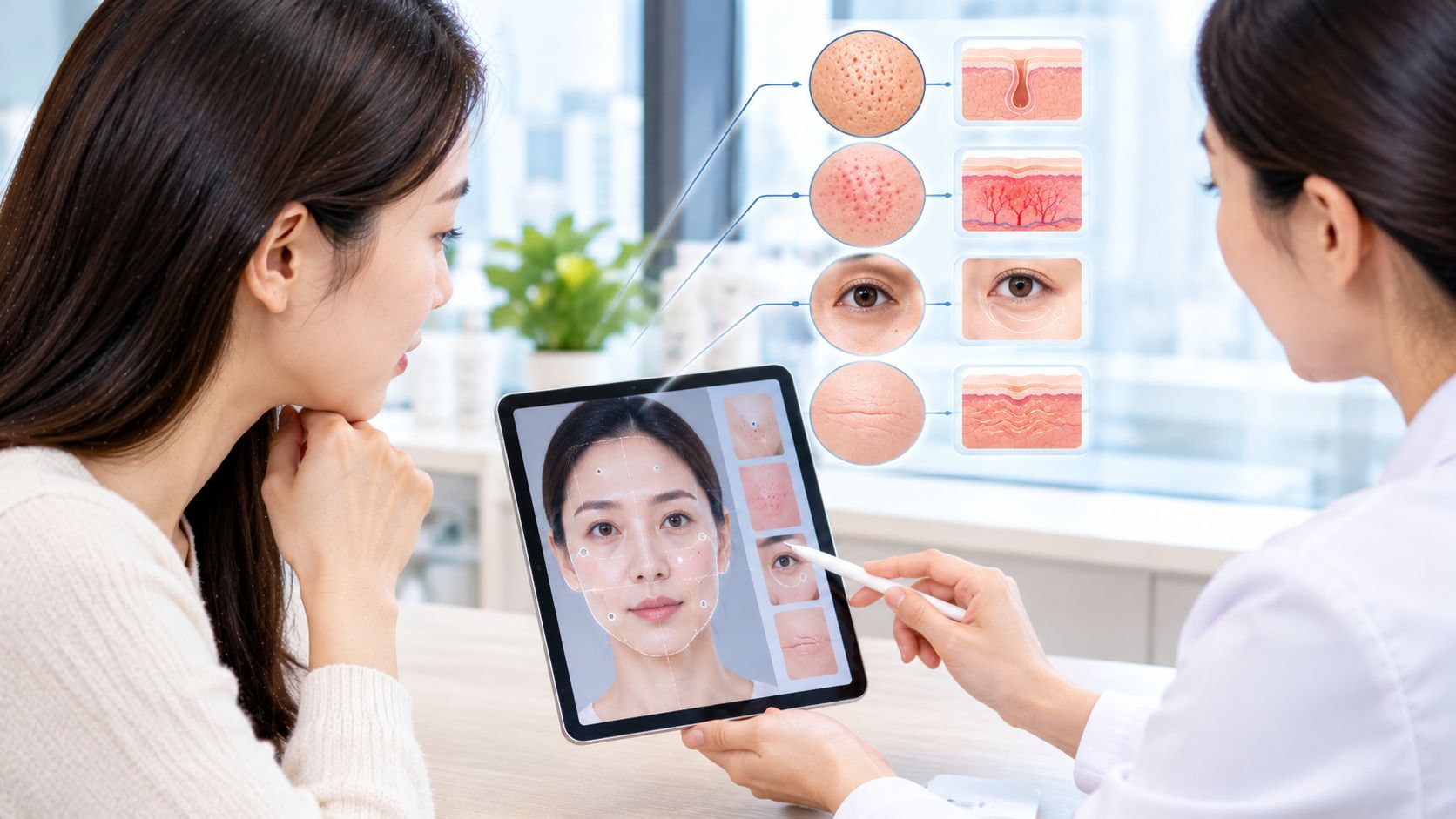
The important first step is identifying what is making your face look older. Not every aging change is caused by volume loss.
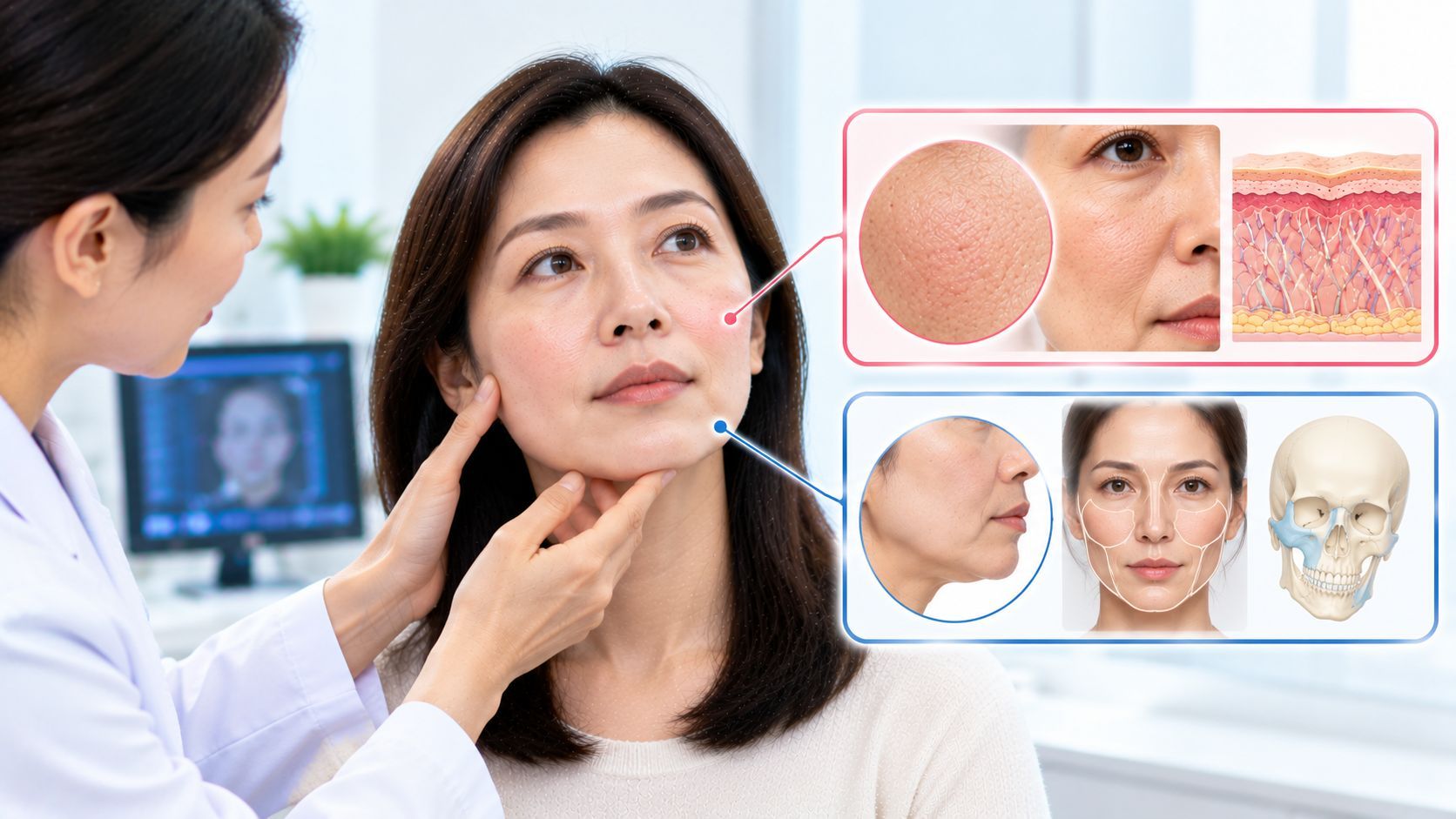
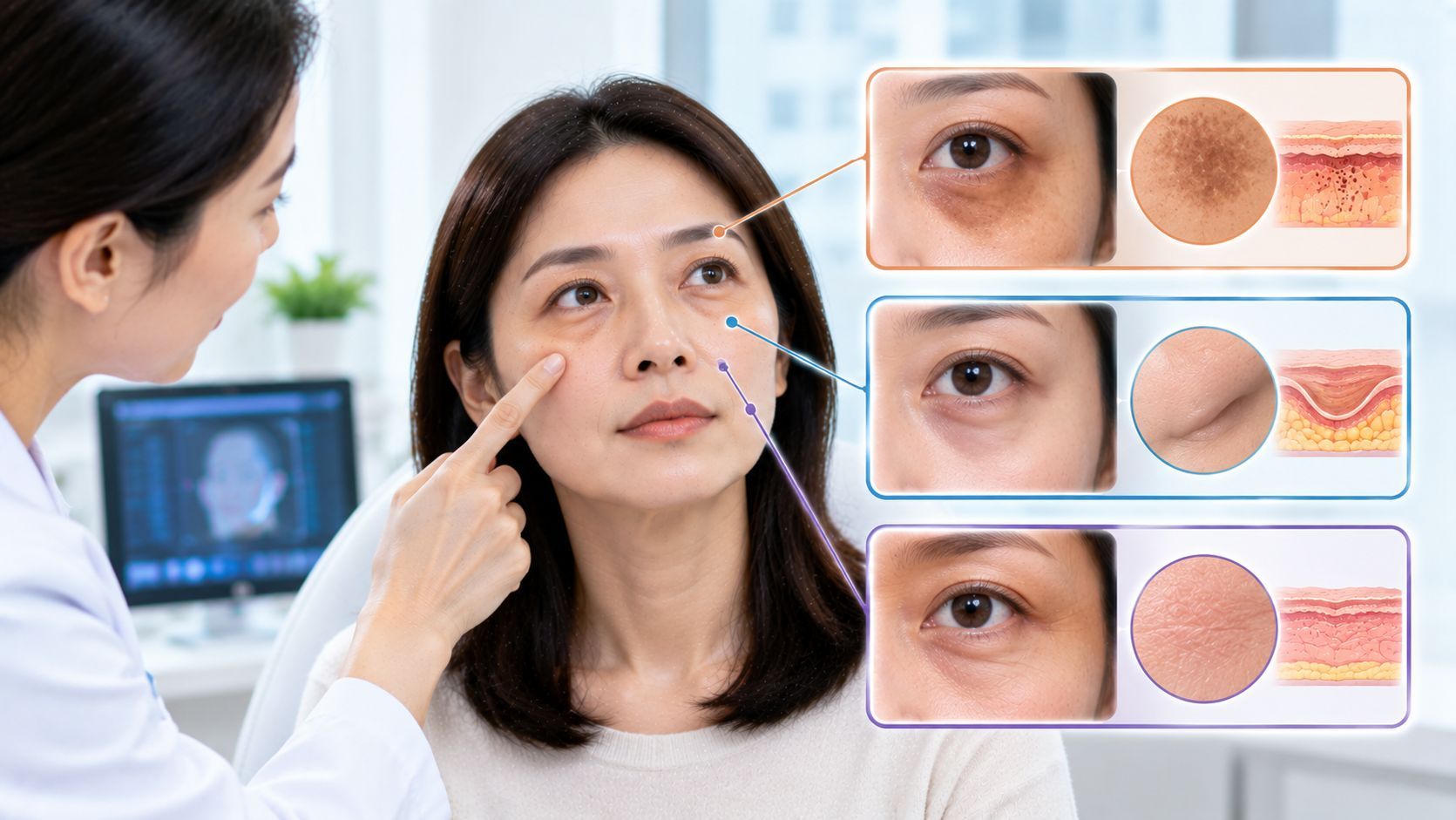
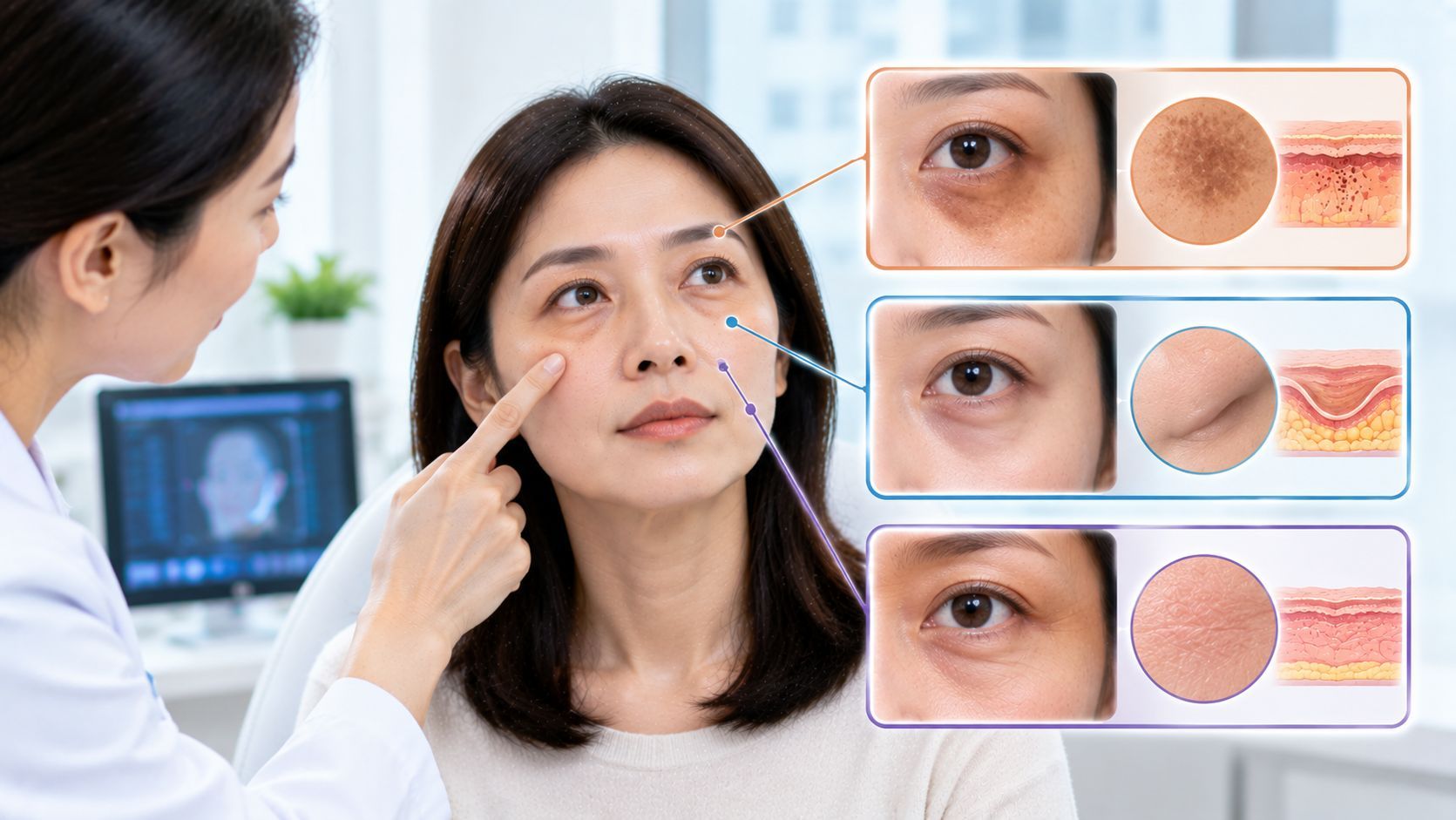
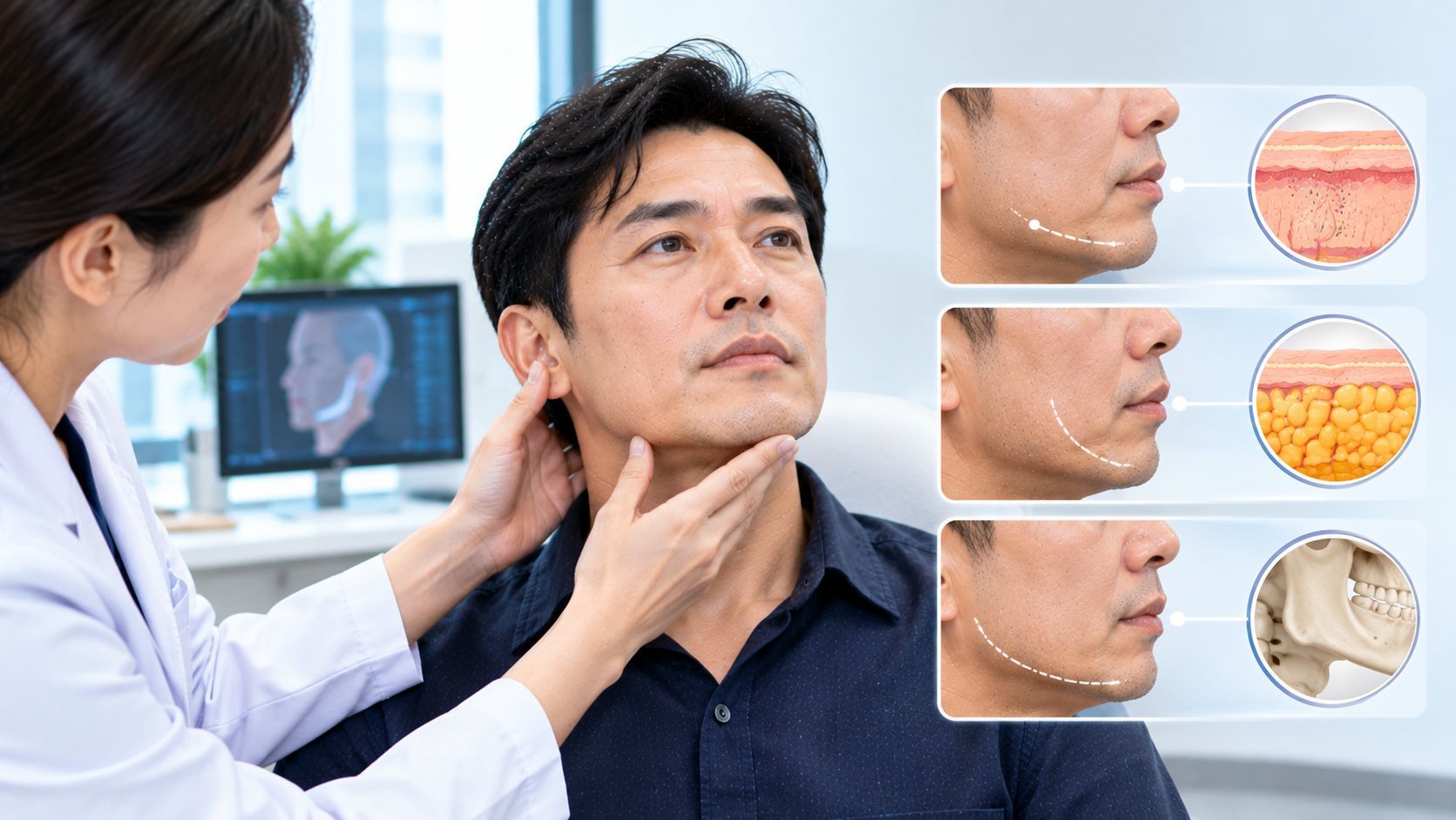
Why Does the Face Change With Age?
Facial aging is not caused by one process.
Over time, you may experience changes in:
- Skin thickness and elasticity
- Collagen and elastin
- Pigmentation
- Skin texture
- Fat distribution
- Bone structure
- Facial muscle activity
- Soft-tissue support
Sun exposure is also a major contributor to visible aging. UV exposure can contribute to wrinkles, age spots, uneven complexion, and loose skin.
This is why simply asking for “anti-aging treatment” is often too broad.
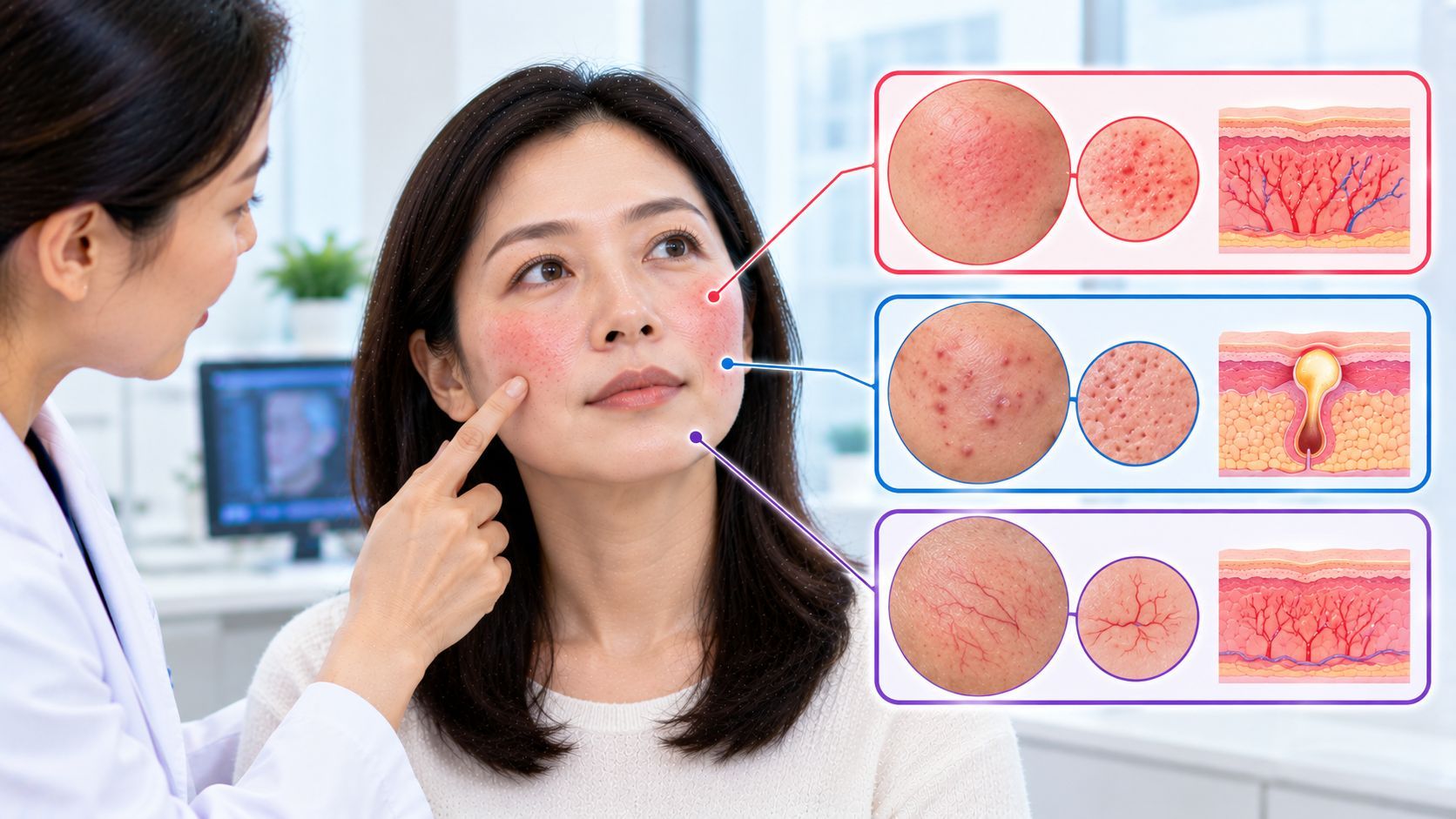
A dermatologist needs to determine whether your primary issue is skin quality, laxity, wrinkles, pigmentation, or actual loss of facial volume.
What Does “Without Adding Volume” Mean?
Adding volume generally means increasing fullness in an area of the face.
Dermal fillers are one example. They can restore lost fullness in areas such as the cheeks, under-eye hollows, lips, and deeper creases.
If you do not want this type of change, your treatment plan can instead focus on other visible signs of aging.
For example, you might want:
- Smoother skin
- Less pigmentation
- Better texture
- Fewer fine lines
- Firmer skin
- Less sun damage
- A brighter complexion
- A more rested appearance
without making your cheeks, lips, or other areas noticeably fuller.
Treatments That Can Improve the Face Without Adding Volume
1. Medical Skincare
Skincare is the most conservative starting point for many people.
A dermatologist may recommend products based on your particular concerns, including:
- Sunscreen
- Moisturizers
- Retinoids or retinol
- Antioxidants
- Pigment-targeting ingredients
- Other prescription treatments
Daily sun protection is particularly important because UV exposure accelerates visible skin aging. The AAD recommends broad-spectrum SPF 30 or higher as part of an anti-aging skincare routine.
Skincare cannot replace lost facial volume, but that may actually be an advantage if you specifically want to preserve your existing facial proportions.
2. Laser Treatments
Laser treatments can address certain forms of:
- Sun damage
- Pigmentation
- Uneven texture
- Fine lines
- Skin roughness
Laser resurfacing, for example, can reduce some visible signs of sun damage and improve the overall appearance of aging skin.
The exact laser and settings matter. A treatment intended for pigmentation is not necessarily the same as one used for resurfacing.
For someone who does not want added volume, the goal can be to improve the skin surface rather than change facial contours.
3. Chemical Peels
Chemical peels can be useful when the primary issue is skin quality.
Depending on the type and depth, they may be used to improve:
- Dullness
- Uneven pigmentation
- Rough texture
- Certain fine lines
- Some signs of sun damage
They do not work by filling facial hollows or increasing cheek volume.
However, stronger peels can involve more downtime and irritation, so treatment strength should be selected according to your skin and goals.
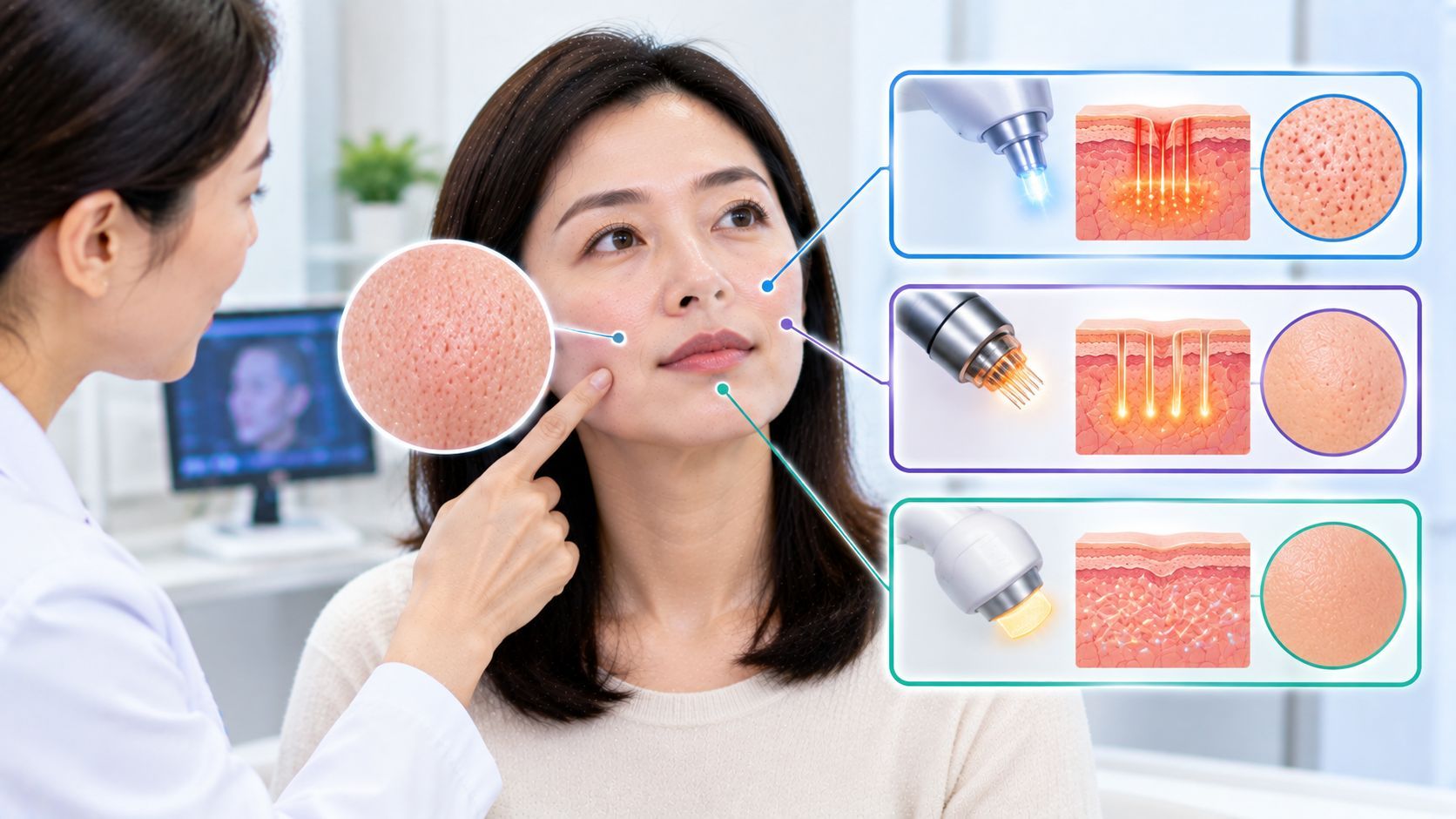
4. Microneedling
Microneedling may be appropriate when texture, fine lines, enlarged pores, or acne scarring are more concerning than facial volume.
The procedure creates controlled micro-injuries that stimulate the skin's healing response and collagen remodeling.
It can therefore improve the quality and surface appearance of the skin without deliberately making the face fuller.
Results are gradual, and multiple treatments may sometimes be recommended.
5. Radiofrequency Microneedling
Radiofrequency microneedling combines microneedling with radiofrequency energy.
It may be considered when you have a combination of:
- Uneven texture
- Fine lines
- Acne scars
- Enlarged pores
- Mild skin laxity
This can be an option for someone who wants to improve the quality and firmness of the skin without using traditional volumizing filler.
However, treatment depth and energy settings are important. More energy does not automatically mean a better result.
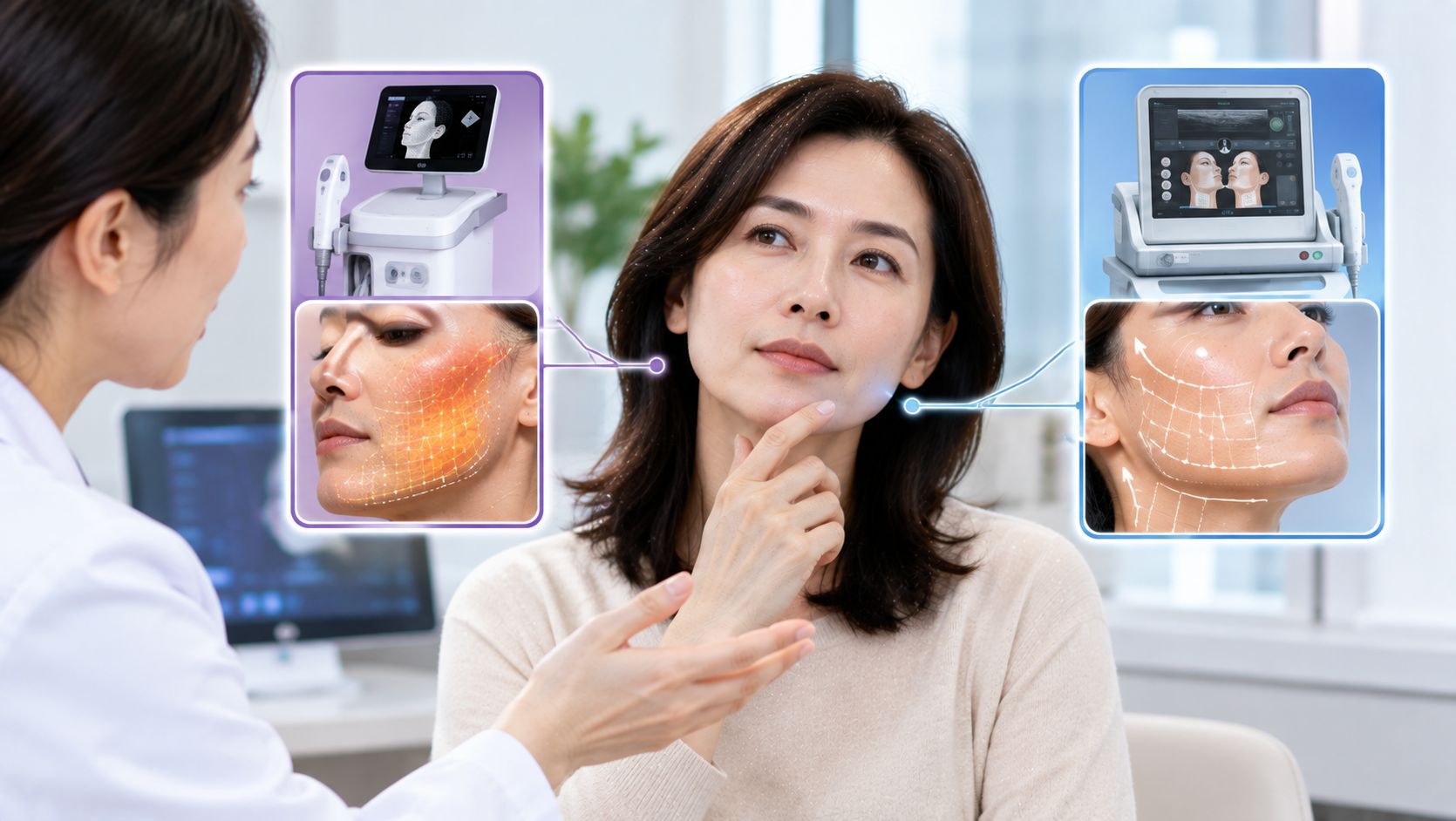
6. Non-Invasive Skin Tightening
If mild laxity is making the face appear older, non-invasive tightening treatments may be considered.
Radiofrequency and ultrasound-based treatments can stimulate changes in the skin and underlying tissue that may improve firmness.
The AAD notes that non-invasive skin-tightening procedures generally provide modest, gradual results, rather than the degree of lifting associated with surgery.
This gradual effect can appeal to people who want a subtle change rather than a dramatic transformation.
What About Botox?
Botox does not add volume, but it does change muscle activity.
Botulinum toxin can temporarily relax targeted muscles and reduce certain expression lines. If your goal is specifically “no added volume,” Botox may technically fit that requirement.
However, if your goal is broader—“I don't want my facial structure or expressions changed”—you may also prefer to discuss non-injectable options.
The right choice depends on whether your primary concern is dynamic wrinkles or another sign of aging.
What If My Main Problem Is Sagging?
This requires careful assessment.
Mild skin laxity may respond to non-invasive tightening treatments. The AAD notes that non-invasive procedures are generally most useful when there is a smaller amount of sagging skin; substantial sagging may require a different approach.
If significant sagging is caused by structural changes, skin resurfacing alone may not produce the lifting effect you expect.
This is one reason a dermatologist should examine the face before recommending a treatment package.
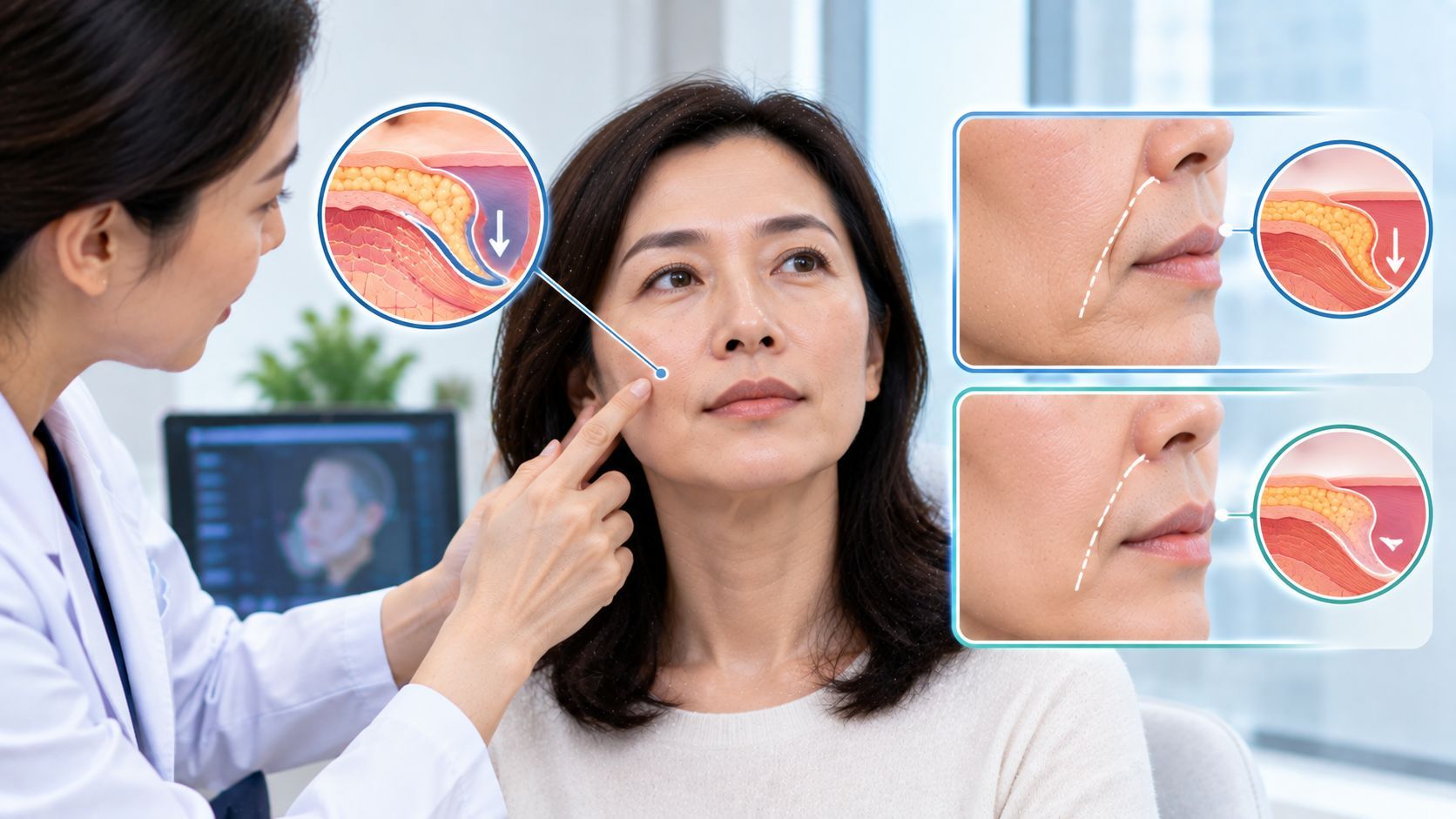
What If My Face Looks Older Because of Volume Loss?
This is the main limitation of a no-volume treatment plan.
If the primary problem is genuine loss of facial fullness, a skin-focused procedure cannot simply recreate that missing volume.
Dermal fillers are specifically designed to restore lost fullness.
If you do not want filler, that preference should be respected, but you should also understand what can realistically be achieved without it.
For example, improving skin texture may make the face look healthier without necessarily correcting a hollow cheek or deep structural indentation.
How to Choose the Treatment Based on Your Concern
Main concernTreatments that may be consideredSun damageSunscreen, skincare, selected laser treatmentsPigmentationMedical skincare, peel, selected laser/light treatmentsRough textureMicroneedling, peel, laser resurfacingFine linesSkincare, microneedling, resurfacingEnlarged poresMicroneedling, RF microneedling, selected laser treatmentsMild laxityRF or ultrasound-based tighteningAcne scarsMicroneedling, laser, combination treatmentSignificant volume lossExplain limitations of non-volumizing treatments
This is a general framework, not a treatment prescription. The appropriate option depends on your skin, anatomy, medical history, and desired outcome.
Can You Get a Younger-Looking Face Without Making It Fuller?
Yes—but the result may look different from traditional volume restoration.
Instead of making the face fuller, the treatment may make it appear healthier, smoother, brighter, or slightly firmer.
For example, reducing visible sun damage and improving texture can make a person look more refreshed even though the underlying facial proportions remain largely unchanged. Dermatologists often combine treatments that address different signs of aging to produce a more natural overall result.
The distinction is important:
Volume restoration changes fullness.
Skin rejuvenation changes skin quality.
Skin tightening changes firmness.
These approaches can overlap, but they are not interchangeable.
What Should You Tell Your Dermatologist?
If you are concerned about facial volume, be very specific during consultation.
You can say:
“I want to look fresher and younger, but I don't want to add facial volume.”
You can also explain whether you want to avoid:
- Fuller cheeks
- Larger lips
- A heavier lower face
- Facial slimming
- Major contour changes
- A dramatic lift
- Noticeable changes to your facial proportions
This helps the dermatologist understand that your goal is rejuvenation rather than reshaping.
What About Treatment in Korea?
South Korea offers a wide range of dermatology and aesthetic treatments, which can be useful if you are looking for a highly targeted treatment plan.
However, having many options can also make it tempting to combine multiple procedures unnecessarily.
If you are an international patient, ask the clinic:
- What is actually causing my aged appearance?
- Does this treatment add volume?
- Could it change my facial contour?
- Is the goal skin quality, tightening, or resurfacing?
- How much downtime should I expect?
- How many sessions might be needed?
- What results are realistic?
- What aftercare will I need after returning home?
Do not choose a treatment simply because it is one of the most popular procedures in Seoul.
Risks and Limitations
Not adding filler does not mean that other treatments are risk-free.
Laser treatments, chemical peels, microneedling, and energy-based procedures can cause temporary redness, swelling, irritation, peeling, or pigmentation changes.
The intensity of the treatment, your skin type, previous procedures, medications, and aftercare can all influence your risk.
There is also a practical limitation: no single non-volumizing treatment can correct every aspect of facial aging.
If the dominant problem is significant volume loss, a skin-quality treatment may improve the appearance of the skin but leave some of the structural change unchanged.
Likewise, creams cannot provide a facelift-like lift. The AAD notes that skin-firming creams generally provide subtle effects at most, while non-invasive tightening produces more modest results than surgery.
Conclusion
If you want to improve your face without adding volume, you have several options.
Depending on your concerns, medical skincare, laser treatments, chemical peels, microneedling, radiofrequency microneedling, and non-invasive skin tightening may improve the appearance of aging without deliberately making your face fuller.
The most important step is to determine whether your concern is actually related to skin quality, pigmentation, texture, wrinkles, laxity, or volume loss.
If your preference is to preserve your natural facial proportions, tell your dermatologist clearly.
The goal can be simple:
Improve the skin. Soften visible aging. Preserve the face you already have.
FAQs
1. Can I improve my face without adding volume?
Yes. Skin-focused and tightening treatments can address concerns such as pigmentation, texture, fine lines, sun damage, and mild laxity without deliberately increasing facial volume.
2. What is the best treatment for facial aging without filler?
There is no single best treatment. The appropriate option depends on whether your main concern is skin texture, pigmentation, fine lines, or laxity.
3. Can laser treatments improve my face without making it fuller?
Yes. Certain lasers can target pigmentation, sun damage, texture, and fine lines without functioning as volumizing treatments.
4. Can skin tightening change my facial shape?
It can affect the appearance of contours to some degree, depending on the treatment and individual anatomy. If preserving your facial shape is important, tell your provider before treatment.
5. What if I have volume loss but don't want filler?
Your dermatologist can explain non-volumizing options and their limitations. Skin-quality treatments may improve the appearance of the overlying skin, but they cannot fully recreate lost facial volume.
6. Can international patients get a personalized anti-aging plan in Korea?
Yes. A consultation can help determine which concerns are related to skin quality, laxity, pigmentation, wrinkles, or volume loss. International patients should also discuss downtime, aftercare, follow-up, and travel timing before treatment.