My Neck Became Loose After Weight Loss. What Non-Surgical Treatments Can Help?
Introduction
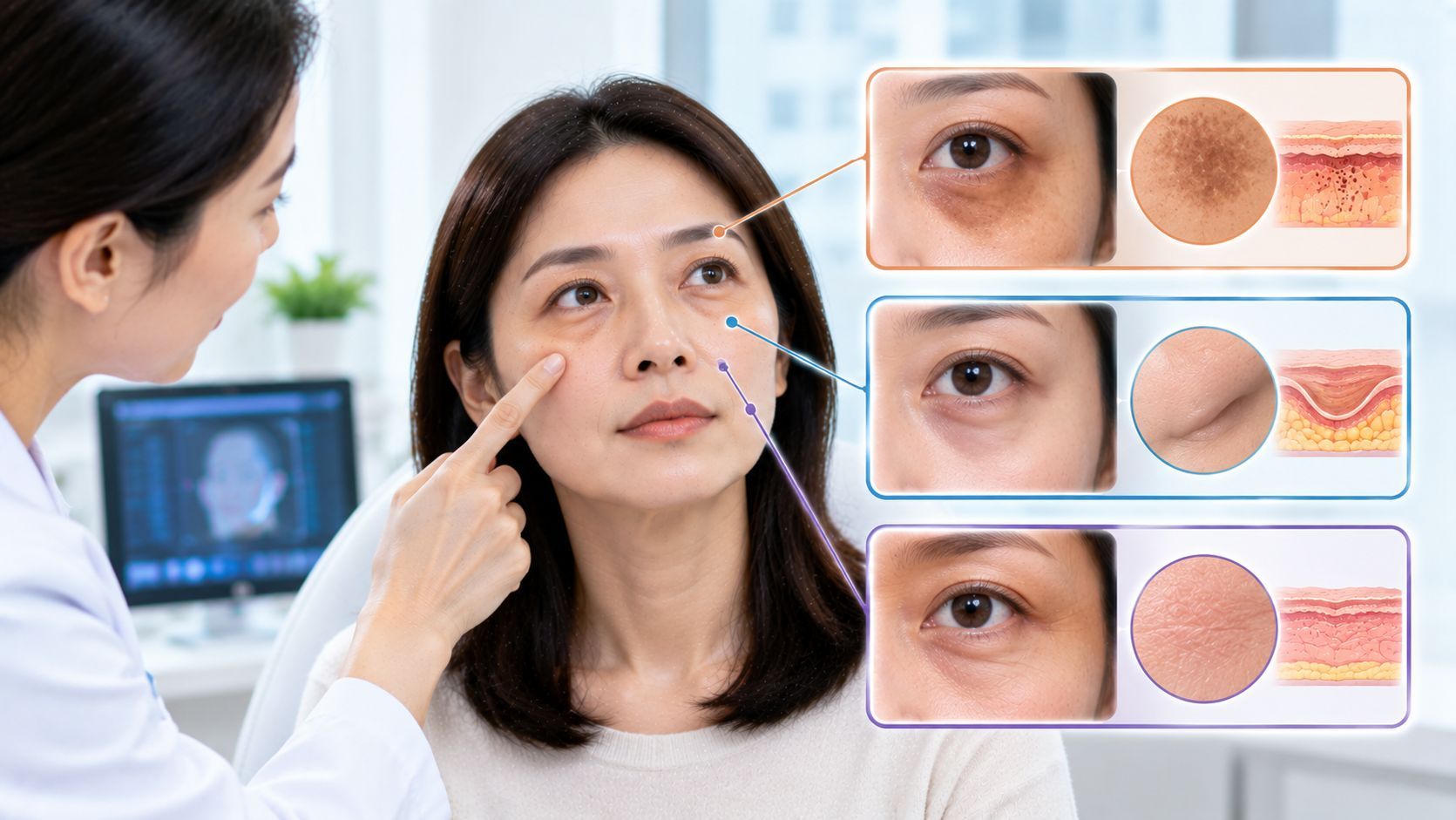
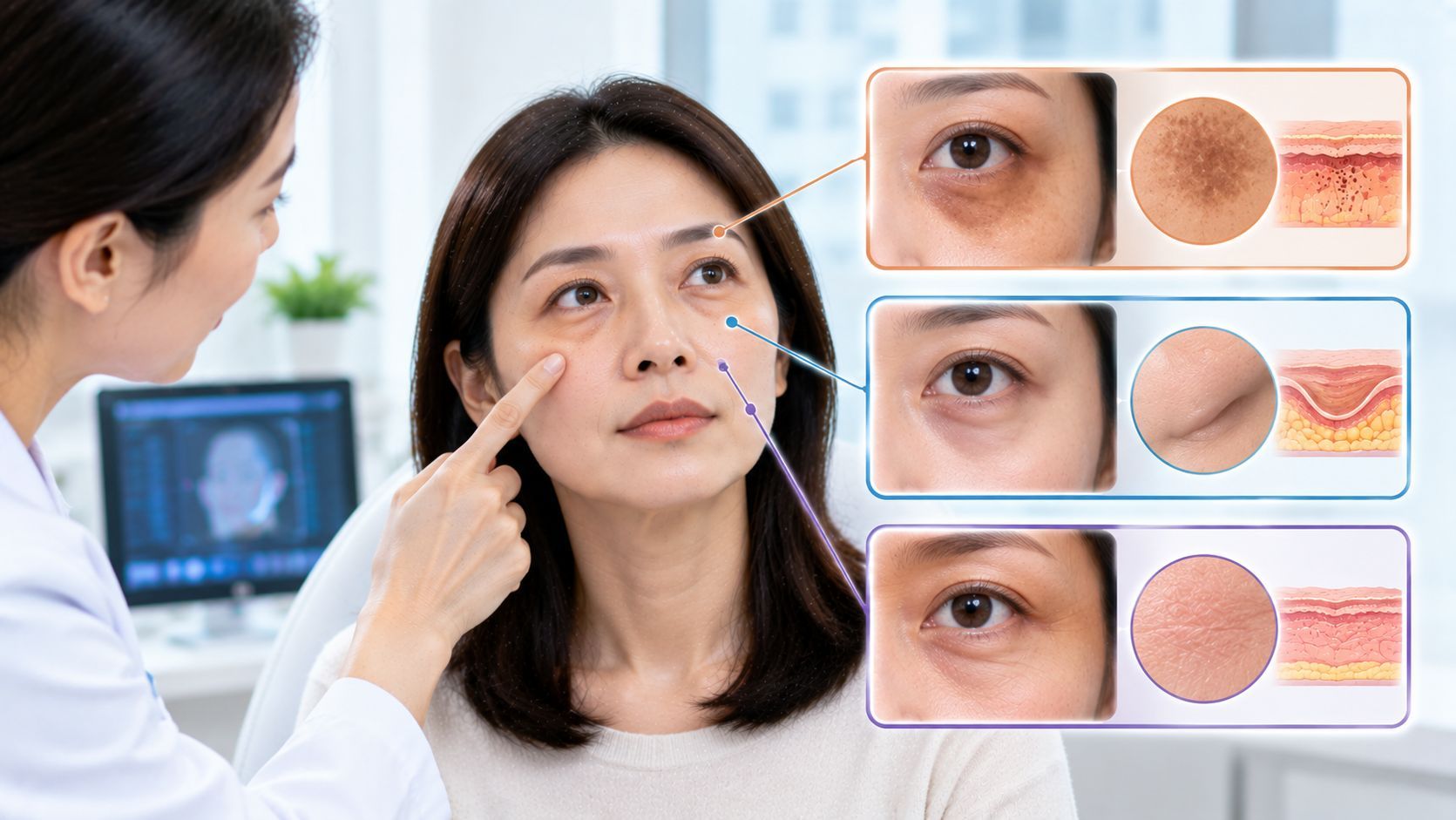
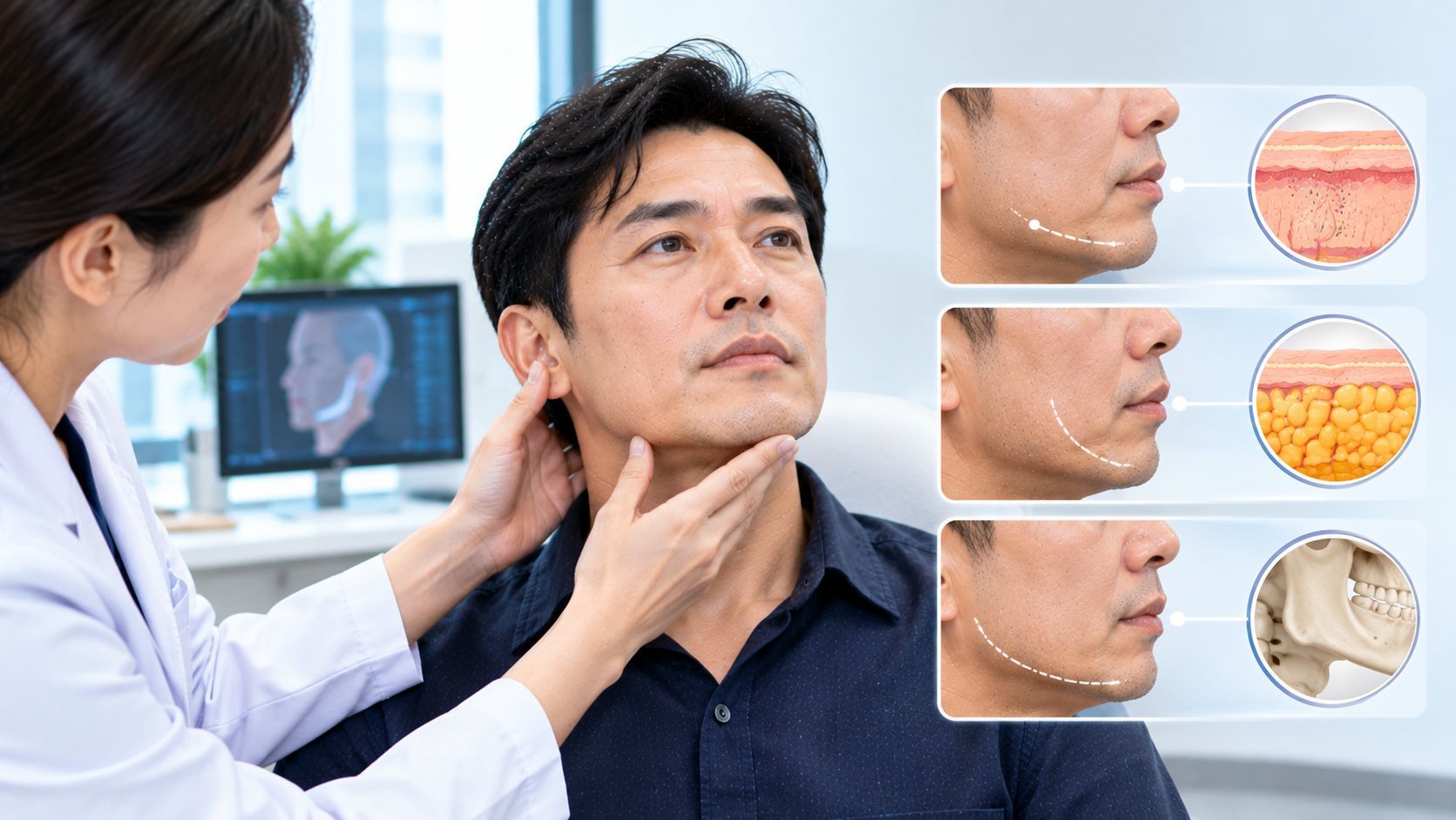
Losing a significant amount of weight can improve overall body shape, but it can also change the appearance of the neck. Some people notice loose or crepey skin beneath the chin, less definition along the jawline, or vertical folds that were not obvious before weight loss. This can be frustrating, especially when the rest of the body looks slimmer but the neck still appears loose.
Non-surgical treatments can improve mild to moderate neck laxity after weight loss, but the best option depends on whether the problem is loose skin, remaining fat, muscle laxity, or a combination. Ultrasound tightening, radiofrequency treatments, and certain collagen-stimulating approaches may help selected patients. However, non-surgical treatments cannot remove large amounts of excess skin, so expectations are important.
Why Does the Neck Become Loose After Weight Loss?
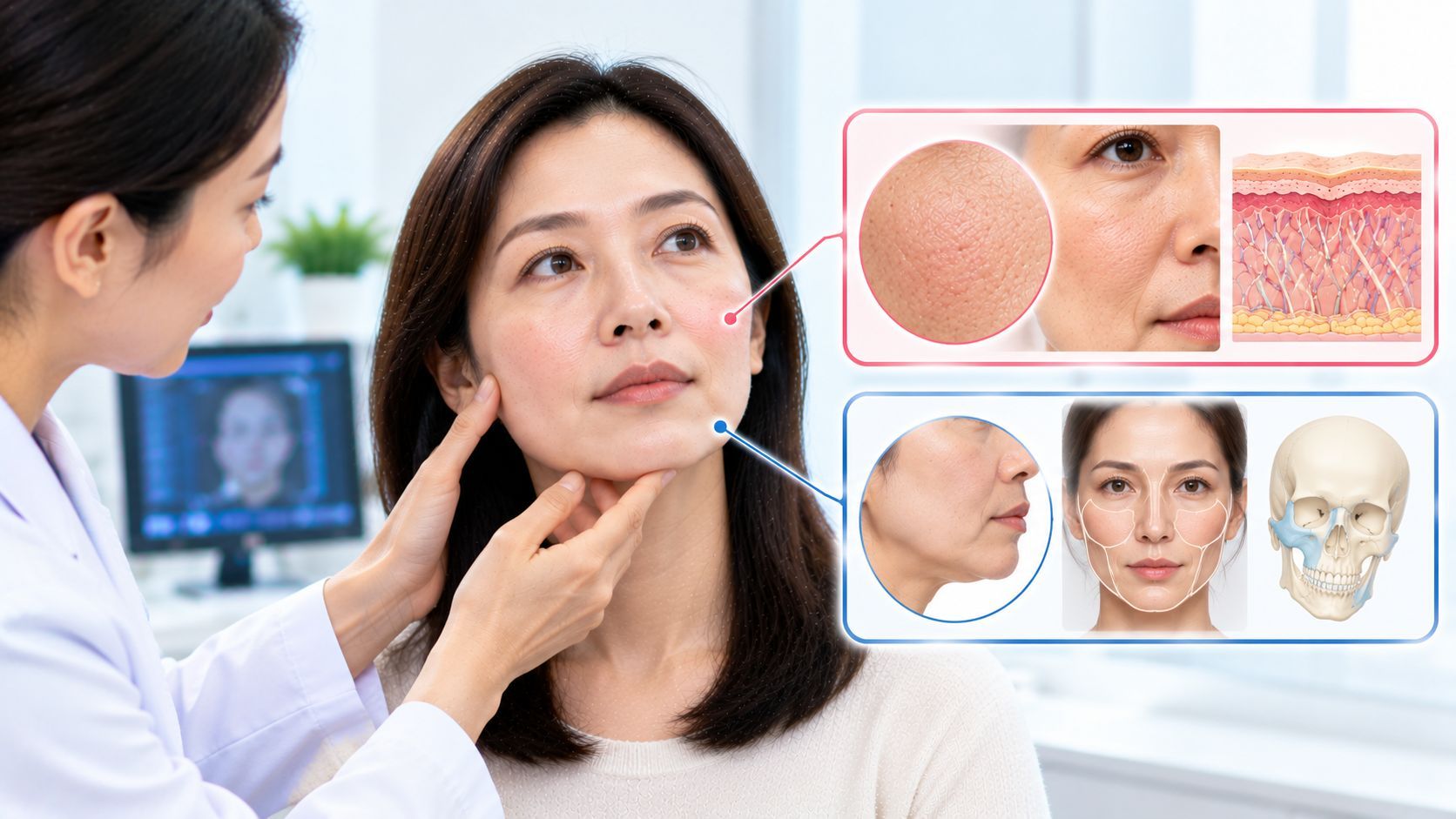
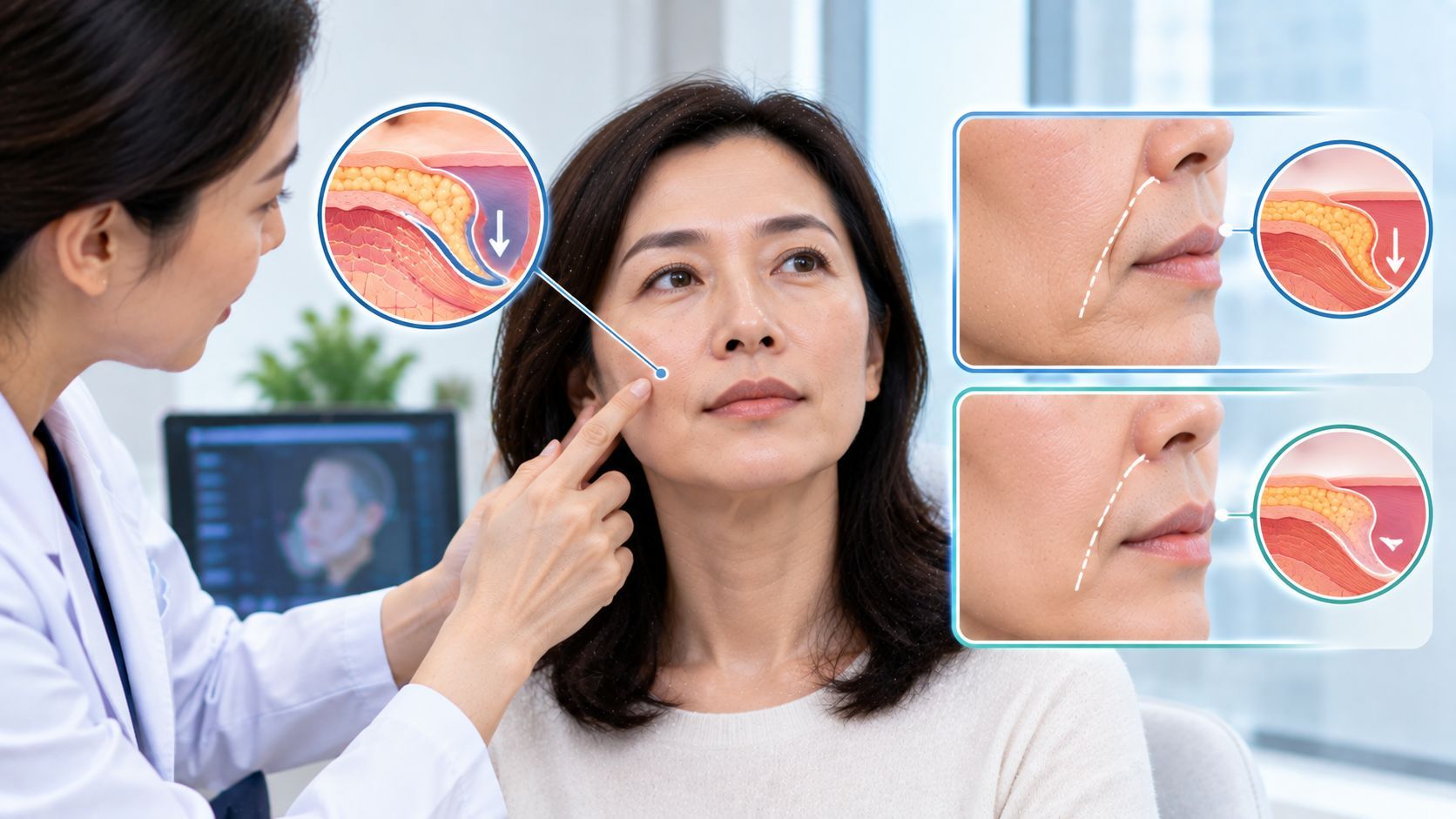
Loss of Supporting Volume
Weight loss can reduce fat beneath and around the face and neck.
When this volume decreases, the skin may have less underlying support. This can make previously subtle laxity more noticeable.
The American Academy of Dermatology recognizes loose or sagging skin as one of the appearance-related changes that can accompany significant weight loss.
Reduced Skin Elasticity
Skin does not always contract completely after substantial weight loss.
How much it contracts depends on factors such as:
- Age
- Genetics
- Amount of weight lost
- Speed of weight loss
- Duration of previous weight gain
- Sun exposure
- Smoking
- Natural skin elasticity
Someone who loses a modest amount of weight may have little noticeable neck laxity, while someone who loses a large amount may develop considerable excess skin.
The Platysma Muscle Can Also Matter
The appearance of the lower neck is not determined only by skin.
The platysma is a thin muscle extending across the front of the neck. Changes in muscle laxity and the development of platysmal bands can contribute to an aged or loose appearance.
This means that two people with similar amounts of weight loss may require completely different treatment strategies.
Can Non-Surgical Treatments Tighten the Neck?
Yes, but primarily when the laxity is mild to moderate.
The American Academy of Dermatology explains that non-invasive ultrasound and radiofrequency treatments can provide gradual tightening for selected patients with sagging skin. However, people with significant amounts of excess skin may not achieve adequate correction from non-surgical procedures.
Therefore, the first question should be:
How much loose skin do you actually have?
A small amount of laxity and substantial hanging skin should not be approached in the same way.
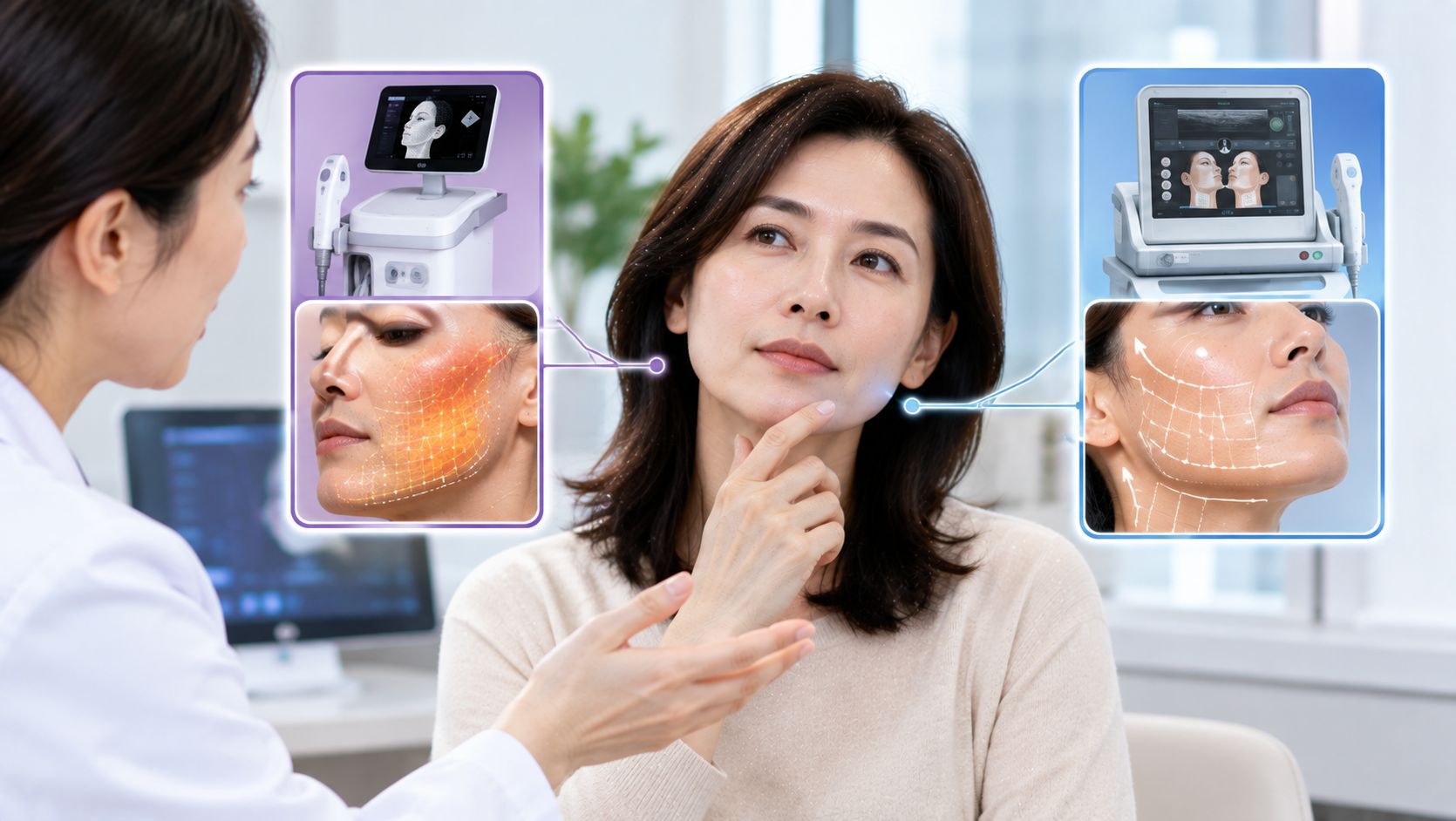
Ultrasound Skin Tightening
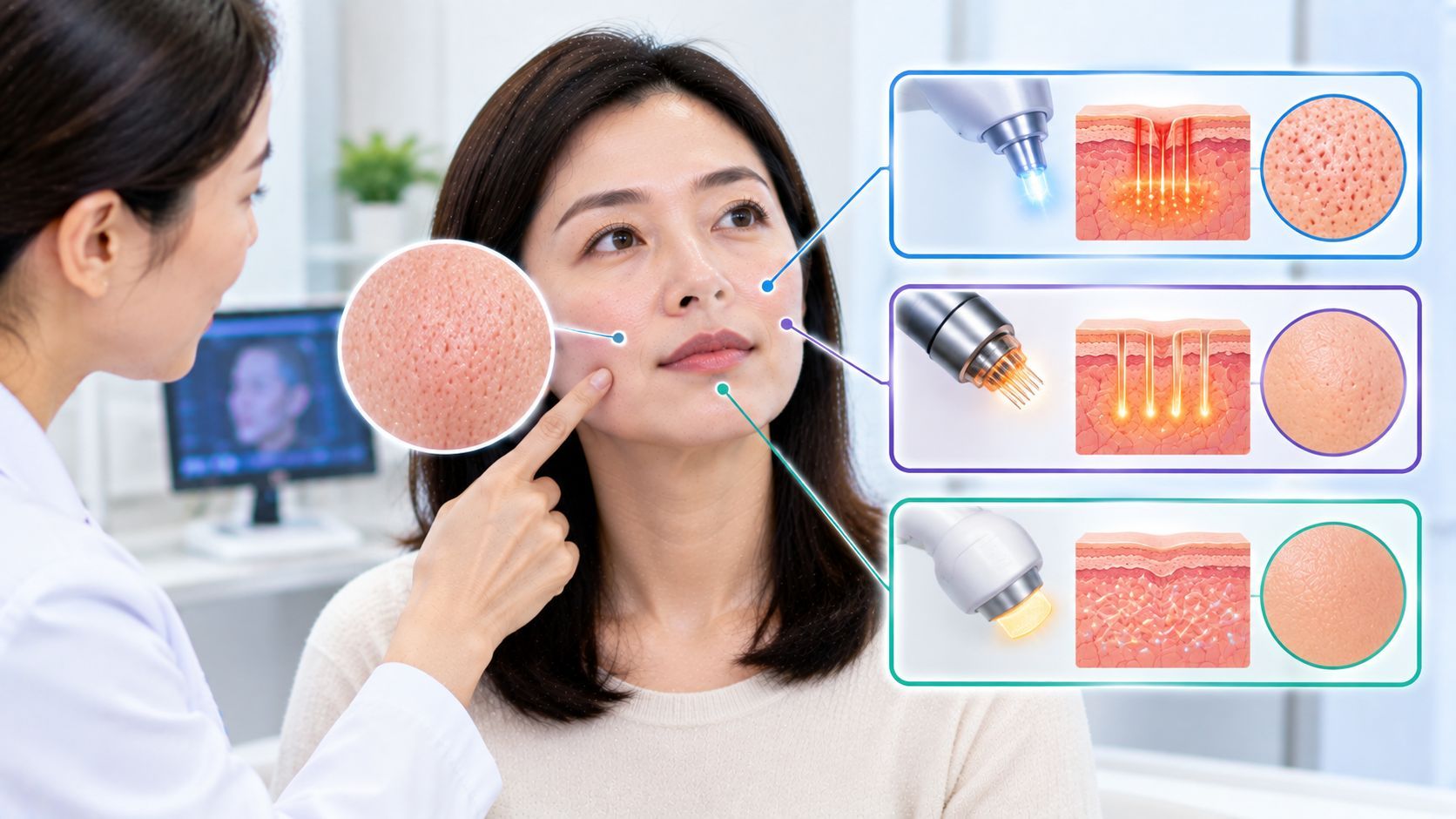
Focused ultrasound treatments can deliver energy to deeper tissue layers and stimulate collagen remodeling.
They may be considered for:
- Mild neck laxity
- Early loss of jawline definition
- Mild sagging under the chin
- Early jowling extending toward the neck
The potential benefit is that ultrasound tightening does not require incisions or surgical skin removal.
However, it will not physically cut away excess skin.
Clinical research on microfocused ultrasound has reported improvements in skin laxity and tightening, although results vary depending on patient characteristics and treatment parameters.
Radiofrequency Treatments
Radiofrequency uses controlled heat to affect tissue and stimulate collagen remodeling.
RF treatments may be considered for mild-to-moderate neck laxity, particularly when the primary issue is reduced firmness rather than a large amount of redundant skin.
Research reviews have found evidence that RF can improve skin elasticity and laxity, although treatment technologies, settings, and study quality vary considerably.
This is why choosing a treatment based only on the word “RF” is not enough. Different devices can work at different depths and use different energy-delivery systems.
Can Thermage Help a Loose Neck After Weight Loss?
Thermage is a form of monopolar radiofrequency treatment used for non-surgical skin tightening.
It may be considered when the neck has mild or moderate laxity and the patient wants to avoid surgery.
The intended goal is gradual improvement in firmness through collagen remodeling rather than immediate removal of excess skin.
However, patients who have lost substantial weight should discuss facial and neck volume carefully before treatment.
If the neck looks loose because of significant tissue deflation, tightening alone may not completely correct the appearance.
Can Ultherapy Help the Neck?
Ultherapy uses focused ultrasound energy to target specific tissue depths.
It may be considered for selected patients with mild-to-moderate laxity in the lower face and neck.
Its potential advantage is that treatment can be targeted at deeper tissue layers rather than simply treating the surface of the skin.
However, Ultherapy is not designed to remove substantial redundant skin.
If you can visibly pinch or hang a large amount of excess skin beneath your chin, a non-surgical treatment may not provide the degree of correction you expect.
What About Collagen-Stimulating Treatments?
Collagen-stimulating treatments may be considered when skin quality and firmness are part of the problem.
These treatments aim to encourage gradual collagen production rather than physically removing excess skin.
They may be useful when the neck looks:
- Thin
- Crepey
- Fine-lined
- Less elastic
- Mildly lax
However, they should not be presented as a replacement for a neck lift when significant excess skin is present.
What If There Is Still Fat Under the Chin?
This is an important distinction.
Sometimes a person loses substantial weight but retains localized fat beneath the chin.
In that situation, the appearance of the neck may be caused by a combination of:
Loose skin + residual submental fat.
Skin tightening alone may not fully improve the contour if excess fat remains.
Depending on the individual, a physician may discuss treatments targeting submental fat, but these should be considered separately from treatments intended to tighten loose skin.
Trying to treat every post-weight-loss neck problem with one device can produce disappointing results.
What If My Neck Is Very Thin?
A very thin neck requires careful assessment.
After major weight loss, some people have less subcutaneous tissue than before. If the skin is already thin and the neck has lost substantial volume, aggressive treatment is not necessarily better.
The objective should be to improve laxity while preserving a natural appearance.
A dermatologist should consider:
- Remaining subcutaneous fat
- Skin thickness
- Degree of laxity
- Platysmal bands
- Jawline anatomy
- Previous weight loss
- Whether further weight loss is expected
Can Non-Surgical Treatment Remove Neck Skin?
No.
This is one of the biggest limitations to understand.
Energy-based treatments can potentially contract and remodel tissue, but they cannot physically remove a large amount of redundant skin.
The AAD states that non-invasive tightening procedures generally provide modest improvement, while surgery offers more dramatic lifting for patients with substantial sagging.
If you have significant hanging skin following major weight loss, a surgical consultation may therefore be more appropriate.
When Might a Neck Lift Be More Appropriate?
A neck lift may be considered when there is:
- Significant excess skin
- Pronounced neck laxity
- Prominent platysmal banding
- Major loss of neck contour
- Severe post-weight-loss tissue redundancy
This does not mean everyone with loose neck skin needs surgery.
The important point is that the severity of laxity should determine the treatment category.
A person with mild crepey skin and a person with substantial hanging skin should not receive the same recommendation.
Should You Wait Until Your Weight Stabilizes?
If you are still losing significant amounts of weight, it may be useful to wait before committing to an extensive neck-rejuvenation plan.
Continued weight loss can cause additional changes in:
- Facial volume
- Neck volume
- Skin laxity
- Jawline definition
Recent literature concerning facial changes during GLP-1-associated weight loss also emphasizes that aesthetic treatment needs can change throughout the weight-loss process.
You do not necessarily need to wait for a perfectly unchanged weight. The relevant question is whether substantial additional weight loss is expected.
What Is the Best Non-Surgical Treatment for Loose Neck Skin?
There is no single best treatment.
A simplified framework is:
Main concernPossible treatment categoryMild skin laxityUltrasound or RF tighteningCrepey skinCollagen-stimulating or skin-quality treatmentMild-to-moderate neck laxityEnergy-based tighteningLoose skin + residual fatCombination approach may be consideredSignificant excess skinSurgical evaluationProminent platysmal bandsMedical assessment for muscle-directed treatment or surgery
This is only a general framework. A physician needs to determine which tissue is actually responsible for your neck appearance.
What Should International Patients Ask a Korean Clinic?
If you are considering non-surgical neck treatment in Korea, ask:
1. Is my problem loose skin, fat, or both?
This determines whether tightening alone makes sense.
2. How severe is my skin laxity?
Ask whether your degree of laxity is realistically treatable without surgery.
3. Which device are you recommending?
Ask for the actual treatment technology rather than simply being told it is a “lifting treatment.”
4. Could treatment affect my remaining neck volume?
This is especially relevant if you have a very thin neck after weight loss.
5. How many treatments might be needed?
Do not assume one session will produce a surgical-level result.
6. When will I see the final improvement?
Many collagen-based treatments produce gradual rather than immediate changes.
7. How much downtime should I expect?
This is particularly important if you are visiting Korea for a short medical trip.
8. Would surgery provide a better result?
A trustworthy provider should explain when non-surgical treatment is unlikely to achieve your desired outcome.
How Soon Can You Expect Results?
Non-surgical tightening is generally gradual.
Collagen remodeling takes time, so improvement may develop over several weeks or months rather than appearing immediately.
The exact timeline depends on the technology, treatment settings, degree of laxity, and individual response.
It is therefore better to judge treatment by realistic improvement in firmness and contour rather than expecting the neck to suddenly look like it did before major weight loss.
Risks and Limitations
Non-surgical does not mean risk-free.
Depending on the technology, patients can experience temporary redness, swelling, tenderness, discomfort, sensitivity changes, or other treatment-related effects. Excessive energy delivery can cause burns or tissue injury.
Results can also be limited.
If substantial excess skin is present, repeated non-surgical treatments may not provide the correction you want. It is important to understand this before spending money on multiple procedures.
Conclusion
Non-surgical treatments can help loose neck skin after weight loss, particularly when the laxity is mild to moderate.
Ultrasound and radiofrequency treatments may improve firmness and contour, while collagen-stimulating approaches may help when skin quality is also reduced. If residual fat is contributing to the appearance, that issue may need separate consideration.
However, substantial redundant skin cannot be completely removed with non-surgical treatment. In advanced cases, a surgical neck lift may provide a more meaningful result.
For international patients considering treatment in Korea, the most important step is not choosing the most powerful device. It is determining what caused the loose neck and how much correction is realistically possible without surgery.
FAQs
Can loose neck skin tighten naturally after weight loss?
Some skin contraction may occur over time, but the degree varies. Age, genetics, amount of weight lost, skin elasticity, and other factors influence how much the skin can retract.
What is the best non-surgical treatment for a loose neck after weight loss?
There is no universal best treatment. Ultrasound or RF tightening may be appropriate for mild-to-moderate laxity, while collagen-stimulating treatments may be considered for reduced skin quality.
Can Thermage tighten loose neck skin after weight loss?
Thermage may improve firmness in selected patients with mild-to-moderate laxity. It cannot remove a large amount of excess skin.
Can Ultherapy fix a sagging neck after major weight loss?
It may improve selected cases of mild-to-moderate laxity, but significant redundant skin may require surgical treatment for substantial correction.
Should I wait until my weight stabilizes before treating my neck?
If you are still losing substantial weight, waiting and reassessing may make treatment planning more predictable because additional weight loss can change neck and facial volume.
Can non-surgical treatments completely remove loose neck skin?
No. Energy-based treatments can potentially improve firmness and contraction, but they cannot surgically remove substantial excess skin.