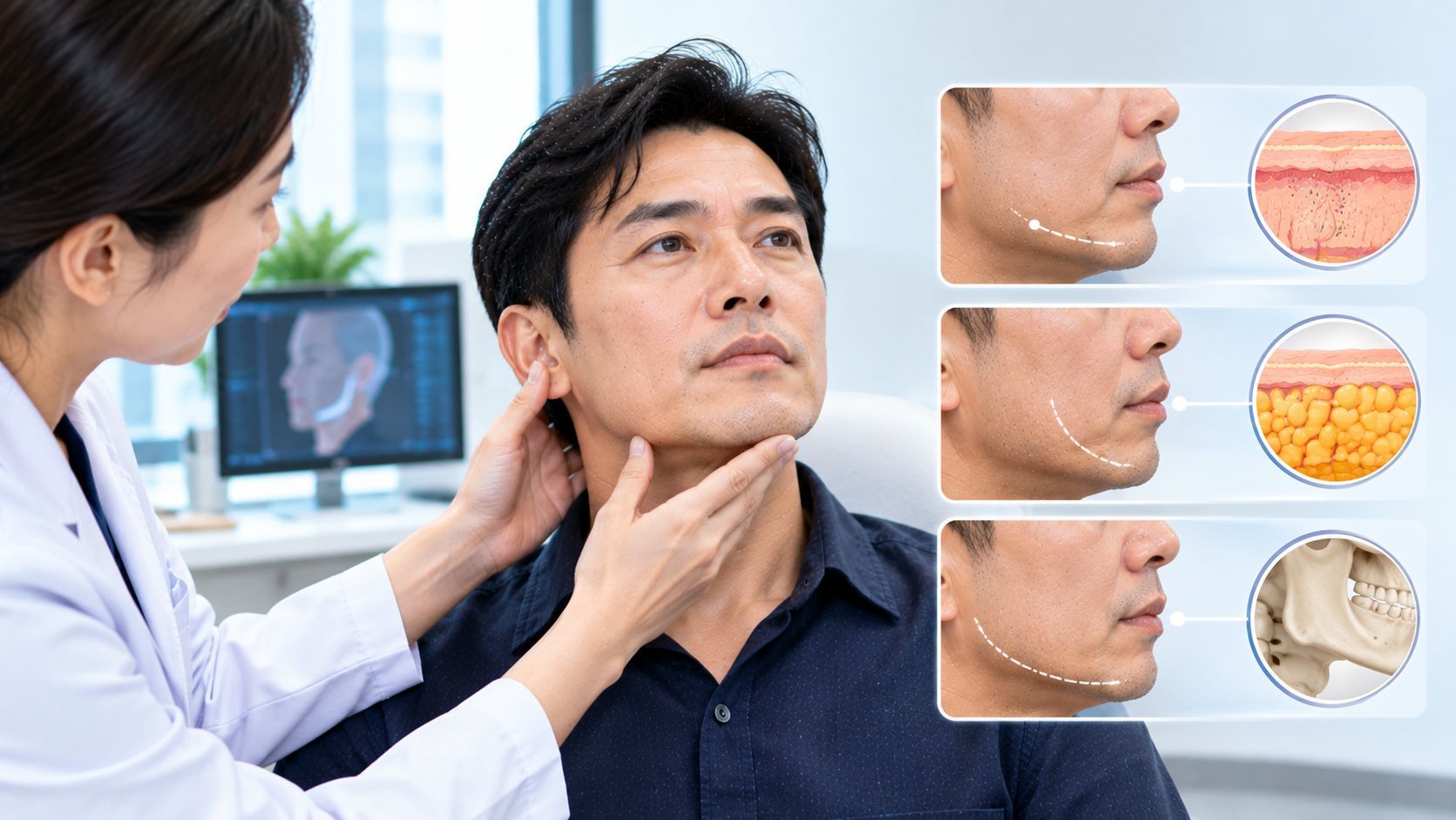
Is Ultherapy a Bad Idea If Weight Loss Already Made My Face Thin?
Introduction
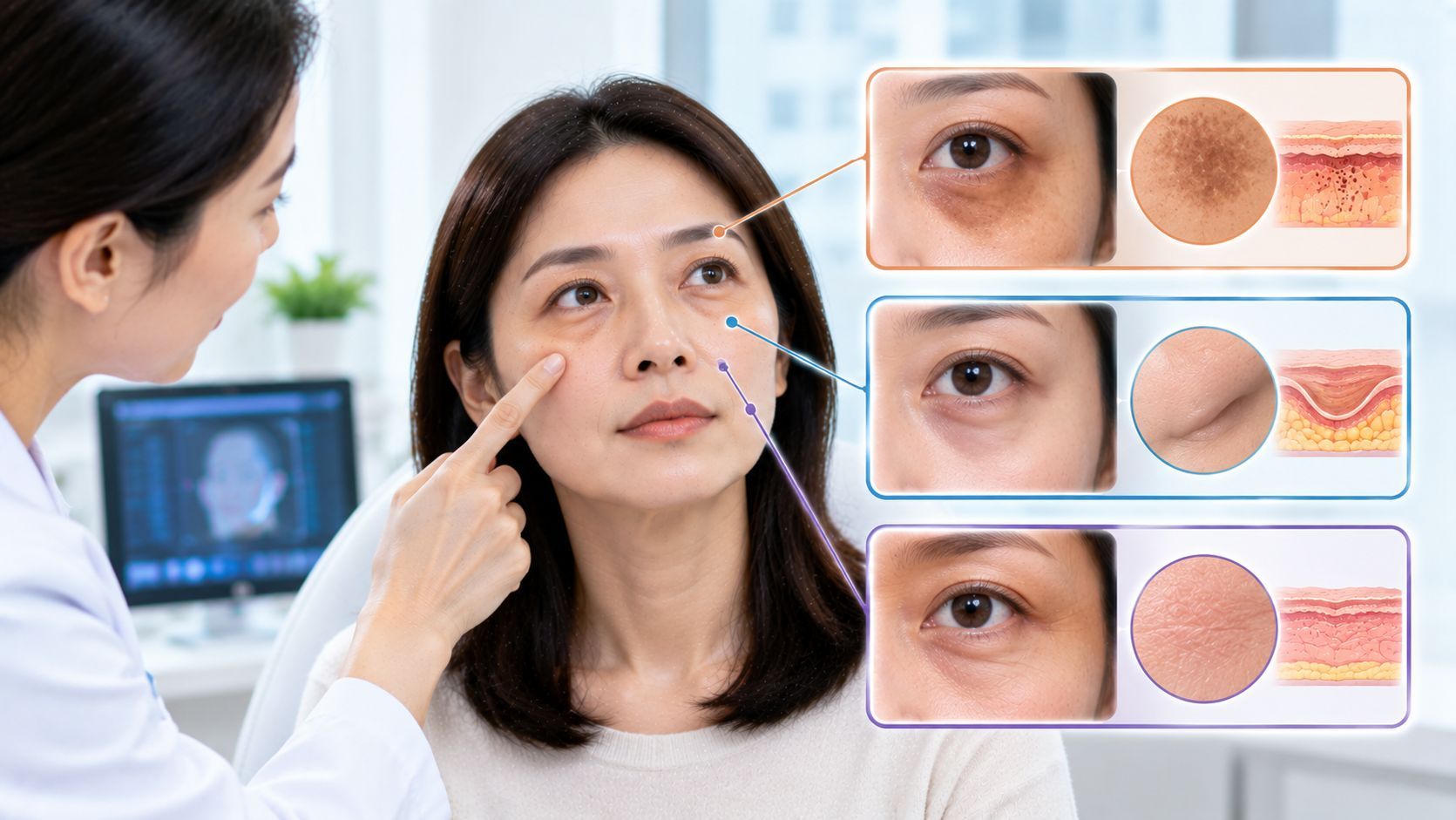
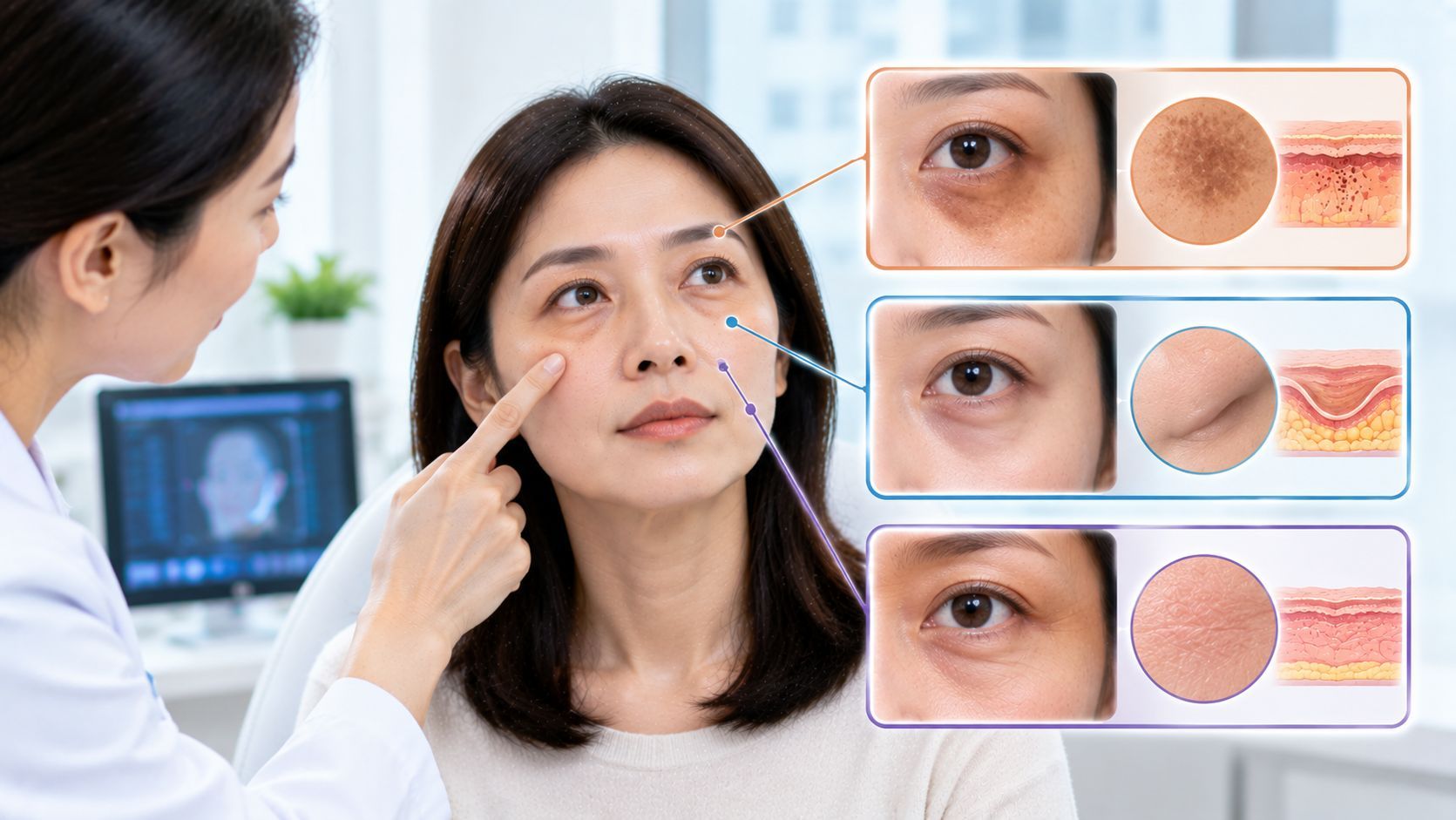
Losing significant weight can make the face look noticeably thinner. Cheeks may become flatter, temples can look more hollow, and the skin around the jawline may appear looser. If you are considering Ultherapy afterward, it is reasonable to wonder whether tightening the skin could make an already-thin face look even thinner.
Ultherapy is not automatically a bad idea for a thin face after weight loss, but it requires careful patient selection and treatment planning. Ultherapy uses focused ultrasound energy to target deeper tissue layers and stimulate a wound-healing response and collagen remodeling. It is primarily intended to improve laxity rather than replace lost facial volume. Therefore, the most important question is whether your main concern is loose skin or whether your face is primarily suffering from significant volume loss.
Why Can the Face Look Thin After Weight Loss?
Facial Fat Loss
When you lose weight, some of the fat supporting the face can decrease.
This may result in:
- Flatter cheeks
- Hollow temples
- More prominent cheekbones
- A narrower-looking face
- Deeper folds
- Less fullness around the lower face
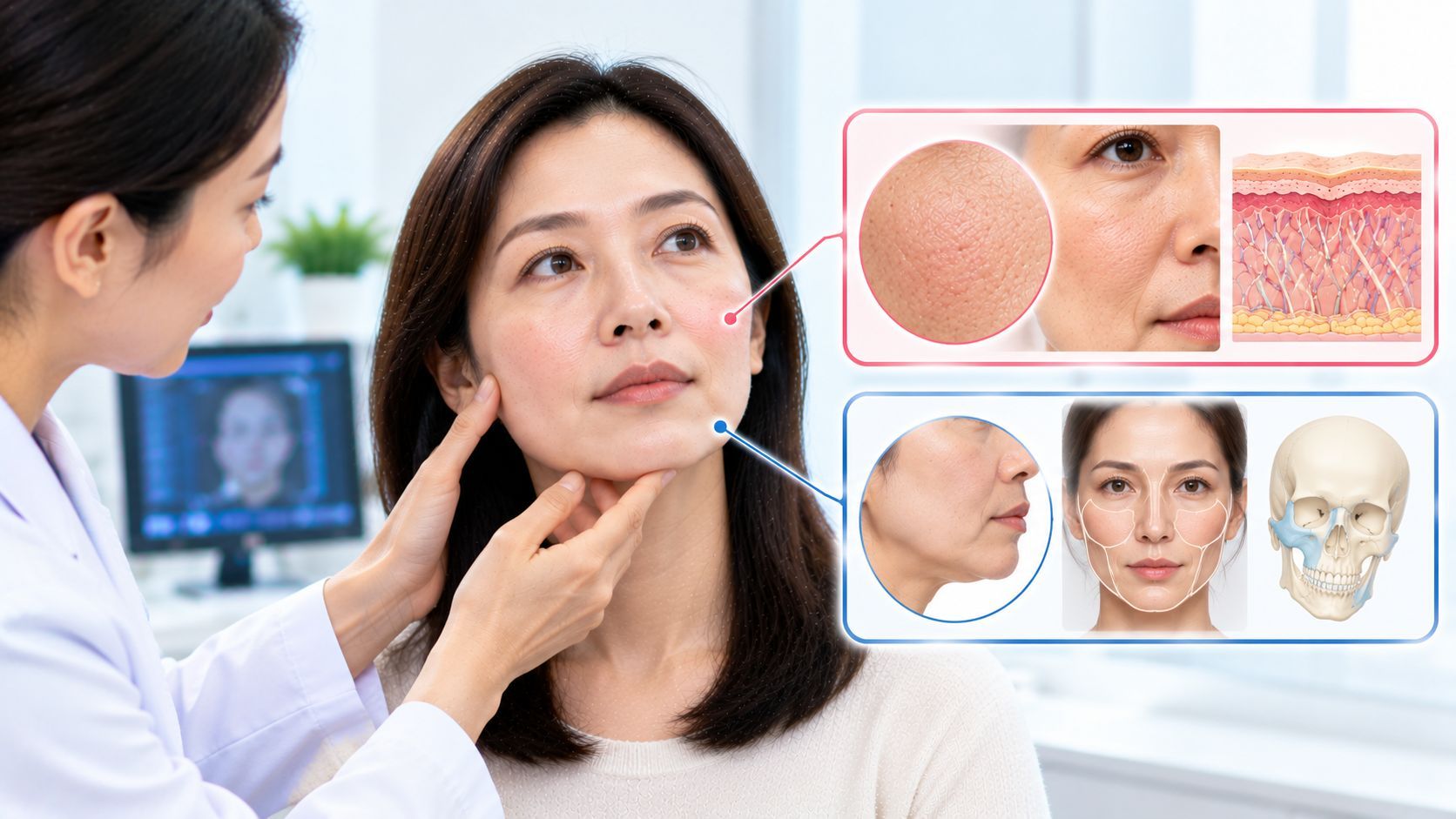
Facial changes associated with substantial weight loss can involve both volume reduction and increased skin laxity. Recent literature on GLP-1-associated weight loss similarly describes facial deflation and changes in soft-tissue support.
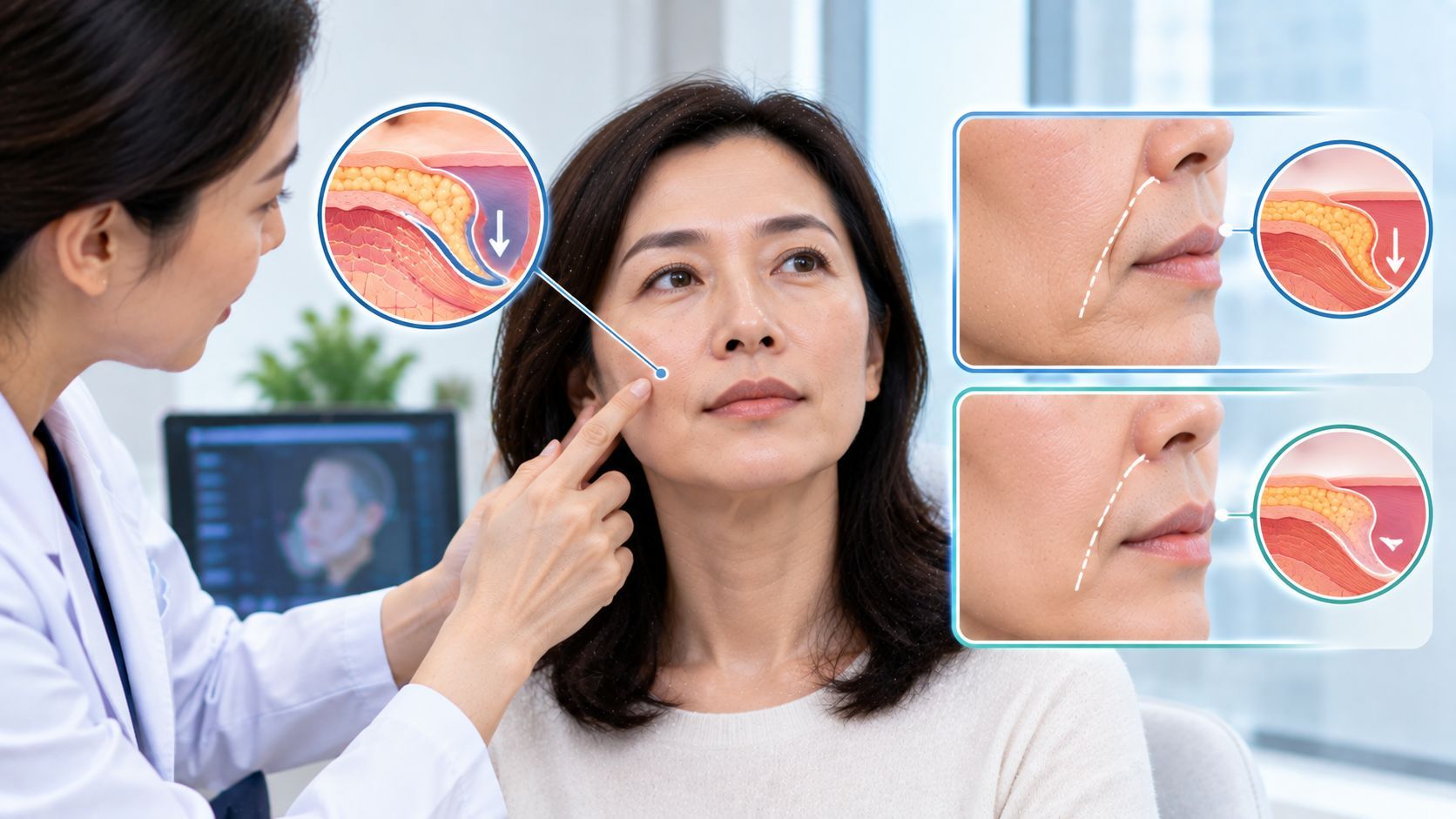
Loose Skin Can Appear at the Same Time
It may seem contradictory, but a face can become thinner and looser simultaneously.
Reduced facial volume can leave the skin with less underlying support. The result may be a combination of hollowing, jowling, and reduced skin elasticity.
That is why simply asking whether Ultherapy “works for thin faces” does not provide enough information to determine whether it is appropriate.
What Is Ultherapy Designed to Do?
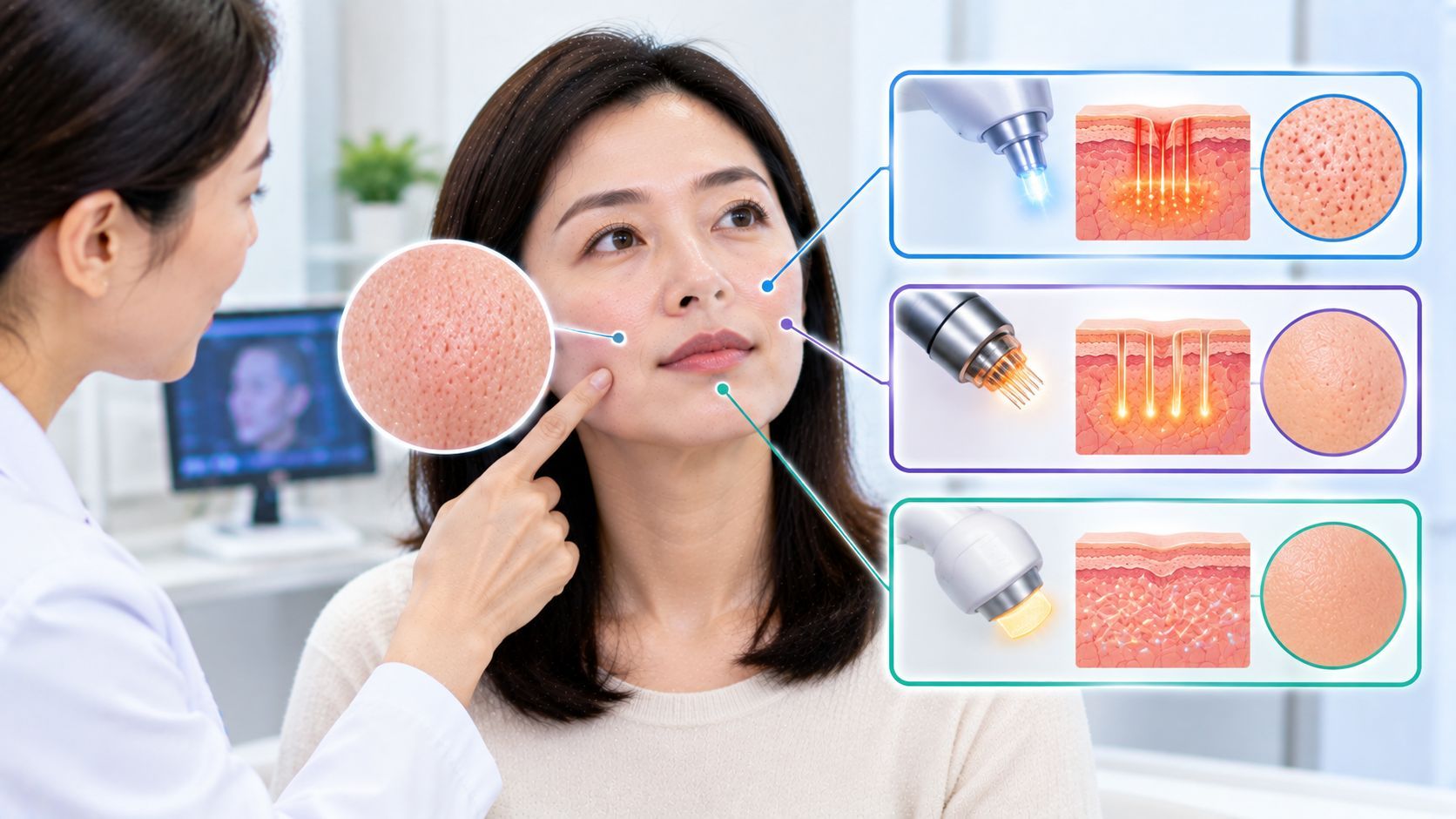
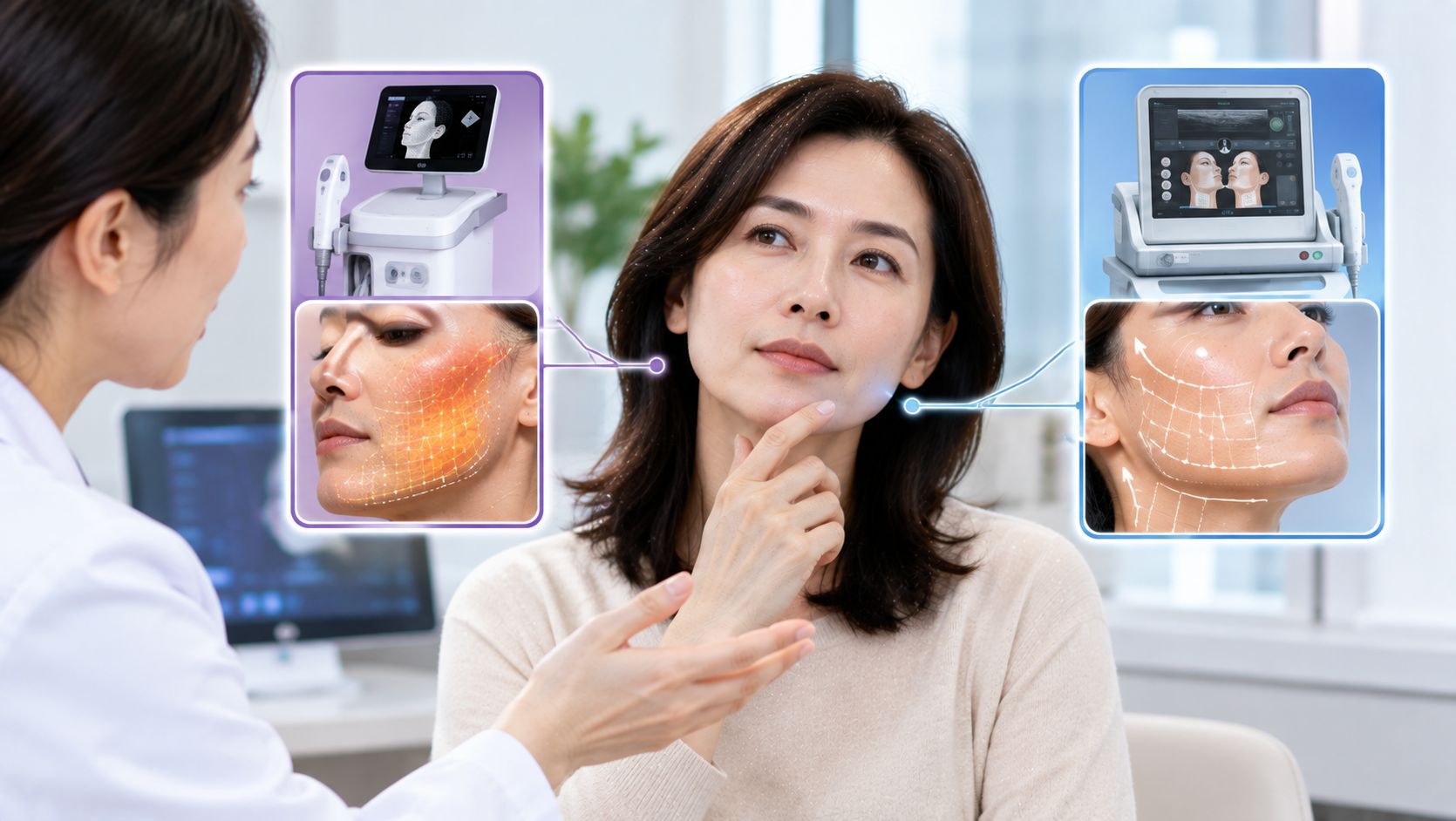
Ultherapy is a non-invasive focused ultrasound treatment used for lifting and tightening selected areas of skin and underlying tissue.
The technology delivers focused ultrasound energy at controlled depths, producing thermal effects that can stimulate collagen remodeling.
The FDA has cleared the Ulthera system for certain aesthetic indications involving lifting of lax tissue, and clinical studies have reported improvements in skin laxity after microfocused ultrasound treatment.
However, Ultherapy is not a facial-volume restoration procedure.
It cannot replace facial fat that has been lost through weight reduction.
Is Ultherapy Automatically Bad for a Thin Face?
No.
Having a thin face does not automatically mean you cannot undergo Ultherapy.
The more important question is:
How much facial volume do you have, where is the laxity located, and what tissue layers need treatment?
A person with naturally thin cheeks but moderate skin laxity may be a different candidate from someone who has recently lost a large amount of weight and now has significant facial deflation.
Treatment settings and treatment areas should be selected accordingly.
When Might Ultherapy Be Reasonable After Weight Loss?
When Loose Skin Is the Main Problem
If your face still has adequate structural volume but the skin has become loose after weight loss, Ultherapy may be considered.
Potential concerns include:
- Mild jowling
- Lower-face laxity
- Mild neck laxity
- Reduced jawline definition
- Early skin sagging
The goal would be to improve firmness without attempting to restore lost volume.
When Your Weight Is Relatively Stable
If you have finished most of your planned weight loss, your facial anatomy may be easier to evaluate.
This does not mean there is a mandatory weight-stability period before Ultherapy. Rather, continued substantial weight loss can produce additional facial changes that may affect treatment planning.
When Should You Be More Cautious?
Your Face Has Become Very Hollow
If your cheeks or temples are already significantly hollow, your primary issue may be volume deficiency rather than skin laxity.
In this situation, the dermatologist should carefully evaluate whether tightening is actually necessary.
You Have Very Little Facial Fat
Thin facial tissue requires careful treatment planning.
Energy-based procedures should not simply be performed using the same approach for every face. The physician should consider facial anatomy, treatment depth, areas being treated, and the patient's desired appearance.
You Are Still Losing Weight Rapidly
If you are actively experiencing substantial weight loss, your face may continue to lose volume.
This can make it difficult to determine how much of the current laxity will remain after your weight stabilizes.
Could Ultherapy Make a Thin Face Look Thinner?
This question deserves a nuanced answer.
Ultherapy is designed to target specific tissue layers rather than simply “burn facial fat.” Its intended aesthetic effect is tissue tightening and lifting through focused ultrasound energy.
However, energy-based facial treatments can have effects that vary according to treatment depth, energy settings, anatomy, and technique. For a patient who has already experienced substantial facial volume loss, preserving facial fullness should therefore be part of the treatment discussion.
The concern should not be that Ultherapy will automatically make every thin face thinner. Instead, it is about avoiding unnecessary treatment of already-deflated areas and ensuring that the treatment targets the actual problem.
What If I Have Hollow Cheeks and Loose Jowls?
This is where treatment planning becomes more complicated.
You may have:
Volume loss in the cheeks + lax skin around the jawline.
Ultherapy could potentially address the laxity component, but it would not replace the lost cheek volume.
A dermatologist might instead consider whether a combination or staged approach is appropriate.
For example, depending on the individual, treatment planning could involve:
- Conservative ultrasound tightening for selected lax areas
- Volume restoration where genuine hollowing exists
- Collagen-stimulating treatment for skin quality
- Reassessment after the first treatment stage
Recent clinical discussions of post-weight-loss facial changes emphasize that patients may have multiple simultaneous concerns and may benefit from individualized multimodal treatment rather than a single procedure.
Could Filler Be Better Than Ultherapy?
If your face looks thin primarily because of lost volume, filler may be more directly relevant.
Dermal fillers are designed to restore fullness, whereas Ultherapy is intended to address laxity.
For example, if your cheeks have become visibly hollow after weight loss but the skin itself is not significantly loose, adding carefully selected volume may make more sense than tightening.
Conversely, if your cheeks still have adequate volume but the lower-face skin is sagging, Ultherapy may be more relevant.
Sometimes the answer is not “Ultherapy or filler.” A dermatologist may determine that the two treatments address different problems and should be considered separately or at different stages.
What About Collagen-Stimulating Treatments?
Collagen-stimulating treatments may be another consideration when the face has become thinner and the skin looks less firm or more crepey.
Their purpose is generally to improve tissue quality and stimulate gradual collagen production rather than provide the same immediate structural volume as HA filler.
For a post-weight-loss face, this can be relevant when skin quality is part of the problem.
However, collagen stimulation should not be presented as a guaranteed way to recreate lost facial fat.
Should You Wait Until Your Weight Stabilizes?
If you are still losing a substantial amount of weight, waiting may make treatment planning easier.
Additional weight loss can change:
- Facial volume
- Cheek fullness
- Jawline appearance
- Skin laxity
- Facial proportions
A 2024 systematic review found that substantial weight loss can produce facial fat loss and increased skin laxity.
If your weight is already relatively stable, there may be less reason to delay treatment solely because you previously lost weight.
The key issue is ongoing change, not a specific number of days or months.
How Should a Korean Dermatology Clinic Evaluate a Thin Face?
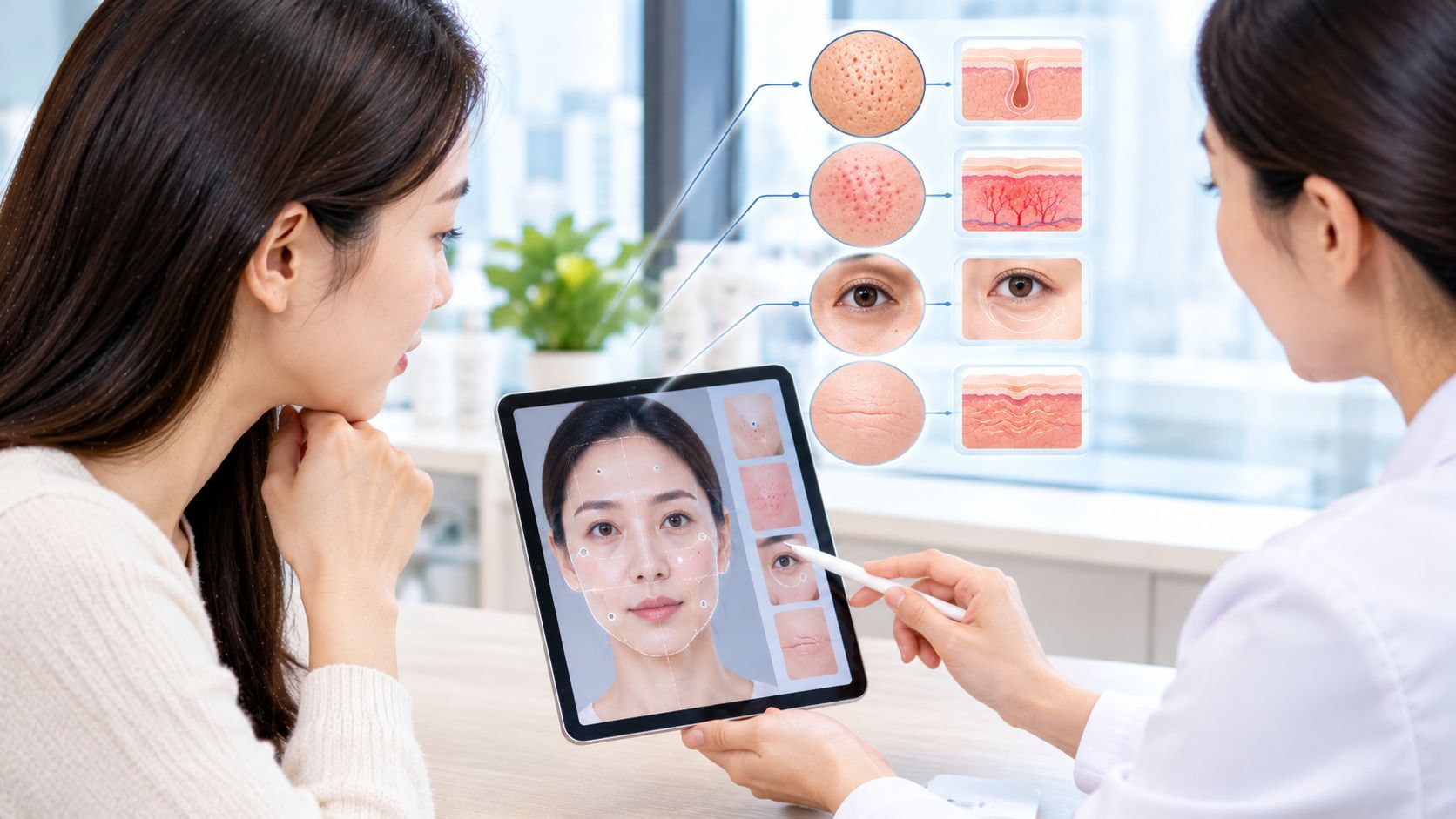
Before Ultherapy, a qualified provider should assess more than whether your skin looks “saggy.”
The consultation should consider:
Facial Volume
How much fat and soft-tissue support remains in the cheeks, temples, and other relevant areas?
Skin Laxity
Where is the skin actually loose?
Facial Proportions
Would additional tightening improve the balance of your face?
Weight Stability
Are you still undergoing significant weight loss?
Treatment Area
Does every part of your face need treatment, or should certain areas be avoided?
This individualized approach is particularly important for international patients who may be choosing treatment based on online photographs or package descriptions.
What Results Should You Expect From Ultherapy?
Ultherapy should generally be viewed as a gradual tightening treatment, not an instant facelift.
Clinical studies of microfocused ultrasound have reported improvements in laxity and skin appearance over follow-up periods, but individual results vary.
The degree of improvement depends on:
- Age
- Skin elasticity
- Degree of laxity
- Facial anatomy
- Treatment settings
- Treatment area
- Previous weight loss
- Expectations
Someone with mild laxity may see a meaningful improvement, while someone with substantial excess skin may see limited results.
What If I Have Significant Loose Skin?
Ultherapy has limitations.
Non-surgical tightening cannot physically remove a large amount of redundant skin.
The American Academy of Dermatology explains that non-invasive ultrasound and radiofrequency treatments can provide gradual improvement for selected patients, while substantial sagging may require surgical lifting for a more dramatic correction.
If major weight loss has resulted in substantial excess skin around the face or neck, a consultation with an appropriately qualified plastic surgeon may be more suitable.
What Should International Patients Ask Before Ultherapy in Korea?
Before booking treatment, consider asking:
- Is my face thin because of volume loss or naturally low facial fat?
- How much skin laxity do I actually have?
- Could Ultherapy make my face appear less full?
- Which facial areas would you treat and which would you avoid?
- Would volume restoration be more appropriate?
- Should my weight stabilize before treatment?
- Would a staged treatment plan be safer or more predictable?
- What side effects should I expect?
- How soon can I travel after treatment?
- What follow-up is available if I am returning home after treatment?
Risks and Limitations
Ultherapy is non-invasive, but that does not mean it is risk-free.
Temporary tenderness, swelling, redness, discomfort, and altered sensation can occur. More significant complications are uncommon but can occur, particularly when energy is delivered incorrectly or treatment is not appropriately selected.
The result also depends on the degree of existing laxity. A thin face with minimal laxity may not benefit enough to justify treatment.
Most importantly, Ultherapy cannot restore the facial fat lost during major weight loss.
Conclusion
Ultherapy is not automatically a bad idea if weight loss has made your face thin, but it should not be chosen simply because your skin looks looser.
The critical distinction is between volume loss and skin laxity.
If your face is hollow and deflated, volume restoration or collagen-focused treatment may need to be considered. If you have adequate volume but mild-to-moderate loose skin, Ultherapy may be an option after appropriate assessment.
If you have both significant hollowing and laxity, a staged combination approach may be more logical than aggressively tightening the entire face.
For international patients considering Ultherapy in Korea, the safest strategy is to have a qualified medical professional evaluate your facial volume, skin laxity, weight stability, and treatment goals before deciding whether ultrasound tightening is appropriate.
FAQs
Is Ultherapy safe for a thin face after weight loss?
A thin face is not automatically unsuitable for Ultherapy. However, the provider should carefully assess facial volume, skin thickness, laxity, treatment depth, and the areas being treated.
Can Ultherapy make my face thinner?
Ultherapy is intended for tissue tightening rather than routine facial fat removal. However, patients with significant pre-existing volume loss should discuss preservation of facial fullness and appropriate treatment areas with their provider.
Should I get filler instead of Ultherapy after weight loss?
If volume loss is the primary concern, filler may address the problem more directly. If skin laxity is the main concern, Ultherapy may be more relevant. Some patients have both concerns.
Can Ultherapy fix jowls caused by weight loss?
It may improve mild-to-moderate jowling related to skin laxity. However, significant volume loss or excess skin may require additional treatment.
Should I wait until my weight stabilizes before Ultherapy?
If you are still losing substantial weight, waiting can make it easier to assess your eventual facial volume and laxity. There is no universal waiting period that applies to everyone.
Is Ultherapy enough for loose skin after major weight loss?
It may help mild-to-moderate laxity, but significant redundant skin may not respond adequately to non-surgical tightening. Surgical lifting can provide more substantial correction in advanced cases.