I Have No Wrinkles but My Face Lacks Firmness. Should I Start Tightening Treatments?
Introduction
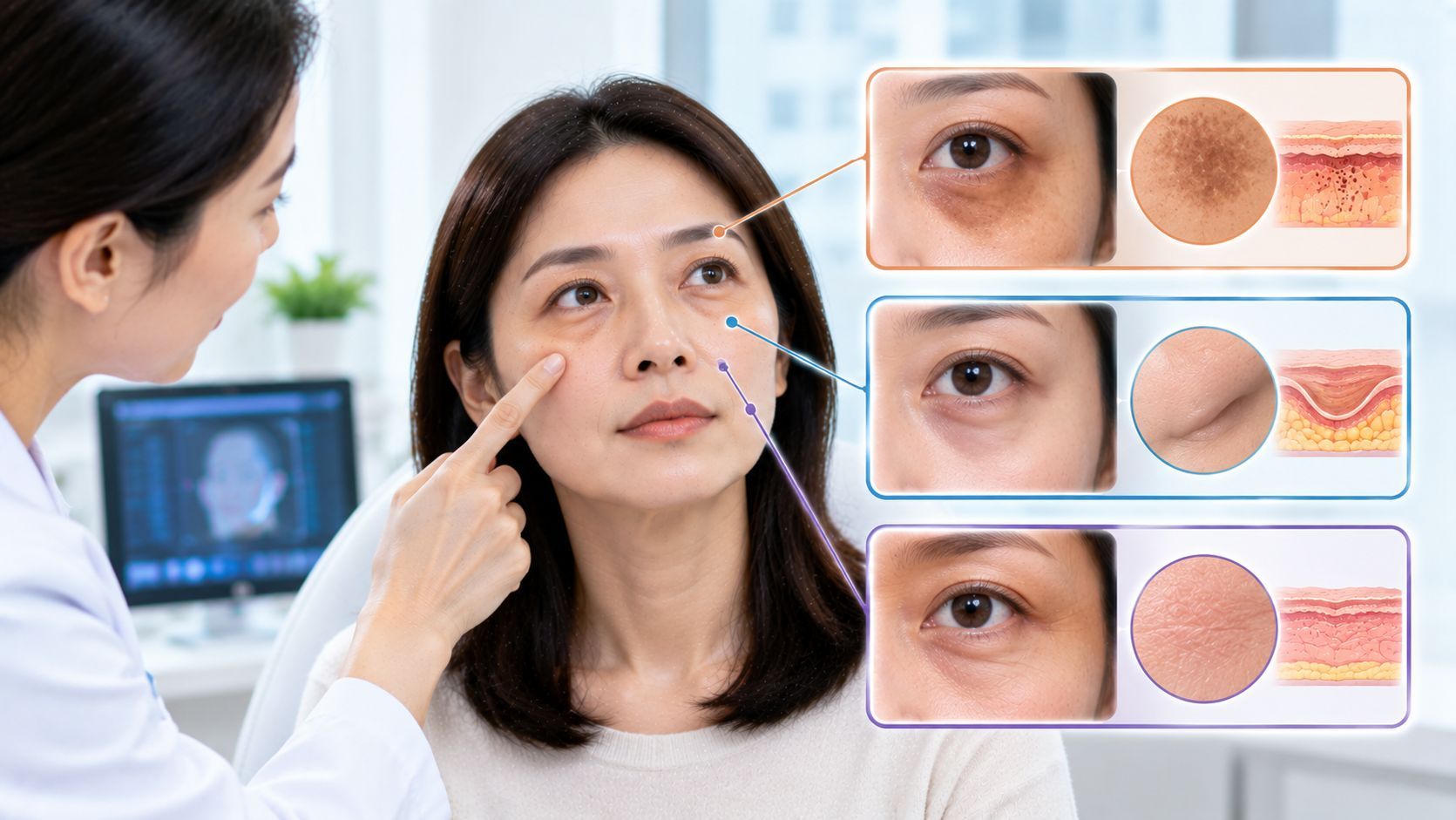
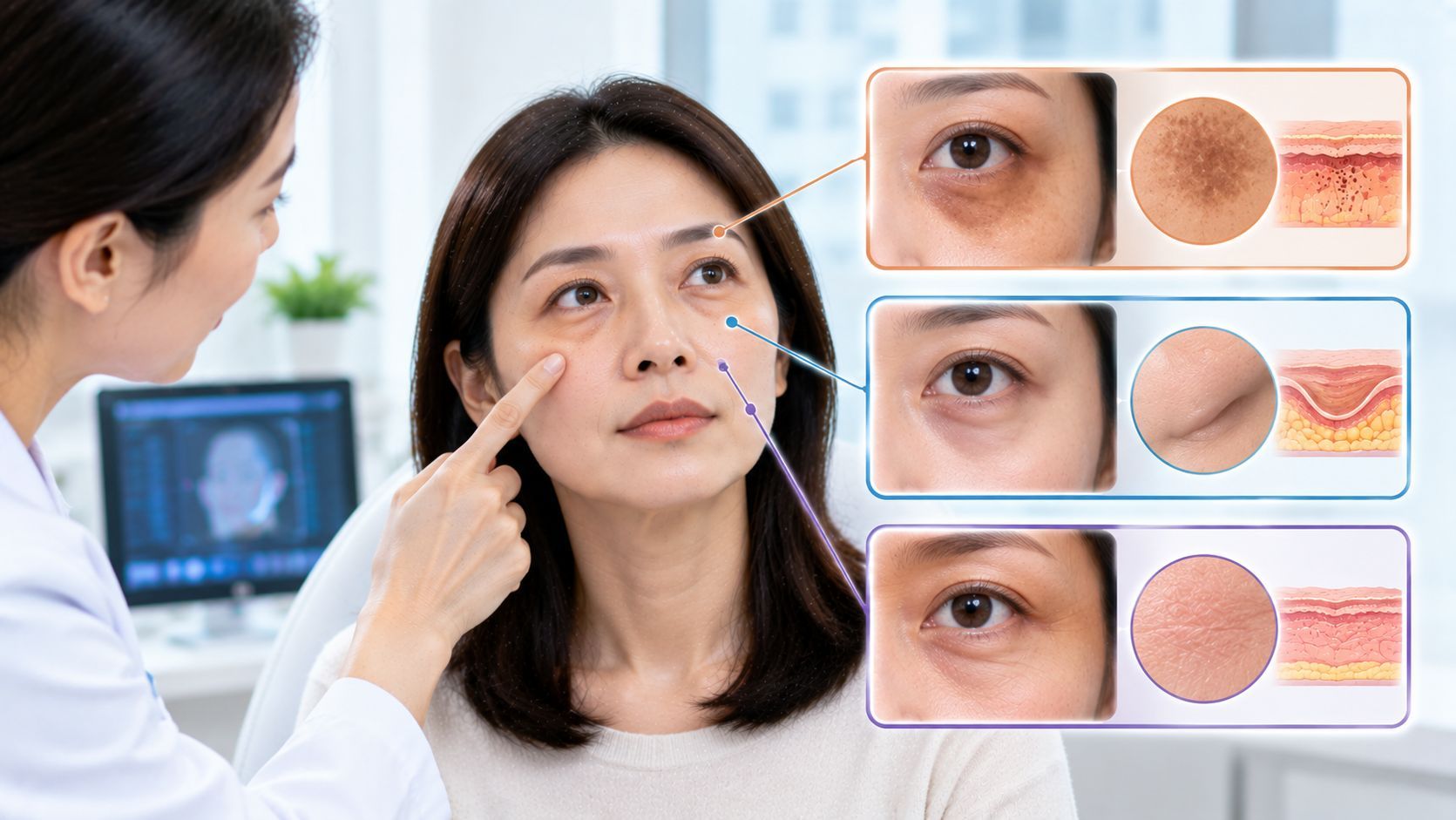
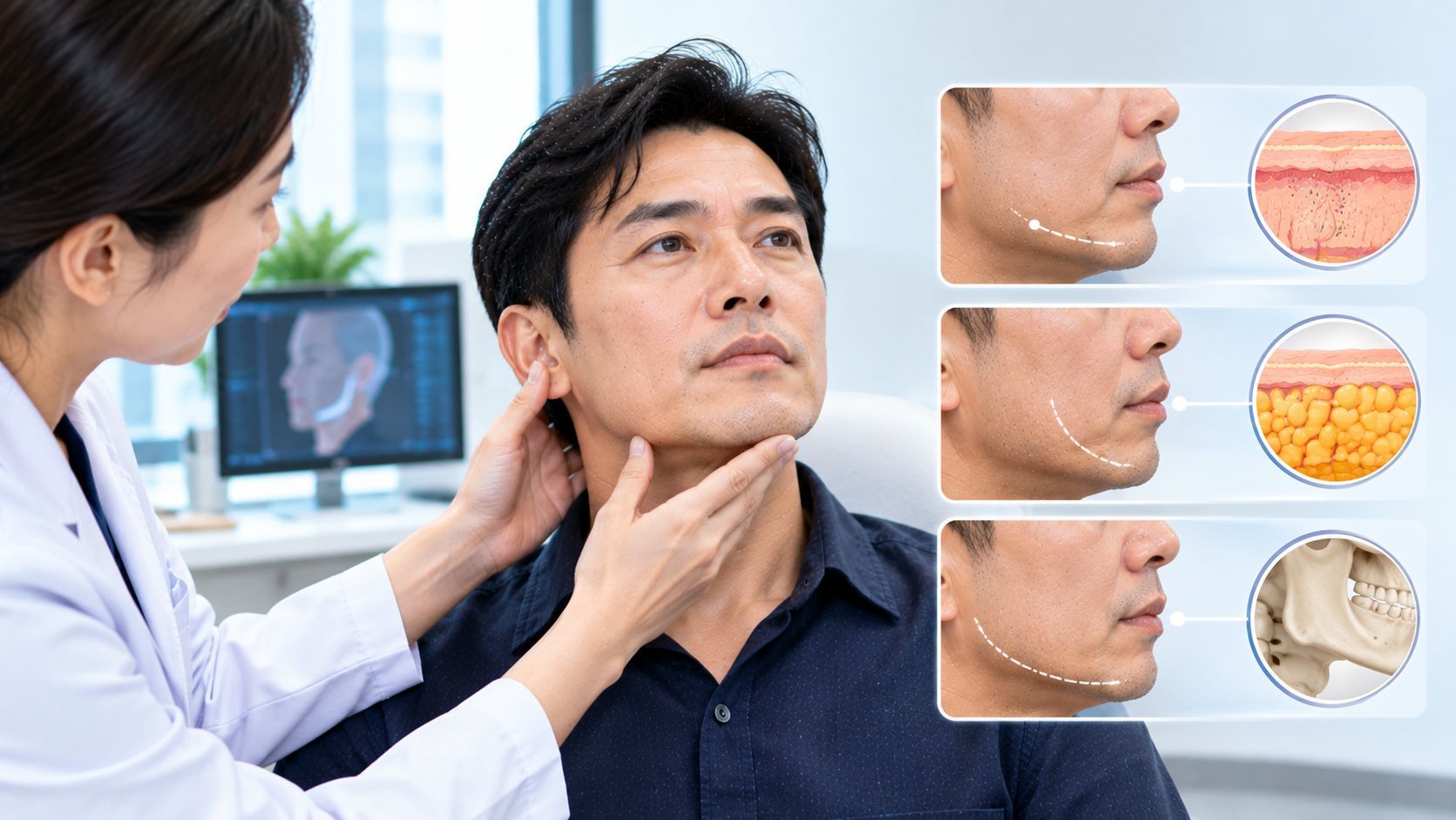
You can have relatively smooth skin and almost no visible wrinkles while still feeling that your face is becoming softer, less lifted, or less firm. This is a common aging concern because wrinkles are only one part of facial aging. Changes in collagen, elastin, facial fat, skin thickness, and underlying support can affect firmness before obvious lines appear.
If your main concern is loss of firmness rather than wrinkles, tightening treatment may be appropriate—but that does not mean you automatically need an aggressive procedure. The first step is determining whether you actually have skin laxity or whether the change you see is related to facial volume, muscle activity, hydration, or natural facial structure.
Why Can a Face Lose Firmness Without Wrinkles?
Skin aging is not simply the appearance of lines.
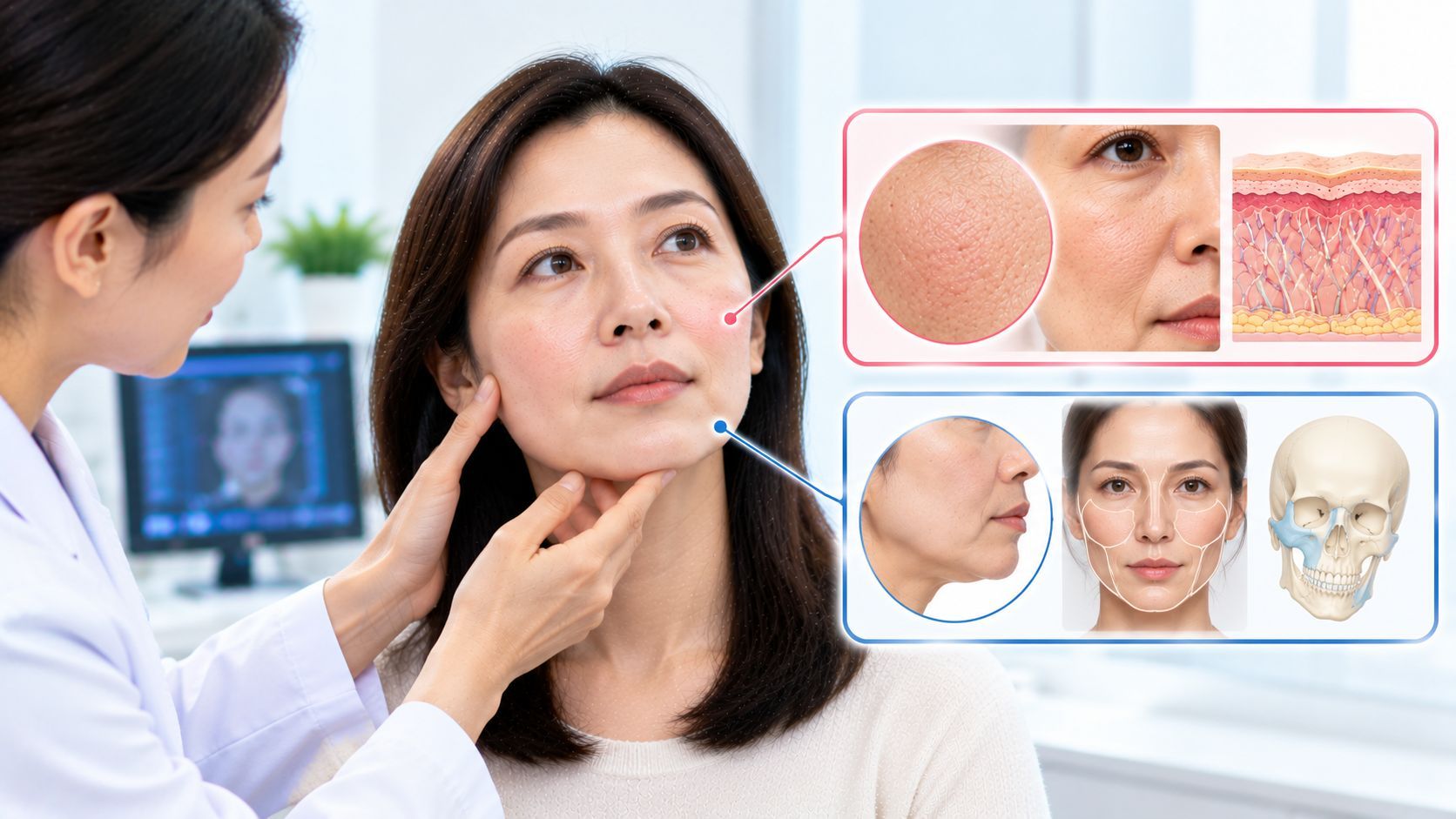
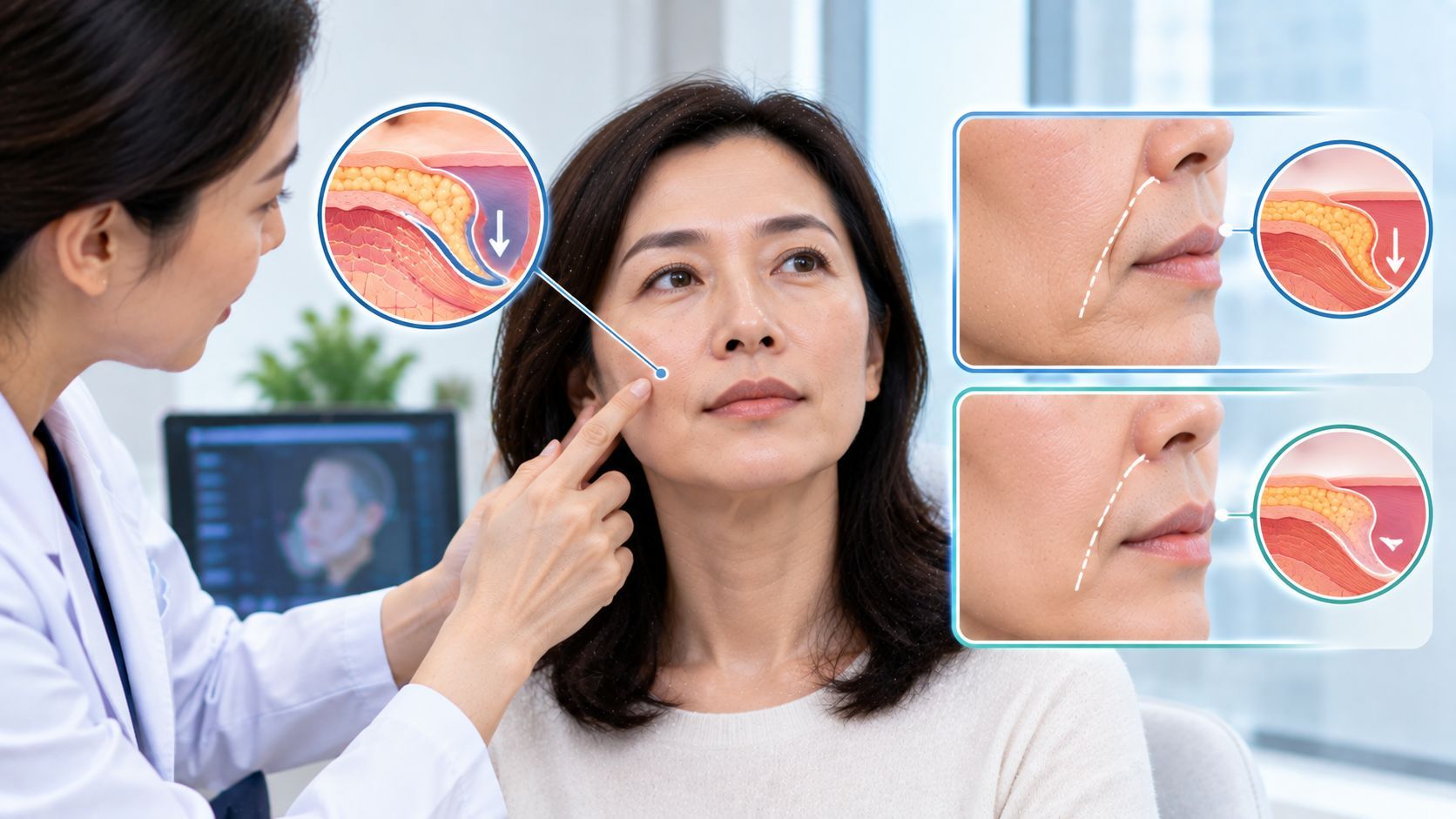
Over time, the skin's structural support can change. Collagen production gradually declines, elastin becomes less effective, and the relationship between skin and underlying tissues changes.
You may notice:
- A softer jawline
- Less defined cheeks
- Mild jowling
- Skin that feels less elastic
- Slightly heavier lower-face contours
- A less lifted appearance
- More movement or folding when you change facial expressions
These changes can happen even when the surface of the skin remains relatively smooth.
Firmness Is Different From Wrinkles
Wrinkles are visible lines or creases.
Firmness refers more broadly to how well the skin and underlying tissues maintain their shape and resistance to deformation.
Therefore, treating wrinkles with Botox or resurfacing is not necessarily the right strategy when the main complaint is laxity.
How Do You Know If You Actually Need Tightening?
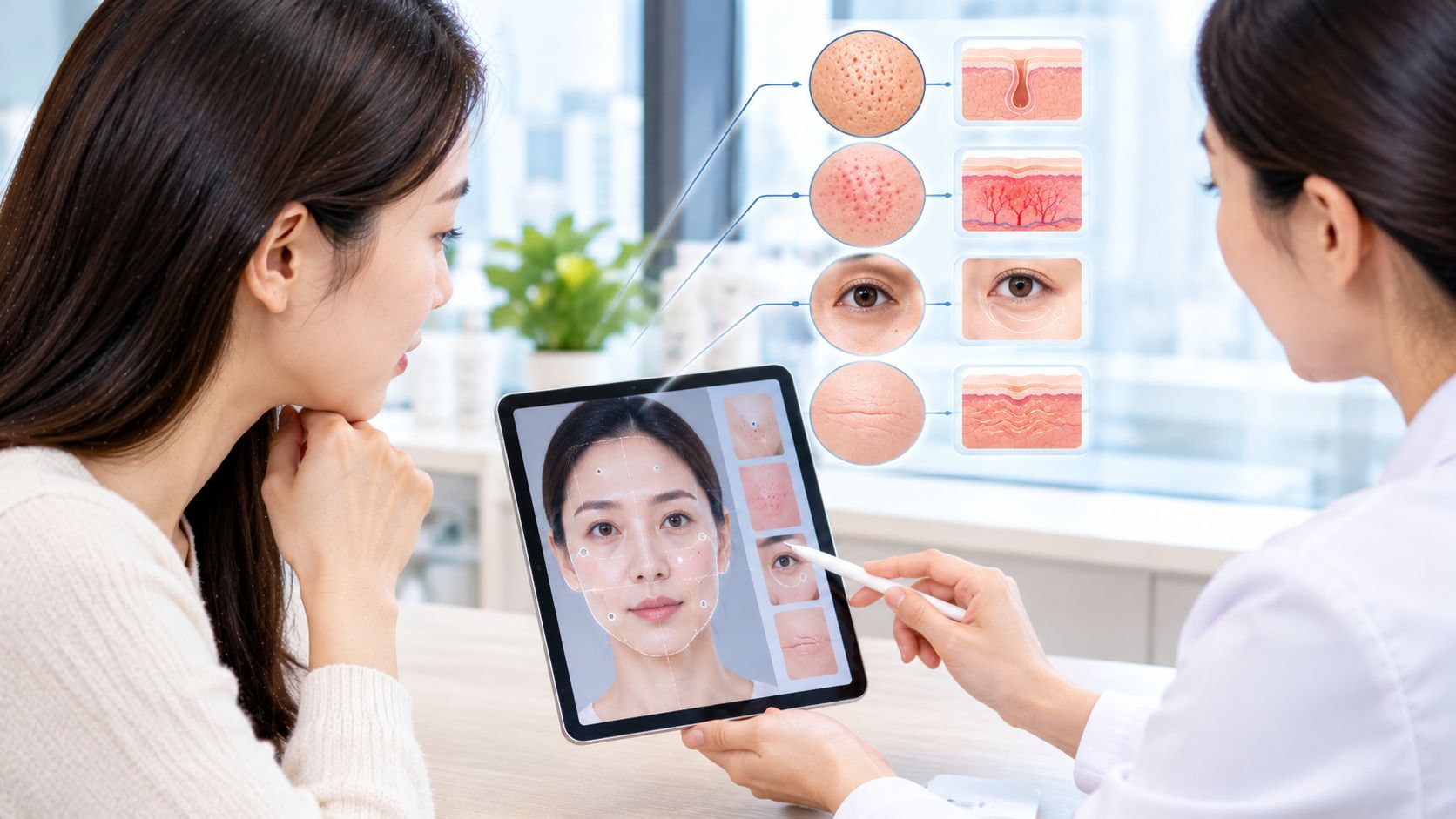
Before considering treatment, look at your face from several angles and under consistent lighting.
Ask:
- Does the jawline look less defined than before?
- Does the lower face appear heavier?
- Is there mild skin movement or folding?
- Does the cheek seem to sit lower?
- Does the skin feel less elastic?
- Is the change consistent across different lighting?
- Has your facial volume changed recently?
If the face looks firm under most conditions and only seems softer in certain lighting, you may not have significant laxity.
A professional examination can distinguish genuine skin laxity from shadows or changes in facial volume.
When Tightening Treatment May Make Sense
Non-surgical tightening may be considered when there is mild to moderate laxity without a major need for volume restoration.
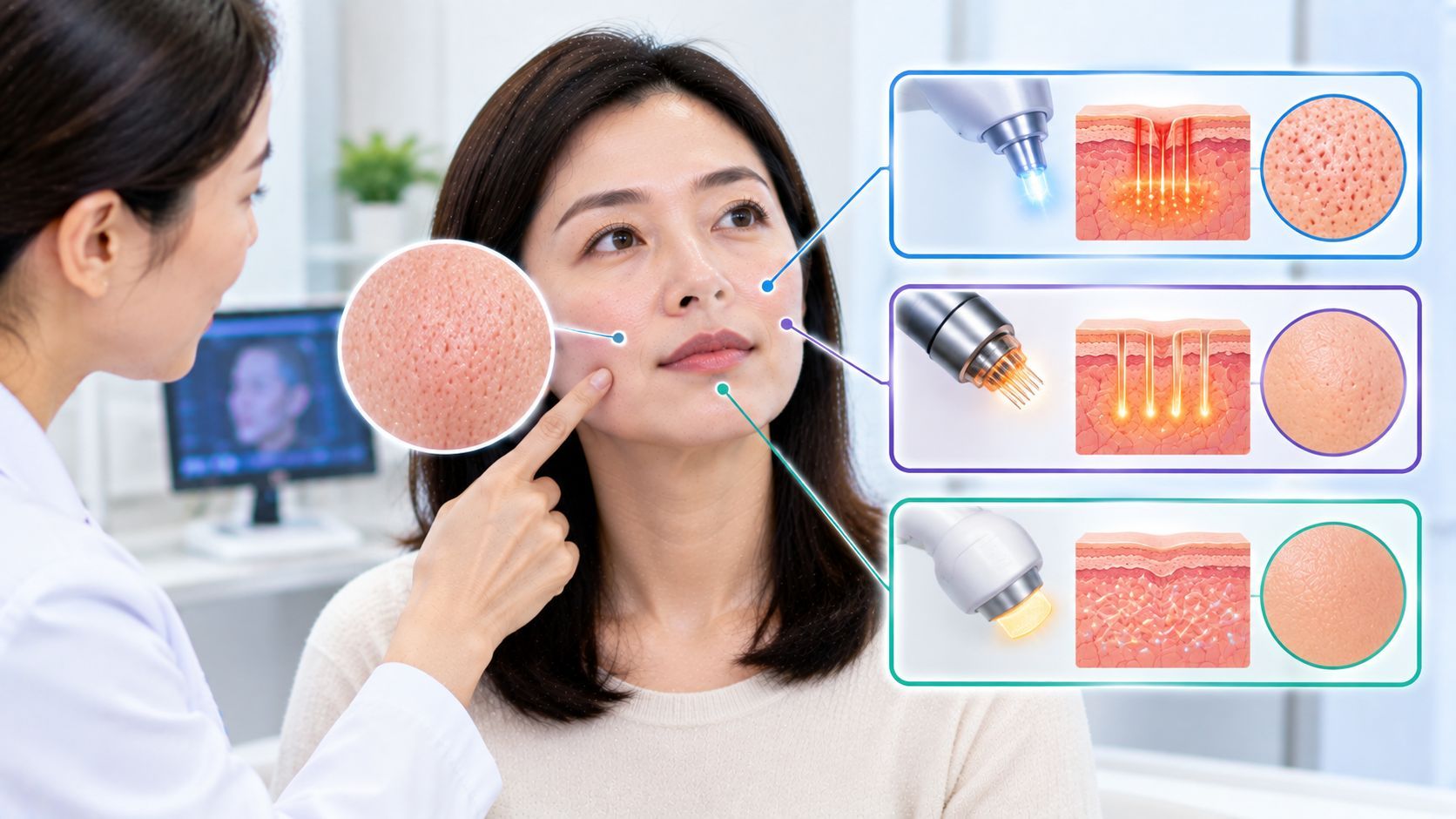
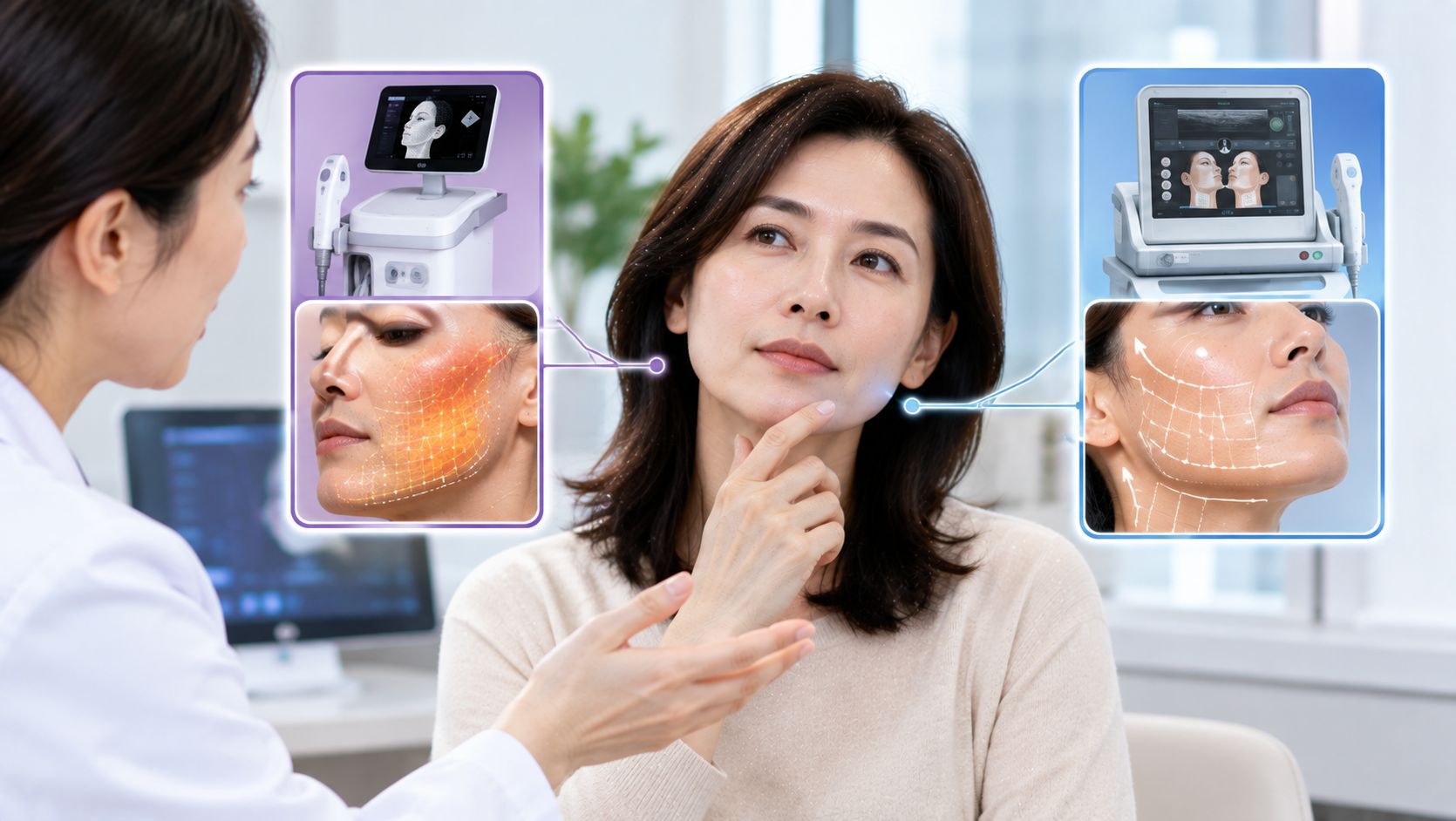
Depending on the anatomy and concern, options can include radiofrequency, ultrasound-based treatments, RF microneedling, or other energy-based procedures.
The goal is usually gradual improvement rather than a surgical facelift-like change.
Radiofrequency Treatments
Radiofrequency treatments deliver controlled energy into tissue to create a thermal effect that can stimulate remodeling.
Different RF devices work at different depths and with different delivery methods.
They may be considered for:
- Mild facial laxity
- Reduced firmness
- Early jawline softening
- Fine crepey texture
- Skin-quality changes
Results generally develop gradually rather than appearing immediately.
Thermage
Thermage is a non-invasive radiofrequency treatment designed to heat targeted tissue and stimulate collagen remodeling.
It may be considered when the primary concern is reduced firmness rather than significant volume loss.
The degree of improvement varies between patients, and the result should be viewed as refinement rather than a replacement for surgery when substantial laxity exists.
Ultherapy and Other Ultrasound-Based Treatments
Microfocused ultrasound treatments can target deeper tissue layers and are used for selected cases of skin laxity.
They may be considered for areas such as the lower face, jawline, and neck.
However, more energy is not necessarily better.
If your face is already thin or has limited soft-tissue volume, treatment intensity needs to be carefully considered. A tightening procedure should not be chosen simply because you want your face to look “tighter.”
RF Microneedling
RF microneedling combines microneedling with radiofrequency energy.
It may be particularly useful when reduced firmness occurs together with:
- Enlarged pores
- Fine lines
- Acne-scar texture
- Roughness
- Mild crepiness
Because it also affects the skin surface, it can be useful when firmness and texture are both concerns.
What If the Problem Is Actually Volume Loss?
This is one of the most important distinctions.
A face can look less firm because it has lost volume, not because the skin itself needs tightening.
For example, loss of cheek volume can make the midface appear flatter and create shadows around the lower face. Treating that problem exclusively with an energy-based tightening treatment may not address the main issue.
Similarly, someone who has lost significant weight may have both reduced volume and loose skin.
In these situations, the treatment plan may need to address more than one factor.
Do Not Automatically Add Filler
Volume loss does not automatically mean that you need filler.
Too much filler can make a face appear heavier or change facial proportions.
Depending on the situation, a dermatologist may discuss conservative volume restoration, collagen-stimulating approaches, or skin-tightening treatment—or a combination.
The important point is to identify what has changed before trying to correct it.
What If I Am Still Young and Have No Wrinkles?
You do not need to wait until wrinkles become obvious before discussing skin firmness.
At the same time, there is no requirement to begin cosmetic tightening treatments simply because you have reached a certain age.
Treatment decisions should be based on an actual concern and realistic expected benefit.
If your skin is already relatively firm, repeated energy treatments may provide limited additional benefit while still exposing you to potential side effects.
A conservative approach can make more sense than treating normal aging as something that must be aggressively corrected.
Can Skincare Improve Firmness?
Skincare cannot reproduce the lifting effect of surgery, but it can support overall skin quality.
A basic routine may include:
- Daily broad-spectrum sunscreen
- Moisturizer
- A retinoid when medically appropriate
- Antioxidant skincare when tolerated
- Gentle cleansing
- Avoidance of chronic irritation
Sun protection is particularly important because cumulative UV exposure contributes to collagen and elastin damage.
If your concern is very mild, optimizing skincare may be a reasonable first step before considering procedures.
How Often Should Tightening Treatments Be Done?
There is no universal schedule.
Treatment intervals depend on the device, energy level, treatment area, age, skin characteristics, and whether the procedure is intended as an initial treatment or maintenance.
More frequent treatment does not automatically produce better results.
Your dermatologist should explain:
- Expected improvement
- Number of sessions
- Recommended interval
- Downtime
- Potential adverse effects
- When results should become visible
- Whether maintenance is expected
What Are the Risks?
Non-surgical does not mean risk-free.
Depending on the treatment, possible side effects can include:
- Redness
- Swelling
- Tenderness
- Temporary sensitivity
- Burns or thermal injury
- Pigmentation changes
- Changes in sensation
- Prolonged inflammation
- Unsatisfactory or asymmetric results
The risk profile depends heavily on the device, settings, treatment technique, and individual anatomy.
This is especially relevant for people with thin faces or recent facial volume loss, where excessive treatment may not produce the desired aesthetic effect.
Should You Combine Tightening With Other Treatments?
Sometimes, but not automatically.
A person with mild laxity and poor skin texture might benefit from a combination involving tightening and texture-focused treatment.
Someone with volume loss may require a different strategy.
Someone with excellent skin quality and only a subtle concern may need little or no procedural treatment.
The combination should be based on separate problems rather than putting several treatments together simply because they are available.
Which Treatment Addresses Which Problem?
Main concernPossible approachMild loss of firmnessRF or ultrasound-based tighteningFirmness plus textureRF microneedlingFine wrinklesSkincare, resurfacing or other wrinkle-specific treatmentSignificant volume lossConservative volume or collagen-support assessmentLaxity after weight lossAssess volume and skin separatelyMild jawline softeningTargeted tightening when appropriateSignificant loose skinSurgical consultation may be more appropriate
These are general categories, not prescriptions. An examination is needed to determine whether a particular procedure is suitable.
Questions to Ask a Seoul Dermatologist
If you are considering tightening treatment in Seoul, ask:
- Do I actually have skin laxity?
- Is my concern caused by volume loss instead?
- Which tissue layer are you trying to treat?
- Why is this device appropriate for my face?
- Could tightening make my face appear thinner?
- How much improvement is realistic?
- How many sessions might I need?
- What downtime should I expect?
- What are the risks for my skin type?
- Would treating only certain areas be enough?
These questions can help keep the treatment focused on your actual concern.
Conclusion
If you have no wrinkles but your face lacks firmness, tightening treatment may be appropriate, but it should not be automatic.
Loss of firmness can appear before prominent wrinkles and may result from changes in collagen, elastin, skin elasticity, facial volume, or underlying support. Treatments such as RF, ultrasound-based tightening, or RF microneedling may help selected patients with genuine laxity.
However, if the apparent loss of firmness is actually caused by volume loss or facial structure, tightening alone may not address it.
The best starting point is therefore a detailed assessment of skin laxity, facial volume, texture, and proportions. The goal should be subtle improvement that preserves your natural facial appearance—not treating every sign of normal aging.
FAQs
Can I have facial laxity without wrinkles?
Yes. Loss of firmness and wrinkles are separate aspects of aging. Skin can become less elastic or less supported before prominent wrinkles develop.
Should I start Thermage or Ultherapy before I develop wrinkles?
Not necessarily. These treatments may be considered when there is an actual concern about laxity, but having no wrinkles alone is not an indication for tightening treatment.
Can tightening treatments make a thin face look thinner?
The potential effect depends on the treatment, settings, anatomy, and tissue characteristics. People with low facial volume should discuss this carefully before treatment.
Is RF microneedling suitable for firming facial skin?
It can be useful for selected patients, particularly when reduced firmness occurs alongside pores, acne scars, fine lines, or uneven texture.
Do I need filler if my face feels less firm?
Not necessarily. A less firm appearance may result from laxity, volume loss, or both. The cause should be established before deciding whether adding volume is appropriate.
Can skincare prevent facial firmness from declining?
Good skincare, especially consistent sun protection, can support skin health and help limit cumulative environmental damage. It cannot completely prevent age-related changes in facial structure.