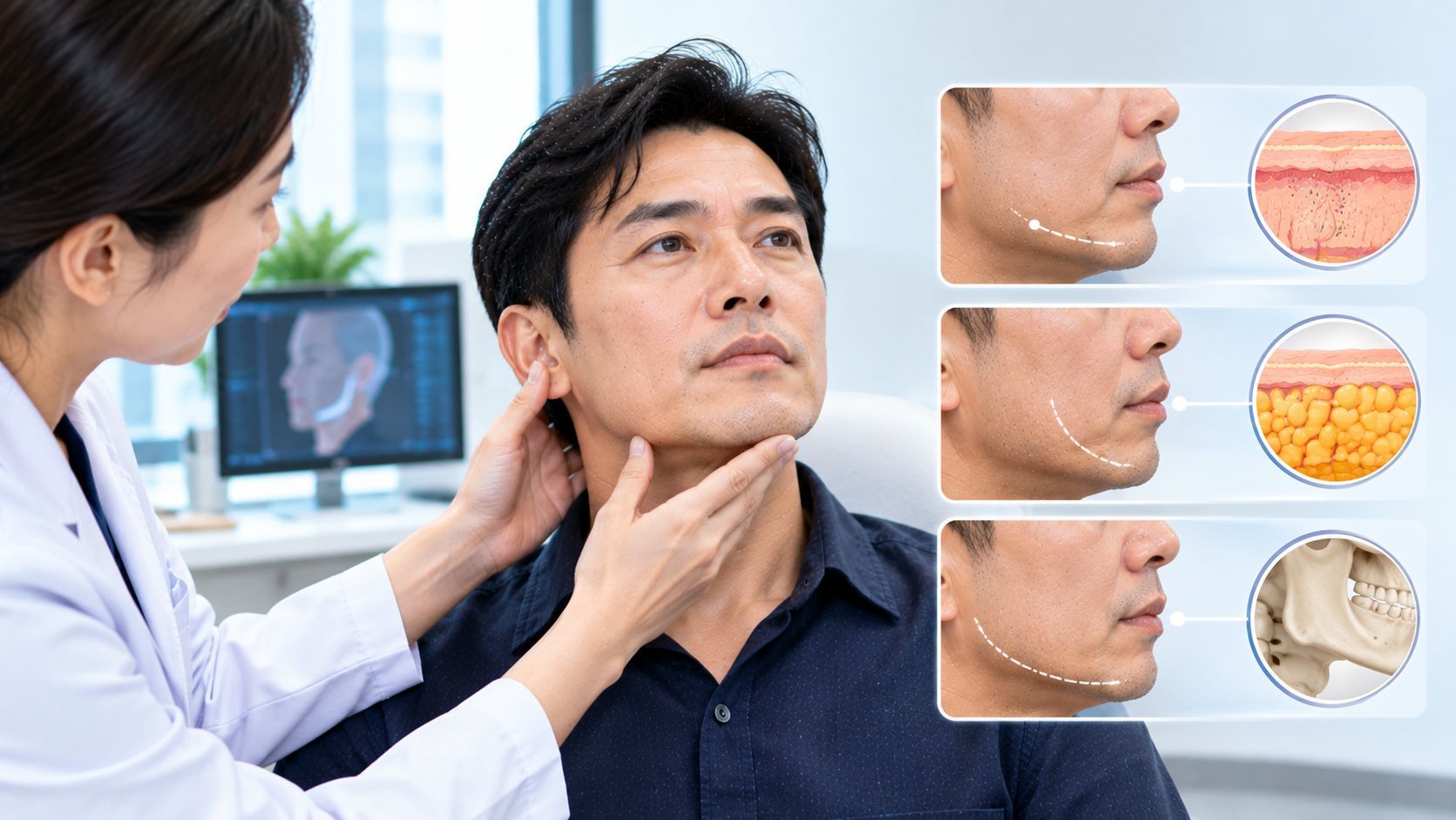
One Cheek Is Fuller Than the Other. Should Both Sides Receive the Same Treatment?
Introduction
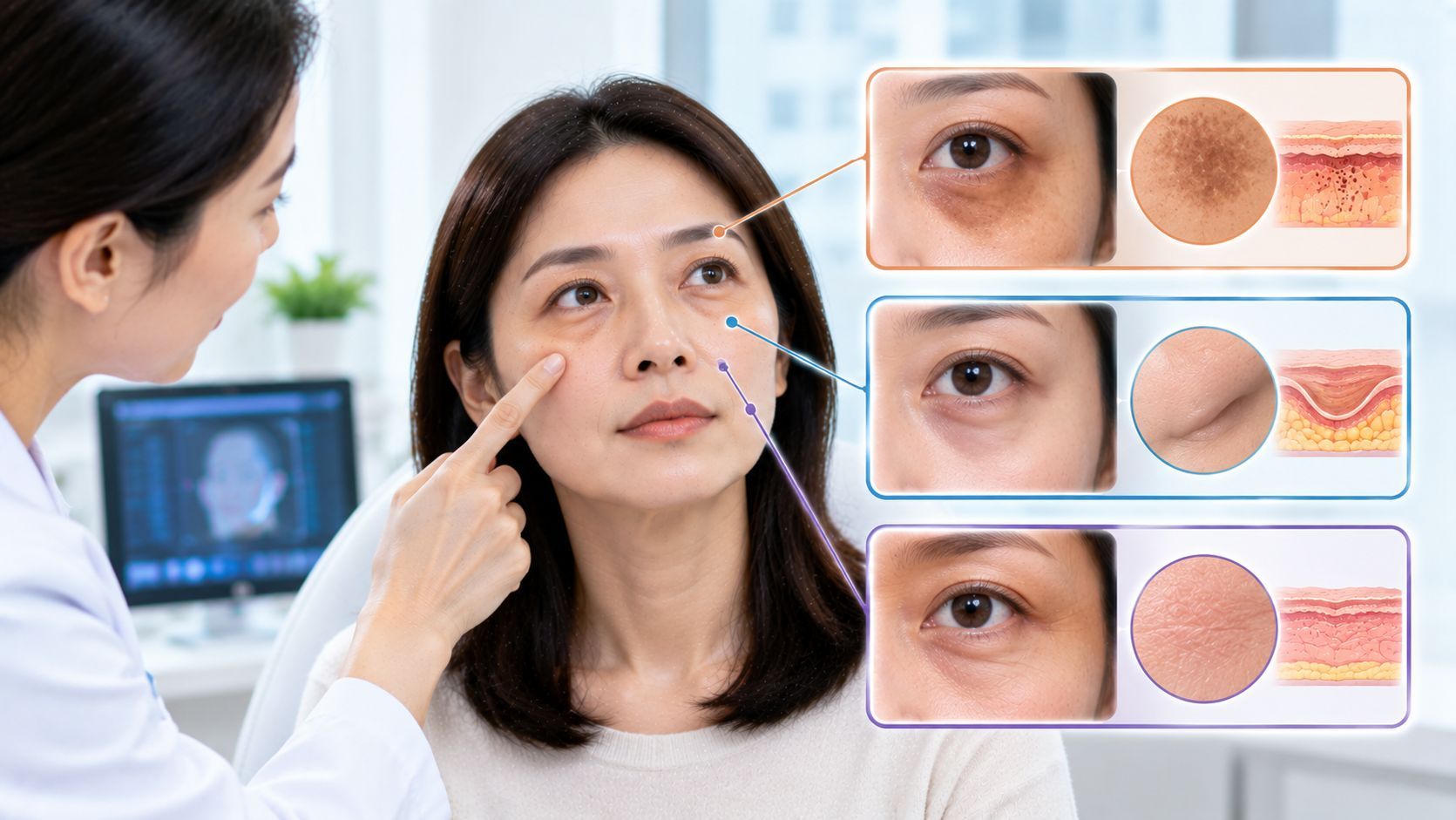
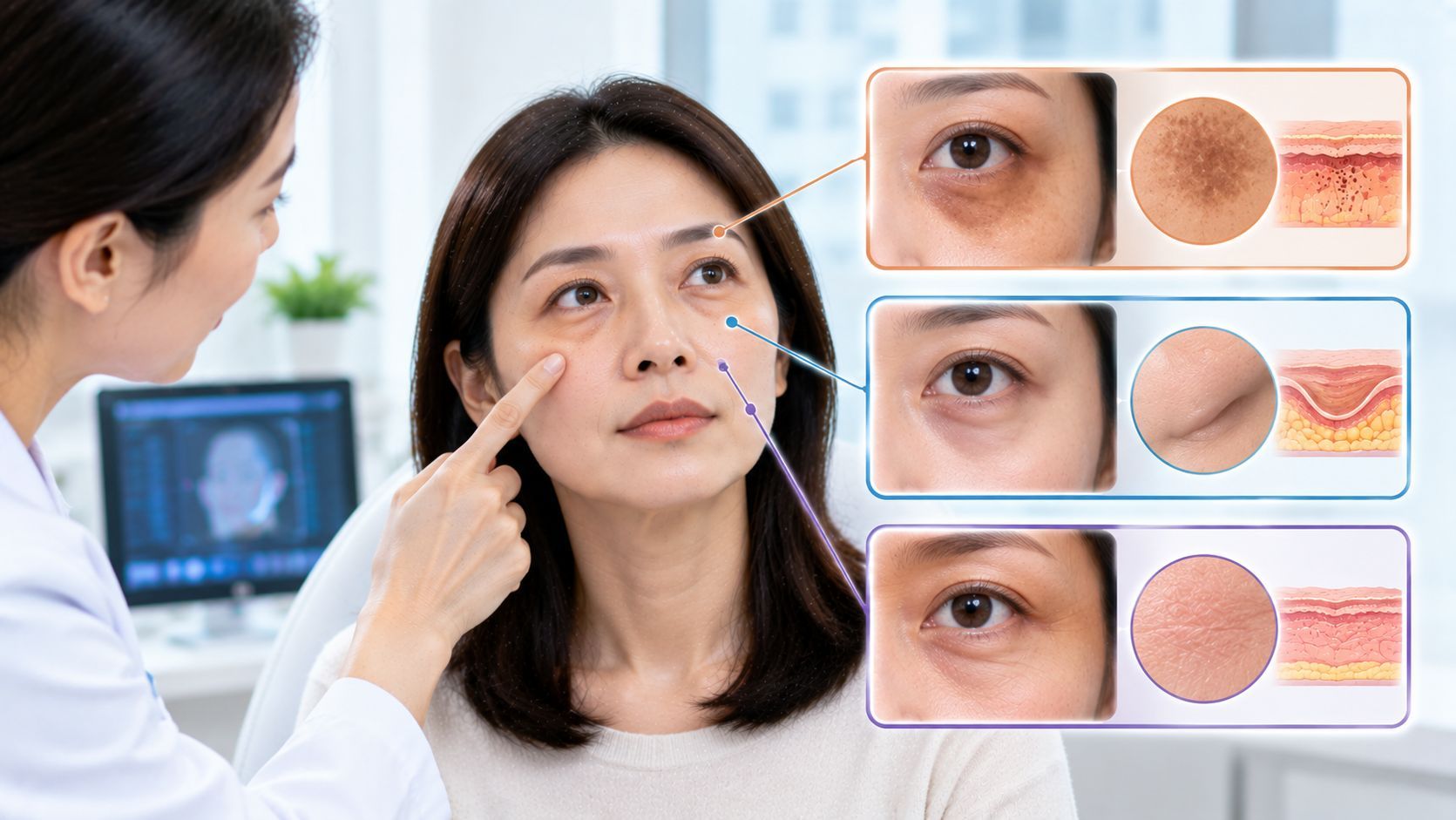
If one cheek looks fuller than the other, both sides do not necessarily need the same treatment. Mild differences in cheek volume are extremely common because facial anatomy is naturally asymmetrical. The important question is whether the difference comes from actual volume, skin laxity, muscle activity, bone structure, swelling, or simply the way the face is positioned.
If treatment is appropriate, a dermatologist may recommend treating each side differently—or sometimes treating neither side. The goal should be to improve facial balance without unnecessarily removing volume from the fuller side or adding volume to the smaller side.
For people seeking natural-looking facial rejuvenation, especially international patients visiting Korea, an individualized assessment is more important than automatically using identical amounts or settings on both sides.
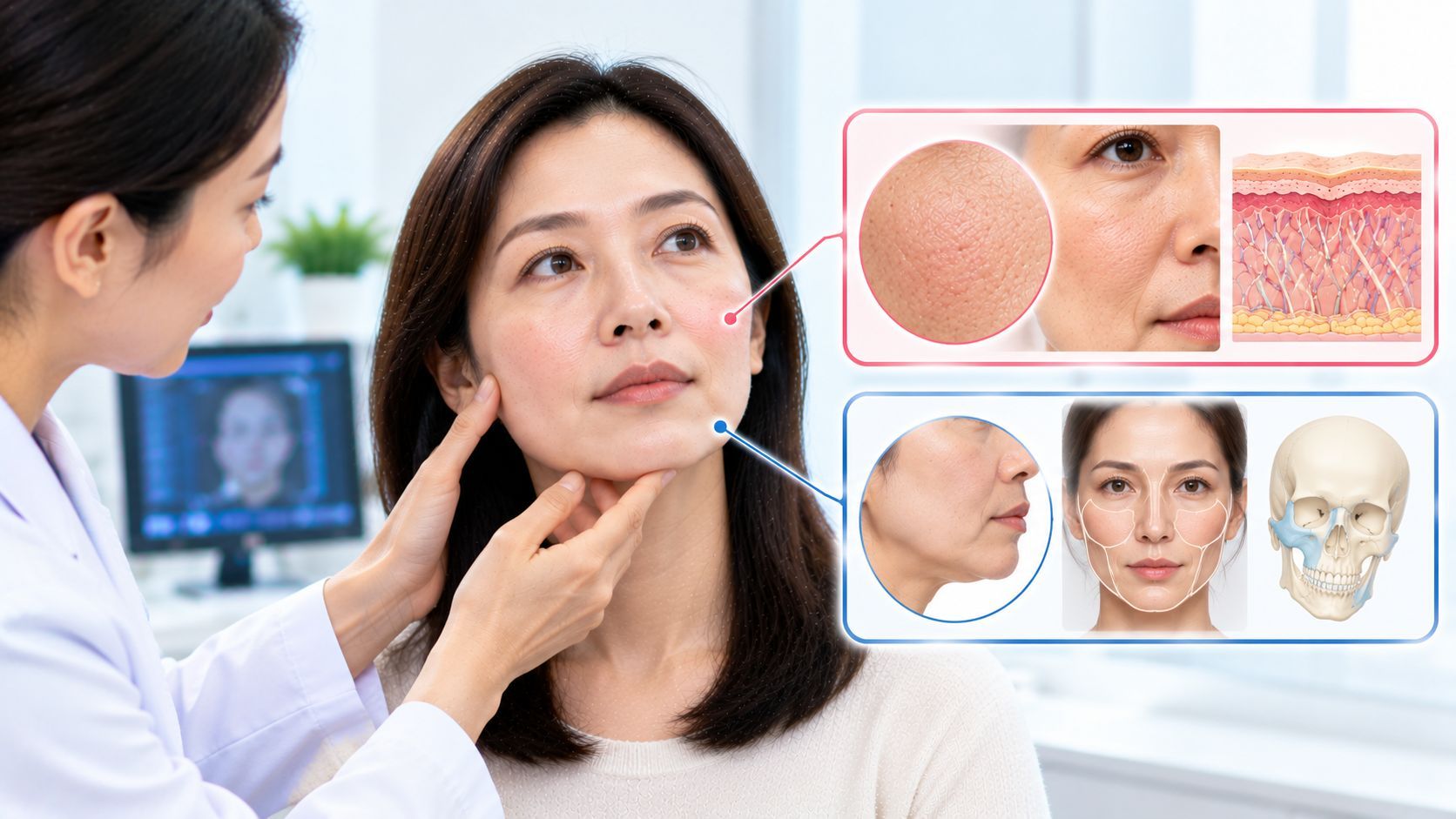
Why Is One Cheek Fuller Than the Other?
Several factors can create different-looking cheeks.
Natural Facial Asymmetry
Most faces are not perfectly symmetrical.
The two sides can differ in:
- Cheekbone structure
- Fat distribution
- Muscle size
- Soft-tissue thickness
- Skin laxity
- Facial proportions
A difference that has existed for years may simply be part of your natural anatomy.
As you age, however, changes in skin elasticity and facial volume can make an existing difference more noticeable.
Different Facial Volume
One side may genuinely contain more soft-tissue volume than the other.
This can involve:
- Facial fat
- Cheek soft tissue
- Muscle
- Bone structure
It is important to identify which component is creating the fuller appearance before choosing a treatment.
Differences in Skin Laxity
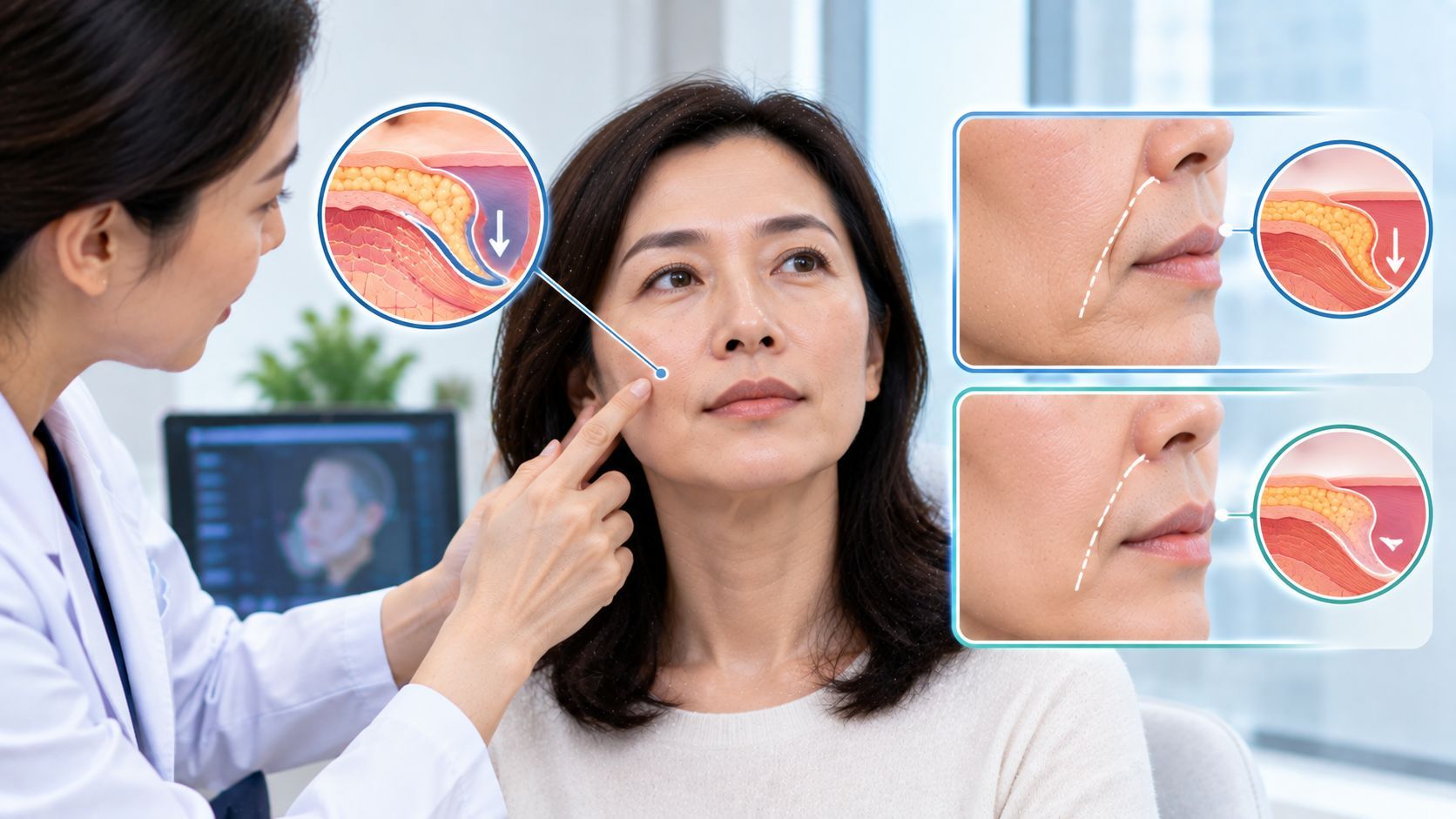
Sometimes one cheek does not actually have more volume—the opposite cheek may simply have less support or more laxity.
That can create the visual impression that one side is fuller.
In this situation, removing volume from the fuller-looking side could be the wrong solution.
Muscle Differences
The muscles used for chewing and facial expression can differ slightly between sides.
For example, people who habitually chew more on one side may develop differences in the masseter muscle. Facial expressions can also differ between the two sides.
If muscle size is contributing to the appearance, a skin treatment may not be the appropriate solution.
Should Both Cheeks Receive the Same Treatment?
Not automatically.
The appropriate treatment should be based on what is causing the asymmetry.
For example:
What is different?Potential approachOne side has genuinely more volumeAssess whether volume reduction is appropriateOne side has less volumeConservative volume restoration may be consideredOne side has more skin laxityEvaluate individualized tighteningOne side has stronger muscle activityMuscle-targeting treatment may be consideredDifference is mainly bone structureNon-surgical treatment may have limited effectDifference is mild and longstandingTreatment may not be necessary
The important principle is:
Equal treatment does not always produce equal-looking results.
Why Treating Both Sides Identically Can Be a Mistake
Imagine that your left cheek naturally has slightly more volume than your right.
If both sides receive exactly the same amount of volume-reducing treatment, the original difference may remain.
Similarly, if the right cheek is genuinely flatter because of volume loss, adding the same amount of filler to both cheeks may make the left side even fuller.
This is why treatment should be based on individual anatomy rather than symmetry of treatment.
Should the Fuller Cheek Be Reduced?
Not necessarily.
Before reducing cheek volume, a dermatologist should determine whether the fullness is actually excessive or whether the opposite side simply looks smaller.
This distinction becomes particularly important if you have a naturally lean face.
Aggressive facial slimming can potentially make the face appear:
- More hollow
- More angular
- Older-looking
- Less balanced
If your goal is simply to reduce asymmetry, you may not want to make either cheek dramatically smaller.
Can Skin Tightening Balance Uneven Cheeks?
Sometimes, but only if laxity contributes to the difference.
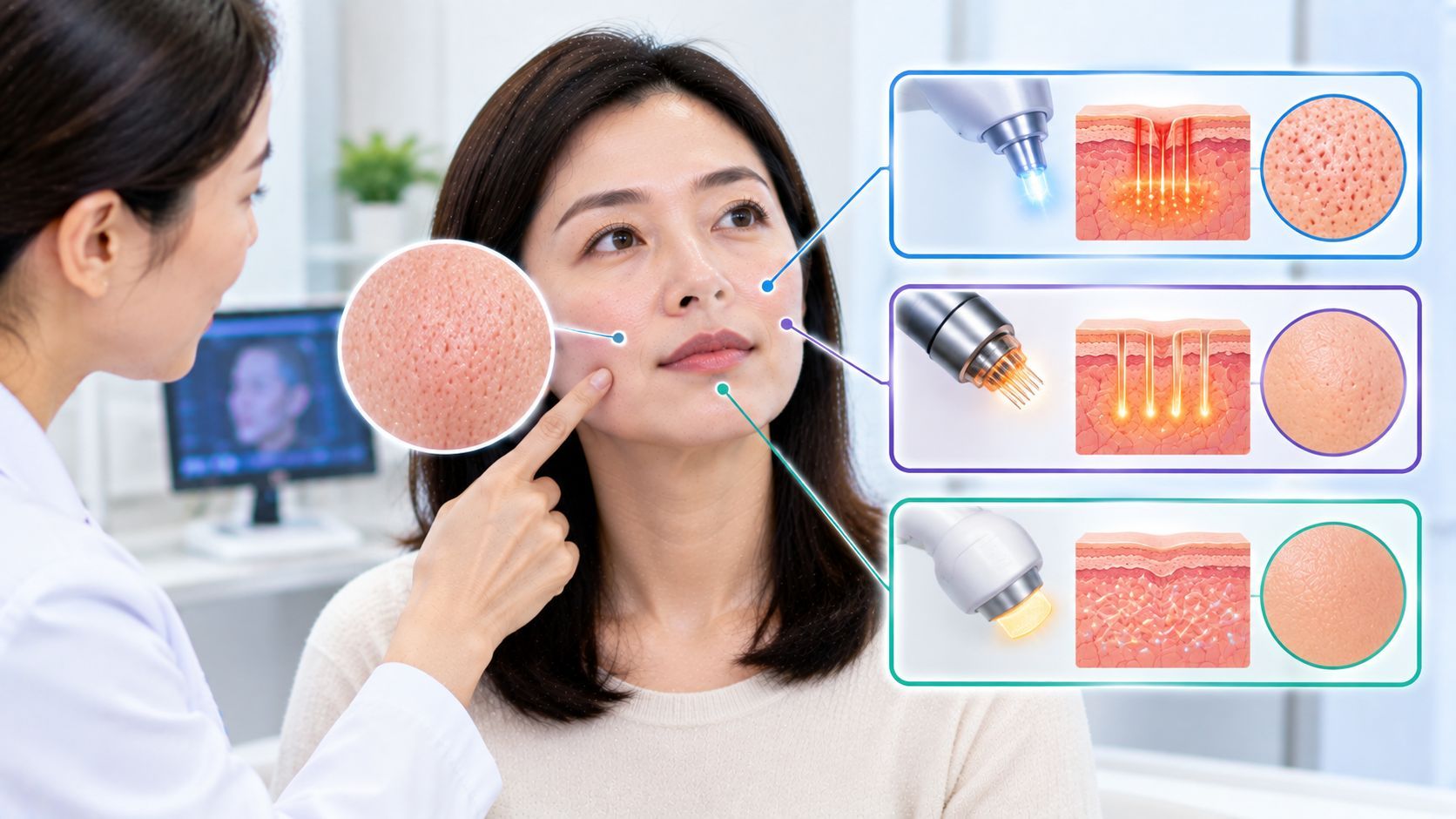
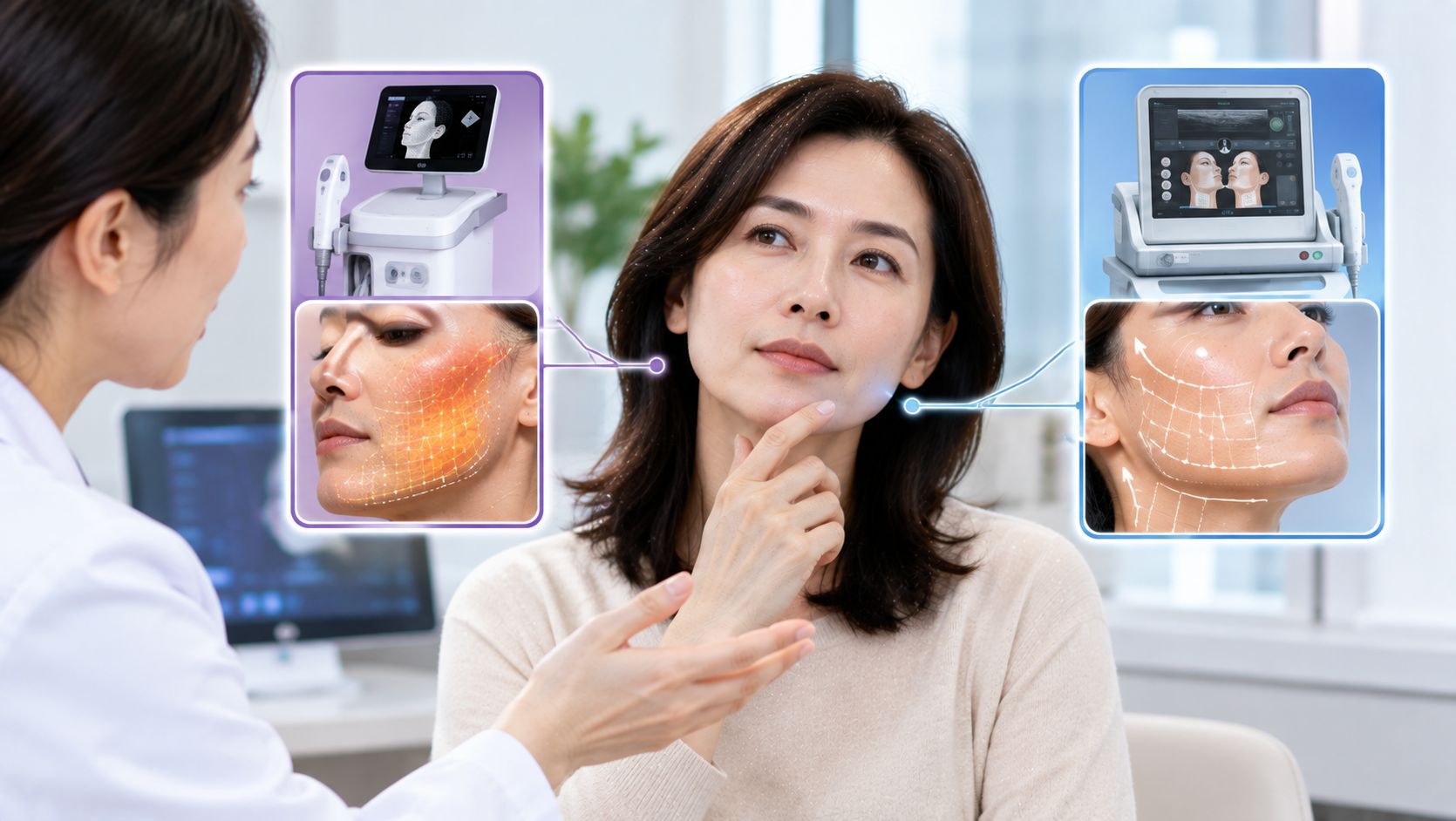
Ultrasound and radiofrequency-based treatments can stimulate collagen-related changes and may improve mild skin laxity over time. The AAD notes that non-invasive skin-tightening procedures generally produce gradual improvement rather than an immediate dramatic lift.
If one cheek has more lax skin, an individualized treatment plan may potentially improve the visual balance.
But skin tightening cannot fundamentally change cheekbone anatomy or remove a significant volume difference.
Can Ultherapy Be Customized for Different Cheeks?
Potentially.
If one side has more noticeable laxity, the treatment plan may be customized based on the patient's anatomy and treatment goals.
However, customization does not necessarily mean treating one side much more aggressively.
A medical professional should consider:
- The degree of laxity
- Tissue thickness
- Facial anatomy
- Existing cheek volume
- Desired facial shape
- Previous treatments
The goal should be controlled improvement rather than trying to force both sides into exactly the same appearance.
What About Thermage?
Radiofrequency-based tightening, including Thermage, may be considered when differences in skin firmness contribute to the appearance of uneven cheeks.
However, it should not be viewed as a universal treatment for cheek asymmetry.
If one cheek is fuller because of:
- Fat distribution
- Bone structure
- Muscle size
- A true volume difference
tightening the skin may not address the underlying issue.
Could Filler Balance Uneven Cheeks?
It can in selected cases.
If one cheek genuinely has less volume, a dermatologist may consider conservative filler to restore some of the missing fullness.
The AAD explains that dermal fillers can restore lost fullness in areas such as the cheeks and emphasizes the importance of appropriate technique and a qualified medical provider.
However, filler should not be used simply because one cheek looks smaller in a photograph.
The provider needs to determine whether the difference is actually caused by volume loss.
If your goal is a natural result, you can specifically say:
“I want to balance the cheeks, not make either cheek noticeably larger.”
What If I Don't Want More Facial Volume?
That is important to communicate during your consultation.
If you do not want a fuller face, the dermatologist may consider whether your concern can be addressed through:
- Skin tightening
- Microneedling
- RF-based treatments
- Appropriate laser treatments
- Skincare
- Other non-volumizing approaches
The suitability depends on the cause of the asymmetry.
If the difference is primarily structural, however, non-volumizing treatments may have limited ability to change the underlying shape.
Can Botox Change Cheek Asymmetry?
In some circumstances, muscle activity can affect how the cheeks appear.
Botulinum toxin temporarily reduces activity in targeted muscles. It is most commonly used for dynamic wrinkles, but muscle-targeting approaches can sometimes be considered for selected asymmetry concerns.
However, Botox should not be used simply because one cheek looks fuller unless muscle activity has been identified as an important contributor.
Treating the wrong muscle can create or worsen asymmetry.
Could It Be Temporary Swelling?
Yes.
If one cheek suddenly looks fuller, consider whether something temporary is happening.
Possible causes can include:
- Recent dental treatment
- Cosmetic injections
- Skin procedures
- Minor injury
- Inflammation
- Infection
- Temporary fluid retention
A new or rapidly changing difference should be assessed rather than immediately treated cosmetically.
If swelling is painful, hot, red, rapidly increasing or associated with fever or other concerning symptoms, seek medical evaluation.
What If the Difference Only Appears in Photos?
Before changing your face, check whether the asymmetry is actually visible in person.
Photos can exaggerate differences because of:
- Camera angle
- Lighting
- Head position
- Lens distortion
- Facial expression
Selfies taken at close range can be particularly misleading.
If you are considering treatment, an in-person assessment is more useful than making a decision based on a single photograph.
How Should a Dermatologist Assess Uneven Cheeks?
A good consultation should evaluate your face from several perspectives.
The provider may consider:
At Rest
How do the cheeks look when your face is relaxed?
During Movement
Does the difference change when you smile, speak or clench your teeth?
From Different Angles
Does the asymmetry remain visible from the front, side and three-quarter views?
Compared With Previous Photos
Has the difference always existed, or has it developed gradually?
These observations can help distinguish between structural asymmetry and changes that may be treatable.
Should International Patients Treat Both Sides Equally in Korea?
If you are traveling to Korea for facial treatment, don't assume that a treatment menu should be symmetrical.
Instead, tell the dermatologist exactly what you are seeing:
“My left cheek looks fuller than my right. I want to improve the balance without making my face slimmer or fuller overall.”
Then ask:
- Is this a true volume difference?
- Could skin laxity be making one side look fuller?
- Is muscle activity involved?
- Do both sides need treatment?
- Would treating only one side be safer or more appropriate?
- Could the treatment make my face look slimmer?
- If filler is recommended, why is it necessary?
- How much correction is realistic?
- Should treatment be staged?
- How long should I wait before evaluating the result?
For international patients, also ask about downtime and follow-up before scheduling procedures around your flight.
What Is the Best Approach to Uneven Cheeks?
There is no universal answer.
A natural-looking approach usually follows this sequence:
Assess → identify the cause → treat the specific cause → reassess.
That could mean:
- No treatment if the difference is minimal
- Tightening if laxity is the main issue
- Muscle treatment if muscle activity contributes
- Conservative filler if true volume loss is present
- Another approach if structural anatomy is responsible
The goal should be balance, not perfect symmetry.
Conclusion
One cheek being fuller than the other does not automatically mean that both cheeks need the same treatment.
Facial asymmetry can result from natural anatomy, differences in volume, skin laxity, muscle activity or temporary changes. Treating both sides identically may therefore be unnecessary and, in some cases, could make the imbalance more noticeable.
If you want a natural-looking result, ask a dermatologist to assess each side independently and explain what is actually causing the difference.
For international patients considering treatment in Korea, the most useful goal is not “make both cheeks identical.” Instead, communicate that you want better facial balance while preserving your natural facial shape.
FAQs
Is it normal for one cheek to be fuller than the other?
Yes. Mild facial asymmetry is very common. Differences in bone structure, fat distribution, muscle activity and skin laxity can all make one cheek appear fuller.
Should both cheeks receive the same treatment?
Not necessarily. Treatment should be based on the underlying cause and the anatomy of each side.
Can Ultherapy help uneven cheeks?
It may help if skin laxity contributes to the difference, but it cannot correct asymmetry caused primarily by bone structure or significant volume differences.
Can filler make uneven cheeks look more balanced?
It may help when one side genuinely has lost volume. However, adding filler simply because one cheek looks smaller is not always appropriate.
Can Botox reduce cheek asymmetry?
It may be considered when differences in muscle activity contribute to the appearance, but Botox is not a general treatment for cheek-volume asymmetry.
Should I remove fat from my fuller cheek?
Not automatically. The fuller appearance may actually result from the other cheek having less volume or support. A medical assessment should come before considering volume reduction.