Can Ultherapy Be Customized Differently on Each Side of the Face?
Introduction
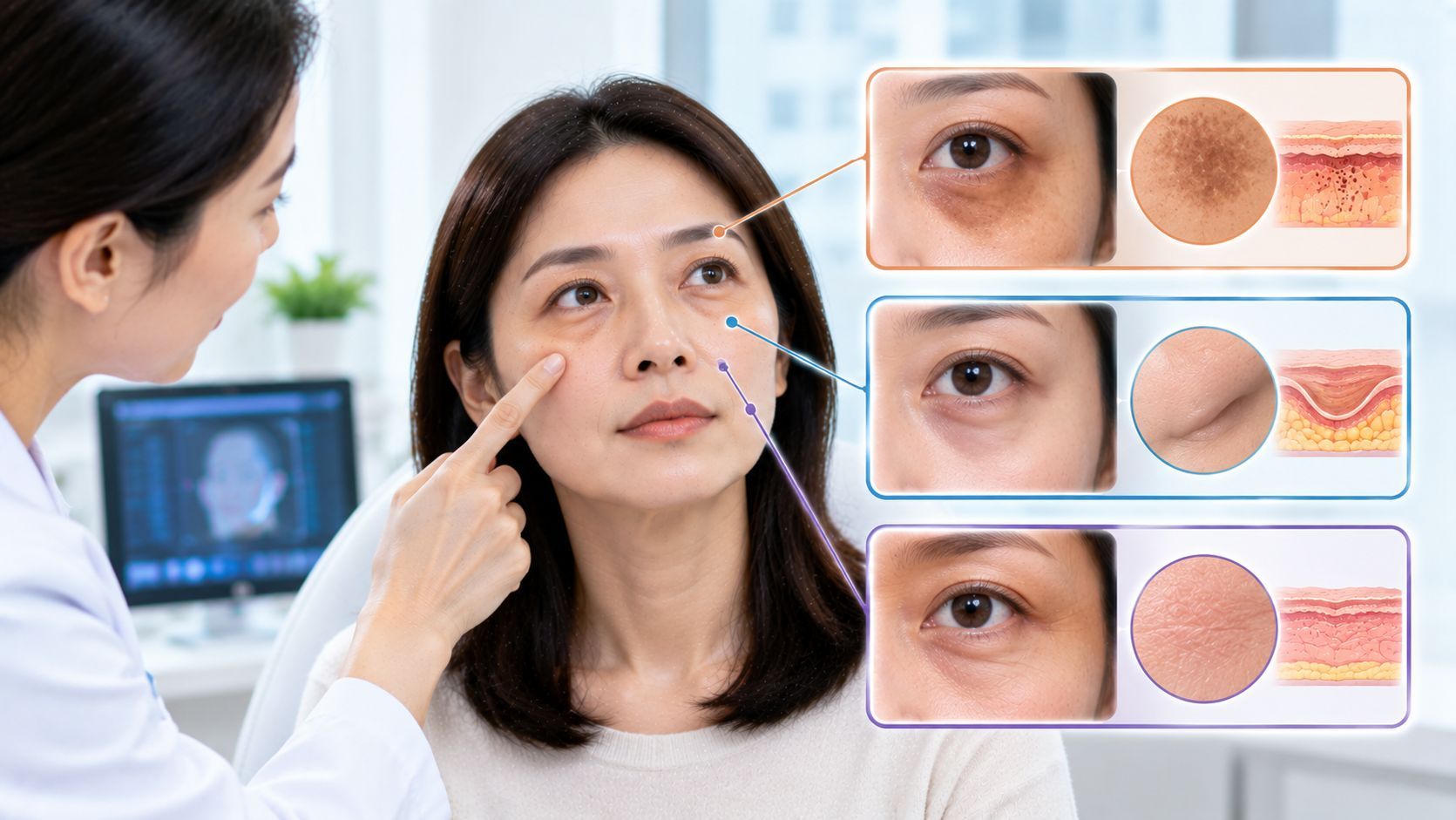
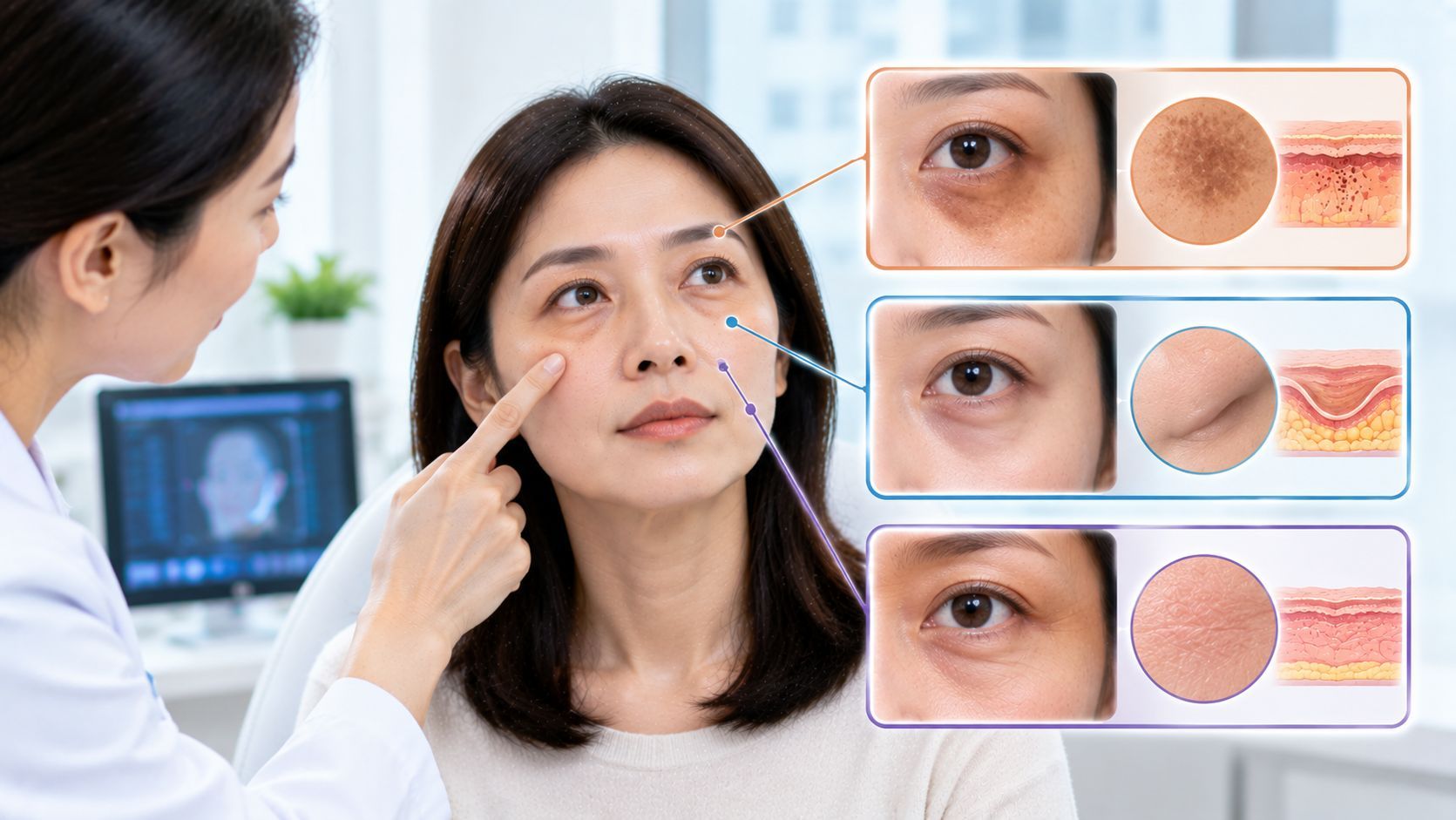
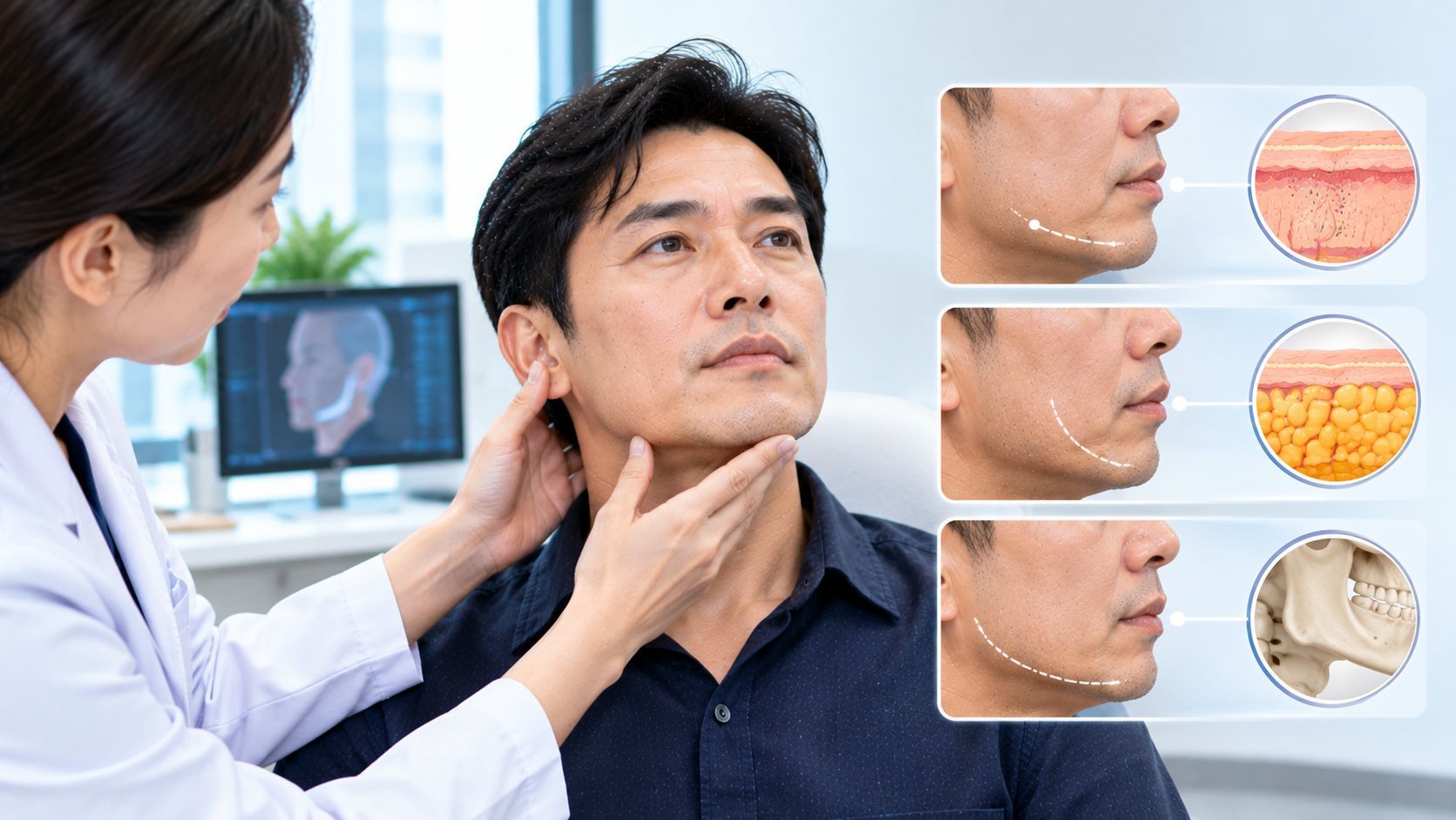
Facial asymmetry is extremely common. One side may have slightly more skin laxity, a lower brow, a softer jawline, or a more noticeable jowl than the other. This can make people wonder whether both sides of the face should receive exactly the same Ultherapy treatment.
Ultherapy can potentially be customized for each side of the face when the underlying anatomy or degree of skin laxity is different. However, customization should be based on a professional assessment rather than simply treating the “worse” side with more energy. The treatment plan may differ by area, depth, coverage, or treatment approach, depending on the individual's anatomy and the cause of the asymmetry. Ultherapy uses microfocused ultrasound with real-time imaging, which allows practitioners to personalize treatment according to the tissues being treated.
Why Can One Side of the Face Look More Saggy?
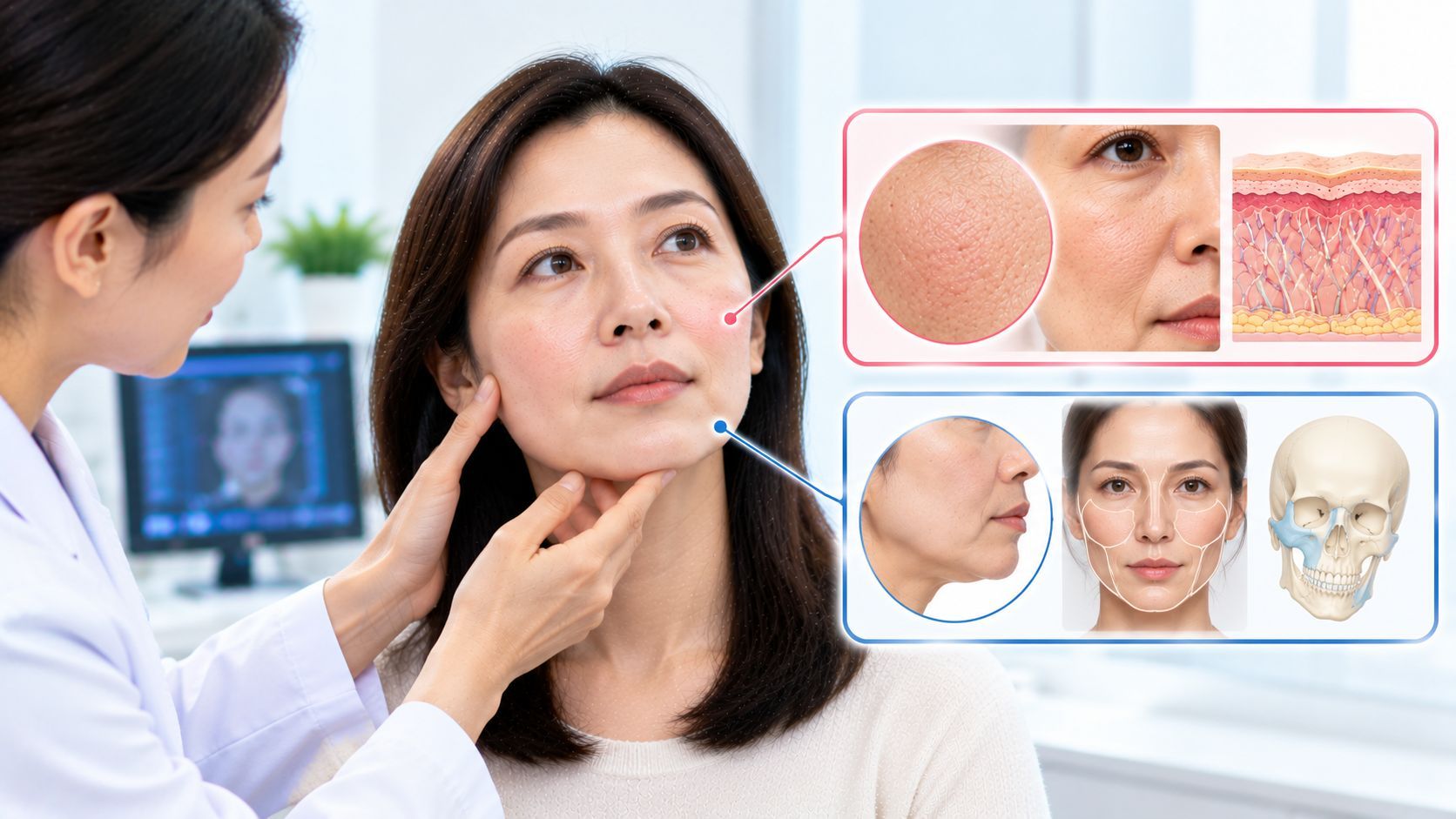
Facial asymmetry does not always come from the skin itself. Several structures can contribute to an uneven appearance.
Different degrees of skin laxity
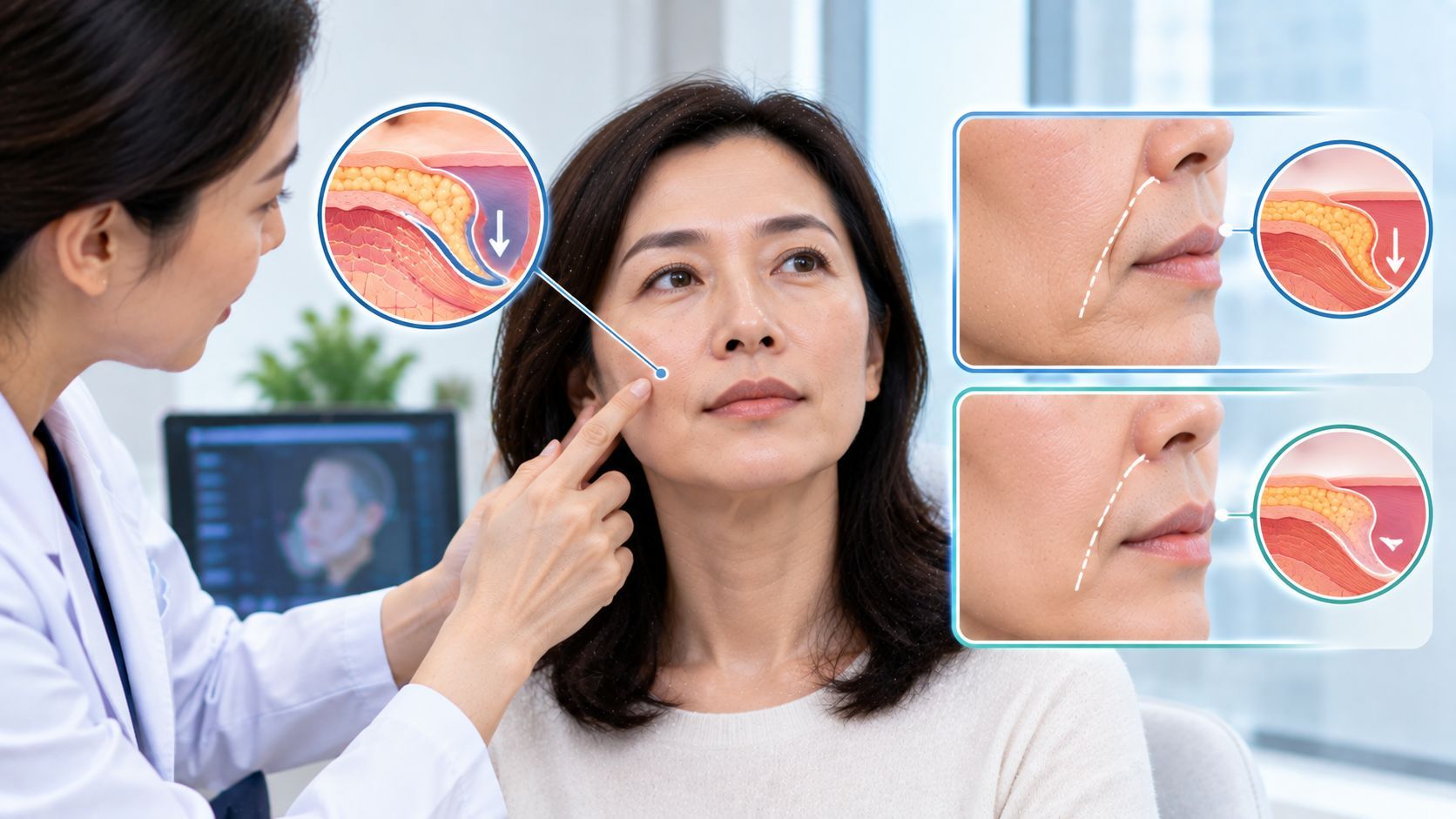
One side may simply have more lax skin. This can make one jowl appear lower or one side of the jawline look less defined.
Ultrasound-based skin tightening may be appropriate when mild-to-moderate laxity is a major contributor. The American Academy of Dermatology notes that non-invasive ultrasound treatments can produce gradual tightening and lifting as collagen production increases.
Differences in facial volume
If one cheek has more volume than the other, tightening the skin may not correct the underlying difference.
In this situation, treating both sides identically with Ultherapy may not produce the balanced appearance someone expects.
Differences in muscle activity
Muscle movement can also make one side of the face appear different. For example, asymmetry may become more obvious when smiling, raising the eyebrows, or clenching the jaw.
Ultherapy is primarily a skin-lifting treatment, so it is not automatically the right solution for asymmetry caused mainly by muscle activity.
Natural bone and facial structure
The underlying cheekbones, jaw, chin, and other facial structures are rarely perfectly symmetrical. Sometimes what looks like “uneven sagging” is partly structural.
This is important because an energy-based treatment cannot simply reshape underlying bone.
Can Ultherapy Be Planned Differently for Each Side?
Yes, the overall treatment plan can be individualized rather than assuming that every area of the face needs identical treatment.
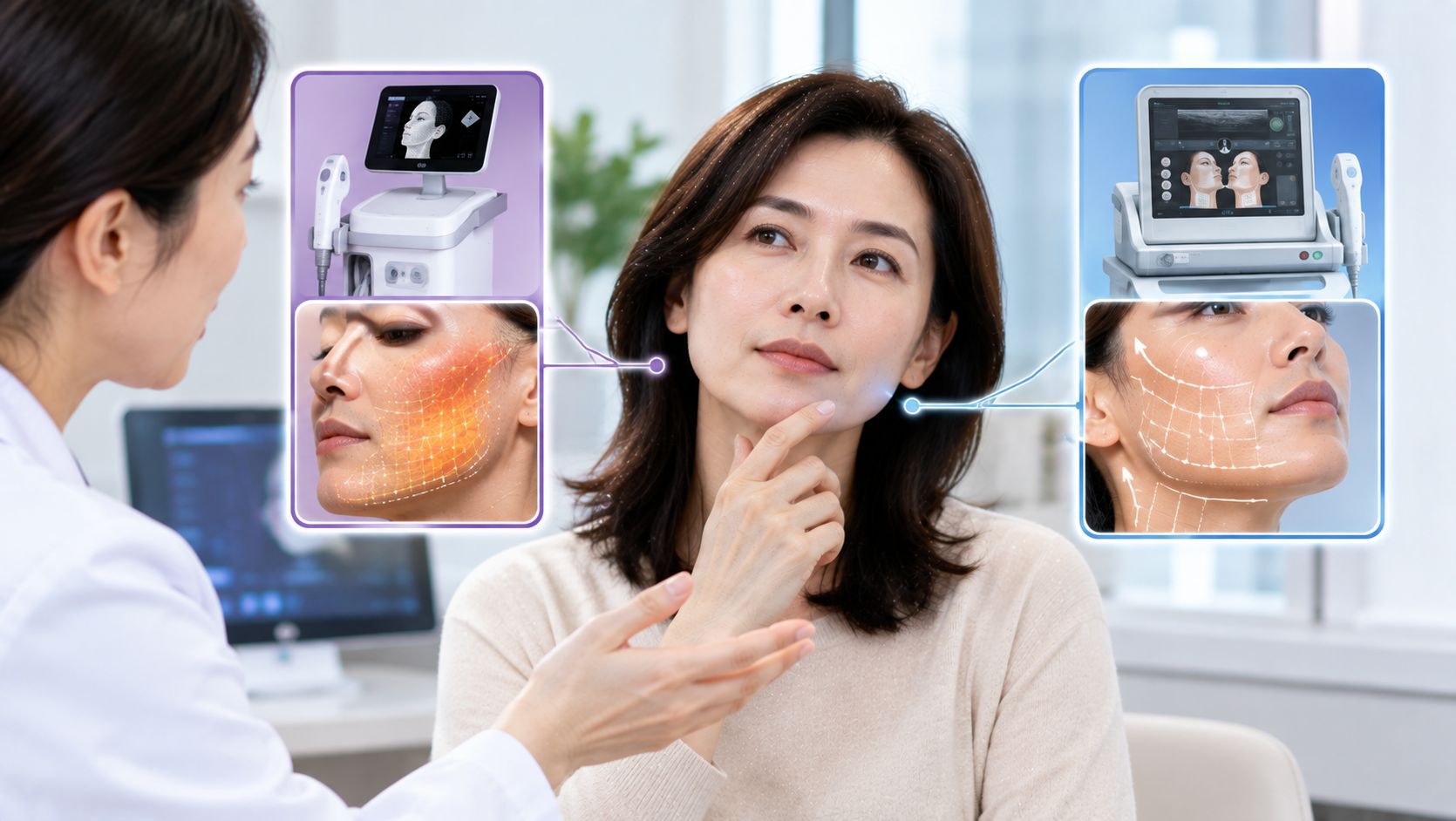
Ultherapy's real-time visualization is designed to help practitioners identify tissue layers and deliver energy more precisely. The manufacturer describes treatment as personalized according to individual anatomy and treatment needs.
That does not necessarily mean that one side should always receive dramatically more treatment than the other.
A qualified practitioner may instead decide that:
- Both sides need treatment but different areas require attention
- One side needs more focus on the jawline
- One side has greater laxity around the cheek or jowl
- Certain areas should be avoided because they do not need tightening
- Both sides should receive a broadly similar treatment for overall balance
- Ultherapy is not the appropriate treatment for the asymmetry at all
The important distinction is customization based on anatomy, rather than simply trying to make the two sides receive different numbers of treatment lines.
When Might Asymmetric Ultherapy Treatment Make Sense?
One jowl is noticeably lower
If the difference is primarily related to unequal skin laxity, a practitioner may design the treatment to address the areas differently.
For example, the lower face can be assessed independently on the left and right sides rather than automatically applying the exact same treatment pattern.
One side has more visible laxity
A difference in skin thickness, laxity, or tissue positioning may influence how a practitioner plans treatment.
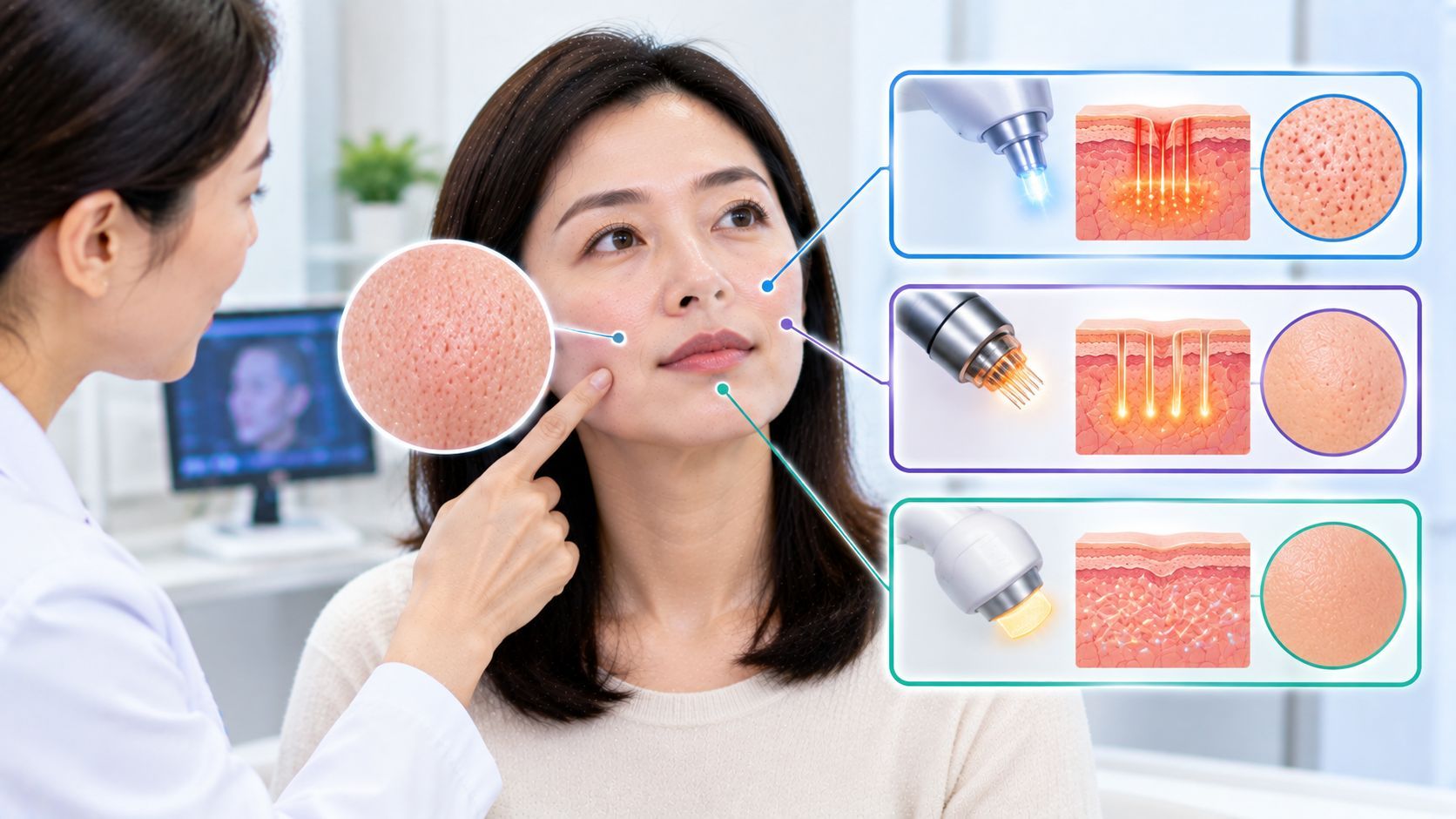
Ultherapy systems include different transducer depths for different tissue layers, and the manufacturer's materials describe treatment personalization using real-time visualization.
One side has a lower brow
If brow position is noticeably different and laxity contributes to the difference, the treatment plan may take this into account.
However, brow asymmetry can have multiple causes, so the practitioner should first determine whether the difference is actually related to skin laxity.
When Might Ultherapy Not Fix Facial Asymmetry?
This is one of the most important questions to ask before treatment.
The problem is volume rather than laxity
If one cheek is fuller, simply tightening both sides may not create symmetry.
The asymmetry is caused by muscle activity
If movement creates the difference, a treatment targeting muscle activity may sometimes be more appropriate than skin tightening.
The difference is primarily structural
Differences in facial bones or natural facial proportions will not necessarily respond to Ultherapy.
The face has very little skin laxity
Non-invasive skin tightening tends to be most useful when there is some degree of laxity. The AAD notes that people with a small amount of sagging skin are generally better candidates, while substantial sagging may require a different approach.
Should Both Sides Receive the Same Number of Ultherapy Treatments?
Not necessarily.
The goal should not be to make the treatment mathematically identical. The goal is to create a treatment plan appropriate for the individual's anatomy.
In some people, both sides may receive similar treatment because the asymmetry is subtle and natural. In others, the practitioner may concentrate more on specific areas.
However, more treatment on one side does not automatically mean a better result.
Over-treating an area simply because it looks lower could potentially create an unwanted change in facial contour or make asymmetry more noticeable.
This is why individualized assessment is more important than comparing treatment line counts between the two sides.
How Does Ultherapy Work?
Ultherapy is a non-invasive ultrasound-based skin-lifting treatment. It uses microfocused ultrasound energy to target selected tissue layers and stimulate a wound-healing response associated with collagen production. The system's real-time imaging helps the practitioner visualize tissue during treatment.
Results are not usually an instant facelift. The AAD explains that ultrasound skin-tightening results tend to develop gradually, with modest lifting and tightening commonly becoming apparent over approximately two to six months.
This gradual development can be useful for people who want a relatively subtle change rather than a sudden alteration in facial appearance.
What Should Be Assessed Before Customized Ultherapy?
A good consultation should look at your face from more than one angle.
Assessment at rest
The practitioner should examine whether the asymmetry exists when your face is relaxed.
Assessment during movement
Smile, raise your eyebrows, talk, and make other natural facial expressions. Some asymmetries become much more obvious during movement.
Comparison of both sides
The practitioner can assess:
- Brow position
- Cheek position
- Jawline definition
- Jowl position
- Skin laxity
- Neck laxity
- Facial volume
- Overall proportions
Review of previous treatments
Tell the practitioner about previous Ultherapy, fillers, Botox, threads, surgery, or other aesthetic procedures.
Previous treatments can influence how a new treatment should be planned.
Can Ultherapy Make Facial Asymmetry Worse?
There is no guarantee that treating asymmetry will make the face more symmetrical.
Any cosmetic procedure can produce results that differ from expectations, and treatment planning should account for the possibility of overcorrection or an uneven response.
This is another reason not to request “more energy on my worse side” without professional assessment.
The objective should be balanced improvement, not forcing both sides to become identical.
What About Ultherapy in Korea for Facial Asymmetry?
For international patients considering Ultherapy in Korea, the consultation is particularly important.
Before traveling, ask the clinic whether the practitioner evaluates each side of the face separately. During the consultation, useful questions include:
- Is my asymmetry mainly caused by skin laxity?
- Is Ultherapy actually appropriate for my specific asymmetry?
- Would you treat both sides similarly?
- Are there areas that should receive different treatment planning?
- Could tightening make the asymmetry more noticeable?
- What result should I realistically expect?
- How long should I stay in Korea after treatment?
- What follow-up options are available after I return home?
If you are traveling specifically for treatment, it is also useful to provide clear photographs before the consultation so the clinic can understand your concern in advance.
How Long Does It Take to See Results?
Ultherapy does not normally create its final effect immediately.
The AAD reports that ultrasound skin tightening generally produces gradual results, with modest lifting and tightening becoming visible over roughly two to six months.
Ultherapy's manufacturer similarly describes results as improving over time.
Individual outcomes vary depending on age, skin laxity, anatomy, treatment area, and other factors.
What Are the Limitations of Customized Ultherapy?
Customized treatment can improve planning, but it cannot solve every type of facial asymmetry.
Ultherapy may have limited value when:
- The asymmetry is primarily caused by bone structure
- One side has substantially different facial volume
- Muscle movement is the main cause
- There is significant tissue descent requiring surgery
- The perceived asymmetry is extremely subtle and within normal facial variation
A consultation should therefore begin with why the sides look different, not simply with the question of how much Ultherapy each side should receive.
Conclusion
Yes, Ultherapy can be customized to address differences between the two sides of the face, but the sides should not automatically receive different treatment simply because they look uneven.
The right approach is to determine whether the asymmetry comes from skin laxity, facial volume, muscle activity, structural differences, or a combination of factors. If unequal skin laxity is the main issue, an individualized Ultherapy plan may be appropriate.
For the most natural result, the goal should be better facial balance rather than perfect symmetry. A qualified practitioner can assess both sides independently and determine whether Ultherapy, another treatment, or no treatment is the most appropriate option.
FAQs
Can Ultherapy treat facial asymmetry?
It may help when asymmetry is partly caused by uneven skin laxity. It is less likely to correct asymmetry caused mainly by bone structure, facial volume, or muscle activity.
Can one side receive more Ultherapy than the other?
Treatment can be individualized, but the decision should be made by the treating practitioner based on anatomy and tissue characteristics rather than simply treating the visibly lower side more aggressively.
Should both sides of my face always receive Ultherapy?
No. Both sides do not necessarily require identical treatment. Some patients may benefit from treating specific areas, while others may need a different approach altogether.
Can Ultherapy make my face more symmetrical?
It may improve the appearance of asymmetry when skin laxity is an important contributing factor, but there is no guarantee of symmetrical results.
Does Ultherapy change facial volume?
Ultherapy is primarily intended for non-invasive skin lifting and tightening rather than adding facial volume. If uneven cheek or facial volume is the main issue, another treatment approach may be more appropriate.
How soon will I see Ultherapy results?
Results generally develop gradually rather than immediately. The AAD reports that modest lifting and tightening from ultrasound treatments commonly becomes noticeable within about two to six months.