I'm Prone to Hyperpigmentation After Every Pimple. Should I Avoid Aggressive Lasers?
Introduction
If every pimple leaves a dark mark, you may reasonably worry that an aggressive laser could make your pigmentation worse. The answer is you do not necessarily have to avoid laser treatment, but aggressive resurfacing deserves extra caution when you are highly prone to post-inflammatory hyperpigmentation (PIH).
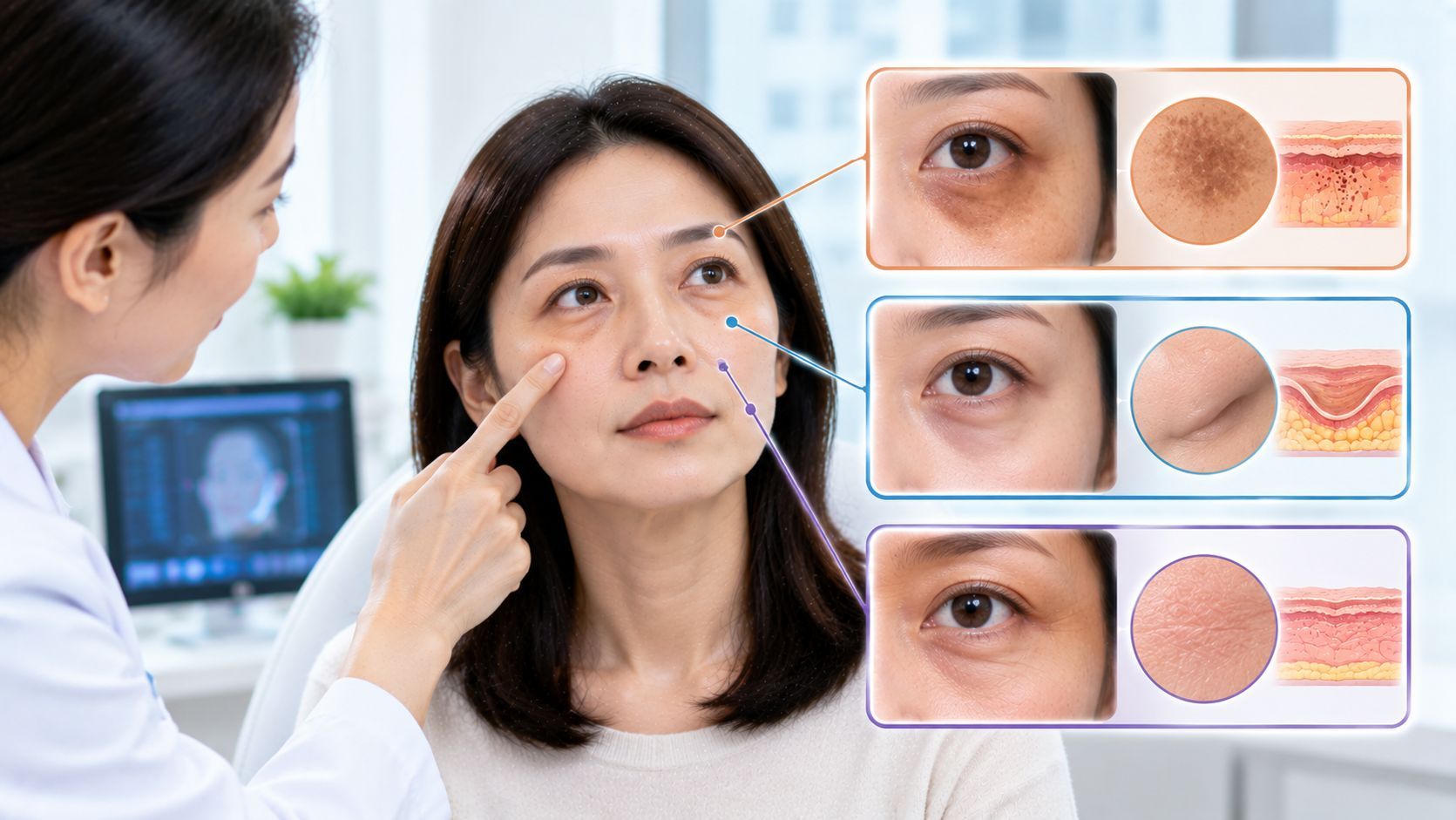
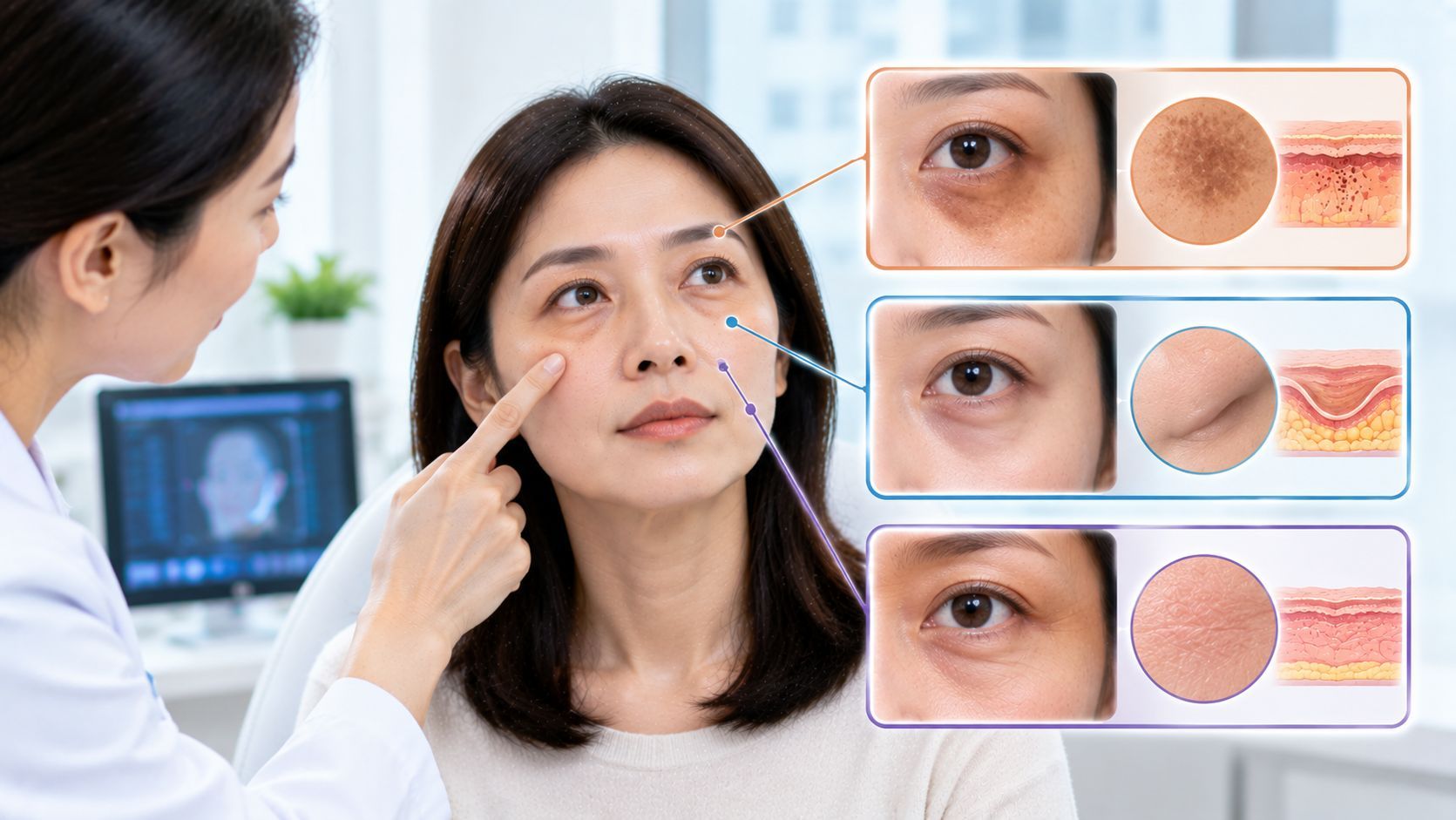
PIH occurs when inflammation or injury stimulates increased melanin production. Acne itself can trigger it, and procedures that create additional inflammation can potentially do the same. This is particularly relevant in darker skin tones, where pigmentary complications after inflammation can be more noticeable and persistent.
For someone who develops pigmentation after almost every pimple, the better strategy is usually to control active acne and inflammation, assess your PIH tendency, and choose the least aggressive treatment that can reasonably address your actual skin problem.
What Does “I Get Dark Marks After Every Pimple” Tell You?
It suggests that your skin has a strong tendency toward post-inflammatory pigmentation.
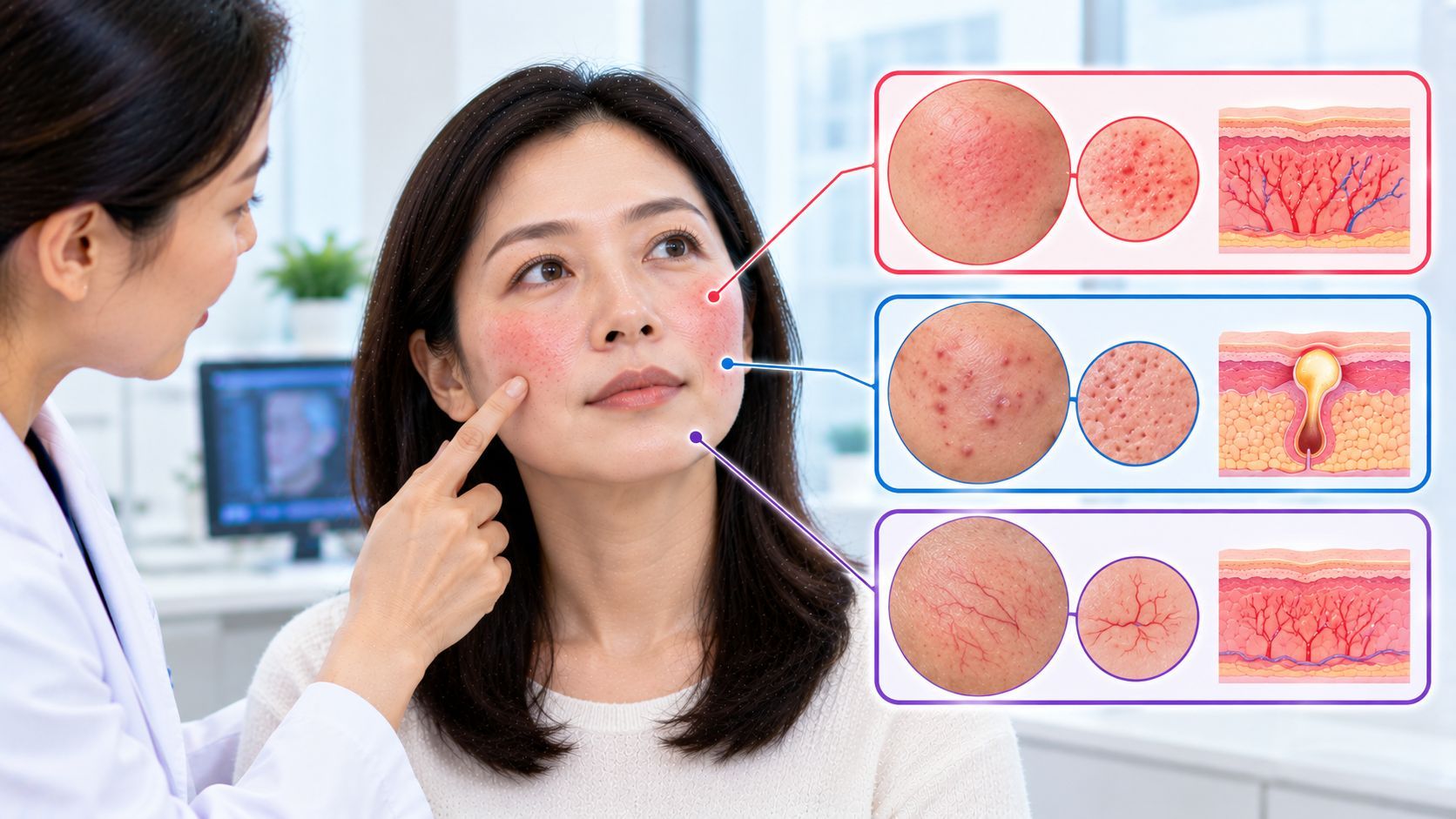
The mark is not necessarily a permanent scar. Acne can leave behind:
- Brown or dark flat marks
- Red or pink marks
- Depressed scars
- Raised scars
These are different problems.
A laser intended to improve depressed scars will not necessarily be the right treatment for brown marks. In fact, if the main problem is pigmentation rather than textural scarring, aggressive resurfacing may create unnecessary inflammation.
Why Can Aggressive Lasers Cause More Pigmentation?
Laser treatment deliberately creates a controlled response in the skin.
Depending on the technology, this may involve:
- Heat
- Controlled injury
- Inflammation
- Tissue remodeling
That response is part of how treatment works. However, if the inflammatory response is excessive, melanocytes can become more active and produce additional pigment.
The result can be new or darker PIH after treatment.
This does not mean every laser causes PIH. Risk varies substantially according to the laser, wavelength, energy, treatment density, skin type, and individual susceptibility. Reviews of procedures in skin of color emphasize careful parameter selection to reduce pigmentary complications.
Should You Avoid Aggressive Lasers Completely?
Not necessarily, but you should have a strong reason for using one.
If your goal is simply to improve mild uneven texture, jumping directly to aggressive resurfacing may not be necessary.
If you have deep acne scars that have not responded to conservative treatment, a dermatologist may still consider stronger resurfacing after evaluating your skin.
The key question is:
Does the expected benefit justify the additional inflammatory and pigmentary risk?
That decision should be individualized.
Which Treatments May Require More Caution?
Ablative CO₂ Laser
Fractional CO₂ can be effective for acne scars because it creates controlled thermal injury and stimulates remodeling.
However, ablative resurfacing generally creates more inflammation than many non-ablative approaches.
For someone who develops PIH very easily, this means careful patient selection and conservative settings are particularly important.
It does not mean CO₂ is automatically forbidden. It means the potential improvement should be weighed against the possibility of prolonged redness and pigmentary changes.
Aggressive Fractional Resurfacing
Even when a laser is described as “fractional,” treatment can vary significantly in intensity.
Higher energy, greater density, multiple passes, or treating too large an area at once can increase the inflammatory burden.
A fractional laser is therefore not automatically low-risk for someone with strong PIH susceptibility.
Strong Chemical Peels
Chemical peels are not lasers, but the same principle applies.
A strong peel creates controlled injury. In a person who pigmentates easily, excessive inflammation can potentially worsen discoloration.
High-Energy RF Microneedling
RF microneedling is sometimes considered an alternative to laser for darker skin, but it should not be viewed as completely free of pigmentation risk.
It combines microneedling with thermal energy. Excessive energy or inappropriate depth can produce unwanted inflammation.
Are There Less Aggressive Options?
Yes.
Depending on your actual concern, a dermatologist may consider approaches that create less surface injury.
Microneedling
Microneedling creates controlled micro-injuries using fine needles. The American Academy of Dermatology notes that microneedling can be used for acne scars and is suitable for all skin tones.
However, PIH can still occur, particularly when treatment is too aggressive or the skin is already inflamed.
Fractional Picosecond Laser
Certain fractional picosecond treatments have been studied for acne scars in Asian skin.
A study of a 1064-nm picosecond laser with a fractional microlens array found improvement in atrophic acne scars in Asian patients with Fitzpatrick III–IV skin, although temporary PIH occurred in some sessions.
This demonstrates an important point: a treatment can be useful in darker skin while still carrying some pigmentary risk.
Subcision
If your acne scars are rolling and tethered beneath the skin, subcision may address the underlying fibrous bands without resurfacing the entire epidermis.
It can therefore be an important alternative when the main problem is structural rather than superficial.
However, bruising and inflammation can still occur, and PIH remains possible.
Should You Treat Pigmentation Before Scars?
Sometimes.
If you have both active acne and acne scars, your dermatologist may first focus on controlling the inflammatory acne.
This can reduce the cycle of:
acne → inflammation → dark mark → new acne → more pigmentation.
If active acne continues, repeatedly performing resurfacing procedures may not solve the underlying problem.
Similarly, if the majority of your concern is flat brown marks rather than depressed scars, scar resurfacing may not be the appropriate first treatment.
What If I Have No Active Acne but Still Develop Dark Marks?
That is useful information.
It means your dermatologist should know that your skin is particularly prone to pigmentation following inflammation.
You may want to mention previous reactions to:
- Acne
- Scratches
- Insect bites
- Waxing
- Burns
- Chemical peels
- Microneedling
- Lasers
A history of PIH can help the clinician assess how aggressively to approach treatment.
Can a Test Spot Reduce the Risk?
A dermatologist may sometimes use a test area before treating a larger region, particularly when pigmentary complications are a major concern.
The purpose is to observe how your skin responds to the selected treatment parameters.
However, a test spot does not guarantee that a full treatment will be complication-free.
Delayed PIH can also occur, so the response needs to be monitored beyond the immediate recovery period.
What Can You Do Before Laser Treatment?
Control Active Acne
If new inflammatory acne continues to appear, treating the acne itself may be more important than immediately resurfacing old scars.
Avoid Unnecessary Irritation
If your skin is already irritated from excessive exfoliation, retinoids, harsh cleansers, or other products, discuss this with your dermatologist before treatment.
Protect Against UV Exposure
Sun exposure can worsen pigmentation and complicate recovery.
The American Academy of Dermatology recommends appropriate sun protection around laser procedures and avoiding tanning.
Tell the Dermatologist About Your PIH
Don't simply say that you have “sensitive skin.”
Give a specific history:
“Almost every inflammatory pimple leaves a dark mark on my skin.”
That gives the dermatologist more useful information for treatment planning.
How Should a Korean Dermatologist Adjust the Treatment?
Depending on the procedure, a dermatologist may consider:
- Lower energy
- Lower treatment density
- Fewer passes
- More conservative treatment intervals
- Appropriate cooling
- Smaller treatment areas
- Different wavelengths
- Staged treatment
- A different technology altogether
The correct approach depends on the device and your clinical problem.
Using the lowest possible setting is not automatically ideal because insufficient treatment may produce little improvement while still causing inflammation.
What Should International Patients Ask in Seoul?
If you are traveling to Korea for acne-scar treatment, ask:
- Am I primarily dealing with PIH or actual acne scars?
- How high is my risk of PIH after this procedure?
- Would a less aggressive treatment achieve enough improvement?
- What settings would you use for my skin type?
- Should I treat active acne first?
- Would microneedling or RF microneedling be an alternative?
- Would subcision be more appropriate for my scar type?
- Should we perform a test area first?
- How long should I expect pigmentation or redness afterward?
- What should I do if my skin becomes darker?
These questions can help you understand whether the proposed procedure is being individualized.
Aggressive Does Not Always Mean Better
This is particularly important for PIH-prone skin.
A stronger treatment may create more collagen remodeling, but it can also create more inflammation.
For some patients, a staged approach can be more practical:
Control acne → manage pigmentation → treat scar structure → reassess → continue gradually if appropriate.
The exact sequence should be determined by a dermatologist after examining your skin.
Treatment Comparison
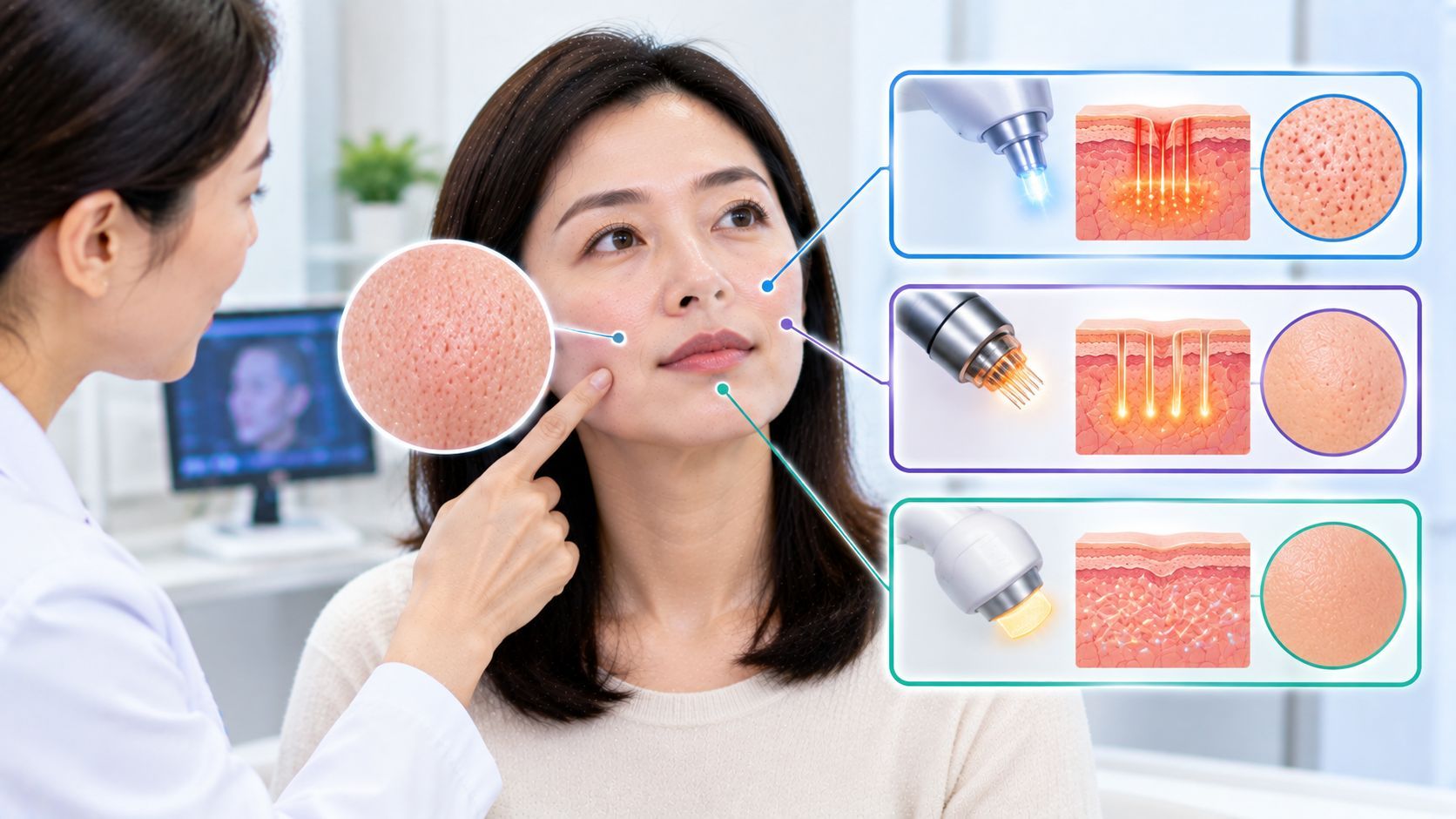
TreatmentPotential useConsideration for PIH-prone skinMicroneedlingSelected acne scarsUsually less surface thermal injury, but PIH remains possibleRF microneedlingTexture and selected deeper scarsHeat requires careful controlFractional PicoSelected atrophic scarsWavelength and settings matterSubcisionRolling/tethered scarsMay avoid widespread resurfacingNon-ablative fractional laserTexture and scarsOften less aggressive than ablative resurfacingFractional CO₂More significant resurfacingGreater pigmentary cautionStrong chemical peelSelected pigmentation/scarringCan provoke PIH if too aggressive
Conclusion
If you develop hyperpigmentation after almost every pimple, you do not automatically need to avoid all lasers. However, your strong PIH tendency is an important reason to be cautious about aggressive resurfacing.
Before treatment, determine whether you are dealing primarily with pigmentation, structural acne scars, active inflammation, or a combination. Less aggressive options such as microneedling, selected RF microneedling, fractional picosecond treatments, subcision, or non-ablative approaches may sometimes provide a more controlled starting point.
If a stronger treatment is being considered, your dermatologist should explain why the additional inflammation is justified and how the treatment will be adapted to your skin.
For patients seeking acne-scar treatment in Seoul, the objective should not be the most aggressive procedure available. It should be an individualized plan that improves the scars while minimizing the chance of creating another pigmentation problem.
FAQs
If I get dark marks after every pimple, am I more likely to get PIH from laser?
A strong history of pigmentation after inflammation suggests that you may be particularly susceptible to PIH. This should be discussed before any procedure that creates controlled skin injury.
Should I completely avoid CO₂ laser?
Not necessarily. However, fractional CO₂ creates substantial thermal injury and may require greater caution in people who are highly prone to PIH.
Is microneedling safer than laser for PIH-prone skin?
Microneedling has a different risk profile and is suitable for all skin tones, but it can still cause inflammation and pigmentary changes.
Can Pico laser cause darkening?
Yes. Although some picosecond treatments may have favorable pigmentary profiles, PIH can still occur.
Should I treat pigmentation before acne scars?
It depends on your skin. If active acne or significant inflammation is present, controlling that problem may be an important first step.
How long should I wait between aggressive treatments?
There is no universal interval. The appropriate timing depends on the procedure, your recovery, and whether redness or inflammation has completely settled.