Can RF Microneedling Be Safer Than Laser for Darker Skin?
Introduction
If you have darker skin and are worried about post-inflammatory hyperpigmentation (PIH) after laser treatment, you may wonder whether RF microneedling is a safer alternative. In many cases, it can be a useful option, but it is not automatically safer for every person or every condition.
The important difference is how the energy is delivered. Conventional lasers can interact with melanin in the epidermis, while RF microneedling uses tiny needles to deliver radiofrequency energy into deeper skin layers. This epidermal-sparing approach is one reason RF microneedling has been studied extensively in Fitzpatrick skin types III–VI. Reviews have found generally low rates of persistent pigmentary complications, although temporary hyperpigmentation can still occur.
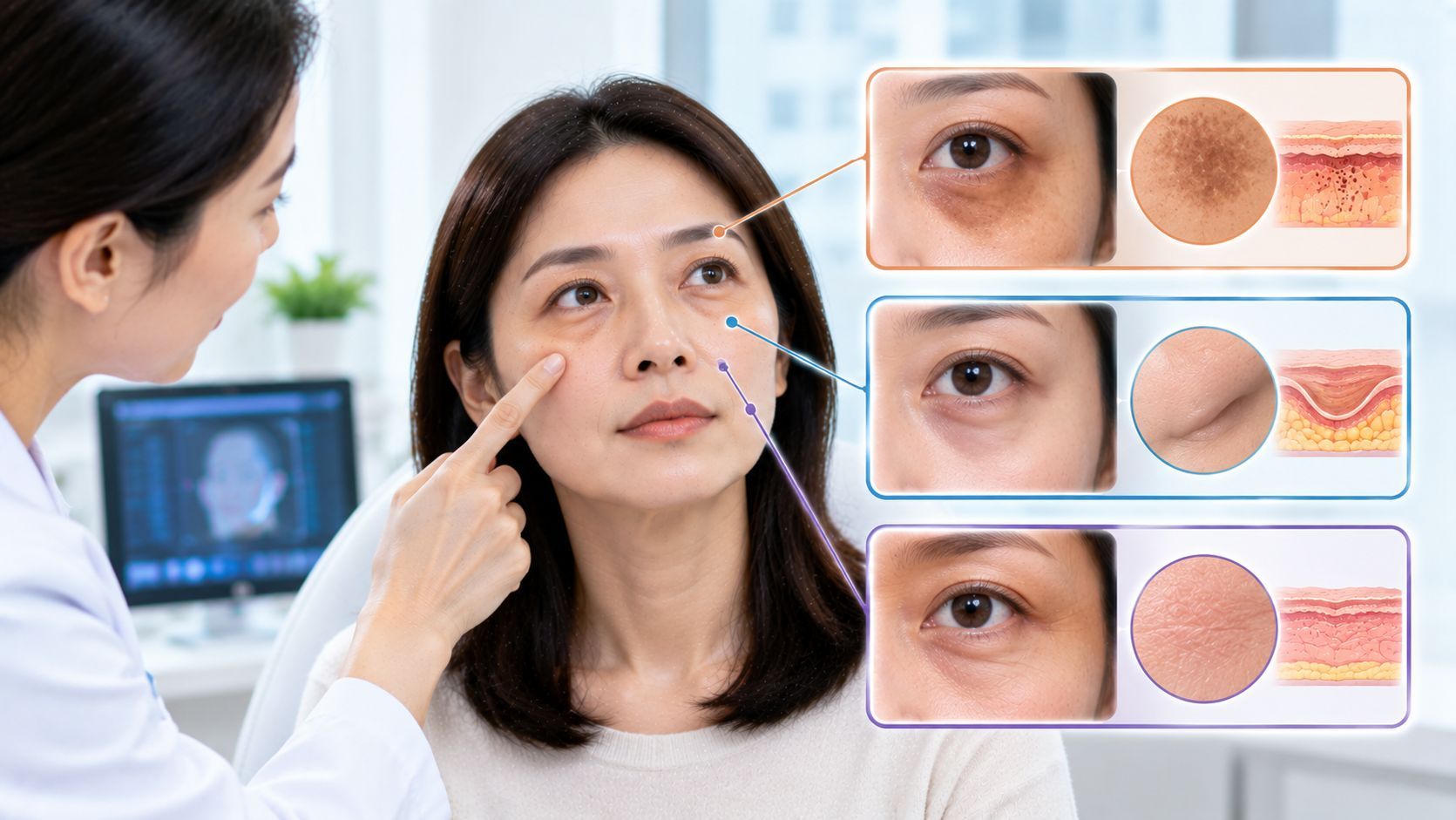
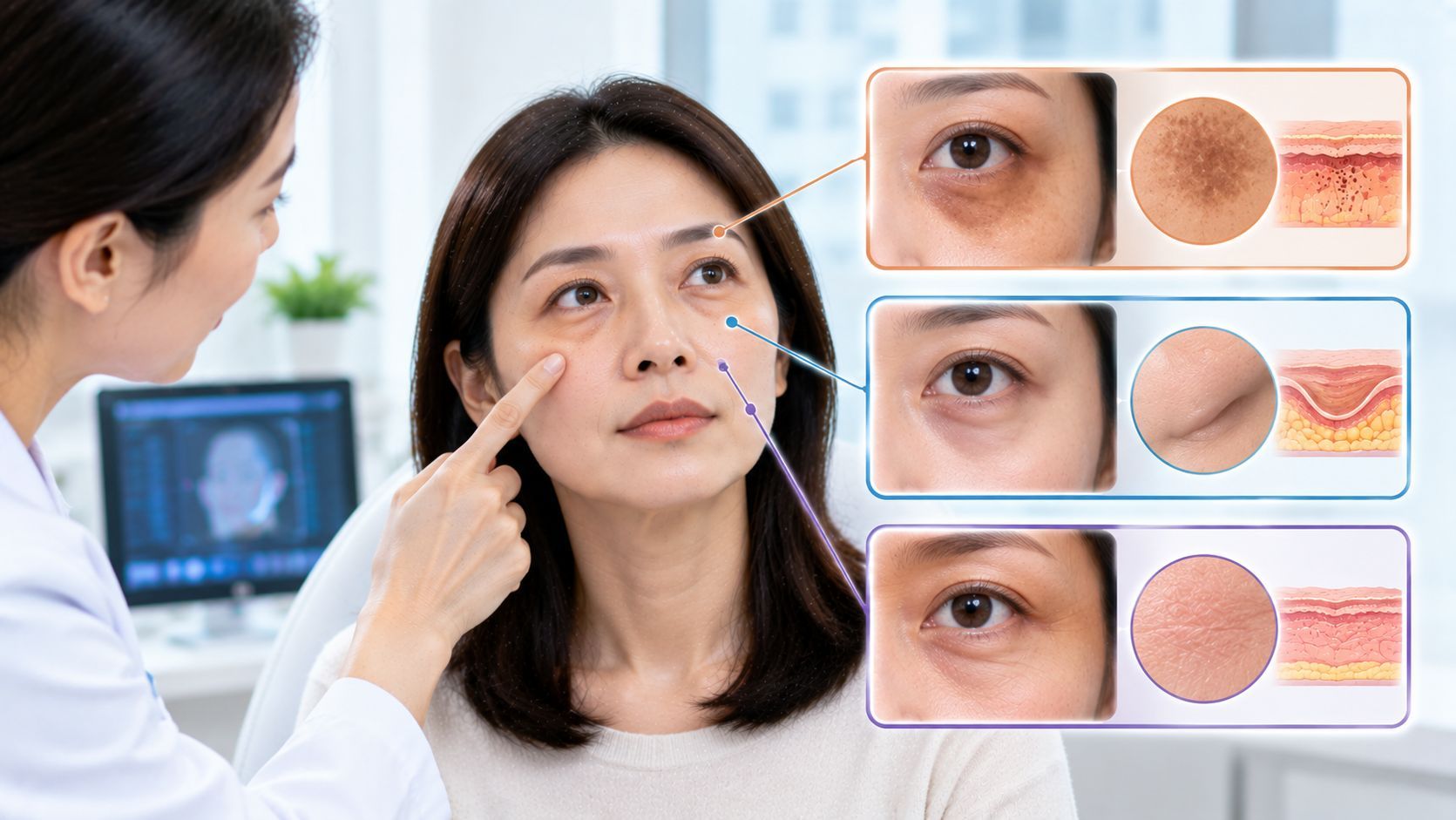
What Makes Darker Skin More Vulnerable to Laser-Related PIH?
Darker skin contains more epidermal melanin. Depending on the laser wavelength and settings, that melanin can absorb some of the energy intended for the treatment target.
When treatment produces excessive inflammation or thermal injury, melanocytes may become more active, leading to darker patches afterward. PIH is particularly common and sometimes persistent in skin of color.
The risk depends on more than your skin tone. A dermatologist should also consider:
- Your Fitzpatrick skin type
- Previous reactions to lasers or peels
- Whether you develop dark marks after acne or minor injuries
- Recent tanning or sun exposure
- Active acne or inflammation
- The laser wavelength
- Energy and treatment density
- Number of passes
- Cooling and recovery protocols
Therefore, saying that one technology is simply "safe for dark skin" can be misleading.
How RF Microneedling Differs From Laser
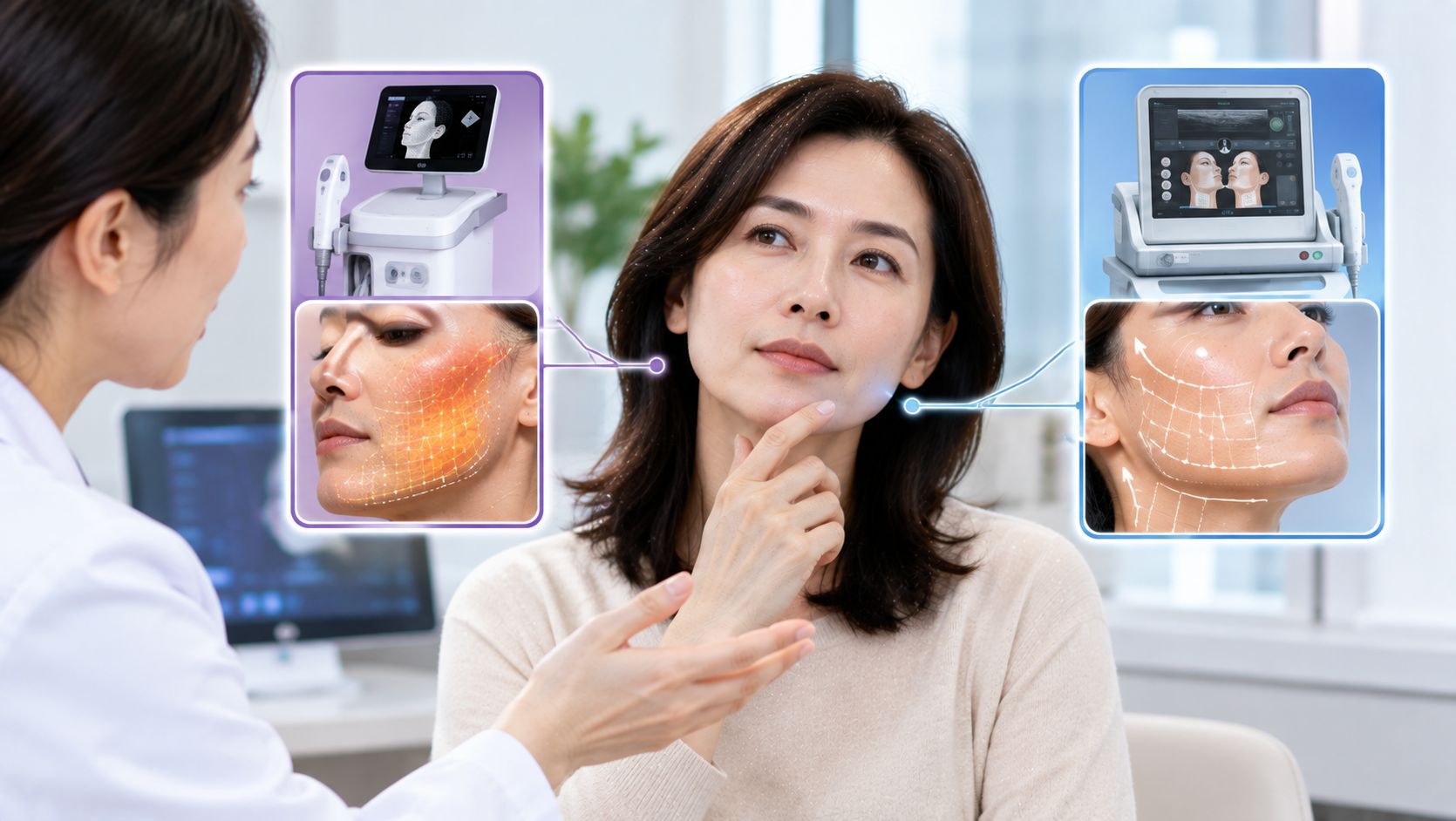
RF microneedling combines mechanical microneedling with radiofrequency energy.
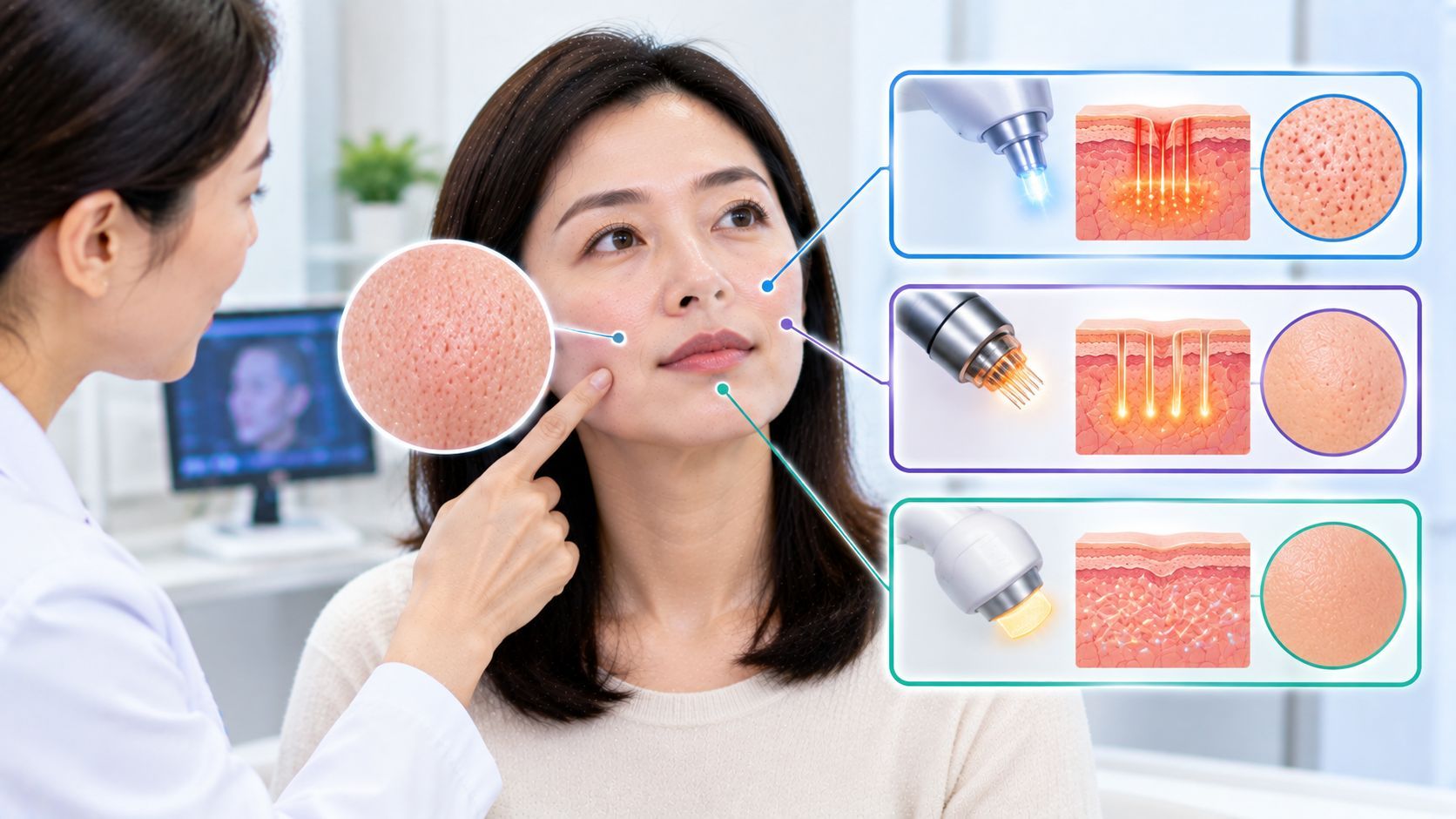
Tiny needles penetrate the skin to a controlled depth, and RF energy is delivered within the tissue. The goal is to create controlled thermal stimulation that encourages remodeling and collagen production while limiting injury to the superficial epidermis.
This is different from many resurfacing lasers, where light energy is delivered through the skin surface.
Why This May Matter for Darker Skin
Because RF microneedling can deliver energy below the epidermis, it does not rely on the same interaction between laser light and epidermal melanin.
A review specifically examining RF and RF microneedling in Fitzpatrick III–VI found successful use for acne scars, wrinkles and skin rejuvenation, with generally low rates of scarring and hyperpigmentation. However, transient PIH was reported in some studies.
So the better description is potentially lower pigment risk, not zero pigment risk.
RF Microneedling vs Laser for Darker Skin
FactorRF MicroneedlingLaserMain energyRadiofrequencyLightEnergy deliveryInto selected skin depthDepends on laser; may interact strongly with epidermisMelanin interactionLess dependent on epidermal melaninVaries substantially by wavelengthPIH riskGenerally low but possibleHighly dependent on laser and settingsAcne scarsUseful for many scar typesFractional lasers can be effectiveSkin textureCan improve textureMany lasers improve textureSkin tighteningCan stimulate dermal remodelingDepends on laser typeDowntimeUsually limited, but variesRanges from minimal to substantialDarker skinOften considered a useful optionRequires careful device and parameter selection
This does not mean RF microneedling should replace laser treatment. Non-ablative fractional lasers, for example, have demonstrated efficacy in darker phototypes when appropriately selected and conservatively used.
When RF Microneedling May Be Particularly Useful
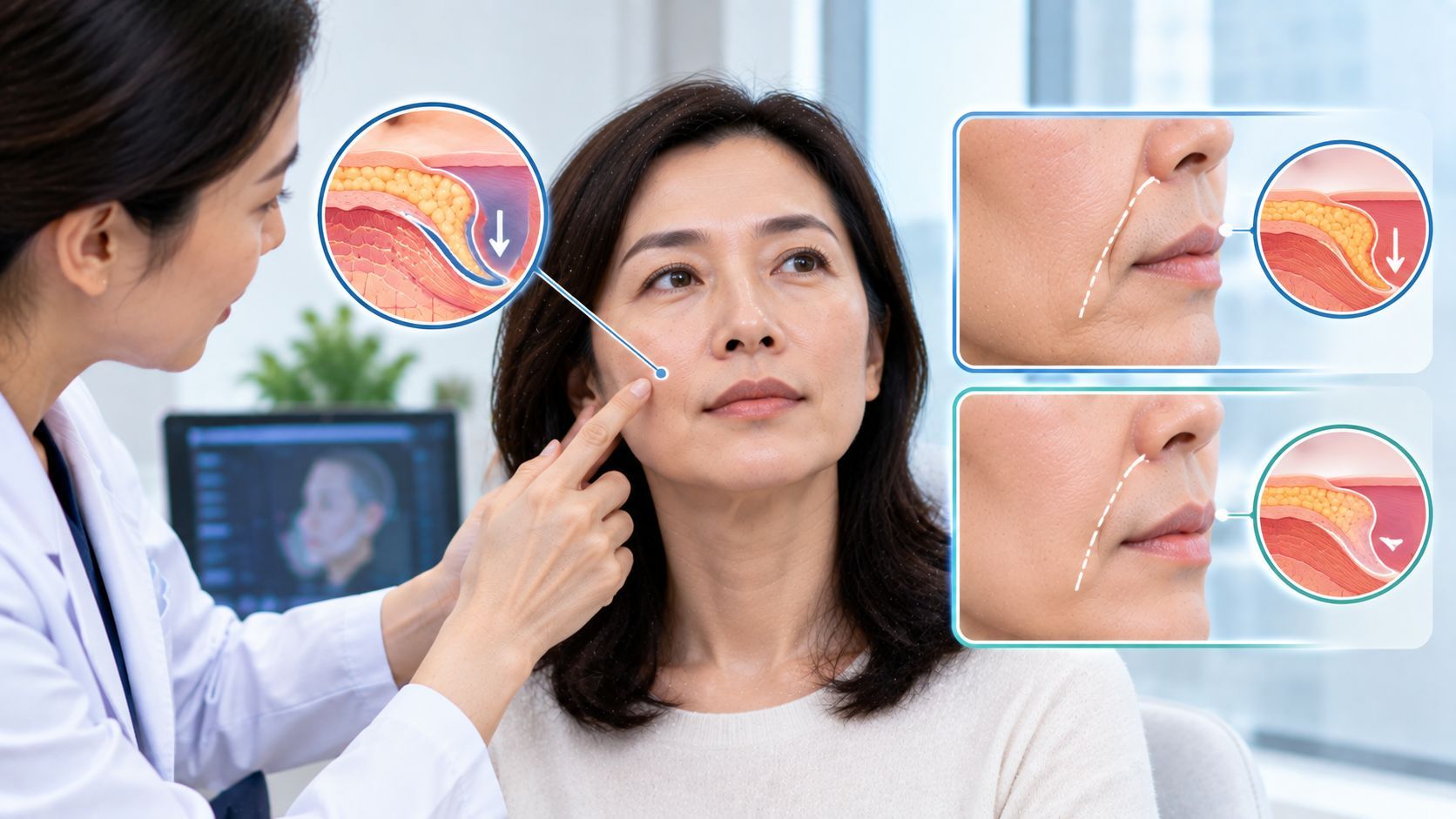
RF microneedling can be considered when the main concern involves acne scars, uneven texture, mild laxity or collagen remodeling, especially when avoiding substantial epidermal injury is a priority.
For acne scarring, evidence suggests RF microneedling can be effective in skin of color, although the evidence base is not as extensive as it is for some laser technologies.
It may be particularly attractive if you have a history such as:
- Dark marks after acne
- PIH after previous procedures
- Fitzpatrick IV–VI skin
- Concern about aggressive resurfacing
- Acne scars combined with mild skin laxity
- A preference for shorter recovery
However, the scar type still matters. Rolling scars, boxcar scars and ice-pick scars have different underlying structures and may require different treatments.
When a Laser May Still Be Appropriate
Darker skin does not mean you should automatically avoid lasers.
Certain non-ablative fractional lasers have favorable evidence in darker phototypes, and specific 1064-nm Nd:YAG approaches can be useful in selected pigment-related conditions. Appropriate parameters are critical.
Laser treatment may therefore make sense when the dermatologist believes its specific wavelength and treatment pattern address your problem more directly than RF microneedling.
The key question is not simply:
"Is laser safe for dark skin?"
A better question is:
"Is this particular laser, wavelength, energy level and treatment density appropriate for my skin and my specific condition?"
Can RF Microneedling Still Cause Hyperpigmentation?
Yes.
RF microneedling is not risk-free. The procedure intentionally creates controlled thermal injury, so excessive energy, inappropriate depth, repeated passes or poor technique can still produce inflammation and pigmentary changes.
The 2023 review of RF microneedling in skin of color identified cases of transient PIH, along with a smaller number of prolonged pigmentary complications.
The newer literature also continues to describe RF microneedling as promising for darker skin, but emphasizes that treatment parameters and comparative effectiveness are not yet completely standardized.
How a Korean Dermatologist Can Reduce the Risk
If you are considering treatment in Seoul, tell the dermatologist about your previous pigment reactions rather than simply saying that you have "dark skin."
Useful information includes:
- Explain how easily you develop dark marks.
- Mention previous laser, peel or microneedling reactions.
- Tell the doctor if you recently tanned.
- Show photographs of previous PIH if you have them.
- Ask what energy, depth and density will be used.
- Ask whether a test area is appropriate.
- Discuss your required recovery time before treatment.
- Follow the clinic's post-treatment photoprotection instructions carefully.
Photoprotection is particularly important because UV exposure can worsen pigmentation after inflammatory skin procedures.
Should You Choose RF Microneedling Instead of Laser?
There is no universal answer.
If your primary concern is acne scarring or texture and you have darker skin with a strong history of PIH, RF microneedling may be worth discussing because it has a favorable safety record in skin of color and delivers energy beneath the epidermis.
But if your primary problem is pigmentation, vascular redness, specific scar morphology or another condition for which a particular laser has a strong indication, a carefully selected laser may still be appropriate.
Your dermatologist should choose the technology based on skin type + condition + treatment target + PIH history + device parameters, rather than skin color alone.
Conclusion
RF microneedling may have a lower risk of pigmentary complications than some resurfacing lasers for darker skin, but it is not automatically safer in every situation. Its advantage comes partly from delivering radiofrequency energy below the epidermis, reducing direct dependence on epidermal melanin.
Laser treatment can also be appropriate for darker skin when the correct wavelength, conservative settings and treatment strategy are selected. The most important factor is individualized treatment rather than choosing a technology simply because it is marketed as "safe for dark skin."
For international patients considering treatment in Korea, a consultation should include a discussion of your Fitzpatrick skin type, PIH history, previous procedures, current tanning or inflammation and the exact device and settings being considered.
Frequently Asked Questions
Is RF microneedling completely safe for darker skin?
No. It may have a favorable safety profile in darker skin, but excessive thermal injury can still cause PIH, prolonged redness or other complications.
Is RF microneedling better than laser for dark skin?
Neither is universally better. RF microneedling may be attractive for certain scars, texture and tightening concerns, while selected lasers can be appropriate for other indications.
Can darker skin get fractional laser treatment?
Yes. Non-ablative fractional lasers have been studied in darker phototypes, but conservative parameters and appropriate patient selection are important.
Does RF microneedling treat acne scars?
It can improve certain types of acne scarring by stimulating dermal remodeling. Treatment choice should depend on whether scars are rolling, boxcar, ice-pick or primarily pigment-related.
Should I tell my Korean dermatologist that I get PIH easily?
Absolutely. A history of developing dark marks after acne, cuts, burns or previous procedures can materially affect treatment planning.
Can RF microneedling cause burns?
Yes. Because RF produces heat within tissue, inappropriate energy, depth or technique can cause thermal injury. Device settings should be selected by a qualified medical professional.