My Pores Only Look Large When I Wear Makeup. What Should I Treat?
Introduction
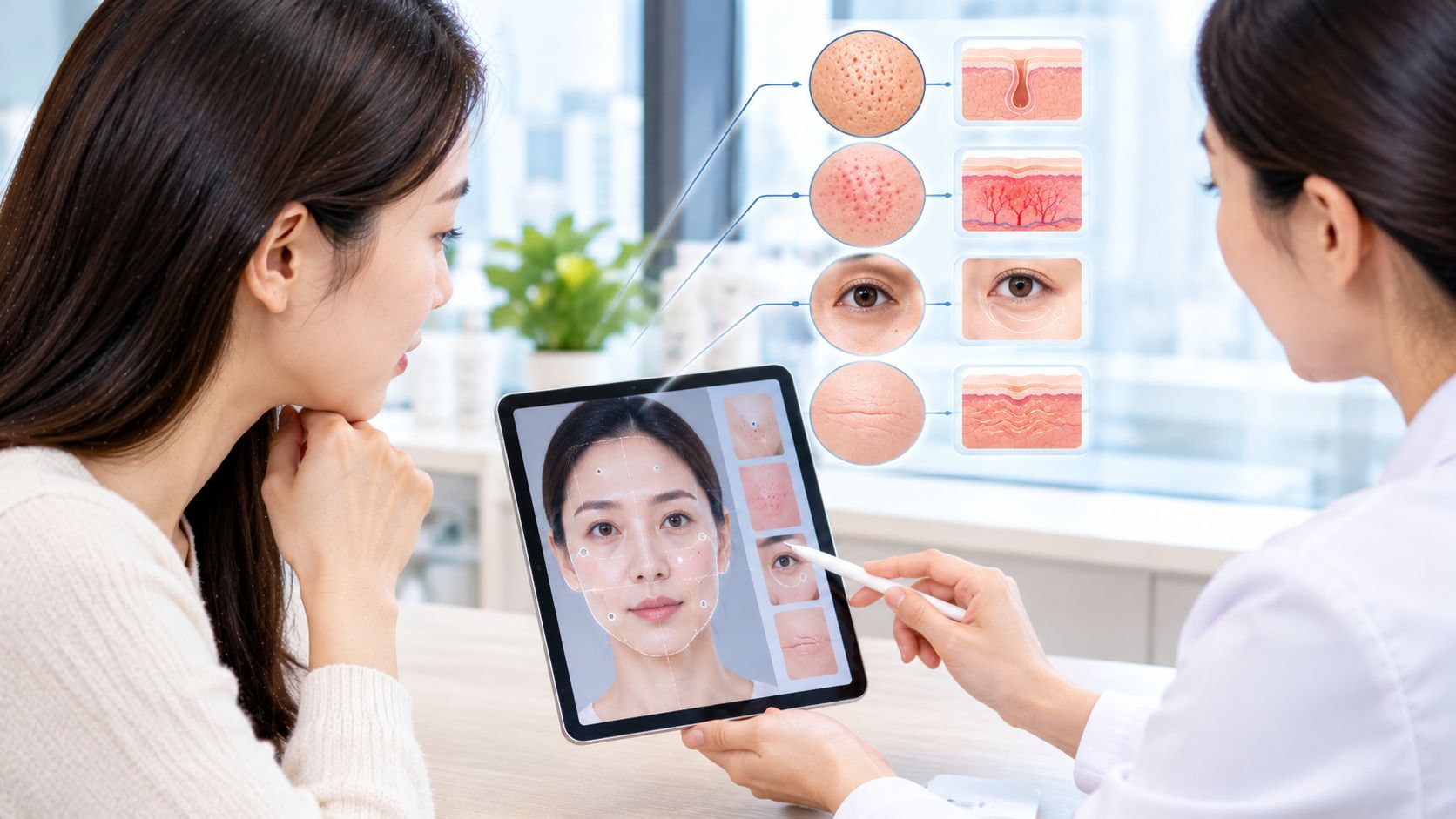
If your pores look relatively normal on bare skin but suddenly appear much larger after applying foundation or concealer, the problem may not actually be pore size. Makeup can settle into pores, emphasize dry patches, collect around sebaceous filaments, and create shadows that make normal pores look much more noticeable.
This is important because aggressive pore treatments may not solve a problem that is primarily related to makeup application, dehydration, skin texture, or product buildup.
The first step is to determine whether you have genuinely enlarged pores or whether makeup is simply making normal skin texture more visible.
Why Do Pores Look Larger With Makeup?
Pores are normal openings associated with hair follicles and sebaceous glands. Their visible size varies with genetics, oil production, skin elasticity, age, and the surrounding skin texture.
Makeup can exaggerate their appearance for several reasons.
Foundation Settles Into Pores
Liquid or cream foundation can collect around the openings of pores. Instead of creating a smooth visual surface, it can make each pore appear darker or deeper.
This is particularly noticeable around the nose, inner cheeks, and areas with higher oil production.
Dry Skin Makes Texture More Visible
When the skin surface is dehydrated or flaky, foundation may cling unevenly.
The combination of dry skin and makeup can create a rough, patchy appearance that makes pores look larger than they actually are.
Sebum Can Change the Appearance of Makeup
Oil production throughout the day can break down foundation. As the product mixes with sebum, pores may become more visually prominent.
This can make the problem appear worse several hours after applying makeup.
Heavy Coverage Can Emphasize Texture
Thick layers do not necessarily hide pores.
In some people, additional foundation actually creates more visible texture because there is more product available to settle into pores and fine lines.
How Can You Tell If Your Pores Are Actually Enlarged?
Try examining your skin before makeup in consistent, natural lighting.
If the pores are only obvious after makeup application, consider whether the issue is primarily cosmetic rather than structural.
You can also compare:
- Bare skin versus foundation-covered skin
- Morning versus evening
- Well-hydrated versus dry skin
- Lightweight makeup versus full coverage
- Different foundation formulas
If pores remain very visible without makeup, there may be a genuine pore or texture concern that could benefit from treatment.
What Should You Treat First?
Start With Skin Preparation
If makeup makes your pores look worse, improving the skin underneath it may be more useful than immediately pursuing a procedure.
A simple routine can include:
- Gentle cleansing
- Appropriate moisturizer
- Daily sunscreen
- Non-comedogenic makeup when suitable
- Carefully selected exfoliation
- Ingredients such as niacinamide or salicylic acid when appropriate
If your skin is oily, excessively rich products underneath makeup may also contribute to separation and buildup.
If your skin is dry, however, trying to control pores by aggressively removing oil can make the surface more irritated and textured.
Consider Salicylic Acid for Congested Pores
Salicylic acid can penetrate into oily pores and help reduce buildup.
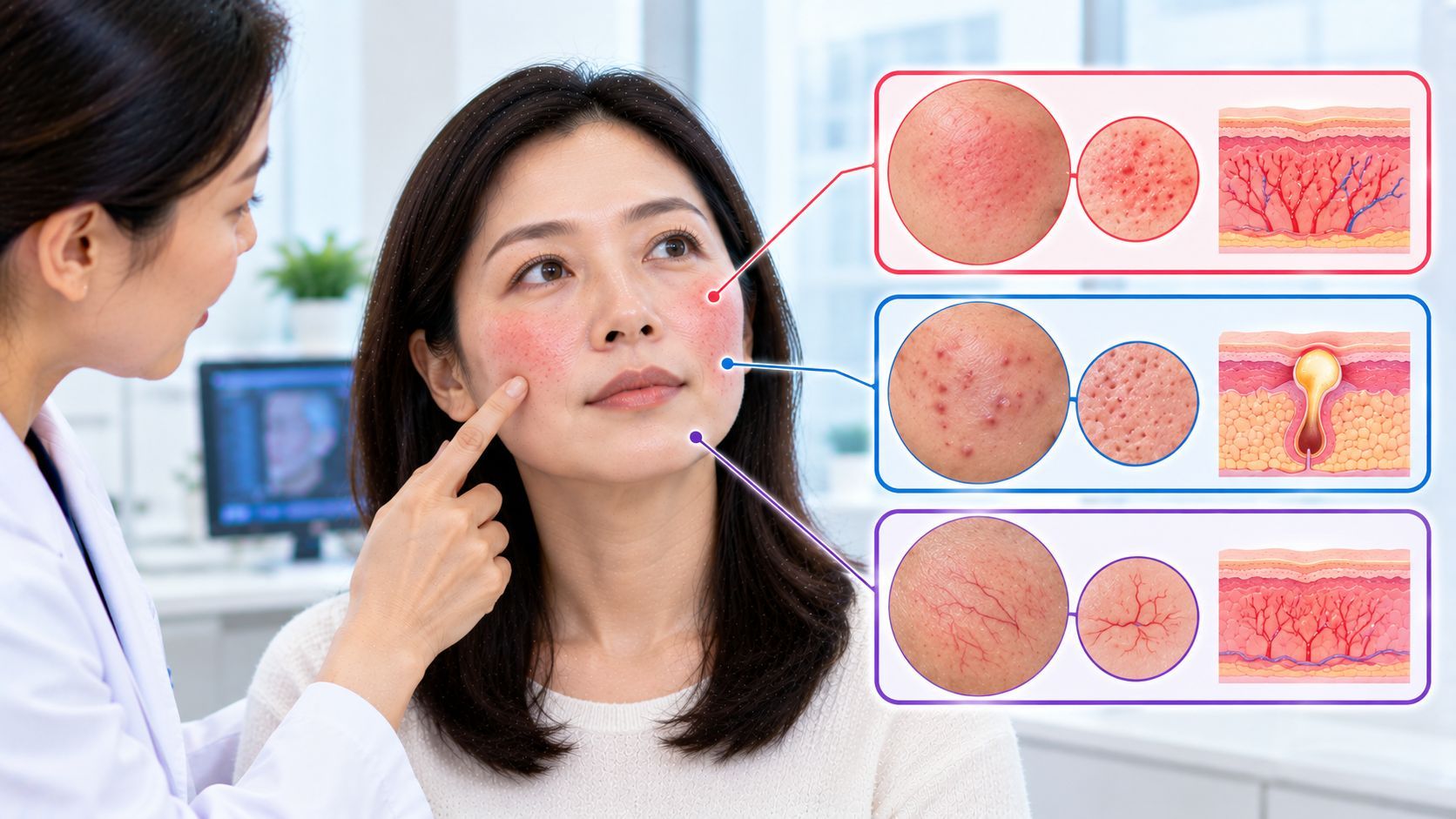
It may be useful when enlarged-looking pores are accompanied by sebaceous filaments or congestion.
However, more frequent application is not automatically better. Overuse can cause irritation and dryness, which may make makeup sit even worse.
Retinoids May Help Over Time
Topical retinoids can support cell turnover and may improve aspects of acne, congestion, and skin texture.
They generally require consistent use rather than providing an immediate cosmetic change.
Because irritation can worsen visible dryness, they should be introduced appropriately and paired with adequate skin-barrier care.
What Professional Treatments Can Help?
If pores remain visibly enlarged without makeup, professional treatment may be worth considering.
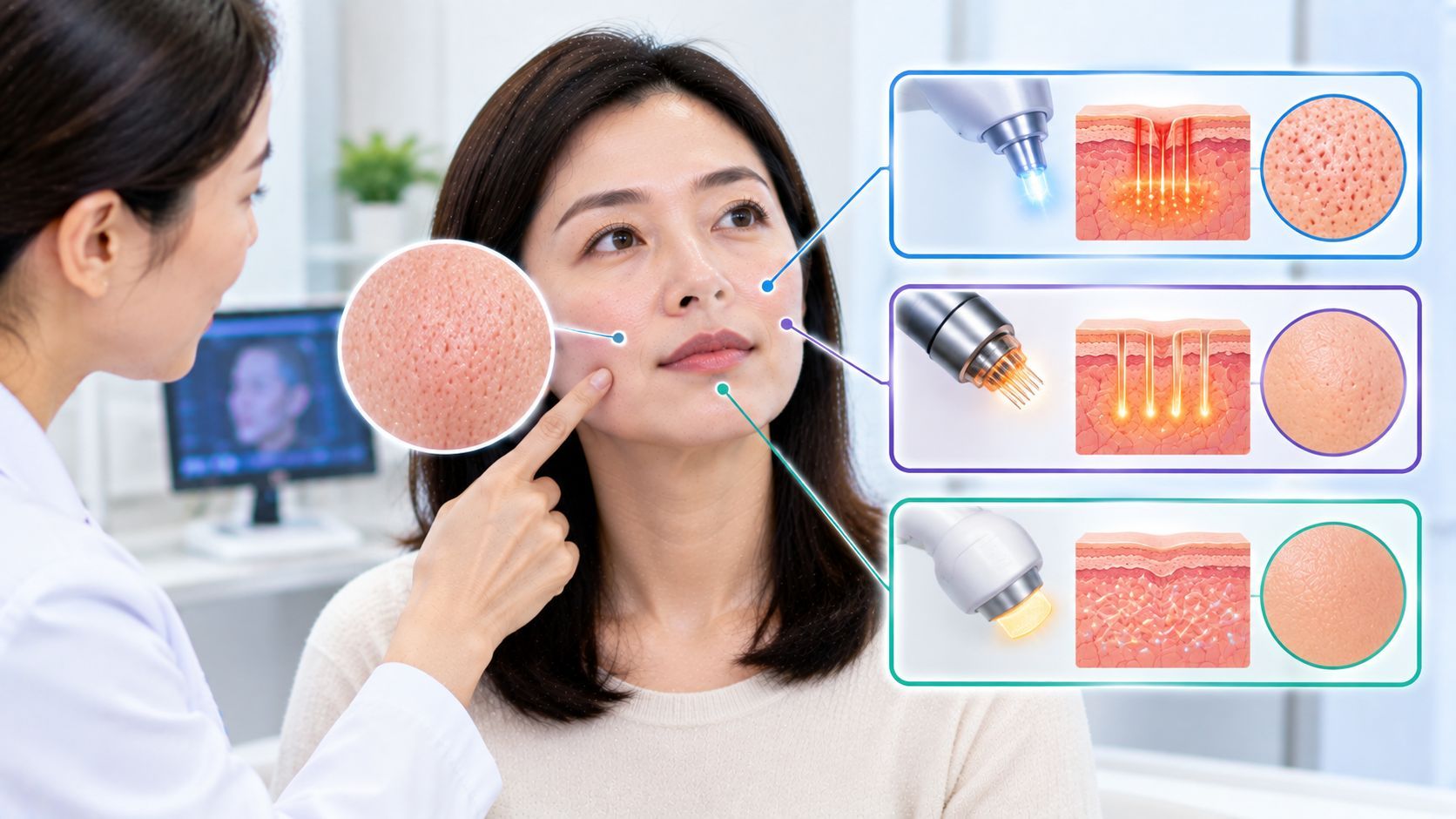
RF Microneedling
RF microneedling is commonly considered when enlarged pores are associated with uneven texture, mild acne scars, or reduced skin firmness.
The treatment creates controlled micro-injuries and delivers radiofrequency energy into the skin to encourage remodeling.
It may be more appropriate when the problem involves the skin surrounding the pore, rather than simply the pore opening itself.
Several sessions may be recommended depending on the severity of the concern.
Laser Treatments
Selected fractional or other laser treatments may improve texture and the appearance of enlarged pores.
The appropriate laser depends on skin type, pigmentation tendency, texture, and the specific problem being treated.
Laser treatment also involves potential downtime and risks such as prolonged redness, irritation, or pigmentation changes.
For patients with a higher tendency toward post-inflammatory pigmentation, treatment settings and device selection require particular care.
Chemical Peels
Superficial chemical peels may help with surface texture, oiliness, and congestion.
They can be useful when pores look more prominent because of buildup around the openings.
However, peels cannot permanently erase pores. Their role is to improve the surrounding skin and surface appearance.
Skin Boosters
Some injectable skin-quality treatments may improve hydration and certain aspects of skin texture.
They may be considered when the skin looks rough or dehydrated in addition to having visible pores.
However, skin boosters should not be presented as treatments that physically eliminate pores. They are more relevant to overall skin quality.
Do You Need Pore Treatment at All?
This is an important question.
If your pores look acceptable without makeup and your main complaint is that foundation emphasizes them, treating the pores aggressively may be unnecessary.
The more appropriate solution may be:
- Improve hydration.
- Adjust your makeup preparation.
- Use a lighter or more suitable foundation.
- Avoid excessive powder.
- Use a primer designed for your skin type.
- Reassess your pores on bare skin.
Professional treatment becomes more relevant when the pores are consistently visible without makeup and are accompanied by genuine textural concerns.
What If Only the Nose and Inner Cheeks Look Enlarged?
You may not need full-face treatment.
Pores naturally tend to be more visible around areas with greater sebaceous-gland activity, particularly around the nose and central cheeks.
A dermatologist can assess whether localized treatment makes more sense than treating the entire face.
This can be especially useful for medical tourists who want to avoid unnecessary procedures during a short Seoul visit.
Could Aging Make Makeup Emphasize Pores More?
Yes.
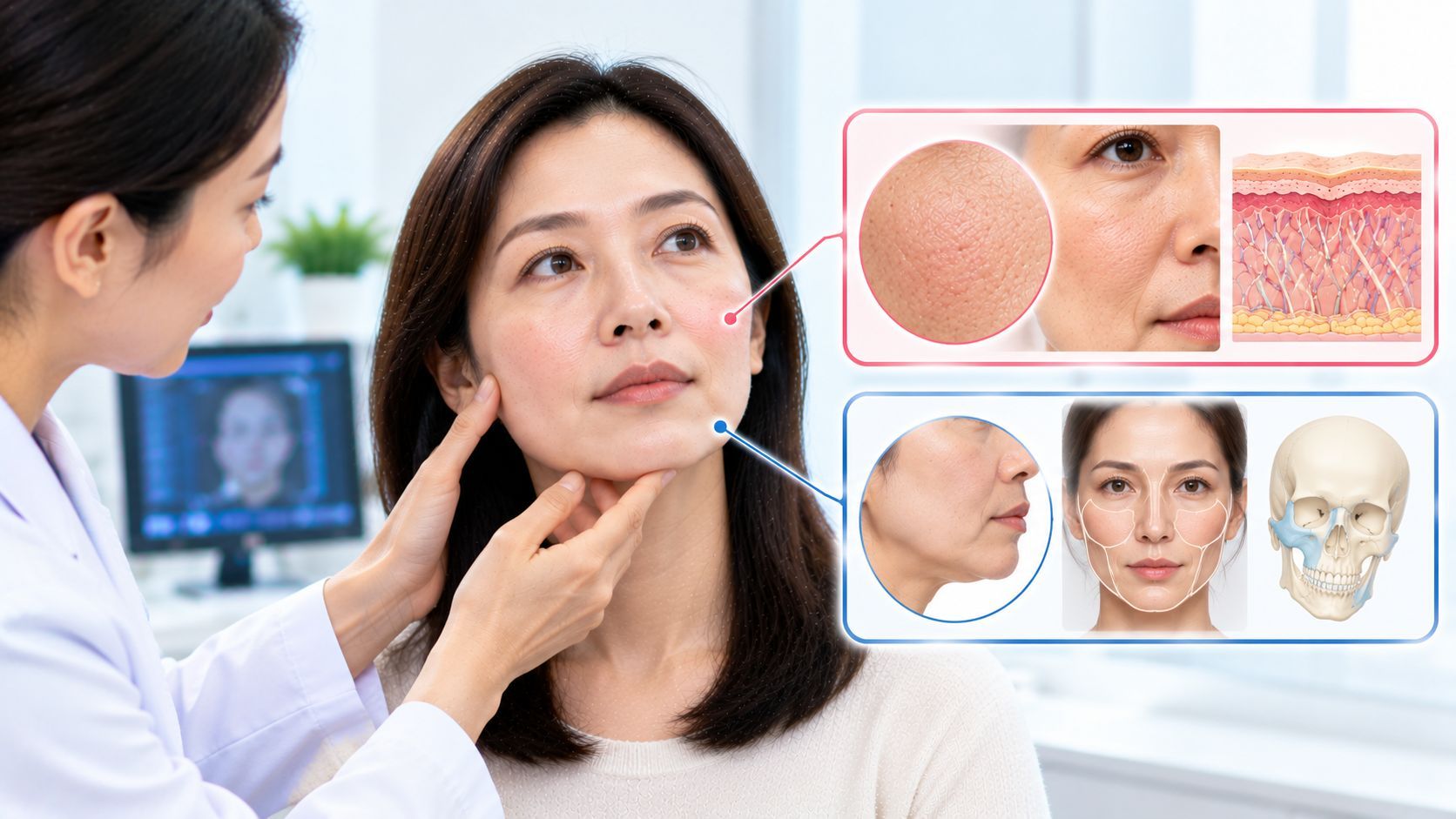
As skin ages, collagen and elastin changes can reduce the structural support around pores. Decreased firmness can make pores appear more stretched.
At the same time, skin may become drier and thinner in certain areas.
This combination can make makeup sit differently than it did years earlier.
In that situation, simply using stronger exfoliation may not solve the problem. A dermatologist may instead consider whether skin-quality or collagen-remodeling treatment is appropriate.
What About “Pore-Shinking” Treatments?
Be cautious with claims that a treatment will permanently close or eliminate pores.
Pores are normal anatomical structures. Treatments generally aim to reduce their visibility, not remove them.
The improvement may come from:
- Better surrounding skin texture
- Reduced congestion
- Improved firmness
- More consistent hydration
- Smoother surface reflection
The goal should be realistic rather than completely poreless skin.
Treatment Options at a Glance
Main problemPossible approachPores visible only with makeupMakeup and skin-preparation changesDry, flaky textureBarrier repair and hydrationOily/congested poresSalicylic acid or selected peelsPersistent enlarged poresRF microneedling or selected laserPores plus acne scarsScar-specific combination treatmentPores plus laxitySelected collagen-remodeling treatmentPores plus dehydrationSkin-quality and hydration-focused care
The correct treatment depends on the underlying cause rather than the appearance alone.
Questions to Ask at a Seoul Dermatology Consultation
If you are considering pore treatment in Seoul, ask:
- Are my pores actually enlarged?
- Does makeup make them appear worse than they are?
- Is dehydration contributing to the appearance?
- Do I have sebaceous filaments or congestion?
- Would RF microneedling be appropriate for my skin?
- Would a peel or laser address my specific concern?
- Do I need full-face treatment?
- How much downtime should I expect?
- What is a realistic improvement rather than a “poreless” result?
A good consultation should focus on the cause rather than simply recommending a procedure marketed for pores.
Conclusion
If your pores only look large after makeup, do not assume that you need an intensive pore treatment.
Foundation can settle into pores, emphasize dryness, mix with oil, and highlight normal skin texture. Before considering laser or RF microneedling, compare your bare skin with your makeup-covered skin under consistent lighting.
If your pores remain noticeably enlarged without makeup, particularly when combined with acne scars, roughness, congestion, or reduced firmness, professional treatment may be appropriate.
The goal is not to eliminate normal pores. It is to make the skin surrounding them smoother, healthier, and more even so they become less visually prominent.
FAQs
Why do my pores look bigger after foundation?
Foundation can settle into pore openings and combine with oil or dry surface cells, making normal pores appear darker and deeper.
Should I get laser if makeup makes my pores look large?
Not necessarily. If the pores look normal on bare skin, improving skincare and makeup application may be more appropriate than laser treatment.
Can RF microneedling reduce visible pores?
It can improve the appearance of pores in selected patients, particularly when enlarged pores are associated with uneven texture or reduced skin firmness.
Can moisturizer make pores look smaller?
Moisturizer cannot physically shrink pores, but improving dehydration can make the surrounding skin look smoother and may reduce how noticeable pores appear.
Does salicylic acid permanently shrink pores?
No. It can help reduce oil and buildup inside pores, making them appear less noticeable, but pores remain normal anatomical structures.
Do I need to treat my whole face for enlarged pores?
Not always. If the concern is concentrated around the nose or inner cheeks, a dermatologist may determine that localized treatment is more appropriate.