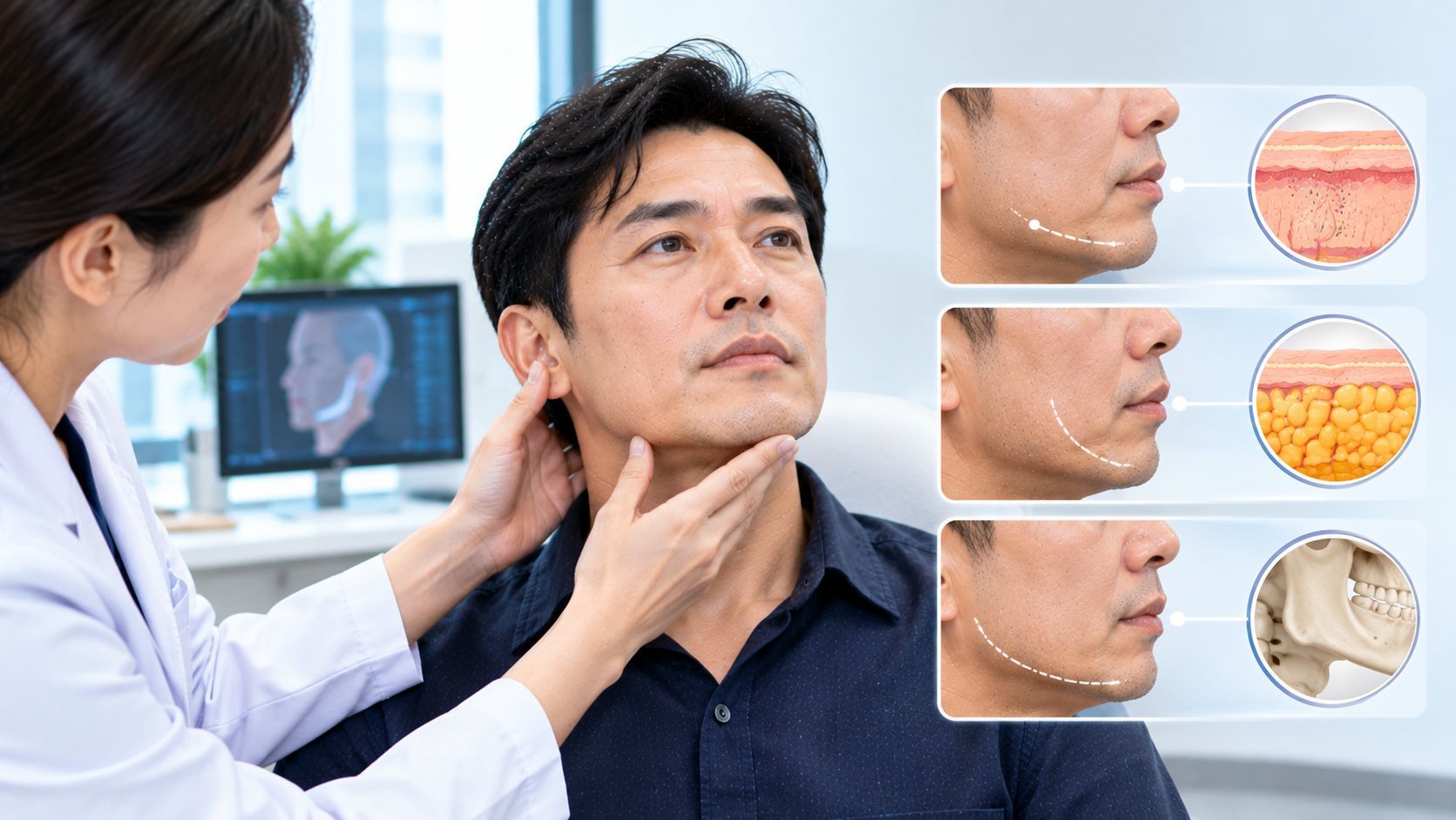
Is Rejuran Useful for Menopausal Skin?
Introduction
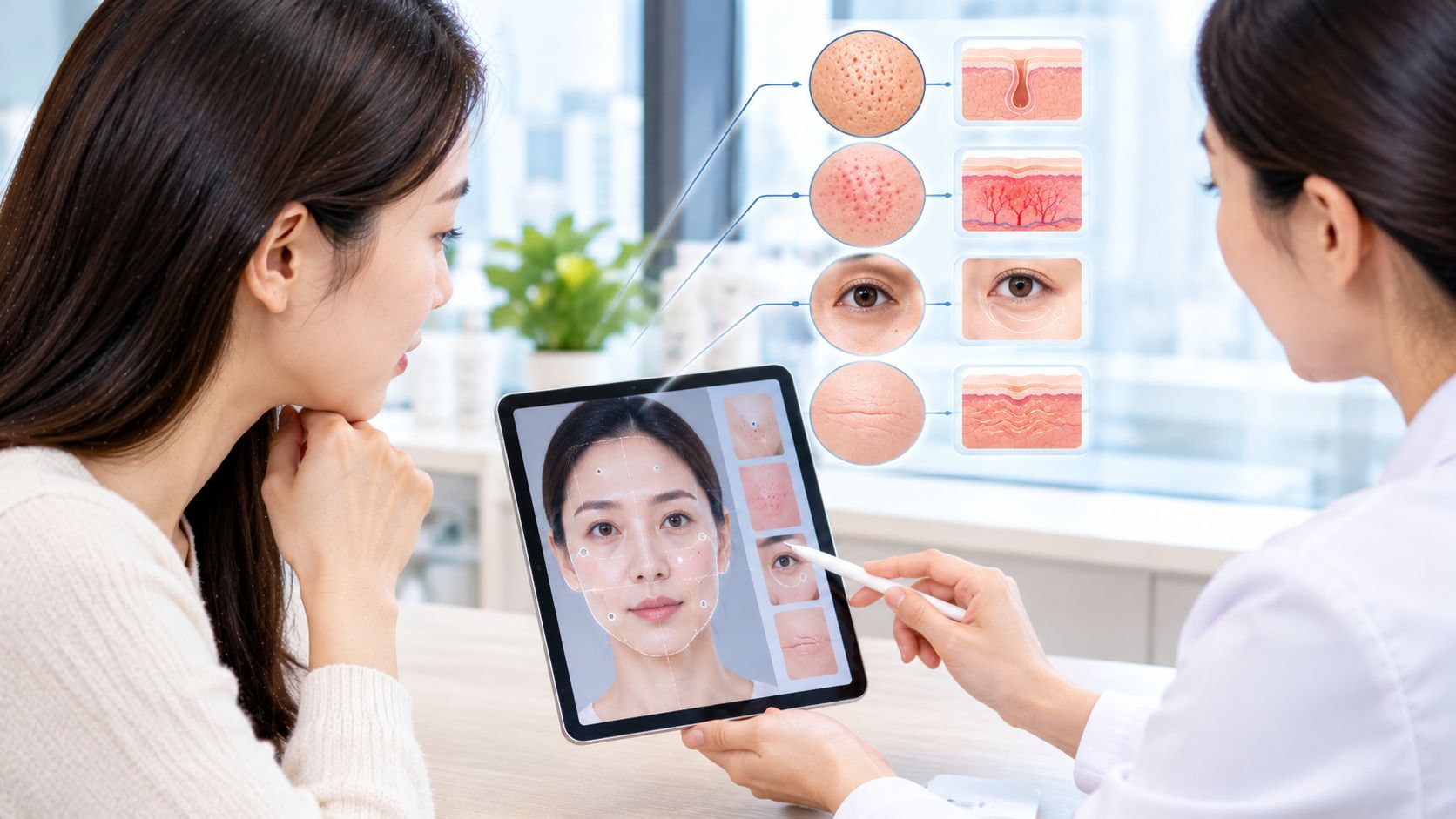
Rejuran is a popular skin-quality treatment in Korea, and it is often considered by women whose skin becomes thinner, drier, less elastic, or more lined after menopause. But is Rejuran actually useful for menopausal skin?
It may be useful for selected menopausal skin concerns, particularly reduced skin quality, fine lines, texture changes, and some loss of elasticity. However, Rejuran does not replace estrogen, reverse menopause, or restore all of the collagen lost with age. It is better understood as a skin-rejuvenation treatment that may support improvements in skin quality rather than a complete solution for menopausal facial aging.
Research on polynucleotide treatments is promising but still developing. A systematic review found potential improvements in wrinkles, texture, and elasticity, while also noting that the available studies are relatively limited and vary in quality and treatment protocols.
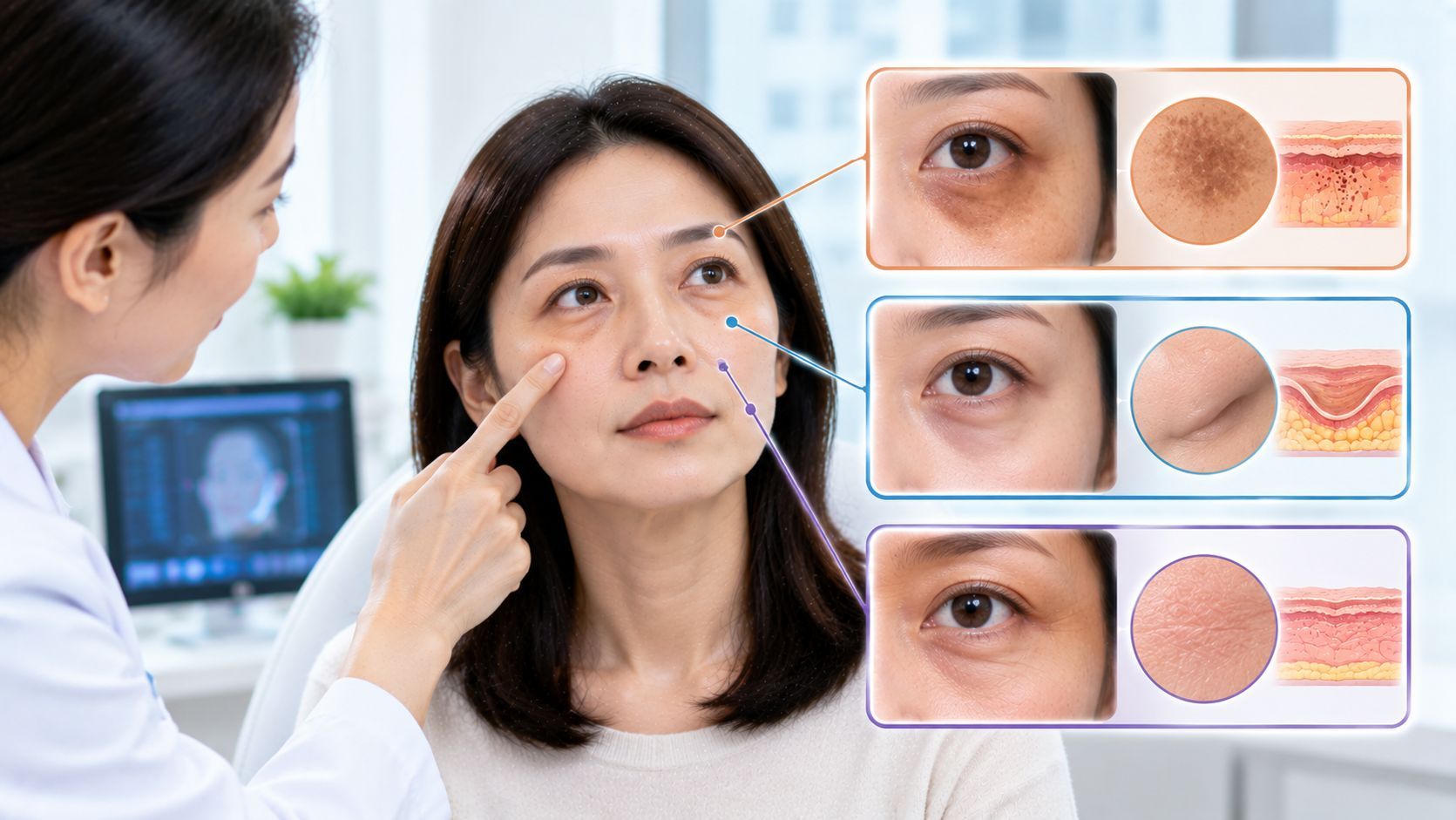
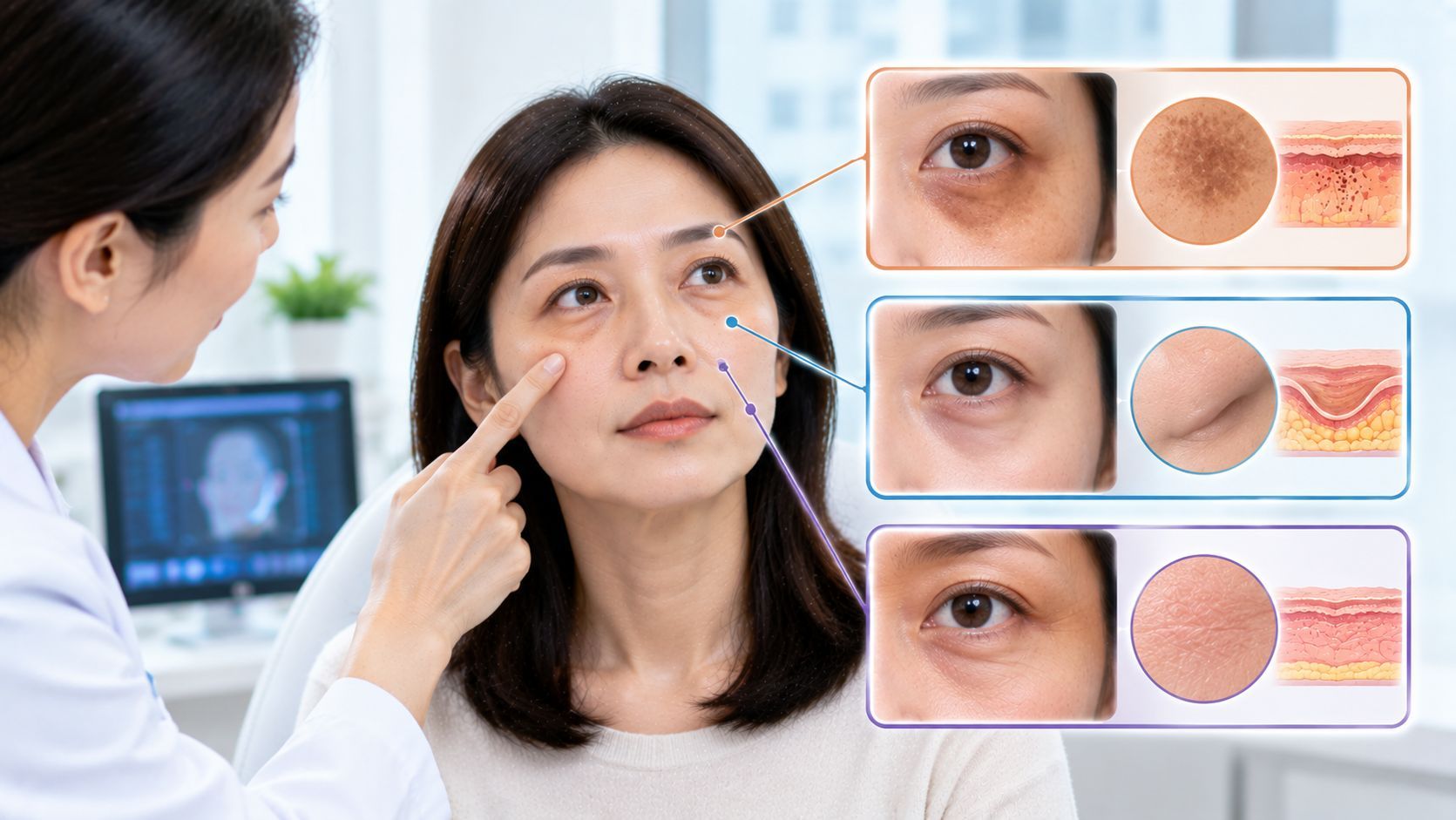
Why Does Menopause Change the Skin?
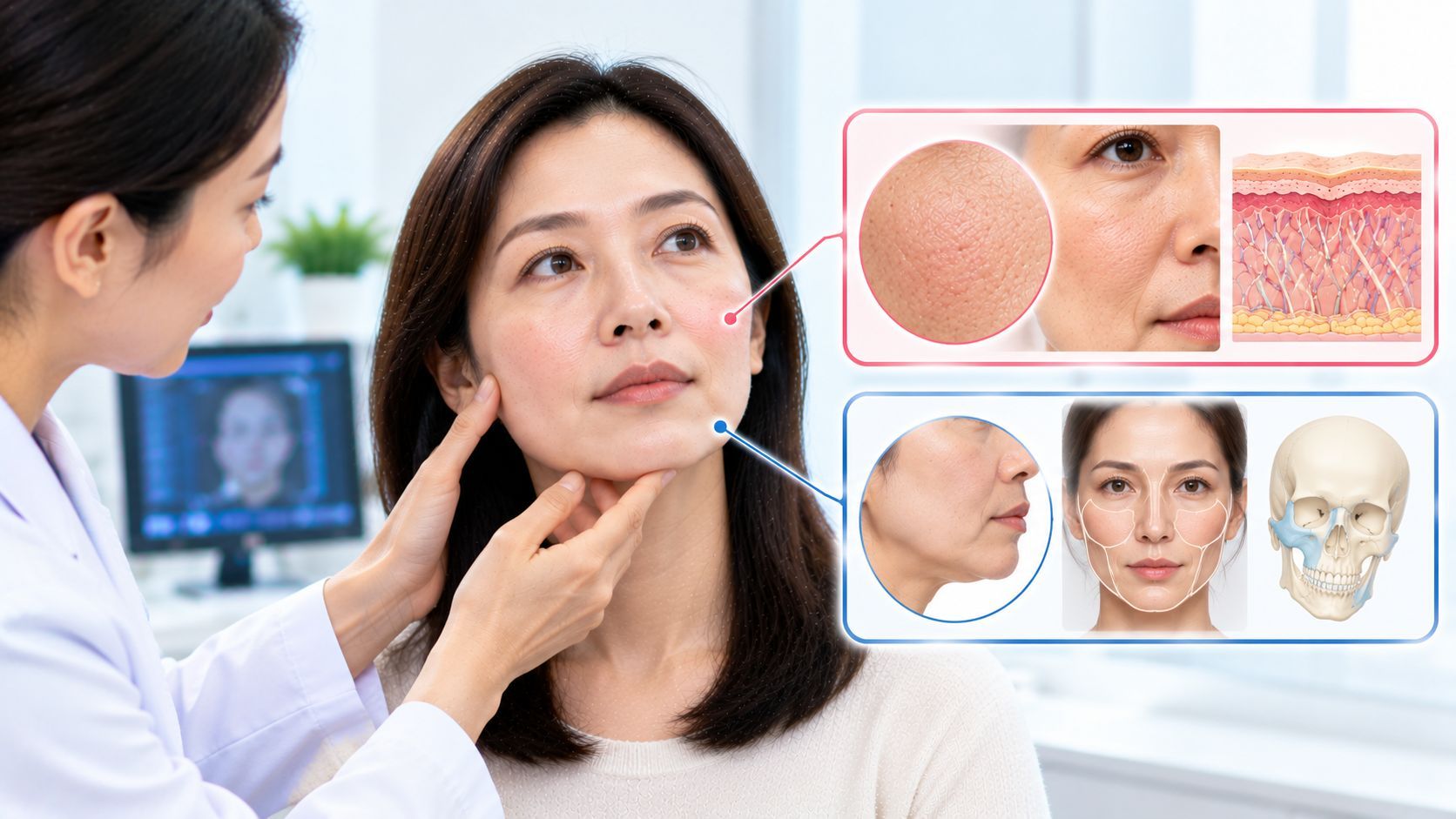
Menopause is associated with a significant decline in estrogen. Estrogen influences several aspects of skin structure and function, including collagen, elasticity, hydration, and the skin barrier.
Research has consistently associated estrogen deficiency after menopause with reduced dermal collagen, thinner skin, dryness, and reduced elasticity.
As a result, some women notice:
- Fine lines becoming more visible
- Drier or tighter-feeling skin
- Reduced elasticity
- Crepey-looking skin
- More noticeable pores
- Uneven texture
- Increased sensitivity
- Loss of facial firmness
- More visible neck lines
- Changes in the appearance of the lower face
However, not every menopausal skin problem is caused by collagen loss. Facial volume changes, sun damage, natural aging, pigmentation, and weight changes can also contribute.
What Is Rejuran?
Rejuran is a polynucleotide-based injectable treatment used in aesthetic dermatology. Polynucleotides are being investigated for their potential regenerative and tissue-remodeling effects.
Clinical research has reported improvements in aspects of skin quality such as elasticity, wrinkles, and texture, although the evidence base is still developing.
This distinction is important:
Rejuran is not hormone replacement therapy and should not be described as directly replacing the collagen lost because of menopause.
Instead, it may be considered when the goal is to improve the overall quality and appearance of the skin.
Can Rejuran Help Menopausal Skin?
It May Help With Skin Quality
Menopausal skin can become thinner and less resilient. Rejuran may be considered when the primary concern is skin quality rather than significant facial sagging.
Potential treatment goals can include improving:
- Fine lines
- Skin texture
- Elasticity
- Hydration-related appearance
- Overall skin smoothness
- Crepey-looking skin
Studies of polynucleotide treatments have reported improvements in these areas, although treatment protocols and products differ between studies.
It May Be More Appropriate for Fine Lines Than Major Sagging
If your main concern is that your skin feels less firm but does not have substantial excess skin, a skin-quality treatment may be worth discussing.
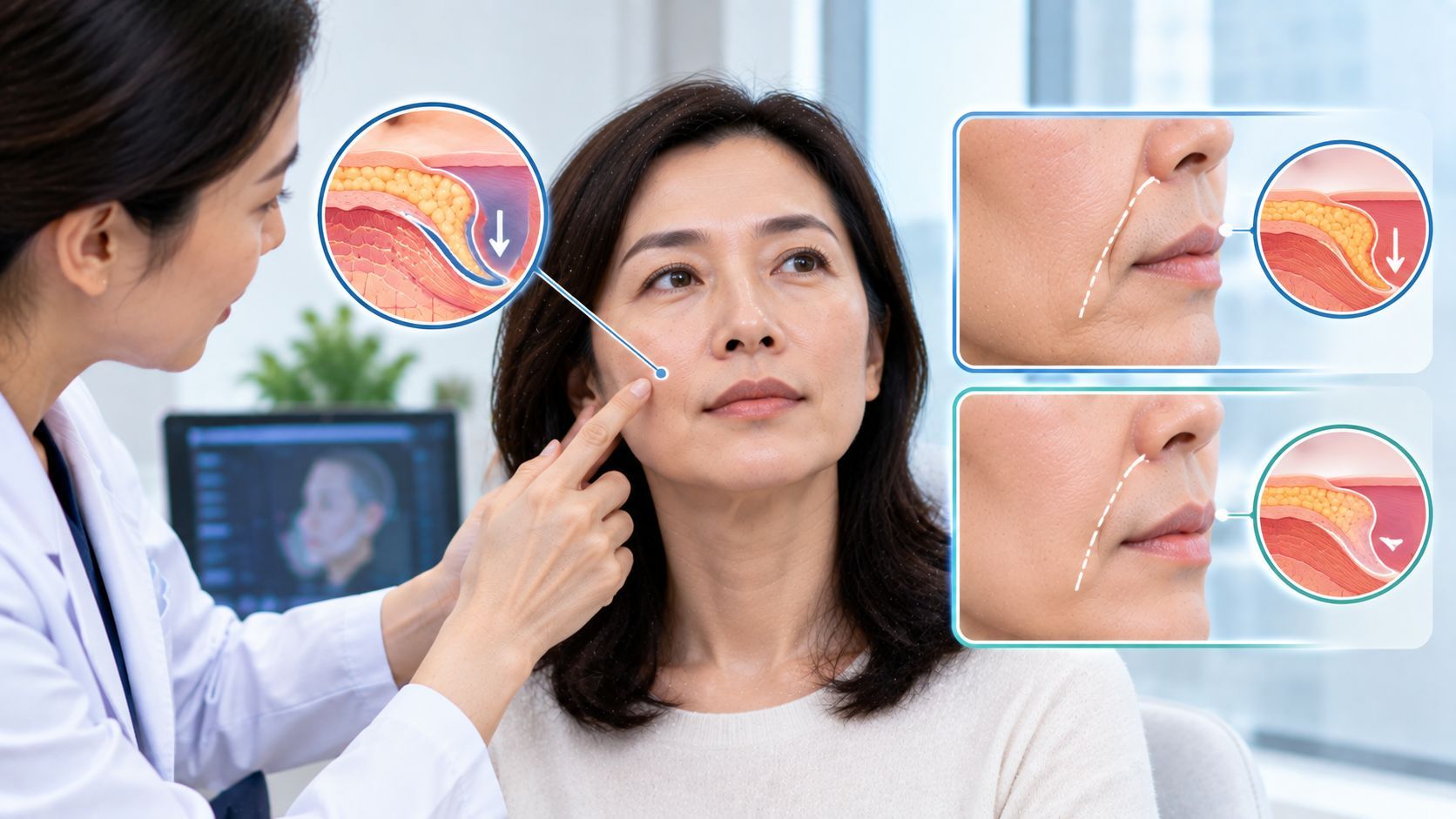
However, Rejuran should not be expected to lift pronounced jowls or remove significant loose skin.
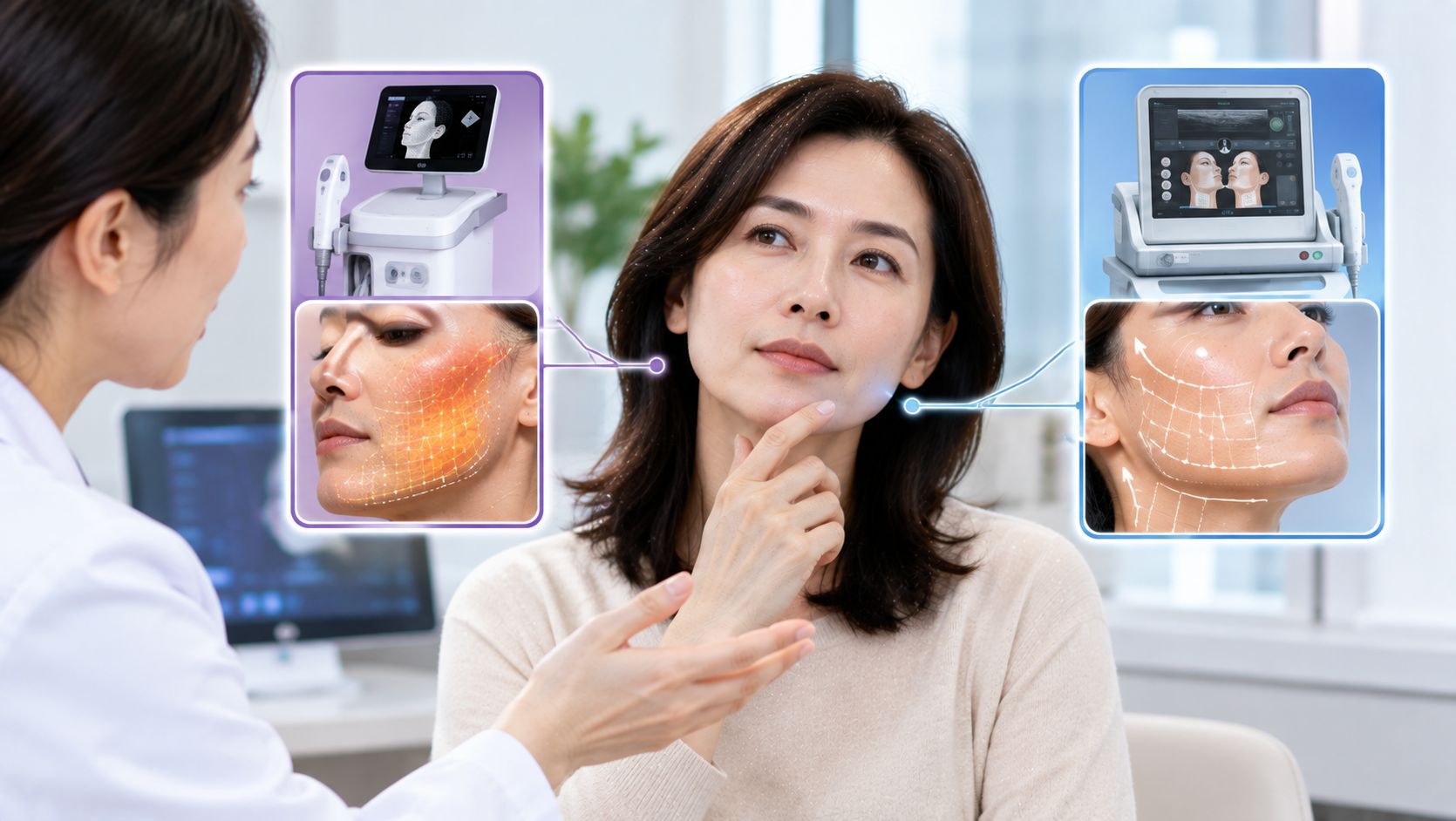
For more obvious laxity, a dermatologist may instead consider treatments such as radiofrequency or focused ultrasound, depending on the patient's anatomy and skin thickness.
It May Complement Other Treatments
Menopausal facial aging can involve several problems at once.
For example, someone may have:
- Thin, dry skin
- Fine lines
- Mild jawline laxity
- Loss of cheek volume
- Pigmentation
- Reduced elasticity
Rejuran might address the skin-quality component, while another treatment could be considered for laxity, pigmentation, or volume loss.
That does not mean that combining multiple procedures is automatically better. Treatment should be based on the actual problems identified during consultation.
What Does Rejuran Not Treat Well?
Understanding the limitations is just as important as understanding the potential benefits.
Significant Facial Volume Loss
If menopause or weight loss has caused hollow cheeks, temples, or under-eye volume loss, Rejuran is not a substitute for a volumizing treatment.
A clinician may need to determine whether filler, a collagen-stimulating injectable, fat-based treatment, or another approach is more appropriate.
Severe Skin Sagging
Rejuran is not a facelift.
If there is substantial excess skin around the jawline or neck, an injectable skin-quality treatment may provide only limited improvement.
Menopause Symptoms
Rejuran does not treat hot flashes, sleep problems, vaginal symptoms, or other systemic effects of menopause.
It also does not replace medical evaluation for menopausal hormone therapy.
Rejuran vs RF for Menopausal Skin
The two treatments can have different purposes.
ConcernRejuranRFFine linesMay helpMay helpSkin qualityMain focusSecondary benefitElasticityMay improveMay improveMild laxityLimited/moderate roleMore directly targetedSignificant saggingLimitedMay help selected casesDry-looking skinMay improve skin qualityNot the primary targetFacial volume lossDoes not restore substantial volumeDoes not restore volumeTreatment methodInjectableEnergy-based
There is no universal answer as to which is better.
If the dominant concern is skin quality, Rejuran may be discussed. If the dominant concern is laxity, RF may be more directly relevant. Some patients may eventually use both as part of a carefully planned treatment strategy.
What About HIFU or Other Collagen Treatments?
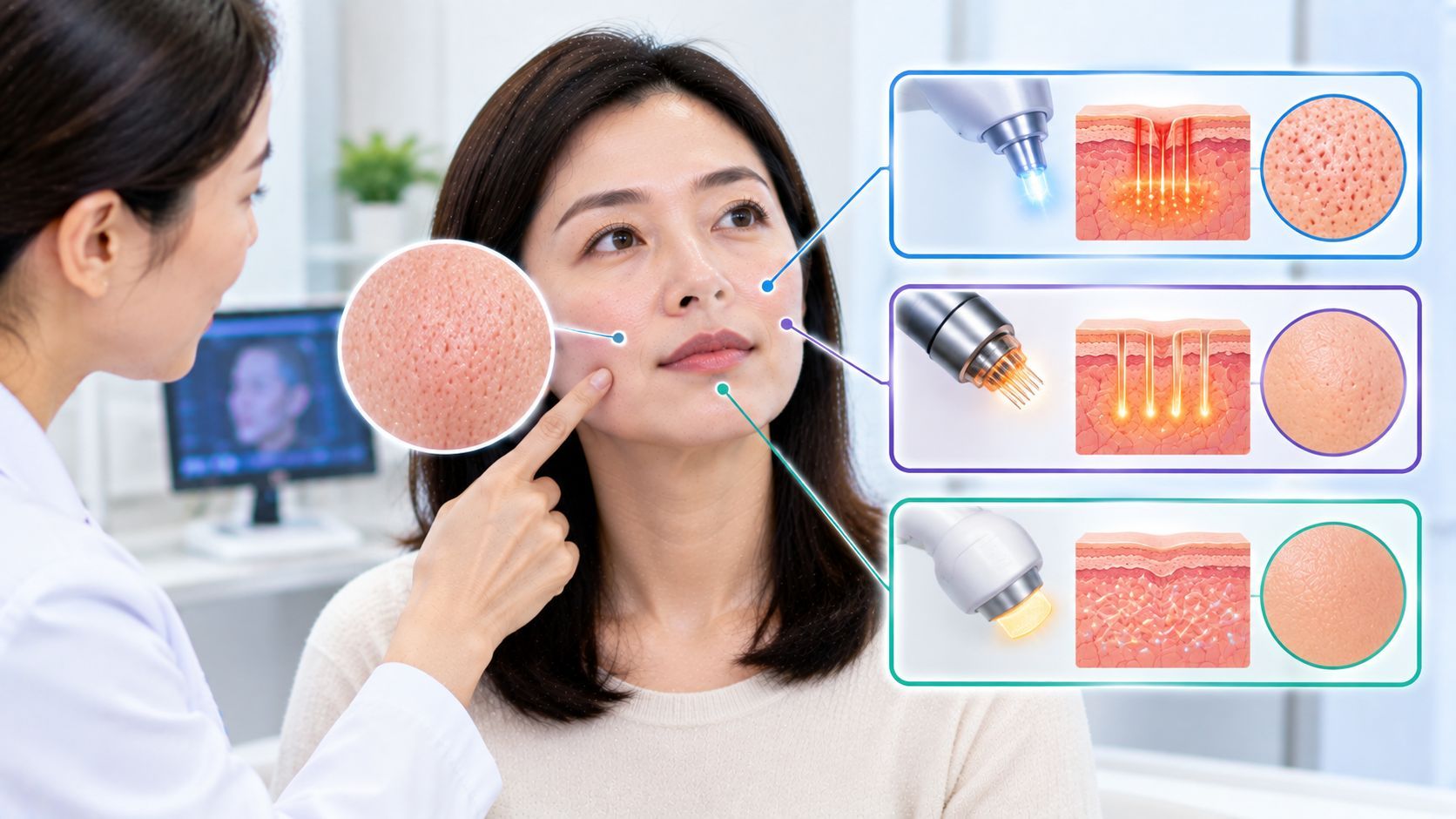
HIFU or microfocused ultrasound may be considered when menopausal changes include lower-face or neck laxity.
Other collagen-focused options can include:
- RF microneedling
- Conventional microneedling
- Selected lasers
- Collagen-stimulating injectables
- Other energy-based procedures
These treatments are not interchangeable.
For example, a collagen-stimulating injectable may also provide some structural or volume-related effect, whereas Rejuran is generally positioned more toward skin quality.
The right choice depends on the tissue that needs to be treated rather than simply selecting the treatment marketed as the strongest collagen stimulator.
How Many Rejuran Treatments Might Be Needed?
Treatment schedules vary depending on the product, injection technique, treatment area, skin condition, and clinic protocol.
Rejuran is generally not an instant transformation. Improvements, when they occur, tend to develop progressively.
A clinician may recommend a series of treatments followed by maintenance depending on the patient's response.
It is better to ask a clinic:
- Why do I need multiple sessions?
- What improvement should I realistically expect?
- When should I evaluate the result?
- How long might the improvement last?
- What maintenance schedule is appropriate?
- What alternatives are available?
Avoid choosing a treatment plan solely because a clinic recommends a particular number of sessions.
What Are the Possible Side Effects?
Because Rejuran involves injections, temporary reactions can occur.
Possible effects include:
- Small raised bumps at injection points
- Redness
- Swelling
- Bruising
- Tenderness
- Temporary irritation
The systematic review of polynucleotide treatments found that reported side effects were generally mild and temporary, but it also emphasized the limited quality and heterogeneity of the existing evidence.
As with other injectable procedures, proper technique, sterile practice, appropriate product selection, and qualified medical supervision are important.
Should Menopausal Women Consider Hormone Therapy Instead?
This is a separate medical question.
Research indicates that menopausal hormone therapy can affect skin collagen, elasticity, and thickness. A systematic review and meta-analysis reported improvements in collagen content, skin thickness, and elasticity with menopausal hormone therapy, while also noting the need for additional well-conducted research.
However, hormone therapy is not simply a cosmetic skin treatment.
Whether it is appropriate depends on a person's menopausal symptoms, age, medical history, risks, and overall health. A gynecologist or other qualified healthcare professional should make that assessment.
Rejuran and hormone therapy therefore should not be treated as interchangeable treatments.
Could Rejuran Be Appropriate for an International Patient Visiting Seoul?
For international patients considering Rejuran in Korea, the consultation should begin with identifying the actual skin problem.
Ask the clinic:
- Is my main issue collagen loss, dryness, laxity, or volume loss?
- Is Rejuran appropriate for my skin thickness?
- Which Rejuran formulation is being recommended?
- What areas will be treated?
- How much swelling or bruising should I expect?
- How many sessions are typically recommended?
- How long should I stay in Seoul after treatment?
- What should I avoid during recovery?
- Who should I contact if I develop an unexpected reaction?
- What follow-up is available after I return home?
This is especially important if you have limited time in Seoul and need to schedule treatment around flights, sightseeing, or work.
How Can You Support Menopausal Skin Between Treatments?
Professional treatment should not replace basic skin care.
A menopausal skincare routine can include:
- Daily broad-spectrum sunscreen
- A gentle cleanser
- A fragrance-free moisturizer when appropriate
- Careful introduction of retinoids or retinol
- Avoiding excessive exfoliation
- Adequate nutrition and hydration
- Avoiding smoking
Because menopausal skin can be more sensitive and dry, introducing multiple active ingredients simultaneously may increase irritation.
Conclusion
Rejuran can be useful for selected menopausal skin concerns, especially when the main problem is declining skin quality, fine lines, texture, or elasticity. Current evidence for polynucleotide treatments is encouraging, but it remains less established than some long-standing dermatological treatments, and studies vary in quality and methodology.
Rejuran should not be viewed as a replacement for estrogen, a solution for significant facial volume loss, or a substitute for surgical treatment of substantial loose skin.
For menopausal patients in Seoul, the most useful approach is to have the skin assessed as a whole. Rejuran may be one component of a broader plan that could also involve skincare, RF, HIFU, laser treatment, volume restoration, or other procedures depending on the individual's concerns.
Frequently Asked Questions
Is Rejuran good for menopausal skin?
It may be useful for selected menopausal skin concerns such as fine lines, texture, elasticity, and overall skin quality. It is not a treatment for menopause itself.
Does Rejuran increase collagen?
Polynucleotides are thought to support tissue remodeling and may influence collagen-related processes. Clinical studies have reported improvements in skin quality, but the evidence is still developing and should not be interpreted as complete replacement of lost collagen.
Is Rejuran better than RF after menopause?
Neither is universally better. Rejuran is primarily a skin-quality treatment, while RF is more directly used for firmness and selected degrees of laxity. The appropriate option depends on the patient's main concern.
Can Rejuran fix sagging jowls after menopause?
Rejuran may improve skin quality but is unlikely to correct substantial excess skin or advanced jowling by itself. Significant laxity requires a different assessment.
Can I combine Rejuran with other Korean treatments?
It can sometimes be incorporated into a broader treatment plan, but combining procedures should be based on skin condition, treatment goals, recovery requirements, and safety rather than simply adding as many treatments as possible.
How long does Rejuran take to show results?
Rejuran is generally considered a gradual skin-quality treatment rather than an instant lifting procedure. The timing and degree of improvement vary between individuals and treatment protocols.