What Would a Good Seoul Anti-Aging Treatment Plan Look Like for a Woman in Her Late 50s After Menopause?
Introduction
A good Seoul anti-aging treatment plan for a woman in her late 50s after menopause should not be based on age alone or on choosing the most intensive procedure available. Menopause can contribute to dryness, thinning, reduced elasticity, collagen loss, wrinkles and facial laxity, while sun exposure, genetics, weight changes and natural aging can add to these changes. The American Academy of Dermatology notes that menopausal skin can become dry, thin and slack, with collagen loss contributing to sagging and wrinkles.
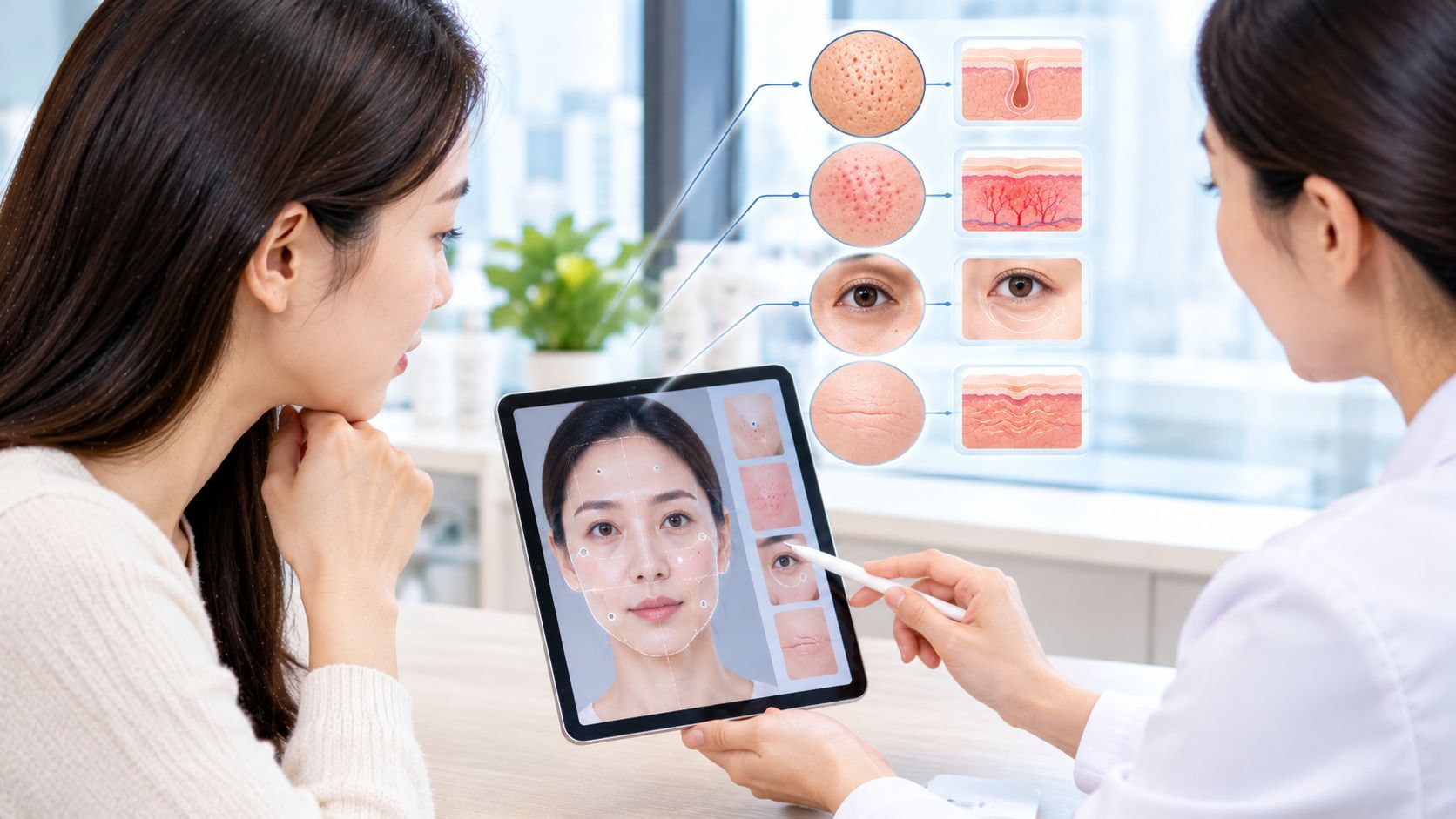
For an international patient visiting Seoul, the most practical approach is usually assessment first, then staged treatment. Skin quality, laxity, facial volume, pigmentation and texture should be evaluated separately because one treatment rarely addresses all of them. A staged plan can also reduce unnecessary procedures and make recovery easier to manage during a medical trip.
What Should Be Assessed Before Treatment?
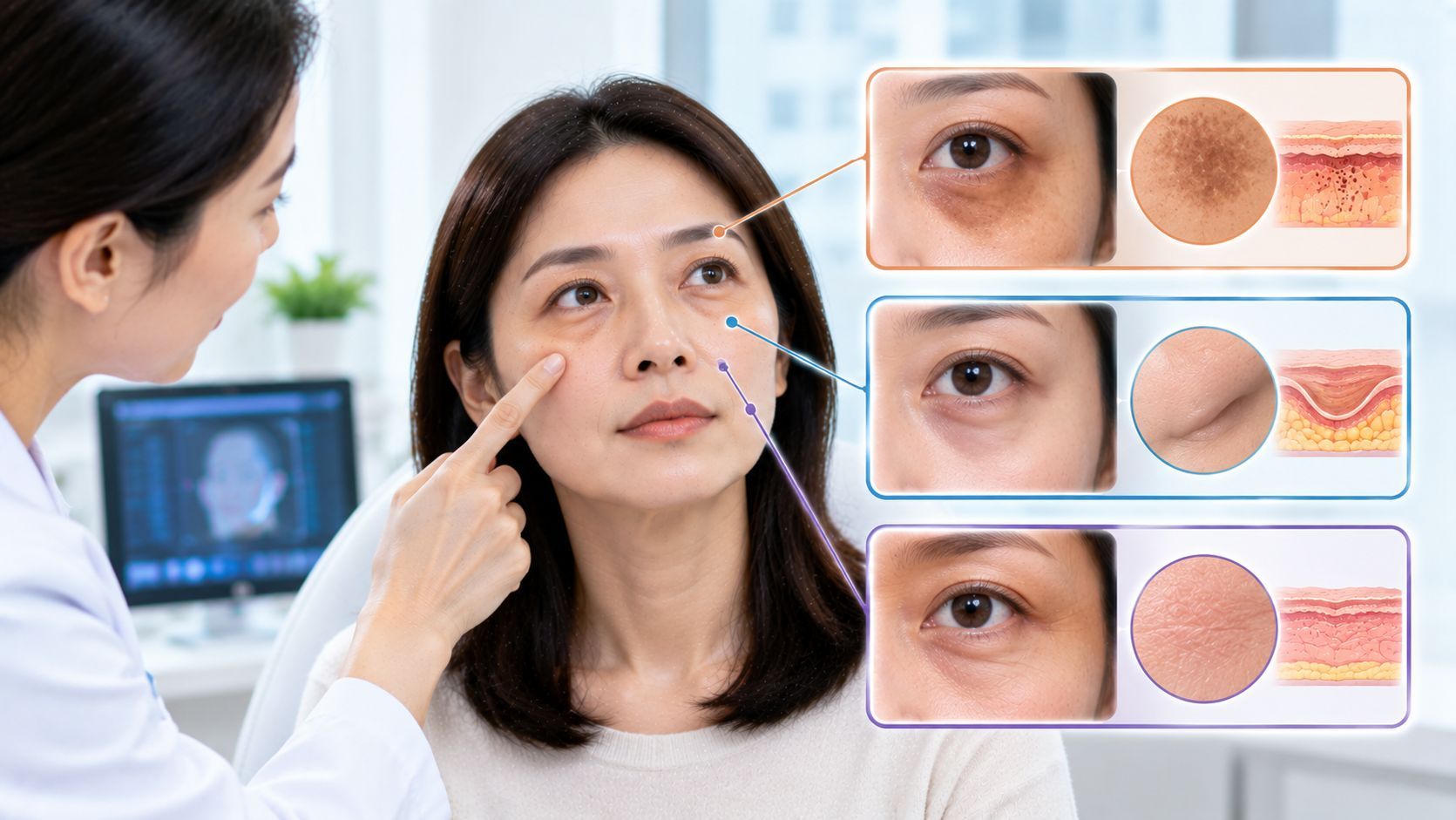
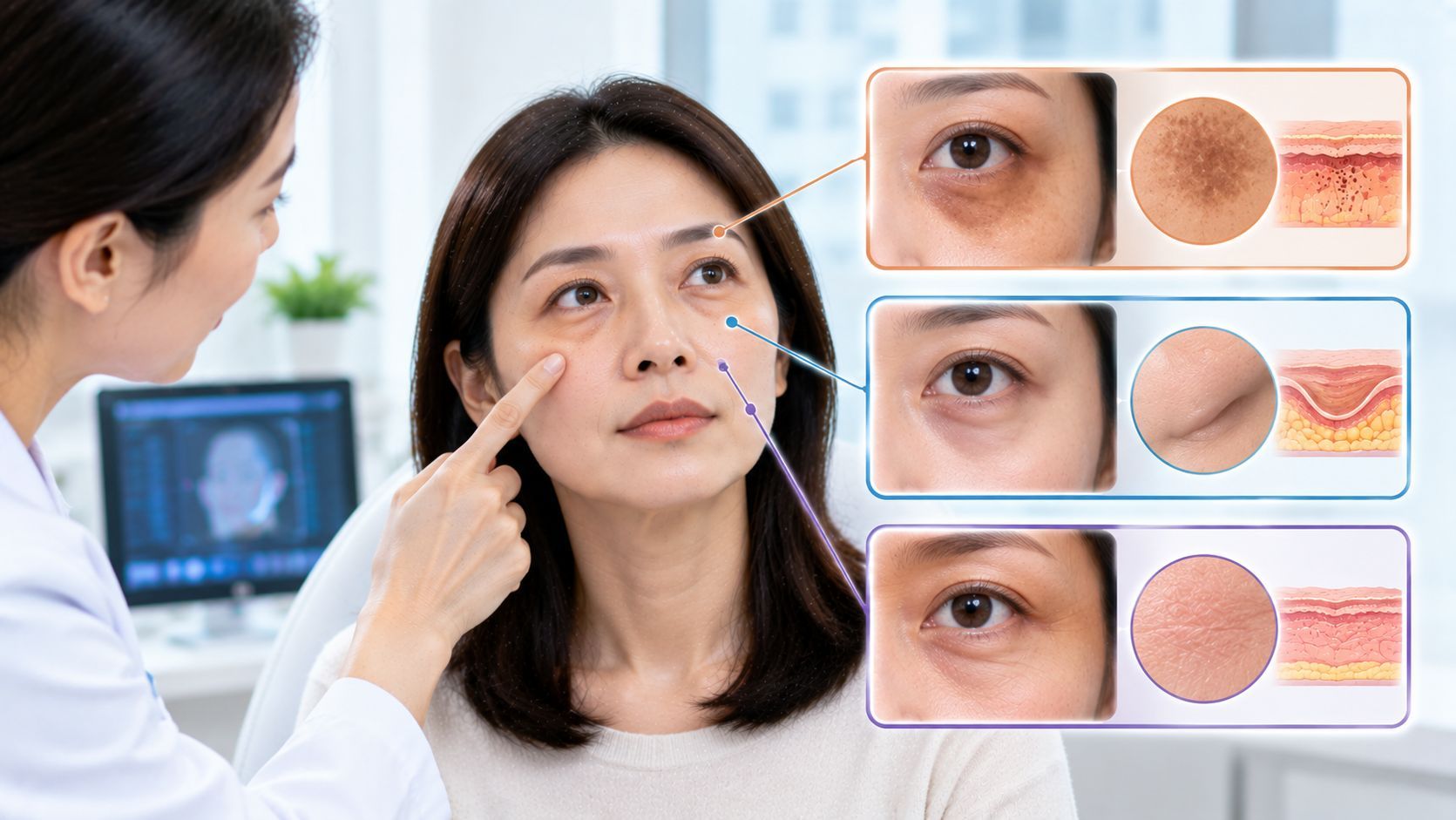
Skin Thickness and Dryness
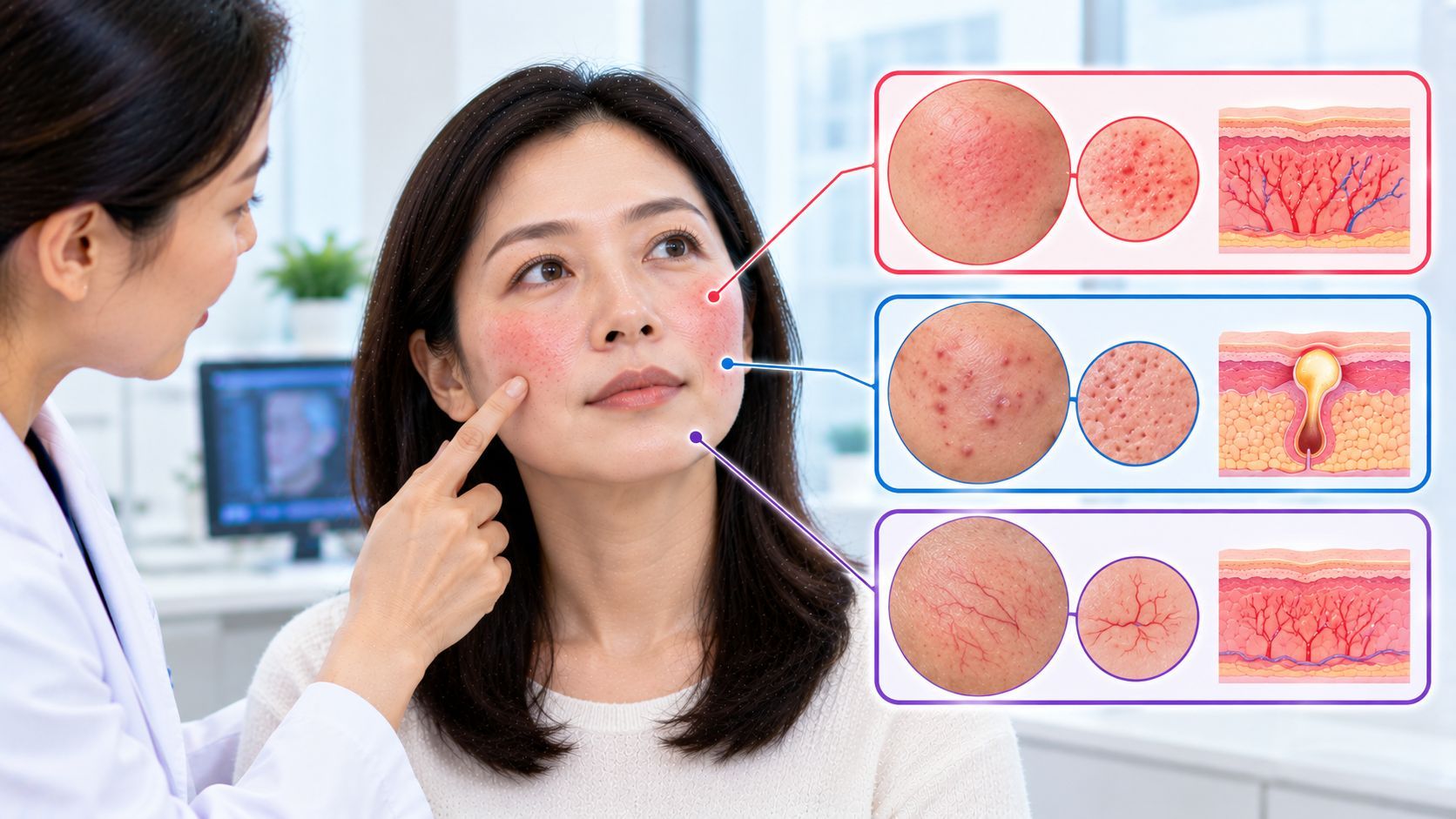
Post-menopausal skin may be more prone to dryness and irritation. The first step should therefore be determining whether the skin barrier is healthy enough for procedures such as lasers, microneedling or injectables.
A dermatologist may review:
- Dryness and dehydration
- Sensitivity or redness
- Skin texture
- Fine lines
- Sun damage
- Existing pigmentation
- Previous cosmetic procedures
- Current skincare products
If the barrier is compromised, improving basic skincare may be more appropriate before beginning an intensive treatment schedule. AAD recommends gentle cleansing, regular moisturization and daily broad-spectrum SPF 30 or higher for menopausal skin.
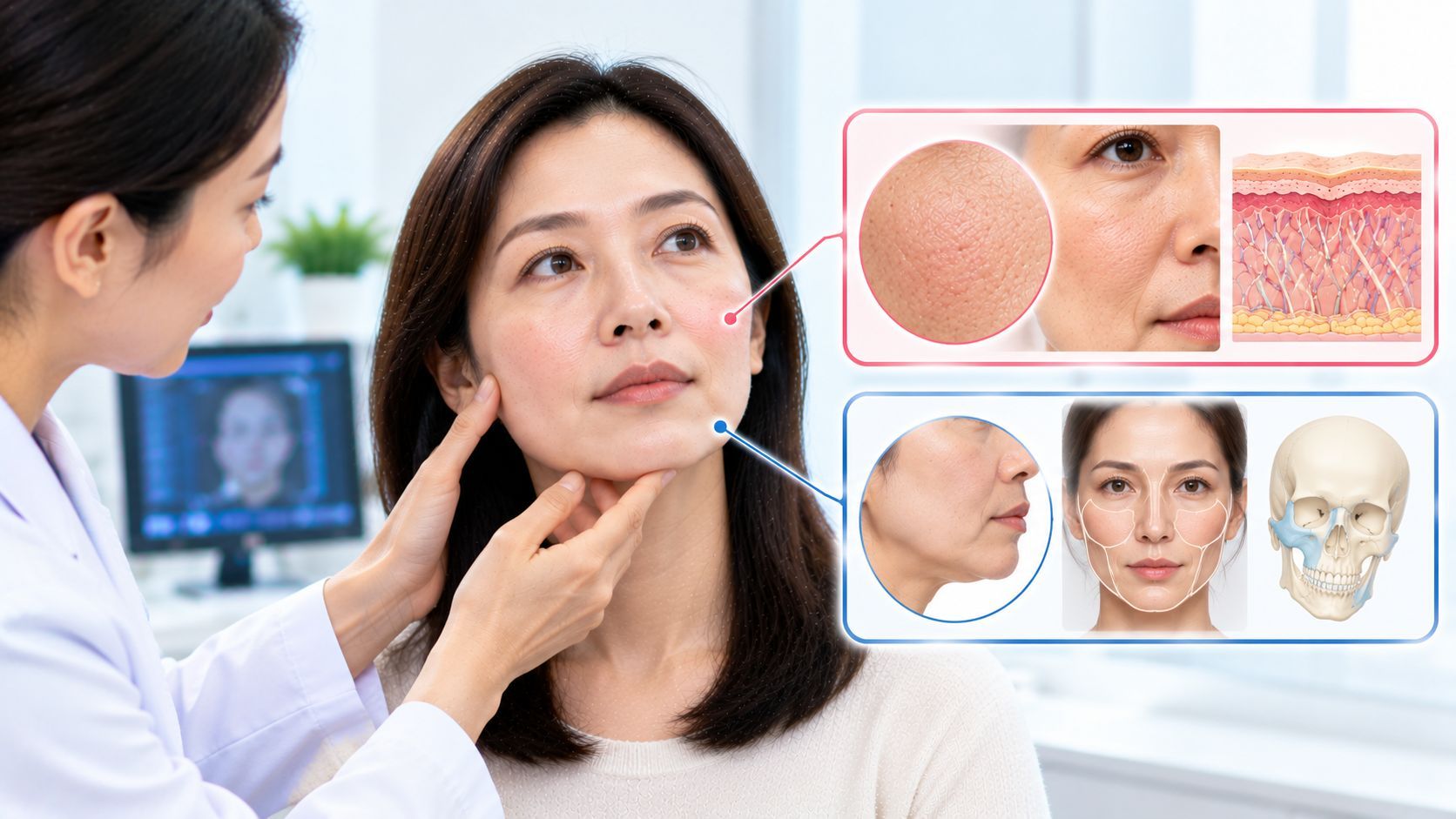
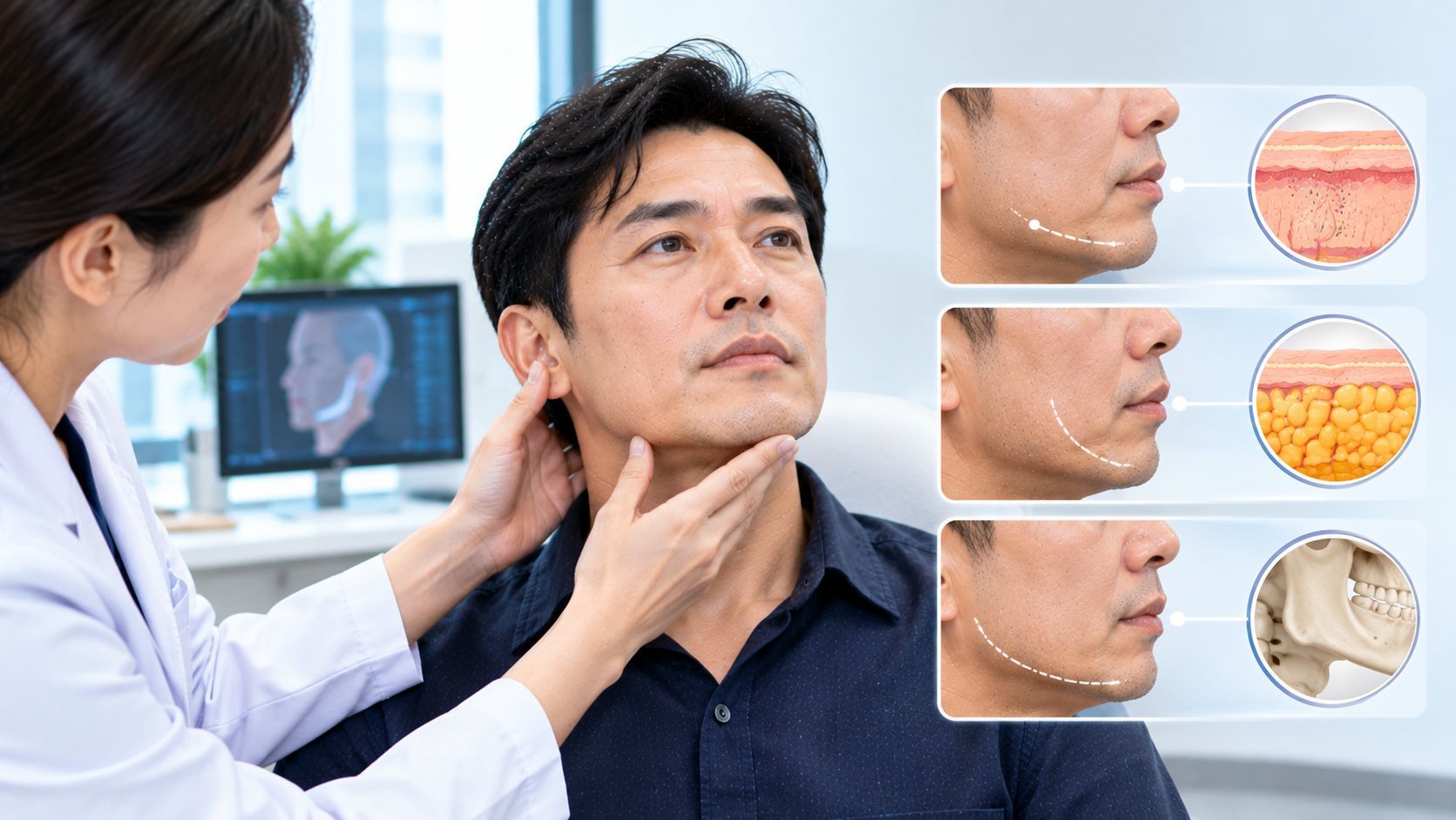
Facial Laxity and Jawline Changes
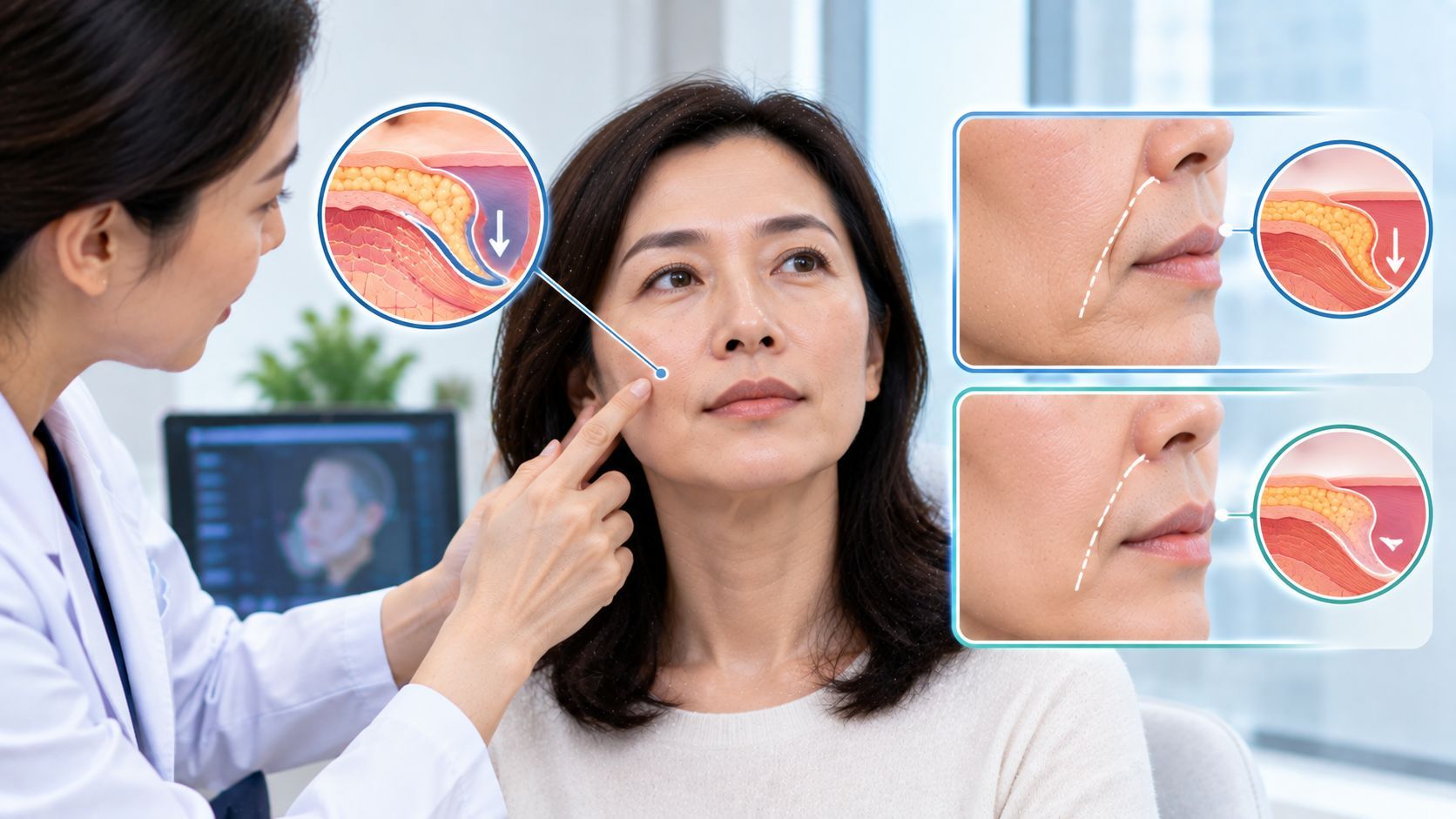
The consultation should distinguish between loose skin and loss of facial volume.
Someone may describe her face as “sagging,” but the underlying issue could include:
- Mild skin laxity
- Jowls
- Neck laxity
- Loss of cheek volume
- Temple hollowing
- Lower-face volume loss
- Combination of volume loss and laxity
This distinction matters because tightening a face that has already become significantly hollow may not produce the desired appearance.
Volume Loss
Menopause and aging can be associated with facial hollowing and changes in soft-tissue support. A review of cosmetic dermatology in menopause identifies hollowing, sagging, thinning and decreased elasticity among common concerns.
If genuine volume loss is present, the treatment plan may need to include carefully selected volumizing or collagen-stimulating options rather than relying entirely on energy-based tightening.
Phase 1: Stabilize the Skin
Before aggressive cosmetic treatment, establish a simple skincare foundation.
Morning Routine
A typical routine may include:
- Gentle cleanser
- Hydrating moisturizer
- Broad-spectrum sunscreen SPF 30 or higher
Sunscreen is particularly important because cumulative UV exposure contributes to visible skin aging and pigmentation.
Evening Routine
The evening routine can include:
- Gentle cleansing
- Moisturizer
- Retinoid or retinol when medically appropriate and tolerated
Retinoids and retinol are commonly used in anti-aging skincare because they can support improvements in fine lines and collagen-related skin changes.
The goal at this stage is not to use as many products as possible. Mature skin may respond better to a consistent, tolerable routine than to excessive exfoliation or multiple irritating active ingredients.
Phase 2: Improve Skin Quality
Once the skin barrier is stable, the next stage can address texture, hydration, fine lines and overall skin quality.
Rejuran and Polynucleotide Treatments
Rejuran belongs to the broader category of polynucleotide-based aesthetic treatments. These treatments are used in Korea for concerns such as fine lines, texture and dry-looking skin.
Research on polynucleotides is promising but still developing. Reviews have reported improvements in wrinkles, texture and elasticity in some studies, while also noting limitations in study quality, treatment protocols and long-term evidence.
A survey of Korean board-certified dermatologists found that polynucleotide injections were commonly used for facial fine lines, uneven texture and dry skin, although individual treatment protocols varied.
Skin Boosters
Skin boosters may be considered when hydration and skin quality are major concerns. However, “skin booster” describes a broad category rather than one standardized treatment.
The exact product, injection technique and intended outcome should be confirmed during consultation.
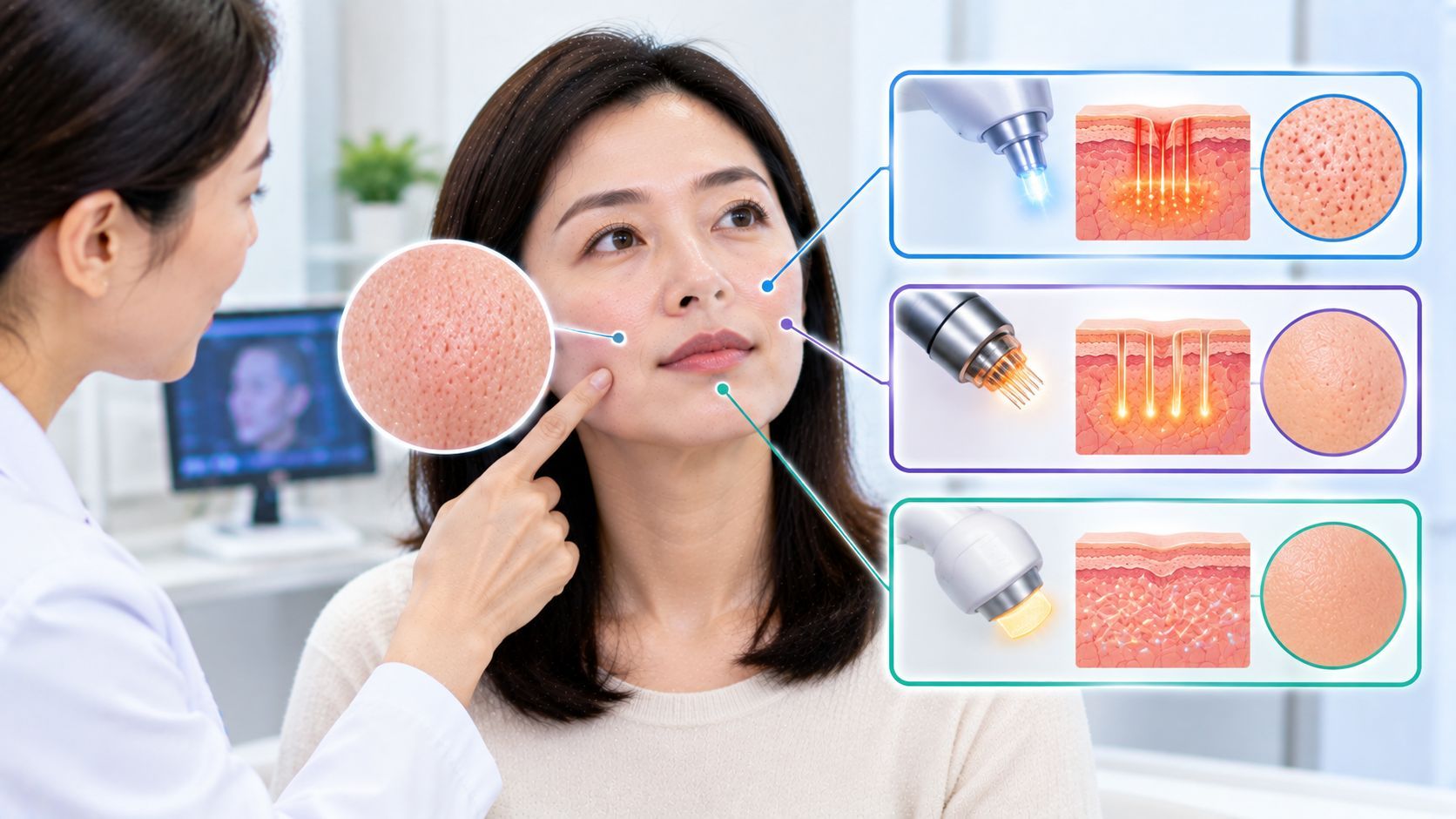
Laser or Microneedling Treatments
If pigmentation, sun damage, uneven texture or acne-related scarring is prominent, a dermatologist may consider laser or microneedling-based treatment.
These should be selected according to skin type and condition rather than automatically added to an anti-aging package.
Phase 3: Address Jawline and Neck Laxity
After skin quality has been assessed, a treatment specifically targeting laxity may be considered.
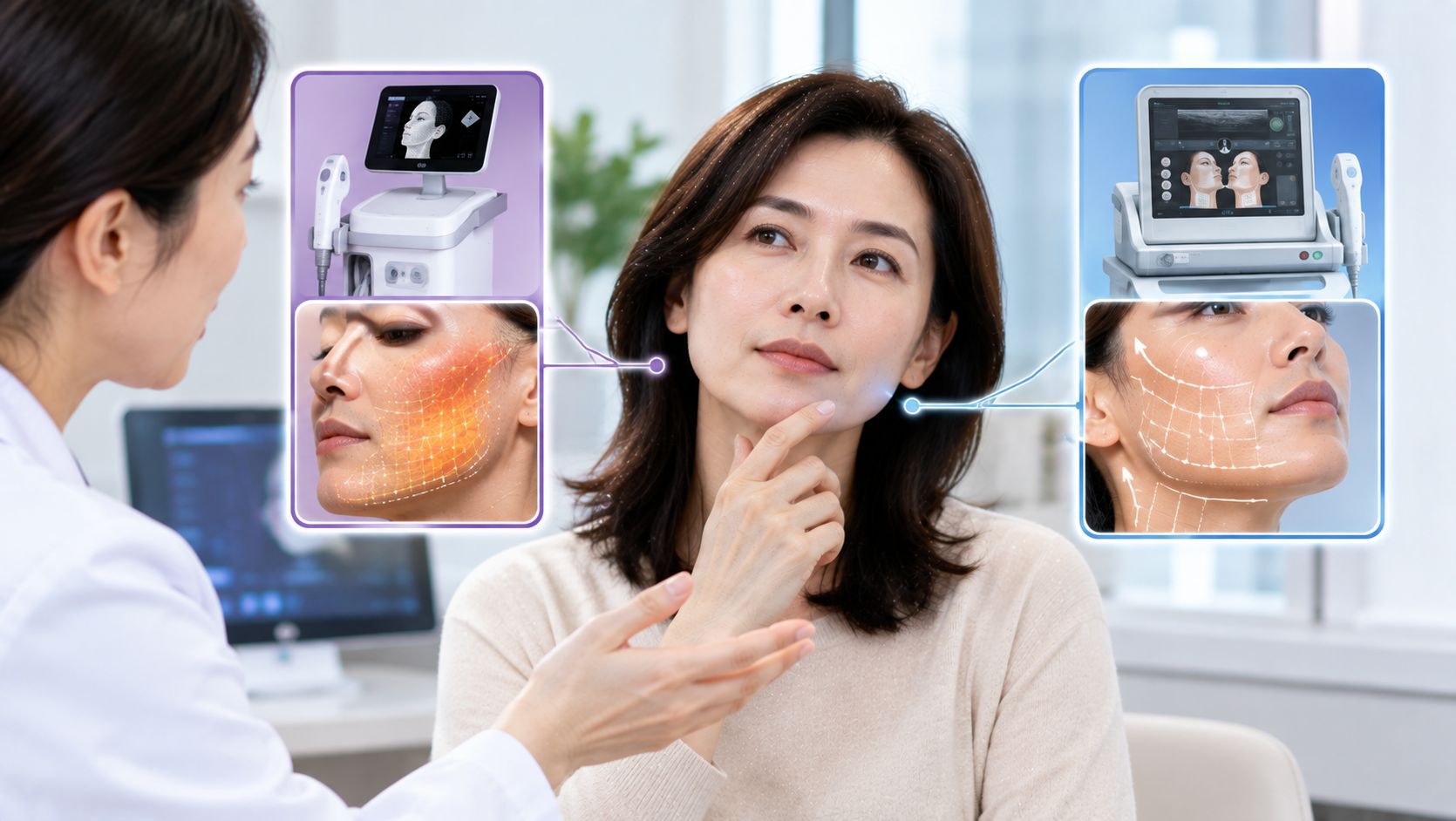
RF Skin Tightening
Radiofrequency uses controlled energy to heat tissue and can stimulate remodeling processes associated with collagen and elasticity. Evidence reviews have reported improvements in some measures of facial laxity, elasticity and wrinkles, although results vary between devices and treatment protocols.
RF may be considered when the main concern is mild-to-moderate laxity rather than major excess skin.
HIFU or Microfocused Ultrasound
Focused ultrasound can be considered for selected patients with lower-face or neck laxity. The appropriate treatment depends on tissue thickness, anatomy and the depth being targeted.
There is no universal rule that RF or HIFU is automatically better after menopause. The choice should follow the patient's anatomy and treatment goal.
Phase 4: Consider Facial Volume Restoration
If the face looks hollow as well as loose, volume should be assessed before aggressively tightening the skin.
Possible approaches may include:
- Carefully placed hyaluronic-acid filler
- Collagen-stimulating injectables
- Other physician-selected volumizing treatments
The objective should be restoring appropriate support rather than simply adding as much volume as possible.
This is especially important when the face is naturally thin. Excessive tightening or excessive filler can produce an appearance that does not match the patient's desired result.
Example Seoul Treatment Plans
Main concernPossible treatment directionDry, thin skin + fine linesBarrier care + retinoid/retinol + skin-quality treatmentMild jawline laxityRF or focused ultrasound after assessmentNeck laxityRF, ultrasound or other physician-selected treatmentHollow cheeks + laxityVolume assessment before tighteningPigmentation + textureAppropriate laser or resurfacing approachFine lines + poor skin qualityRejuran/polynucleotide or other skin-quality treatmentSignificant excess skinSurgical consultation
These are examples rather than prescriptions. A real treatment plan should be based on an in-person assessment.
Should Everything Be Done During One Seoul Visit?
Not necessarily.
A common mistake in medical tourism is trying to combine too many procedures simply because the patient has limited time in Korea.
A dermatologist may instead recommend spacing treatments so that the skin can recover and the response to one procedure can be evaluated before another is performed.
For example, a three- to six-month plan might look conceptually like:
Month 1: Consultation, skincare stabilization and treatment of the most immediate skin-quality concern.
Month 2: Skin-quality treatment or texture-focused procedure if appropriate.
Month 3: Assessment of laxity and possible RF or HIFU treatment.
Months 4–6: Reassessment, possible volume correction and maintenance treatment if needed.
The exact interval depends on the procedure, skin response and medical history.
What About Menopause Hormone Therapy?
Hormone therapy is different from cosmetic dermatology.
Menopausal hormone therapy may be appropriate for some women for medical indications, but it should be discussed with a qualified healthcare professional based on symptoms, medical history, risks and benefits. It should not simply be added to a cosmetic treatment package because the patient wants younger-looking skin.
Cosmetic treatments can address selected visible concerns without being treatments for menopause itself.
Planning a Seoul Treatment as an International Patient
If you are traveling to Seoul specifically for anti-aging treatment, ask the clinic:
- Who will perform the procedure?
- What exactly is being treated?
- What product or device will be used?
- Why was that treatment selected?
- How many sessions may be needed?
- What downtime should I expect?
- When will results become noticeable?
- What complications should I watch for?
- Is follow-up available?
- Can I receive treatment records in English?
- How long should I remain in Seoul before flying home?
You should also tell the doctor about medications, allergies, previous fillers or cosmetic procedures and any relevant medical conditions.
Risks and Limitations
Anti-aging procedures are not risk-free.
Injectable treatments can cause temporary swelling, bruising, tenderness or redness, while more serious complications are possible depending on the product and injection site. Energy-based treatments can cause redness, swelling, tenderness, pigmentary changes or, rarely, thermal injury.
Lasers and microneedling can also produce temporary inflammation and require appropriate aftercare.
More treatment does not automatically mean better treatment. A conservative, staged plan can be particularly useful when post-menopausal skin is thin, dry or sensitive.
Conclusion
A practical Seoul anti-aging treatment plan for a woman in her late 50s after menopause should be individualized, staged and focused on the actual cause of each concern.
The plan may begin with barrier care and sun protection, followed by skin-quality treatments such as Rejuran or other skin boosters when appropriate. RF or HIFU may then be considered for selected laxity, while carefully planned volume restoration can address hollowing when it is genuinely present.
The most important step is not choosing the largest treatment package. It is determining whether the dominant issue is dryness, skin quality, laxity, volume loss, pigmentation, texture or a combination of these.
FAQs
Is Seoul a good place to plan anti-aging treatments after menopause?
Seoul offers a wide range of dermatologic and aesthetic procedures, but treatment quality depends on the individual practitioner, device, product and clinical assessment. Patients should research providers and have a proper consultation before treatment.
Should I get RF or HIFU after menopause?
Either may be considered depending on facial anatomy, tissue thickness and the degree and location of laxity. There is no single treatment that is appropriate for every post-menopausal patient.
Can Rejuran replace a facelift?
No. Rejuran is generally used to improve skin quality rather than remove substantial excess skin. Significant skin laxity may require a surgical assessment.
Should filler be used on a thin post-menopausal face?
Filler may be appropriate when genuine volume loss exists, but thin faces require particularly careful assessment and conservative planning.
How long should I stay in Seoul after treatment?
The appropriate stay depends on the procedure. Injectable treatments may involve visible swelling or bruising, while lasers and energy-based procedures can have different recovery periods. Ask the treating clinic for procedure-specific travel guidance.
Can I combine several anti-aging treatments in one trip?
Sometimes treatments can be combined or staged, but combining many procedures is not automatically appropriate. A dermatologist should determine which treatments can safely be performed together and which should be separated.