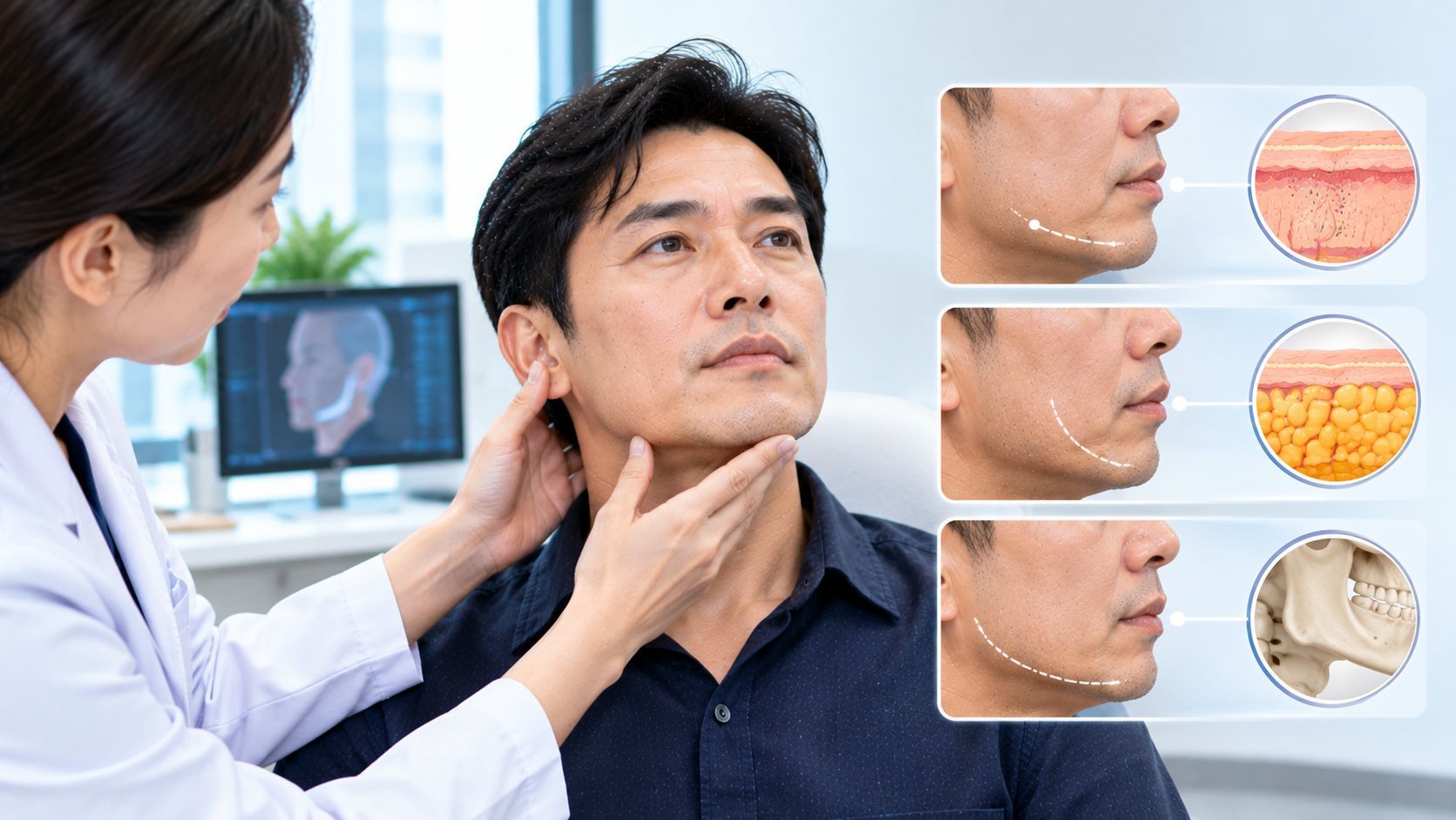
Why Do I Look Older After HIFU?
Introduction
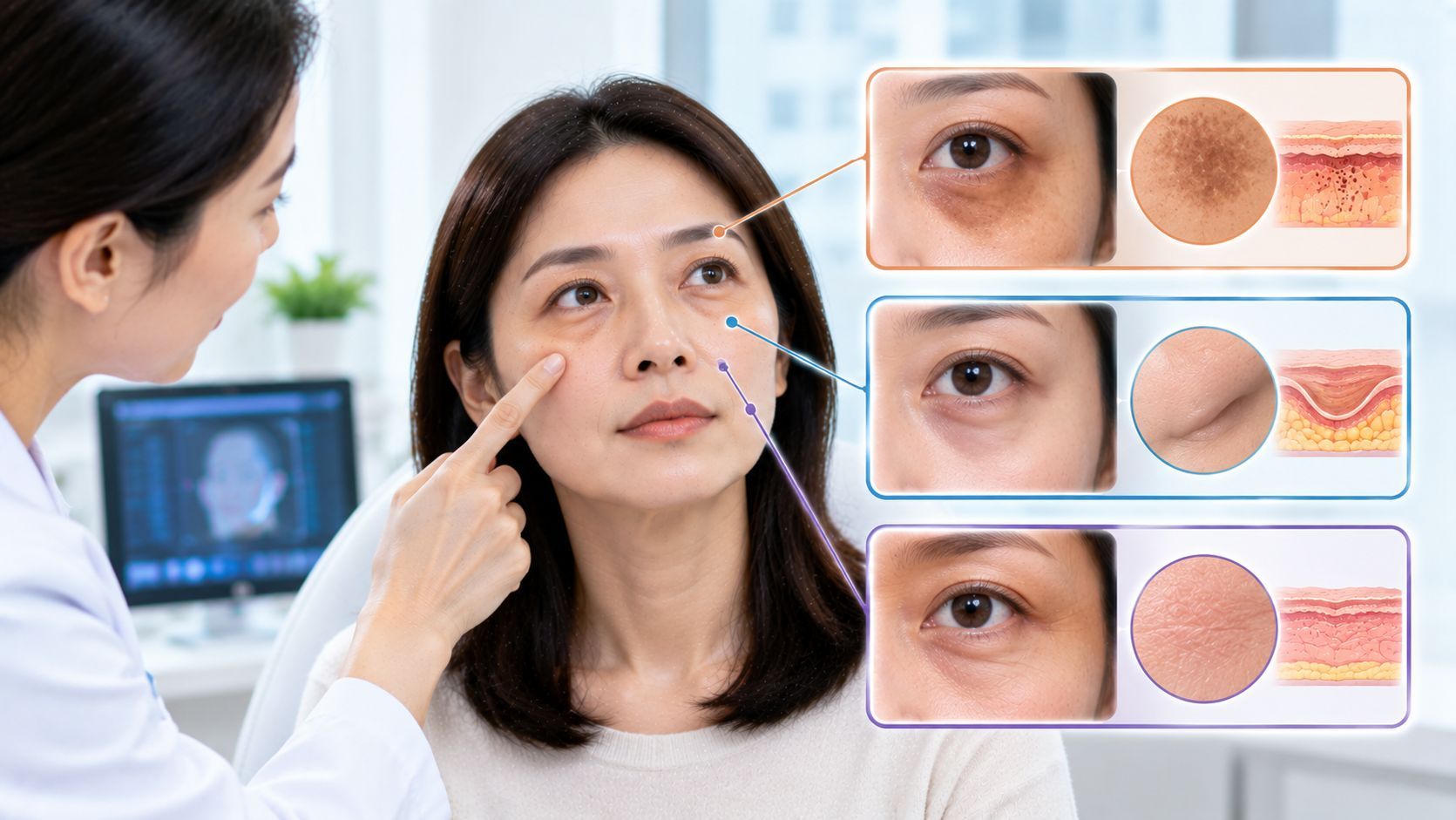
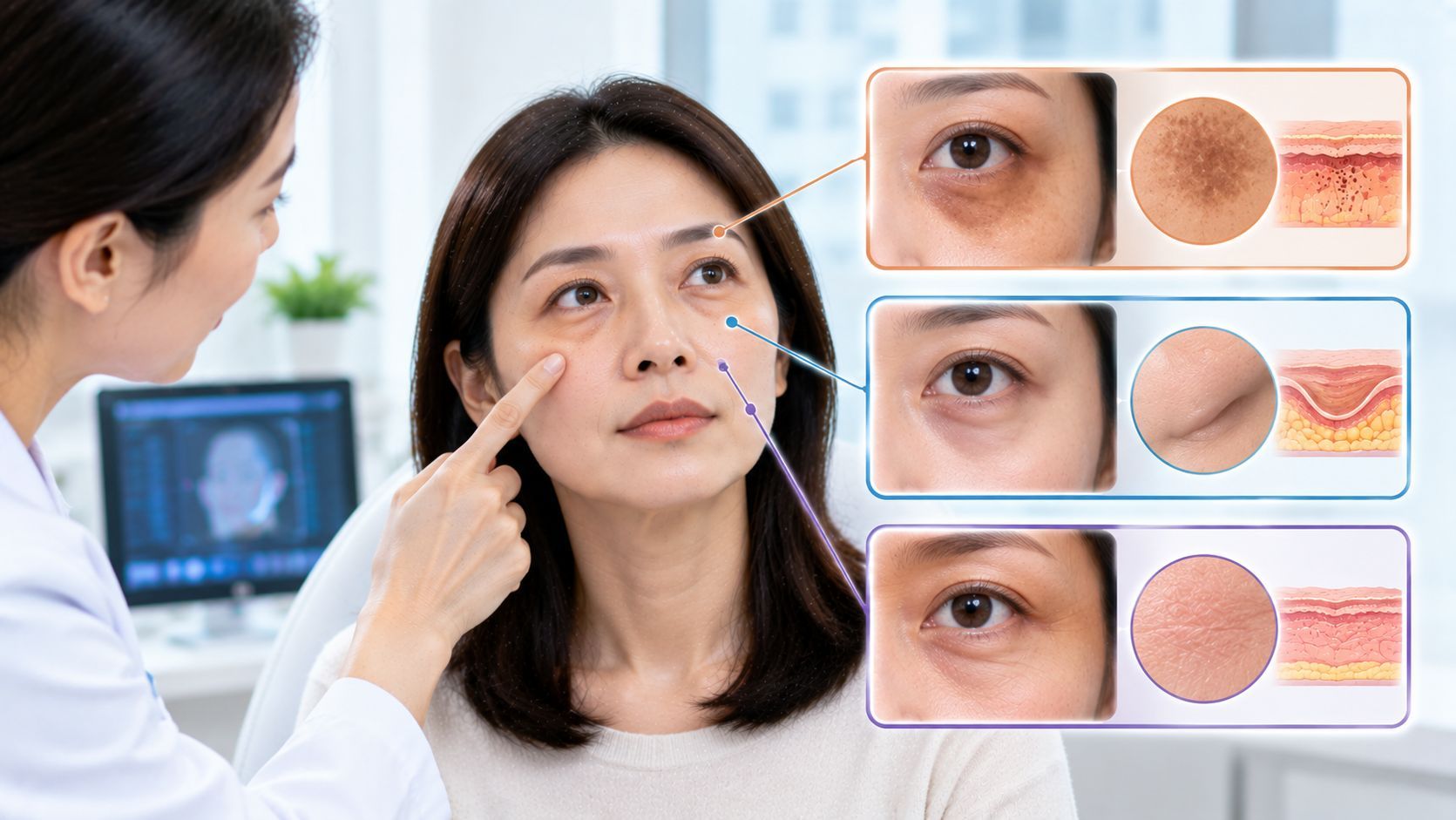
HIFU, or high-intensity focused ultrasound, is commonly used as a non-surgical skin-tightening treatment for concerns such as mild to moderate facial and neck laxity. Yet some people feel that their face looks older, thinner, flatter or more tired after treatment. This can be confusing, particularly when the original goal was to create a firmer and more youthful appearance.
Looking older after HIFU does not necessarily mean that the treatment permanently damaged your face. Changes in swelling, temporary tissue response, facial volume, skin laxity and the way light falls across the face can all affect how you look after treatment. In some cases, the treatment may also have been performed too aggressively or may not have been appropriate for a face that was already relatively thin.
The important first step is to determine what actually changed rather than immediately undergoing another procedure.
Why Can HIFU Make the Face Look Older?
Temporary Post-Treatment Changes
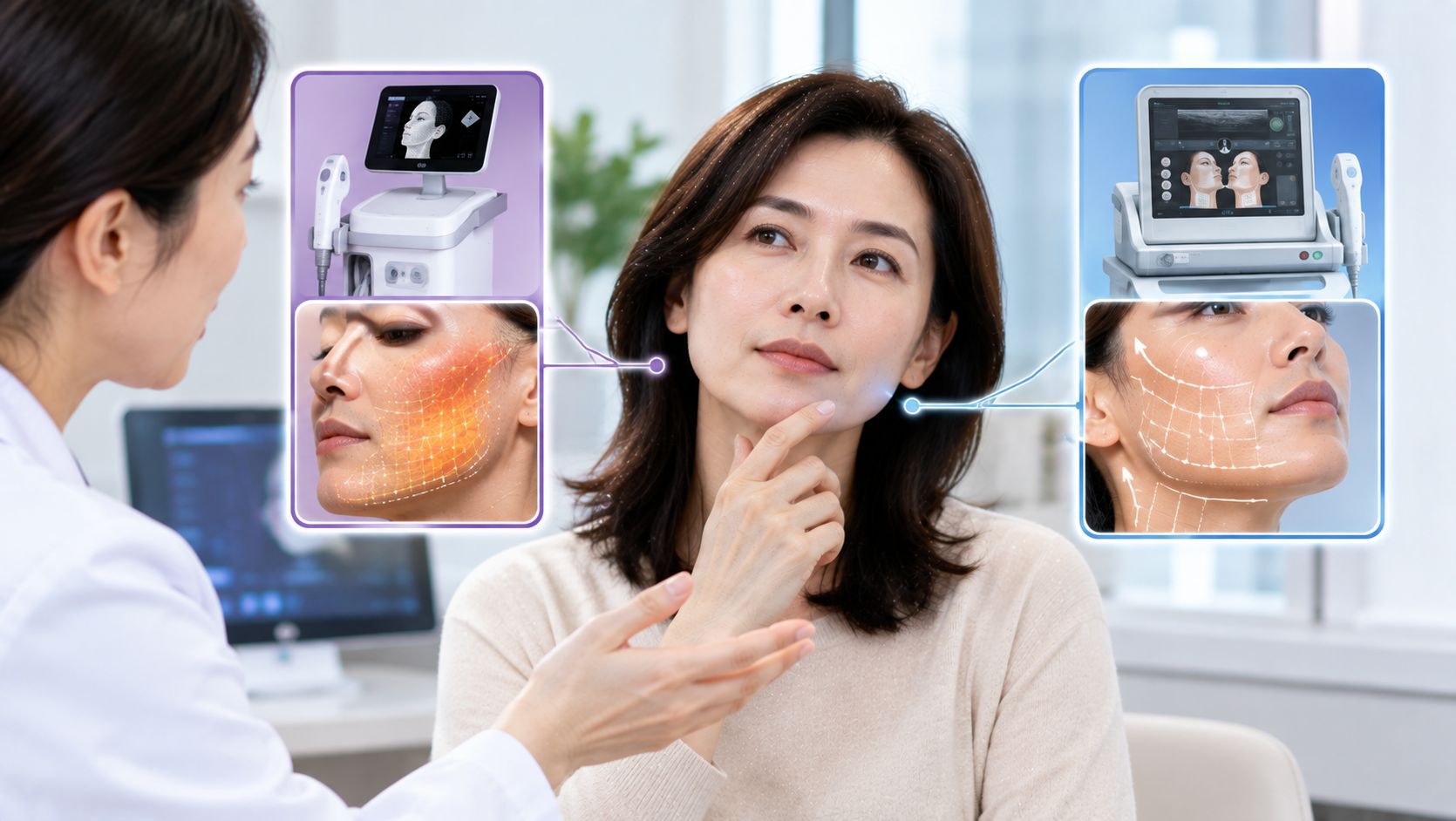
HIFU delivers focused ultrasound energy beneath the skin. After treatment, the tissues can experience temporary inflammation, swelling, tenderness or sensitivity.
As the initial swelling decreases, your face may look different from what you saw immediately after treatment. Some patients interpret this change as increased aging or volume loss when it may partly reflect the normal post-treatment process.
The appearance can continue changing over several weeks as tissue remodeling develops.
A Thin Face May Be More Sensitive to Volume Changes
One of the most important considerations is baseline facial volume.
If someone already has:
- Thin cheeks
- Hollow temples
- Prominent cheekbones
- Low facial fat
- A naturally narrow face
- Recent weight loss
then any treatment that changes the appearance of the soft tissues can potentially make the face appear more angular.
The American Academy of Dermatology notes that non-invasive skin-tightening treatments generally work best when there is a limited amount of sagging skin. Significant laxity or more substantial structural changes may require a different approach.
Tightening Does Not Replace Lost Volume
HIFU is primarily a tightening treatment. It does not replace lost cheek, temple or midface volume.
This distinction is important.
Imagine that the face has both:
Volume loss + skin laxity
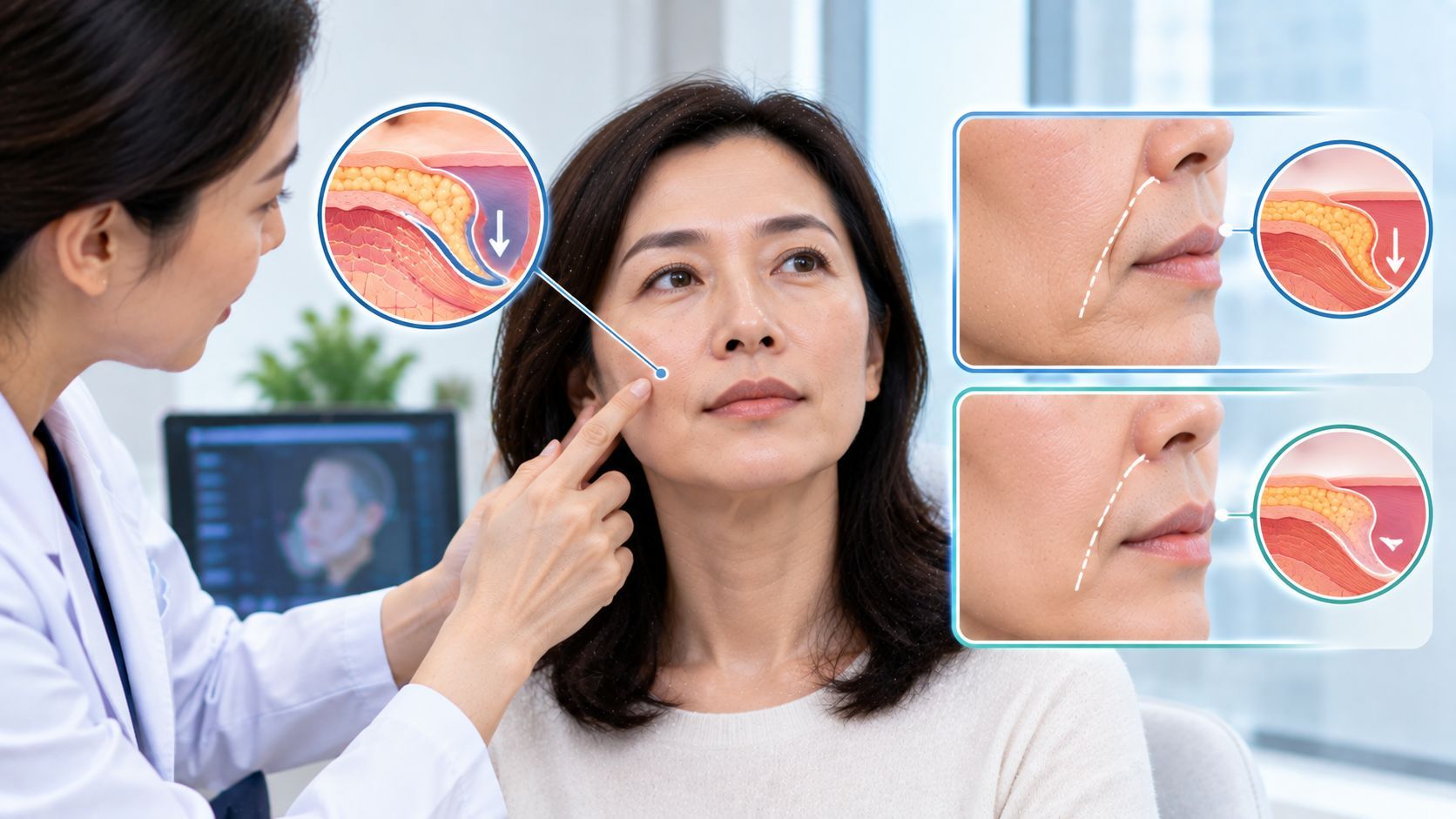
If only the laxity is treated, the underlying loss of fullness remains. In some patients, increased definition around the cheekbones or jawline can make existing hollowness more noticeable.
This can create the impression that the face has become older even if the skin itself has become somewhat tighter.
Could HIFU Cause Facial Fat Loss?
This question requires careful consideration.
HIFU targets specific tissue depths using focused ultrasound energy. Some ultrasound technologies and treatment protocols can affect deeper tissues, and treatment parameters matter.
However, it is not accurate to assume that every HIFU treatment causes significant facial fat loss.
The outcome can depend on:
- Device used
- Energy level
- Treatment depth
- Number of passes
- Treatment area
- Patient anatomy
- Existing facial fat
- Practitioner technique
If you believe your face has become noticeably flatter after treatment, an examination by an experienced dermatologist or aesthetic physician can help determine whether the change represents actual volume loss, temporary tissue changes, pre-existing volume loss becoming more visible, or another issue.
How Can You Tell What Actually Happened?
Compare Before-and-After Photos
Photos taken before treatment can be extremely useful.
Try comparing images with:
- Similar lighting
- Similar facial expression
- Similar camera angle
- Similar distance from the camera
Look specifically at the cheeks, temples, nasolabial folds, jawline and lower face.
A dramatic difference in one selfie does not necessarily prove that facial volume has been lost.
Give the Face Time to Settle
Avoid making another major treatment decision immediately after HIFU unless a clinician identifies a complication requiring treatment.
Depending on the device and treatment, visible changes can evolve over weeks or months. A physician can tell you when reassessment is appropriate.
What If My Face Actually Looks Flatter?
The appropriate response depends on the cause.
If There Is Genuine Volume Loss
If examination confirms that facial volume is deficient, carefully selected volume restoration may be considered.
Potential approaches include:
- Hyaluronic acid filler
- Collagen-stimulating injectables
- Fat grafting in appropriate cases
Dermal fillers are designed to restore or add fullness to selected facial areas, but they require careful planning because excessive filler can produce heaviness or an unnatural appearance.
The goal should be restoration rather than overcorrection.
If the Main Problem Is Skin Laxity
If the face is not actually volume-deficient but still appears loose, another tightening procedure may sometimes be appropriate.
However, repeating HIFU immediately is not automatically the answer.
The physician should first determine whether the remaining concern is truly laxity or whether it is primarily volume loss, texture, pigmentation or another issue.
If the Skin Looks Thin or Crepey
A skin-quality treatment may be considered instead of additional tightening.
Depending on the patient's skin, a dermatologist may discuss:
- Rejuran or other polynucleotide treatments
- Skin boosters
- Microneedling
- RF microneedling
- Appropriate laser treatments
- Prescription or non-prescription topical skincare
These treatments have different purposes and should not be treated as interchangeable.
Should I Get Filler After HIFU?
Possibly, but only if volume loss is actually present.
Adding filler simply because the face “looks older” can sometimes make the situation worse if the real problem is swelling, laxity or an inappropriate treatment result.
A consultation should assess:
- Where volume has changed
- Whether the change is temporary or persistent
- Whether both sides are affected similarly
- Whether the skin is lax or simply less full
- Whether additional tightening would help or worsen the appearance
If filler is appropriate, conservative placement is generally preferable to trying to recreate the entire previous facial shape.
What About Rejuran or Skin Boosters?
These treatments may be useful when the main concern is skin quality rather than facial volume.
Rejuran and other polynucleotide-based treatments are generally intended to improve aspects of skin quality such as texture, fine lines and elasticity. Evidence is still developing, and study protocols and products vary.
Skin boosters may focus more on hydration and skin quality.
Neither should be considered a direct substitute for restoring substantial lost facial volume.
What If I Look Older Because My Face Became More Angular?
Sometimes the problem is not simply “less volume.”
A tighter jawline or more defined cheek structure can change facial proportions. If the face was previously soft or rounded, increased definition may feel unfamiliar.
This is particularly noticeable when:
- The cheeks appear flatter
- The nasolabial folds look deeper
- The temples look more hollow
- The eyes appear relatively more prominent
- The jawline becomes more angular
In these situations, a physician should evaluate the entire face rather than treating one line or fold in isolation.
When Should You Seek Medical Assessment?
Contact the treating clinic or another qualified medical professional if you develop:
- Persistent or worsening pain
- Significant swelling
- Blistering or skin injury
- Pronounced asymmetry
- Numbness that does not improve
- Weakness or unusual muscle movement
- Persistent contour changes that concern you
These symptoms should not simply be assumed to be normal cosmetic changes.
What Should International Patients in Seoul Do If They Are Unhappy With HIFU Results?
If you had HIFU in Seoul and are unhappy with the result, avoid immediately booking another tightening treatment at a different clinic.
Instead, consider obtaining an independent assessment.
Bring:
- Treatment date
- Device name
- Treatment areas
- Energy settings if available
- Number of shots or lines if recorded
- Before-treatment photographs
- After-treatment photographs
- Information about previous fillers or procedures
Ask the doctor whether the problem appears to be volume loss, laxity, temporary post-treatment change, asymmetry or another issue.
This information is more useful than simply asking for another “lifting” treatment.
How Can You Reduce the Risk of Looking Older After Future Treatments?
Before another energy-based procedure, ask:
- Is my face suitable for this treatment?
- Do I already have low facial volume?
- Which tissue depth will be treated?
- What device will be used?
- What energy settings are appropriate?
- Could this treatment make existing hollowness more noticeable?
- Would a different treatment address my actual concern?
- How long should I wait before evaluating the final result?
A conservative treatment plan is particularly important for patients with thin facial tissue or significant recent weight loss.
Conclusion
Looking older after HIFU can happen for several reasons, and it does not automatically mean permanent damage. Temporary post-treatment changes, pre-existing facial volume loss, increased definition, skin laxity and treatment parameters can all influence the final appearance.
The key is to determine whether the primary issue is volume, laxity, skin quality or a combination of these.
If your face has become flatter or more hollow, additional tightening may not be the appropriate solution. In some cases, carefully planned volume restoration or skin-quality treatment may make more sense. In others, simply allowing adequate recovery time and reassessing the result may be the safest approach.
For anyone considering corrective treatment in Seoul, a detailed medical assessment should come before adding another procedure.
FAQs
Can HIFU permanently make my face look older?
HIFU can produce unwanted aesthetic changes in some patients, but a perceived aged appearance does not automatically mean permanent damage. The cause and persistence of the change need to be assessed clinically.
Why do my cheeks look flatter after HIFU?
Possible explanations include changes in swelling, pre-existing low facial volume becoming more noticeable, treatment-related tissue changes or differences in facial contour. An examination is needed to determine the cause.
Should I get filler after HIFU?
Filler may be considered if there is genuine volume loss, but it should not be used automatically. A physician should first determine whether volume deficiency is actually responsible for the change.
How long should I wait after HIFU before judging the result?
The appropriate evaluation time depends on the device, treatment settings and individual response. Ask your treating physician when the result should be reassessed rather than judging the outcome immediately.
Can Rejuran fix a face that looks older after HIFU?
Rejuran may help selected skin-quality concerns, but it does not replace significant facial volume. If the main issue is hollowing, another approach may be necessary.
Should I have another HIFU treatment if I am unhappy with the first one?
Not automatically. First determine why the face looks different. Repeating a tightening procedure without identifying the underlying problem may not address the concern.