What Should I Tell a Korean Dermatologist if I Develop PIH Very Easily?
Introduction
If you develop dark marks after almost every pimple, cut, burn, peel, or cosmetic procedure, your dermatologist needs to know before planning a laser or other aesthetic treatment. A strong history of post-inflammatory hyperpigmentation (PIH) does not necessarily mean you cannot receive treatment, but it can significantly affect which procedure, energy level, treatment depth, and recovery plan are appropriate.
When visiting a Korean dermatologist, do not simply say, “I have sensitive skin” or “My skin is dark.” Be specific about how your skin has reacted in the past. Your history of pigmentation may be more useful for treatment planning than skin color alone.
What Is PIH?
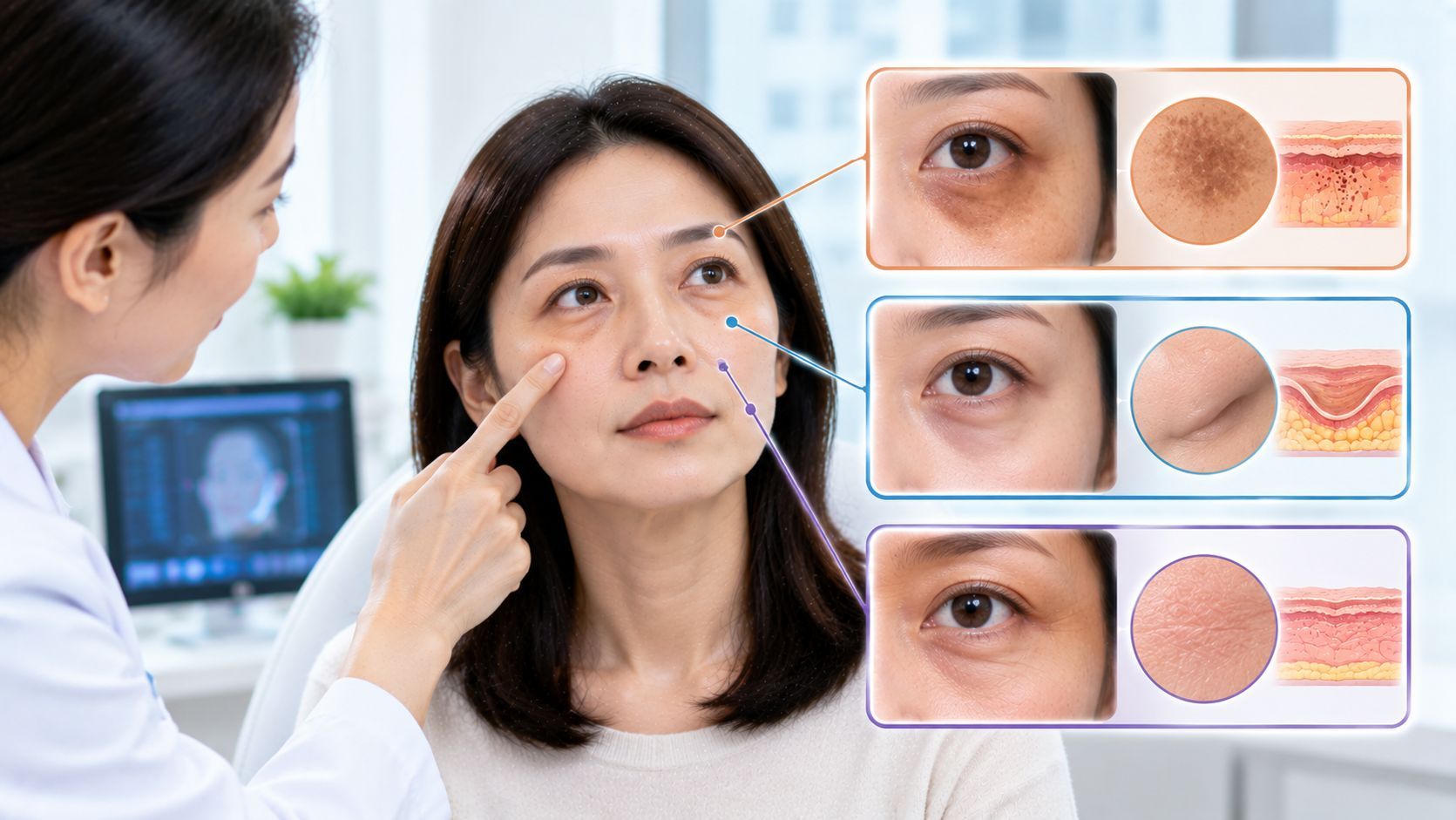
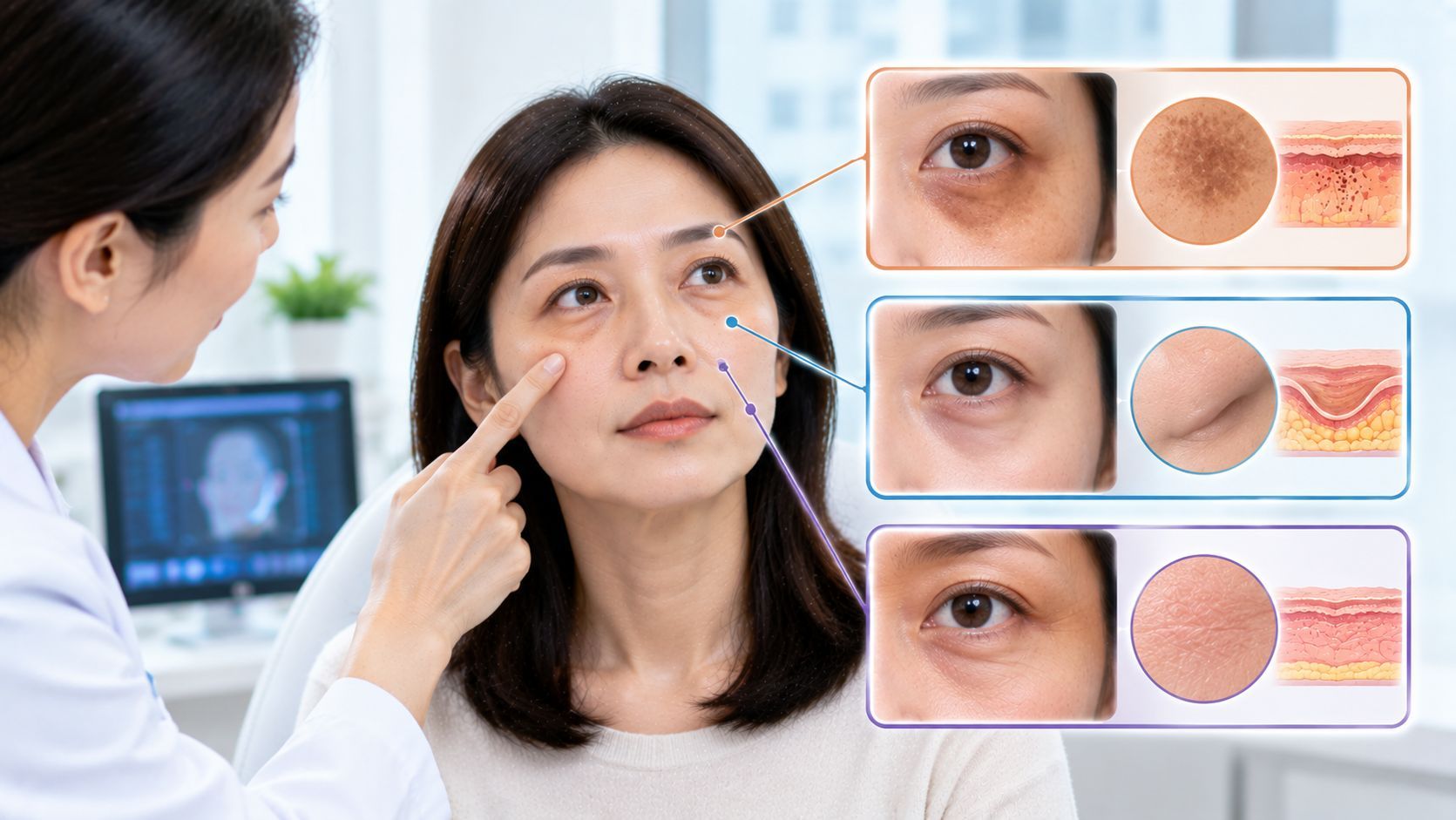
Post-inflammatory hyperpigmentation is darkening that develops after inflammation or injury to the skin. It can occur after acne, eczema, burns, cuts, irritation, cosmetic procedures, or other inflammatory conditions.
People with darker skin tones are generally more prone to PIH because melanocytes can respond strongly to inflammation. The pigmentation may gradually fade, but the process can take months in some individuals.
This is particularly important before procedures that intentionally create controlled skin injury, including:
- Laser resurfacing
- Chemical peels
- Microneedling
- RF microneedling
- Certain acne-scar procedures
- Some pigmentation treatments
Your dermatologist needs to understand how strongly your skin tends to respond before selecting a treatment.
Tell the Dermatologist Exactly What Happens to Your Skin
Instead of saying:
“I get pigmentation easily.”
Try to describe the actual pattern.
For example:
- “Every acne spot leaves a brown mark.”
- “I develop dark marks after mosquito bites.”
- “A previous laser caused darker patches.”
- “My skin became darker after a chemical peel.”
- “Cuts usually leave dark marks.”
- “The pigmentation lasts for several months.”
- “I recently developed darkening after microneedling.”
These details help distinguish ordinary temporary redness from a tendency toward prolonged pigmentary change.
Mention Your Previous Treatments
Your previous treatment history is particularly important.
Tell your dermatologist if you have previously received:
Laser Treatments
Mention the laser type if you know it. If you do not remember, show the clinic photographs, treatment records, receipts, or messages from your previous clinic.
Useful information includes:
- Laser name
- Treatment date
- Number of sessions
- Whether your skin became darker afterward
- How long the pigmentation lasted
- Whether prescription creams were needed
Chemical Peels
Tell the dermatologist if you have experienced darkening after glycolic acid, salicylic acid, TCA, or other professional peels.
Microneedling or RF Microneedling
Explain whether you experienced prolonged redness, brown marks, burns, swelling, or uneven pigmentation afterward.
Injectables
Although injections do not produce the same type of resurfacing injury as many lasers, inflammation or bruising can sometimes leave temporary pigmentation, particularly in PIH-prone skin.
Show Photographs if You Have Them
Photographs can be extremely helpful.
If you previously developed PIH, bring photographs showing:
- What your skin looked like before treatment
- How it looked immediately afterward
- When the pigmentation appeared
- How dark it became
- How it gradually faded
If you are traveling to Seoul for treatment, keeping these photographs on your phone can be particularly useful if your previous treatment occurred in another country.
A dermatologist cannot always determine the exact cause of a previous reaction from a photograph alone, but the timeline can provide valuable information.
Tell Them How Long Your PIH Usually Lasts
Duration matters.
There is a significant difference between:
“I get a slightly darker spot that disappears within two weeks.”
and:
“Every procedure leaves brown pigmentation that remains for six months.”
Tell your dermatologist approximately how long your pigmentation usually remains visible.
Also mention whether it fades naturally or whether you typically need treatment to improve it.
Tell Them About Recent Sun Exposure and Tanning
Recent tanning can affect treatment planning.
Tell your dermatologist if you:
- Recently returned from a beach vacation
- Spend significant time outdoors
- Have developed a noticeable tan
- Use tanning beds
- Work outdoors
- Have recently had significant sun exposure
A recently tanned patient may have different treatment considerations from someone whose skin has not been exposed to significant UV radiation.
If you are traveling to Korea, remember that your skin history includes the journey itself. Spending time outdoors sightseeing before a procedure can matter when treatment is being planned.
Tell Them About Active Acne or Inflammation
If you currently have inflamed acne, dermatitis, irritation, or another inflammatory skin problem, mention it.
Treating an actively inflamed area aggressively may increase the inflammatory burden and potentially contribute to pigmentation.
For some patients, controlling active inflammation first may be an important part of the treatment plan.
Ask Which Treatment Has the Lowest Reasonable PIH Risk for Your Goal
Do not ask only:
“Which laser is safest?”
Instead, explain your actual goal.
For example:
- “I want to treat acne scars.”
- “I want to improve pigmentation.”
- “I want smoother texture.”
- “I want tighter skin.”
- “I want to reduce enlarged pores.”
- “I want to improve fine lines.”
The safest approach depends partly on what you are treating.
A treatment that is appropriate for pigmentation may not be the best choice for deep acne scars, while a treatment suitable for collagen remodeling may not directly address melasma.
Ask About the Exact Device and Wavelength
“Laser treatment” describes a very broad group of technologies.
Different lasers have different wavelengths and mechanisms. Even two treatments marketed for the same concern can have substantially different pigmentary considerations.
Ask:
“What wavelength and device will you use?”
You can also ask:
“Why is this wavelength appropriate for my skin type?”
For darker skin, wavelength selection and treatment parameters can be particularly important because melanin absorbs different wavelengths to different degrees.
Ask How the Settings Will Be Customized
The machine itself is only part of the treatment.
Ask your dermatologist about:
- Energy or fluence
- Treatment density
- Pulse duration
- Number of passes
- Spot size
- Treatment depth
- Cooling
- Interval between sessions
A device that can be used safely in darker skin can still produce complications if parameters are inappropriate for the individual patient.
Ask Whether a Test Spot Is Appropriate
If you have a strong history of PIH, ask:
“Would you recommend a test spot before treating the entire area?”
A test spot cannot guarantee that a full treatment will be complication-free, but it may provide useful information about how your skin responds to a particular treatment approach.
Whether testing is useful depends on the procedure, treatment area, device and clinical situation.
Ask About Alternatives to Aggressive Resurfacing
If your PIH risk is a major concern, ask whether there are less aggressive ways to address the same problem.
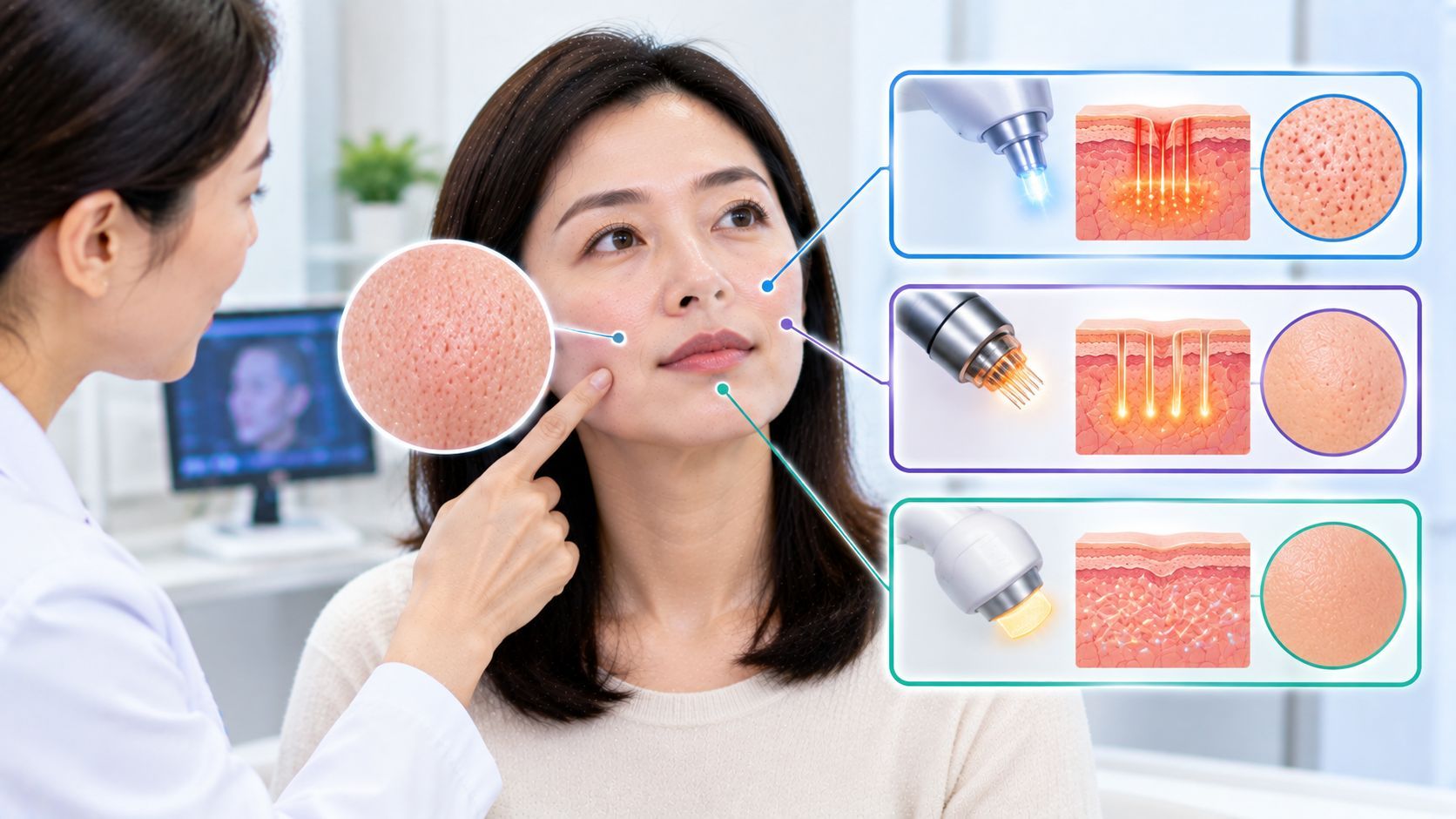
Depending on your condition, a dermatologist might consider approaches such as:
- Conservative non-ablative laser treatment
- Selected 1064-nm Nd:YAG approaches
- Fractional picosecond treatment
- Microneedling
- RF microneedling
- Subcision for appropriate acne scars
- Topical pigment management
- Combination or staged treatments
These are not interchangeable, and none should automatically be considered risk-free for darker skin.
Ask What You Should Do Before Treatment
Your dermatologist may recommend preparing the skin before a procedure.
Depending on the diagnosis, preparation may involve controlling active inflammation, optimizing sun protection, or using prescribed topical treatments.
Do not start strong bleaching agents, retinoids, acids, or other active products immediately before a procedure unless your treating clinician recommends them.
Ask What to Do if PIH Develops
Before treatment, ask:
“If I develop dark pigmentation afterward, what is the treatment plan?”
This is particularly useful for international patients because you may return home soon after your procedure.
Ask about:
- Expected redness
- Expected swelling
- When pigmentation could appear
- Which symptoms are normal
- Which symptoms require contacting the clinic
- Recommended skincare
- Sun protection
- Whether follow-up can be performed remotely
- What documentation you should take home
Having a plan is especially important when you will be flying back to another country.
A Simple Script You Can Use in Seoul
You can tell your dermatologist:
“I develop post-inflammatory hyperpigmentation very easily. Almost every acne spot leaves a dark mark, and I have also developed pigmentation after previous procedures. My pigmentation usually lasts for several months. I would like to know which treatment and settings would minimize unnecessary inflammation and pigment risk for my skin.”
Then add:
“Would you recommend a test spot, a lower-intensity approach, or a non-laser alternative?”
This gives the dermatologist much more useful information than simply saying you have “dark skin.”
Conclusion
If you develop PIH very easily, the most important thing to tell a Korean dermatologist is how your skin has reacted to previous inflammation and procedures.
Explain your history of acne-related pigmentation, previous laser or peel reactions, tanning, current inflammation, how long your pigmentation lasts, and what treatments you have already tried. Bring photographs and treatment records whenever possible.
Most importantly, ask about the specific device, wavelength, treatment settings, alternatives, test spots, and post-treatment pigment management rather than assuming that a particular technology is automatically safe because it is marketed for darker skin.
For international patients traveling to Korea, this detailed conversation can help the dermatologist design a treatment plan around your individual PIH history rather than treating your skin type as a single category.
Frequently Asked Questions
Should I tell my Korean dermatologist that I get PIH after acne?
Yes. A history of acne-related PIH is important because it demonstrates how your skin tends to respond to inflammation.
Should I mention pigmentation from mosquito bites or small cuts?
Yes. Darkening after minor skin injuries can provide additional information about your tendency toward post-inflammatory pigmentation.
Can I still get laser treatment if I develop PIH easily?
Possibly. A strong PIH tendency does not automatically rule out laser treatment, but the dermatologist may modify the device, wavelength, energy, density, or treatment schedule.
Should I bring photographs of previous PIH?
Yes. Before-and-after photographs can help your dermatologist understand the timing and severity of previous pigmentary reactions.
Should I ask for a test spot?
It is reasonable to ask whether a test spot would be useful. Its value depends on the treatment, device, skin condition and treatment area.
Can RF microneedling eliminate PIH risk?
No. RF microneedling may be useful for some darker skin types, but it can still cause inflammation and pigmentary changes if excessive thermal injury occurs.