What’s the Safest Skin Treatment to Do Before Professional Photographs?
Introduction
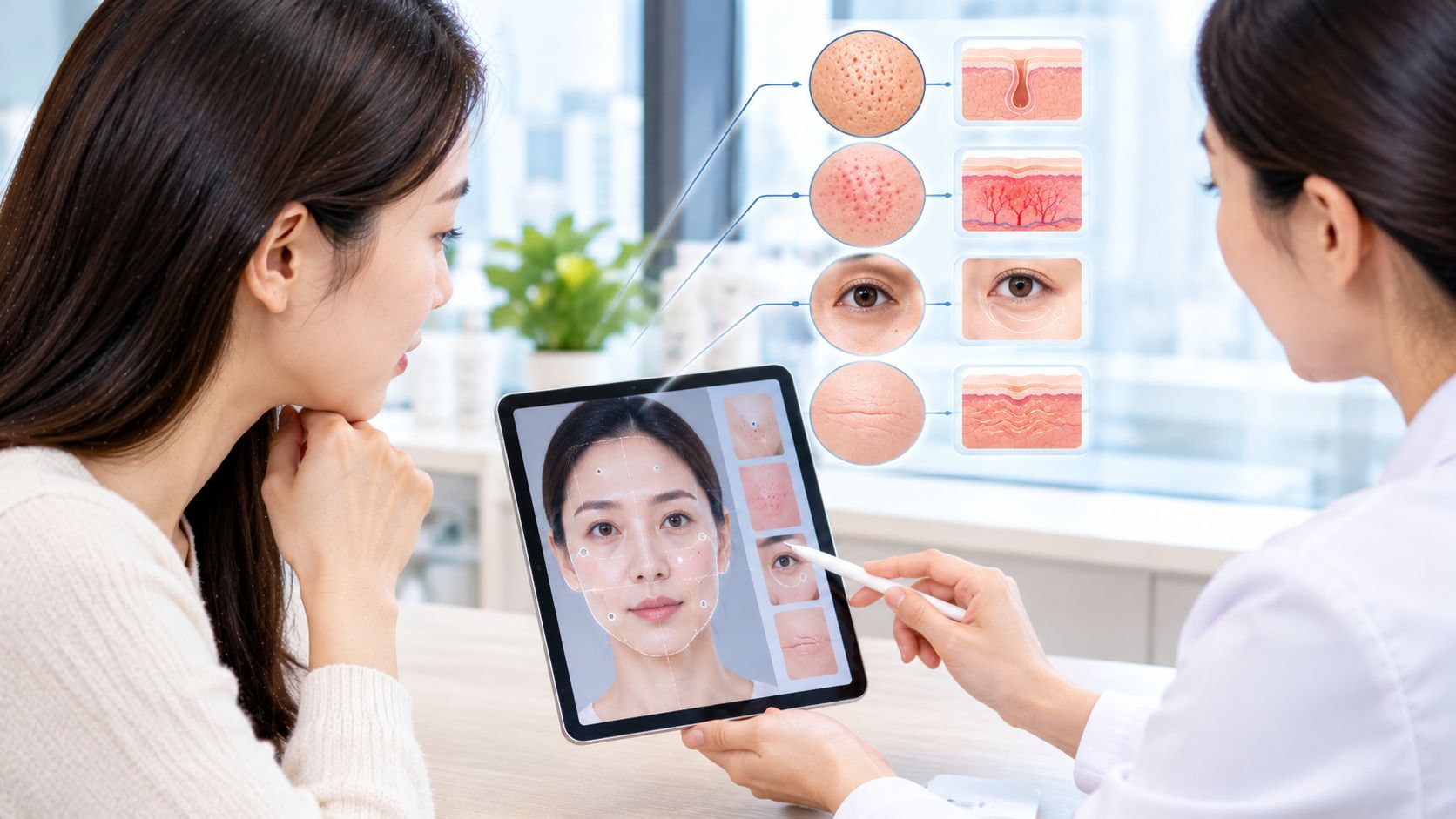
Professional photographs can make small changes in skin texture, redness, swelling, pigmentation, and facial balance much more noticeable than they appear in everyday life. Because of this, choosing a cosmetic treatment shortly before a photo shoot is less about finding one universally “safest” procedure and more about choosing a treatment with a predictable recovery period for your particular skin and treatment history.
For many people, the most predictable option is a treatment they have already tolerated successfully, performed early enough that any redness, swelling, bruising, or other temporary effects have settled. A dermatologist should consider your skin condition, previous procedures, sensitivity, the photography date, and how much improvement is actually needed. The American Academy of Dermatology recommends discussing expected results, risks, recovery time, and the timing of returning to social activities before cosmetic procedures.
What Is the Safest Treatment Before Professional Photos?
There is no single treatment that is safest for everyone.
If photographs are important, the priority should be predictability rather than maximum treatment intensity. A procedure that can improve skin substantially but commonly causes several days of redness, swelling, peeling, or bruising may be inappropriate immediately before photography.
Depending on the person and timeline, options may include:
- A familiar, gentle skin treatment
- Carefully planned Botox when there is sufficient time for the result to settle
- Non-ablative laser or light-based treatment performed early enough for recovery
- Skin-quality treatments when the patient has previously tolerated them
- Conservative facial treatments that do not cause significant irritation
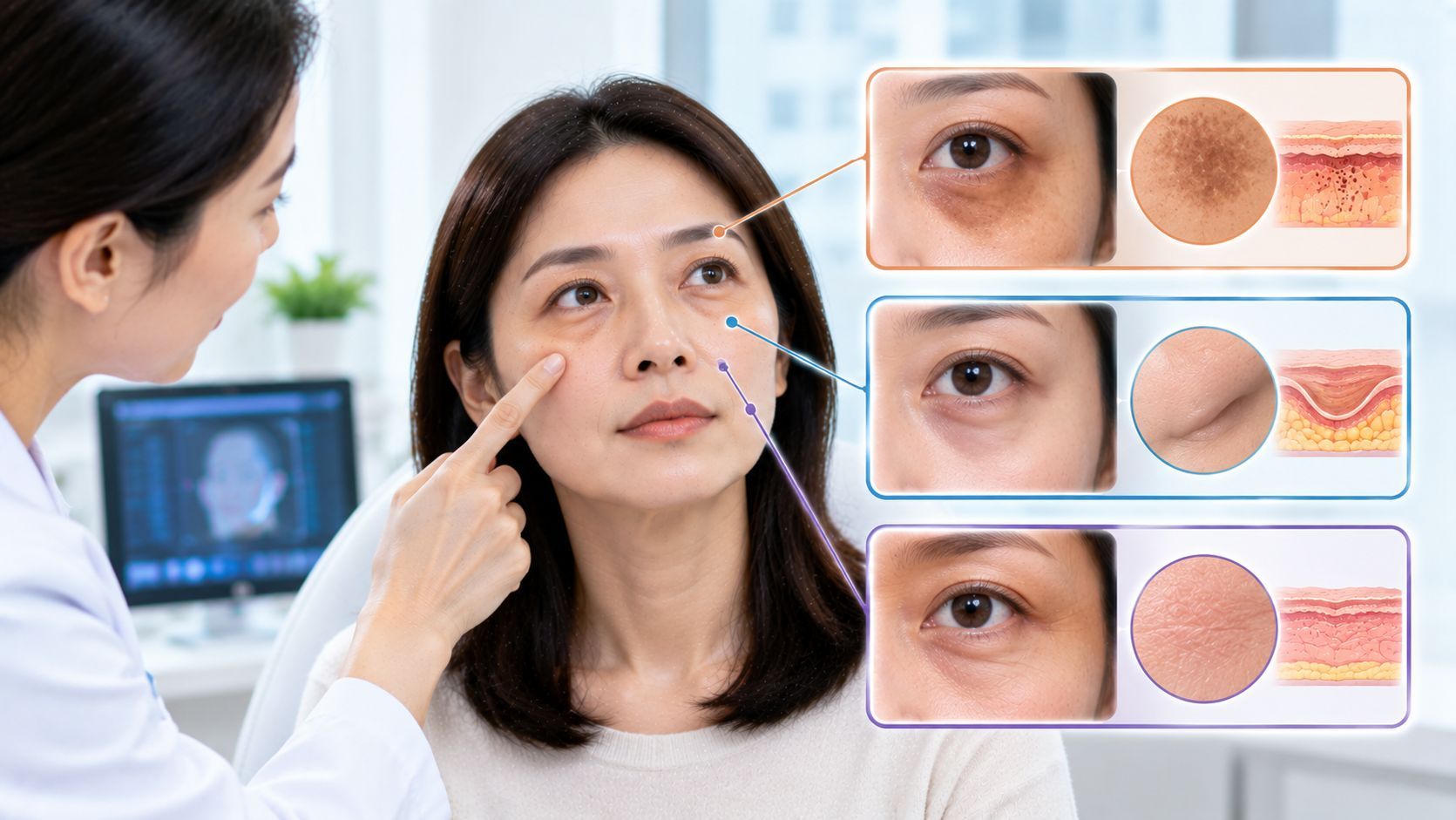
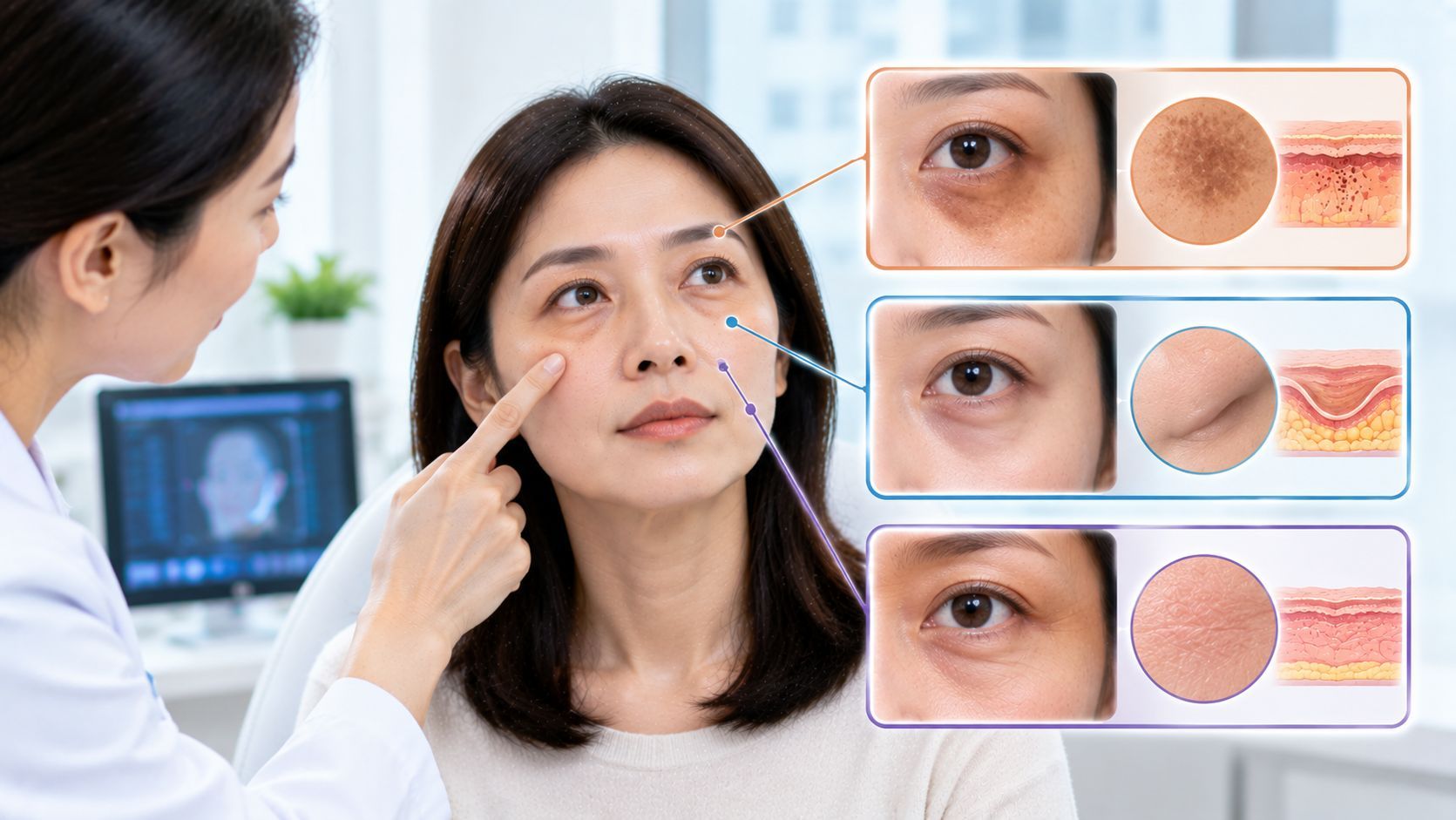
The appropriate choice depends on the problem being photographed. A person concerned about wrinkles needs a different approach from someone whose main concern is redness, pigmentation, uneven texture, or dullness.
Why Timing Matters More Than the Treatment Name
Even a commonly performed cosmetic procedure can produce temporary effects.
Professional photography also uses strong lighting, high-resolution cameras, close-up framing, and sometimes makeup that can emphasize texture. Therefore, treatment should not be scheduled based solely on how quickly someone can return to normal daily activities.
An individualized treatment plan is important. A consensus review on combining aesthetic procedures recommends spacing consecutive treatments by approximately one to two weeks when appropriate, allowing temporary side effects to resolve and giving clinicians an opportunity to assess results.
For a major photo shoot, having additional recovery time is generally preferable to trying to squeeze several procedures into the final few days.
Treatments That May Work Well When Planned Early
Botox
Botulinum toxin can be useful when dynamic facial lines are the primary concern, particularly in areas such as the forehead, glabella, or crow's feet.
However, it should not be treated as an instant photo-preparation procedure. The final appearance develops over time, and individual responses vary. Injection technique and dose also affect the result.
If you have never had Botox before, trying it immediately before an important photography session introduces uncertainty. A first treatment may produce temporary swelling, bruising, asymmetry, or an effect that you simply do not prefer.
If Botox is appropriate, it is generally more sensible to schedule it with enough time for the effect to develop and any temporary injection-related changes to settle. The AAD also emphasizes choosing an appropriately trained medical professional because safe injection requires detailed knowledge of anatomy.
Non-Ablative Laser or Light Treatments
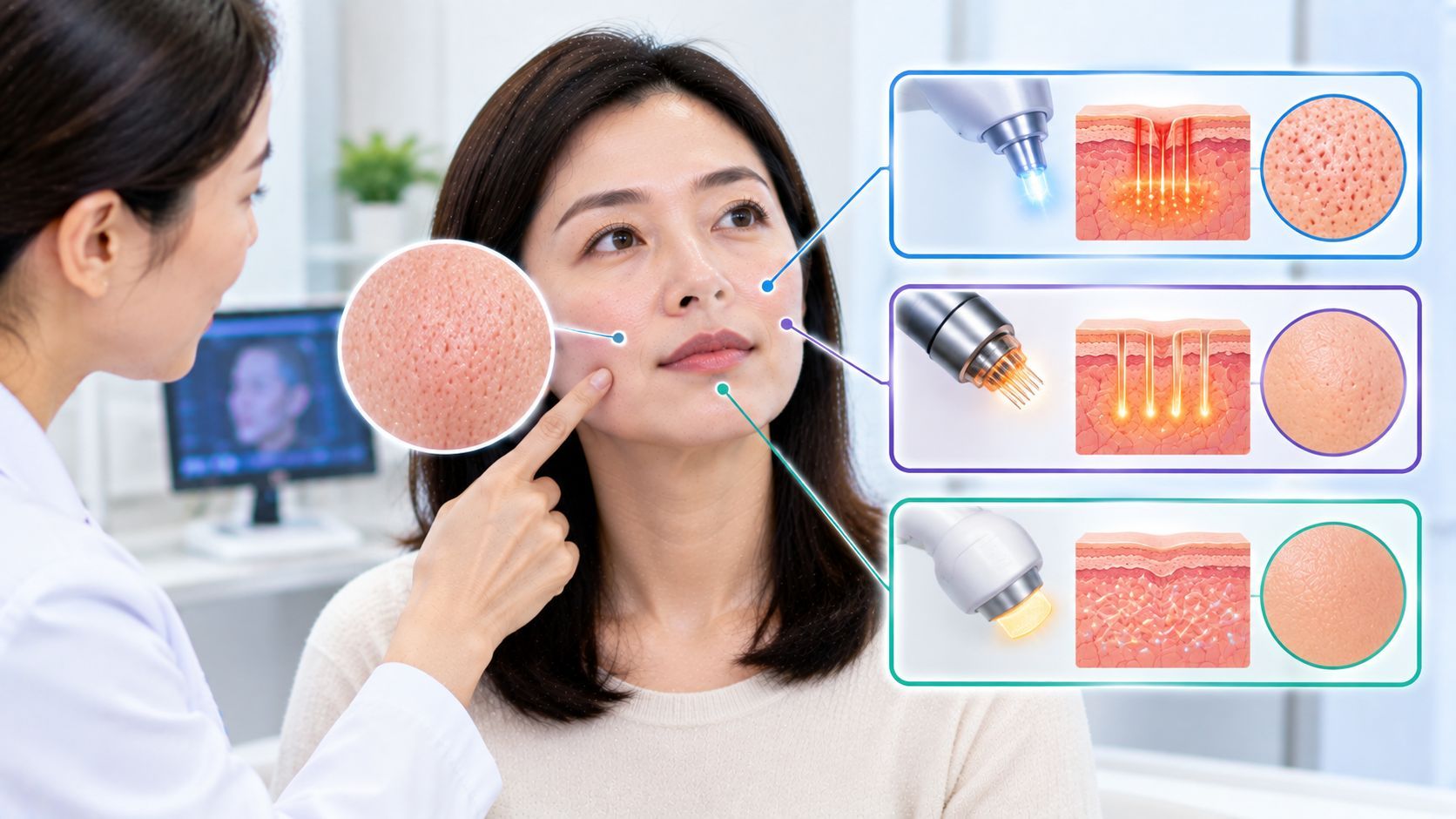
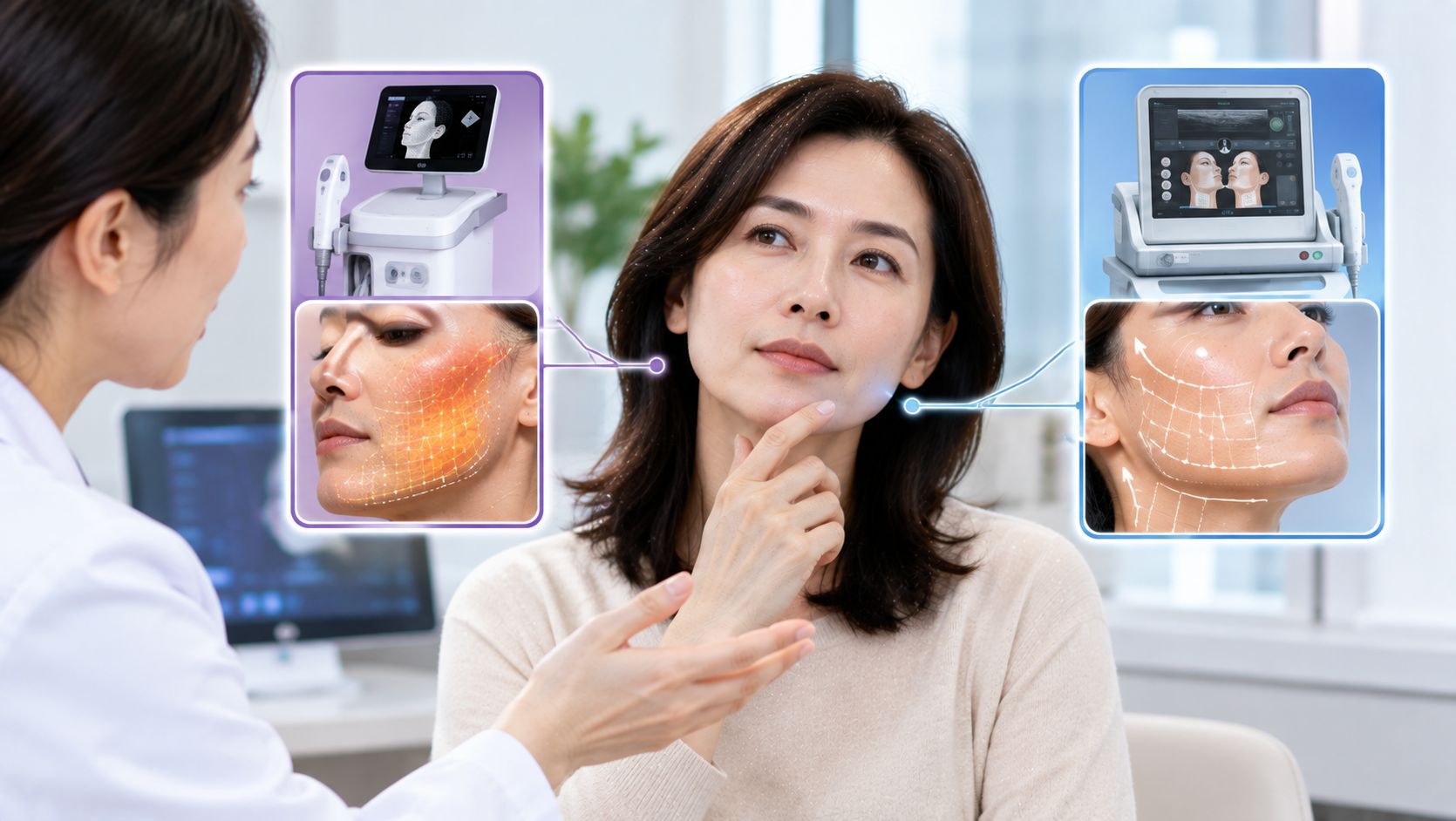
Certain non-ablative laser or light-based treatments can address concerns such as pigmentation, redness, or overall skin appearance without the more substantial recovery associated with aggressive resurfacing.
However, “non-ablative” does not mean “no recovery.” Redness, sensitivity, temporary pigment changes, or other reactions can occur depending on the device, settings, skin type, and condition being treated.
If you are traveling to Seoul for professional photographs, the treatment should be scheduled sufficiently in advance rather than immediately before the shoot.
Skin-Quality Treatments
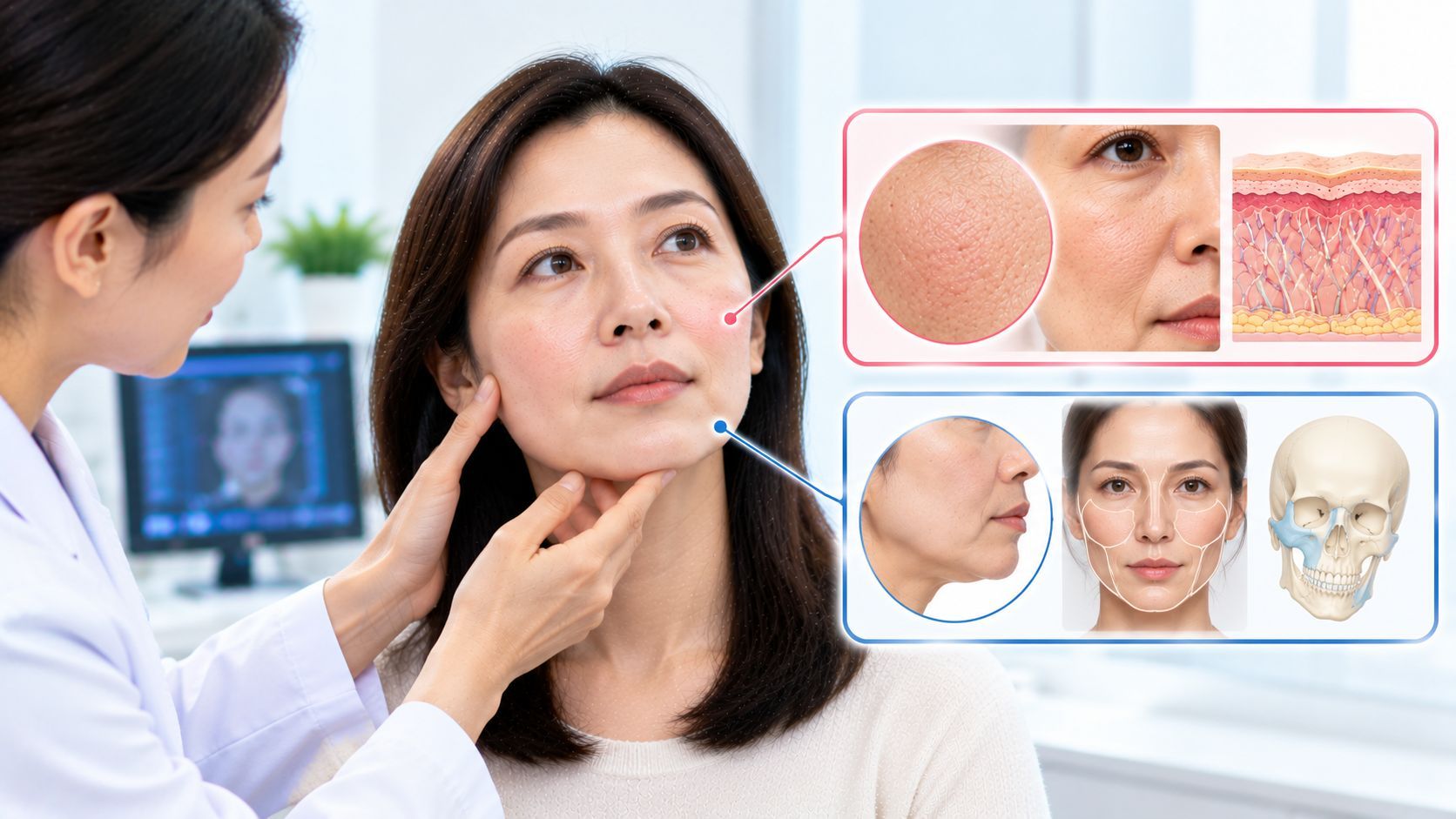
Some treatments focus on skin quality rather than changing facial structure. Depending on the treatment, these may target hydration, surface quality, firmness, or overall skin appearance.
A 2025 consensus-based treatment algorithm describes skin quality through areas including tone evenness, surface evenness, firmness, and glow, emphasizing that different concerns may require different approaches.
These treatments can be useful when the objective is healthier-looking skin rather than a dramatic change in facial shape. But even relatively conservative procedures can cause temporary redness or swelling, so previous tolerance and timing remain important.
Be More Careful With Fillers Before a Photo Shoot
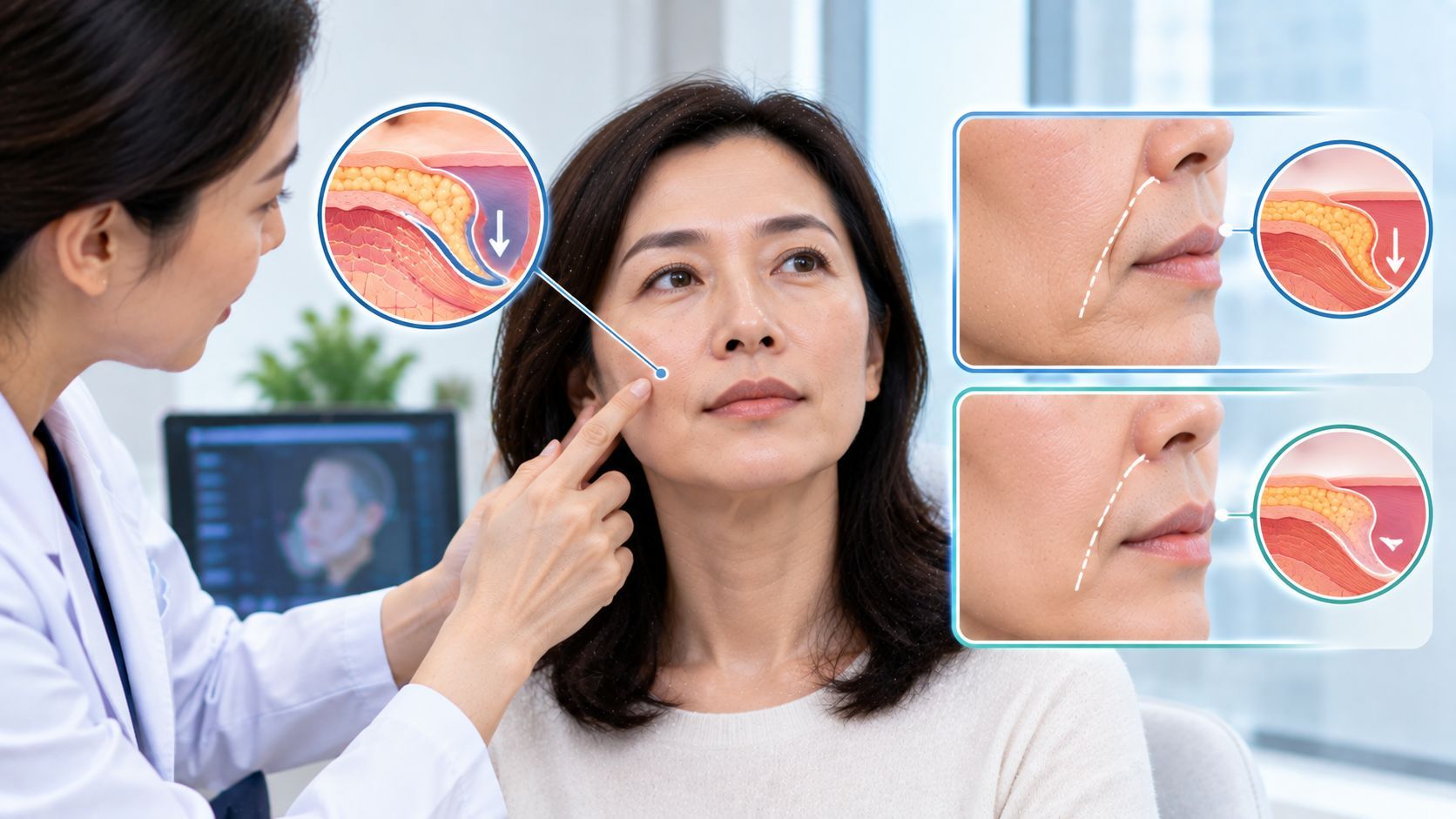
Dermal fillers can create significant improvements when the problem involves volume loss or structural support, but they are generally not something to experiment with immediately before professional photographs.
Temporary swelling, tenderness, redness, and bruising can occur after filler treatment. The AAD recommends discussing potential side effects, previous cosmetic treatments, medications, and the practitioner's experience before treatment.
There is also an aesthetic consideration: even if swelling is medically expected, you may not like how your face photographs while the filler is settling.
If filler is genuinely appropriate, planning it well before the photo session gives the clinician time to evaluate the result and make adjustments if necessary.
Treatments to Avoid Experimenting With Right Before Photography
If the photograph is important, caution is particularly reasonable with treatments that can produce significant or unpredictable temporary changes.
These may include:
- A first-time filler treatment
- Aggressive laser resurfacing
- Strong chemical peels
- RF microneedling performed too close to the shoot
- Intensive combination treatments
- Procedures you've never previously experienced
- Treatments performed without adequate recovery time
This does not mean these procedures are inherently inappropriate. They may be useful treatments when correctly selected and properly timed. The issue is proximity to the photography date.
A Practical Timeline Before Professional Photography
4–8 Weeks Before
This is a useful planning window for treatments that need time to produce their full effect.
A dermatologist can assess:
- Skin texture
- Pigmentation
- Fine lines
- Facial volume
- Skin laxity
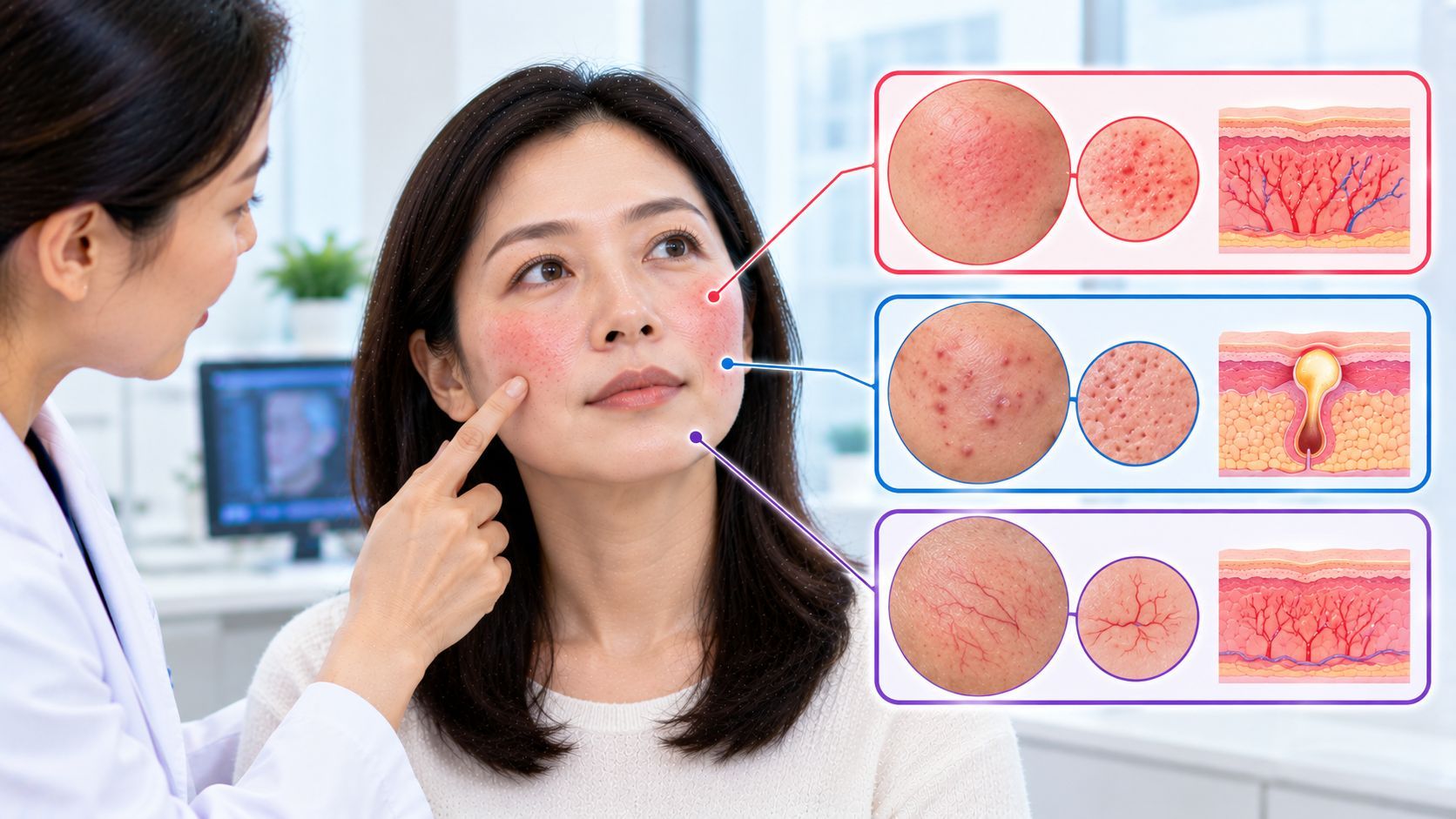
- Redness
- Acne or post-acne changes
If several treatments are being considered, this is also the time to create a sequence rather than performing everything at once.
2–4 Weeks Before
This can be an appropriate period for selected non-invasive or minimally invasive treatments, depending on the procedure and your history.
It also provides enough time to determine whether the result matches your expectations.
About 1 Week Before
At this point, the emphasis should shift toward maintenance and stability.
Avoid experimenting with new aggressive treatments. Your goal should be calm, predictable skin rather than trying to create a last-minute transformation.
The Final 2–3 Days
This is usually not the time for major cosmetic procedures.
Focus instead on maintaining your normal skincare routine, avoiding unnecessary irritation, and following the specific aftercare instructions provided by your dermatologist.
What About Getting Treatment in Seoul Before a Photo Shoot?
If you are visiting Seoul for professional photographs, planning becomes even more important because travel adds another variable.
Ideally, arrange the dermatology consultation early enough to discuss your photography date, travel schedule, previous procedures, allergies or sensitivities, and expected recovery.
Bring photographs showing your usual appearance if your goal is subtle improvement. Your dermatologist can also assess whether the problem is primarily skin quality, facial movement, pigmentation, volume, or laxity.
A detailed consultation is particularly important when combining treatments. Expert consensus recommends individualized assessment and sequencing rather than automatically combining procedures.
How to Choose a Treatment for Camera-Ready Skin
Before treatment, ask:
- How much recovery should I realistically expect?
- Could swelling or bruising still be visible on camera?
- When should the final result become apparent?
- Have I had this treatment before?
- Could this treatment temporarily worsen redness or pigmentation?
- What happens if I don't like the initial result?
- Should another treatment be done first?
These questions align with dermatology guidance emphasizing realistic expectations, risks, recovery, and timing around social activities.
Conclusion
There is no universally safest skin treatment before professional photographs. The most predictable approach is usually an individualized, conservative treatment plan with enough recovery time, particularly when the photographs are important.
If you have several weeks, a dermatologist may have more options for improving texture, pigmentation, wrinkles, firmness, or facial balance. If the photo shoot is only days away, it is generally more sensible to avoid first-time or aggressive procedures and focus on keeping the skin calm and predictable.
For international patients visiting Seoul, schedule the consultation early and tell the clinic exactly when the photography will take place. The best treatment is not necessarily the strongest treatment—it is the one that addresses the actual concern while leaving enough time for the result to settle.
FAQs
Is Botox a good treatment before professional photographs?
It can be appropriate when dynamic wrinkles are the concern, particularly when there is adequate time for the effect to develop and temporary injection-related effects to settle. First-time treatment immediately before photography is less predictable.
Can I get filler one week before a photo shoot?
It may be possible in selected circumstances, but one week may not provide enough time for swelling or bruising to completely resolve. If the photographs are important, filler is generally better planned earlier.
Is laser treatment safe before professional photos?
Some laser treatments can be used before photography, but recovery varies considerably. The device, settings, skin type, and treatment target all matter, so the dermatologist should determine appropriate timing.
What if my photos are only three days away?
Avoid using the final few days for major experimentation. Unless a dermatologist specifically recommends otherwise, focus on maintaining your normal routine and avoiding unnecessary irritation.
Should I combine several treatments before a photo shoot?
Combination treatments can sometimes be appropriate, but they should be planned individually. Expert consensus supports individualized assessment and appropriate spacing when multiple aesthetic procedures are used.
What should international patients tell a Seoul dermatologist?
Tell the dermatologist your exact photography date, travel dates, previous cosmetic treatments, medications, skin sensitivities, and the specific problem you want improved. This allows the clinic to plan treatment and recovery around your schedule.