I Have an Event Tomorrow. Is There Anything a Korean Skin Clinic Can Realistically Improve?
Introduction
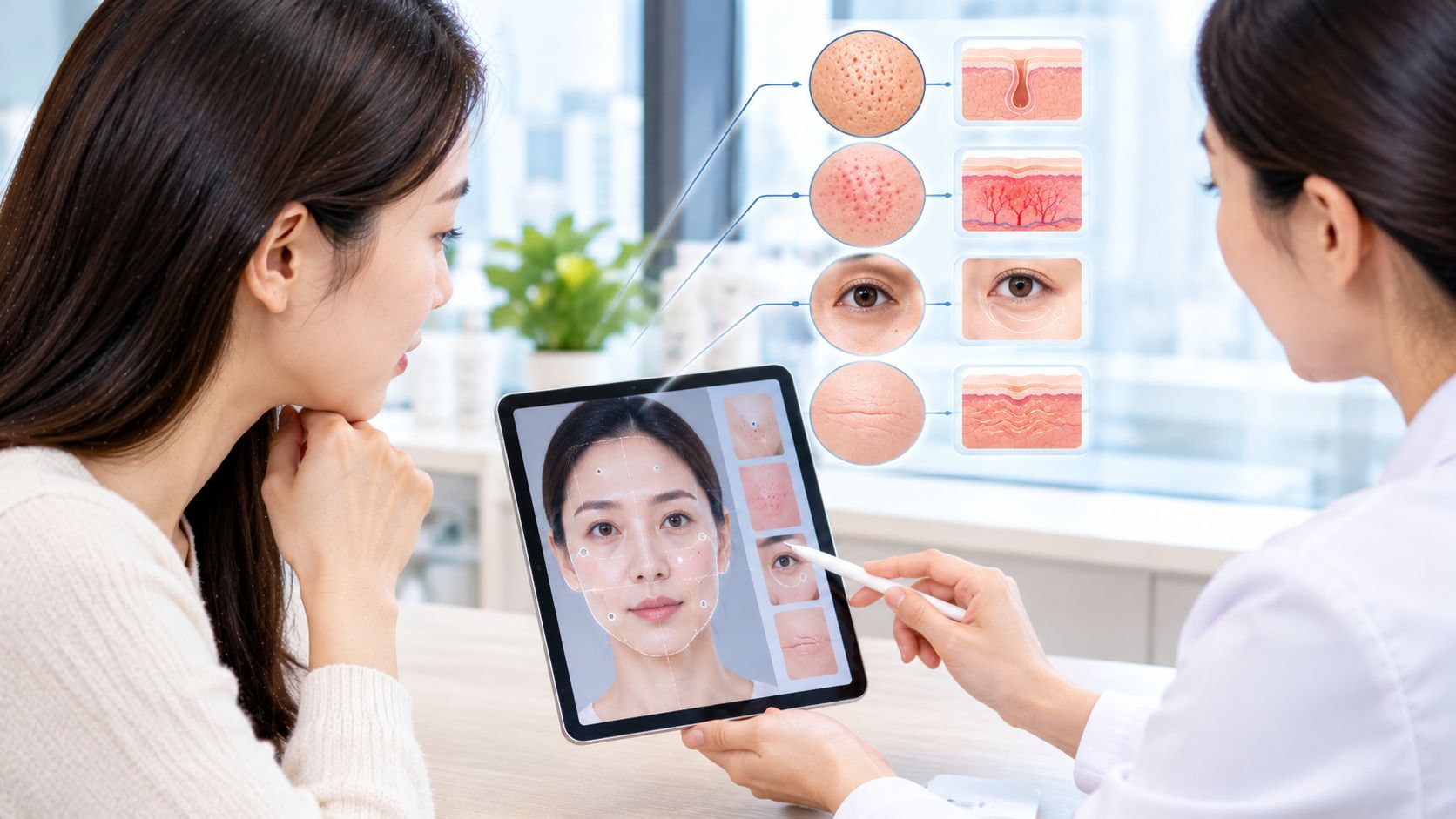
Having an important event tomorrow can create a strong temptation to book a last-minute cosmetic treatment. However, when only 24 hours remain, the goal should not be a dramatic transformation. The more realistic goal is to make the skin look calm, hydrated, refreshed, and well-prepared without creating new redness, swelling, bruising, or irritation.
A Korean dermatology clinic may still be able to help, but the appropriate options are usually much more conservative than treatments planned weeks or months in advance. Every cosmetic procedure has potential risks and recovery requirements, so a dermatologist should consider your skin condition, treatment history, sensitivity, and the event schedule before recommending anything.
What Can a Korean Skin Clinic Realistically Improve in One Day?
With only one day available, a clinic may be able to address temporary skin-quality concerns more realistically than structural aging concerns.
Depending on your skin and medical history, a dermatologist may consider:
- Mild dehydration or dryness
- Temporary dullness
- Surface roughness
- Some forms of superficial congestion
- Makeup-related skin preparation
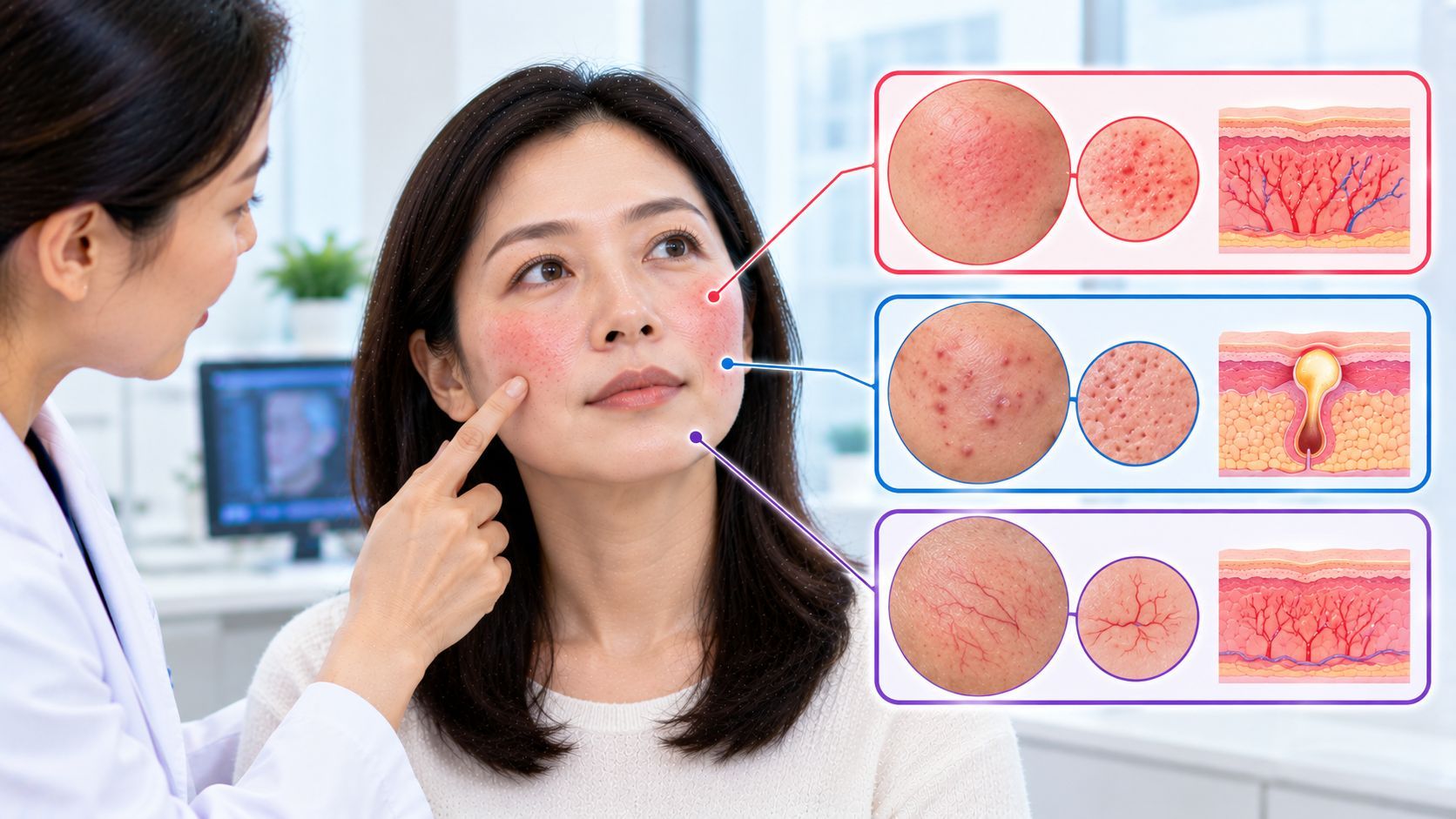
- Certain mild redness or irritation, if the cause is understood
- Individual concerns that can be managed without significant downtime
The key distinction is between making the skin look temporarily more refreshed and actually changing facial structure.
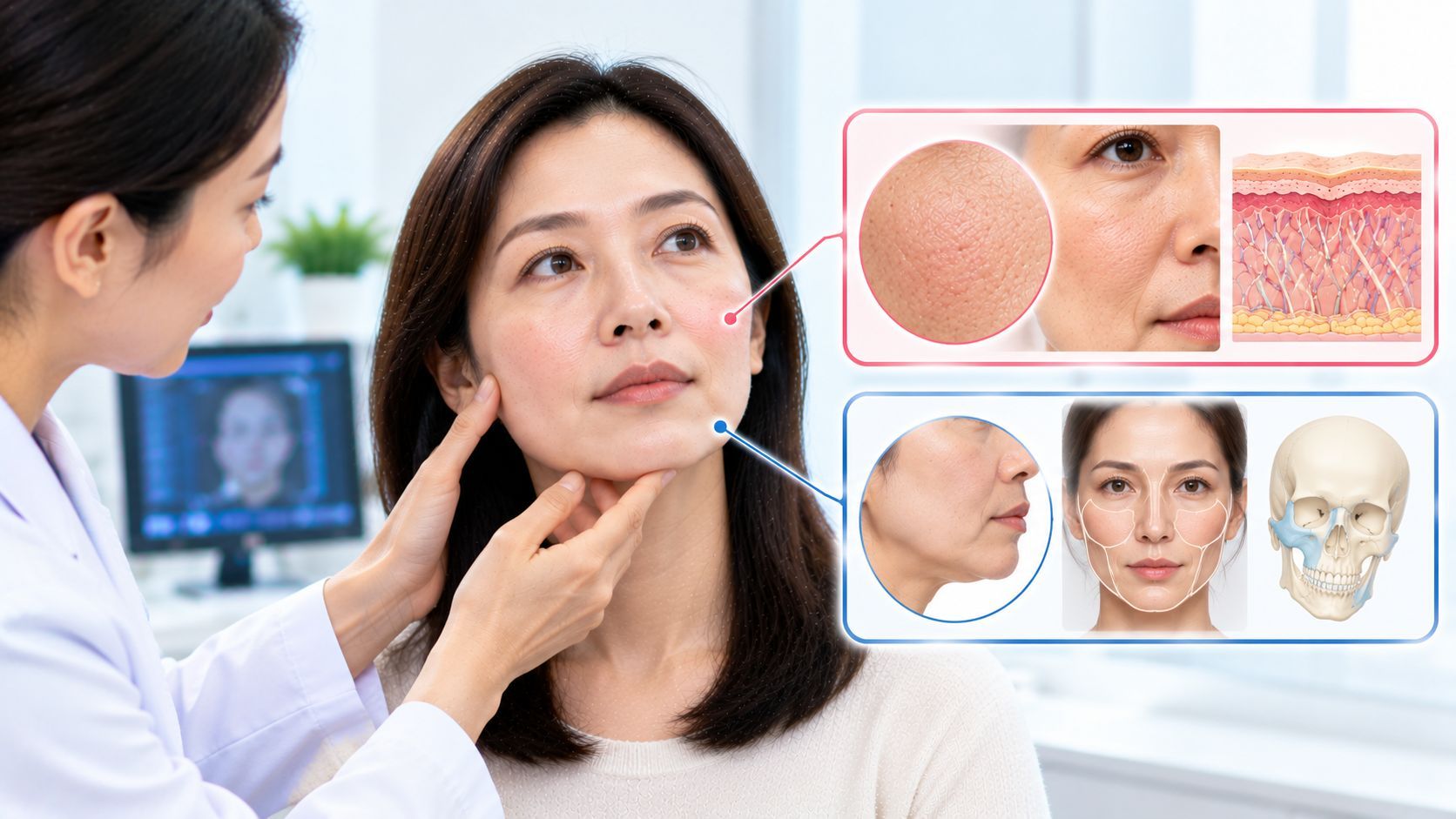
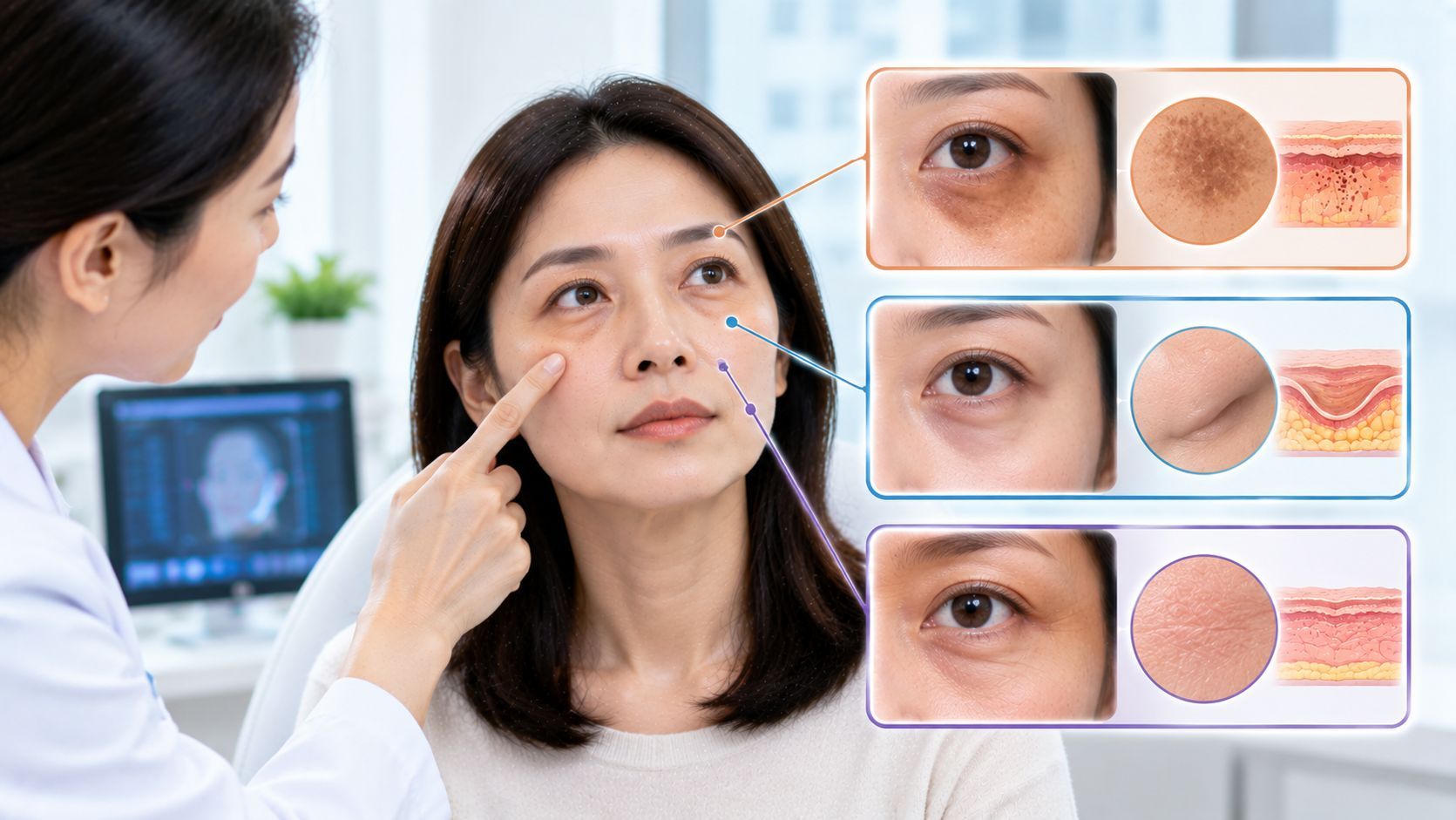
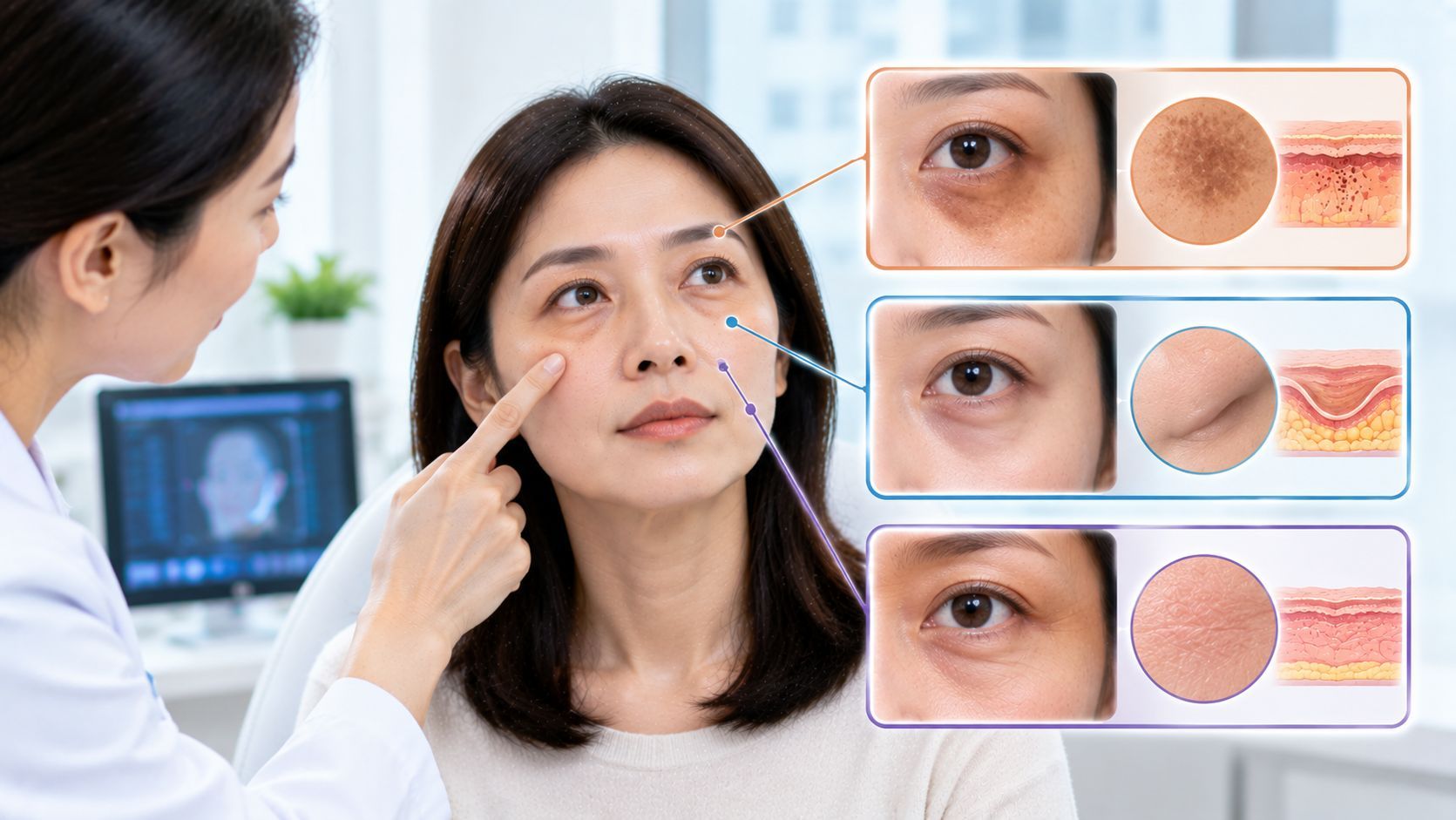
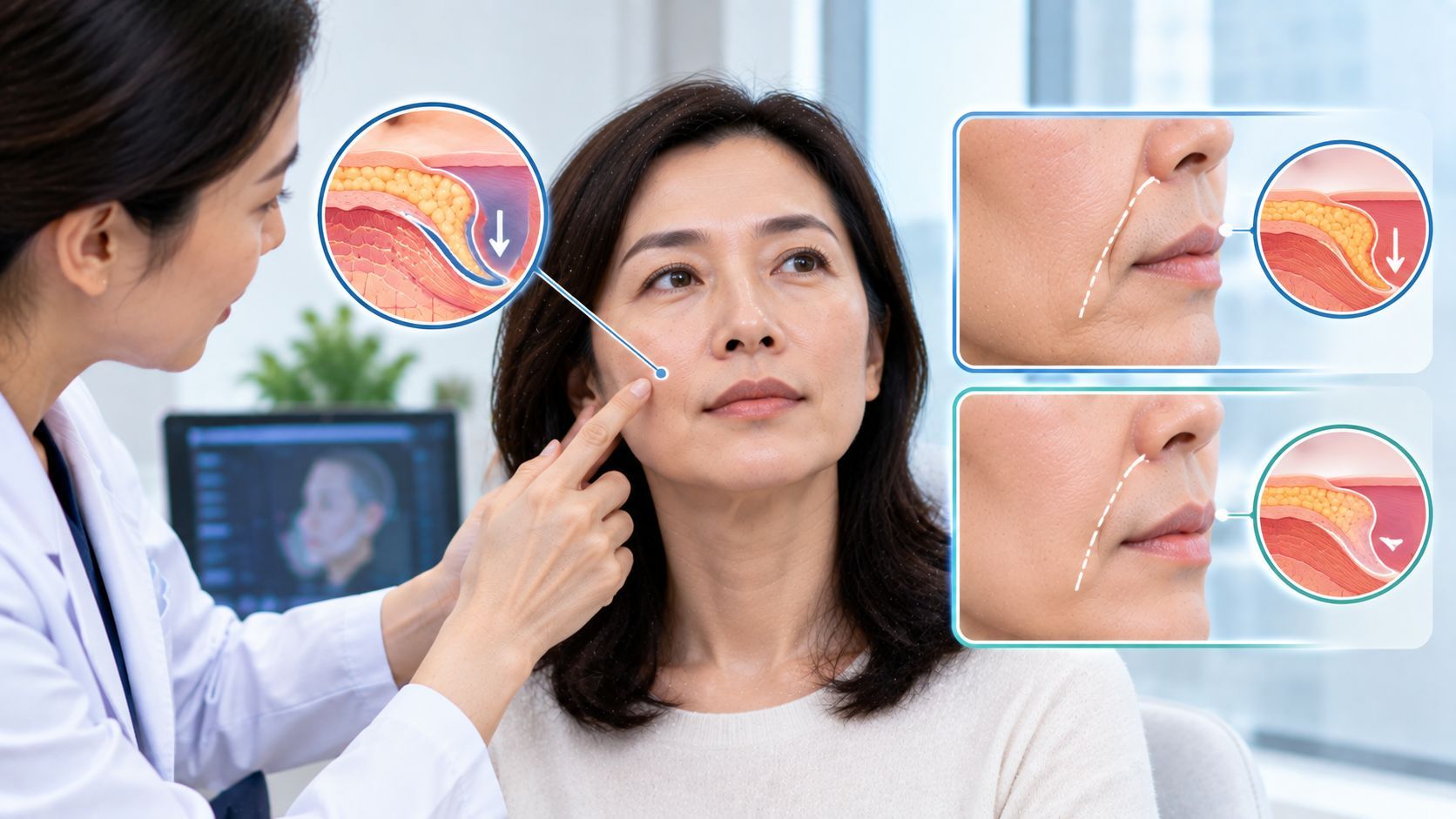
A treatment performed today cannot reliably tighten substantial loose skin, erase established wrinkles, correct significant volume loss, or completely resolve pigmentation by tomorrow.
Why Last-Minute Aggressive Treatment Can Backfire
A common mistake is assuming that a stronger treatment will produce a better result faster.
In reality, procedures can cause temporary redness, swelling, tenderness, peeling, bruising, or irritation. The American Academy of Dermatology specifically recommends asking a dermatologist about the expected recovery period and when it is appropriate to return to normal activities or social events.
That becomes particularly important when the event is tomorrow.
If your skin reacts strongly to a procedure, there may not be enough time for the reaction to settle before photographs or social interaction.
For this reason, predictability is usually more important than treatment intensity when only 24 hours remain.
What About a Hydrating or Gentle Skin Treatment?
If your primary concern is that your skin looks dry, tired, or dull, a dermatologist may determine that a gentle, low-irritation approach is more appropriate than an aggressive procedure.
A basic supportive skincare routine involving cleansing, moisturizing, and appropriate sun protection is commonly incorporated into aesthetic treatment planning. Recent expert recommendations emphasize tailoring skincare to the procedure and individual skin response rather than applying one routine to everyone.
However, even a treatment marketed as a “hydrating facial” can contain ingredients or involve techniques that irritate sensitive skin.
If you have an important event tomorrow, tell the clinic that the event is less than 24 hours away. That information should influence the treatment decision.
Should I Get Botox the Day Before an Event?
Usually, tomorrow is not the ideal time to experiment with Botox for the first time.
Botulinum toxin generally does not require significant downtime, and many people return to ordinary activities immediately. However, injection-related bruising can occur, and the cosmetic effect develops over several days rather than appearing instantly.
Therefore, if you have never had Botox before, the day before an important event is a poor opportunity to discover how your face responds.
Even if you regularly receive Botox, the decision should be individualized. Your dermatologist needs to consider the treatment area, dose, previous response, and possibility of bruising.
What About Filler the Day Before?
Filler is generally not something to choose casually one day before an important event.
Although many fillers produce an immediate change in volume, injections can also cause temporary swelling, redness, tenderness, or bruising. The AAD describes filler as a medical procedure and emphasizes the importance of an experienced medical professional, appropriate consultation, and discussion of potential side effects.
This is especially relevant for areas such as:
- Under-eyes
- Cheeks
- Lips
- Nasolabial folds
- Chin
- Jawline
A small amount of swelling may look very different on camera or under event lighting.
If your goal is a specific facial-volume correction, it is usually better to plan filler well before the event rather than trying to create the result overnight.
Should I Get Laser Treatment the Day Before?
This depends heavily on the specific laser and your skin.
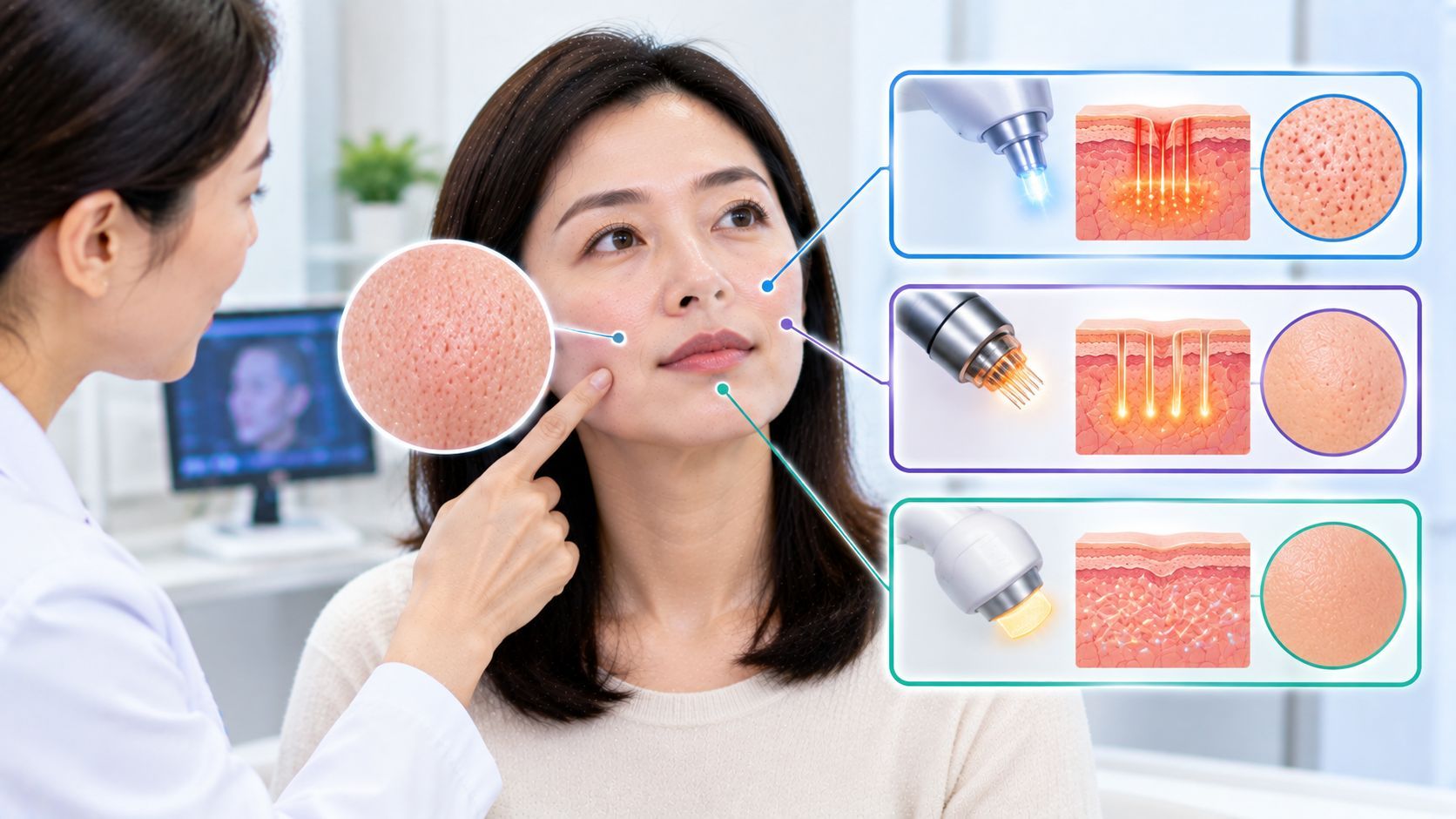
Some non-ablative treatments may involve relatively limited recovery, while stronger resurfacing treatments can cause noticeable redness, sensitivity, swelling, peeling, or pigment changes.
If you have never had the particular laser before, the day before an important event is generally not an ideal time to test it.
Your skin type also matters. People who are prone to post-inflammatory hyperpigmentation or prolonged redness may require particularly careful treatment planning. Expert recommendations for aesthetic procedures emphasize assessing individual risk factors before treatment rather than applying the same protocol to every patient.
What About RF Microneedling, HIFU, or Skin Tightening?
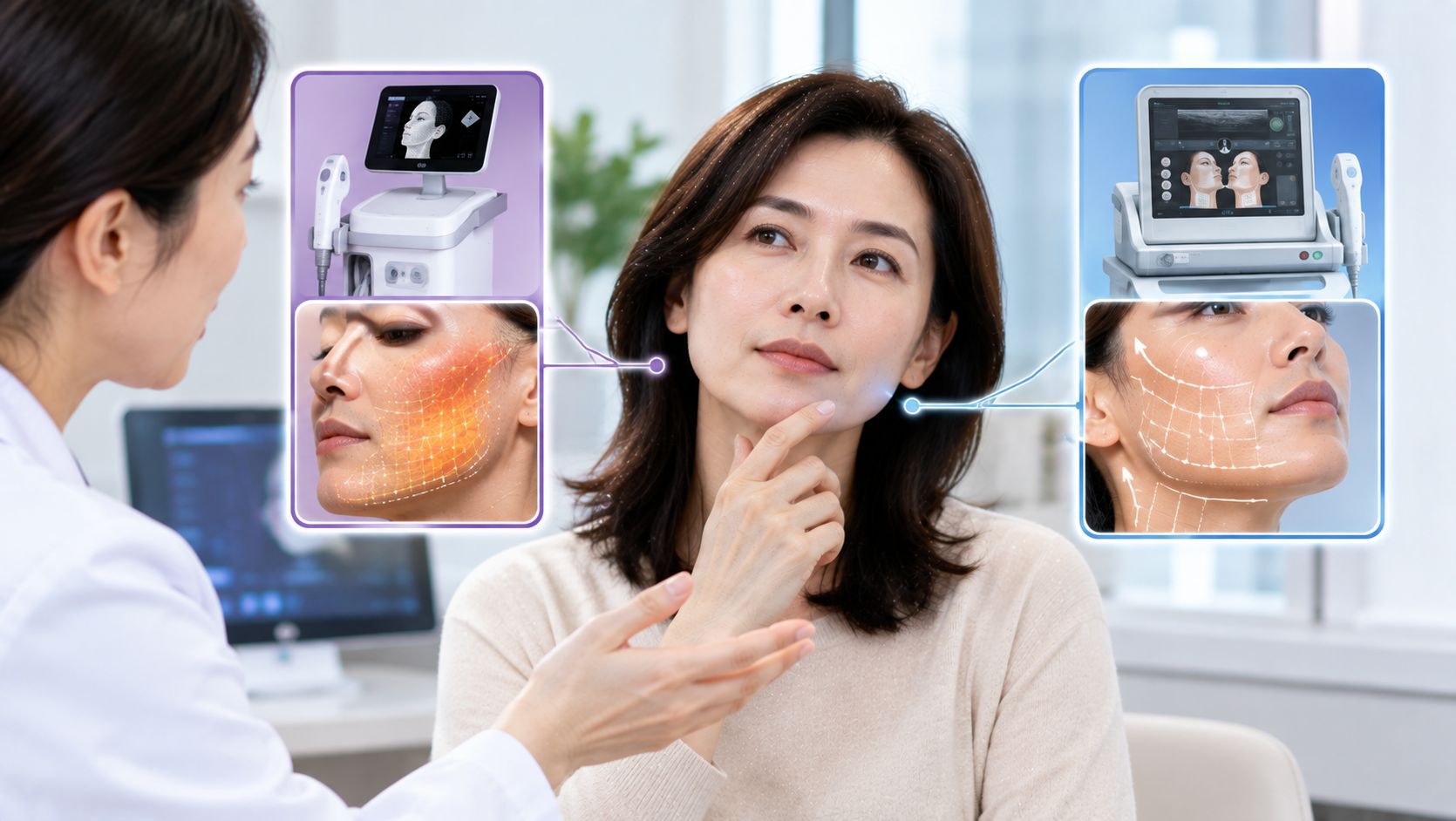
These treatments can be useful for appropriate patients, but they are generally longer-term treatments rather than overnight event-preparation procedures.
RF microneedling can produce redness and swelling, while energy-based tightening procedures may require time before their effects become apparent.
HIFU and other collagen-remodeling treatments also do not provide their full tightening effect by the next morning.
If your event is tomorrow, these treatments should not be chosen simply because you want an immediate lifting effect.
They may be appropriate as part of a longer anti-aging plan, but that is different from preparing for an event in 24 hours.
What Can You Do Tonight?
If a dermatologist determines that no medical procedure is appropriate, simple skin preparation may actually be more useful.
Keep Your Routine Familiar
Do not introduce several new products the night before an important event.
A basic routine of gentle cleansing, moisturizer, and appropriate sun protection can help avoid unnecessary irritation. Recent consensus recommendations support individualized skincare before and after aesthetic procedures.
Avoid Aggressive Exfoliation
Scrubs, strong acids, or other irritating products can make redness and surface sensitivity more noticeable.
Do Not Try a New “Miracle” Product
A product that works well for another person could cause irritation or an allergic reaction in you.
Prioritize Sleep and Hydration
These will not reverse structural aging overnight, but avoiding dehydration and exhaustion can help you look less fatigued.
What If You Are Already in Seoul?
For international patients in Seoul, a last-minute clinic visit can still be useful if it begins with a consultation rather than an assumption that you need a procedure.
Tell the dermatologist:
- The event is tomorrow
- Whether professional photographs will be taken
- Whether you have makeup planned
- Your previous cosmetic treatments
- Any history of bruising or prolonged redness
- Your usual skincare routine
- Any known skin sensitivities
- Exactly what bothers you about your appearance
This allows the dermatologist to determine whether treatment is appropriate or whether leaving the skin alone is the better option.
The AAD recommends discussing realistic results, risks, alternatives, recovery time, and preparation with the medical professional before cosmetic treatment.
What If the Event Is in 2–4 Weeks Instead?
Two to four weeks creates substantially more planning flexibility.
A dermatologist may have time to consider treatments targeting:
- Fine lines
- Uneven pigmentation
- Skin texture
- Dullness
- Acne or congestion
- Mild laxity
- Skin quality
The important advantage is that there is time to allow temporary treatment effects to settle and assess the response.
For multiple aesthetic procedures, expert consensus has recommended appropriate sequencing and spacing rather than automatically performing everything together.
A Simple Rule for Last-Minute Event Preparation
If your event is tomorrow, think in terms of risk versus reward.
ConcernTomorrow's approachDry-looking skinGentle, familiar hydration-focused careMild dullnessConservative skin preparationDynamic wrinklesUsually plan Botox earlierFacial volume lossPlan filler earlierSignificant pigmentationTreat weeks aheadLoose skinLonger-term treatment planningAcne scarsUsually requires a longer treatment courseDeep wrinklesDo not expect overnight correctionFirst-time cosmetic procedureAvoid unnecessary experimentation
Conclusion
If your event is tomorrow, a Korean skin clinic may still help you look more refreshed, but there are clear limits to what can realistically change in 24 hours.
The most sensible approach is usually conservative and predictable. Gentle, familiar skin care may be appropriate for some people, while Botox, filler, lasers, RF microneedling, HIFU, and other medical aesthetic treatments generally require more thoughtful timing.
Most importantly, do not confuse minimal downtime with zero risk. Even procedures that allow people to resume normal activities quickly can produce temporary bruising, swelling, redness, or other visible effects.
For a major event, the best strategy is to plan weeks ahead whenever possible. If you are already in Seoul and the event is tomorrow, tell the dermatologist exactly how little recovery time you have and allow the medical assessment—not the desire for a quick transformation—to determine whether treatment makes sense.
FAQs
Can a Korean dermatology clinic improve my skin overnight?
It may improve certain temporary concerns such as dryness or dullness with appropriate conservative care, but substantial wrinkles, laxity, pigmentation, scars, and volume loss generally cannot be corrected completely overnight.
Is a facial safe the day before an event?
It depends on the products and techniques used and your skin's previous response. A familiar, gentle treatment may be reasonable for some people, while aggressive exfoliation or unfamiliar treatments can cause irritation.
Should I get Botox one day before an important event?
Botox does not usually require significant downtime, but its effect develops over several days and injection-related bruising can occur. A first-time treatment immediately before an important event is therefore less predictable.
Can I get filler the day before photographs?
Filler can produce immediate volume, but swelling, redness, tenderness, and bruising are possible. If the photographs are important, it is generally preferable to allow more time for the result to settle.
What should I avoid before an important event?
Avoid experimenting with aggressive or unfamiliar procedures when there is insufficient recovery time. Strong resurfacing, intensive peels, RF microneedling, new fillers, or other procedures may produce visible temporary reactions.
What should international patients do if they are visiting Seoul for an event?
Book a consultation as early as possible and provide the clinic with your exact event date, previous treatment history, skin sensitivities, and desired outcome. This gives the dermatologist enough information to determine what can realistically be done without creating unnecessary recovery problems.