Why Does My Face Suddenly Look Older Even Though My Skin Hasn't Changed Much?
Introduction
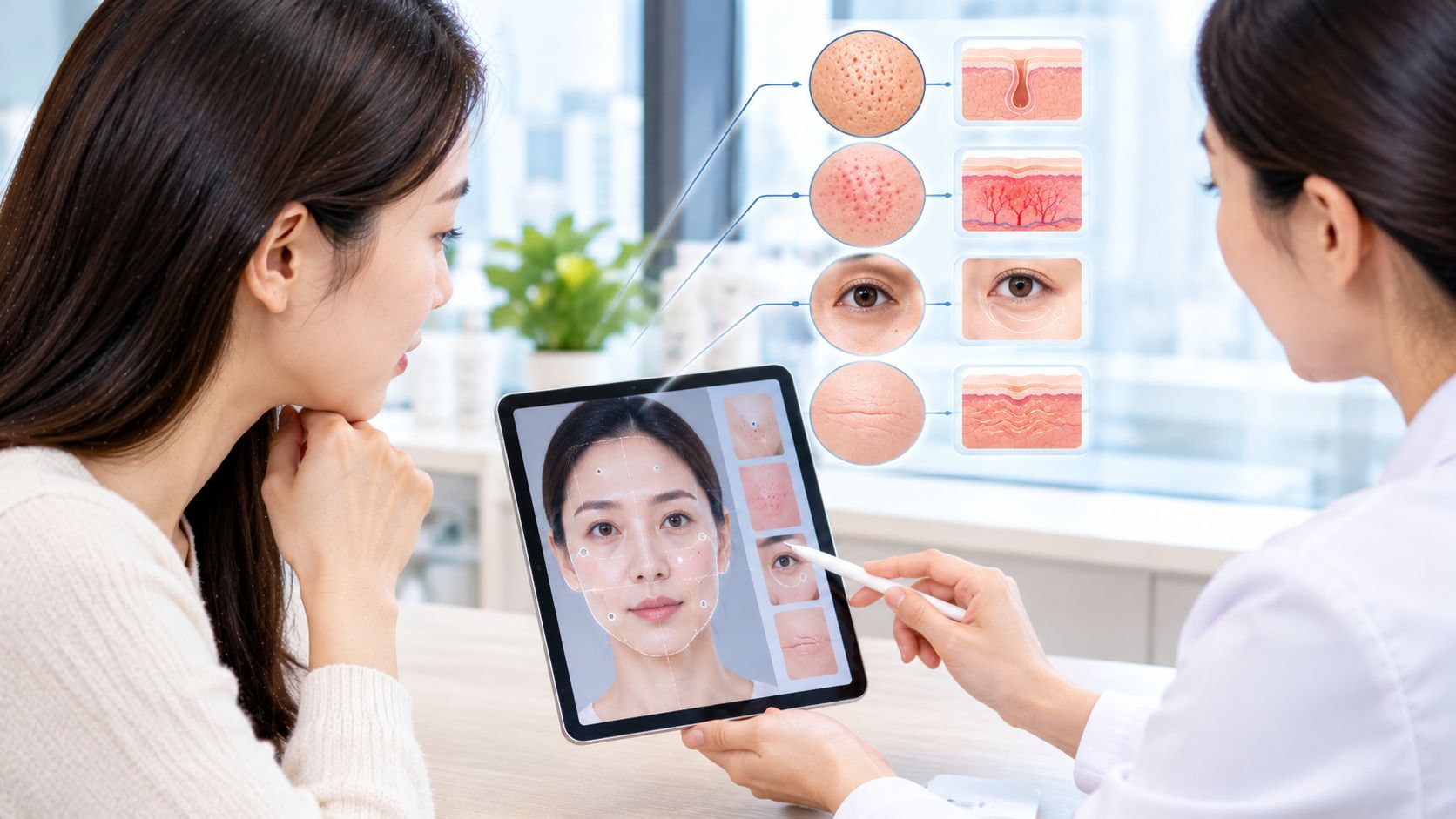
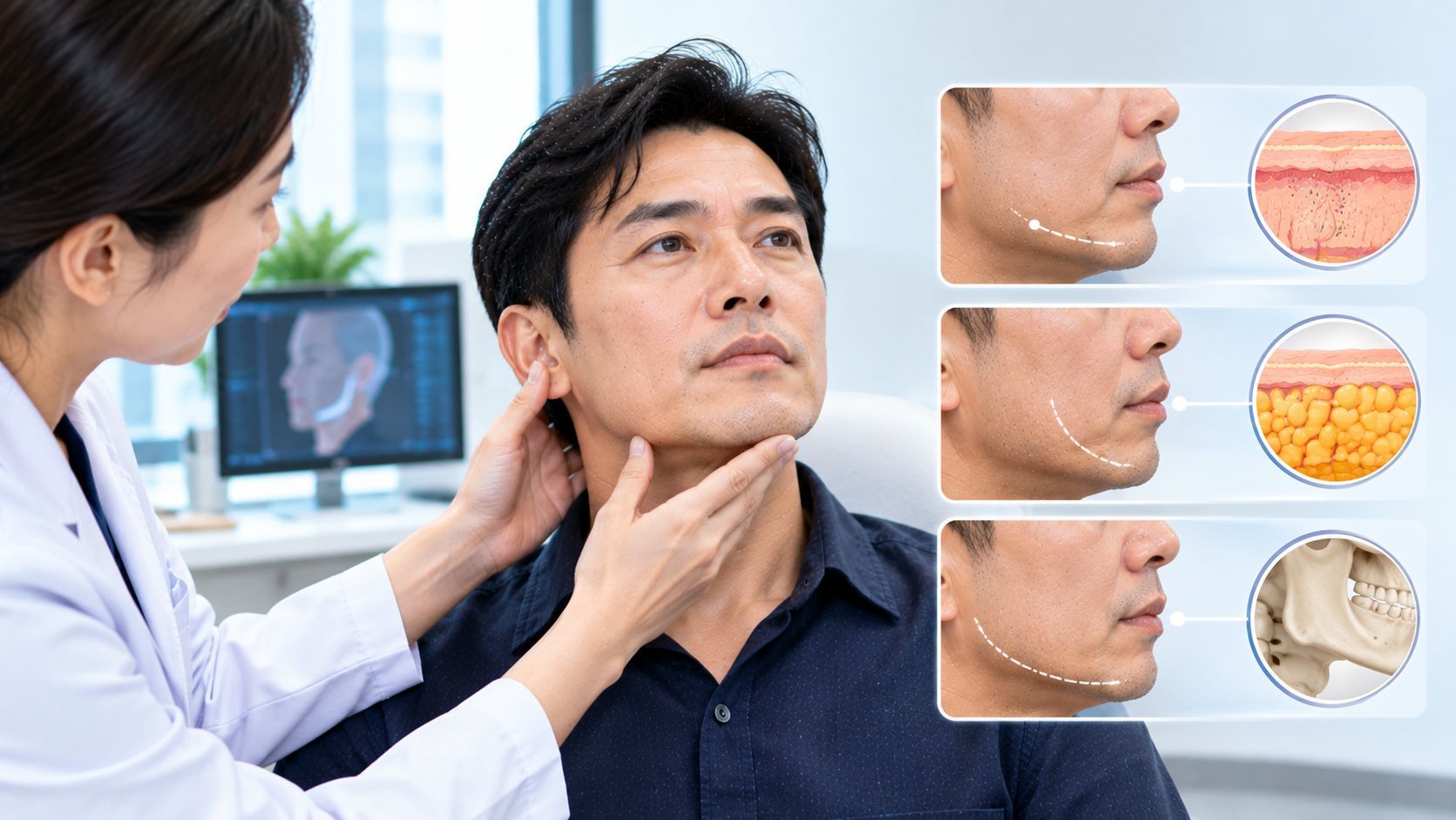
It can be surprising to look in the mirror and feel that your face suddenly appears older even though your skin texture, acne, pigmentation, or overall complexion has not changed dramatically. In many cases, the change is not caused by the skin itself. Facial aging is also influenced by changes in facial volume, muscle activity, bone structure, fat distribution, hydration, and the way light creates shadows across the face.
This means a person can have relatively smooth skin but still notice deeper-looking lines, heavier eyelids, flatter cheeks, or more pronounced shadows around the nose and mouth.
What Makes Your Face Suddenly Look Older?
The most important point is that looking older does not necessarily mean your skin has suddenly aged. Facial appearance depends on several underlying structures, and relatively subtle changes can become noticeable at a certain point.
For example, gradual loss or redistribution of facial fat can reduce fullness in the cheeks and temples. Changes in skin elasticity can also make previously subtle folds more visible. At the same time, repeated facial expressions and changes in muscle activity may make certain lines appear stronger.
Other temporary factors can make these changes look more dramatic, including poor sleep, dehydration, stress, illness, alcohol consumption, or significant weight changes.
Facial Aging Is More Than Skin Texture
Changes in Facial Volume
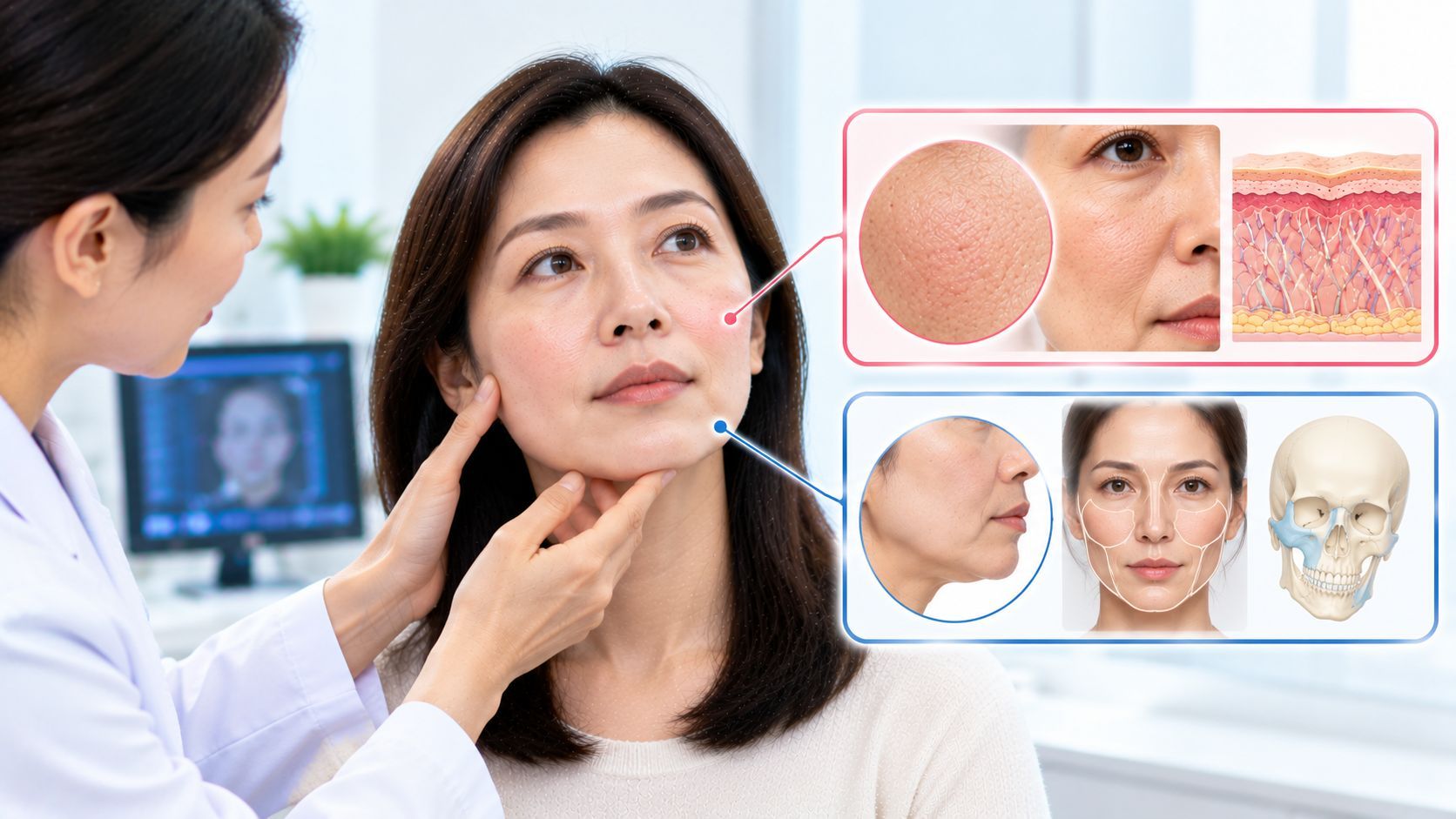
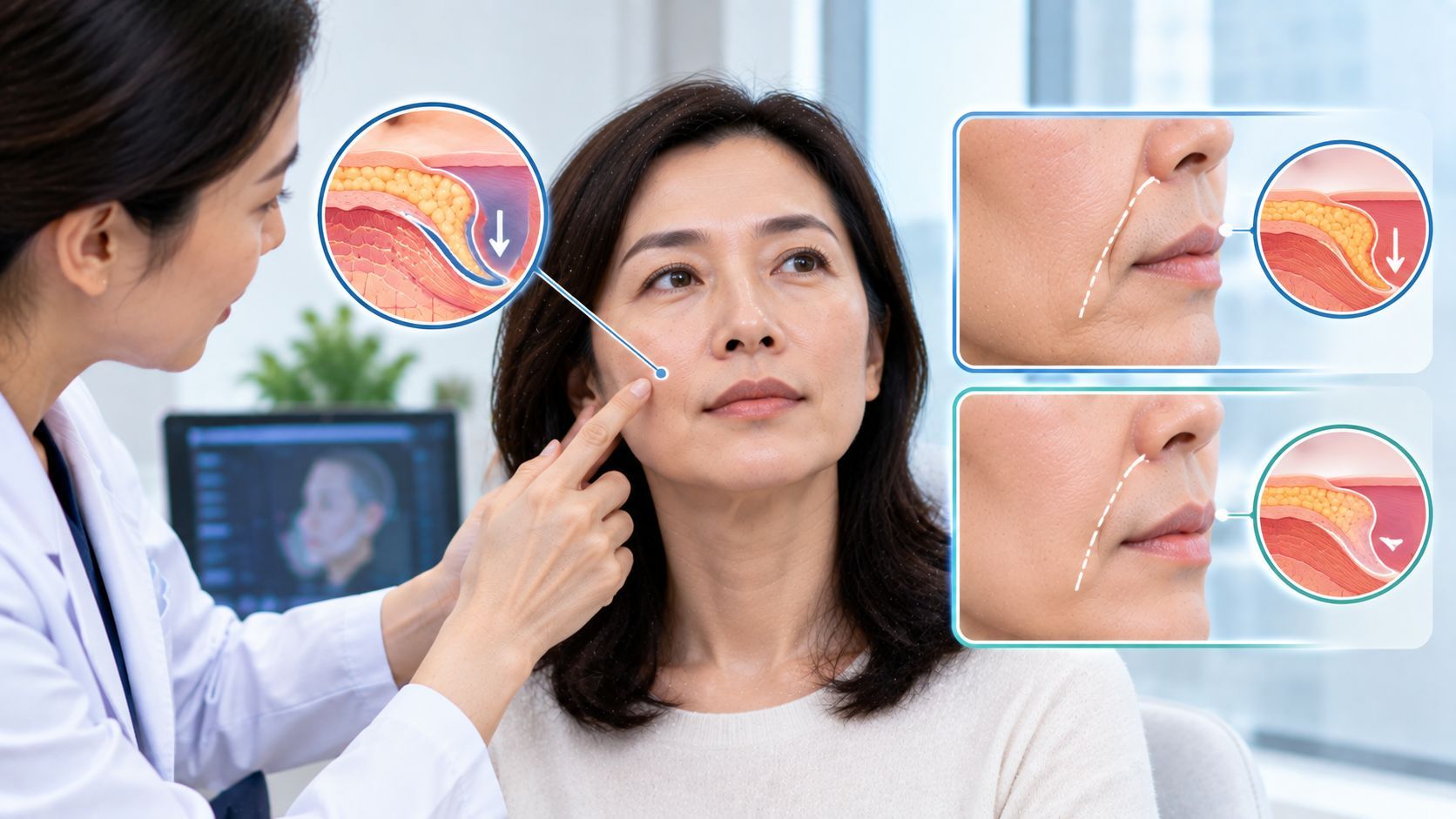
Youthful facial contours are partly associated with the distribution of soft tissue beneath the skin. With age, facial fat compartments can lose volume, shift, or become less evenly distributed.
This may contribute to:
- Less fullness in the cheeks
- More visible hollows under the eyes
- Deeper-looking nasolabial folds
- More noticeable temples
- Changes in the jawline
- Increased shadowing around the mouth
These changes can occur even when the skin surface still looks relatively healthy.
Skin Elasticity and Collagen
The skin gradually produces less collagen and elastin as part of the natural aging process. Collagen helps provide structural support, while elastin contributes to the skin's ability to return to its previous shape.
As these changes accumulate, the face may appear less firm or more creased. Sun exposure, smoking, environmental factors, and individual genetics can influence how noticeable these changes become.
Muscle Movement
Facial muscles contract repeatedly when you smile, frown, squint, or raise your eyebrows. Over time, repeated movement can contribute to dynamic lines that become increasingly visible.
This is one reason someone may notice forehead lines or lines around the eyes even without major changes in skin texture.
Why Can the Change Feel Sudden?
Gradual Changes Can Reach a Noticeable Threshold
Facial aging usually happens progressively rather than overnight. However, people do not necessarily notice every small change.
You might look similar for several years and then suddenly notice a difference because several subtle changes have accumulated enough to become visually obvious.
Lighting can also make a major difference. Strong overhead lighting, bathroom mirrors, phone cameras, and different facial expressions can emphasize shadows and folds that are less apparent in normal conditions.
Weight Changes Can Affect Facial Appearance
Losing or gaining weight may alter facial fullness. Significant weight loss, in particular, can make the cheeks, temples, or under-eye area appear less full in some people.
However, facial changes after weight loss vary considerably. Genetics, age, the amount of weight lost, and the individual's existing facial structure all play a role.
Sleep, Stress, and Dehydration
Temporary changes can make the face appear tired or older without representing permanent aging.
Poor sleep may make under-eye darkness or puffiness more noticeable. Dehydration can make fine lines appear temporarily more pronounced, while stress may contribute to a tired facial expression or increased muscle tension.
If your appearance changes noticeably over a short period, consider whether lifestyle or health changes occurred around the same time.
Which Areas Often Make the Biggest Difference?
Around the Eyes
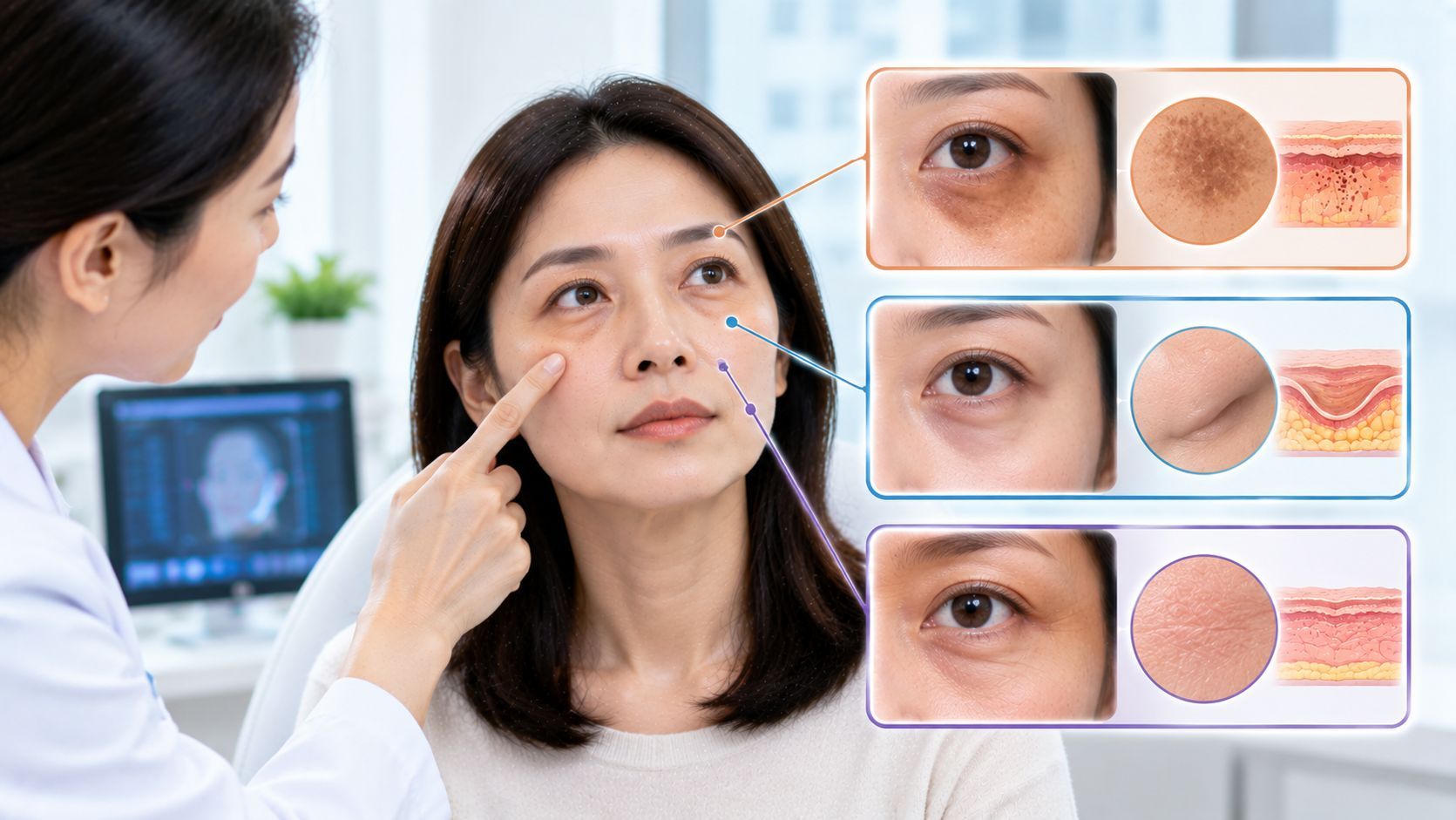
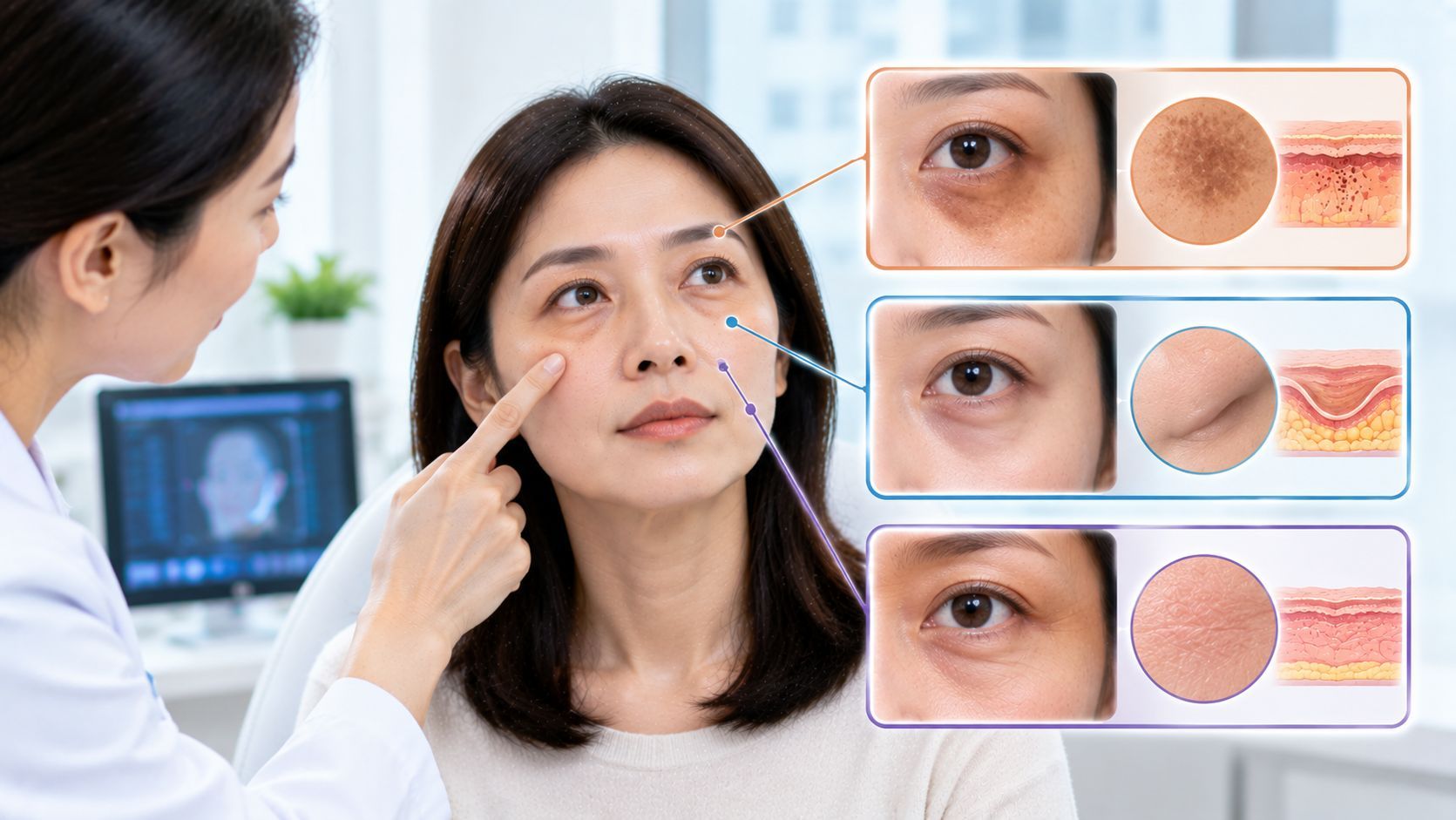
The eyes are highly influential in how old or tired a person appears. Under-eye hollows, puffiness, eyelid changes, and fine lines can alter facial proportions even when the rest of the skin looks relatively unchanged.
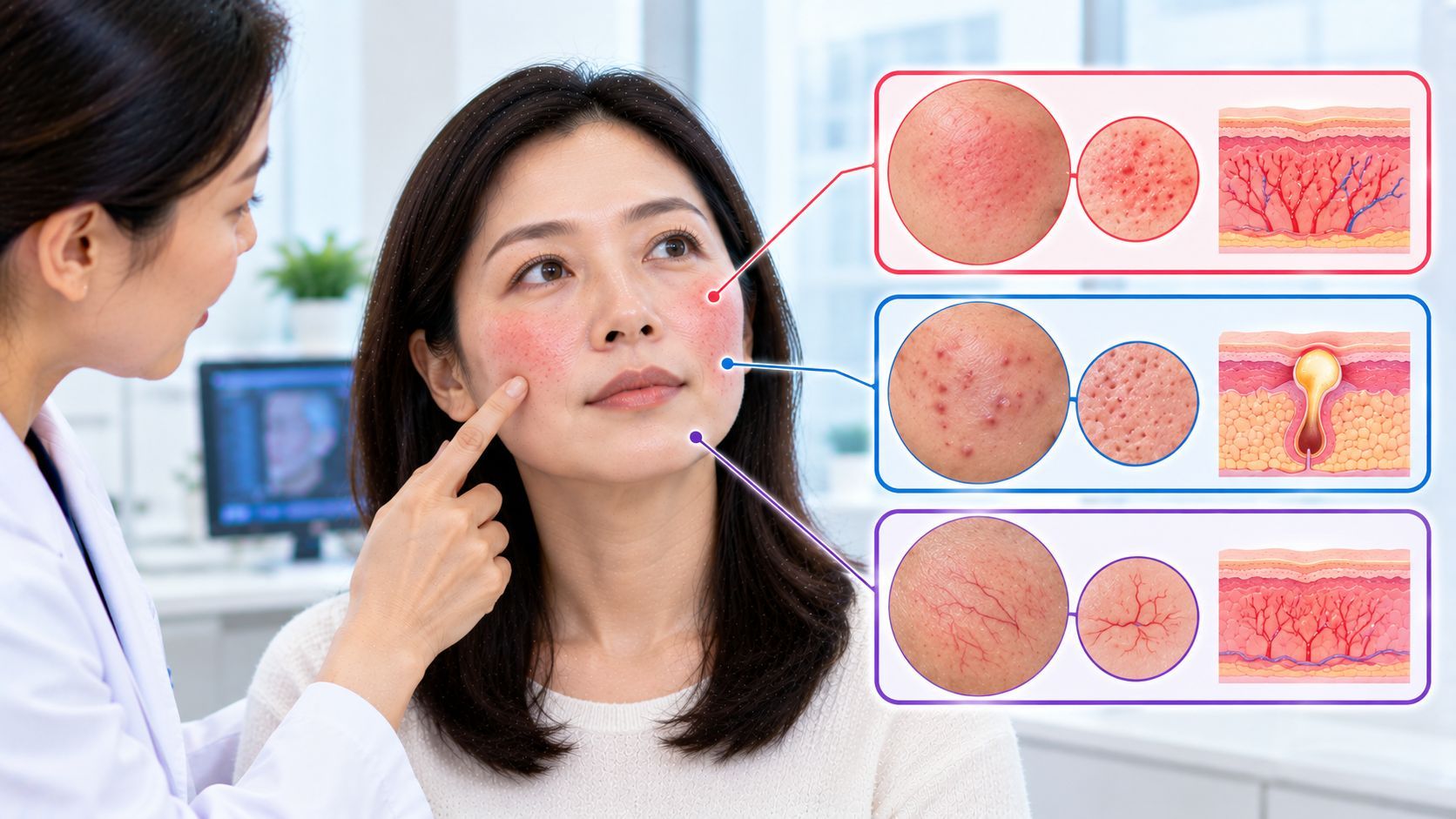
Importantly, under-eye concerns do not always have the same cause. Volume loss, pigmentation, vascular visibility, skin laxity, and swelling can produce similar-looking problems.
Cheeks and Midface
Loss of cheek fullness can change the transition between the lower eyelid, cheek, and mouth area. Reduced midface volume may make certain folds appear deeper because there is less underlying support.
Jawline and Lower Face
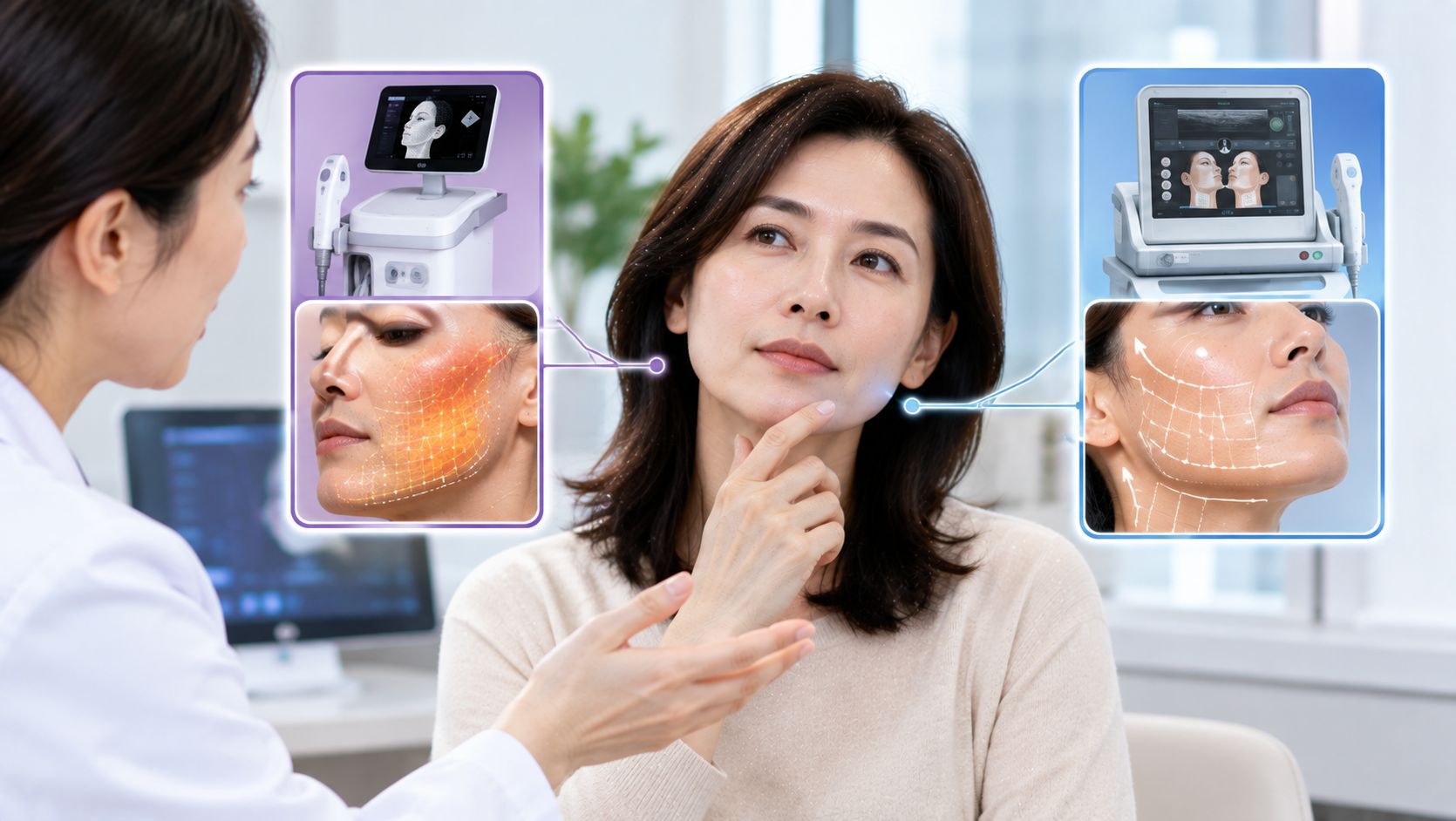
Changes in skin elasticity and soft-tissue distribution can gradually affect jawline definition. Some people notice early signs as subtle heaviness or changes in the contour between the cheek and neck.
Forehead and Brow Area
Repeated muscle movement and changes around the brow and upper eyelid can alter the expression of the face. A person may feel that they look more tired or serious even though their complexion has not changed significantly.
Can Skin Treatments Make the Face Look Younger?
Skin-focused treatments can be useful when the main concern involves texture, pigmentation, pores, or fine lines. However, they may not fully address changes caused primarily by volume loss, facial structure, muscle activity, or tissue laxity.
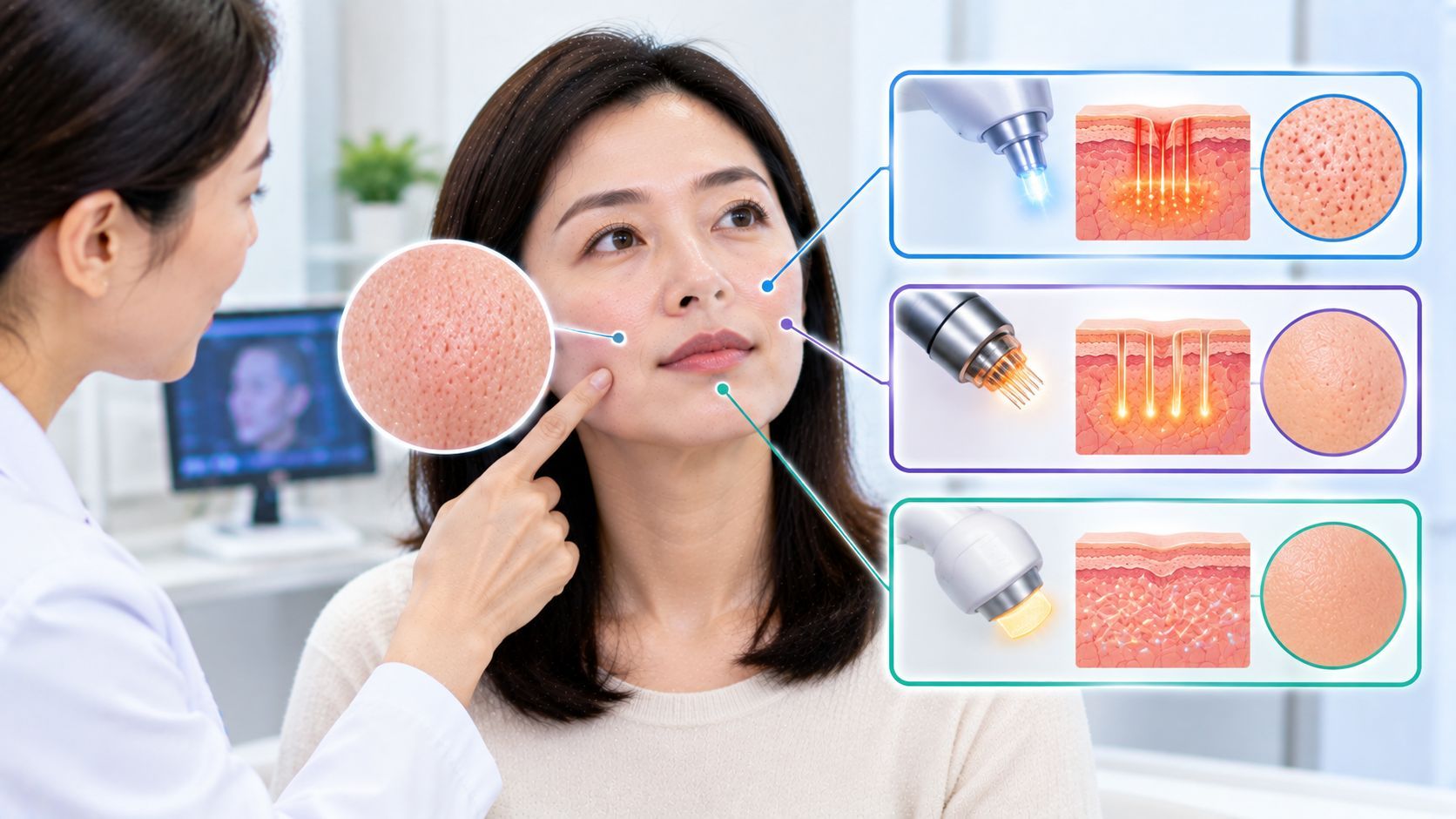
Depending on the underlying concern, a qualified dermatology or aesthetic medicine professional may discuss options such as laser or light-based treatments, skin rejuvenation procedures, energy-based tightening, injectable treatments, or other approaches.
The important step is identifying why the face looks older before choosing a treatment. Treating the wrong factor may produce little visible improvement or an outcome that does not match the person's expectations.
Patients researching Korean aesthetic medicine may therefore benefit from learning about the different types of skin rejuvenation and facial contouring treatments available before deciding what is appropriate.
What Should You Consider Before Treatment?
Identify the Main Change
Instead of asking only, "How can I look younger?" try to identify what has actually changed.
Is the concern:
- Loss of facial fullness?
- Fine lines?
- Skin laxity?
- Under-eye hollowness?
- Pigmentation?
- Facial sagging?
- Changes in the jawline?
- A generally tired appearance?
This distinction can make a consultation much more productive.
Consider Non-Permanent and Temporary Factors
Before assuming that a visible change represents permanent aging, consider recent weight changes, sleep, hydration, stress, travel, illness, and changes in skincare or sun exposure.
A temporary issue may improve without an aesthetic procedure.
Choose Treatment Based on Anatomy, Not Trends
Popular Korean beauty treatments can be useful for selected concerns, but a treatment that works well for one person may not be appropriate for another.
A medical professional should assess factors such as skin condition, facial anatomy, tissue volume, muscle activity, medical history, previous procedures, and treatment goals.
When Should You Seek Medical Advice?
A gradual change in facial appearance is usually part of normal aging or may reflect temporary factors. However, a sudden and pronounced change in facial appearance should not automatically be treated as an aesthetic issue.
If facial changes occur together with symptoms such as sudden weakness, numbness, severe swelling, difficulty speaking, vision changes, severe headache, or other concerning symptoms, seek urgent medical attention.
For a gradual cosmetic concern without alarming symptoms, a consultation with a qualified dermatologist, plastic surgeon, or appropriately trained aesthetic medical professional can help determine which factors are contributing to the change.
Frequently Asked Questions
Can my face look older even if I do not have many wrinkles?
Yes. Facial aging involves more than wrinkles. Changes in volume, facial contours, skin laxity, muscle activity, and shadowing can influence perceived age.
Why do my cheeks suddenly look flatter?
Cheek fullness can change because of natural aging, weight loss, changes in facial fat distribution, or individual anatomical factors. Temporary dehydration can also alter facial appearance.
Can lack of sleep make my face look older?
Yes. Poor sleep can make puffiness, dark circles, tired-looking eyes, and fine lines more noticeable. These effects do not necessarily represent permanent structural aging.
Do skincare products address all signs of facial aging?
No. Skincare can support skin health and may improve certain surface concerns, but it cannot necessarily replace volume, alter facial bone structure, or address every form of tissue laxity.
Should I choose a treatment based on the area that looks older?
Not necessarily. The visible area may not be the underlying cause. For example, a deeper fold may partly reflect changes in surrounding facial volume rather than a problem limited to the fold itself.
Is professional assessment necessary before an aesthetic treatment?
For many medical or procedural treatments, professional assessment is important. A qualified provider can evaluate the cause of the concern, discuss realistic expectations, and explain potential risks and alternatives.
Conclusion
A face can appear noticeably older even when the skin itself has not changed very much. Natural changes in facial volume, elasticity, muscle activity, tissue distribution, and facial contours can gradually alter the way the face reflects light and creates shadows.
The key is to identify the underlying reason rather than automatically treating every visible change as a skin problem. For international patients considering dermatology or aesthetic treatment in Korea, an individualized consultation can help distinguish temporary changes from structural aging and determine which options, if any, are appropriate.