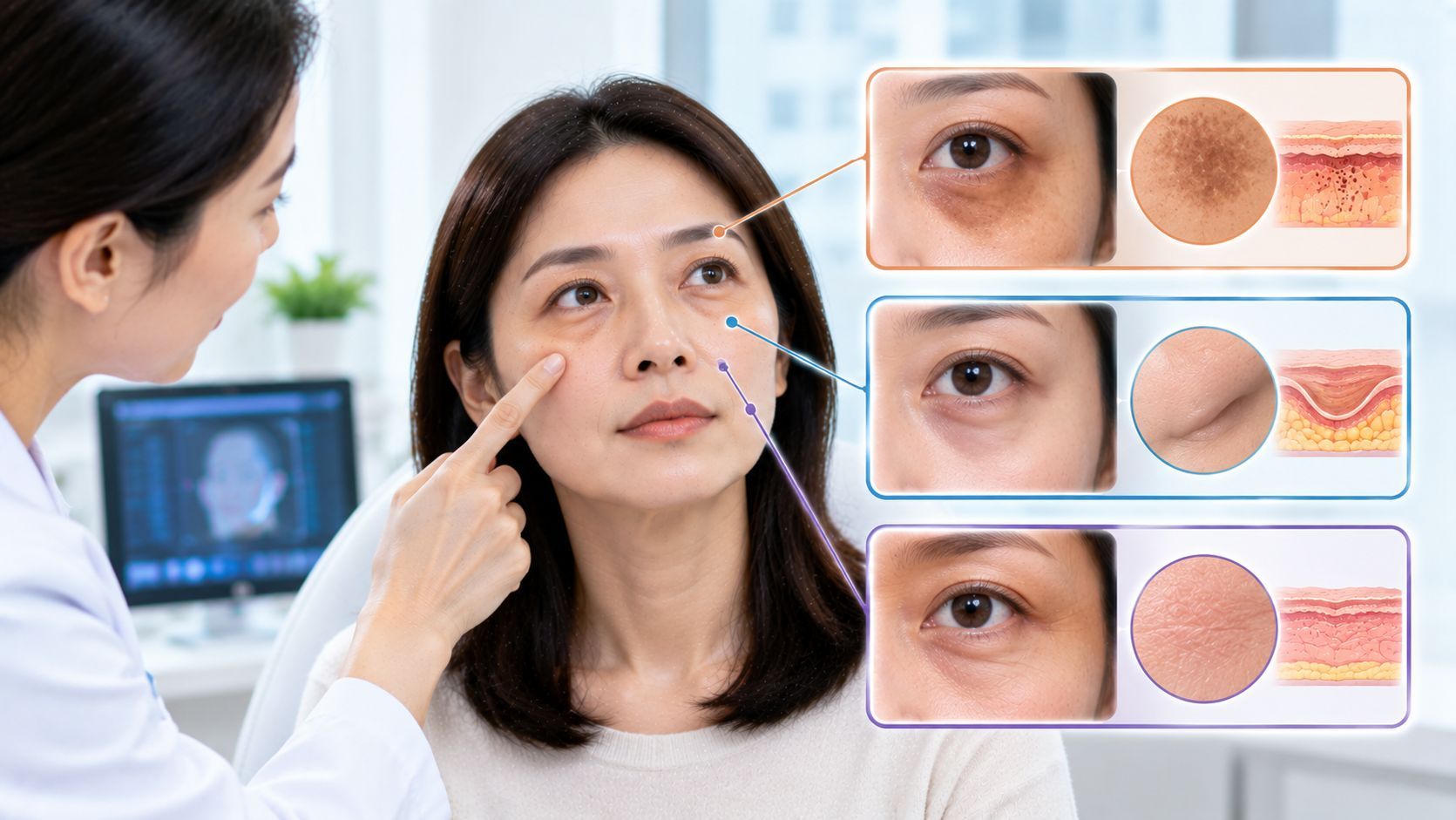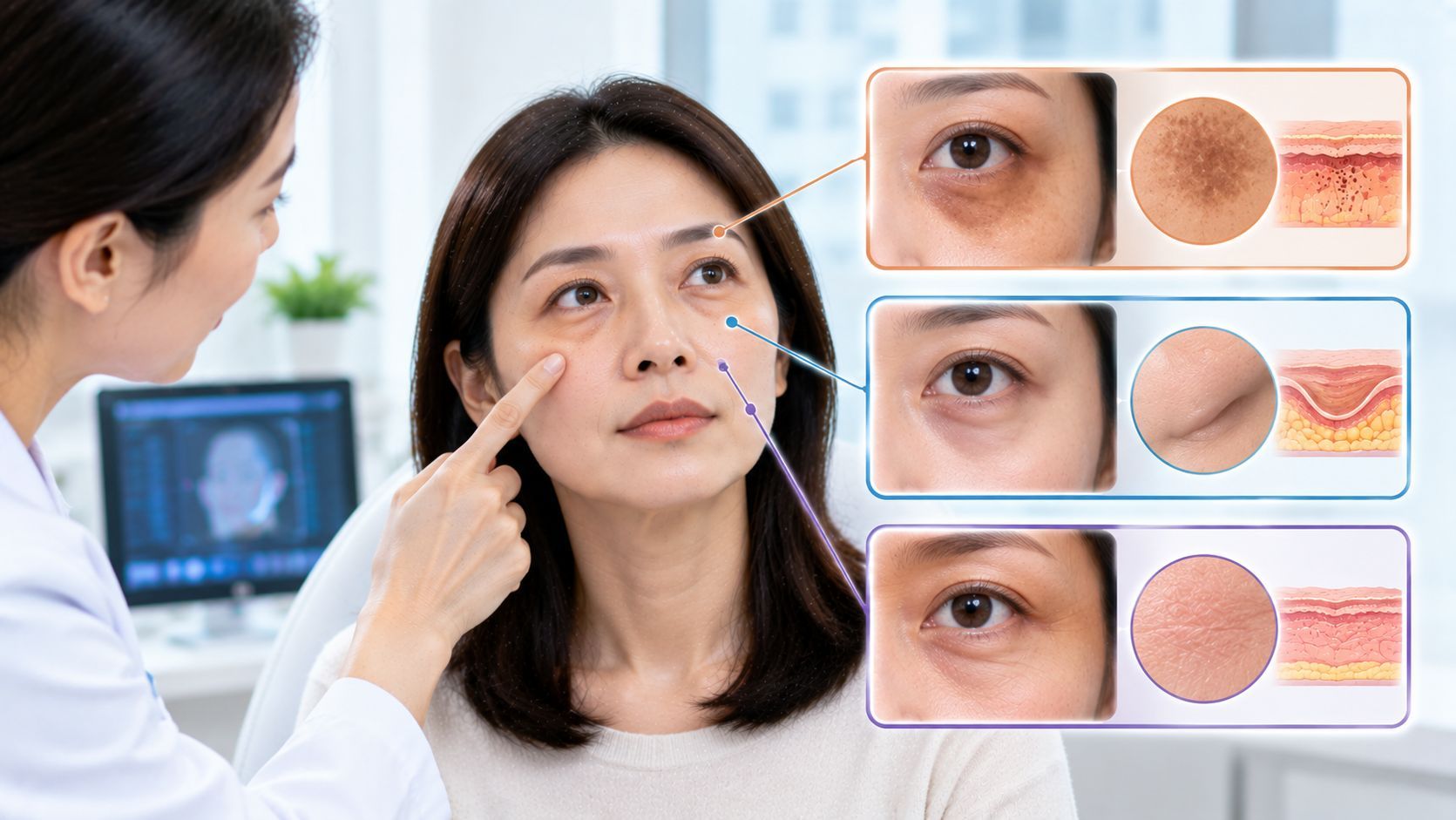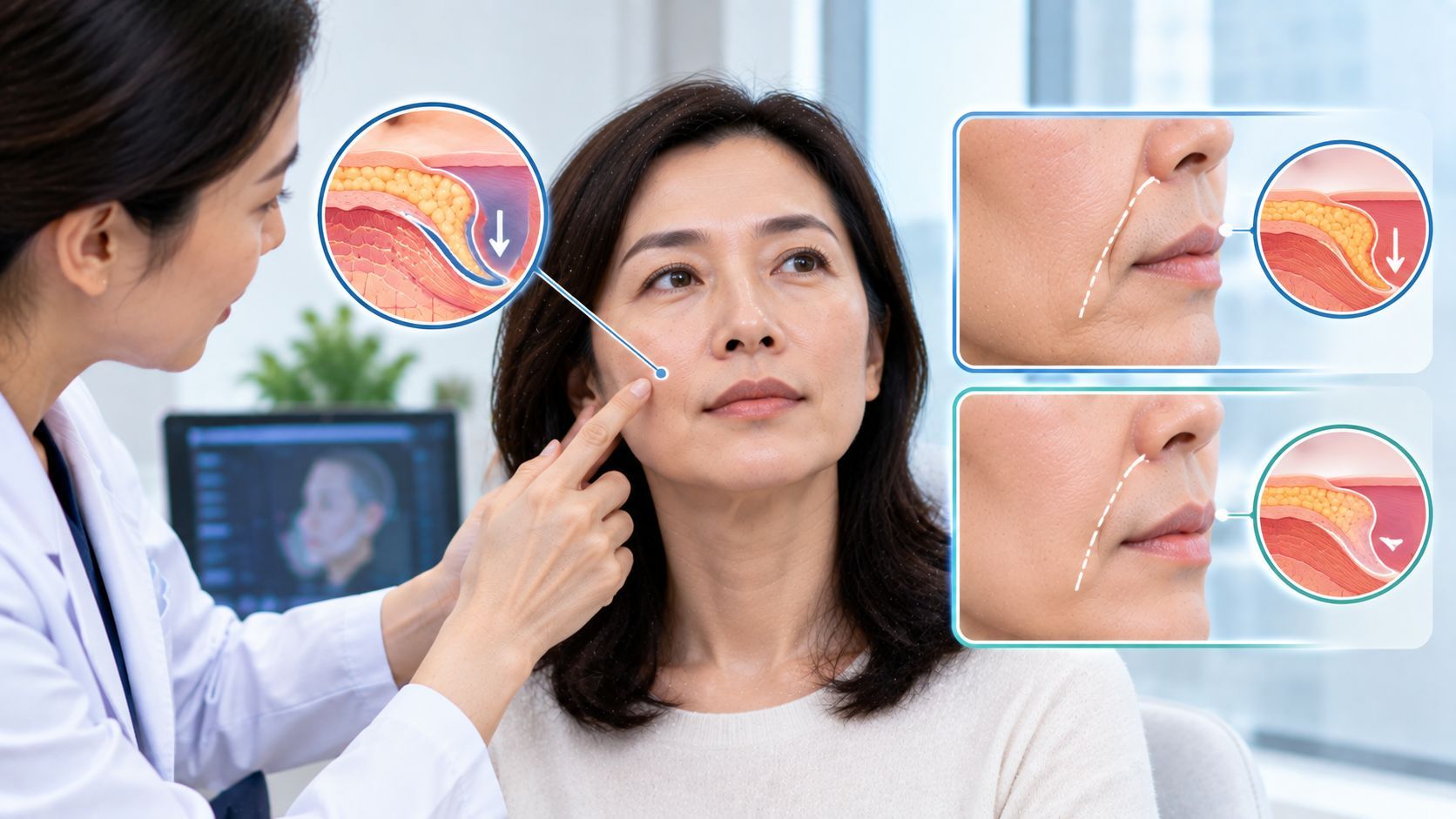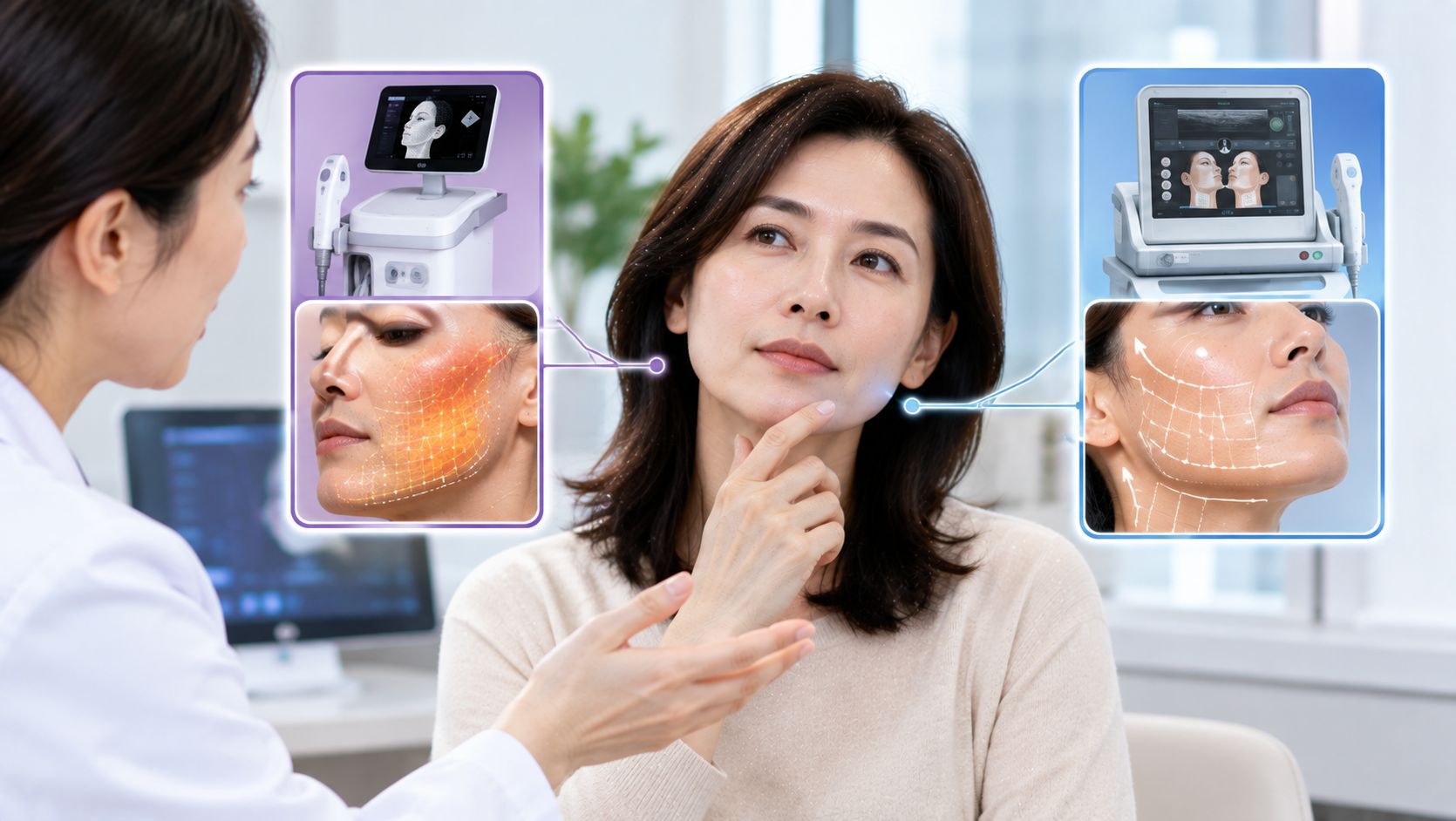
How Can a Dermatologist Distinguish Sensitive Skin From Rosacea?
Introduction
Sensitive skin and rosacea can look remarkably similar. Both can involve redness, burning, stinging, flushing, and reactions to skincare products. This can make it difficult to know whether your skin is simply reactive or whether you have an underlying inflammatory condition that needs specific treatment.
The key difference is that sensitive skin describes how skin reacts, while rosacea is a medical skin condition with characteristic patterns and features. A dermatologist does not diagnose rosacea from redness alone. They consider the pattern, triggers, associated symptoms, medical history, physical examination, and whether other conditions could explain the symptoms.
For patients considering dermatology treatment in Korea, making this distinction before choosing laser, RF, microneedling, skin boosters, or other aesthetic procedures can help prevent an inappropriate treatment plan.
What Is Sensitive Skin?
Sensitive skin is generally used to describe skin that reacts easily to environmental factors, skincare products, cosmetics, or physical stimuli.
Common symptoms include:
- Burning
- Stinging
- Tightness
- Itching
- Dryness
- Redness
- Discomfort after applying products
Sensitive skin does not necessarily have a visible rash or persistent redness.
Some people may have completely normal-looking skin but experience strong sensations after applying certain products.
There is also no single laboratory test that automatically establishes “sensitive skin.” Dermatologists therefore look at the symptoms and consider possible underlying causes.
What Is Rosacea?
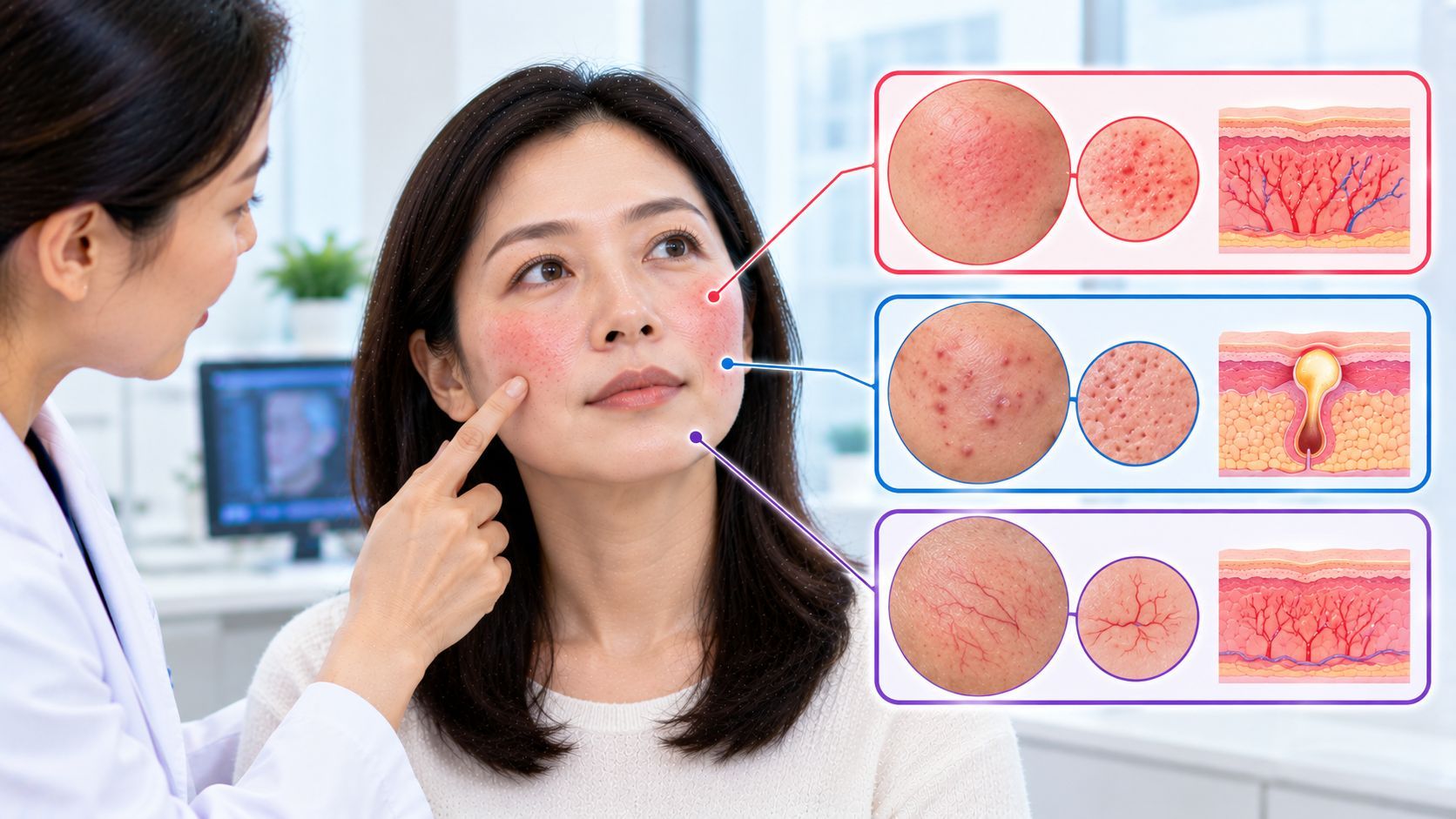
Rosacea is a chronic inflammatory skin condition that commonly affects the central face.
Depending on the individual, features can include:
- Recurrent flushing
- Persistent facial redness
- Visible small blood vessels
- Burning or stinging
- Small bumps or pustules
- Thickened skin in some cases
- Eye symptoms in some patients
The American Academy of Dermatology identifies persistent redness, flushing, visible blood vessels, and acne-like breakouts among features that can occur with rosacea.
Unlike general sensitivity, rosacea has recognizable clinical patterns that can help a dermatologist distinguish it from other causes of facial redness.
Why Is the Difference Important?
The distinction matters because treatment goals are different.
If your skin is primarily irritated because of an impaired barrier, the first approach may involve simplifying skincare and reducing irritation.
If you have rosacea, management may involve trigger avoidance, specific topical or oral medications, vascular laser or light treatment, or other approaches depending on the symptoms.
Choosing an aggressive cosmetic treatment without understanding the underlying problem can potentially make irritation or redness more difficult to manage.
1. The Dermatologist Looks at the Pattern of Redness
One of the first clues is where and how the redness appears.
Rosacea commonly affects the central face, particularly areas such as the cheeks and nose.
A dermatologist may look for:
- Persistent background redness
- Repeated episodes of flushing
- Visible blood vessels
- Symmetry of facial redness
- Whether redness extends beyond the typical central-face pattern
Sensitive skin, by contrast, may become red in response to almost any irritating stimulus without showing the characteristic pattern associated with rosacea.
Pattern alone does not establish a diagnosis, but it provides useful information.
2. Triggers Are Extremely Important
A dermatologist may ask what causes your face to become red.
Common rosacea triggers can include:
- Heat
- Sun exposure
- Hot drinks
- Spicy foods
- Alcohol
- Exercise
- Emotional stress
- Temperature changes
The AAD notes that different people have different rosacea triggers and recommends identifying individual triggers when possible.
If your redness consistently follows particular triggers and follows a recognizable flushing pattern, rosacea may become more relevant to the evaluation.
However, sensitive skin can also react to heat, cosmetics, and environmental conditions, so triggers are not diagnostic by themselves.
3. Burning and Stinging Can Occur in Both
This is one reason the distinction can be confusing.
Sensitive skin can sting when exposed to certain skincare ingredients.
Rosacea can also cause burning or stinging even when no irritating product has been applied.
Therefore, the dermatologist may ask:
Does the burning happen only after applying products, or does it also happen spontaneously?
If your face burns while sitting in a normal environment, after heat exposure, or during flushing episodes, this information can be particularly useful.
4. Visible Blood Vessels Can Provide a Clue
Small visible blood vessels, often called telangiectasia, can occur with rosacea.
They may appear as fine red lines on the cheeks or around the nose.
They are not proof of rosacea because visible blood vessels can have other causes, but their presence alongside persistent redness and recurrent flushing can support the diagnosis.
Laser and light therapies may sometimes be considered for visible blood vessels associated with rosacea. The AAD notes that these treatments can reduce visible vessels in appropriate patients.
5. The Dermatologist Checks for Bumps and Pustules
Some forms of rosacea cause inflammatory bumps that can resemble acne.
This can lead people to assume they have adult acne when the underlying condition is different.
A dermatologist may examine whether the lesions are accompanied by:
- Persistent redness
- Flushing
- Burning
- Visible blood vessels
- Central facial involvement
This helps distinguish rosacea from acne and other inflammatory conditions.
6. Your Skincare History Matters
If your redness started after repeatedly using strong products, the cause may be irritation rather than rosacea.
A dermatologist may ask about:
- Retinoids
- Alpha hydroxy acids
- Beta hydroxy acids
- Exfoliating products
- Benzoyl peroxide
- Vitamin C formulations
- Fragrances
- Strong cleansers
- Frequent facials
- Home exfoliation devices
If symptoms improve substantially after reducing irritants, that may provide useful information.
However, improvement with gentle skincare does not automatically exclude rosacea.
7. The Dermatologist Looks for Signs of Dermatitis
Dermatitis can also cause redness, burning, itching, dryness, scaling, and sensitivity.
This creates another important distinction.
A person may think they have “very sensitive skin” when they actually have an inflammatory skin condition.
Contact dermatitis, for example, can develop after exposure to a particular cosmetic or ingredient.
If the pattern suggests allergy or contact dermatitis, further evaluation may be appropriate.
8. Eye Symptoms Can Point Toward Rosacea
Rosacea can involve the eyes.
Symptoms can include:
- Dry or irritated eyes
- Burning
- Redness
- Eyelid irritation
- A gritty sensation
The AAD notes that ocular symptoms can occur in people with rosacea and may require appropriate evaluation.
If facial redness is accompanied by persistent eye symptoms, tell your dermatologist.
Can a Skin Analysis Machine Diagnose Rosacea?
Not by itself.
Imaging systems can document visible redness, pigmentation, pores, or blood vessels and may help monitor changes.
But a device image should not be treated as a substitute for a clinical diagnosis.
Rosacea is diagnosed based on clinical findings and history rather than simply receiving a numerical “sensitivity score.”
This is particularly important when choosing aesthetic treatments.
What If I Have Both Sensitive Skin and Rosacea?
You can have both.
Rosacea can make skin more reactive and uncomfortable, while an already irritated barrier can make rosacea-prone skin feel even more sensitive.
This means the distinction does not always have to be:
Sensitive skin OR rosacea
It can be:
Rosacea + increased skin sensitivity + impaired barrier function
That combination may require a more conservative treatment strategy.
How Does the Diagnosis Affect Aesthetic Treatment?
The distinction can significantly change what happens next.
FindingPotential treatment considerationMild product-related sensitivitySimplified skincare and barrier supportActive irritationStabilize skin before elective treatmentPersistent rosacea rednessConsider medical management and selected vascular treatmentsVisible blood vesselsLaser/light treatment may be consideredActive inflammatory lesionsTreat the inflammatory condition firstHeat-triggered flushingEvaluate rosacea and heat sensitivityUnclear rednessDiagnose the cause before selecting a procedure
These are general considerations rather than treatment prescriptions.
What If I Want Treatment in Korea?
If you are visiting Seoul for aesthetic treatment, avoid choosing a procedure solely because it is popular.
During your consultation, explain:
- How long you've had redness
- Whether you flush
- What triggers it
- Whether your face burns spontaneously
- Which skincare products cause reactions
- Whether you have visible blood vessels
- Whether you experience bumps
- Whether you have eye symptoms
- What procedures you've previously received
If you have photographs showing your face during a typical flushing episode, they may also help communicate symptoms that are not present during the appointment.
Should I Get Laser Treatment if I'm Not Sure Whether I Have Rosacea?
It is generally better to clarify the cause of persistent redness before selecting an elective laser treatment.
This is particularly important if your proposed treatment is designed for another concern, such as:
- Acne scars
- Pores
- Pigmentation
- Skin texture
- Resurfacing
A dermatologist may determine that treating active inflammation first is more appropriate.
On the other hand, if visible blood vessels or persistent vascular redness are the primary concern and rosacea is appropriately assessed, laser or light treatment may form part of the treatment plan.
When Should You Seek a Dermatological Assessment?
Consider professional evaluation if you experience:
- Persistent facial redness
- Frequent unexplained flushing
- Burning or stinging without obvious irritation
- Visible facial blood vessels
- Recurrent acne-like bumps with facial redness
- Significant sensitivity to heat
- Eye irritation alongside facial redness
- Repeated reactions after aesthetic treatments
Persistent redness should not automatically be treated as a cosmetic problem.
Finding the underlying cause can make subsequent treatment decisions more precise.
Conclusion
A dermatologist distinguishes sensitive skin from rosacea by looking at the pattern of redness, triggers, flushing behavior, visible blood vessels, burning or stinging, inflammatory lesions, eye symptoms, skincare history, and other possible causes.
Sensitive skin describes a tendency toward unpleasant reactions, while rosacea is a specific inflammatory condition with recognizable clinical features.
The two can also coexist, which is why someone may have both a reactive skin barrier and rosacea.
If you are considering aesthetic treatment in Korea and your skin becomes red from almost everything, determining the cause first can be more useful than immediately choosing a laser, RF device, microneedling treatment, or injectable.
FAQs
How does a dermatologist know if I have rosacea?
The diagnosis is primarily clinical. A dermatologist evaluates your redness pattern, flushing, visible blood vessels, bumps, burning or stinging, triggers, and other symptoms while considering alternative diagnoses.
Can sensitive skin turn red without having rosacea?
Yes. Irritation, impaired barrier function, dermatitis, environmental exposure, and skincare reactions can all cause redness without rosacea.
Does burning skin always mean rosacea?
No. Burning can occur with sensitive skin, barrier dysfunction, dermatitis, and other conditions. Rosacea is only one possible explanation.
Can rosacea and sensitive skin occur together?
Yes. Rosacea can be associated with increased sensitivity, and additional barrier irritation can make symptoms more noticeable.
Can laser treat rosacea?
Certain laser and light treatments can improve specific rosacea features, particularly visible blood vessels and some forms of persistent redness.
Should I tell my Korean dermatologist that I have very sensitive skin?
Yes. Explain exactly what happens, what triggers the reaction, how long redness lasts, and which products or procedures have caused problems. This provides more useful information than simply describing your skin as “sensitive.”