Can Skin Boosters Improve Very Dry Post-Menopausal Skin?
Introduction
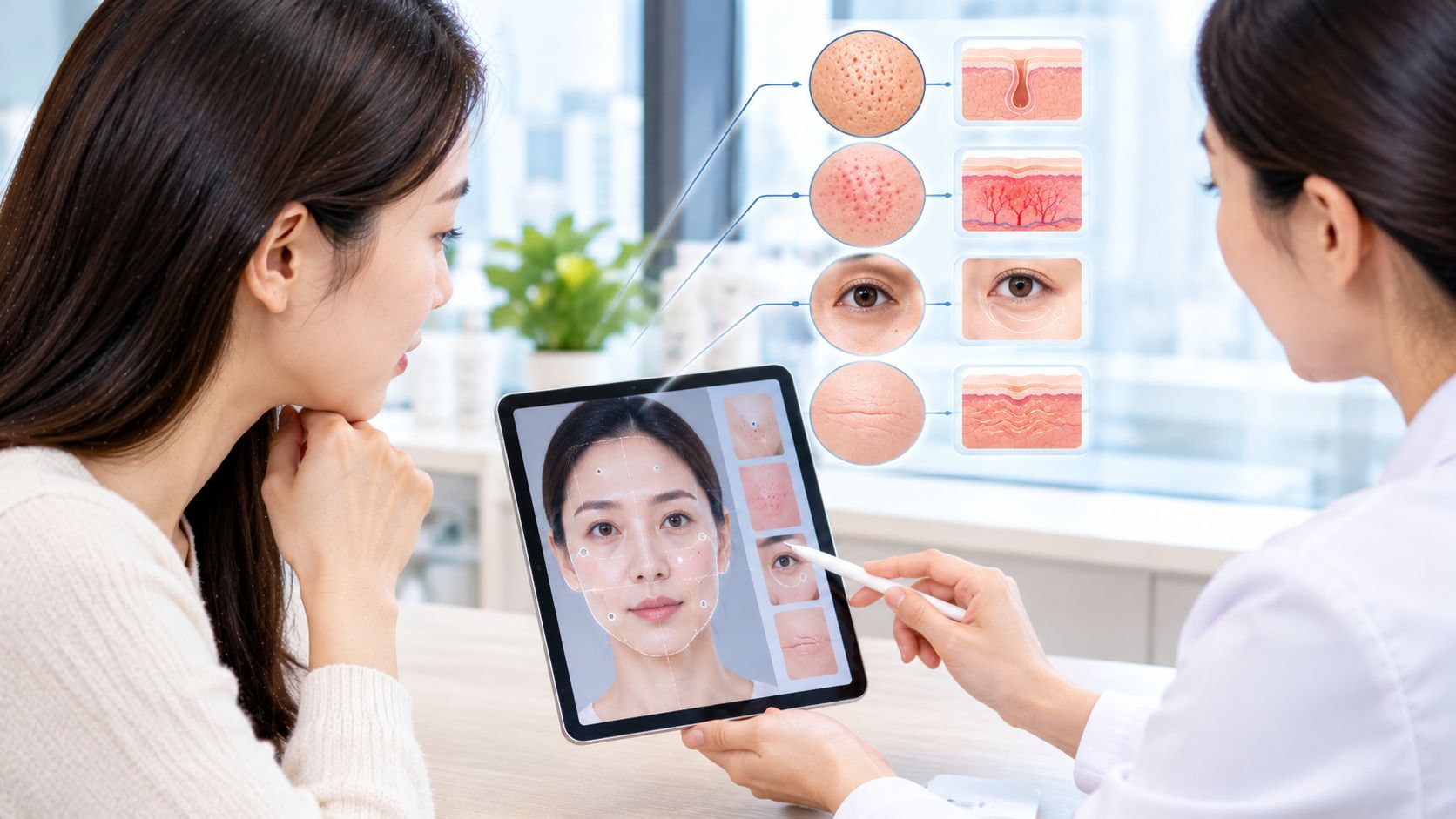
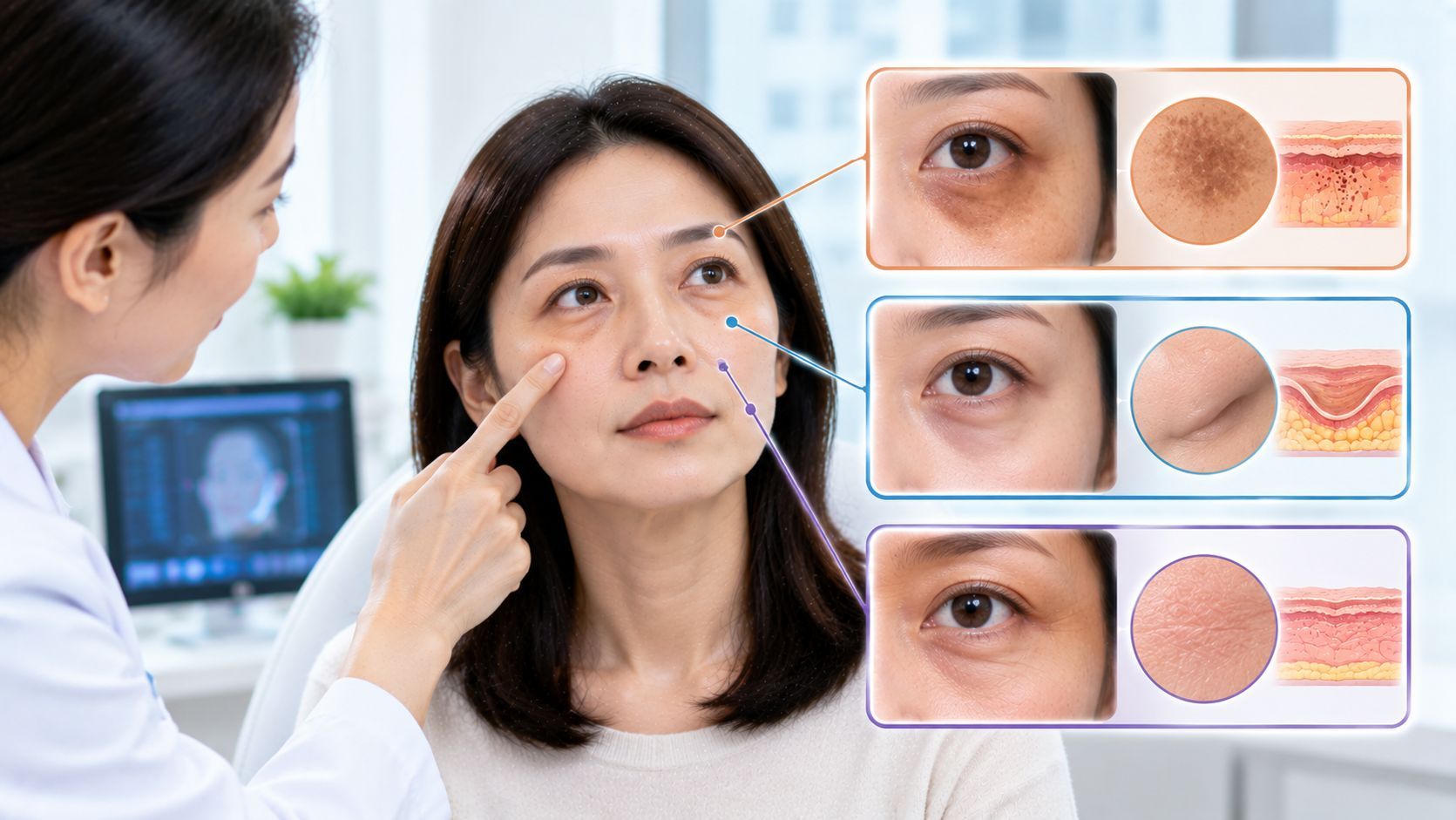
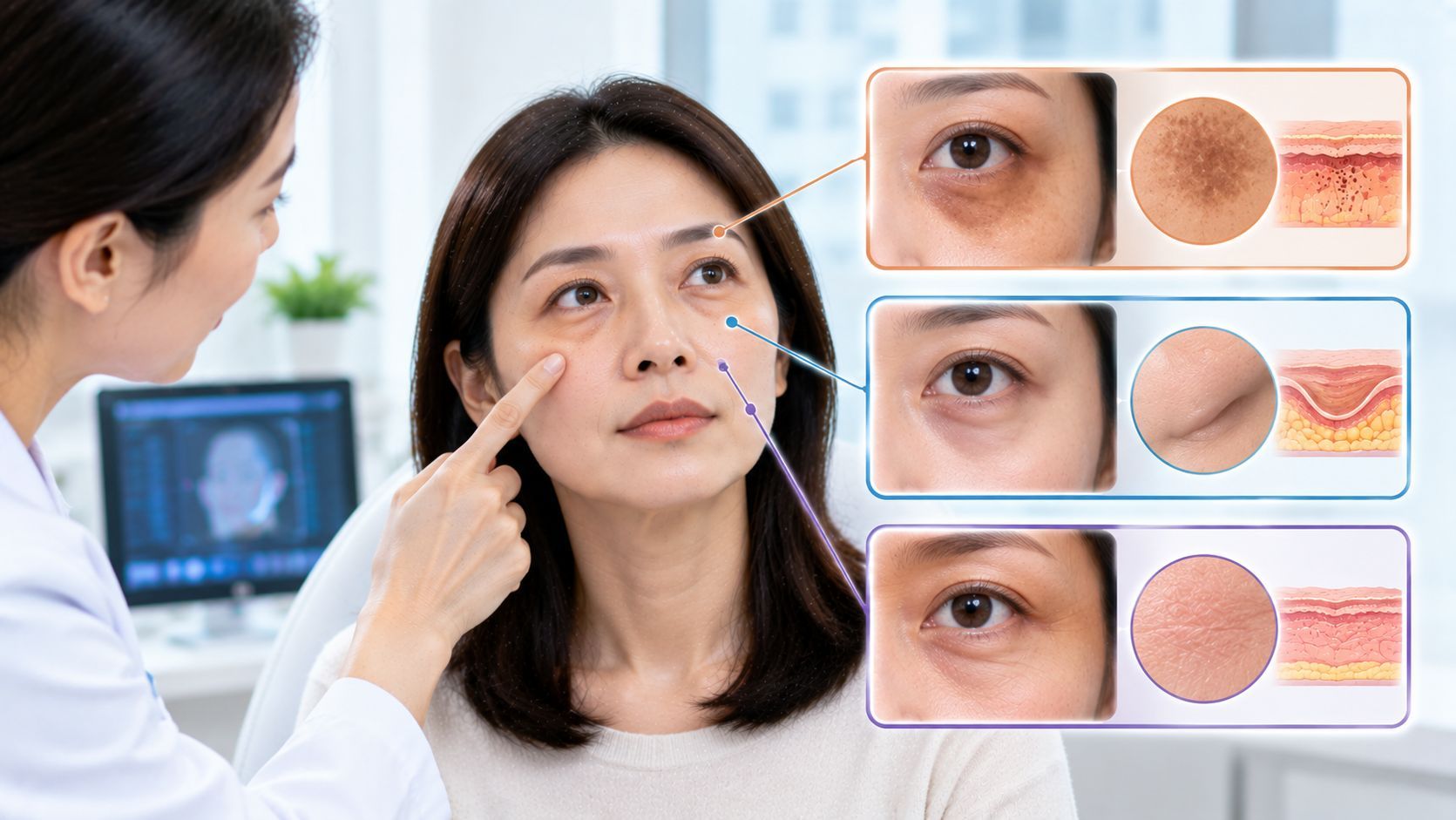
Very dry skin is a common concern after menopause. Many women notice that their face feels tight after cleansing, moisturizer no longer seems to last as long, and fine lines or crepey texture become more noticeable. Hormonal changes during menopause can affect skin hydration, barrier function, thickness, and elasticity, making dryness more difficult to manage with skincare alone.
Skin boosters may improve hydration and the overall appearance of dry, dehydrated skin in selected patients, but they are not a cure for menopause-related dryness. Their usefulness depends on the specific product, injection technique, skin condition, and the underlying cause of dryness. For some women, improving the skin barrier with consistent skincare may be more important than an injectable treatment.
Why Does Skin Become So Dry After Menopause?
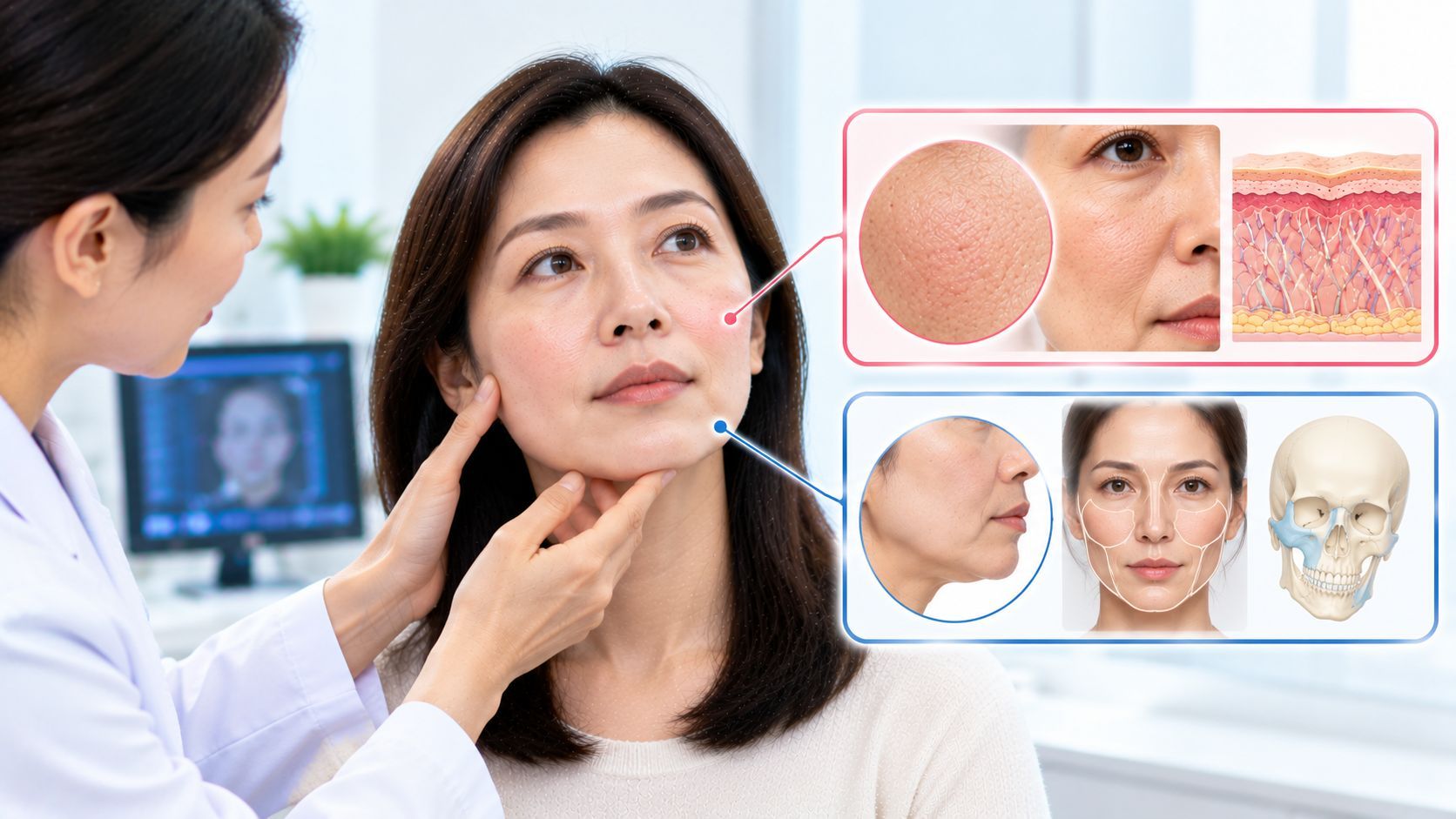
Estrogen has important effects on skin structure and function. As estrogen levels decline during menopause, changes can occur in collagen, skin thickness, elasticity, hydration, and the skin barrier. These changes can make the skin feel drier and more sensitive.
Post-menopausal dryness can appear as:
- Tightness after washing
- Flaking
- Rough texture
- Fine lines
- Increased sensitivity
- Itching or irritation
- Crepey-looking skin
- Dullness
- Makeup settling into fine lines
However, menopause is not the only possible cause.
Cold or dry weather, excessive cleansing, irritating skincare products, certain medications, skin conditions, and inadequate moisturization can also contribute.
If dryness is sudden, severe, persistent, itchy, inflamed, or associated with a rash, it is worth having the skin evaluated rather than assuming menopause is responsible.
What Are Skin Boosters?
"Skin booster" is a broad aesthetic term rather than one specific treatment.
Different clinics may use the term for injectable products intended primarily to improve skin quality rather than dramatically add facial volume.
Depending on the product, skin boosters may contain substances such as hyaluronic acid or other materials designed for hydration or skin-quality improvement.
This is important because not all skin boosters work in exactly the same way.
Before treatment, ask the clinic:
- What exact product is being injected?
- What is its approved indication?
- How is it expected to improve my skin?
- How long should the effect last?
- What side effects are possible?
- How many treatments are recommended?
Can Skin Boosters Help Very Dry Menopausal Skin?
They May Improve Hydration and Skin Quality
Some injectable skin-quality treatments are designed to improve hydration and the appearance of the skin.
For someone whose primary concern is dry, dull, or finely lined skin, this may be more relevant than a tightening procedure.
Potential goals may include:
- Improved skin hydration
- Smoother-looking texture
- Softer appearance of fine lines
- More supple-looking skin
- Improved overall skin quality
However, these improvements should not be confused with reversing menopause itself.
A skin booster does not restore estrogen or completely replace the structural changes associated with menopause.
They Are Not a Replacement for Moisturizer
An injectable treatment should not be considered a substitute for a healthy skin barrier.
For very dry menopausal skin, basic skincare remains important.
A dermatologist may recommend:
- Gentle cleansing
- Regular moisturizer
- Ingredients that support the skin barrier
- Daily sunscreen
- Avoidance of harsh exfoliation
- Careful use of retinoids
The AAD recommends moisturization and gentle skincare as important components of caring for menopausal skin.
What If My Skin Is Extremely Dry and Sensitive?
This is where treatment selection becomes especially important.
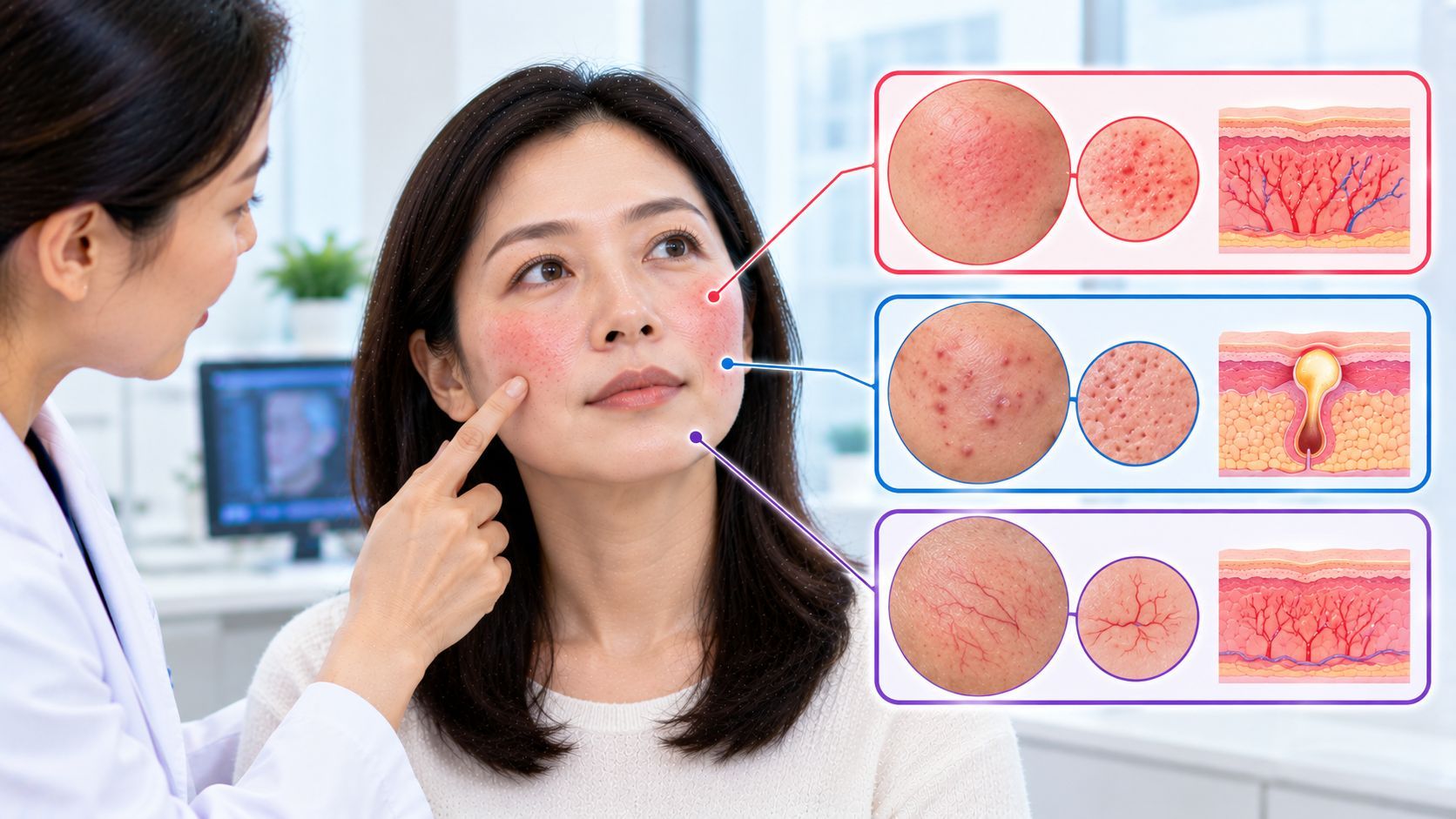
Very dry skin can also have a compromised barrier. If the skin is already irritated, adding an injectable procedure may not be the first step.
Signs of a compromised barrier can include:
- Burning when skincare is applied
- Persistent redness
- Flaking
- Stinging
- Tightness
- Increased sensitivity
In such circumstances, restoring the skin barrier may need to come first.
A dermatologist can determine whether the skin is suitable for an elective injectable treatment or whether the underlying irritation should be addressed first.
Skin Boosters vs Rejuran for Menopausal Dryness
Rejuran is a polynucleotide-based injectable treatment commonly used in Korean aesthetic dermatology for skin-quality concerns.
Polynucleotide studies have reported potential improvements in parameters including wrinkles, elasticity, and skin texture, although the available evidence remains limited and treatment protocols vary.
A simplified comparison is:
ConcernSkin boostersRejuranHydrationOften a primary goal, depending on productMay improve overall skin qualityDry-looking skinMay helpMay helpFine linesMay helpMay helpElasticityProduct-dependentPotential benefitSignificant laxityNot primary indicationNot primary indicationFacial volume lossProduct-dependentNot a primary purposeMenopause treatmentNoNo
This is only a general comparison. Specific products can differ substantially.
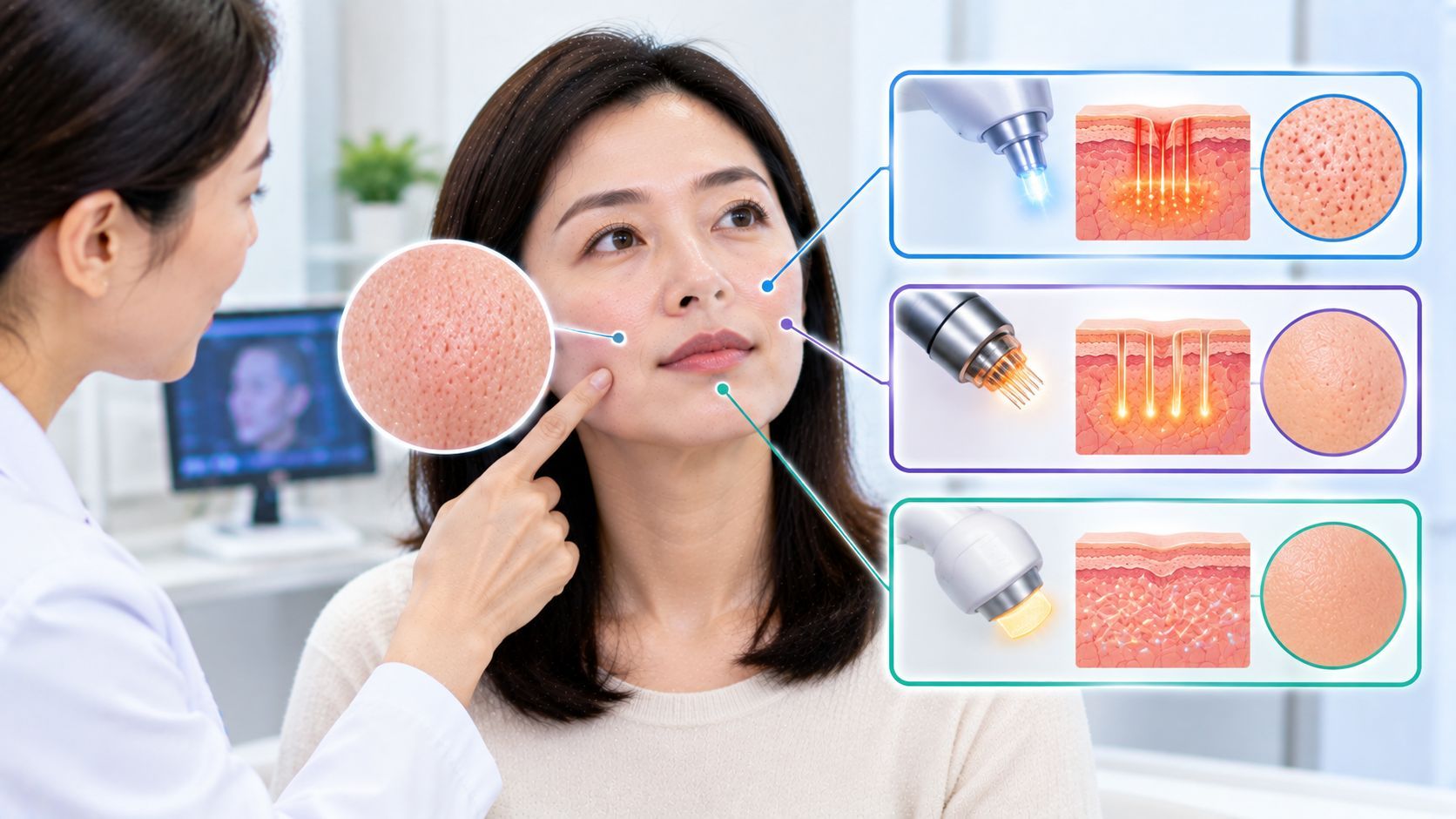
What About RF for Dry Menopausal Skin?
RF is primarily an energy-based treatment for tissue remodeling and skin firmness.
It may be useful when dryness occurs alongside:
- Reduced firmness
- Mild laxity
- Fine lines
- Early jowling
But RF is not primarily a hydration treatment.
If your main complaint is very dry, thin-feeling skin, a hydration or skin-quality strategy may be more relevant than choosing an aggressive tightening treatment.
On the other hand, if the concern is:
Dryness + laxity + reduced firmness
a dermatologist may consider a broader plan involving both skin-quality care and an appropriate tightening procedure.
Can RF Microneedling Improve Dry Skin?
RF microneedling is primarily used for concerns such as texture, fine lines, scarring, and selected degrees of laxity.
It may improve overall skin appearance, but it is not specifically a treatment for severe dryness.
Because the treatment involves needles and energy, it can temporarily cause:
- Redness
- Swelling
- Tenderness
- Irritation
- Temporary dryness or sensitivity
If the skin barrier is already compromised, the clinician may decide that another approach is more appropriate initially.
What About HIFU?
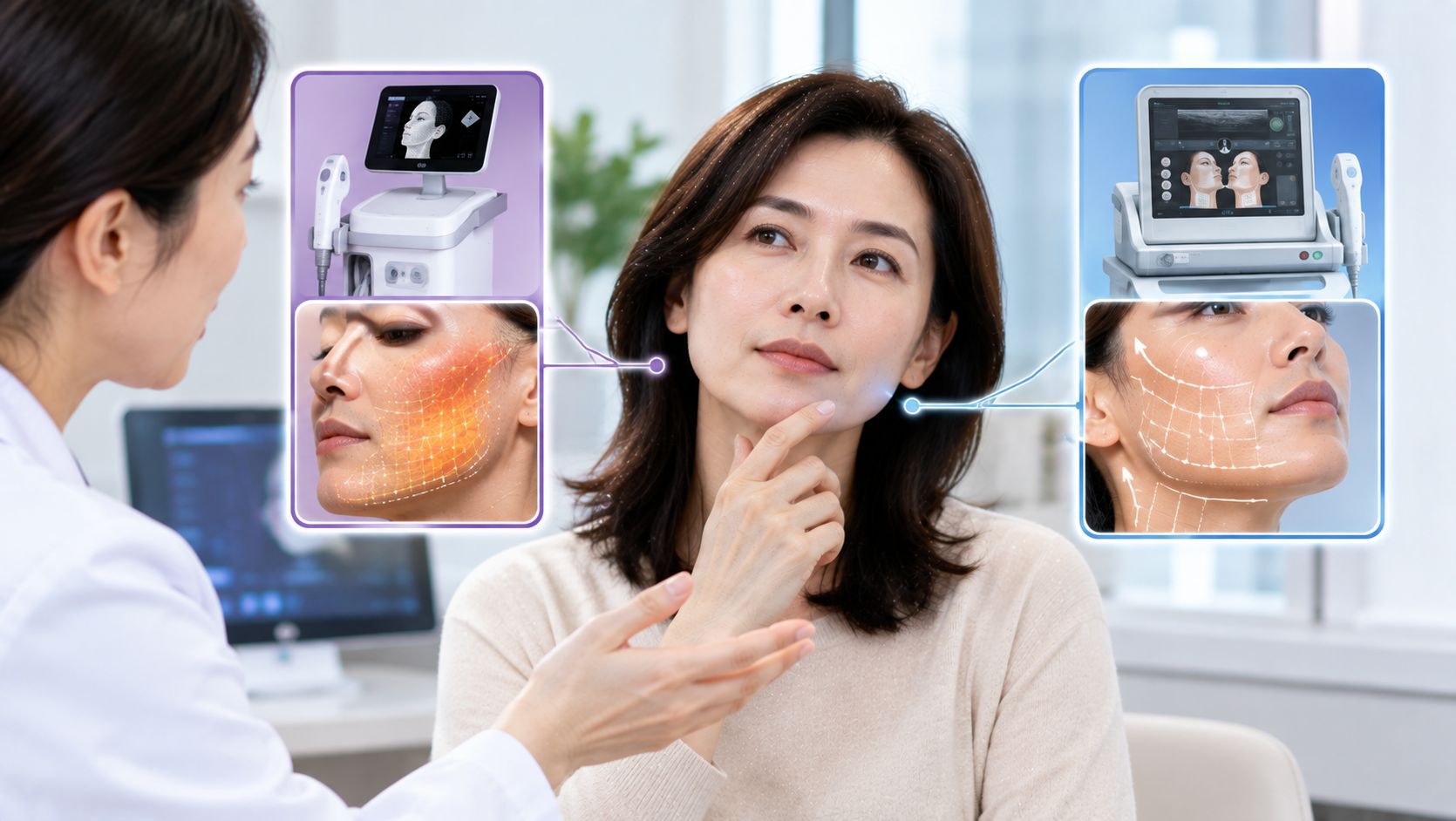
HIFU or microfocused ultrasound is generally considered for selected skin-laxity concerns.
It is not a hydration treatment.
Therefore, if your main problem is:
Very dry + tight + thin-looking skin
HIFU may not address the main issue.
If your concerns are:
Dry skin + lower-face laxity + early jowling
a clinician may consider HIFU as one part of a broader plan, but the dryness itself would require separate attention.
Could Collagen-Stimulating Treatments Help?
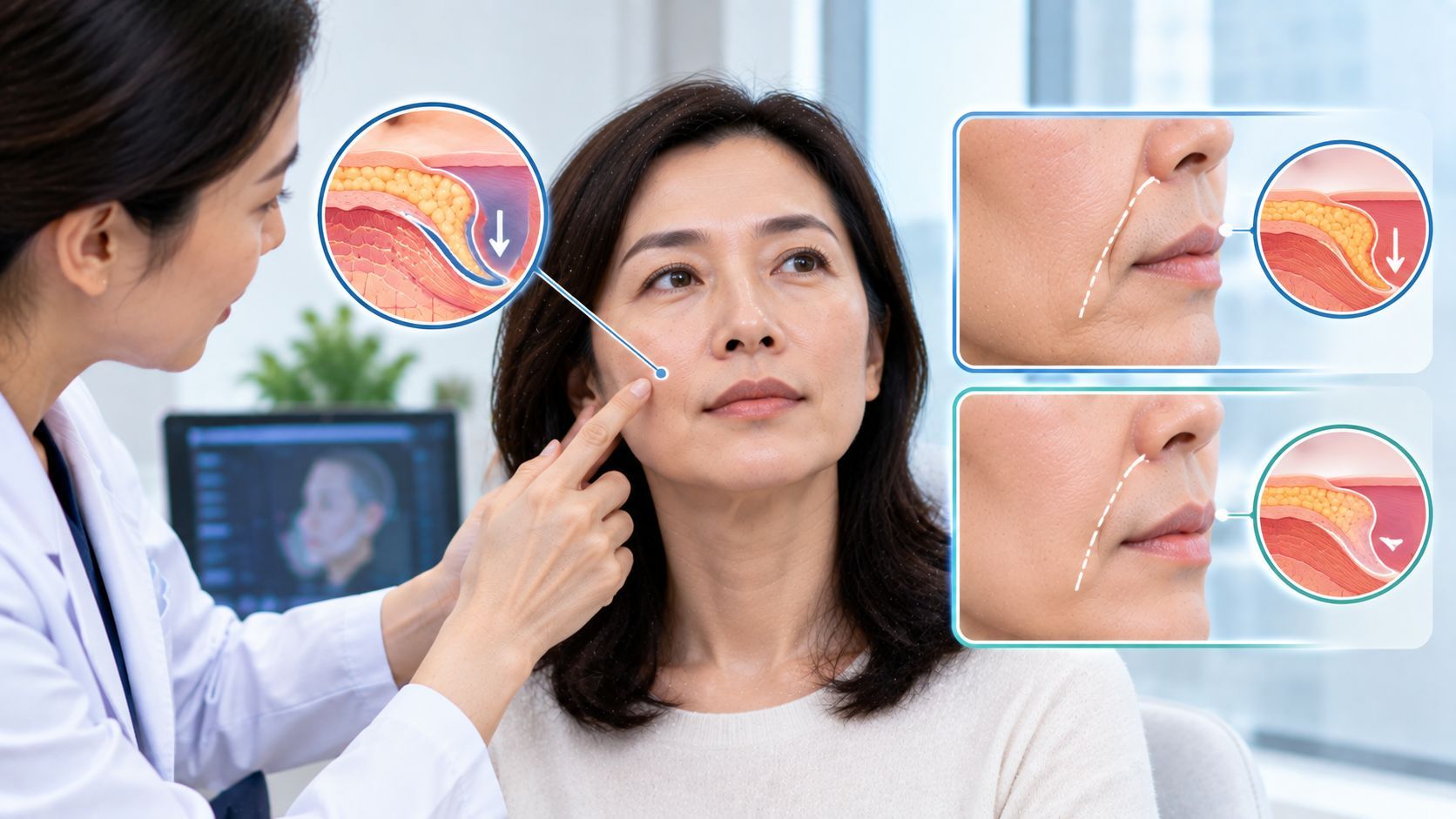
Menopause-related aging involves more than hydration. Collagen loss can contribute to thinner skin, fine lines, and reduced elasticity.
Depending on the patient, a dermatologist may discuss collagen-focused treatments such as:
- RF
- RF microneedling
- Microneedling
- Selected laser treatments
- Certain collagen-stimulating injectables
These treatments differ in mechanism, downtime, risks, and indications.
Importantly, collagen stimulation and hydration are not the same thing.
If the skin looks dry and crepey, improving hydration may improve its appearance without necessarily addressing deeper structural laxity. Conversely, tightening the skin may not solve a damaged moisture barrier.
When Should You Avoid an Injectable Skin Booster?
A consultation is particularly important if you have:
- Active skin infection
- Significant inflammation
- Unexplained rash
- Severe dermatitis
- Open wounds
- Known allergy to the proposed product
- A history of problematic reactions to injectables
Your clinician should also know about medications and previous aesthetic treatments that could affect the procedure.
Because injectable treatments carry risks, the procedure should be performed by an appropriately qualified medical professional using a suitable product and technique.
What Are the Possible Side Effects?
Skin boosters involve injections, so temporary effects can occur.
Possible reactions include:
- Redness
- Swelling
- Bruising
- Tenderness
- Small bumps
- Temporary discomfort
More significant complications are possible with injectable procedures, although their likelihood depends on the product, injection site, technique, and individual patient factors.
Seek medical attention if you develop severe or worsening pain, significant skin discoloration, spreading swelling, fever, or visual symptoms after an injectable treatment.
Can Skincare Be Enough?
For some women, yes.
Before considering an injectable, it may be worthwhile to optimize a simple skincare routine.
Morning
- Gentle cleanser or water rinse
- Moisturizer
- Broad-spectrum sunscreen
Evening
- Gentle cleanser
- Moisturizer
- Appropriate treatment product if recommended by a dermatologist
Avoid introducing several strong exfoliating products at once.
Menopausal skin can become more sensitive, so a complicated routine is not necessarily a better routine.
What If Dryness Is Accompanied by Sagging?
This is common and requires a different approach.
Imagine a patient has:
Dryness + crepey skin + mild jawline laxity
A skin-quality treatment may help one component, while RF or another tightening procedure may address another.
But if the patient has:
Dryness + significant facial volume loss + substantial loose skin
a completely different treatment strategy may be needed.
The important point is that there is no single injectable or device that corrects every manifestation of menopausal facial aging.
Can Skin Boosters Be Combined With Other Korean Treatments?
They can sometimes be incorporated into a broader treatment plan.
For example, a dermatologist may consider combining or staging:
- Skin-quality treatment
- RF
- Laser
- Microneedling
- Pigmentation treatment
- Volume restoration
However, more procedures do not automatically mean better results.
Combining treatments can increase cost, downtime, irritation, and procedural risk. The plan should be based on the patient's actual concerns.
What Should International Patients Ask a Korean Clinic?
If you are traveling to Seoul for treatment, ask:
- What is causing my dryness?
- Is my skin barrier currently healthy enough for an injectable?
- What exact skin booster product will be used?
- Is the treatment intended primarily for hydration or another purpose?
- Would Rejuran be more appropriate?
- Do I also have collagen loss or skin laxity?
- Would RF or another treatment be appropriate?
- How many sessions are recommended?
- What downtime should I expect?
- How long should I remain in Seoul before flying home?
Ask the clinic to provide the exact product name rather than simply describing it as a "skin booster."
What Results Should You Expect?
Skin boosters should not be expected to create a permanent transformation.
The degree and duration of improvement depend on:
- Product used
- Injection technique
- Number of treatments
- Skin condition
- Age
- Degree of dryness
- Lifestyle
- Skincare routine
- Individual response
Some treatments require multiple sessions, while maintenance may be recommended later.
The goal should be realistic improvement in hydration and skin quality rather than complete reversal of menopausal skin changes.
Conclusion
Skin boosters can be useful for selected women with very dry post-menopausal skin, particularly when the goal is improving hydration and overall skin quality. However, they are not a cure for menopause-related skin changes and should not be treated as a replacement for basic skincare.
If your skin is dry because the barrier is compromised, repairing that barrier may be more important than immediately choosing an injectable. If dryness occurs alongside fine lines, reduced elasticity, or laxity, a broader treatment plan may be appropriate.
For women considering treatment in Korea, the most important step is to identify whether the dominant issue is dehydration, barrier damage, collagen loss, skin laxity, volume loss, or a combination of these problems.
Frequently Asked Questions
Are skin boosters good for dry menopausal skin?
They may help selected patients improve hydration and overall skin quality. However, results depend on the specific product and the cause of dryness.
Is Rejuran better than a skin booster for menopause-related dryness?
There is no universal answer. Rejuran and skin boosters have different formulations and treatment goals. A dermatologist should determine which approach matches the patient's skin condition.
Can skin boosters tighten loose menopausal skin?
They are primarily intended for skin quality or hydration, depending on the product. Significant loose skin generally requires a different treatment assessment.
How often should menopausal women get skin boosters?
There is no single schedule for everyone. Frequency depends on the specific product, treatment protocol, skin condition, and individual response.
Can I use retinol after a skin booster?
Your clinician should provide individualized aftercare instructions. Retinoids may irritate recently treated skin, so patients are often advised to temporarily adjust active skincare around procedures.
Can skin boosters replace moisturizer?
No. Even if an injectable treatment improves skin hydration, consistent topical moisturization and barrier-supporting skincare remain important.