What Should I Get One Month Before My Wedding?
Introduction
One month before your wedding is an important point in your skin-treatment timeline. You still have enough time for some treatments to settle, but there is much less room for unexpected swelling, bruising, irritation, pigmentation changes, or prolonged recovery. The goal should therefore shift from major experimentation to controlled improvement and refinement.
The right treatment depends on your skin condition, previous treatment history, wedding date, and how your skin normally reacts. For many people, this may be an appropriate window for selected Botox, certain non-ablative laser treatments, skin-quality treatments, or carefully planned injectables—but only when the expected recovery fits comfortably within the remaining four weeks.
What Is the Best Approach One Month Before a Wedding?
At the one-month mark, think about three priorities:
- Improve the specific problem you already know you have.
- Choose treatments with a predictable recovery for your skin.
- Leave enough time to evaluate the result and manage unexpected side effects.
Aesthetic consensus recommendations emphasize individualized treatment planning and note that spacing consecutive treatments by roughly 1–2 weeks can allow side effects to resolve and results to be assessed.
This is why one month before your wedding is generally better suited to refinement than transformation.
Treatments That May Be Considered One Month Before a Wedding
Botox
If you have previously used Botox and know how you respond to it, four weeks may provide useful time for the effect to develop and settle before wedding photographs.
It may be considered for concerns such as:
- Forehead expression lines
- Frown lines
- Crow's feet
- Certain facial muscle-related concerns
- Selected lower-face or neck indications
However, Botox is not appropriate for every type of wrinkle or facial concern. Placement, dosage, muscle activity, and facial anatomy all matter.
If you have never had Botox before, the four-week window is still more forgiving than receiving it only a few days before the wedding, but a first treatment should be approached cautiously. Your dermatologist should explain the expected result and possible temporary effects before treatment.
Non-Ablative Laser Treatments
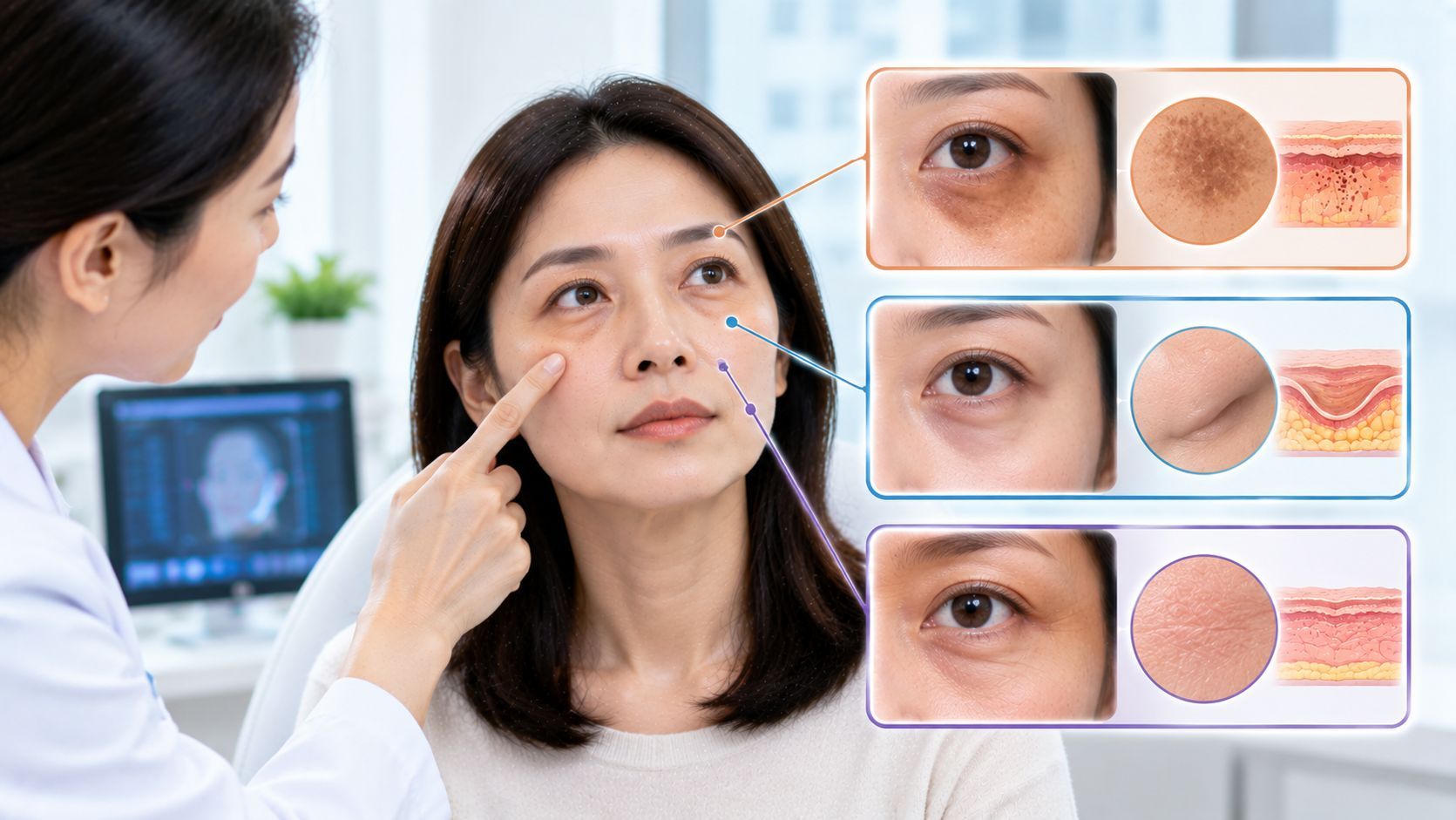
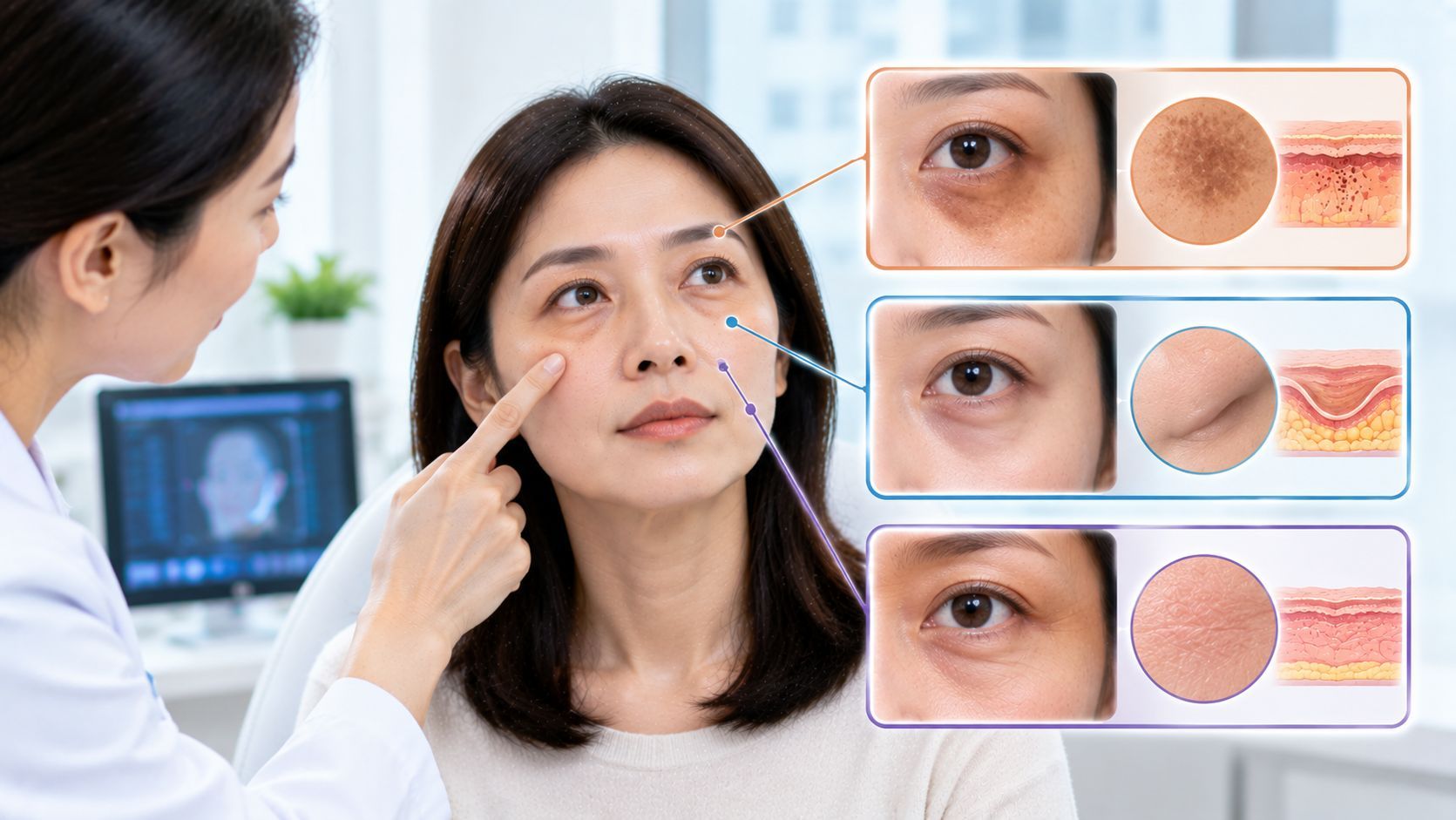
Certain non-ablative laser or light-based treatments may be considered for concerns such as pigmentation, redness, uneven tone, or selected texture issues.
However, “laser” describes many different technologies. Recovery can range from relatively mild redness to more noticeable swelling, crusting, or pigment changes depending on the device, settings, skin type, and indication.
The American Academy of Dermatology notes that redness and swelling can occur after many laser and light treatments, and some treatments require a series rather than one session.
If your wedding is exactly four weeks away, the dermatologist should choose the treatment based not only on potential benefit but also on whether your skin has enough time to recover.
Skin Boosters and Skin-Quality Treatments
If your main goal is improving hydration, radiance, or overall skin quality rather than dramatically changing facial structure, a dermatologist may discuss an injectable skin-quality treatment.
Depending on the product and technique, temporary swelling, redness, tenderness, or small injection-site reactions can occur. That means the timing should be individualized rather than assuming that every “skin booster” has the same recovery period.
If you have used the same treatment previously without problems, the decision may be different from trying an unfamiliar injectable for the first time.
Dermal Filler
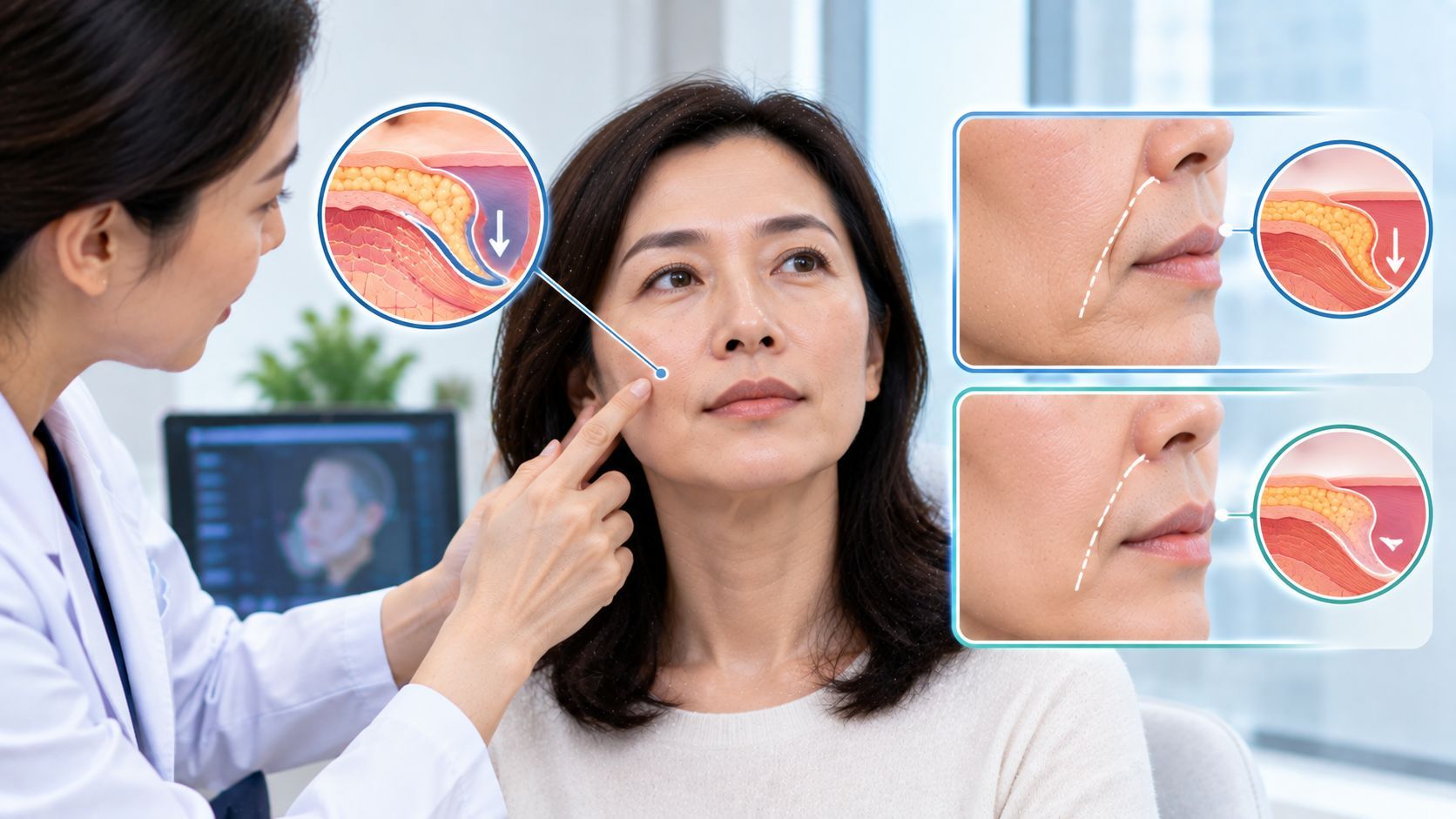
Filler can sometimes be considered one month before a wedding when there is a clearly defined structural concern, such as selected volume loss or contour changes.
However, filler deserves particular caution close to an important event.
The AAD notes that temporary redness, swelling, tenderness, and occasional bruising can occur after filler, with these effects often clearing within 7–14 days or sooner.
That does not mean every person will look fully settled after exactly two weeks. Some people experience longer-lasting swelling or require additional assessment.
If filler is being considered one month before your wedding, it is especially important to have enough time for:
- Initial swelling to decrease.
- The result to be evaluated.
- Any asymmetry or unwanted effect to be addressed.
- A final decision to be made without rushing.
Serious filler complications are uncommon, but they can occur, which is another reason to use a qualified medical professional and allow adequate follow-up time.
What About Skin Tightening Treatments?
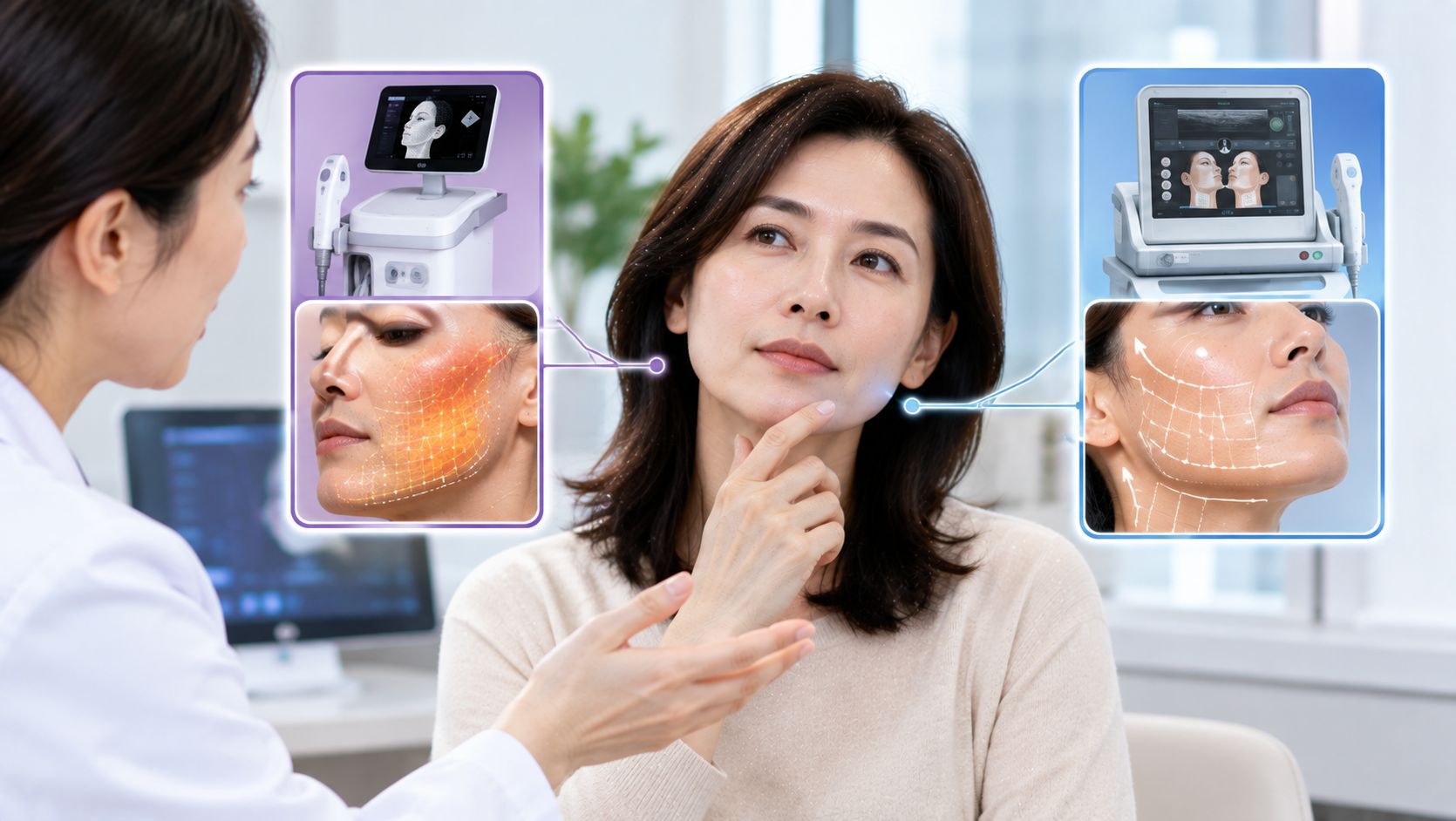
Treatments such as RF or ultrasound-based tightening may be appropriate for selected patients, but one month before a wedding is not automatically the ideal time for every tightening procedure.
The important question is what problem are you trying to solve?
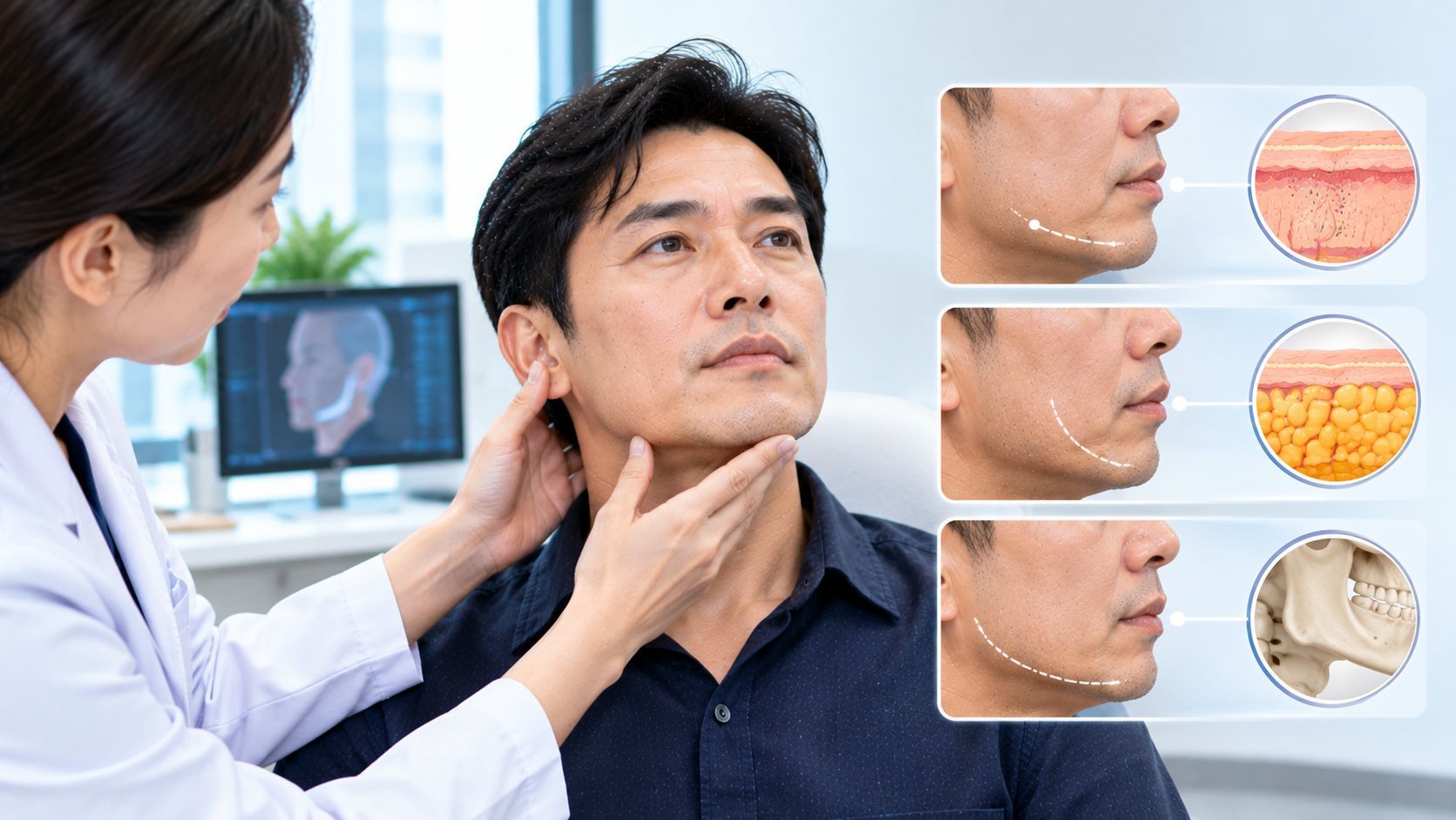
If your concern is mild laxity, your dermatologist may consider a non-surgical tightening approach. If your face is already thin or has lost volume, however, aggressive tightening may not necessarily produce the appearance you want.
Some energy-based procedures also have results that develop gradually rather than immediately. Treatment selection should therefore consider your facial structure, skin thickness, degree of laxity, and previous procedures.
For ultrasound-based lifting treatments, expert guidelines emphasize customization of treatment depth, energy settings, and treatment planning according to individual patient characteristics.
What Should You Avoid One Month Before the Wedding?
Avoid First-Time High-Risk Experiments
A wedding is not the ideal time to discover how your skin reacts to an unfamiliar aggressive treatment.
Be particularly cautious about introducing:
- A completely new injectable
- Aggressive laser resurfacing
- Strong chemical peels
- High-intensity combination treatments
- Unfamiliar filler techniques
- Multiple procedures performed without adequate recovery time
The issue is not that these treatments are inherently inappropriate. Rather, their potential recovery and response may not fit your deadline.
Avoid Trying to Fix Everything at Once
If you have pigmentation, acne scars, enlarged pores, wrinkles, laxity, and volume loss, treating every concern simultaneously can make your treatment plan unnecessarily complicated.
A better approach is to identify the two or three changes that will make the most visible difference in photographs and discuss those with your dermatologist.
A Simple Four-Week Wedding Timeline
Four Weeks Before
Have your final consultation and confirm exactly what you want to improve.
This is the time to discuss Botox, selected laser treatments, skin-quality procedures, or filler if medically appropriate and familiar to you.
Three Weeks Before
Allow early treatment effects to settle. Avoid adding unnecessary procedures simply because you still have several weeks available.
Two Weeks Before
Evaluate the result. If another treatment is genuinely needed, your dermatologist can decide whether the remaining recovery period is appropriate. The 1–2-week spacing principle is commonly incorporated into combination-treatment planning.
One Week Before
Your priority should usually shift toward maintaining calm, healthy skin rather than making major changes.
Avoid unnecessary aggressive exfoliation or experimental treatments.
The Final Few Days
Keep your routine simple. Follow your dermatologist's instructions, protect your skin from excessive sun exposure, and avoid introducing new skincare products.
A recent consensus-based review recommends establishing a basic routine of cleanser, moisturizer, and broad-spectrum SPF 50+ in the weeks around cosmetic procedures, while avoiding unnecessary irritation.
What If I Am Traveling to Seoul for My Wedding Treatment?
International patients should be even more conservative with timing.
If you are traveling to Korea specifically for pre-wedding dermatology, build enough time into your itinerary for:
- Consultation
- Treatment
- Initial recovery
- Follow-up
- Possible adjustment
- Unexpected reactions
Do not schedule your final cosmetic treatment immediately before your return flight or wedding ceremony simply because your travel schedule is tight.
Your dermatologist should also know about previous fillers, Botox, lasers, medications, allergies, and any history of unusual reactions.
Questions to Ask Your Korean Dermatologist
Before receiving treatment one month before your wedding, ask:
- How long does recovery usually take for this specific treatment?
- Could swelling or bruising still be visible in wedding photographs?
- Have I had this treatment before, or is this a new treatment for me?
- When should I expect the final result?
- What happens if I do not like the result?
- Do I have enough time for a follow-up appointment?
The AAD recommends discussing indications, risks, benefits, and alternatives during a cosmetic consultation rather than treating the procedure as a routine beauty service.
The Bottom Line
One month before your wedding, the best strategy is usually predictability over experimentation. Treatments you have previously tolerated well may be easier to plan than completely new procedures. Botox, selected non-ablative treatments, skin-quality procedures, or carefully planned filler may be options for some patients, but the appropriate choice depends on your skin, anatomy, treatment history, and recovery time.
Your goal should not be to completely transform your face in four weeks. It should be to make carefully selected improvements while keeping enough time for your skin to settle before the wedding.
FAQs
Can I get Botox one month before my wedding?
Botox may be considered one month before a wedding, particularly when the treatment is familiar to you. Your dermatologist should determine the appropriate areas and dosage based on your facial anatomy and goals.
Is one month enough time for filler before a wedding?
It can be enough time for some patients, but filler can cause swelling, bruising, or other temporary effects. The AAD notes that common injection-site effects often resolve within 7–14 days, although individual recovery varies.
Should I try a new laser one month before my wedding?
It depends on the laser and your skin type. Some treatments have limited downtime, while others can cause significant redness, swelling, peeling, or pigment changes. A dermatologist should assess whether the recovery window fits your wedding date.
Can I combine several treatments four weeks before my wedding?
Sometimes, but combination treatment should be planned carefully. Expert consensus recommends individualized sequencing and spacing between consecutive treatments when appropriate.
What is the biggest mistake to avoid before a wedding?
Trying multiple unfamiliar treatments too close to the event. A predictable treatment plan with adequate recovery time is generally easier to manage than last-minute experimentation.