My Face Is Smooth but Doesn't Reflect Light Well. What Creates That Healthy Glow?
Introduction
Sometimes the skin feels completely smooth but still does not have the luminous appearance people associate with healthy, glowing skin. You may have no acne, few visible pores, minimal pigmentation, and a relatively even complexion, yet your face can still look flat, tired, or less radiant than expected.
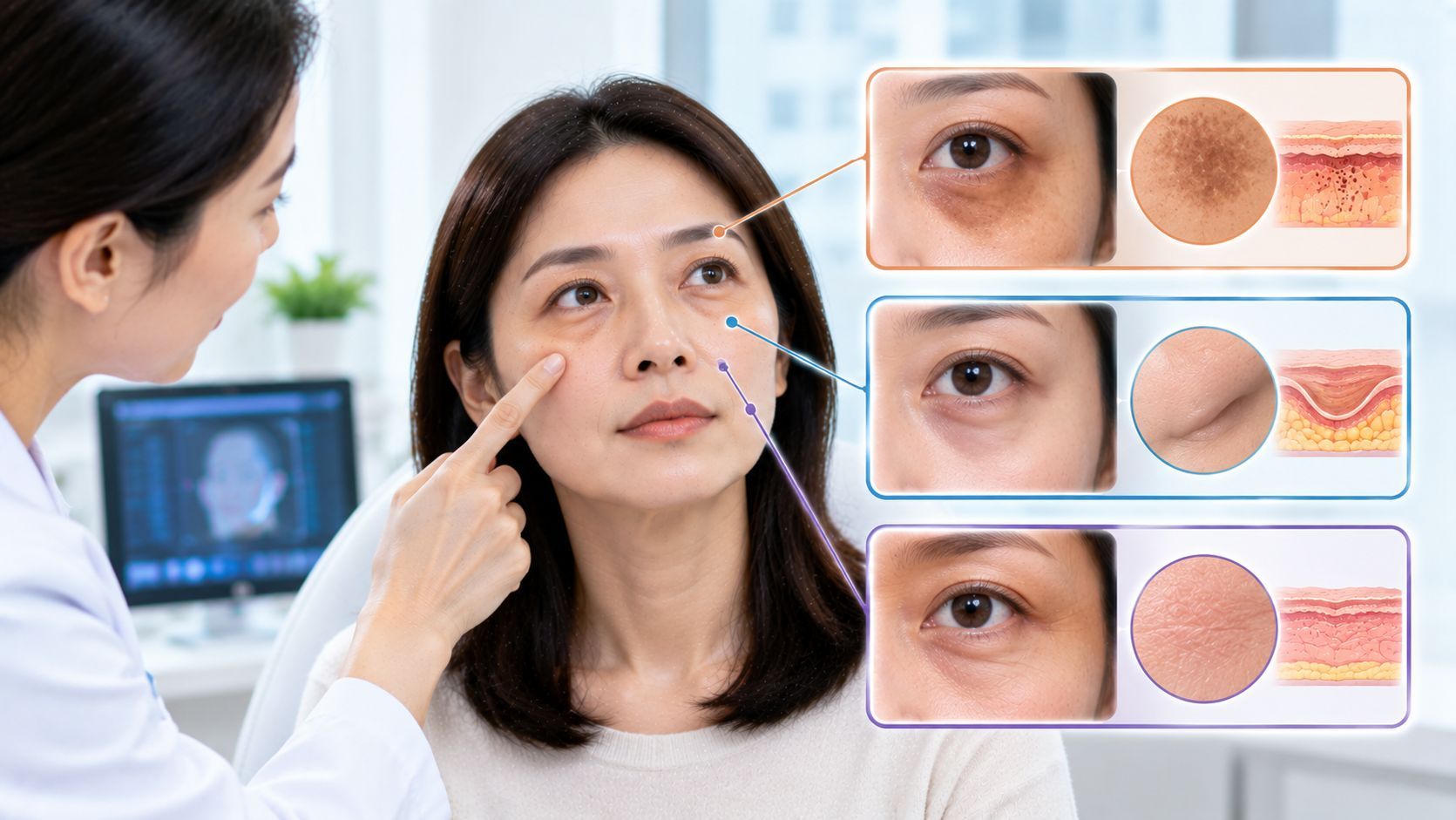
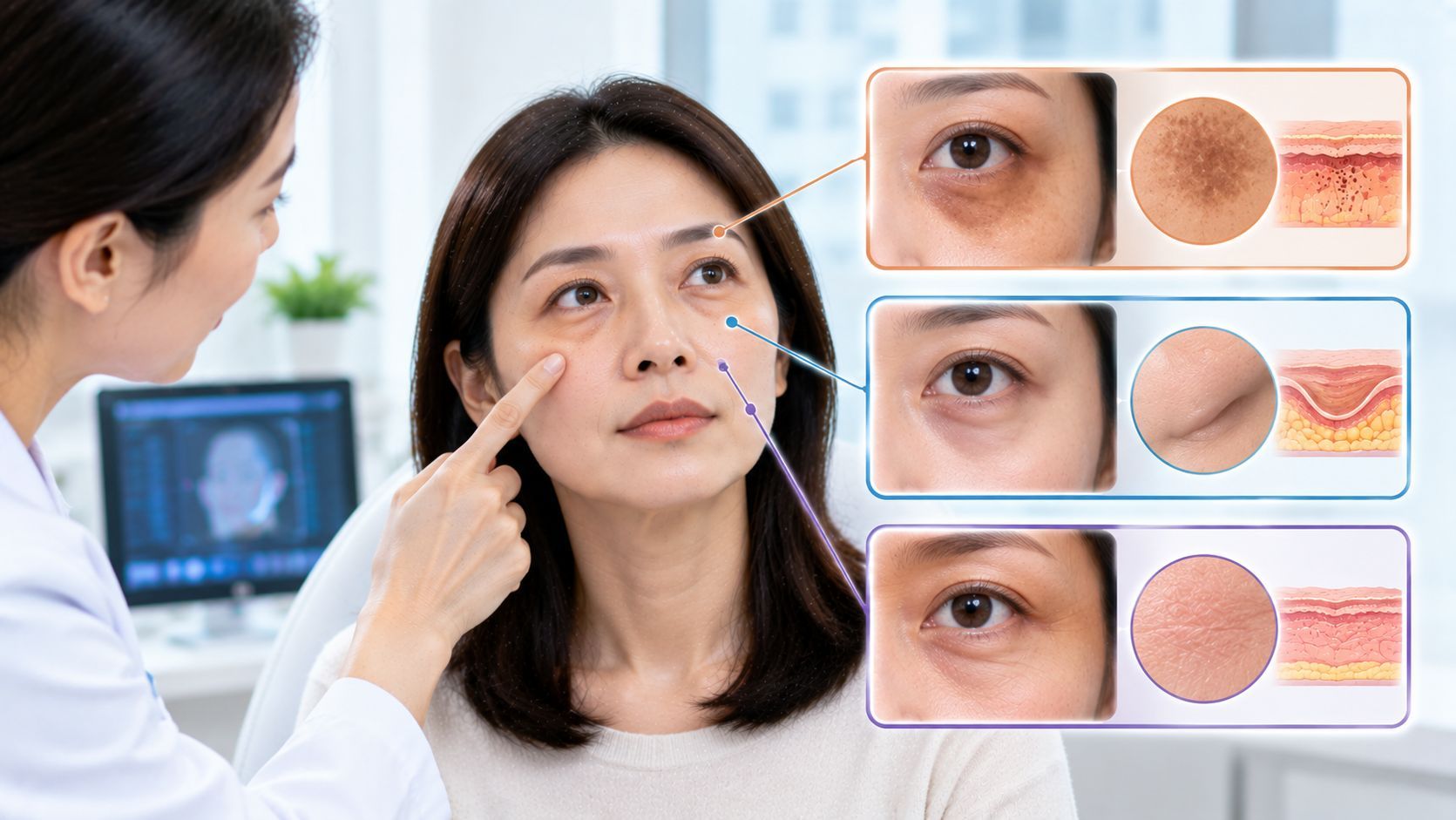
Healthy-looking radiance is influenced by several factors, including hydration, surface uniformity, skin thickness, sebum balance, pigmentation, collagen quality, and how evenly the skin reflects light. A smooth-feeling face does not necessarily have a perfectly uniform optical surface.
If your skin is already relatively healthy, the goal should usually be subtle improvement rather than aggressive resurfacing or adding unnecessary volume.
What Actually Creates a Healthy-Looking Glow?
A natural glow is largely about how light interacts with the skin.
When the surface is hydrated and relatively uniform, light can reflect more evenly. When the skin is dry, rough, unevenly pigmented, or structurally irregular, light can scatter in different directions and make the complexion look dull.
Several factors contribute.
Hydration
Water in the outermost layers of the skin helps maintain a smoother surface appearance.
Dehydrated skin can develop tiny irregularities that may not be obvious to the touch but can reduce the appearance of luminosity.
This is why someone can have smooth skin but still benefit from improving hydration and barrier function.
Surface Uniformity
Even very small differences in texture can affect light reflection.
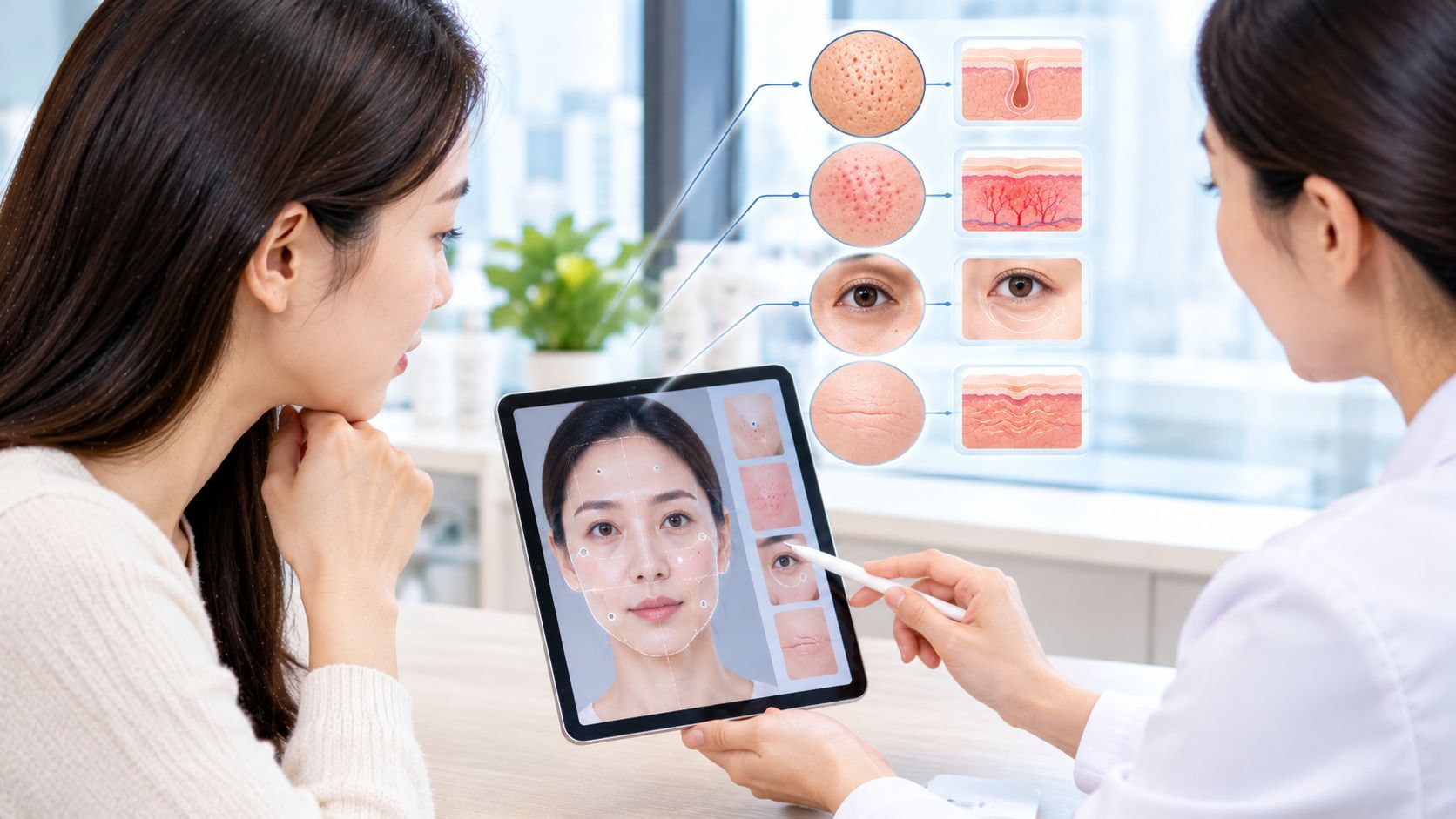
Fine lines, enlarged pores, subtle acne scarring, rough patches, and uneven exfoliation can create tiny shadows across the face.
The skin may feel smooth overall while still appearing less reflective under certain lighting.
Even Skin Tone
Radiance is not only about texture.
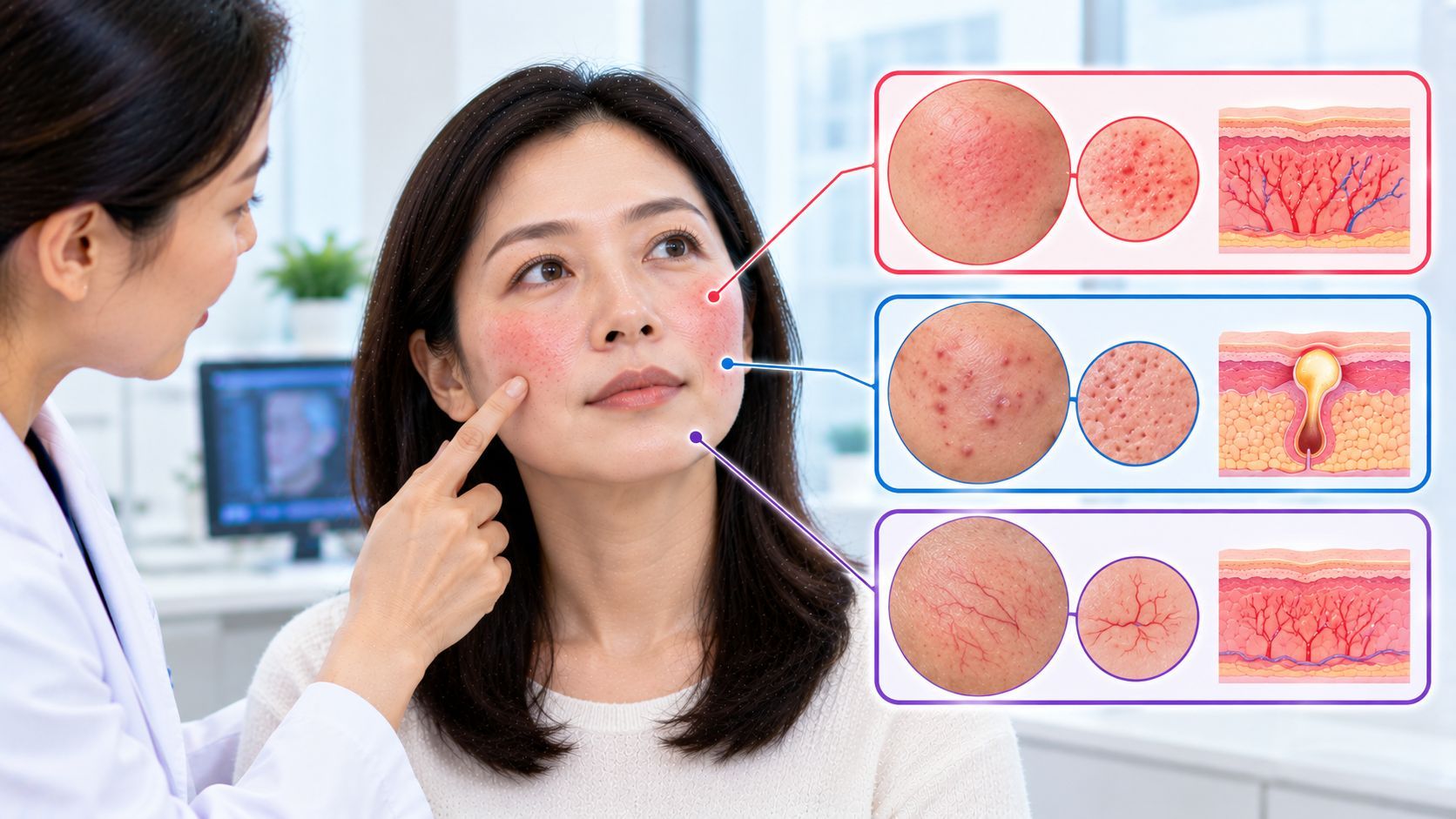
Subtle pigmentation, redness, or uneven coloration can make the complexion appear less uniform. You may not have obvious dark spots but still have enough variation in tone to affect the overall appearance.
Collagen and Skin Structure
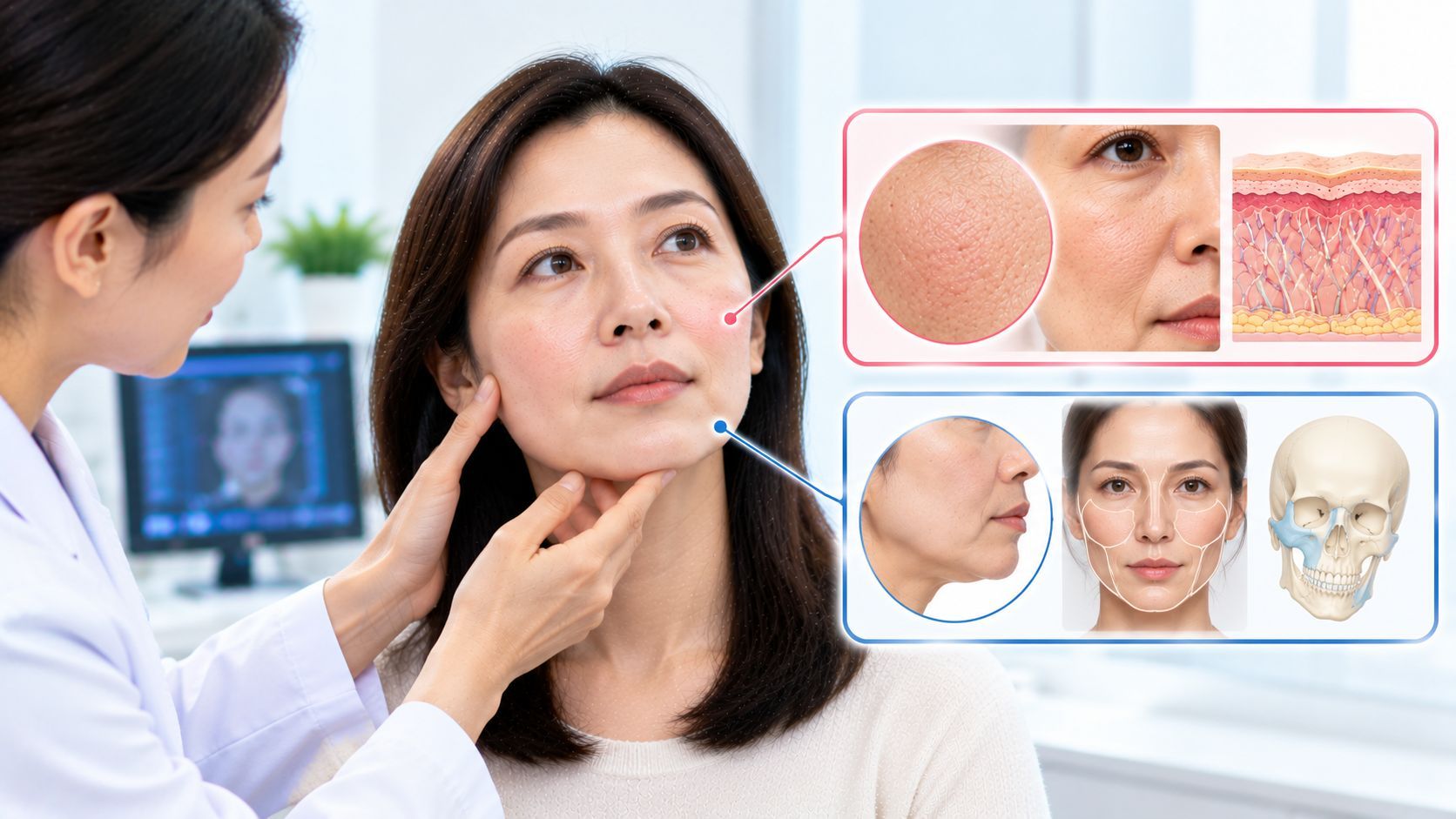
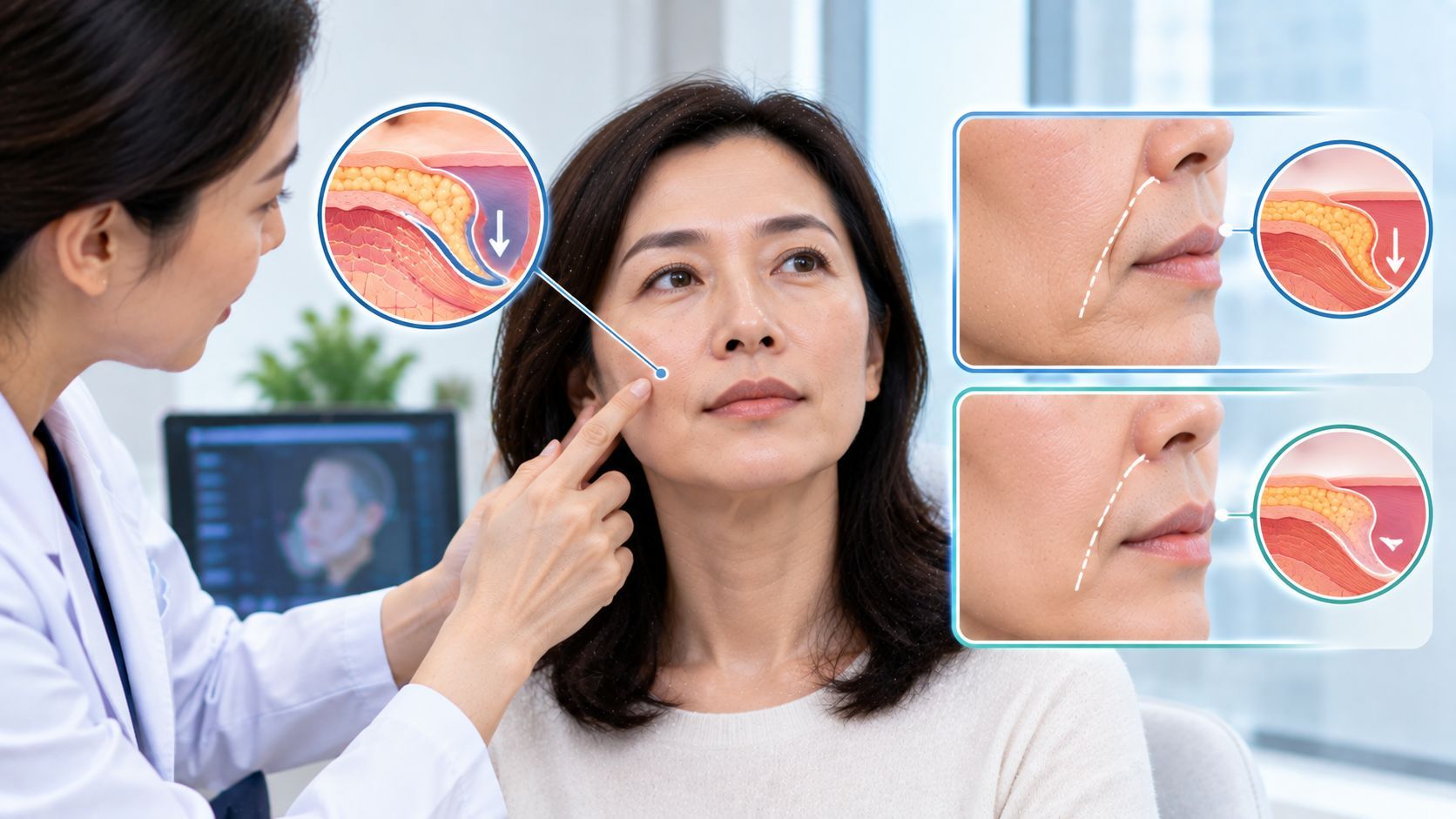
As skin ages, collagen and elastin gradually change. The skin may become thinner or less firm and can lose some of the smooth, supported appearance associated with younger skin.
This can happen before obvious wrinkles become prominent.
Why Does My Skin Look Glowy in Some Lighting but Dull in Others?
Lighting has a major effect on perceived skin quality.
Soft, frontal lighting can make skin appear smoother because it reduces harsh shadows. Overhead or directional lighting can emphasize pores, fine lines, and small changes in surface texture.
Sunlight can be especially revealing because it contains strong directional light.
This does not necessarily mean your skin suddenly became worse.
Before deciding that you need a procedure, compare your complexion under consistent lighting conditions. If your skin looks significantly different depending on the environment, the issue may be partly optical rather than a major skin-quality problem.
Can Hydration Improve Skin Radiance?
Yes, particularly if dehydration is contributing to the dull appearance.
A basic approach includes:
- Gentle cleansing
- Regular moisturizer use
- Avoiding excessive exfoliation
- Adequate sun protection
- Using hydrating ingredients that your skin tolerates
A healthy skin barrier can improve the appearance of smoothness and luminosity without requiring an invasive treatment.
However, drinking more water alone does not necessarily correct every cause of dull skin. Topical barrier care and the underlying skin condition also matter.
What About Chemical Exfoliation?
If surface buildup is contributing to dullness, carefully selected exfoliation may improve light reflection.
Chemical exfoliants can help remove some of the outermost dead skin cells and improve surface smoothness.
Depending on the skin, a dermatologist may consider ingredients such as:
- Alpha-hydroxy acids
- Beta-hydroxy acids
- Other professionally selected peeling agents
More exfoliation is not automatically better.
Over-exfoliating can damage the skin barrier, producing dryness, irritation, redness, and an even duller appearance.
Can Chemical Peels Create a Glow?
A professionally selected chemical peel can temporarily improve surface smoothness and brightness.
Peels may be particularly useful when the complexion looks dull because of:
- Superficial buildup
- Mild uneven tone
- Rough texture
- Certain forms of pigmentation
The strength of the peel should be matched to the patient's skin condition and pigmentation risk.
A dramatic peel is not necessarily appropriate for someone whose skin is already smooth and healthy.
What About Laser Treatments?
Certain laser treatments can improve skin tone and texture, but they should be selected based on the actual cause of the lack of radiance.
Laser treatment may be considered when there are accompanying concerns such as:
- Sun-related pigmentation
- Uneven texture
- Fine lines
- Acne scars
- Reduced overall skin quality
However, if there is no meaningful pigmentation or texture problem, an aggressive resurfacing procedure may provide little additional benefit while creating unnecessary downtime.
Can Pico Laser Improve Skin Glow?
Pico laser is commonly used for pigmentation and can also be used in some skin-quality treatment approaches.
If subtle pigmentation is preventing the complexion from appearing uniform, a pigment-focused treatment may improve overall brightness.
But “glow” alone is not a diagnosis.
A dermatologist should first determine whether the issue is pigmentation, texture, dehydration, or another skin-quality concern before selecting a laser.
Could RF Microneedling Improve Radiance?
RF microneedling is primarily a remodeling treatment rather than a simple “glow” treatment.
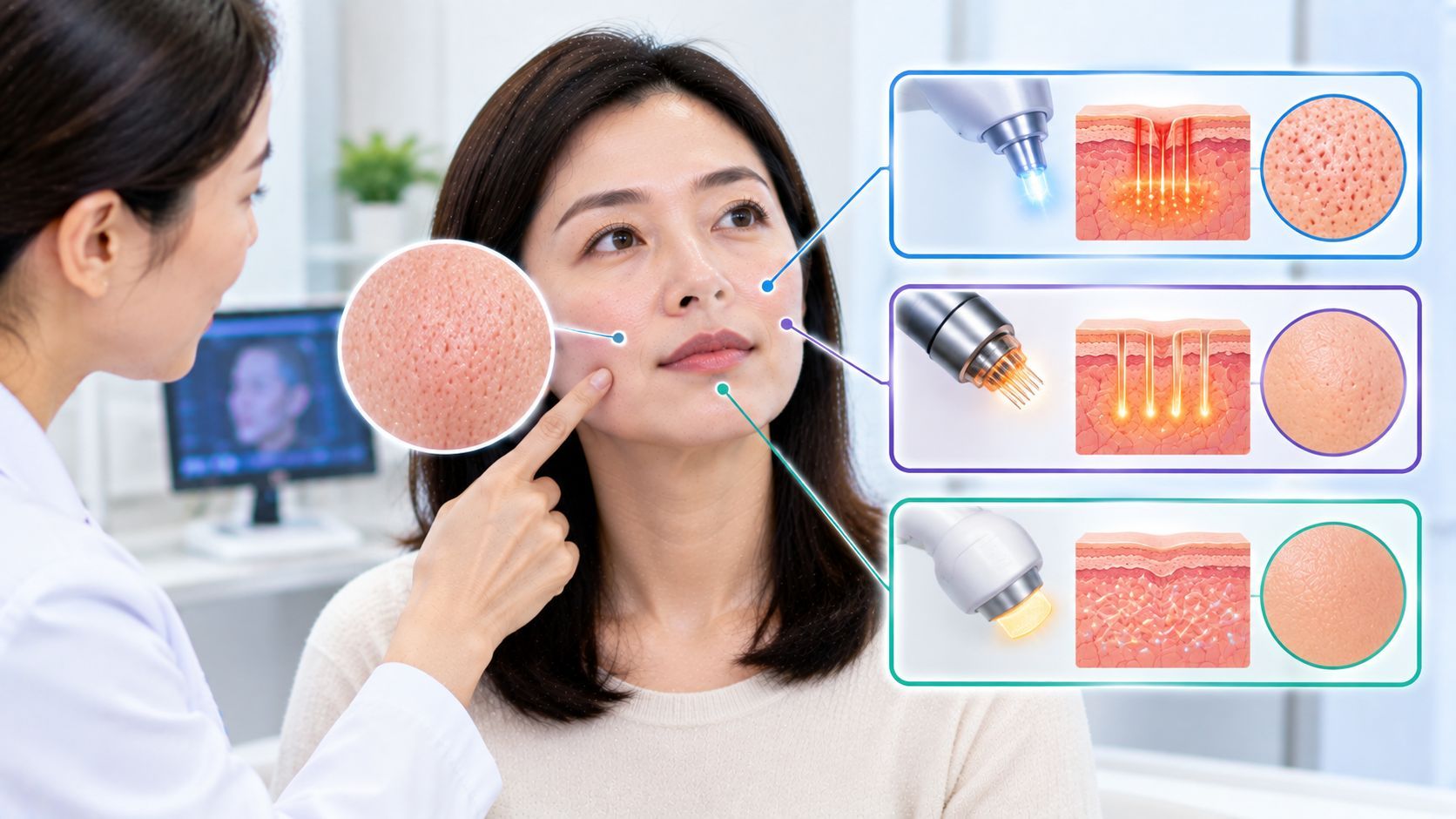
It may be considered when reduced firmness, enlarged pores, uneven texture, or certain acne scars contribute to the way light reflects from the skin.
By improving aspects of skin texture and firmness, it may make the complexion look more refined.
However, if your skin is already smooth and your only concern is mild dullness, RF microneedling may be more treatment than you actually need.
What About Skin Boosters?
Skin-quality injectables may be considered when dullness occurs alongside dehydration, fine texture, or reduced elasticity.
Depending on the product, treatment may aim to improve hydration or other aspects of skin quality rather than add significant volume.
This distinction is important.
A person who wants a more luminous complexion does not necessarily need conventional dermal filler. Adding volume where there is no volume deficiency can change facial proportions without addressing the underlying skin-quality issue.
Injectable treatments also carry risks, including swelling, bruising, infection, nodules, and other product- or technique-specific complications.
Can Skin Tightening Make Skin More Reflective?
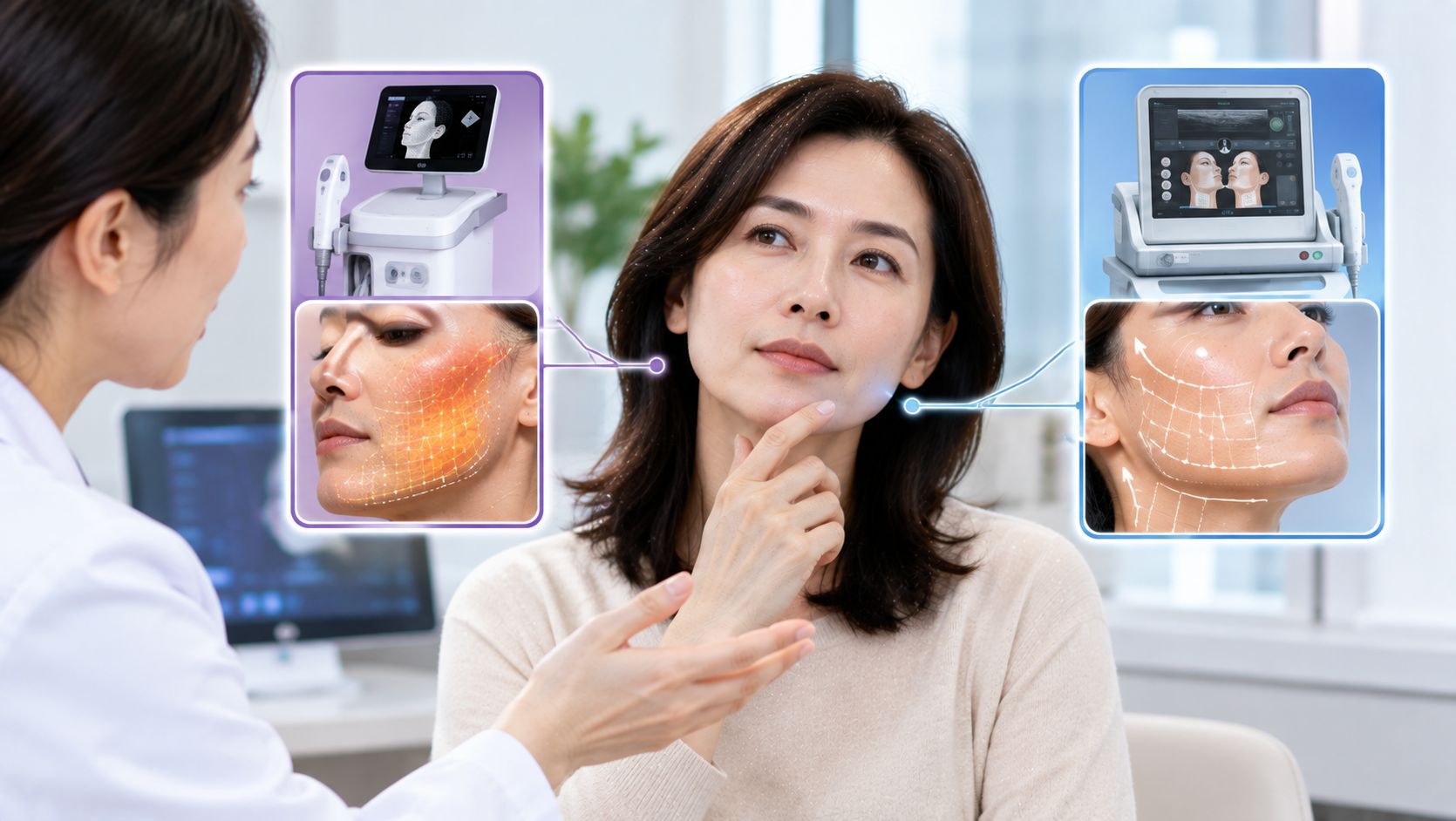
If reduced firmness and early skin aging are contributing to a dull or tired appearance, collagen-remodeling treatments may sometimes improve overall skin quality.
Possible options can include:
- Radiofrequency treatments
- Focused ultrasound
- RF microneedling
- Other energy-based treatments
These treatments are more relevant when the patient also has mild laxity or reduced skin firmness.
They should not be viewed as instant glow procedures.
Does Botox Improve Skin Glow?
Botox primarily reduces targeted muscle activity. It is not a treatment for dehydration, pigmentation, or surface dullness.
It may indirectly make certain areas appear smoother by reducing movement-related lines, but it does not generally address the fundamental causes of poor light reflection.
If your skin is smooth but simply lacks luminosity, Botox is usually not the first issue to investigate.
What If My Skin Looks Good but Still Doesn't Have a “Glass Skin” Effect?
The popular idea of “glass skin” can create unrealistic expectations.
Real skin naturally contains:
- Pores
- Fine lines
- Sebaceous glands
- Small variations in texture
- Natural pigmentation
- Hair follicles
Perfectly reflective skin is not necessarily healthier skin.
Instead of trying to eliminate every visible feature, a more realistic goal is healthy, hydrated, even and well-maintained skin with natural luminosity.
Which Treatment Might Be Appropriate?
Main issuePossible approachDehydrationBarrier repair and hydrationSurface buildupGentle exfoliation or chemical peelUneven tonePigment-focused skincare or selected laserRough textureResurfacing or RF microneedlingEarly laxityRF or ultrasound-based tighteningFine lines and dry textureSkin-quality treatmentsMinimal skin problemsConservative skincare and sun protection
A combination may sometimes be appropriate, but treatment should be proportional to the actual problem.
What Should I Ask at a Seoul Dermatology Clinic?
If you are considering a glow-focused treatment in Seoul, ask the dermatologist:
- Is my skin actually dehydrated?
- Is uneven pigmentation affecting light reflection?
- Do I have subtle texture that needs treatment?
- Would skincare be enough?
- Would a peel be appropriate?
- Do I have early collagen loss or laxity?
- Would a skin booster address my actual concern?
- Is laser treatment necessary for my skin?
- What downtime and side effects should I expect?
- Which treatment can improve radiance without changing my facial volume?
These questions can help prevent choosing a procedure simply because it is marketed as a glow treatment.
Conclusion
A healthy-looking glow is created by more than perfectly smooth skin. Hydration, even tone, surface uniformity, collagen quality and consistent light reflection all contribute to facial radiance.
If your skin is already smooth, aggressive treatment may not be necessary. Improving hydration, protecting against UV exposure, and using appropriate exfoliation may be enough. When there are additional concerns such as pigmentation, texture, early laxity, or reduced skin quality, treatments such as chemical peels, selected lasers, RF microneedling, skin-quality injectables, or energy-based tightening may be considered.
The goal should not be to make the skin unnaturally reflective. It should be to improve the underlying skin quality so that the complexion looks healthy, even and naturally luminous.
FAQs
Why does my smooth skin still look dull?
Smoothness alone does not determine radiance. Dehydration, subtle pigmentation, uneven light reflection, early collagen changes, or small surface irregularities can make smooth skin look less luminous.
What treatment gives the most natural glow?
There is no universal treatment. The most appropriate option depends on whether the problem is dehydration, surface buildup, pigmentation, texture, or early skin aging.
Can a chemical peel improve skin radiance?
Yes. A properly selected peel can improve superficial texture and brightness, particularly when surface buildup contributes to dullness.
Can skin boosters make my face glow?
Some skin-quality injectables may improve hydration and other aspects of skin quality in selected patients. They are not the same as volume-adding dermal fillers.
Does laser treatment improve dull skin?
Certain lasers can improve pigmentation or texture, which may make the complexion appear more even and radiant. The appropriate laser depends on the underlying concern.
Do I need a procedure if my skin is already smooth?
Not necessarily. If the skin is healthy and the concern is mild, improving hydration, barrier care, sunscreen use, and gentle exfoliation may be sufficient.