Can Darker Skin Get Vascular Laser Treatment Safely?
Introduction
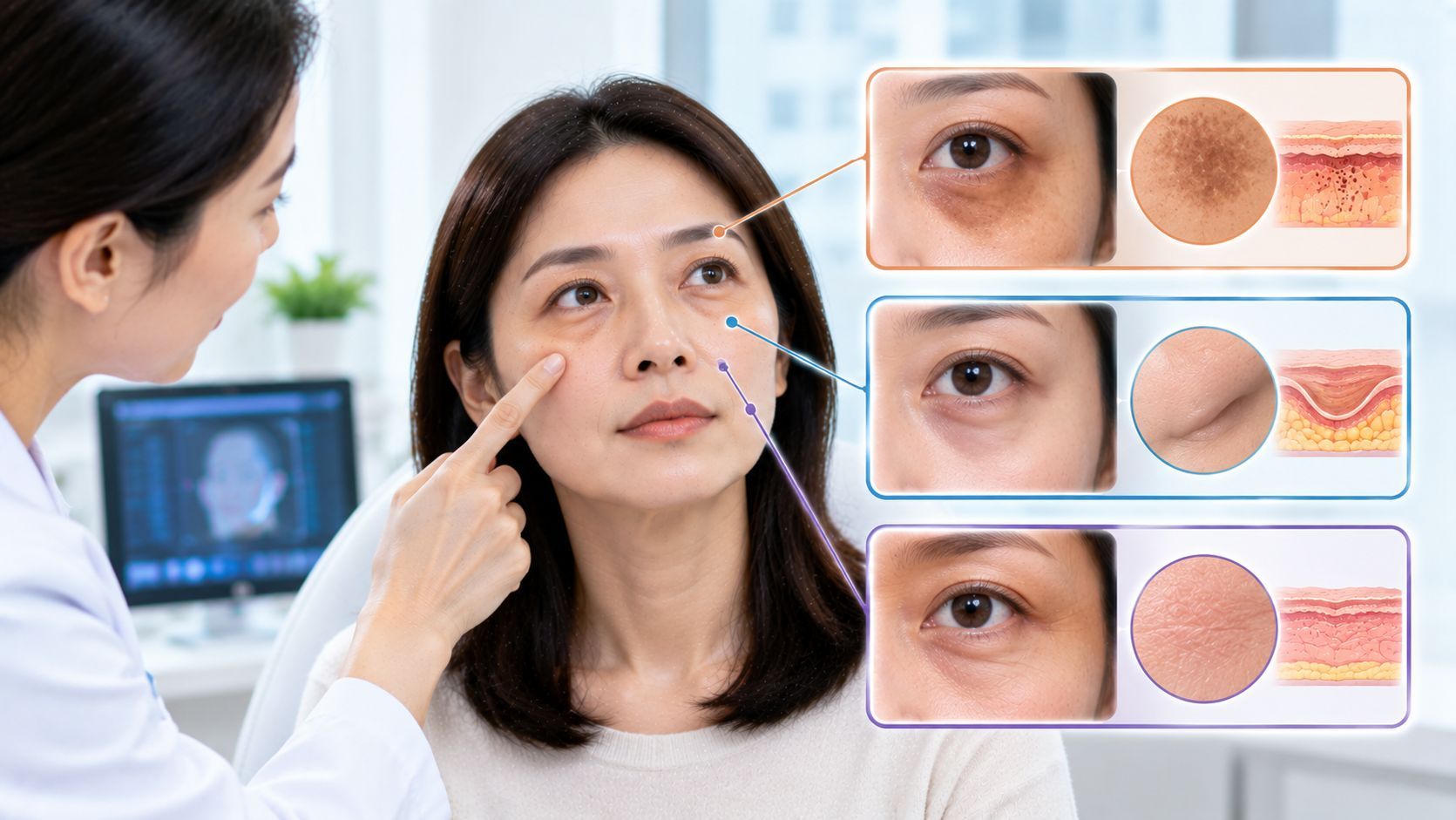
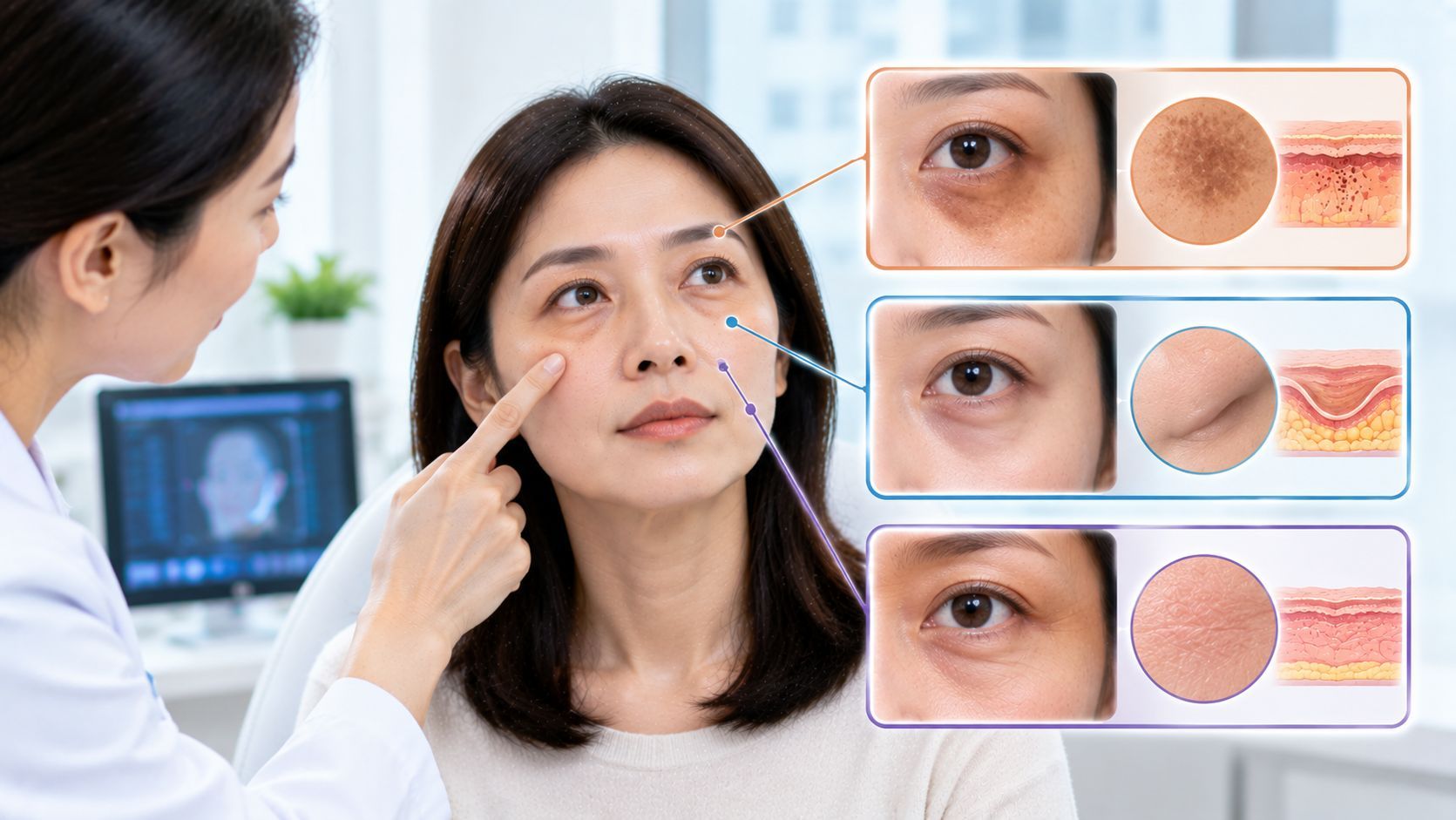
Yes, people with darker skin can sometimes receive vascular laser treatment, but the choice of laser wavelength, energy settings, cooling, treatment area, and individual pigmentation history is especially important. Vascular lasers target blood vessels, but melanin in darker skin can also absorb some laser energy. This creates a greater possibility of burns, post-inflammatory hyperpigmentation (PIH), or hypopigmentation if treatment is not carefully customized.
For this reason, darker skin should not automatically be considered unsuitable for vascular laser treatment. Instead, the dermatologist should identify the specific vascular problem and select a technology and treatment strategy that minimizes unnecessary interaction with epidermal melanin.
What Is Vascular Laser Treatment?
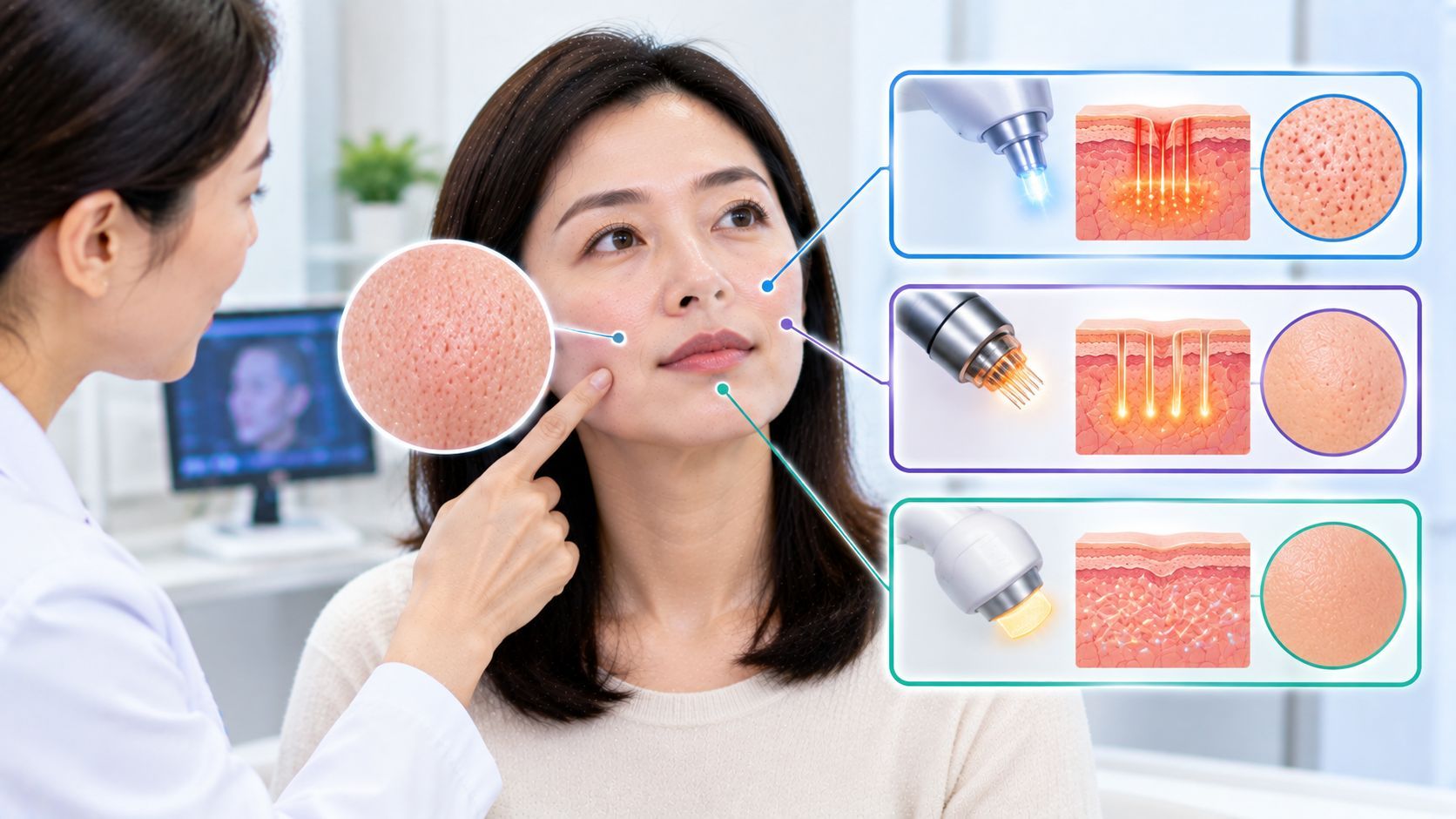
Vascular lasers are designed to target blood vessels or blood-related chromophores rather than melanin.
They may be used for concerns such as:
- Facial telangiectasia
- Spider veins
- Some types of redness
- Port-wine stains
- Certain vascular birthmarks
- Some scar-related redness
- Selected vascular lesions
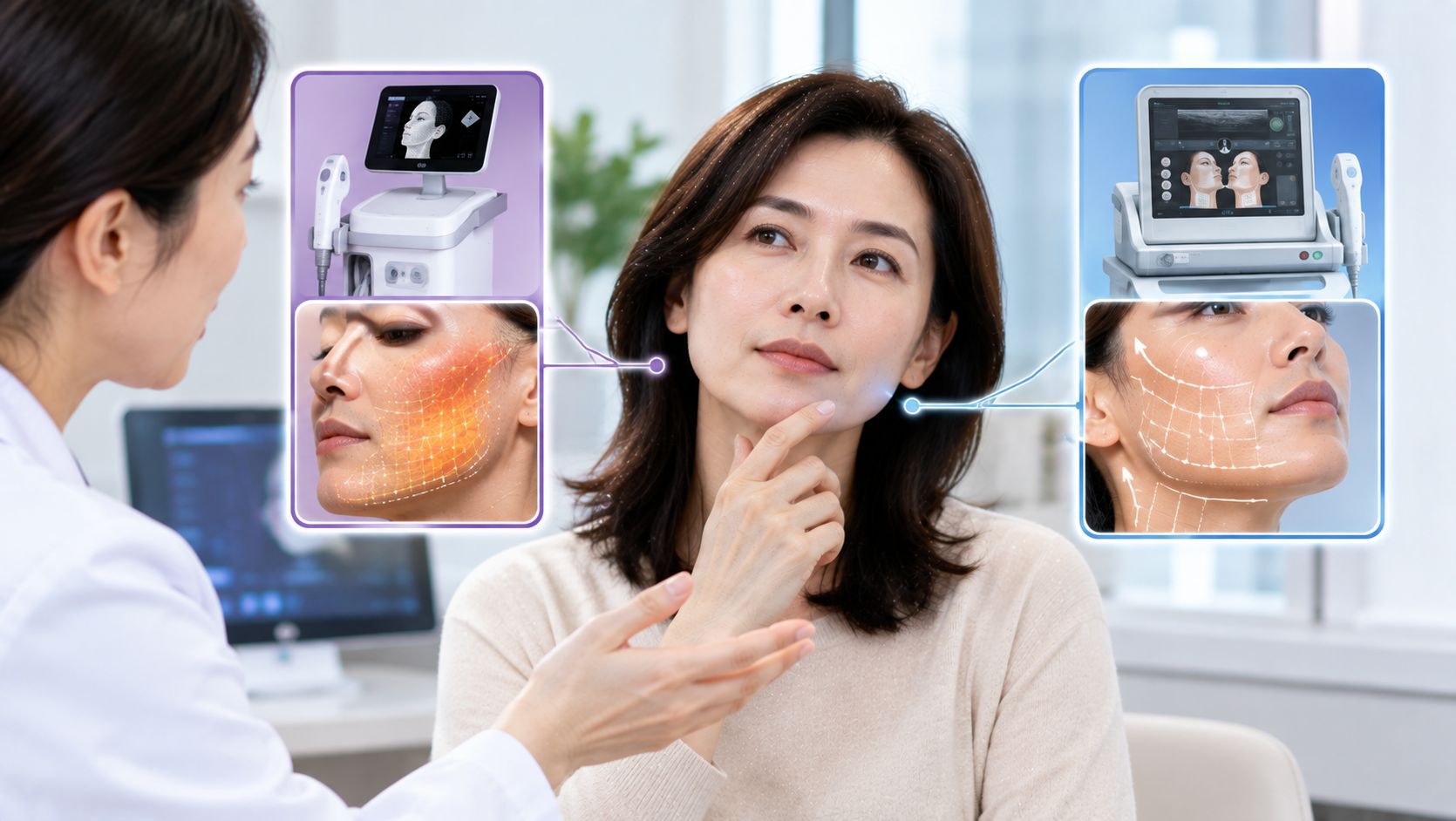
Different devices use different wavelengths. Common vascular technologies include pulsed dye lasers (PDL), KTP lasers, and long-pulsed Nd:YAG lasers.
The important point is that “vascular laser” is not one treatment. The risk profile can vary considerably between devices.
Why Is Vascular Laser More Complicated in Darker Skin?
The main issue is that melanin can compete with hemoglobin for the laser's energy.
Blood vessels contain hemoglobin, which the laser is trying to target. But epidermal melanin also absorbs light, particularly at shorter wavelengths.
If too much energy is absorbed by melanin, the surrounding epidermis can become overheated. This may result in:
- Excessive redness
- Blistering
- Burns
- PIH
- Hypopigmentation
- Rarely, scarring
Reviews of laser treatment in skin of color consistently emphasize the importance of wavelength and parameter selection because increased epidermal melanin can increase the risk of adverse effects.
Is Pulsed Dye Laser Safe for Darker Skin?
Pulsed dye laser, commonly using wavelengths around 585–595 nm, is an established vascular treatment.
However, shorter vascular wavelengths can also be absorbed by epidermal melanin. As a result, PDL requires particular caution in darker skin types. Pigmentary changes after PDL have been reported in darker-skinned patients, although appropriate cooling and treatment parameters can reduce complications.
This does not mean that PDL is automatically prohibited.
Instead, the dermatologist needs to determine whether the expected benefit justifies the pigmentary risk for the particular vascular condition.
For someone with substantial PIH susceptibility, that discussion becomes especially important.
What About 532-nm KTP Laser?
KTP lasers commonly operate around 532 nm and can target superficial vascular structures.
However, 532 nm is also strongly affected by epidermal melanin. Reviews of vascular laser treatment in skin of color therefore describe additional caution with this wavelength, particularly in higher Fitzpatrick skin types.
This is one reason that simply asking for a “vascular laser” is not enough.
You should know which device and wavelength your dermatologist is considering.
Why Is 1064-nm Nd:YAG Often Discussed for Darker Skin?
The 1064-nm Nd:YAG laser penetrates relatively deeply and has lower absorption by epidermal melanin than shorter vascular wavelengths.
That can provide a larger safety margin in some darker skin types because less energy is deposited superficially in the epidermis. Reviews describe long-pulsed 1064-nm Nd:YAG as a useful option for vascular treatment in darker skin, although evidence varies according to the specific vascular lesion.
However, “1064 nm” does not automatically mean risk-free.
The dermatologist still needs to select appropriate:
- Fluence
- Pulse duration
- Spot size
- Number of passes
- Cooling
- Treatment intervals
The correct parameters depend on the vessel, location, depth, and your skin characteristics.
Vascular Laser Comparison for Darker Skin
TreatmentMain targetDarker-skin considerationPDLHemoglobinEffective vascular option but greater melanin competition at shorter wavelengths532-nm KTPSuperficial vesselsRequires particular caution because epidermal melanin can absorb the wavelength1064-nm Nd:YAGDeeper vascular targetsOften useful in darker skin because of deeper penetration and lower epidermal melanin absorptionIPLMultiple chromophoresBroad spectrum can create more variable melanin interactionOther vascular devicesDepends on technologyRisk depends on wavelength, pulse characteristics and settings
This table describes general treatment characteristics rather than a universal treatment recommendation.
What Vascular Problems Can Be Treated?
The specific vascular diagnosis matters enormously.
Facial Telangiectasia
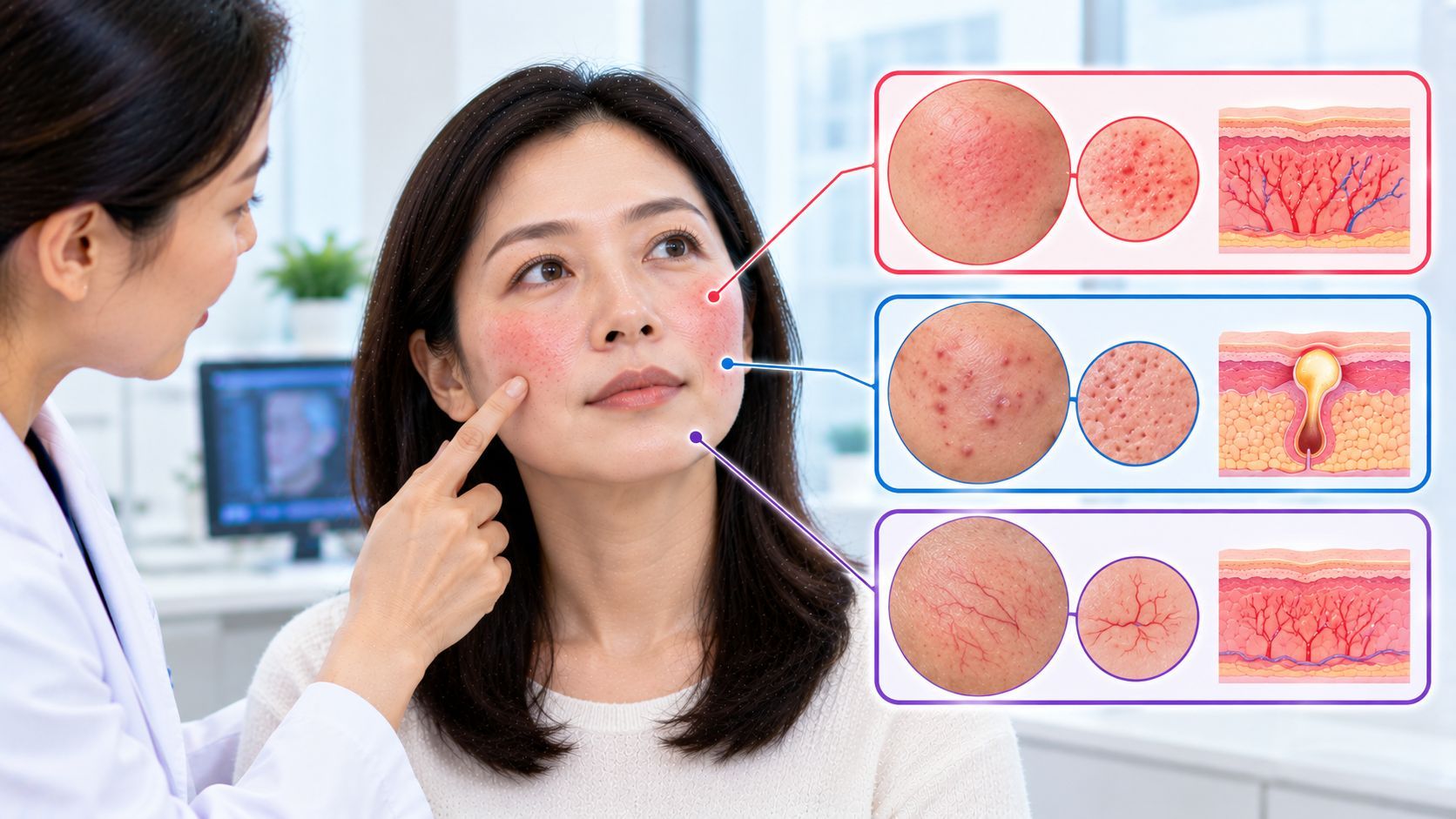
Small visible facial vessels can sometimes be treated with vascular lasers. The ideal wavelength may depend on vessel size, depth, location and skin type.
Spider Angiomas
Small localized vascular lesions may respond to vascular laser treatment, although treatment parameters must be adjusted for the surrounding skin.
Port-Wine Stains
These congenital vascular lesions can require multiple treatment sessions. PDL is a well-established treatment, but darker skin may require additional precautions because of pigmentary complications.
Diffuse Facial Redness
This situation requires more careful diagnosis because not every red face is caused by visible blood vessels.
Redness can also be associated with conditions such as rosacea, irritation, inflammation, or barrier dysfunction.
Treating the wrong cause with vascular laser may provide limited benefit while exposing the skin to unnecessary inflammation.
What If I Develop PIH Very Easily?
Tell the dermatologist before treatment.
If you have previously developed dark marks after acne, cuts, burns, laser procedures, or other inflammatory events, this history can influence treatment planning.
You may want to ask:
“I develop PIH very easily. What is the pigment risk with this vascular laser for my skin?”
Also ask:
“Would another wavelength or treatment approach be more appropriate?”
A test spot may sometimes be considered, depending on the device and clinical situation.
A test spot does not guarantee that a full treatment will be complication-free, but it can provide additional information about your individual response.
What Should You Tell a Korean Dermatologist?
If you are traveling to Seoul for vascular laser treatment, give the dermatologist specific information rather than simply saying that you have dark skin.
Tell them:
- Your approximate Fitzpatrick skin type
- Whether you tan easily
- Whether you recently had significant sun exposure
- Whether you develop PIH after acne
- Whether previous lasers caused pigmentation
- Which vascular condition you want treated
- Any previous vascular laser treatment
- Any history of prolonged redness or burns
- Whether you are using active skincare products or medications
If you have previous treatment records or photographs, bring them.
How Can Pigment Risk Be Reduced?
Risk reduction begins before the laser is used.
Important considerations may include:
Appropriate Wavelength
Longer wavelengths can sometimes reduce epidermal melanin absorption compared with shorter wavelengths. This is one reason 1064-nm Nd:YAG is frequently considered in darker skin.
Conservative Parameters
Energy, pulse duration, spot size and treatment density should be selected for the individual patient rather than using identical settings for every skin type.
Cooling
Cooling can help protect the epidermis and may reduce pigmentary complications with certain vascular laser treatments.
Sun Protection
Strict photoprotection is particularly important around procedures that can trigger inflammation and pigmentation.
Staged Treatment
Depending on the condition, several conservative sessions may be preferable to attempting aggressive treatment in one session.
When Should You Be Especially Cautious?
Extra caution is appropriate if you have:
- Fitzpatrick IV–VI skin
- A strong history of PIH
- Recent tanning
- Active skin inflammation
- Previous laser burns
- Previous hypopigmentation
- Very sensitive or compromised skin
- A vascular condition that has not been clearly diagnosed
Higher Fitzpatrick phototypes have a greater vulnerability to pigmentary complications from laser treatment, so conservative planning and appropriate expertise are important.
Does Darker Skin Mean I Should Avoid Vascular Lasers?
Not necessarily.
The evidence supports the use of vascular lasers in patients with skin of color, but treatment requires greater attention to melanin as a competing chromophore. Longer wavelengths, appropriate cooling, and individualized parameters can help reduce unnecessary epidermal injury.
The appropriate choice depends on the vascular lesion, vessel depth, skin type, PIH history, treatment area, and device available at the clinic.
Conclusion
Darker skin can receive vascular laser treatment, but it requires careful planning. PDL and 532-nm KTP lasers can be useful for selected vascular conditions but have greater potential for melanin interaction. Long-pulsed 1064-nm Nd:YAG is often considered a useful option for darker skin because its longer wavelength penetrates more deeply and has lower epidermal melanin absorption.
For patients traveling to Korea, the most important questions are not simply whether the clinic offers vascular laser treatment, but which device will be used, why that wavelength fits your vascular problem, how settings will be adjusted for your skin, and how the clinic plans to minimize PIH and other pigmentary complications.
Frequently Asked Questions
Can Fitzpatrick IV–VI skin receive vascular laser treatment?
Yes, vascular lasers can be used in darker skin, but treatment requires careful device selection and parameter customization because epidermal melanin can increase the risk of pigmentary complications.
Is 1064-nm Nd:YAG suitable for darker skin?
It can be a useful option for selected vascular conditions. Its longer wavelength penetrates more deeply and is less strongly absorbed by epidermal melanin than shorter wavelengths.
Is pulsed dye laser dangerous for dark skin?
PDL is not automatically dangerous, but darker skin has a greater risk of pigmentary complications with shorter vascular wavelengths. Cooling and carefully selected settings are important.
Can vascular laser cause hyperpigmentation?
Yes. PIH can occur after vascular laser treatment, particularly when inflammation or epidermal thermal injury is excessive.
Should I get a test spot before vascular laser?
You can ask whether a test spot is appropriate, particularly if you have a strong history of PIH. Its usefulness depends on the treatment and clinical circumstances.
What should I ask a Korean dermatologist before vascular laser treatment?
Ask which vascular lesion is being treated, which wavelength and device will be used, how the settings will be customized for your skin, what cooling will be used, and what the clinic's plan is if PIH develops.