Ultherapy Made My Cheeks Look Flatter. What Can I Do?
Introduction
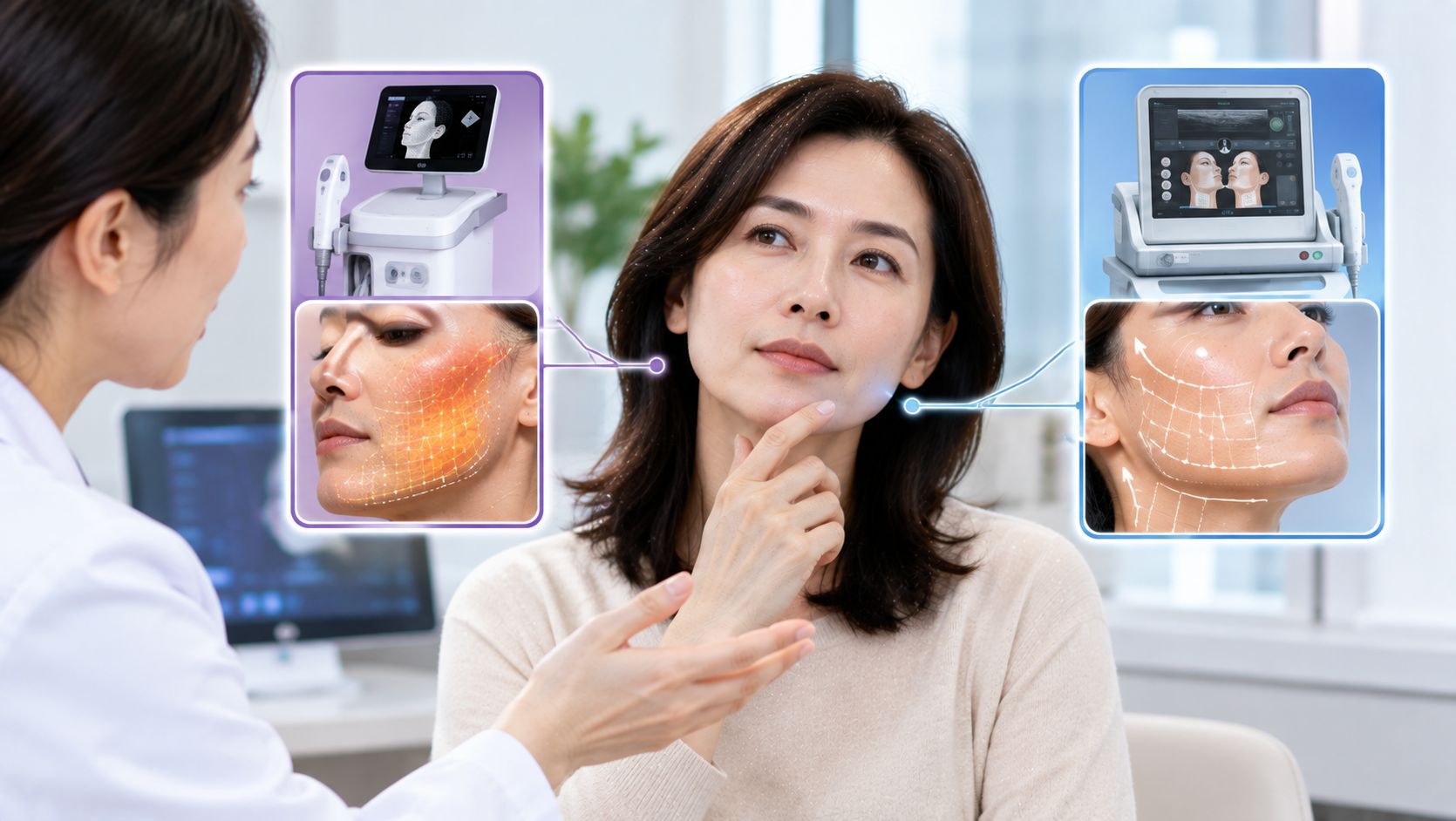
Ultherapy is a form of microfocused ultrasound used to tighten and lift selected areas of the face and neck. It is designed primarily for skin and soft-tissue laxity rather than facial volume restoration. Clinical studies generally describe microfocused ultrasound as most appropriate for mild-to-moderate laxity, with temporary redness, swelling, pain and other treatment effects being among the more commonly reported reactions.
If your cheeks look flatter after Ultherapy, the first step is not automatically to add filler or repeat another tightening treatment. A flatter appearance can have several explanations, including resolution of temporary swelling, pre-existing facial volume loss becoming more noticeable, changes in soft-tissue contour, weight loss or, less commonly, localized tissue atrophy. The treatment parameters and the thickness of your facial tissues also matter.
The appropriate next step depends on whether you actually lost volume, whether the skin is simply tighter, or whether another factor is creating the change in appearance.
Why Can Cheeks Look Flatter After Ultherapy?
Your Face May Have Looked Fuller Temporarily
Immediately after treatment, swelling can make certain areas look fuller. As that swelling resolves, the face may appear slimmer than it did during the first few days.
This does not necessarily mean that cheek fat has been lost.
The official Ultherapy information lists swelling and localized welting among expected short-term treatment effects, with swelling generally resolving within several days.
This is one reason photographs taken immediately after treatment should not be used as the final comparison.
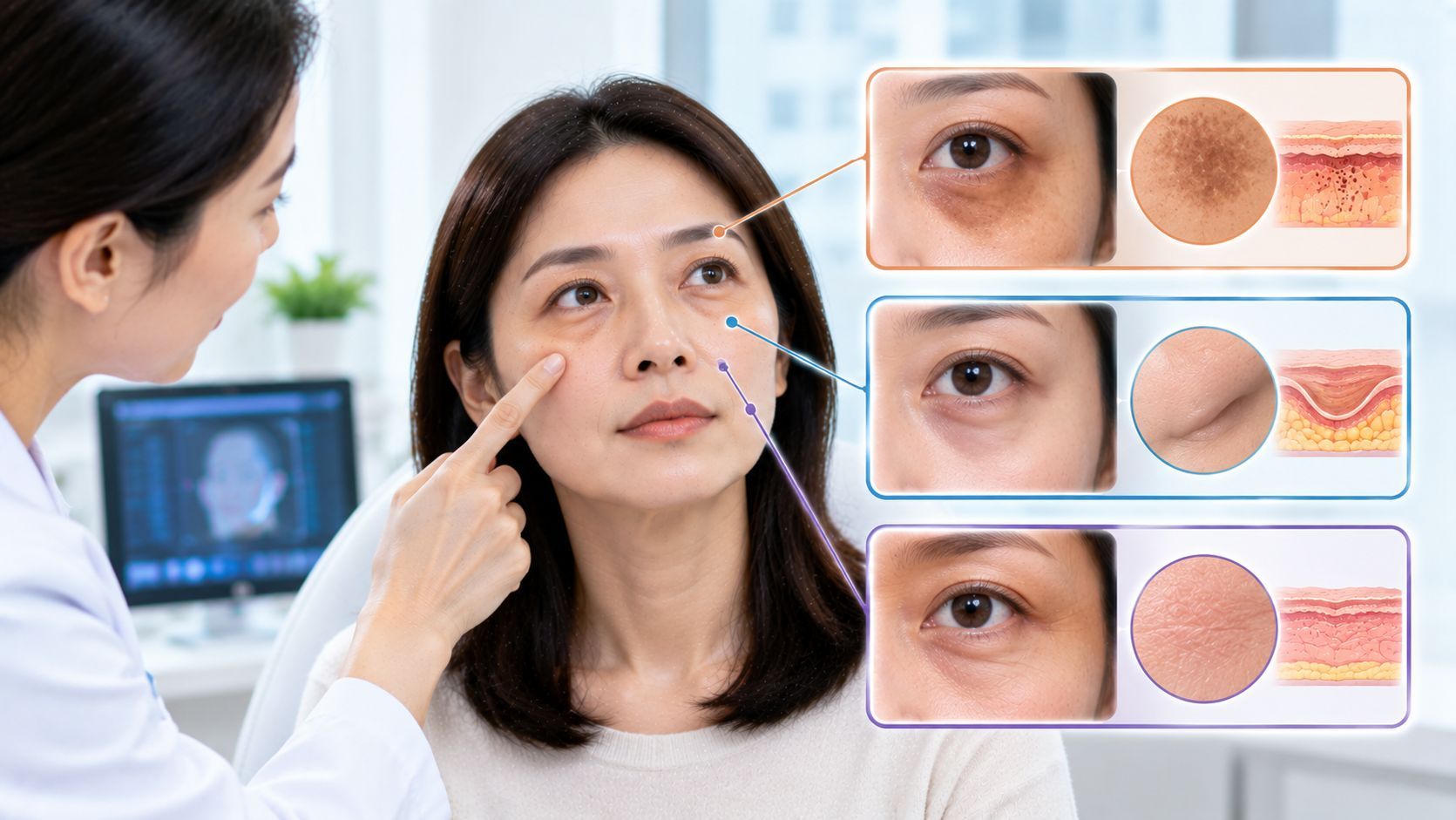
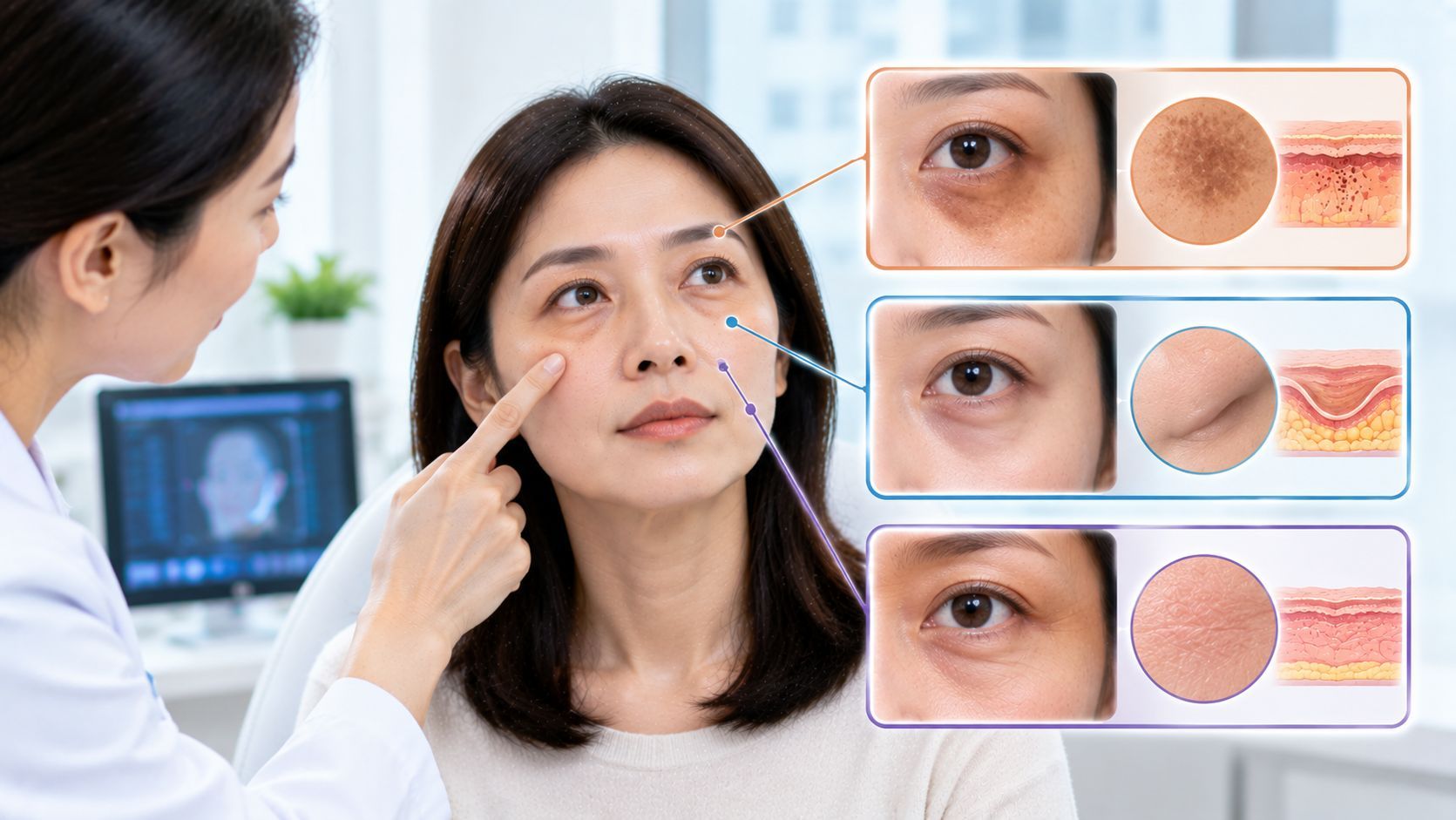
Your Existing Volume Loss May Be More Noticeable
Some people already have relatively low cheek volume before treatment.
This can occur with:
- Natural facial anatomy
- Aging
- Menopause
- Recent weight loss
- Previous facial slimming
- Naturally thin facial tissue
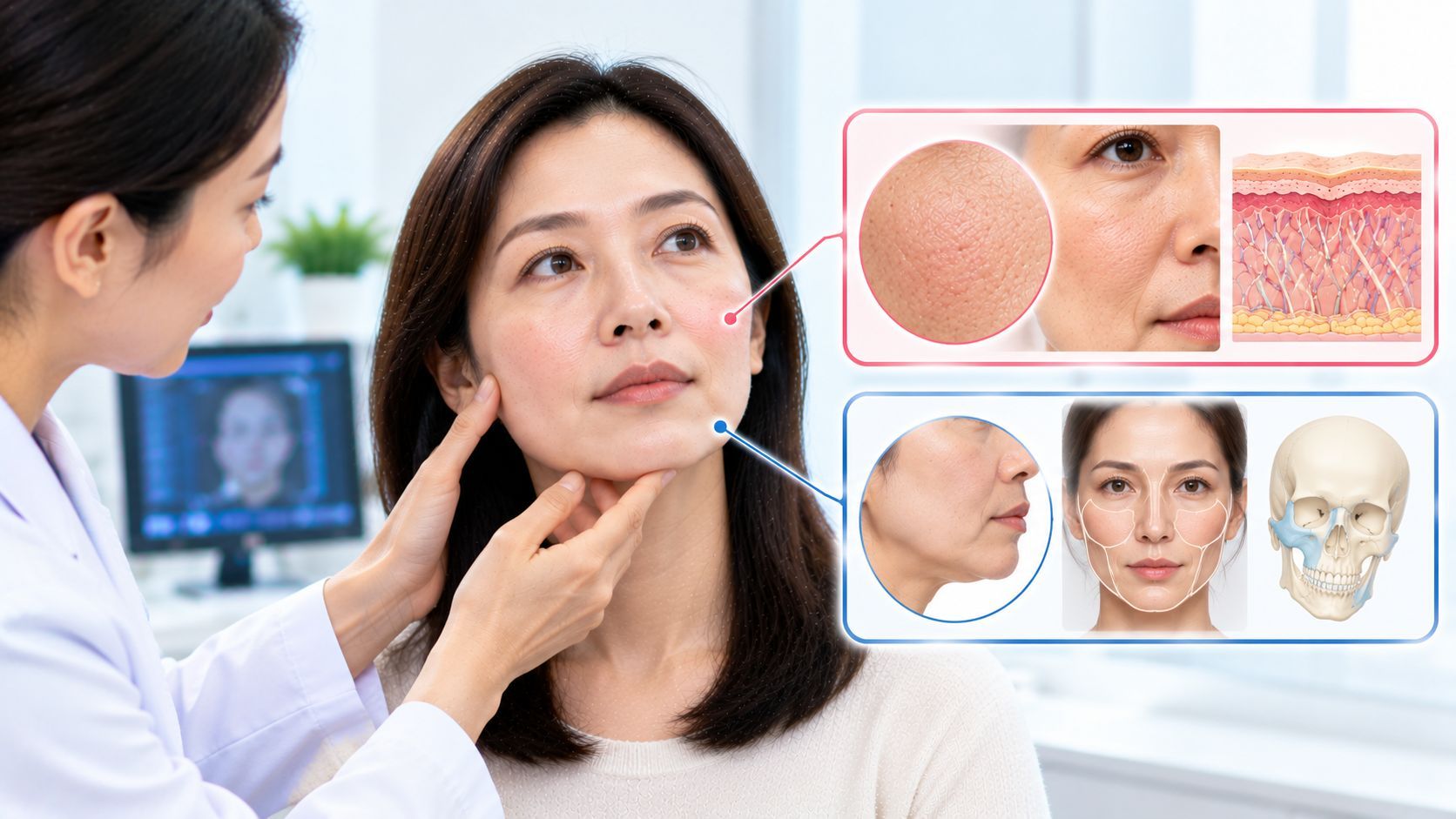
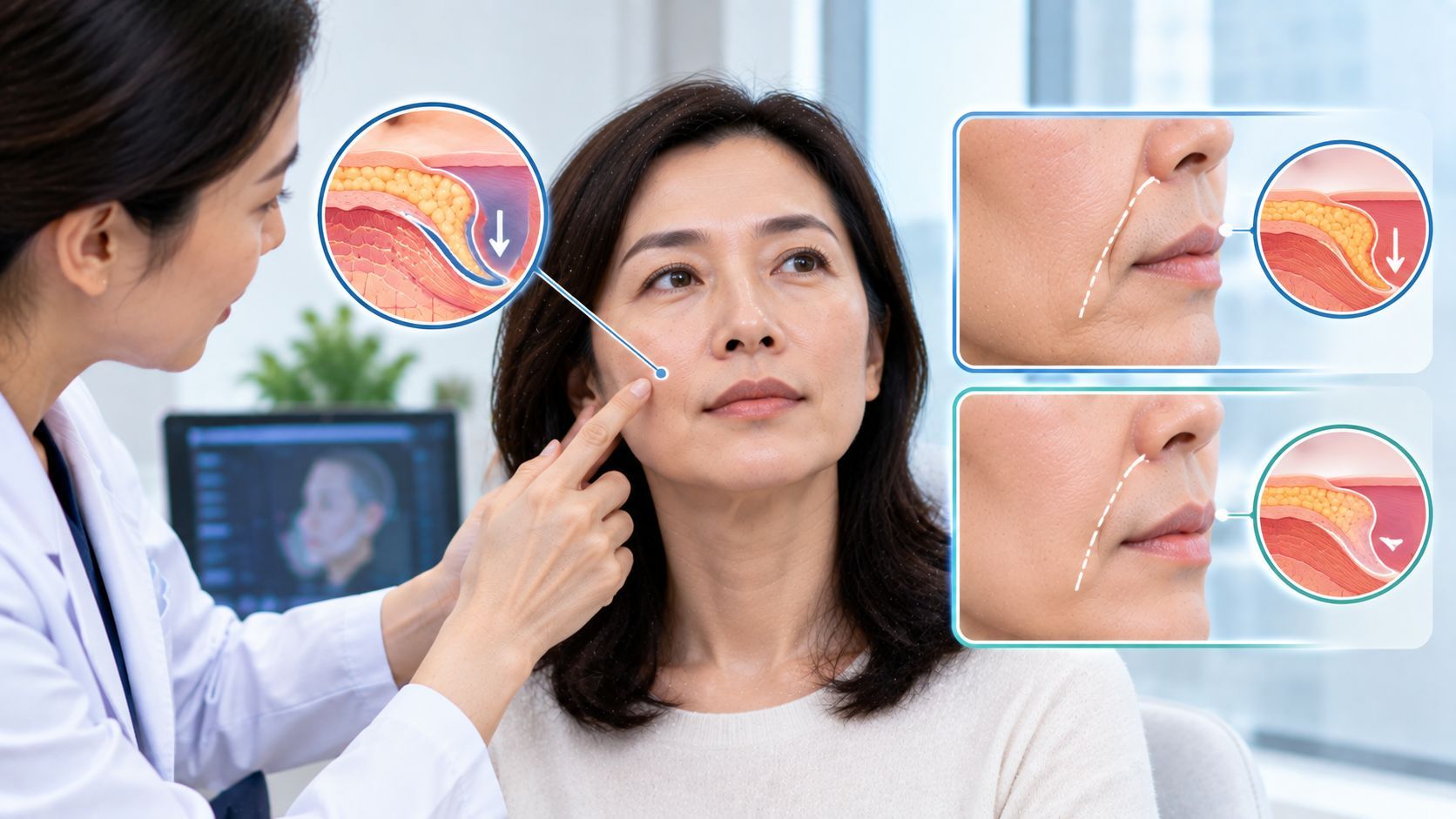
If the skin becomes tighter while the underlying cheek remains relatively hollow, the face may appear more angular.
In other words, the problem may not be newly created volume loss; the existing volume loss may simply be more visually apparent.
Treatment Depth and Settings Matter
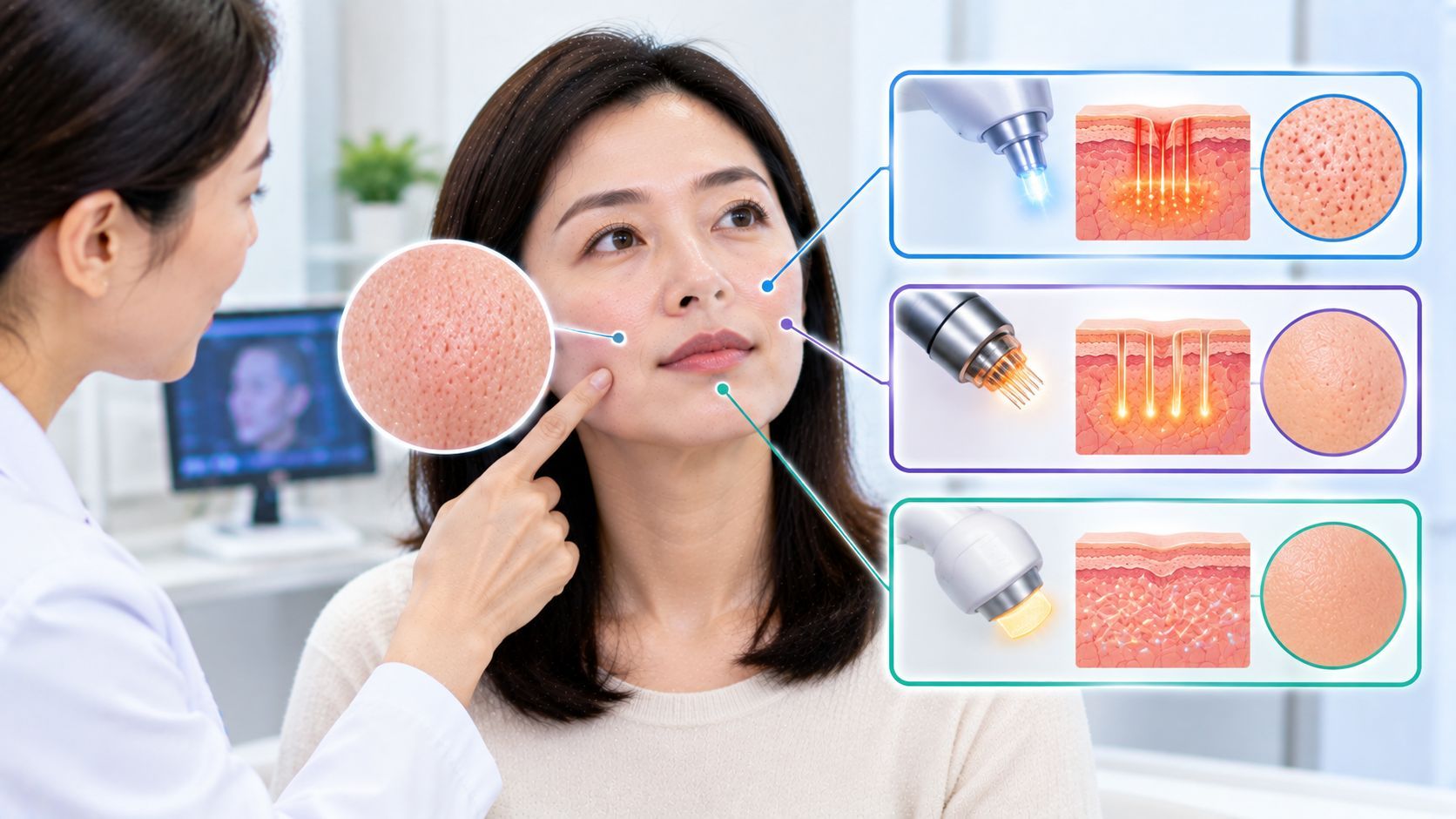
Microfocused ultrasound works by creating focused thermal treatment points at selected tissue depths. Treatment can be customized according to the targeted tissue and anatomy.
This means the result can depend on:
- Device used
- Transducer depth
- Energy level
- Number of treatment lines
- Treatment pattern
- Areas treated
- Facial anatomy
- Amount of subcutaneous fat
There is therefore a major difference between saying “Ultherapy causes cheek fat loss” and saying that localized tissue atrophy has been reported as an uncommon adverse event.
A recent systematic review identified mostly transient treatment effects in published studies, while noting a limited number of significant adverse events, including one case of subcutaneous atrophy. Post-marketing reports have also included lipoatrophy, although these reports do not establish that every reported event was caused by the treatment.
How Can You Tell Whether You Actually Lost Volume?
Look at Before-and-After Photos
Compare photographs taken under similar conditions.
Ideally, compare:
- Same lighting
- Same camera
- Same facial expression
- Same angle
- Similar head position
- Similar distance from the camera
Look at the cheek projection from the front and three-quarter views.
Also examine whether the temples, under-eye area and lower face changed at the same time.
Consider Your Weight
If you lost weight around the same period as your Ultherapy treatment, the change may not be caused entirely by Ultherapy.
Even modest weight changes can affect a relatively lean face, while substantial weight loss can produce much more obvious facial deflation.
Give the Result Time to Stabilize
Ultherapy results develop gradually rather than appearing instantly. The skin may continue changing after treatment as collagen remodeling occurs.
If you are only a few days or weeks out, it may be too early to make a permanent judgment about the final contour.
However, persistent or significant changes should be evaluated by a qualified medical professional rather than simply waiting indefinitely.
What Should I Do If My Cheeks Really Look Too Flat?
Step 1: Stop Additional Tightening Temporarily
If you believe your face has become flatter, repeating Ultherapy or immediately adding another aggressive tightening treatment may not be appropriate.
First determine whether the concern is:
- Volume loss
- Skin tightening
- Tissue atrophy
- Weight loss
- Temporary swelling changes
- Natural aging
- A combination of factors
A second treatment should not be used simply to “fix” an unclear result.
Could Filler Restore the Cheeks?
If an examination confirms genuine volume deficiency, carefully placed filler may be one possible option.
Dermal fillers can restore fullness in selected facial areas. However, cheek filler needs to be planned carefully because adding too much volume can create heaviness or alter facial proportions.
The objective should be restoration of appropriate contour, not making the cheeks as full as possible.
This is especially important if your face is naturally thin.
A physician may evaluate:
- Cheek projection
- Midface volume
- Under-eye transition
- Nasolabial area
- Temple volume
- Overall facial proportions
Sometimes the best correction involves a small amount of strategically placed volume rather than filling the entire cheek.
What If I Don't Want Filler?
Filler is not the only possible approach.
If the main concern is skin quality rather than substantial volume loss, your dermatologist may discuss treatments such as:
- Rejuran or other polynucleotide treatments
- Skin boosters
- RF microneedling
- Microneedling
- Selected laser treatments
- Topical skincare
These approaches have different purposes.
For example, skin-quality treatments may improve hydration, texture or the appearance of fine lines, but they should not be presented as equivalent to replacing lost cheek volume.
If the cheek is genuinely hollow, a skin-quality treatment alone may not recreate the missing projection.
What About Fat Grafting?
For people with more substantial or persistent volume deficiency, autologous fat grafting may sometimes be discussed.
Unlike filler, fat grafting uses the patient's own fat.
However, it is a surgical procedure and involves different considerations, including:
- Donor-site availability
- Healing
- Swelling
- Fat survival variability
- Potential asymmetry
- Recovery time
It should therefore be evaluated separately from non-surgical injectable treatments.
Could Another Tightening Treatment Make It Worse?
Potentially, depending on the anatomy and treatment.
If the cheeks already look too flat, the priority may shift from additional tightening toward determining whether volume restoration or skin-quality treatment is more appropriate.
Microfocused ultrasound is generally intended for selected laxity rather than significant facial volume replacement. Published literature describes it as most suitable for mild-to-moderate laxity.
This is particularly relevant for people with naturally lean faces.
What If There Is Actual Tissue Atrophy?
Rare but significant complications have been reported with microfocused ultrasound, including cases involving subcutaneous tissue atrophy. A case series described serious complications such as subcutaneous edema followed by atrophy, although these events are considered uncommon.
If you notice a clearly localized depression, unusual asymmetry, persistent contour change or other concerning physical changes, obtain an in-person assessment.
Do not assume that the problem can be corrected simply by adding filler.
A physician may need to determine whether the tissue is:
- Temporarily inflamed
- Structurally unchanged but visually different
- Actually volume-deficient
- Atrophic
- Asymmetric
- Affected by another condition
What If My Face Looks Better From One Angle but Worse From Another?
This is common with facial contour changes.
A small change in cheek projection can affect how shadows appear around:
- The cheekbone
- Nasolabial fold
- Under-eye area
- Mouth
- Jawline
A face can therefore look slimmer from one angle while appearing normal from another.
This is another reason to avoid making treatment decisions from a single selfie.
What Should International Patients Do in Seoul?
If you had Ultherapy in Seoul and are unhappy with your cheek contour, ask the original clinic for your treatment records if available.
Useful information includes:
- Exact device
- Treatment date
- Areas treated
- Treatment depth
- Number of lines
- Energy settings
- Before-treatment photographs
- Post-treatment photographs
If you are considering treatment at another Seoul clinic, give the new physician this information rather than simply saying that “Ultherapy damaged my cheeks.”
An independent assessment can help determine whether you actually have volume loss and what type of correction, if any, is appropriate.
When Should You Seek Medical Attention?
Contact your treating clinician if you experience persistent or worsening:
- Severe pain
- Significant swelling
- Skin discoloration
- Blistering
- Burns
- Numbness
- Tingling
- Muscle weakness
- Pronounced asymmetry
- Unusual contour changes
The Ultherapy instructions for use describe temporary nerve-related symptoms such as numbness, tingling or local muscle weakness, while also warning that burns or scarring can occur if treatment technique is incorrect.
How Can I Reduce the Risk With Future Treatments?
Before another energy-based treatment, ask your provider to assess your facial volume.
Tell them if you:
- Have a naturally thin face
- Recently lost weight
- Have hollow cheeks
- Have prominent cheekbones
- Have previously experienced unwanted volume loss
- Have had filler or fat grafting
- Are concerned about a slimmer appearance
Ask specifically:
“Will this treatment address my laxity without making my existing facial hollowness more noticeable?”
That question can lead to a more useful consultation than simply asking for the strongest lifting treatment.
Conclusion
If Ultherapy made your cheeks look flatter, the next step is to determine why they look flatter.
The explanation could be temporary swelling resolving, existing volume loss becoming more visible, changes associated with aging or weight loss, or—less commonly—localized tissue atrophy. Published evidence does not support assuming that every case of flatter cheeks after microfocused ultrasound represents permanent fat loss, but localized atrophy has been reported.
If genuine volume loss is confirmed, carefully planned volume restoration may be considered. If the problem is primarily skin quality, a different treatment category may be more appropriate. If the result is still evolving, observation and reassessment may be preferable to immediately adding another procedure.
The key is to diagnose the contour change before trying to correct it.
FAQs
Can Ultherapy make cheeks look flatter?
A flatter appearance can occur for different reasons, including changes in swelling, existing volume loss becoming more visible or, rarely, localized tissue atrophy. It should not automatically be assumed that Ultherapy caused permanent fat loss.
Can cheek filler fix flat cheeks after Ultherapy?
If genuine volume loss is confirmed, carefully placed filler may help restore contour. However, filler should be planned according to the whole face rather than simply adding volume wherever the cheeks appear flatter.
Should I repeat Ultherapy if my cheeks look flat?
Not without an assessment. Additional tightening may not address a volume-related problem and could be inappropriate if the face is already very lean.
How long should I wait before judging my Ultherapy result?
Ultherapy results develop gradually, and early swelling can distort the appearance. Your treating clinician can advise when a meaningful reassessment should take place.
Can Rejuran restore lost cheek volume?
Rejuran is primarily used for skin-quality concerns and is not a direct replacement for substantial lost cheek volume. If the main problem is hollowing, another treatment may be necessary.
Is facial fat loss after Ultherapy permanent?
True tissue atrophy has been reported but appears uncommon in the published literature. If you have a persistent contour change, an in-person examination is important before assuming that it is permanent.